What the Largest Dog Breed? Top Giant Breeds Ranked by Size
Have you ever stood next to a dog so big it felt like a small horse? There is something truly magical about having a gentle giant at home. These amazing animals bring a special sense of security and friendship that changes your life.
Finding what the largest dog breed is can be tricky. Experts argue over whether to look at height or weight. This makes it hard to pick just one largest dog species.
We’ll take you through these incredible dogs to help you understand how they’re ranked. Whether you care more about how tall they are or how heavy, our list helps clarify things. Choosing a big dog means thinking about your lifestyle and how much space you have.
Table of Contents
Defining What the Largest Dog Breed Actually Means
When you start looking into giant dogs, you see that size is more than just a number. To find what the largest dog breed is, you need to look at height and weight. These two things often show different sides of a dog’s size.
Kennel clubs and breed standards have their own ways to measure these huge dogs. Some dogs are known for being very tall. Others are famous for being very heavy. It’s important to think about these different ways of measuring size when comparing breeds.
- Height: This is measured from the ground to the highest point of the shoulder blades, called the withers.
- Mass: This is the dog’s total weight. It often affects the strength of their joints and bones.
Knowing these differences helps you pick the top large dog breed that interests you. Some breeds are fast and tall. Others are strong and stable. By understanding these differences, you can better see the size of the dogs in this guide.
The English Mastiff: The Heavyweight Champion
If you’re looking for the biggest dog in the world, the English Mastiff is it. They are the biggest dog breed by weight and size. Their size is so impressive, it leaves people amazed.
These dogs were once used to guard estates and animals. They used their imposing physical presence to scare off intruders. Now, they are still protective but also very calm and loyal.
Many people think the English Mastiff is a top large dog breed because of their gentle nature. They are called gentle giants because of their size and kindness. They are patient with family and very devoted to their owners.
Getting an English Mastiff means you’re getting a loyal friend who loves peace. They are calm and make great pets for those with enough space. Their strength and kindness make them a favorite among dog lovers.
| Feature | Typical Range | Key Characteristic |
|---|---|---|
| Average Weight | 160 – 230 lbs | Heavyweight build |
| Temperament | Calm & Loyal | Protective nature |
| Primary Role | Guardian | Ancient heritage |
| Energy Level | Low to Moderate | Relaxed indoors |
Choosing a big dog like the English Mastiff means understanding their needs. They are huge but need lots of love. As the biggest dog breed by weight, they need special care for their health and joints.
The Great Dane: The Gentle Giant of Height
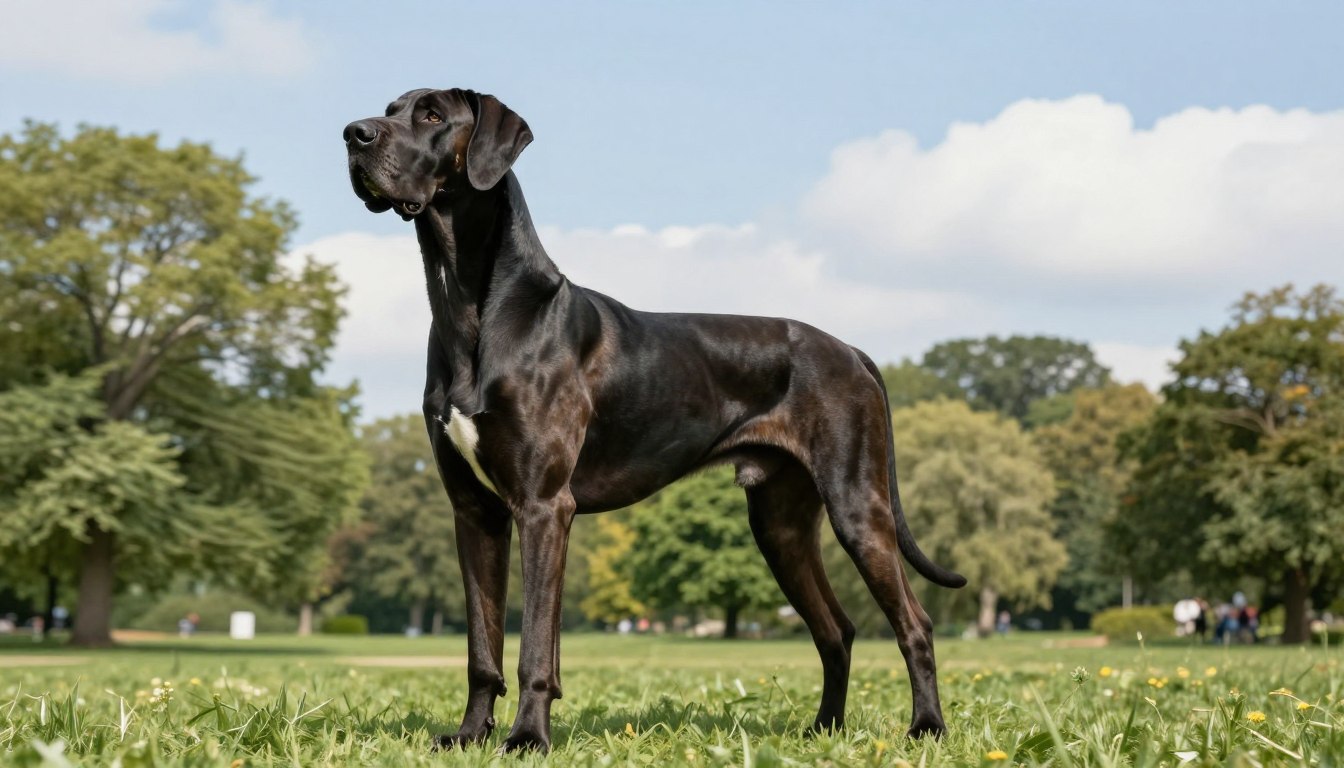
If you’re looking for the biggest dog breed by height, the Great Dane is your answer. These dogs are known for their tall frames, often as tall as an average adult. Despite their size, they are known as the gentle giants of dogs.
These dogs were once fierce boar hunters in Germany. Their strength and speed were key for hunting large game. Over time, breeders made them into affectionate and loyal family pets.
“The Great Dane is a dog that combines the strength of a hunter with the heart of a poet, always seeking the comfort of its human family.”
To keep your Great Dane healthy, regular exercise is key. They don’t need intense workouts but do need daily walks. It’s also important to give them enough space to stretch their long legs.
Thinking about getting a biggest dog breed? Here are some things to consider about their needs and size:
| Feature | Description | Requirement |
|---|---|---|
| Average Height | 28 to 32 inches | High vertical space |
| Temperament | Friendly and calm | Social interaction |
| Exercise Level | Moderate | Daily walking |
| Primary Role | Family Companion | Indoor living |
Owning a Great Dane is a special experience. It requires patience and dedication. By knowing their history and needs, you can make sure they live a happy life with you.
The Saint Bernard: A History of Alpine Rescue
The Saint Bernard is a key figure in alpine rescue history. This giant dog breed came from the Swiss Alps’ snowy passes. Monks at the Great St. Bernard Hospice bred them to help travelers in the mountains.
These dogs were not just big; they were essential for survival. Their thick coats kept them warm in freezing temperatures. Their incredible strength helped them push through deep snow, something humans couldn’t do alone.
Today, Saint Bernards are known for their calm and watchful nature. They’ve moved from being working dogs to devoted family companions. They’re great with kids, but they need proper training and socialization.
It’s important to know what a giant dog breed like this needs. They need lots of space and a diet that supports their size. Here’s a table with key physical traits of this iconic breed.
| Trait | Description | Significance |
|---|---|---|
| Average Weight | 120–180 lbs | Provides stability in snow |
| Coat Type | Dense/Double | Insulation against cold |
| Temperament | Patient/Watchful | Ideal for family life |
| Historical Role | Alpine Rescue | Search and recovery |
The Newfoundland: The Ultimate Water Rescue Dog
The Newfoundland is famous for its amazing rescue skills. It’s a standout giant dog breed. These dogs love the water more than almost any other dog. If you want a pet that loves water, this breed is perfect.
They are built for life by the sea. Their webbed paws are like paddles, making them great swimmers. Plus, their thick coat keeps them warm, even in cold weather.
These dogs used to help fishermen in Newfoundland, Canada. They pulled nets, got things that fell off boats, and saved people from drowning. Their deep-seated instinct to help is what makes them special.
Despite being huge, they’re known as “nanny dogs” because they’re so gentle with kids. They’re calm and loving, making them great family pets. Their size and gentle nature are a rare find.
Getting a Newfoundland means you’re getting a loyal friend. They’re always ready to protect, but they’re also very kind to their family. Their mix of strength and gentleness makes them a favorite giant dog breed worldwide.
The Irish Wolfhound: The Tallest Canine Breed
The Irish Wolfhound is the tallest dog in the world. They are known for their incredible height, not just their weight. At the park, they stand out, but they are surprisingly gentle.
These dogs have a rich history in ancient Ireland. They were bred to hunt large game, needing speed and endurance. Now, they are sensitive and quiet household members who love being with people.
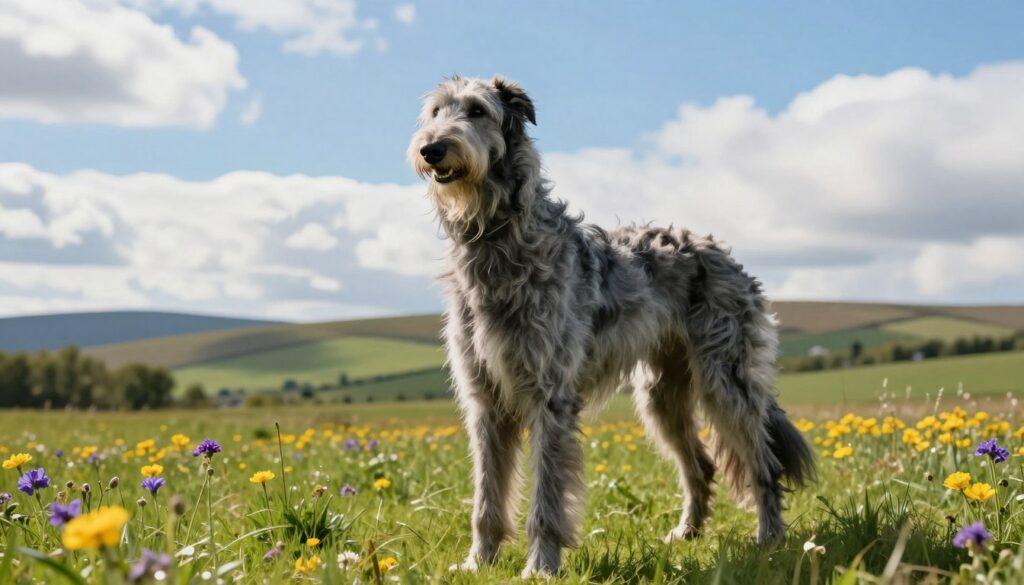
Unlike other big dogs, Irish Wolfhounds are built for speed. Their lean body lets them run fast, making them unique. Their beauty comes from their special body shape.
These dogs grow fast and get very tall. They need special care for their joints when they’re young. Good food and exercise help their bones grow strong. Keeping their long legs healthy is key for their future.
Getting an Irish Wolfhound means you’ll have a powerful yet graceful friend. They are calm, despite their size. With the right care, they become loyal friends for life.
The Leonberger: A Lion-Hearted Companion
The Leonberger is a standout among the largest breed of dogs for its size and gentle nature. It comes from Leonberg, Germany, in the 19th century. Breeders wanted a dog that looked like the lion on the town’s coat of arms, creating a majestic creature.
These dogs are big but known for being gentle and patient. They were bred to be perfect family pets, especially with kids. Their smartness and eagerness to learn make them easy to train, unlike many giant breeds.
“The Leonberger is a dog of great substance, yet it moves with a grace that belies its heavy frame, always keeping a watchful eye over its human family.”
Leonbergers are great at many jobs, like water rescue and farm guarding. They’re not the heaviest largest breed of dogs, so they’re quite agile.
What makes Leonbergers special is their temperament. A well-socialized Leonberger will show:
- Calm demeanor: They rarely get aggressive and stay calm in new places.
- Friendly nature: They’re curious about strangers and other animals, not suspicious.
- Affectionate bond: They love being around people and prefer to stay close to their owners.
Getting a Leonberger means you’ll have a loyal friend. They may not be the largest breed of dogs, but they command respect. Their beauty, smarts, and kind heart make them an excellent companion for any owner.
The Anatolian Shepherd: Guardian of the Flock
The Anatolian Shepherd comes from Turkey’s rugged lands. For thousands of years, it has protected livestock from predators. It’s not the largest canine breed by weight, but its size and protection skills are unmatched.
This breed has a strong independent nature. Unlike many dogs, it makes decisions on its own. This makes it a great guardian but can be tough for new owners.
Training an Anatolian Shepherd early and consistently is key. They learn fast but may question commands that don’t seem important to them. Here are some important traits to consider:
- Unwavering Loyalty: They bond deeply with their family and territory.
- Natural Suspicion: They are cautious of strangers and new places.
- High Intelligence: They need mental challenges to avoid boredom and bad behavior.
- Protective Instincts: They defend their flock or family against threats.
Having an Anatolian Shepherd means a big commitment. You need to provide a safe place and clear leadership. They may not be the largest canine breed by weight, but their strength and spirit are impressive. They need respect and careful care.
The Tibetan Mastiff: Ancient Protector of the Himalayas
In the Himalayas, the Tibetan Mastiff is a legendary guardian. For centuries, it protected monasteries and nomadic camps from predators. Its massive size and thick coat make it look incredibly imposing, even though it’s not always the largest canine breed in height.
The Tibetan Mastiff has a unique personality. They are aloof and very territorial, making them great watchdogs. Yet, they are fiercely loyal and devoted to their family.
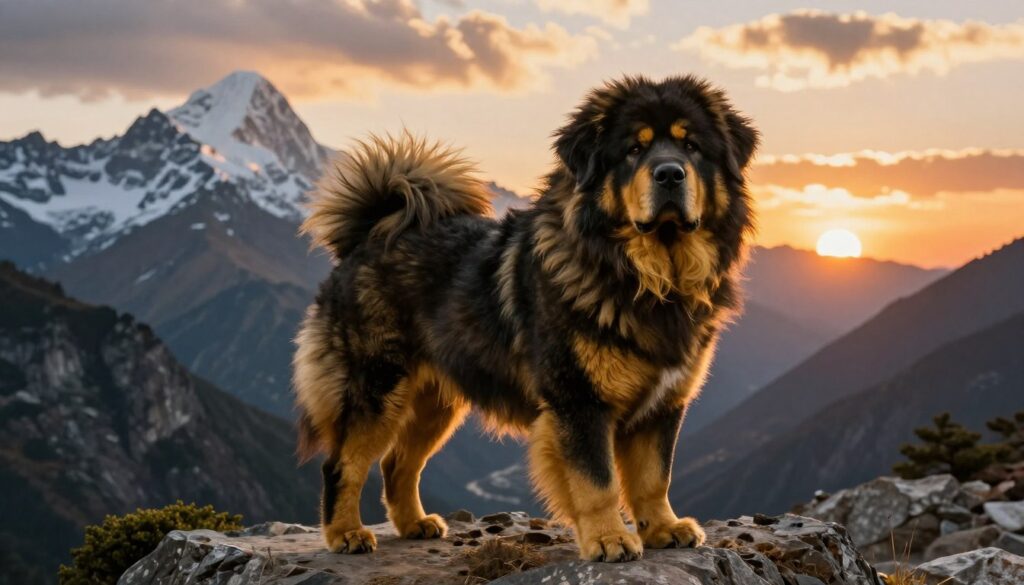
Looking after a Tibetan Mastiff means a lot of grooming. Their thick coat keeps them warm in cold climates but sheds a lot. Regular brushing is needed to prevent matting and keep their skin healthy. Their ability to handle cold weather shows their ancient heritage and toughness.
| Feature | Tibetan Mastiff | Average Weight | Coat Type |
|---|---|---|---|
| Temperament | Territorial | 90-150 lbs | Double Coat |
| Role | Guardian | High | Dense |
| Classification | Largest canine breed | Heavy | Weather-resistant |
The Greater Swiss Mountain Dog: The Versatile Draft Worker
In the Swiss Alps, the Greater Swiss Mountain Dog became known as a versatile draft animal. They were bred to pull heavy carts, herd animals, and protect farms. Despite not being the biggest dog breed, their strong bones and muscles make them powerful workers.
These dogs are as impressive in temperament as they are in strength. They are alert, confident, and loyal, making them great watchdogs. They stay calm but watchful when strangers come near.
To keep them happy, they need regular exercise and mental challenges. They love to hike, pull carts, or learn new tricks. Here are key things for owners to know:
- High Stamina: They need daily long walks or lots of play.
- Mental Engagement: Puzzle toys and training keep them from getting bored.
- Socialization: Early training helps them be polite with other pets.
- Drafting Skills: Many owners train them for carting contests.
Keeping this breed healthy means giving them lots of activity. Without enough, they might get restless or destructive. The right care ensures they stay happy and healthy in your family for many years.
Essential Considerations for Owning a Giant Dog Breed
Owning the biggest domestic dog breed is rewarding but requires big lifestyle changes. Before getting a massive dog, think about their size. You need to plan your home, budget, and daily routine carefully.
Space Requirements and Living Arrangements
Giant dogs need more than a bed; they need space to move. Check if your home can fit a dog over 150 pounds. Open floor plans are best to avoid furniture damage and keep your dog comfortable.
- Make sure your floors are sturdy and won’t slip to protect their joints.
- Have a quiet spot for your dog to rest and relax.
- Ensure your yard has strong, high fencing to keep your dog safe.
Nutritional Needs and Dietary Costs
Feeding the biggest domestic dog breed is expensive. They eat a lot and need high-quality food for their bones. You’ll need to budget for premium kibble or raw diets.
Don’t forget the cost of supplements for joint health. Consistent nutrition is key for your dog’s health.
Health Challenges and Lifespan Expectations
Giant breeds face health issues like hip dysplasia and bloat. You need to watch for signs and get vet help fast.
These dogs often live shorter lives than smaller ones. Regular vet visits and screenings are crucial. Working with your vet can help your biggest domestic dog breed live a healthy life.
Conclusion
Bringing a big dog into your home changes your life in amazing ways. They become your loyal friend, offering protection and lots of love. These dogs are truly the biggest and most graceful.
Choosing the right big dog breed needs careful thought. You must make sure your home can handle their size. Training and socializing them is key for a happy life together.
Knowing what your big dog needs is crucial for their happiness. Regular vet visits and good food are essential for their health. Your dedication ensures they live a long, happy life with you.
Share your stories of these gentle giants on social media. Tell us about the breed that won your heart and why you love their size. Your experiences help others understand the joy of having these amazing dogs.