
21 Dogs That Are Good for Small Apartments and Condos
Coming home to a wagging tail after a long day brings unmatched joy to your life. You might worry if your cozy living space can truly accommodate a furry companion. The truth is, many dogs that are good for small apartments thrive perfectly in compact homes when given the right care.
Choosing the right pet involves more than just physical size. You must consider energy levels, grooming needs, and your building’s specific policies. Temperament and trainability often matter far more than how much floor space you have.
Be mindful that flat-faced companions like Pugs require extra care during hot weather. These small apartment dog breeds often struggle with heat regulation, so keep your walks cool and short. With proper planning, your home will become a happy sanctuary for your new best friend.
Table of Contents
What to Look for in Dogs That Are Good for Small Apartments
Looking for dogs that are good for small apartments means more than just size. You need to match your lifestyle with the dog’s needs for a happy home.
Energy Level and Daily Exercise Needs
How Much Indoor and Outdoor Activity Your Dog Requires
Many think small dogs need little exercise. But, even small breeds like the Toy Poodle or Papillon need lots of mental and physical activity to be happy.
Think about if you can give them regular walks and playtime. A high-energy dog can get destructive if they don’t get enough to do.
Noise, Trainability, and Neighbor Considerations
Why Barking Tendencies and Training Matter in Shared Buildings
Living close to others means keeping noise down is key. Some apartment suitable dog breeds bark a lot, which can upset neighbors if not trained early.
Choose breeds that are easy to train and bark less. Positive training helps your pet understand their space.
Size, Adaptability, and Temperament
Why Small Stature Is Not the Only Apartment-Friendly Trait
Size is important, but temperament is more crucial. A calm, adaptable dog will do better in a small home than a nervous one.
Look for patience and the ability to relax after play. A dog that can handle busy sounds will make your life easier.
Grooming, Shedding, and Care Requirements
How Maintenance Needs Affect Small-Space Living
Maintenance affects your cleaning routine. Dogs that shed a lot need frequent vacuuming, while long-haired ones need regular grooming.
Also, think about heat sensitivity and health needs. A dog needing special care or vet visits can be hard to manage in a busy city.
| Trait | Low Maintenance | High Maintenance |
|---|---|---|
| Grooming | Short-haired breeds | Long-haired/Curly coats |
| Energy | Low-activity companions | High-drive working breeds |
| Noise | Quiet, calm temperaments | Alert, vocal watchdogs |
| Shedding | Hypoallergenic types | Double-coated breeds |
By considering these factors, you can find the right apartment suitable dog breeds for you. Choosing wisely ensures a happy life for your pet in your home.
Affectionate Companion Dogs for Apartment Living
Finding the right dog for your small home is key. Many apartment-friendly dogs are made for living in tight spaces. They are known for being gentle and loving to their owners.
Cavalier King Charles Spaniel
Temperament, Exercise, Grooming, and Apartment Fit
The Cavalier King Charles Spaniel is the ultimate lap dog. They have a sweet and gentle temperament. This makes them perfect for quiet homes.
They love to relax but need regular walks to stay healthy. Their silky coats need brushing often to avoid tangles.
French Bulldog
Low Exercise Needs, Social Behavior, and Health Considerations
The French Bulldog is great for those who don’t want a high-energy pet. These apartment-friendly dogs are playful but also love to chill indoors.
They need less exercise than other dogs, which is good for city folks. But, they can’t handle too much heat or humidity because of their face shape.
Boston Terrier
Compact Build, Playfulness, Training, and Indoor Adaptability
The Boston Terrier is known as the “American Gentleman.” They fit well in cities because of their compact build. They are always cheerful and playful.
These dogs are smart and learn quickly with positive training. They adapt well but might have breathing issues due to their face. Keeping them cool is important.
Calm and Adaptable Small Apartment Dog Breeds
If you live in a small space, picking a calm dog is key. Many apartment-friendly dogs love to just chill with you. They’re great for those who like a quiet home.
Pug
Companionable Personality, Moderate Activity, and Warm-Weather Safety
Pugs are known for their fun, loving nature. They bond strongly with their owners. They’re low maintenance apartment dogs that don’t need a lot of exercise.
A short walk a day is enough for them. But, in summer, they can get too hot. Keep them cool in air-conditioned spaces to avoid overheating.
Shih Tzu
Indoor Exercise, Grooming Needs, and Social Temperament
Shih Tzus are perfect for small spaces. They’re happy with indoor play, like chasing toys. They love to be with people.
But, they need regular grooming. Their long fur needs regular brushing to stay healthy. With the right grooming, they’re wonderful apartment pets.
Havanese
Trainability, Separation Sensitivity, and Daily Enrichment
Havanese dogs are smart and easy to train. They’re eager to please, making them great pets. But, they need mental stimulation.
They’re sensitive and don’t like being alone. Give them puzzle toys or games to keep them happy. This way, they’ll be loving and adaptable in your home.
Low-Shedding Dogs for Small Homes
Living in a small space means managing hair is key. Some breeds shed less and are great for small space dogs. But, remember, even low shedders need regular grooming.
These dogs need a lot of grooming to stay healthy. Be ready for daily brushing, professional haircuts, and keeping them clean. This keeps them happy and healthy.

Maltese
Small-Space Compatibility, Coat Care, and Barking Management
The Maltese is perfect for small homes. They are small and easy to fit into tight spaces. Their long, silky hair needs daily brushing to avoid tangles.
Maltese dogs can bark a lot if not trained. Early training helps them learn to be quiet. This keeps your home peaceful.
Bichon Frise
Friendly Temperament, Exercise Requirements, and Grooming Schedule
Bichon Frises are friendly and fun for city living. They are playful and great for active people. Their curly coat needs regular grooming to keep it looking good.
These dogs need daily walks and playtime to stay happy. Regular exercise stops them from getting bored and misbehaving. A happy Bichon is a calm housemate.
Yorkshire Terrier
Toy Size, Alertness, Training, and Noise Control
Yorkshire Terriers are bold and lively, despite their small size. They are popular for small homes because they don’t shed much. But, they need a lot of grooming.
Yorkies bark at sounds, so early training is crucial. Teaching them to stay calm helps keep your home quiet.
Intelligent Dogs That Can Thrive in Condos
Having a smart dog in a small home is great. These dogs learn fast and love to play. With the right training, they fit well into condo life.
Toy Poodle
Trainability, Mental Stimulation, Grooming, and Exercise
The Toy Poodle is perfect for small homes. They are smart and small. They love puzzles and tricks.
- Training: They learn quickly and enjoy positive feedback.
- Grooming: They need regular grooming because they shed little.
- Exercise: They need daily walks and play to stay active.
Miniature Poodle
Activity Needs, Socialization, and Condo-Friendly Training
Miniature Poodles are smart and a bit bigger than Toy Poodles. They love being around people.
Start socializing them early to help them get along with others. Short training sessions keep them happy and busy.
Italian Greyhound
Quiet Indoor Behavior, Exercise Bursts, and Cold-Weather Protection
The Italian Greyhound is great for busy people. They are quiet and love to relax.
They need short, intense exercise to stay active. In cold weather, they need sweaters to stay warm.
Tiny Apartment-Friendly Dogs for Busy Lifestyles
Looking for a pet for a busy life often means tiny breeds. These small space dogs are easy to carry and adjust well. But, even the smallest pets need a regular routine to stay happy and healthy in dogs for small homes.
Chihuahua
Minimal Space Needs, Confidence, Barking, and Socialization
Chihuahuas have big personalities in a small body. They need little space, making them great for city living. But, they can bark a lot if not trained right.
Early socialization is key to keep your Chihuahua friendly. Training helps control their barking. With the right care, they become loving and loyal friends.
Japanese Chin
Quiet Personality, Independent Nature, and Indoor Exercise
The Japanese Chin is perfect for a quiet home. They are calm and graceful, like cats. They’re happy with indoor play, great for busy owners.
They don’t need constant attention but are very loyal. A few toys and a cozy spot keep them happy all day.
Papillon
Small Size, High Intelligence, and Daily Enrichment Requirements
The Papillon is smart and loves to learn. They need daily mental challenges to avoid boredom. Puzzle toys and short training sessions are essential.
Busy owners must keep these dogs stimulated. When their minds are engaged, they are well-behaved and great companions.
| Breed | Energy Level | Grooming Needs | Training Ease |
|---|---|---|---|
| Chihuahua | Moderate | Low | Moderate |
| Japanese Chin | Low | Moderate | High |
| Papillon | High | Moderate | Very High |
Small-Space Dogs With Distinctive Personalities
Many small apartment dog breeds are calm. But some are bold and have unique needs. It’s key to understand these traits for a happy home.
Dachshund
Apartment Exercise, Barking Tendencies, and Back-Safety Considerations
Dachshunds are lively and full of personality. They need careful handling to avoid back injuries. Avoid letting them jump from high places or climb steep stairs.
They can be loud and bark a lot. Training helps, making them good for small apartments if you keep them busy.
Pembroke Welsh Corgi
Herding Energy, Training, Shedding, and Condo Suitability
Pembroke Welsh Corgis are smart and love to move. Their herding instincts mean they need lots of exercise. They’re trainable but can be a bit stubborn.
They shed a lot, so grooming is a must. With the right care, they make great pets for active people.
Miniature Schnauzer
Adaptability, Alert Barking, Grooming, and Activity Needs
Miniature Schnauzers adapt well and love their families. They’re alert watchdogs and may bark at sounds. Early training helps them be quiet.
They need regular grooming to keep their coats in shape. Daily walks are important for their health. They’re great for many living situations.
Quiet and Moderate-Energy Dogs for Small Living Spaces
Choosing the right pet for a small home is all about finding the right mix. Some breeds are perfect for small spaces because they are quiet and don’t need too much energy. These dogs are happy indoors if you give them what they need for exercise and care.

Whippet
Calm Indoor Behavior, Sprinting Needs, and Comfortable Rest
Whippets love to relax when they’re inside. They spend a lot of time sleeping on soft surfaces, making them great for apartments.
But, they need to run fast sometimes. A quick run in a safe area lets them release energy before they nap again.
Chinese Crested
Companion Temperament, Exercise, Skin Care, and Temperature Sensitivity
The Chinese Crested is a loyal friend who loves people. They are quiet and don’t need a lot of exercise, which is good for small homes.
They have special skin needs. Here are some tips to keep them healthy:
- Apply sunscreen to exposed skin during sunny days.
- Use sweaters or coats to protect them from cold temperatures.
- Maintain a regular grooming routine to keep their skin clean and moisturized.
Lhasa Apso
Independent Personality, Grooming, Watchdog Behavior, and Training
The Lhasa Apso is confident and independent. They are small but have a strong instinct to alert you to visitors with a loud bark.
To keep them happy, you need to be proactive. Remember these things:
- Grooming: Their long coats need regular brushing to avoid mats.
- Training: Early socialization and consistent training help manage their independent nature.
- Environment: They do well in small homes if they get daily mental stimulation.
How to Make Your Apartment Work for a Dog
You can turn your apartment into a cozy home for your dog with a few simple changes. Even the most apartment-friendly dogs need a special space to feel at home in a small place.
Creating a Comfortable Indoor Setup
Choosing a Bed, Feeding Area, Crate, and Safe Resting Zone
First, pick a quiet spot for your dog’s bed where they can relax. Consistency is key, so keep their food bowls in the same place. A crate can be a cozy, safe spot for them to rest and learn to use the bathroom.
Building an Exercise and Potty Routine
Using Walks, Indoor Games, and Reliable Bathroom Habits
Keeping a regular schedule is crucial for apartment dogs for busy lifestyles. Mix daily walks with fun indoor games to keep them active and smart. A strict bathroom schedule helps prevent accidents and teaches your dog when to go outside.
Reducing Barking, Boredom, and Separation Stress
Applying Enrichment, Positive Reinforcement, and Gradual Alone-Time Training
Boredom can cause noise, so give your dog lots of things to do. Use positive reinforcement to praise them for being quiet. Start with short times alone, then slowly increase it to help them feel more confident and less anxious when you’re away.
Preparing for Elevators, Hallways, Visitors, and Shared Spaces
Teaching Leash Manners and Respectful Condo Behavior
Since you live in a shared building, your dog needs to learn to behave in common areas. Practice walking on a leash in the hallway to keep them calm around others. Respectful condo behavior means keeping your dog close and quiet in elevators and when guests come over.
| Strategy | Primary Benefit | Implementation Tip |
|---|---|---|
| Designated Zone | Reduces anxiety | Use a consistent crate |
| Mental Enrichment | Prevents boredom | Use puzzle feeders |
| Leash Training | Improves social safety | Practice in quiet halls |
| Routine Building | Ensures reliability | Set fixed feeding times |
By following these steps, you can keep your home peaceful for both you and your pet. Proper planning makes owning apartment-friendly dogs rewarding. It also helps apartment dogs for busy lifestyles thrive.
How to Choose the Right Dog for Your Home and Lifestyle
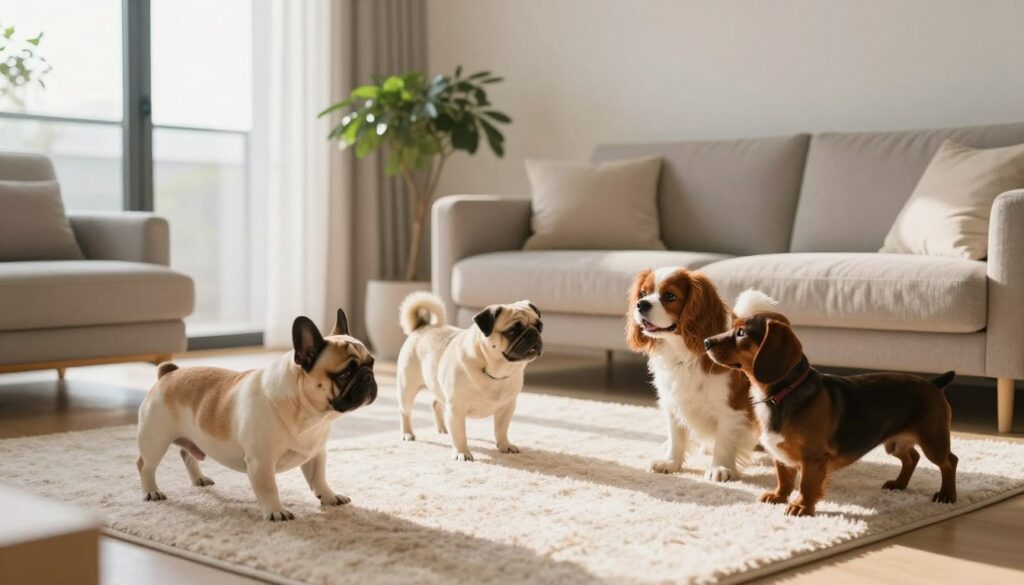
Your living situation and daily routine are key in picking the right dog breed. Choosing a pet that fits your habits ensures happiness for both you and your new friend.
Match the Breed to Your Daily Schedule
First, think about how much time you spend at home. Some dogs need lots of attention, while others are okay with you working.
Comparing Dogs for Busy Lifestyles With More Active Companions
If you’re often away, choose apartment dogs for busy lifestyles that handle being alone well. Active breeds might get destructive if bored. Make sure their energy level matches yours.
Consider Children, Cats, Roommates, and Visitors
A dog’s personality is as important as its size. Make sure the breed fits your household’s social scene.
Evaluating Social Compatibility Before You Choose
Think about how your dog will react to strangers and other pets. Early socialization is key. But, a breed known for being friendly and stable makes things easier.
Account for Health, Grooming, and Lifetime Costs
Having a dog means long-term financial and physical commitments. Research your chosen breed’s needs to avoid surprises.
Planning for Veterinary Care, Professional Grooming, and Supplies
Some low maintenance apartment dogs still need regular grooming. French Bulldogs and Pugs need extra care in the heat. Dachshunds need back safety planning. Always budget for vet visits, quality food, and unexpected medical costs.
Check Your Lease and Building Rules
Don’t sign an adoption contract without checking your building’s pet policies. Many landlords have strict rules that could affect your pet ownership.
Confirming Weight Limits, Breed Restrictions, Pet Deposits, and Amenities
Review your lease for pet policies. Confirm these details before bringing your dog home:
- Weight limits for pets in your unit.
- Specific breed restrictions enforced by your management.
- The total cost of pet deposits or monthly pet rent.
- Access to elevators and designated pet relief areas.
Conclusion
Choosing the right pet means matching your lifestyle with your new friend’s needs. The best dogs for small apartments depend on your schedule, exercise, and noise tolerance. You must also consider your ability to provide consistent training and daily companionship for a happy home.
Quiet indoor behavior is not enough for your pet’s needs. They require regular grooming, mental stimulation, and vet care to be happy. These needs don’t change, no matter the breed you choose.
Before deciding, compare the temperaments of different dogs. Make sure your choice fits your living situation, following building rules and lease agreements. By focusing on these factors, you’ll find a dog that brings joy to your life. Your dedication to these responsibilities will create a strong bond with your new friend.