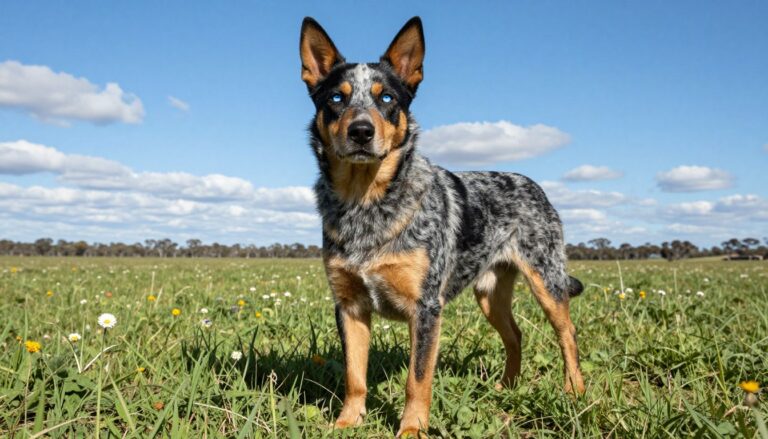
American Bulldog Facts and Care Tips for Families
Bringing home a pet is a life-changing decision that can fill your space with joy and purpose. If you are considering an american bulldog, you may want a loyal protector and devoted friend for family adventures.
These powerful dogs show deep affection, but they need the right home to thrive. Learn their temperament and energy needs before making this long-term commitment.
This guide can help you decide whether this breed fits your household lifestyle. We cover daily exercise and training, so your american bulldog stays happy and healthy for years.
Table of Contents
What You Should Know About the american bulldog
Before welcoming a dog home, learn the history of the american bulldog breed. This loyal, powerful companion has a unique past that shapes how it lives with your family today.
Where the American Bulldog Breed Comes From
The american bulldog began in the United States as a versatile working dog. Early settlers brought working bulldogs to the American South. The dogs did farm work, hunted wild boar, and guarded property.
Because breeders valued usefulness over appearance, these dogs became hardy, athletic animals. They were essential partners for farmers who needed dogs able to handle tough physical tasks in rugged environments.
How American Bulldogs Differ From Similar Bully Breeds
It is common to confuse this breed with other bully-type dogs, but key differences exist. They share ancestry with breeds like the English Bulldog and the American Pit Bull Terrier. However, the american bulldog developed in its own distinct way.
- Size and Build: They are generally larger and more muscular than many other bully breeds.
- Working Drive: They retain a strong instinct for protection and physical activity.
- Temperament: They often display a more reserved nature toward strangers compared to more outgoing breeds.
Common American Bulldog Types and Physical Variations
Individual dogs may look quite different. The american bulldog breed is not strictly standardized, creating two main types that shaped today’s population.
The “Johnson” type is usually larger, heavier, and more muscular, often resembling a classic bulldog. The “Scott” type is usually leaner, more athletic, and built for agility. Many modern dogs blend these types, creating wide physical variations that make each dog unique.
American Bulldog Size, Appearance, and Lifespan
Bringing an american bulldog home means preparing for a large, strong dog. This muscular, athletic breed needs an owner who understands its physical needs.
Typical Height, Weight, and Body Structure
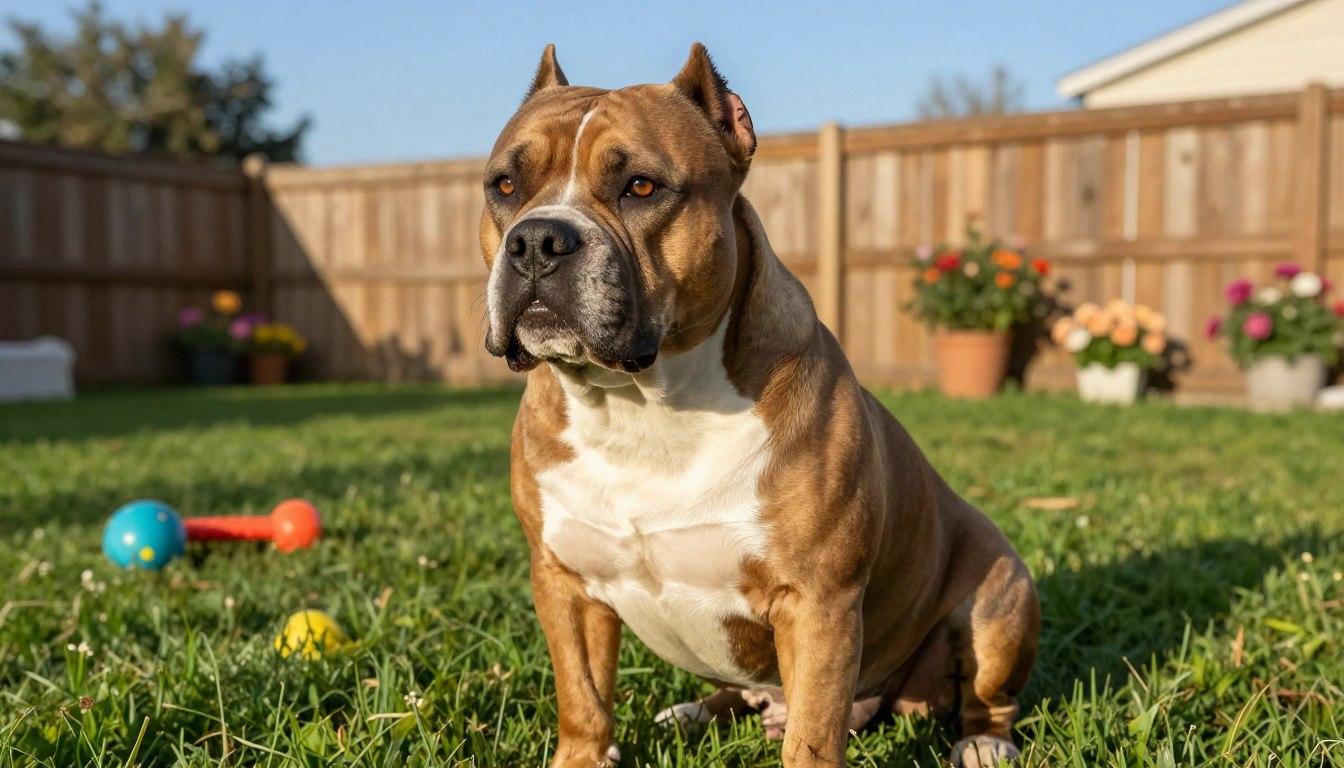
The american bulldog size typically ranges from 20 to 28 inches at the shoulder. Males are usually larger and more muscular, weighing 75 to 120 pounds. Females usually weigh less, ranging from 60 to 90 pounds.
These dogs have a sturdy, powerful frame built for agility and endurance. With proper care and nutrition, your companion can live a healthy life for 10 to 15 years.
Coat Colors, Facial Features, and Grooming Needs
The american bulldog breed has a short, stiff coat in several colors. These include white, brindle, red, or brown patches. Their broad, deep face often has a slight underbite and a distinct, alert expression.
Grooming is simple because their hair is short. Brush them weekly to remove loose fur and keep their skin healthy. Regularly clean their facial folds, which is crucial for preventing irritation and discomfort.
How Your Dog’s Size Affects Home and Yard Requirements
Because of their large build, these dogs thrive where they have room to move. A fenced yard is highly recommended for safe, off-leash play and exercise. In a smaller space, commit to frequent, long walks to keep your dog physically satisfied.
Your home layout should account for their size, including crate placement and sleeping areas. A spacious, durable bed can protect their joints and provide a comfortable retreat after daily activity.
Choosing Safe Equipment for a Strong, Heavy Dog
Managing a powerful dog requires the right tools for safe outings. Invest in a heavy-duty leash and a sturdy harness that spreads pressure across the chest. Avoid thin collars that could snap if your dog lunges or becomes excited.
Choose a crate made of reinforced metal or high-impact plastic. It should let your dog stand, turn around, and lie down comfortably.
Understanding American Bulldog Temperament in Family Life
The american bulldog temperament combines strength with deep devotion. These dogs have confident personalities and want to stay close to their human companions. Understanding these traits helps you build a strong, lasting bond with your pet.
Loyalty, Affection, and Protective Instincts
These dogs are deeply loyal to their families. They often form a deep emotional connection with their owners and follow them throughout the day. This devotion creates a protective instinct, keeping them alert to their household’s safety.
“A dog is the only thing on earth that loves you more than he loves himself.”
Energy Levels and the Need for Human Interaction
You will find that an american bulldog has moderate to high energy and needs regular outlets. They will not sit quietly in a corner for hours. They thrive when included in daily activities, such as park walks or relaxing beside you while you work.
Without enough human interaction, these dogs may become bored or restless. Meaningful tasks and regular engagement help keep them happy. They see themselves as family members and expect the same treatment.
How American Bulldogs May Behave With Children
When raised in a loving environment, this breed can be a wonderful companion for children. They are often patient and gentle with younger family members. However, their size and strength require supervised play to keep everyone safe.
Managing Stubbornness, Excitability, and Territorial Behavior
Although affectionate, the american bulldog temperament may include stubbornness. These intelligent dogs like to think independently, which can seem like defiance. Consistent, positive training helps them understand your expectations.
You may notice high excitement or territorial behavior, especially when strangers approach your home. Early socialization and clear boundaries help manage these tendencies. By staying firm and calm, you can help your dog handle these natural instincts.
Are American Bulldogs a Good Match for Your Family?
Choosing whether an american bulldog suits your home requires an honest look at your lifestyle. This breed is strong and loyal, but it needs steady care and a consistent routine.
Households That Often Suit This Breed
The american bulldog breed often thrives in active homes that enjoy outdoor time. If your family values daily exercise and has room for a large, muscular dog, you are on the right track.
These dogs are social and form close bonds with their families. They suit owners who can provide consistent leadership and plenty of interactive play each day.
Situations That May Create Challenges
However, the american bulldog temperament can challenge first-time owners. If you are away for long hours, your dog may face boredom or separation anxiety.
Apartments without easy yard access can also create difficulties. Because of their significant american bulldog size, these dogs need room to move and stretch comfortably for good physical health.
“A dog is not just a pet; it is a member of the family that requires your time, patience, and unwavering commitment to thrive.”
Questions to Ask Before Bringing One Home
Before bringing home one of these american bulldog puppies, consider your current ability to provide care. Ask whether you have the strength and patience to handle a stubborn yet affectionate dog.
Considering Allergies, Schedules, Space, and Experience
Assessing your readiness means reviewing several practical factors. Use this checklist to decide if you are prepared for the american bulldog temperament:
- Allergies: Does anyone in your home suffer from dander sensitivities?
- Schedules: Can you dedicate at least two hours daily to exercise and training?
- Space: Is your home environment secure and large enough for a powerful breed?
- Experience: Are you comfortable working with a strong-willed dog that needs firm, positive guidance?
Answering these questions honestly can support a smooth transition for you and your new companion. The american bulldog breed rewards owners who prepare fully for the journey.
Choosing Healthy American Bulldog Puppies
Choosing healthy puppies takes care, close attention, and responsible sourcing. Whether you seek american bulldog puppies from a breeder or rescue, choose one given the best start in life.
What to Look for in a Responsible Breeder or Rescue
A reputable breeder puts the dogs’ welfare before profit. They should answer breed questions and provide records about their animals’ living conditions.
For a rescue, choose an organization that completes careful behavior assessments. A good rescue explains the american bulldog’s history and specific needs.
Physical and Behavioral Signs of a Thriving Puppy
When visiting a litter, watch the puppies closely for signs of health. A healthy puppy has clear eyes, a clean coat, and a curious, playful nature.
Avoid puppies that seem tired, fearful, or physically distressed, such as coughing or sneezing. Thriving puppies usually engage with littermates and show interest in people.
Health Records, Parent Testing, and Early Socialization
Always request complete health records for the puppy. These records should show age-appropriate vaccinations and deworming treatments.
Responsible breeders provide genetic screening results for the parents. Early socialization helps puppies accept different sounds, surfaces, and people before going home.
Warning Signs of Unethical Breeding or Poor Care
Be cautious if a seller will not show you the mother or the puppies’ living space. Other red flags include missing health records, high-pressure sales, or puppies that look unkempt and sickly.
| Feature | Responsible Source | Unethical Source |
|---|---|---|
| Health Testing | Provided for parents | None available |
| Environment | Clean and social | Cramped or hidden |
| Transparency | Open communication | Evasive answers |
| Vaccination Records | Complete and verified | Missing or incomplete |
Building an American Bulldog Care Routine
A clear care schedule helps your american bulldog stay happy and healthy for years. A steady routine can lower anxiety and support good physical health. Meeting your dog’s needs creates a safe setting where your pet can thrive.
Feeding Amounts, Meal Timing, and Body-Condition Monitoring
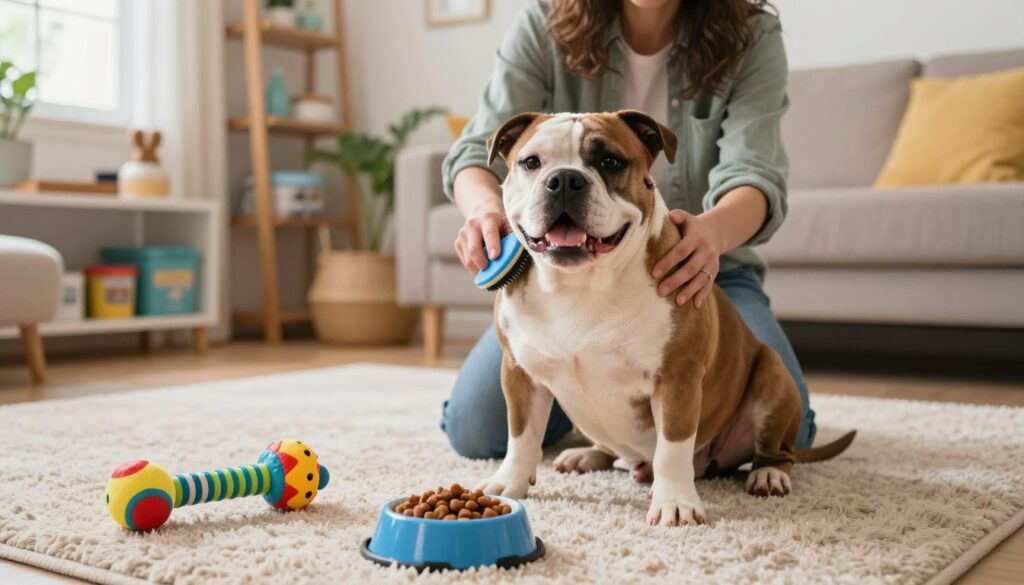
Proper nutrition is central to american bulldog care. Set daily calories by considering your dog’s age, activity level, and metabolism. Ask your veterinarian for a starting plan because american bulldog size can differ greatly.
Regular meal times support digestion and can reduce hunger-related behavior problems. Use a body-condition score chart to check your dog’s weight often. You should feel the ribs without extra fat, showing a healthy, athletic build.
Fresh Water, Rest, and Comfortable Living Spaces
Water supports your dog’s organ function and energy. Offer clean, fresh water all day, especially after exercise. A quiet rest area gives your pet a place to recover from daily activity.
“Consistency in daily habits is the greatest gift you can give to a loyal companion, as it builds trust and physical stability.”
Dental Care, Nail Trimming, Ear Cleaning, and Bathing
Good hygiene helps prevent common health problems. Brush your dog’s teeth several times weekly to prevent tartar and gum disease. Trim nails regularly to prevent discomfort and joint strain, and check ears weekly for early infection signs.
| Task | Frequency | Importance |
|---|---|---|
| Dental Brushing | 3x Weekly | High |
| Nail Trimming | Bi-Weekly | Medium |
| Ear Cleaning | Weekly | High |
| Bathing | Monthly | Low |
Preventing Overfeeding in a Powerful, Food-Motivated Breed
Because this breed loves food, owners can easily give too many calories. Use high-quality treats sparingly during training, not as the main food source. Monitoring your american bulldog size helps you adjust portions before weight gain becomes a serious health concern.
Exercise and Enrichment for an American Bulldog
A balanced exercise routine helps a happy, healthy american bulldog. This powerful breed has great stamina but needs planned activity to stay fit and well behaved.
Consistent movement helps your pet maintain a healthy weight and strong muscles. Avoid overexertion, especially during early development.
Daily Walks, Play Sessions, and Supervised Outdoor Activity
Daily walks form the foundation of your dog’s fitness. Aim for two brisk walks each day, so your american bulldog can explore and burn excess energy.
Interactive play in a secure, fenced yard also helps. Fetch, tug-of-war, and light agility training keep your dog engaged and strengthen your bond.
Strength-Building Activities Without Overloading Joints
Because this breed is muscular and heavy, protect its joints from high-impact stress. Choose low-impact activities, such as swimming or walking on grass and dirt trails.
Avoid repeated jumping or running on concrete, which can cause long-term joint problems. Gradual conditioning builds muscle safely over time.
Brain Games That Reduce Boredom and Destructive Behavior
Physical exercise is only half the plan for a thriving american bulldog. Mental stimulation also prevents boredom, which can cause chewing or digging.
Use puzzle toys, hide-and-seek games, or scent work to challenge your dog’s mind. These activities tire dogs as effectively as a long run.
Heat Safety and Exercise Limits for Short-Muzzled Dogs
As a brachycephalic breed, your dog may struggle to control body temperature in hot weather. Schedule intense exercise during cooler times, such as early morning or late evening.
Watch for overheating signs, such as heavy panting, lethargy, or bright red gums. Keep fresh water available and provide plenty of shade during outdoor play.
| Activity Type | Primary Benefit | Intensity Level |
|---|---|---|
| Brisk Walking | Cardiovascular Health | Low to Moderate |
| Puzzle Toys | Mental Stimulation | Low |
| Controlled Tug | Muscle Building | Moderate |
| Swimming | Joint-Friendly Fitness | Moderate |
American Bulldog Training for Safety and Good Manners
Clear communication builds the foundation for successful american bulldog training. This confident, powerful breed needs your guidance to move through the world safely. Consistent rules create a predictable home where your dog can thrive.
Teaching Name Recognition, Recall, and Reliable Cues
Teach your dog to respond whenever you say their name. Give a high-value treat as soon as they make eye contact. This habit helps you gain attention during critical moments.
Recall is a vital safety skill that keeps your american bulldog away from danger. Practice in a quiet, enclosed space before adding distractions. Keep your voice upbeat, so coming to you feels rewarding.
Using Positive Reinforcement With a Strong-Willed Dog
The american bulldog has a strong will and responds best to motivation, not force. Positive reinforcement rewards good behavior with praise, play, or healthy snacks. This method builds trust between you and your pet.
Avoid harsh corrections because they can cause confusion or resistance. Instead, guide unwanted behavior toward a positive choice. Give rewards consistently, so your dog understands your expectations.
Loose-Leash Walking, Greeting Skills, and Impulse Control
Loose-leash walking prevents pulling and makes outings more enjoyable. When your dog pulls, stop until the leash becomes slack. Your dog then learns that pulling will not move them forward.
Impulse control matters when your dog meets people or other animals. Practice the “sit” and “stay” commands before allowing a greeting. This prevents jumping and keeps each interaction calm and controlled.
Setting Consistent Household Rules for Every Family Member
Everyone in your home must follow the same rules. If one person allows the dog on furniture while another forbids it, your dog may struggle with boundaries. Hold a quick family meeting, so everyone follows the same plan.
- Establish clear “off-limits” zones in the house.
- Agree on specific verbal cues for daily routines.
- Ensure everyone uses the same rewards for good behavior.
Why Early Socialization Must Include People, Dogs, and Environments
Early socialization helps raise a well-adjusted american bulldog. Expose your puppy to many people, including children and people wearing hats or uniforms. This can prevent fear-based reactions as your dog grows older.
Introduce your dog to busy parks, quiet trails, and urban sidewalks. Controlled meetings with well-behaved dogs teach proper social skills. Consistent exposure to new sights and sounds builds confidence and helps your dog stay calm anywhere.
Helping Your American Bulldog Live Safely With Children and Pets
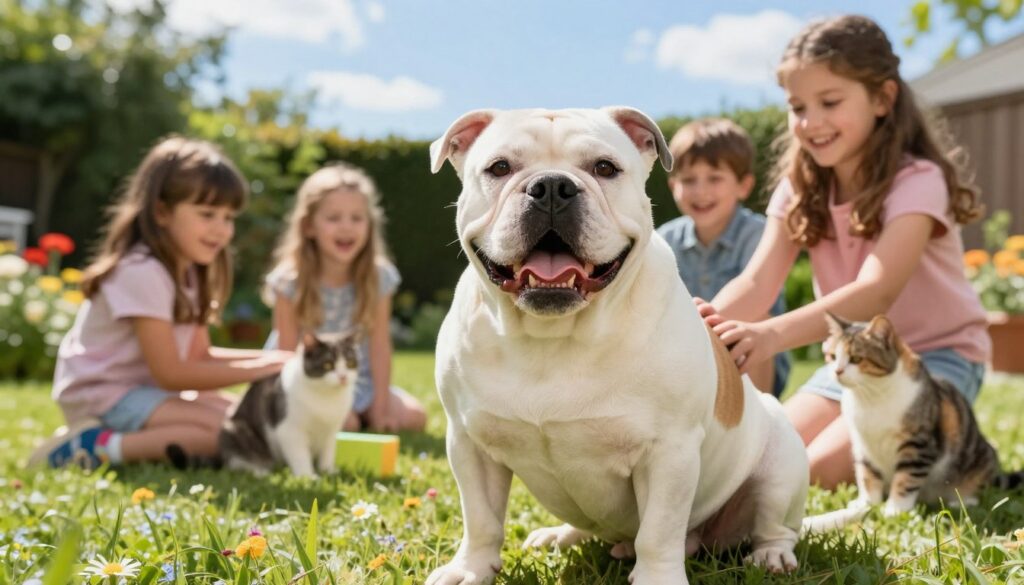
Bringing your american bulldog into a home with children and pets can be rewarding, but it needs careful planning. The american bulldog temperament is often loyal and affectionate, so guide each interaction with care. Your role as a leader is to keep every interaction positive and controlled.
Supervising Dog-and-Child Interactions
Active supervision helps prevent accidents at home. Never leave a young child alone with your dog, even if the dog seems well behaved.
Keep the dog and child in sight during playtime. If you cannot focus fully, separate them with a crate or sturdy baby gate.
Teaching Children Respectful Handling and Personal Boundaries
Children may see your american bulldog as a playmate, but they must learn that pets have needs. Teach them not to pull ears or tails, or climb on the dog’s back.
Ask children to respect the dog’s space, especially while it eats or sleeps. Setting these boundaries early prevents frustration and helps your dog feel safe at home.
Introducing Your Dog to Cats and Other Household Animals
Introduce a new pet slowly and steadily so your dog does not feel overwhelmed. Begin by swapping scents: let the animals smell each other’s bedding before meeting face-to-face.
When they meet, keep your dog on a leash so you stay in control. Reward calm behavior with treats to build a positive link with other animals.
Recognizing Stress Signals Before Behavior Escalates
Learn subtle signs of discomfort to help keep everyone safe. Watch for lip licking, yawning, or turning the head away when your dog feels pressured.
If your dog stiffens or shows the whites of its eyes, intervene at once. Early recognition of these signs lets you remove your pet before negative behavior begins.
American Bulldog Health Issues and Preventive Veterinary Care
Learning about common american bulldog health issues helps protect your companion’s long, happy life. This breed is generally strong, but it still faces possible health risks. Regular checks can find small concerns before they become serious conditions.
Joint, Skin, Eye, and Allergy Conditions to Discuss With Your Veterinarian
The american bulldog can face physical problems that need regular screening. Discuss these risks with your veterinarian during annual exams for early detection.
- Joint Health: Hip and elbow dysplasia are common in larger breeds, often leading to stiffness or discomfort.
- Skin Sensitivity: Many dogs in this breed suffer from dermatitis or chronic skin irritation due to environmental allergens.
- Eye Conditions: Cherry eye and progressive retinal atrophy are known issues that may require specialized care.
- Allergies: Food and seasonal allergies frequently manifest as itchy paws, ear infections, or hair loss.
Weight Management and Its Connection to Mobility
A healthy weight is one of the best ways to protect your dog’s long-term mobility. Extra weight strains the joints and can worsen dysplasia or arthritis.
| Body Condition | Mobility Impact | Action Required |
|---|---|---|
| Ideal Weight | Optimal joint function | Maintain current diet |
| Overweight | Increased joint stress | Reduce caloric intake |
| Obese | Severe mobility loss | Consult veterinarian |
Vaccinations, Parasite Prevention, and Routine Wellness Exams
Preventive care supports your american bulldog‘s wellness plan. Schedule a complete exam at least once each year to track health changes.
Vaccinations guard against dangerous viral diseases. Year-round parasite control helps prevent heartworm, fleas, and ticks. These steps lower the risk of preventable illnesses throughout your dog’s life.
Symptoms That Require Prompt Veterinary Attention
Even with excellent care, watch closely for signs of illness. Contact your veterinarian immediately if you notice any of these symptoms:
- Sudden changes in appetite or water consumption.
- Difficulty standing up or persistent limping.
- Red, inflamed skin or constant scratching.
- Cloudiness in the eyes or excessive discharge.
- Lethargy or a noticeable decline in energy levels.
Creating a Long-Term Care Plan for Your American Bulldog
A healthy life with your pet requires planning beyond puppyhood. A proactive strategy supports your companion through every life stage. Consistent planning builds responsible ownership.
Preparing for Adolescence and Changing Exercise Needs
During adolescence, your dog may show more energy and test boundaries. This stage needs renewed focus on american bulldog training to reinforce good manners. Adjust exercise routines for growing stamina and a stronger wish to explore.
Structured activities channel your dog’s strength into positive outlets. Regular exercise prevents boredom, which often causes destructive behavior in this breed. Monitor your dog’s joints during high-impact play to protect long-term mobility.
Adjusting Nutrition and Activity as Your Dog Ages
Your american bulldog care routine must change as your dog reaches its senior years. Slower metabolism may require fewer calories to help prevent obesity. A healthy weight helps manage common american bulldog health issues linked to joint stress.
Ask your veterinarian to choose the best diet for your dog’s life stage. Gentle walks and swimming may suit your dog better than intense running. These changes help your dog stay comfortable and active longer.
Planning for Emergency Care, Training Support, and Pet Costs
Financial planning is important for long-term ownership. An emergency fund or pet insurance can help cover unexpected veterinary bills. Find a local 24-hour emergency clinic before a crisis happens.
Professional training remains useful after your dog learns basic commands. Refresher courses can address behavior changes or teach new skills. The table below shows common areas of pet investment.
| Category | Frequency | Importance |
|---|---|---|
| Routine Wellness | Annually | High |
| Professional Training | As Needed | Medium |
| Emergency Fund | Ongoing | Critical |
| Preventive Care | Monthly | High |
Keeping Medical, Training, and Identification Records Current
An organized file supports effective american bulldog health issues management. Store vaccination records, microchip information, and allergy lists somewhere secure and easy to access. These documents help when visiting new veterinarians or boarding facilities.
Update training logs to track progress and find areas needing improvement. Keep your contact information current on identification tags and the microchip registry. Staying organized makes life easier and supports care in any situation.
Conclusion
Bringing an american bulldog home starts a deep, loyal partnership. This breed thrives when you provide steady daily routines and clear communication.
You shape your dog’s behavior through structured american bulldog training. Use positive reinforcement to build trust and show your pet what you expect. This foundation creates a safe home for every family member.
Effective american bulldog care includes more than basic needs. Watch your dog’s physical condition and energy levels throughout life. Regular exercise keeps the body strong and the mind sharp.
Learn about common american bulldog health issues with help from your veterinarian. Early detection and prevention support your dog’s long-term well-being. Your daily commitment helps your canine friend enjoy a happy, healthy life.
Assess your lifestyle and resources before making a long-term commitment. A prepared owner gives this powerful, affectionate breed a better quality of life. Enjoy the unique bond you build with your loyal companion every day.