
Everything You Need to Know About Dapple Dachshund Care
Getting a new puppy is a life-changing experience that brings joy and surprises. A dapple dachshund is a special friend with a unique coat and a lively spirit. You want to make sure your furry friend is happy and healthy at every age.
This guide gives you the key to keeping your pet happy and healthy. We’ll cover grooming, nutrition, and exercise to keep your dog joyful. With thoughtful daily care, you can create a strong bond that lasts for years.
Whether your dog is full of energy or growing older, this guide helps you make the right choices. Proper training and health care are crucial for a healthy, confident companion. Let’s explore the journey of raising your dapple dachshund together.
Table of Contents
What Makes a Dapple Dachshund Unique
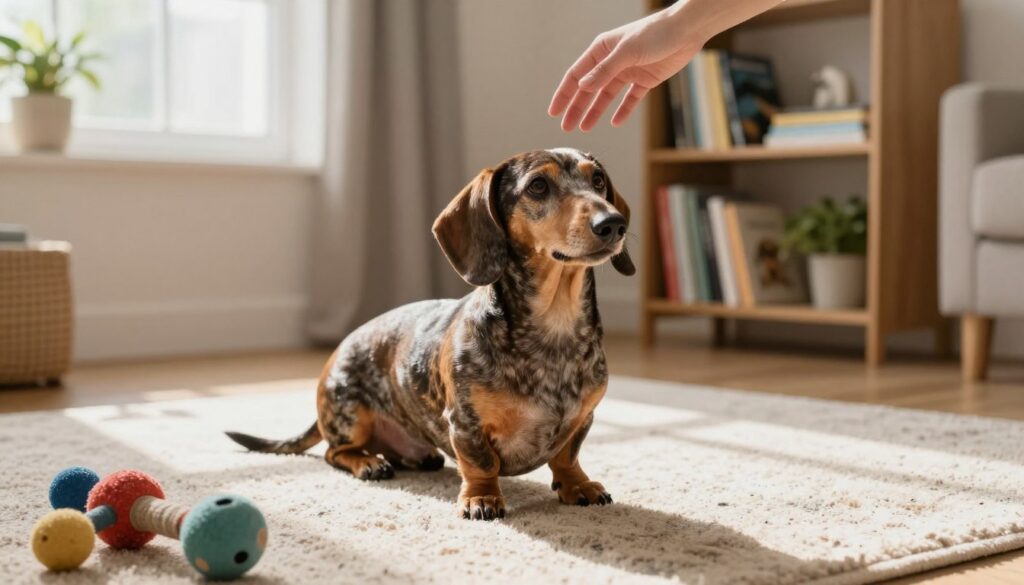
Looking at a dapple dachshund is like seeing a special mix of genetics. Their fur has lighter patches on a darker base, making a cool marbled look. But remember, the dog inside is still a lively and loving friend.
How the Dapple Pattern Appears on the Coat
The dapple pattern comes from a special gene that lightens the fur. This creates random spots on the solid coat. So, every dapple dachshund is unique.
The dachshund coat colors can be different, like chocolate, black and tan, or red. Each color adds its own charm, making the breed very popular.
Differences Among Smooth, Longhaired, and Wirehaired Dapple Dachshunds
The coat type changes how the dapple pattern looks. Smooth-coated dogs show it clearly. Longhaired ones have a softer, blended look.
Wirehaired dogs need special care because their thick fur can hide the pattern. But with regular grooming, their coat stays healthy and looks great.
Why Coat Pattern Does Not Determine Personality
Many think the dachshund patterns affect a dog’s personality. But the dapple gene only affects looks. A dog’s personality comes from its upbringing, socialization, and environment.
Whether your dachshund has a dapple coat or not, they share the same traits. They are loyal, curious, and bold. Focus on training and care, not just the coat color.
Dachshund Coat Colors, Patterns, and Color Genetics
The dapple dachshund’s look comes from special genes that affect their coat color. Exploring dachshund color genetics opens a world where base colors mix with genes for unique looks. This knowledge helps us see the beauty in our dog’s coat.
How the Merle Gene Creates Dapple Markings
The merle gene is behind the dapple look. It lightens the dog’s base color, making patches of lighter color. This creates the mottled or spotted look that many love.
Since the gene works randomly, no two dachshunds are alike. This makes dachshund patterns very popular among fans.
Common Dapple Dachshund Colors
The dapple pattern works on a base color. Common base colors are black and tan, chocolate and tan, or red.
- Black and tan dapple: Dark base with silver or gray patches.
- Chocolate and tan dapple: Rich brown base with lighter cream or tan spots.
- Red dapple: A lighter, reddish base with darker, subtle mottled areas.
Dapple Patterns Versus Other Rare Dachshund Colors
Dapple is different from other rare dachshund colors or patterns. For example, brindle and piebald are unique genetic traits.
Dapple has random patches, brindle has stripes, and piebald has solid white areas. Knowing these differences helps identify your pet’s genetics.
Why Dapple-to-Dapple Breeding Creates Serious Risks
Ethical dapple dachshund breeders avoid breeding two dapple dogs. Double-dapple breeding can lead to serious health issues.
Potential Hearing and Vision Problems in Double-Dapple Puppies
Double-dapple puppies often have eye and hearing problems. These can include small or missing eyes and deafness.
These issues are permanent and can greatly affect a dog’s life. Owners should always choose health over looks.
Responsible Breeding Practices and Genetic Testing
Good breeders use dachshund coat colors knowledge and genetic tests for healthy litters. They avoid risky pairings to protect the breed.
Always ask about testing before getting a puppy. Responsible breeding ensures a happy life for your dog.
How to Choose Healthy Dapple Dachshund Puppies
Finding the perfect puppy is more than just loving their coat pattern. It’s crucial to focus on dapple dachshund health first. Look beyond the surface to ensure your puppy has a strong start.
Health Records and Early Veterinary Examinations
A good breeder will give you all the health records for their dapple dachshund puppies. You should see vaccination and deworming records, and a vet’s clean bill of health. These prove the puppy got the best care early on.
Questions to Ask Dapple Dachshund Breeders
When talking to dapple dachshund breeders, ask tough questions. Ask about genetic tests on the parents to avoid hereditary issues. A good breeder will share their breeding goals and give references.
Warning Signs of Irresponsible Breeding
Watch out if a seller won’t show you where the puppy lives or the mother. Big operations that care more about money than health often skip important tests. If the price is too low or the breeder seems clueless, it’s a bad sign.
| Feature | Responsible Breeder | Irresponsible Breeder |
|---|---|---|
| Health Testing | Full genetic screening | None or minimal |
| Environment | Clean, home-raised | Cramped, isolated |
| Transparency | Open to questions | Avoids contact |
| Vet Records | Complete and verified | Missing or incomplete |
Evaluating a Puppy’s Eyes, Ears, Movement, and Body Condition
When you meet the puppies, watch them closely. Their eyes should be bright, and their ears clean. A healthy puppy moves well, is active, and shows no signs of pain.
Preparing Your Home Before Your Puppy Arrives
After picking your puppy, make your home safe. Get ramps for furniture to protect their spines. Also, have good food and toys ready to make your puppy feel safe and happy from the start.
Understanding Dapple Dachshund Temperament and Social Needs
The dapple dachshund temperament is a mix of courage, playfulness, and loyalty. Their unique coat patterns are eye-catching. But it’s their spirited personality that truly defines life with them.
Typical Personality Traits and Breed Behaviors
These dogs are bold and curious, acting bigger than they are. They are always alert, watching their surroundings closely.
They love human interaction and bond strongly with their caregivers. They are smart but can be stubborn when focused on something.

How Prey Drive, Alertness, and Independence Affect Daily Life
As hunting dogs, dapple dachshunds have a strong prey drive. They might chase small animals or moving objects on walks.
They are independent but need consistent guidance. Their alertness can lead to barking at visitors or unusual sounds.
Building Confidence Through Safe Socialization
Early, positive exposure to new things is crucial for a well-adjusted pet. Introduce them to various sights, sounds, and surfaces slowly.
Consistency is key in building confidence. Reward calm behavior to show them the world is safe and interesting.
Helping Your Dog Adjust to Children, Guests, and Other Pets
Introduce your dapple dachshund to new people slowly. Let them approach guests on their own terms.
Supervise interactions with children or other pets to keep everyone comfortable. Positive associations with treats and praise make your pet friendly and well-mannered.
Feeding Your Dapple Dachshund for Healthy Growth
Good nutrition is key for your dog’s health and energy. A balanced diet keeps your pet’s energy stable and supports dapple dachshund health all their life. Choosing high-quality foods helps avoid diet-related problems and stress.
Choosing Age-Appropriate, Nutritionally Complete Food
Your dog needs different nutrients as they grow from a young pup to a senior. Pick foods made for their life stage to get the right mix of proteins, fats, and minerals. Consulting with your veterinarian helps find foods that meet AAFCO standards for complete nutrition.
Managing Portions to Prevent Obesity
Keeping your dachshund at a healthy weight is crucial. Too much weight can harm their back, causing pain or injury. Use a measuring cup or digital scale to avoid overfeeding, as extra food can cause quick weight gain.
Nutrition for Dapple Dachshund Puppies
Dapple dachshund puppies need special food for their growth. They need nutrient-rich food to help their bones and muscles grow fast in their first year. Feeding them a formula made for small breeds helps avoid growth problems.
Treats, Table Scraps, and Foods to Avoid
It’s tempting to share snacks, but many human foods are bad for dogs. Never give them chocolate, grapes, onions, or anything with xylitol. Healthy, low-calorie treats like carrot or green beans are better for dapple dachshund puppies without adding too many calories.
How Body Condition Should Guide Feeding Changes
Check your dog’s body condition regularly to see if their diet is working. Their ribs should be easy to feel without fat, and they should have a clear waistline from above. If they’re gaining weight, try reducing their food or increasing exercise.
| Life Stage | Feeding Frequency | Primary Focus |
|---|---|---|
| Puppy (2-6 months) | 3-4 times daily | Growth and development |
| Adult (1-7 years) | 2 times daily | Weight maintenance |
| Senior (7+ years) | 2 times daily | Joint health and metabolism |
Grooming a Dapple Dachshund’s Coat, Ears, and Nails
Grooming is more than looks; it’s key to your dapple dachshund‘s health and happiness. Regular grooming helps spot skin problems and parasites early. It also makes grooming a fun time for you and your pet.
Brushing Requirements for Each Coat Type
Your dog’s grooming needs change with their coat type. All dachshund coat colors need care, but the type of coat affects the tools you use.
- Smooth: Use a soft-bristle brush or a grooming mitt once a week to remove loose hair and distribute natural oils.
- Longhaired: These dogs require daily brushing with a metal comb to prevent painful mats and tangles in their silky fur.
- Wirehaired: This coat needs brushing twice a week and occasional hand-stripping to maintain its characteristic texture.
Bathing Without Irritating the Skin
Bathe your dog only when they’re dirty or smell like a dog. Over-bathing can dry out their skin. Always use a pH-balanced shampoo made for dogs to keep their skin safe.
Cleaning the Ears and Recognizing Ear Problems
The ears of a dapple dachshund can trap moisture and dirt. Check them weekly for signs of infection. If you see a lot of wax or your dog is shaking their head a lot, see a vet.
Dental Care and Nail Trimming at Home
Good oral hygiene is vital to avoid dental disease common in small breeds. Brush your dog’s teeth at least three times a week with dog-safe toothpaste. Also, keep their nails short to avoid discomfort when walking.
| Task | Frequency | Key Benefit |
|---|---|---|
| Brushing | Weekly/Daily | Prevents matting |
| Nail Trim | Every 3-4 weeks | Protects joints |
| Ear Check | Weekly | Prevents infection |
When Professional Grooming Is Helpful
While home grooming is common, pros offer special services. For wirehaired coats needing hand-stripping, a pro is best. If your pet gets anxious about nail trims or ear cleanings, a groomer can make it easier and safer.
Exercise Requirements That Protect the Dachshund Back
Keeping your pet’s back safe starts with smart exercise choices. Dachshunds need a balance of activity and spine care because of their body shape.
Daily Walks, Play, and Mental Enrichment
Low-impact exercise is key for a healthy dog. Short walks on a leash keep muscles strong without harming the spine.
Mental games are as vital as physical ones. Puzzle toys and scent games let your dapple dachshund play safely.
Activities That Suit a Long-Backed, Short-Legged Dog
Choose games that let your dog move naturally. Playing fetch in a flat area is great for keeping them active.
Swimming is the best exercise for this breed. It works out the whole body without harming the back.
Exercises and Movements to Limit
Avoid activities that make your dog twist or turn fast. No rough play or high-speed chases.
Try to limit stair climbing. Carry your dog or use barriers to protect their back.
Using Ramps, Steps, and Supportive Home Setup
Changing your home can prevent injuries. Use pet ramps or steps for safe access to high places.
Place these tools near sofas and beds. A supportive home setup helps your dog’s joints and spine.
Why Jumping From Furniture Can Increase Injury Risk
Jumping from high places puts a lot of pressure on the spine. Even small dapple dachshunds can hurt their backs from hard landings.
Preventing these jumps can save your dog from vet visits. Keeping these habits helps your dog live a long, happy life with you.
Training Techniques for a Well-Mannered Dapple Dachshund
Training your dapple dachshund is all about understanding their independent nature. They are smart but can be stubborn at times. This makes it crucial to use clear communication to guide their behavior.

Using Positive Reinforcement and Consistent Boundaries
Positive reinforcement is key to teaching your dog good habits. Give them treats or praise when they do something right. Consistency is the secret ingredient that helps them know what you expect every day.
“Consistency is the true language of a dog; without it, they are left to guess what you want, leading to confusion and frustration for both of you.”
House-training Strategies for a Small, Independent Breed
House-training a dapple dachshund temperament-driven dog needs patience and a strict schedule. Take them outside often, after meals, naps, or play. Use a specific spot in your yard for bathroom breaks to speed up the process.
Teaching Recall, Leash Skills, and Reliable Cues
Teaching recall is vital for your dog’s safety, given their high prey drive. Start in a quiet area and use treats to make coming to you exciting. Keep walks calm to avoid pulling or chasing small animals.
Managing Barking, Digging, Chasing, and Resource Guarding
Dachshunds were bred to hunt, so they might dig and bark. Provide puzzle toys or digging boxes to manage these behaviors. If they show signs of resource guarding, trade items for treats to teach them you’re a partner, not a competitor.
Keeping Training Sessions Short and Motivating
Training sessions should be short, lasting five to ten minutes. This prevents boredom or frustration. Always end on a positive note with a game or favorite toy to keep them excited for the next session.
| Training Goal | Recommended Method | Frequency |
|---|---|---|
| Basic Commands | Positive Reinforcement | Daily |
| Leash Manners | Gentle Correction | Every Walk |
| Recall Skills | High-Value Rewards | 3x Weekly |
| Socialization | Controlled Exposure | Ongoing |
Dapple Dachshund Health Conditions and Preventive Care
Knowing about your dapple dachshund‘s health is key for a happy life. These dogs are usually healthy but need special care because of their body and genes.
Intervertebral Disc Disease and Spinal Protection
Dachshunds are at risk for Intervertebral Disc Disease (IVDD) because of their long backs. This condition can cause pain or even paralysis. It’s important to protect their spine by avoiding jumps and using ramps.
Eye and Hearing Concerns Linked to Dapple Genetics
The dapple pattern in dachshunds can sometimes lead to eye or hearing problems. Regular eye checks with a vet can spot issues early.
Patellar Luxation, Obesity, and Other Breed-Related Risks
Dachshunds may also get patellar luxation, where the kneecap slips out of place. Keeping them at a healthy weight helps their joints and spine. Obesity can make other health issues worse.
Vaccinations, Parasite Prevention, and Routine Screening
Regular vet visits are crucial for dapple dachshund health. Keeping up with vaccinations and parasite prevention is important. Regular check-ups help catch problems early.
Recognizing Pain, Vision Changes, and Hearing Loss
Dogs often hide when they’re in pain. You need to learn to read their body language. Look for signs like not wanting to climb stairs or being startled by sounds. Catching sensory or pain issues early can greatly improve your dapple dachshund‘s life.
Symptoms That Require Prompt Veterinary Attention
- Sudden inability to walk or dragging of the hind limbs.
- Persistent shivering or vocalizing when touched.
- Cloudiness in the eyes or bumping into furniture.
- Significant lethargy or refusal to eat for more than 24 hours.
Why Regular Veterinary Exams Matter at Every Age
Regular vet visits are not just for when your dog is sick. They help keep track of your dog’s health. Consistent monitoring ensures your dog gets the right care at every stage of life.
| Health Area | Primary Concern | Preventive Action |
|---|---|---|
| Spinal Health | IVDD | Use ramps and avoid jumping |
| Joint Health | Patellar Luxation | Weight management |
| Sensory Health | Vision/Hearing Loss | Annual vet screenings |
| General Wellness | Parasites/Disease | Vaccines and monthly preventives |
Adjusting Care as Your Dapple Dachshund Ages
Caring for a dapple dachshund is a lifelong journey. It changes as your pet grows and ages. By being proactive, you can keep your pet happy and healthy from the start to the end of their life.
Puppy Care During Socialization and Growth
The first few months are key for dapple dachshund puppies. They learn to be confident and social. Introduce them to new things like sounds, surfaces, and people to help them grow well-rounded.
- Feed them high-quality food to help their bones grow strong.
- Stay away from activities that might hurt their growing spine, like jumping.
- Start training early to teach them good manners.
Adult Care for Weight, Activity, and Preventive Health
When your dog grows up, keeping them at a healthy weight is crucial. Being too heavy can hurt their long backs and cause pain.
Make sure they get enough exercise and mental games. These should not be too hard on their joints. Regular vet visits are also key to catch health issues early.
Senior Care for Mobility, Comfort, and Cognitive Changes
As your dog gets older, they might move less and feel different. Make sure they’re comfortable with things like special beds and ramps.
They might also think differently, so keep things familiar. Gentle exercise is still good for their joints, but be careful not to overdo it.
Creating a Consistent Daily Routine
A regular routine makes your dog feel safe and helps you watch their health. Sticking to a schedule for eating, playing, and resting helps you notice any health changes quickly.
Tracking Appetite, Bathroom Habits, Activity, and Behavior
Keeping a simple log of your dog’s daily habits is very helpful. If you see any big changes, talk to your vet right away.
- Appetite: Notice if they suddenly don’t want to eat or drink more water.
- Bathroom Habits: Watch for changes in how often they go or if they seem uncomfortable.
- Activity: Look for if they seem tired or don’t want to play like usual.
- Behavior: Check for signs of stress, confusion, or being easily upset.
Safety Planning and Veterinary Emergency Preparation
Creating a safety plan is key to being a good pet owner. It helps keep your dog safe and healthy. This plan goes hand in hand with feeding, grooming, and exercise to ensure your dog’s well-being.
Preventing Falls, Back Injuries, and Household Accidents
Dachshunds are at risk for back problems due to their body shape. Avoid letting them jump from high places or run on slippery floors. Use ramps or stairs to help them move around safely.
- Secure all electrical cords to prevent chewing.
- Keep toxic household cleaners and human medications locked away.
- Use baby gates to restrict access to steep staircases.
Keeping Your Dog Safe During Travel and Outdoor Activities
Traveling with your pet requires extra care. Always use a crash-tested crate or a harness and seatbelt. Never let your pet roam free in the car.
When outside, keep your dog on a leash. This prevents them from running into wildlife or traffic. Make sure they wear reflective gear at night for safety.
Building a First-Aid Kit and Emergency Contact List
Being prepared is crucial in emergencies. Have a pet first-aid kit at home and a smaller one in your car. Your kit should include:
- Sterile gauze pads and adhesive tape.
- A digital thermometer and antiseptic wipes.
- Your veterinarian’s phone number and the nearest 24-hour emergency clinic address.
What to Do if Your Dog Shows Sudden Weakness or Severe Pain
If your dog shows signs of weakness or pain, it’s a medical emergency. Don’t wait for symptoms to go away. Keep them still and take them to the vet right away.
Acting fast is important for your dog’s health. Early treatment can make a big difference in their recovery.
Maintaining Current Identification and Medical Records
Make sure your dog is microchipped and your contact info is updated. A sturdy collar with an ID tag is also essential. Keep a folder with your dog’s vaccination history and medications ready for emergencies.
Conclusion
Ensuring your dapple dachshund has a great life means sticking to daily routines. Focus on good food, regular grooming, and safe play. These steps help keep your dog healthy and prevent injuries.
Being a good owner starts with knowing your dog’s genetic background. Choose ethical breeders and watch for health issues. This way, your dog gets a strong start. Also, watch for any changes in how they move or act, especially as they get older.
Positive training builds a strong bond with your dog. Use the tips from this guide to make a routine that fits your dog’s personality and age. Your hard work will make sure your dog lives a happy, healthy life.