

Pitbull Mix with Labrador Retriever Traits and Care Tips
Getting a new dog is a life-changing experience that brings joy and teaches you new things. A pitbull mix with labrador retriever heritage means you’re getting a dog full of energy and love.
These dogs are built for fun, perfect for long walks or park days. Since every dog is different, it’s important to see them as unique individuals, not just by their breed.
To succeed with your new pet, you need to understand their needs for training and exercise. By caring for them all their life, you’ll create a strong, lasting bond. This bond will give you loyalty and friendship for many years.
Table of Contents
What a Pitbull Mix with Labrador Retriever Can Be Like
Choosing a pitbull mix with Labrador Retriever means welcoming a dog with a unique genetic mix. These dogs often have the high energy of a retriever and the loyalty of a pitbull. Since they are hybrids, their development can vary greatly.
How the Pitbull Lab Mix Gets Its Mixed-Breed Traits
The traits your dog shows depend on what genes it gets from each parent. One parent might give it a sleek coat, while the other gives it a broader head or more muscle. Inheritance is rarely a perfect 50/50 split, making each dog unique.
Your pet might show a mix of behaviors. Some might be friendly and social like a Labrador, while others might be focused and determined like a pitbull.
Why Appearance and Personality Can Vary Between Dogs
Littermates can look and act very differently. Even puppies from the same parents can inherit different genes. This is why one puppy might be calm, while another is very active.
Several factors can influence these differences:
- The specific genetic makeup of the grandparents.
- Early socialization experiences during the first few weeks of life.
- The individual temperament of the mother and father.
Common Names for This Crossbreed
The labrador retriever pitbull mix is popular among families. It has earned several nicknames. You might hear people call these dogs:
- Labrabull
- Pitador
- Bullador
Why Parent-Dog History Matters
Knowing the background of the parent dogs is crucial. Responsible breeders or shelters often share health and temperament records. Understanding the parents’ history helps you prepare for your dog’s needs. It can also help you anticipate health or behavioral issues that might need extra care.
Size, Appearance, and Physical Characteristics
The pitbull lab mix looks different because it’s a mix of two breeds. You won’t find two that look the same. They have the strong body of a Pitbull and the agility of a Labrador Retriever.
Typical Height, Weight, and Body Shape
These dogs are medium to large in size. An adult pitbull lab mix usually weighs 45 to 80 pounds. They are 18 to 24 inches tall at the shoulder.
They have a broad chest and a strong neck. Their body is compact but powerful, showing their working-dog heritage.
Coat Types, Colors, and Facial Features
Their coat is short, dense, and easy to care for. Some may have a longer or coarser texture, but most are sleek and shiny. They need little grooming.
They come in many colors like black, chocolate, yellow, brindle, or white patches. Their eyes are wide and expressive like a Labrador’s, and their jaw is strong like a Pitbull’s.
Energy Level and Athletic Build
This mix is built for activity and endurance. They do well in various activities, from hiking to playing fetch.
They need to stay active to keep their muscles toned. Give them lots of chances to run and play in a safe place.
How Age and Genetics Affect Physical Development
How fast they grow depends on their parents’ genes. Some reach full size by 12 months, while others take 18 to 24 months.
Good nutrition is key during this time. It helps them grow strong bones and joints as they become adults.
Signs Your Dog Is Reaching a Healthy Adult Size
Look at their body shape, not just their weight. A healthy pitbull lab mix should have a waistline and a slight tuck in the belly.
If you can feel their ribs but can’t see them, they’re probably at a good weight. Regular vet visits will help keep them healthy and in shape.
| Feature | Typical Range | Notes |
|---|---|---|
| Weight | 45–80 lbs | Varies by gender and genetics |
| Height | 18–24 inches | Measured at the shoulder |
| Coat | Short to Medium | Low to moderate shedding |
| Build | Muscular/Athletic | Requires regular exercise |
Temperament and Behavior in Everyday Life
When you bring home a new pet, you see their personality is a mix of their parents. A labrador pitbull mix shows a mix of behaviors from both sides. Knowing these traits helps you bond with your pet better.
Affectionate and People-Oriented Qualities
Most owners say their pitador mix is very devoted to the family. These dogs love being around people and often stick close to their owners.
“The bond between a dog and its human is built on consistent affection and mutual respect.”
They can get upset when left alone for too long. Spending quality time with them makes them feel secure and loved.
Playfulness, Confidence, and Mental Stimulation Needs
A labrador pitbull mix is full of energy and curiosity. They need regular mental challenges to avoid boredom.
- Interactive puzzle toys to challenge their intellect.
- Consistent training sessions to build confidence.
- Structured play that encourages focus and calm.
Without mental and physical activities, they might find trouble. Keeping their mind active is as important as exercise.
Prey Drive, Excitability, and Impulse Control
A pitador mix often has a strong prey drive from their terrier side. They might chase small animals or moving things.
Impulse control needs to be taught. Practice “leave it” commands to help them manage their excitement safely.
How Early Socialization Supports Stable Behavior
Introducing your dog to new things early is key. Socialization teaches them to react calmly to the world. Early exposure reduces future anxiety.
When Fear, Reactivity, or Aggression Requires Professional Help
Some dogs may show fear or reactivity that’s more than excitement. Growling, lunging, or extreme avoidance needs help. Professional trainers or veterinary behaviorists can help. Don’t hesitate to seek help if you’re worried about your dog’s behavior.
Exercise Needs for a Labrador Pitbull Mix
A lab pit mix needs a mix of physical and mental activities. They get their high energy from both parents. So, they need regular ways to stay healthy and calm.
Daily Walking, Running, and Active Play Requirements
Adult dogs of this mix need at least 60 minutes of active play daily. Try brisk walks, jogging, or fetch in a safe area to keep them energetic.
Being consistent is key for your dog’s health. Skipping a day can make them restless or destructive at home.
Low-Impact Activities for Puppies and Older Dogs
Puppies need to protect their joints from too much stress. Short, frequent play sessions are better than long runs.
Senior dogs also need gentle exercise. Gentle walks on soft surfaces are better than running on hard surfaces.
Games That Combine Physical Exercise and Problem-Solving
Lab pit mixes need both physical and mental challenges. Mental games can tire them out more than just exercise.
- Hide-and-seek: Have your dog stay while you hide, then call them to find you.
- Puzzle toys: Use treat-dispensing balls that require your dog to roll or nudge them to get a reward.
- Scent work: Scatter treats in the yard and let your dog use their nose to track them down.
How to Prevent Overexertion in Hot American Summers
High temperatures can be dangerous for active dogs. Avoid hard exercise during the hottest hours, 10 a.m. to 4 p.m.
Check the pavement temperature before going out. If it’s too hot for your hand, it will burn your dog’s paw pads.
Warning Signs That Your Dog Needs a Break
Watch for signs of heat exhaustion or fatigue in your dog. If they pant too much, have bright red gums, or seem tired, stop right away.
Give them fresh water and find a cool, shaded spot. Always put your dog’s safety first when it’s hot and humid.
Training Your Pitbull Labrador Crossbreed
You can shape your dog’s behavior through positive reinforcement and clear communication. Training a pitbull labrador crossbreed is rewarding. It strengthens the bond between you and your pet. By focusing on consistency and patience, your dog will become a well-adjusted family member.
Building Reliable Basic Commands with Positive Reinforcement
Positive reinforcement is the best way to teach your dog. When your pitbull labrador crossbreed does something good, like sitting, reward them right away. Use treats, praise, or a favorite toy.
“The secret to training is to reward the behavior you want to see more of, rather than focusing solely on correcting mistakes.”
Begin with simple commands like “sit,” “stay,” and “come” in a quiet place. Then, practice in busier areas to test their focus.
Teaching Loose-Leash Walking and Polite Greetings
Walking on a leash should be fun for both you and your dog. If they pull, stop and wait for them to come back before moving.
To teach polite greetings, teach your dog to keep all four paws on the floor when meeting new people. Reward them for sitting calmly instead of jumping up.
Managing Jumping, Chewing, Pulling, and Mouthing
It’s common for energetic dogs to mouth or jump when excited. Give them the right outlets to keep your home peaceful.
- Chewing: Give them durable chew toys to satisfy their gnawing urge.
- Mouthing: If they start nipping at your hands, redirect their attention to a toy.
- Jumping: Ignore them until they settle down by turning your back.
Using Short Training Sessions to Maintain Focus
Training sessions should be short to keep your dog interested. Aim for several short sessions a day, about five to ten minutes each. This keeps them engaged and prevents mental fatigue.
Choosing Safe Rewards and Consistent Household Rules
Choose healthy, high-value rewards to motivate your dog during training. Consistency is key. Make sure everyone in your household follows the same rules.
When everyone uses the same cues and expectations, your dog learns faster. Clear boundaries make your pet feel secure and confident in their daily routine.
Feeding and Weight Management for a Lab Pit Mix
Good nutrition is key for your dog’s health. It keeps your labrador pitbull mix full of energy and strong. This is true for their whole life.
Selecting a Complete Diet for Your Dog’s Life Stage
Your dog’s diet changes as they grow. Puppies need lots of calories for growth. Older dogs need less and need help with their joints.
Choose high-quality dog food that fits their life stage. Consulting with your veterinarian helps pick the right food for their health.
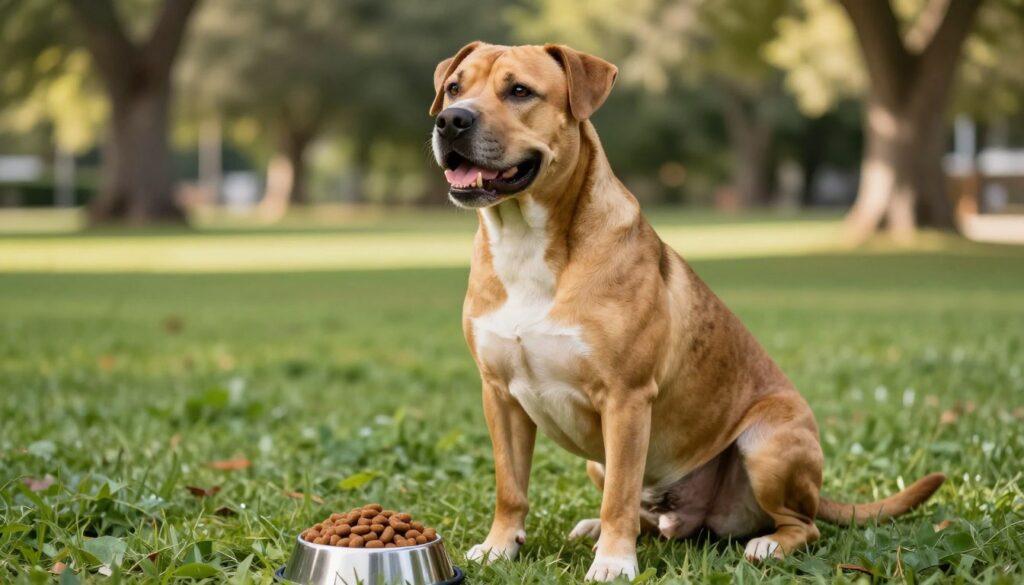
Portion Control for a Food-Motivated Labrador Pitbull Hybrid
The labrador pitbull hybrid loves food and can gain weight fast. Use a measuring cup or digital scale to avoid overfeeding.
Don’t let your dog eat all day to avoid obesity. Give them two or three meals a day. This keeps them full and stops them from begging.
Treat Limits, Hydration, and Safe Food Choices
Treats should be only 10% of your dog’s daily calories. Use them for training but count them in their diet. This prevents weight gain.
Make sure your dog always has fresh water. It helps with digestion and keeps them healthy. Avoid giving them foods that are bad for them, like grapes and chocolate.
| Life Stage | Caloric Focus | Feeding Frequency |
|---|---|---|
| Puppy | Growth & Development | 3-4 times daily |
| Adult | Maintenance & Energy | 2 times daily |
| Senior | Joint Health & Metabolism | 1-2 times daily |
How to Monitor Body Condition at Home
Check your dog’s weight by feeling their ribs and looking at their waistline. You should feel their ribs easily and see a tuck at their belly.
If your dog is gaining weight or losing muscle, it’s time to adjust their food. Weigh them regularly at home or at the vet to catch any changes early.
When Your Veterinarian Should Adjust the Feeding Plan
Your vet is key to your labrador pitbull hybrid‘s health. See them if your dog loses weight, seems tired, or has stomach problems.
Also, get professional advice if you want to change their diet or if they have health issues. A custom diet plan keeps your labrador pitbull mix healthy and active for a long time.
Grooming, Preventive Care, and Common Health Concerns
Keeping your pitador mix healthy means staying on top of daily care. Start a routine early to keep your dog comfortable and catch health issues early.
Brushing, Bathing, Nail Trimming, and Ear Care
Grooming is key for a healthy coat and skin. Most pitador mixes need weekly brushing to keep their fur in check and distribute oils.
Only bathe them when really needed to avoid dry skin. Always check their ears for moisture to prevent infections. Trimming their nails is also crucial to avoid discomfort and ensure proper walking.
Dental Hygiene and Routine Veterinary Exams
Dental disease is common but can be prevented. Brush your dog’s teeth a few times a week with dog-safe toothpaste.
Regular vet visits are also crucial for your pitador mix. These visits help your vet monitor your dog’s health and catch any changes you might miss.
Health Conditions to Discuss with Your Veterinarian
Talking openly with your vet is key for your dog’s health. Share your dog’s lineage to get a health plan that fits their specific needs.
Joint, Skin, Ear, and Weight-Related Risks
Active dogs like pitador mixes may face joint stress. Keeping them at a healthy weight helps reduce pressure on their hips and elbows.
Watch for signs of skin allergies and ear infections. Redness, itching, or a strong odor often mean your dog needs vet care.
Vaccinations, Parasite Prevention, and Spay or Neuter Planning
Preventive medicine is essential for a long life. Make sure your dog gets all necessary vaccinations and parasite prevention for fleas, ticks, and heartworms.
Talk to your vet about spaying or neutering. This decision affects their joint health and hormonal balance, so consider their individual needs.
| Care Task | Frequency | Primary Benefit |
|---|---|---|
| Coat Brushing | Weekly | Skin health and shedding control |
| Dental Cleaning | 3x Weekly | Prevents gum disease |
| Nail Trimming | Monthly | Improves mobility and comfort |
| Vet Checkup | Annually | Early disease detection |
Living With a Labrabull in Your Home
Bringing a new pet home is exciting but requires careful planning. Whether it’s a lab pit mix or another lively breed, your home’s setup is key to their quick adjustment.

Creating a Safe Space and Dog-Proofing Your House
Secure potential dangers in your home before your dog arrives. Curiosity often leads dogs to explore harmful items. Keep all medications, cleaning chemicals, and toxic plants out of reach.
Manage electrical cords by using covers or hiding them. Also, make sure trash cans have secure lids to stop your labrabull from eating harmful food scraps.
Helping Your Dog Adjust to Children and Visitors
Introducing a new dog to kids needs patience and clear rules. Teach children how to interact with the dog gently. Make sure the dog has quiet time in their crate or bed.
When visitors come, let your dog approach them at their own pace. Having a safe, quiet spot for your pitador mix helps them feel secure when things get too loud.
Introducing a Pitador Mix to Other Dogs and Pets
First meetings with other pets should be in a neutral place, like a quiet park. Keep these meetings short and positive. Use leashes to control the dogs and watch their body language.
If you have cats or small animals, use baby gates to keep them safe. This lets your dog watch without chasing them.
Supervision Rules for Play and Household Interactions
Always watch your dog during playtime. Never leave them alone with young kids or small pets, even if they seem friendly.
If you see signs of tension, like stiff body or growling, separate them calmly. Watching closely helps build trust and keeps interactions positive.
Checking Local Housing, Insurance, and Breed Policies
Check if your home supports your new pet before adopting. Look at your lease or homeowners association rules for breed restrictions.
Also, talk to your insurance about any changes with a new pet. Knowing local laws helps ensure your lab pit mix is a valued family member for years.
A Practical Daily Care Routine for Your Pitbull Lab Mix
Creating a daily routine is key to a happy dog. It makes your pitbull lab mix feel safe and less anxious. A good schedule balances their energy and gives them the mental and physical stimulation they need.
Morning Exercise, Feeding, and Bathroom Schedule
Begin with a brisk walk or fetch to burn off energy. This morning activity is crucial for a pitbull lab mix. It sets a calm tone for the day. Then, have a nutritious breakfast and a bathroom break to start the day right.
Enrichment and Rest During the Day
Your dog needs mental stimulation to avoid boredom. Use puzzle toys or chew treats to keep them busy. It’s also important to give them quiet time to rest and recharge.
Evening Training, Grooming Checks, and Calm Time
In the evening, do short training sessions for positive reinforcement. This strengthens your bond. End the day with a grooming check and some quiet time on the couch.
Adjusting the Routine for Puppies, Adults, and Seniors
As your dog ages, their needs change. Puppies need more bathroom breaks and short play. Adults need longer exercise, while seniors need gentle activities and extra comfort for their joints.
Preparing for Workdays, Travel, and Weather Changes
Life can be unpredictable. Have a backup plan for your pitbull lab mix. On workdays, consider a dog walker. For extreme weather or travel, play indoor games to keep them happy and safe.
| Life Stage | Exercise Needs | Feeding Frequency | Rest Requirements |
|---|---|---|---|
| Puppy | Short, frequent play | 3-4 times daily | High (frequent naps) |
| Adult | Long, vigorous walks | 2 times daily | Moderate |
| Senior | Gentle, low-impact | 2 times daily | High (extended rest) |
Choosing and Caring for a Healthy Pitbull Lab Mix
Finding the right pet starts with asking the right questions. Whether it’s a shelter or a private rescue, knowing the dog’s history is key. A labrador retriever pitbull mix can be a great pet if you understand their needs.
Questions to Ask Shelters, Rescues, or Responsible Breeders
Ask about the dog’s past and why they were given up. Find out if they’ve been around other pets, kids, or loud places. Knowing the parents’ personality traits helps guess your dog’s future behavior.
Also, ask about any special behaviors or fears. A clear history helps you prepare for your dog’s arrival. Reliable sources will share details about the dog’s habits and mood.
Evaluating Temperament, Medical Records, and Early Socialization
Checking medical records is crucial. Make sure your labrador pitbull hybrid is up to date on shots and health checks. Early socialization is also key for how your dog interacts with others.
Watch how the dog acts around new people and places. A well-socialized dog is curious, not scared or aggressive. If they’ve been in a foster home, ask for a report on their behavior.
Planning First-Year Costs and Long-Term Responsibilities
Having a dog costs more than just the adoption fee. You’ll need to budget for food, vet visits, and meds. A good budget ensures your dog gets the best care.
| Expense Category | Estimated First-Year Cost | Frequency |
|---|---|---|
| Adoption/Purchase Fee | $150 – $500 | One-time |
| Essential Supplies | $300 – $600 | One-time |
| Veterinary Care | $400 – $800 | Annual |
| Training Classes | $200 – $500 | As needed |
Essential Supplies for Bringing Your Dog Home
Get the basics ready for your dog’s arrival. You’ll need a strong leash, comfy harness, and crate. High-quality food and chew toys are also essential for their health and mind.
When a Trainer, Behaviorist, or Veterinarian Can Help
If you face challenges, don’t hesitate to seek help. A certified trainer can tackle issues like pulling or jumping. If your dog’s behavior changes suddenly, see your vet to check for health issues.
Conclusion
Welcoming a pitbull labrador crossbreed into your home is a rewarding start. You have the knowledge to care for your dog’s health, training, and daily needs. Each labrabull has a unique personality, shaped by their genetics and your care.
Success depends on adapting to your dog’s needs. Focus on consistent, reward-based training and balanced feeding. Regular vet visits are key for their long-term health.
Safe socialization and regular exercise strengthen your bond. Remember, every dog is different. Watch your pet closely to understand their likes. If you face challenges, seek help from trainers or vets.
Enjoy the lively life with your loyal and energetic friend. Your patience and guidance will make their life happy. Stay alert, consistent, and cherish your time together.