
Discover Mexican dog breeds and dogs for your family
Have you ever felt that deep, unspoken bond with a loyal companion waiting by the door? Finding the perfect pet is a journey of the heart. It turns your house into a true home. The best mexican dog breeds mix ancient history with modern charm.
These animals have a wide range of personalities. From spirited guardians to gentle housemates, they are fascinating. We’ll look at their physical traits, temperament, grooming needs, training, health, and how well they fit into your home.
Choosing your new friend is more than just looking at their appearance. You should think about your children, living space, activity level, experience, and local climate. Let us guide you in finding the perfect match for your lifestyle.
Table of Contents
What Makes Mexican Dog Breeds and Dogs Unique
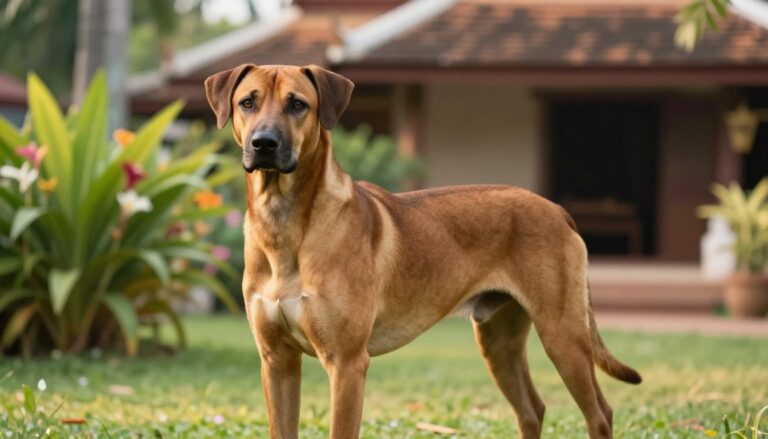
Mexican dog breeds and dogs have a rich history of survival and companionship. They have lived with humans for thousands of years, adapting to different landscapes in North America. Their story shows how dogs can thrive in many environments.
How Mexico’s Climate and Culture Shaped Its Dogs
Mexico’s climate varies from deserts to jungles and mountains. This led to dogs developing special traits to survive. For example, hairless dogs lived in warm areas, while sturdy dogs thrived in cool mountains.
Indigenous cultures also shaped these dogs. They were kept for companionship, spiritual reasons, and protection. This bond between humans and dogs is still strong today.
Native Breeds, Working Dogs, and Modern Companions
There’s a big difference between ancient breeds and today’s dogs in Mexico. Ancient breeds, like the Xoloitzcuintli, have a long history. They are valued for their looks and heritage.
Today, you’ll find working dogs for tasks like herding. There are also many mixed-breed rescues. These dogs are great for city living and families.
What to Consider Before Choosing a Mexican Breed
Choosing a Mexican breed means looking beyond their looks. It’s important to know their characteristics to find the right pet. Consider their energy, grooming needs, and social needs.
The table below gives a quick look at what to expect from different dogs:
| Breed/Type | Primary Trait | Energy Level | Grooming Needs |
|---|---|---|---|
| Xoloitzcuintli | Loyal/Alert | Moderate | Low (Skin care) |
| Chihuahua | Affectionate | High | Low to Moderate |
| Mexican Street Dog | Adaptable | Variable | Low |
| Calupoh | Protective | Very High | Moderate |
Always remember, every dog is unique. Breed traits are helpful, but your dog’s personality comes from your care and love. Choosing the right companion needs patience and understanding of your life.
Mexican Dog Breeds History From Techichi to Today
The history of Mexican dog breeds goes back to ancient Mesoamerica. The mexican dog breeds history shows a deep bond between humans and their dogs. Understanding their origins helps us appreciate their unique traits today.
Techichi and Its Connection to Ancient Mexican Civilizations
The Techichi was a small, strong dog kept by the Toltecs and Mayans. These ancient people saw the techichi as more than a pet. It was a key part of their lives and spiritual practices. Archaeology confirms their presence in homes across the region.
The Xoloitzcuintli’s Role in Aztec and Indigenous Traditions
The xoloitzcuintli became important in Aztec culture. Known as the “dog of the gods,” it was believed to guide souls. Indigenous people saw these dogs as sacred protectors of the home and spirit.
How the Chihuahua Developed in Northern Mexico
The chihuahua developed in northern Mexico’s harsh desert. Experts think it came from smaller dogs that adapted to the desert. Over time, these small dogs became known for their alert nature and were loved worldwide.
Recognition and Preservation of Mexico’s Native Breeds
Today, we focus on recognizing and preserving these breeds. Protecting the xoloitzcuintli and chihuahua ensures their unique traits are kept for the future. Responsible breeding is essential for their health and temperament.
Supporting ethical breeders is crucial to save these historic breeds. By learning about and supporting these dogs, we honor their long history. Preservation is about keeping the spirit of Mexico’s native dogs alive.
Xoloitzcuintli: Mexico’s Iconic Hairless Dog
The mexican hairless dog, known as the Xoloitzcuintli, is unique. They have no fur, but some have a short, flat coat. These dogs are deeply connected to Mexico’s history and bring loyalty to any home.
Xoloitzcuintli Varieties, Sizes, and Coat Types
The xoloitzcuintli comes in three sizes. This makes them perfect for any home, big or small:
- Toy: Typically 10 to 14 inches tall.
- Miniature: Usually 14 to 18 inches tall.
- Standard: Often 18 to 23 inches tall.
Both hairless and coated varieties exist in the same litter. The hairless ones have warm, smooth skin. The coated ones are just as healthy and lively.
Temperament and Bonding With Your Family
These dogs are intensely loyal to their families. They are calm and attentive but can be shy around new people. They watch over their family with great care.
Skin Care, Dental Care, and Weather Protection
Looking after a mexican hairless dog is a bit different. Their skin needs moisturizing to stay soft. They also need good dental care to avoid dental problems.
Exercise, Training, and Socialization Needs
The xoloitzcuintli is active and smart. They need regular walks and mental games to stay happy. A routine helps them feel secure and confident.
Why Early Socialization Matters for Reserved Xoloitzcuintlis
Early socialization is key for these dogs. Introduce them to new places, sounds, and people early. This helps them grow into confident adults.
How to Protect a Hairless Xoloitzcuintli From Sun and Cold
Keeping your xoloitzcuintli safe from the weather is important. Use sunscreen on sunny days to prevent sunburn. In cold weather, use sweaters or coats to keep them warm.
Chihuahua: A Small Mexican Dog With a Big Personality
The chihuahua shows that big personalities can be in small bodies. This breed has a long history of being a loyal companion. They fit well into many homes.
Chihuahua History and Distinctive Physical Traits
The chihuahua comes from Chihuahua, Mexico, and is the smallest dog in the world. They have two head shapes: the apple head and the deer head.
Despite being small, they are sturdy and have alert eyes. Their faces and ears are very expressive, making them easy to spot.
Long-Coat and Smooth-Coat Chihuahua Care
Chihuahuas come in two coat types, each needing different care. Both are easy to groom, but their needs vary:
- Smooth-Coat: They have a short, shiny coat that needs little brushing.
- Long-Coat: This type has a soft, silky coat that needs regular brushing to avoid tangles.
Temperament, Barking, and Attachment to Their People
A chihuahua is very devoted to its owner. They often stick close to one person all day.
They are loving but can bark at strangers or loud noises. Early socialization helps control this.
Training and Safety for a Tiny, Active Dog
Training a small dog needs patience and positive methods. They are smart and love to please, so they learn well with gentle guidance.
It’s important to use a harness instead of a collar for walks. This protects their necks.
Managing Fragility Around Young Children
Chihuahuas are fragile because of their size. It’s crucial to watch them when they’re with young kids to avoid injuries.
Teach kids to sit on the floor when playing with the dog. This helps prevent the dog from falling or being dropped.
Preventing Dental Problems and Weight Gain
Small breeds face health issues like dental problems and weight gain. Keeping them healthy is key to their long life.
| Focus Area | Action Required | Frequency |
|---|---|---|
| Dental Care | Brush teeth daily | Every day |
| Weight Control | Measure food portions | Twice daily |
| Activity | Short, brisk walks | Daily |
By keeping their teeth clean and controlling their food, your chihuahua will stay happy and active. Regular care supports their lively spirit.
Other Mexican Dog Breeds and Regional Types to Know
Many people know the popular Mexican dog breeds. But Mexico has a wider range of dogs. There are many unique dogs from different parts of the country. These dogs show how people and their environments shape dogs.
Calupoh: The Mexican Wolfdog
Appearance, Behavior, and Space Requirements
The Calupoh is a mix of a dog and a Mexican wolf. They have a strong, athletic body and a wild-looking coat. They need a lot of space to run and be happy.
Why Calupohs Need Experienced Handling and Secure Fencing
Having a Calupoh is a big responsibility. They are smart and strong, so they can get past regular fences. You need strong, high fences to keep them safe.
Chamuco: The Mexican Pit Bull Type
Strength, Drive, and Responsible Ownership
The Chamuco is a rare, strong dog known for its loyalty. They need an owner who can train them well. It’s important to be a responsible owner to keep them happy.
Breed Restrictions, Socialization, and Public Safety
Because of their strength, check local laws on breed restrictions. Socializing them early is key to keep them calm in public. It’s crucial to think about public safety when you have a Chamuco.
Mexican Street Dogs and Their Diverse Heritage
Why Rescue Dogs From Mexico Require Individual Assessment
When looking at Mexican dog breeds history, street dogs are important. They have a wide range of genes, making each rescue special. Always look at each dog’s health and personality on their own, not just by breed.
| Breed/Type | Primary Trait | Space Needed | Experience Level |
|---|---|---|---|
| Calupoh | Wolf-like/Athletic | Very High | Expert |
| Chamuco | Strong/Loyal | Moderate | Advanced |
| Street Dog | Resilient/Diverse | Variable | Variable |
Mexican Dog Breeds Characteristics and Family Temperaments
Exploring mexican dog breeds characteristics helps you find a companion that fits your life. Every dog is unique, but knowing their general traits helps you care for them better.
Affection, Loyalty, and Independence Across the Breeds
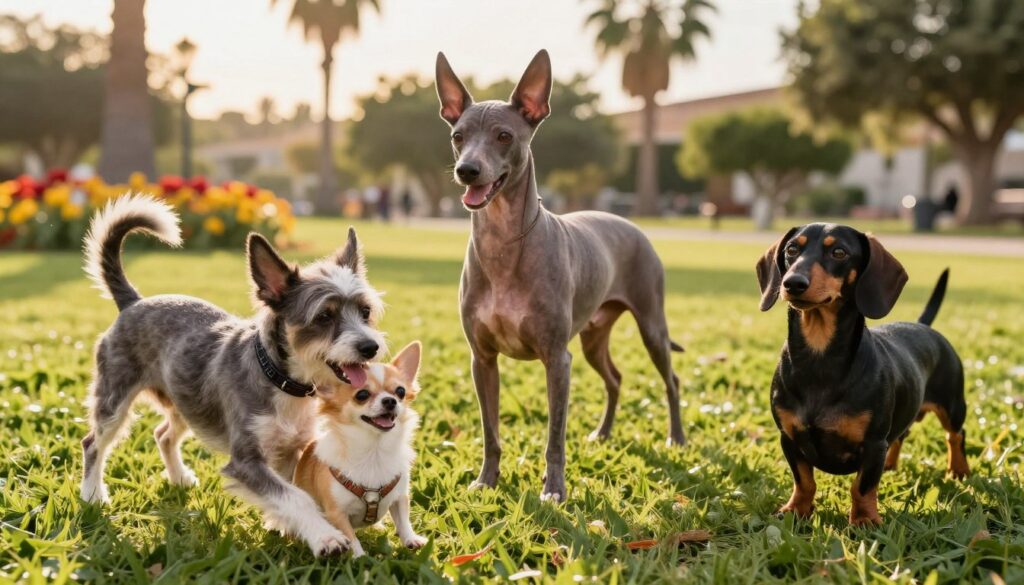
Many dogs from Mexico are very loyal to their owners. The xoloitzcuintli forms a strong bond with one person, being calm and watchful. On the other hand, the chihuahua loves to be close to you all the time.
Energy Levels and Daily Exercise Expectations
Different breeds need different amounts of activity. Here’s what you should expect:
- Xoloitzcuintli: They have moderate energy and enjoy walks and mental games.
- Chihuahua: They have lots of energy but get tired fast during play.
- Working types: They need daily exercise to stay happy and avoid bad habits.
Prey Drive, Guarding Instincts, and Stranger Behavior
Many breeds have guarding instincts, but they show it differently. Some dogs are wary of strangers, while others don’t care. It’s key to socialize them early to help them feel confident around new people.
How Each Breed May Fit With Children, Cats, and Other Dogs
How well a dog gets along with others depends on their upbringing and your home. Here’s a table to help you decide:
| Breed | Family Style | Social Tendency |
|---|---|---|
| Xoloitzcuintli | Calm/Quiet | Reserved with strangers |
| Chihuahua | Active/Alert | Bold with other dogs |
Questions to Ask When Your Household Includes Young Children
Think about how your kids interact with animals before getting a dog. Ask yourself these important questions:
- Can my children respect the dog’s need for personal space?
- Is the dog sturdy enough to handle the play style of my children?
- Do I have the time to supervise every interaction between the dog and the kids?
Household Factors That Can Trigger Stress or Reactivity
Things like loud noises and too many visitors can stress your dog. Consistency in your routine helps your dog feel secure and happy at home.
Health, Grooming, Training, and Daily Care
Whether you have a small or unique dog, daily care is key. A good routine helps you keep an eye on your dog’s health and mood. This way, your pet stays healthy and happy for many years.
Common Health Concerns in Xoloitzcuintlis and Chihuahuas
The xoloitzcuintli is usually strong but can get skin problems without fur. Use safe moisturizers to protect their skin from sun and dryness. The chihuahua might face issues like knee problems and crowded teeth.
Regular vet visits are crucial for both breeds to spot problems early. Watch for signs of pain or mobility changes. Early action can greatly improve your dog’s health.
Feeding and Weight Management for Small and Large Dogs
Good food is essential for your dog’s energy. Small breeds like the chihuahua need food rich in calories. Larger dogs need the right amount to avoid joint problems. Always check with your vet for the right amount based on your dog’s age and activity.
Don’t let your dog overeat, as it can lead to obesity. This puts a lot of stress on their heart and joints. Keeping your dog at a healthy weight is a great way to make them live longer.
Positive-Reinforcement Training for Confident, Sensitive Dogs
Training should be fun for both you and your dog. Use treats, praise, and play to teach good behavior. This method works well for the mexican hairless dog, which likes gentle, consistent training.
Keep training sessions short and fun to keep your dog focused. Positive reinforcement builds trust and confidence. Be patient when teaching new tricks.
Grooming Differences Between Hairless, Coated, and Mixed-Breed Dogs
Grooming needs change based on your dog’s fur. Hairless dogs need regular baths and moisturizing. Coated breeds need brushing to prevent matting and remove loose hair.
Mixed-breed dogs might need different grooming based on their fur and skin. Regular grooming is a good time to check for health issues and bond with your pet.
Routine Veterinary Care, Dental Cleaning, and Preventive Testing
Annual vet visits are important to keep your dog healthy. Dental care is key for small breeds to avoid tartar buildup. Brushing their teeth or giving dental chews can prevent oral health problems.
Keep up with vaccinations and prevent parasites like heartworms and fleas. Blood tests can catch internal health issues early. Regular vet visits are essential for a long, healthy life for your dog.
Exercise Plans for Apartments, Suburban Homes, and Rural Properties
Your home’s size affects your dog’s exercise needs. Apartment owners can use indoor play and short walks. Suburban homes with yards are great for fetch and training.
Rural homes need to keep dogs safe from wildlife. Tailor exercise to your dog’s age and health. A tired dog is a happy dog, no matter where you live.
How to Choose the Best Mexican Dog Breed for Your Family
Finding the right dog from the best Mexican dog breeds needs careful thought. You must consider your lifestyle and what you want. Each dog has its own needs, and finding the right match is key to a happy life together.

Match the Dog’s Size and Energy to Your Lifestyle
When looking at mexican dog breeds and dogs, think about your daily activities. Dogs with lots of energy need lots of exercise. Smaller or calmer dogs might be happy with shorter walks and playtime indoors.
Also, consider your home size. A big, active dog might not fit well in a small apartment. But a small dog can do well in any home if it gets enough attention.
Evaluate Your Experience With Training and Behavior Management
Knowing mexican dog breeds characteristics is important for all owners. Some dogs are independent and need firm training. Others are very sensitive and do best with gentle, positive training.
Be honest about your time for training and socializing. This is crucial for your dog to fit well in your home.
Consider Adoption, Ethical Breeders, and Health Documentation
Choosing to adopt or buy from a breeder, being open is essential. Good sources will give you clear health documents and honest info on the dog’s personality.
Reputable places will help you through the process. They ensure you have the health records you need. Always check the dog’s health and background before deciding.
Build a Practical Family Compatibility Checklist
Making a list of needs helps find the right popular mexican dog breeds for you. Use this checklist to see if a dog fits your life.
Questions About Children, Work Schedules, Housing, and Climate
- Does the dog get along well with children and other pets in your home?
- Will your work schedule allow for the necessary exercise and companionship the dog needs?
- Does your housing situation have specific rules or space limitations regarding pet size?
- Is the breed’s coat type and temperament suitable for your local climate?
Warning Signs of Irresponsible Breeding or Poor Rescue Practices
Watch out for places that won’t share health records or give honest answers about a dog’s past. If a breeder or rescue pushes you to decide fast without meeting the dog, it’s a warning sign.
Always trust your instincts if something doesn’t feel right. A responsible partner will care as much about the dog’s future as you do, making the transition smooth.
Conclusion
Choosing a pet means looking beyond looks to understand their history. Mexican dog breeds offer a variety of personalities. From the calm Xoloitzcuintli to the lively Chihuahua, there’s a breed for everyone.
Your choice should match your lifestyle and living space. The right mexican dog breed will fit well in your home. They will also meet your needs for companionship and care.
Make sure to get your pet from a responsible source. This could be an ethical breeder or a local rescue. Always check health documents to give your pet a strong start.
Start early with socialization and training to bond with your pet. Knowing your budget and time commitment is key. This ensures a happy, lasting relationship with your dog.
Welcoming a new pet is a chance to connect with their heritage. Your care and dedication will make the experience rewarding for both you and your dog.