Top 10 Best Hunting Dog Breeds for American Hunters
There is a profound silence that falls over the woods just before dawn. In those quiet moments, your only companion is the steady, rhythmic breathing of your loyal partner waiting by your side. This connection defines the heart of the American sporting tradition, turning a simple day outdoors into a shared adventure.
Choosing the right animal is more than a practical decision; it is a commitment to a lifetime of teamwork. When you select the best hunting dog breeds for your specific environment, you unlock a new level of efficiency and success in the field. A well-matched partner anticipates your movements and responds to your commands with natural grace.
This guide explores the most reliable companions for various terrains across the United States. By understanding the unique traits of these animals, you can make an informed choice that aligns with your personal lifestyle and goals. Let us help you find the perfect teammate to elevate your next excursion.
Table of Contents
Understanding the Role of Gun Dogs in American Hunting
To truly appreciate the top hunting dogs today, you must know their history. For generations, they’ve been more than pets; they’re key partners in conservation and survival.
The bond between a hunter and dog is built on trust and training. Exploring the best gun dogs shows how their roles have changed with the American landscape.
The Historical Significance of Hunting Dogs in the United States
In the early American frontier, dogs were crucial for food and protection. They were chosen for their resilience and natural instinct.
As hunting became more structured, breeders focused on specific traits for different regions:
- Retrievers were developed for the marshy wetlands of the Atlantic coast.
- Pointers were bred for the vast, open grasslands of the Midwest.
- Flushers became the preferred choice for thick, brushy cover in the South.
How Modern Hunting Styles Influence Breed Selection
Today, firearms and land management have changed hunting. Hunters now seek efficiency, needing dogs that can cover ground quickly and precisely.
The top hunting dogs today are judged by their versatility and ability to adapt. Think about how your hunting style matches a breed’s natural temperament.
Choosing the best gun dogs is about finding a partner that fits your lifestyle and goals. Understanding their history helps you make a choice that honors these incredible animals.
The Best Hunting Dog Breeds for Waterfowl Retrieval
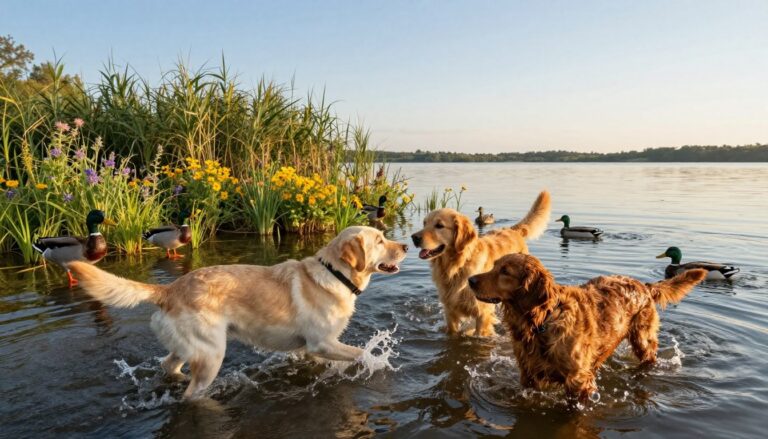
Waterfowl hunting needs a special dog that can handle icy marshes and deep lakes. You should look for dogs that can easily enter water and have lots of energy. These dogs are key partners on long, cold hunting days.
Labrador Retriever: The Gold Standard for Waterfowl
The Labrador Retriever is the top pick for waterfowl hunting in the U.S. They are known as the best retrieving hunting dogs because they always perform well and love to please.
Key Physical Attributes and Temperament
Labradors have a thick, water-resistant coat that keeps them warm in cold weather. Their webbed feet help them swim easily. They also have a calm and focused nature, making them easy to train in tough situations.
Chesapeake Bay Retriever: Built for Harsh Conditions
If you hunt in extreme weather or icy waters, the Chesapeake Bay Retriever is perfect. This breed is made for the toughest hunting conditions where others might falter.
Endurance and Cold-Water Tolerance
The “Chessie” has a special oily coat that keeps water out and skin dry in freezing temperatures. Their muscular frame gives them the strength to break through ice or thick plants. They have endless energy, ensuring you catch every bird, even in tough places.
Top Pointing Dog Breeds for Upland Game
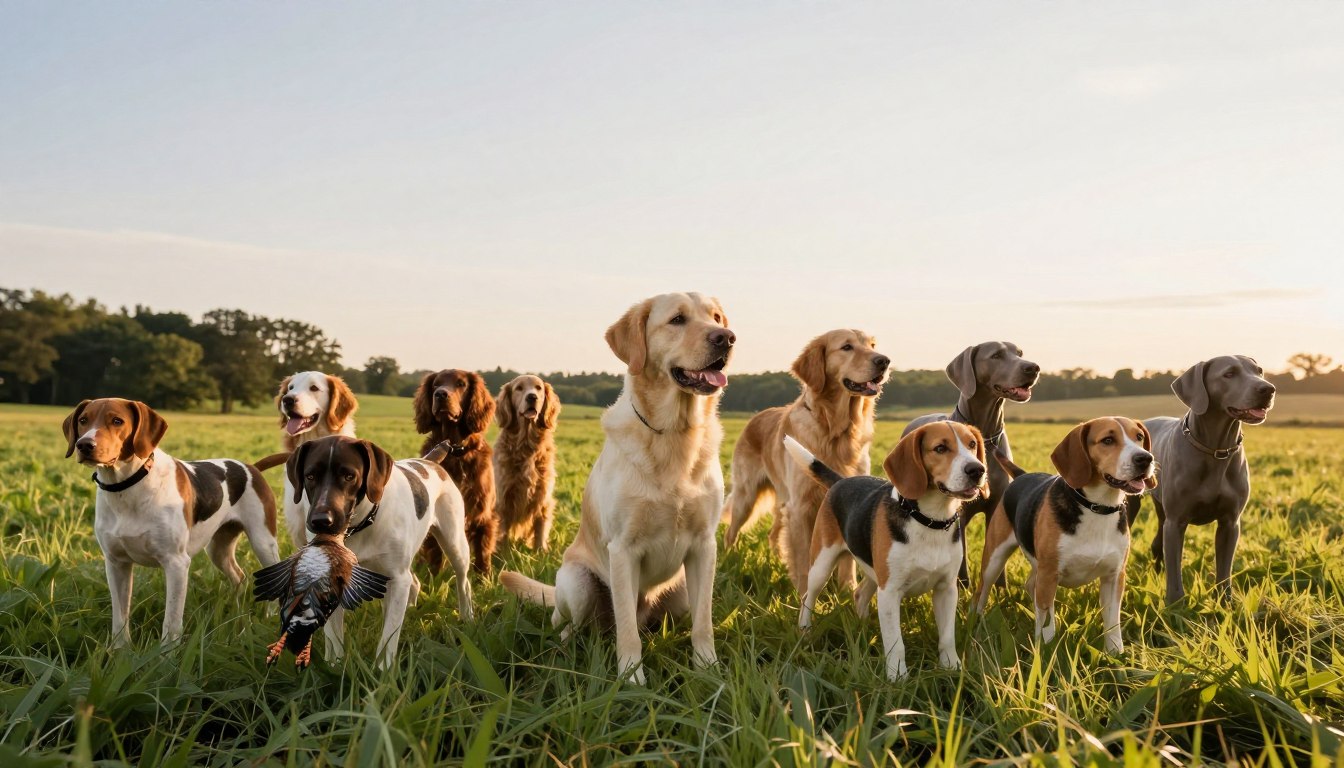
Having a popular hunting dog breed by your side changes the game. They are bred to find game birds and hold a steady point. This lets you get close for the flush. The right dog depends on your hunting style and where you hunt.
German Shorthaired Pointer: The Ultimate Versatile Hunter
The German Shorthaired Pointer is loved for its adaptability. It excels in thick brush or open fields, making it a top choice for American hunters.
Field Performance and Intelligence
These dogs are smart and easy to train for complex tasks. They’re not just pointers; they can also retrieve on land and water. Their endurance lets them work all day without losing focus.
English Pointer: Speed and Range in the Field
The English Pointer is great for covering large areas. It’s fast and can hunt far from the handler.
Training Requirements for High-Drive Dogs
These dogs need consistent, firm training from a young age. Focus on steadying them for wing and shot to avoid breaking their point too soon.
- Establish clear communication early.
- Use electronic collars for long-range control.
- Maintain a consistent daily training schedule.
English Setter: Grace and Precision for Upland Birds
The English Setter is known for its elegant movement and careful bird finding. It’s perfect for hunters who prefer a more deliberate pace.
Natural Instincts and Bird Finding Ability
These dogs use their natural instincts to move through dense cover easily. They’re soft and great family pets, but fierce competitors during hunting season.
| Breed | Primary Strength | Hunting Style |
|---|---|---|
| German Shorthaired Pointer | Versatility | Methodical |
| English Pointer | Speed | Wide-ranging |
| English Setter | Precision | Graceful |
The best top pointing dog breed for you will match your energy and hunting goals. Watch these dogs in action before deciding.
Versatile Hunting Dogs for Mixed Terrain
When you hunt across different landscapes, you need a dog that can handle it all. Choosing the best versatile hunting dogs means you get a partner for any hunting scenario. These dogs are great at moving through everything from thick brush to open fields.
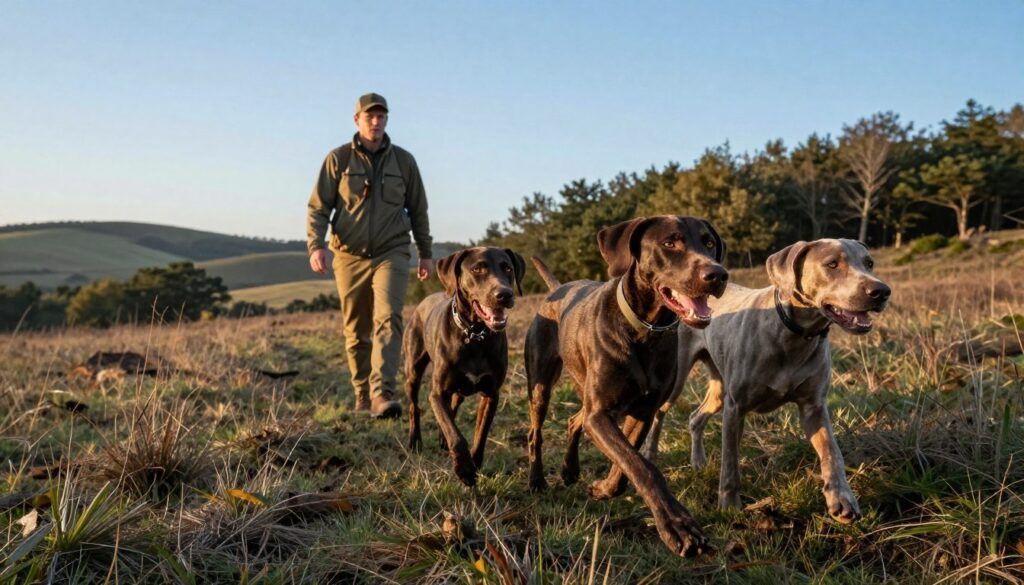
“A truly versatile dog is not just a tool, but a partner that reads the terrain as well as it reads the game.”
Vizsla: The Velcro Dog with Exceptional Tracking Skills
The Vizsla is known for staying close to its handler, earning it the nickname “Velcro dog”. It’s smart and eager to please, making it a top choice for hunting in different places.
Adaptability to Different Environments
The Vizsla is great in dry fields or wet woods. Its short coat and strong build let it move through dense areas easily. They keep close to you while following the scent trail.
Weimaraner: Power and Versatility in the Field
Weimaraners are known for their looks and stamina. They bring a lot of energy to every hunt, making sure no game escapes.
Tracking and Pointing Capabilities
These dogs are experts at tracking and pointing. They alert you when game is near. Their natural instinct to hold a point lets you approach safely. This makes them a top pick for hunters who want reliability.
Brittany: Compact Energy for Dense Cover
The Brittany is a small dog with big energy. Despite their size, they have lots of energy to move through tough terrain all day.
Agility and Stamina
Brittanys are agile, making them great in thick areas. They can go a long way without getting tired. This makes them one of the best versatile hunting dogs for long days in the field.
| Breed | Primary Strength | Terrain Suitability |
|---|---|---|
| Vizsla | Tracking | Mixed/Forest |
| Weimaraner | Power | Open/Field |
| Brittany | Agility | Dense/Brush |
Choosing the right breed depends on your needs. Focus on a dog’s ability to adapt for a better hunting season.
Essential Traits to Look for in a Hunting Companion
When looking for top hunting dogs, it’s important to check their drive and mental state. A dog’s physical skills are just part of the story. Their desire to work with you is just as crucial. Knowing these traits helps you find a great hunting partner.
Assessing Prey Drive and Natural Instincts
Prey drive is what drives a dog to move through tough terrain. Look for a dog that loves to chase, sniff, and follow feathers. This curiosity is key for a successful hunt.
A dog with strong prey drive will naturally want to track and point game. But, they should also want to come back to you. Natural instincts, like a gentle mouth for retrieving, are important for top hunting breeds.
Evaluating Trainability and Temperament
Even the most energetic dog needs a calm nature for hunting. You want a dog that listens well and stays focused. Trainability means they’re eager to learn and adapt to your hunting style.
“The bond between a hunter and their dog is forged in the quiet moments of training and tested in the heat of the hunt.”
When picking top hunting dogs, see how they handle new places and loud sounds. A steady temperament means they’ll be a reliable partner for years. Use the table below to see how different traits affect performance.
| Trait | Importance | Field Impact |
|---|---|---|
| Prey Drive | High | Maintains search intensity |
| Trainability | High | Ensures safety and control |
| Temperament | Medium | Promotes focus under stress |
| Endurance | Medium | Allows for long hunting days |
Choosing from the top hunting dogs means finding the right mix of traits. Focus on natural instincts and a good temperament for a rewarding partnership. Always watch how a dog acts in different situations before deciding.
Training Your Hunting Dog for Success
Teaching the best gun dogs starts before you go hunting. Natural instinct helps, but training is key. A good training plan helps your dog stay calm and focused.
Foundational Obedience for Field Safety
Safety is crucial when hunting. Your dog must learn basic commands first. These commands help keep everyone safe and ensure success.
Focus on these essential skills:
- Recall: A strong “come” command is vital for safety.
- Steadying: Teach your dog to stay calm before you release it.
- Place/Stay: This command keeps your dog in place while you prepare to shoot.
- Heeling: Good leash and off-leash manners keep your dog close.
Advanced Field Training Techniques
After your dog learns basic commands, move to more complex skills. Advanced training enhances your dog’s natural hunting instincts. It also teaches them to follow your cues.
Here are steps to improve your dog’s skills:
- Quartering: Train your dog to move in a pattern to cover more ground.
- Blind Retrieves: Teach your dog to follow hand signals to find game they didn’t see fall.
- Gun Introduction: Gradually introduce your dog to gunfire to keep them focused.
- Quartering Control: Practice changing directions to keep your dog in range.
Always end training sessions positively. A structured and patient approach builds a strong bond. This bond leads to effective teamwork in the field.
Health and Maintenance for Active Working Dogs
A high-performance hunting dog needs special care to stay effective. Whether you have top bird hunting dogs or trackers, their health is key. Taking care of them ensures they’re your trusted partner for many seasons.
Nutritional Requirements for High-Performance Canines
Working dogs use a lot of energy hunting. They need a diet full of quality proteins and fats to keep going. Good food is what keeps a dog working all day, not just until noon.
Here’s what your active dog needs in their diet:
- High Protein Content: Helps repair muscles after hard work.
- Healthy Fats: Gives them the energy to keep going all day.
- Consistent Hydration: Always have water ready to prevent dehydration.
“The nutritional foundation you build for your dog today determines their stamina and recovery speed tomorrow.”
Preventative Care and Injury Management in the Field
Even the best retrieving hunting dogs face challenges in the field. Regular check-ups help catch small problems before they get big. Always check your dog’s paws, ears, and eyes after each outing.
Being ready for injuries is crucial. Keep a first-aid kit for dogs in your car. It should have:
- Antiseptic wipes for small cuts or scrapes.
- Self-adhering bandages for minor sprains.
- Tweezers for removing thorns, burrs, or ticks.
If your dog limps or seems tired, rest them right away. Their safety is more important than the hunt. Regular vet visits keep them in top shape for years of service.
Legal and Ethical Considerations for Hunting with Dogs
Whether you have the best versatile hunting dogs or top pointing dog breeds, you have more than just training to worry about. Understanding hunting laws is key for any sportsman. This ensures your rights and the sport’s future are protected.
Understanding State-Specific Regulations
Each U.S. state has its own rules for hunting with dogs. Always check your local wildlife agency’s website before hunting season. These rules tell you which game you can hunt with dogs and when.
Not knowing these laws can get you in big trouble. Always verify if you need special permits or if there are limits on dogs per hunter. Knowing the rules helps you hunt legally and effectively.
Ethical Hunting Practices and Dog Welfare
Ethical hunting means treating your dog with kindness and respect. Your dog needs you for safety, water, and medical help. Taking care of your dog shows your character as a hunter.
It’s also important to respect the wildlife you hunt. Practice fair chase by keeping your dog trained and under control. Showing integrity and care helps keep hunting traditions alive for future generations.
Selecting the Right Breed for Your Specific Hunting Style
Finding the perfect hunting dog breed starts with knowing your daily routine. You need to balance your training time with the dog’s natural needs. A good partnership depends on giving your dog the right structure and exercise.
Matching Breed Energy Levels to Your Lifestyle
High-energy dogs need lots of daily activity to stay calm. If you’re active, these dogs will fit right in. But, if you’re busy, some popular hunting dog breeds might get restless.
Think about your dog’s mental needs outside of hunting season. Many breeds do well with jobs like obedience or agility. Picking a dog that matches your energy level keeps you both happy all year.
Considering Your Primary Game Species
Your breed choice should depend on the game you hunt. For marsh hunting, you need a dog that can handle water. Upland hunters prefer dogs with range and precision for dense cover.
Consider your local terrain and the skills your dog needs. While many popular hunting dog breeds are versatile, some are better for specific environments. Choosing a breed that excels in your area makes hunting more productive.
Making a careful choice ensures a great partnership for years. By picking the best hunting dog breeds for your needs, you build a lasting bond. Preparation is the key to a fulfilling outdoor experience.
Conclusion
Choosing the right hunting dog changes your time in the American wilderness. It’s more than just getting a pet. It’s about finding a breed that fits your hunting style.
This partnership makes every trip better. It creates a strong bond between you and your dog.
Success comes from training and good food. Use brands like Purina Pro Plan or Eukanuba for your dog’s best performance. Keeping your dog healthy is key for the hunting season.
Being a good hunter means respecting the game and your dog. It shows who you are as a sportsman. With patience and dedication, you can make your dog a great hunting partner.
Remember these tips for your next hunting trip. The breed you choose is the start of many adventures together. Begin by understanding what your future hunting partner needs.