What Can Dogs Not Eat? Safe and Unsafe Human Foods Explained
You look into those soulful eyes and feel an immediate bond that words simply cannot describe. As a devoted pet parent, your primary goal is ensuring your furry companion lives a long, vibrant life by your side. Sharing a snack often feels like a natural way to show affection, yet some common kitchen staples pose hidden dangers.
Understanding what can dogs not eat is the most effective way to protect your best friend from accidental poisoning. While many household items are perfectly harmless, others trigger severe health complications that require urgent veterinary care. Being informed about these dietary restrictions empowers you to make safer choices during mealtime.
Knowledge serves as your greatest tool for prevention. By learning which ingredients to avoid, you create a secure environment where your pet thrives without the risk of toxic exposure. Let us explore the essential guidelines to keep your household safe and your pup happy.
Table of Contents
Understanding Canine Digestion and Dietary Needs
Your dog’s digestive system is very different from yours. Humans are omnivores, but dogs are facultative carnivores. This difference is key to dog feeding safety.
Dogs digest food quickly because their digestive tracts are short and acidic. This fast process can make some foods harmful to them. It’s important to know the pet nutrition do’s and don’ts to keep them healthy.
“The nutritional needs of a dog are not merely a smaller version of human requirements; they are a specialized set of biological demands that must be met for long-term health.”
Why can’t dogs just eat what we eat? The reason is their unique metabolism. Dogs need specific amino acids, vitamins, and minerals that human food often lacks or has too much of.
Here’s a comparison of how our systems handle common foods:
| Feature | Human System | Canine System |
|---|---|---|
| Digestive Tract | Longer, slower | Shorter, faster |
| Stomach Acidity | Moderate | High (for bone/bacteria) |
| Primary Fuel | Carbohydrates/Fats | Proteins/Fats |
| Metabolic Rate | Variable | Highly efficient |
To keep your dog safe, learn the pet nutrition do’s and don’ts. This way, you can avoid giving them harmful foods. Always choose their health over the temptation to share snacks.
The Core Question: What Can Dogs Not Eat?
Keeping your dog safe means knowing which foods are harmful. Many owners wonder, what can dogs not eat, as they explore human food. By sorting foods into safe, okay, and no-go lists, you can make your home safer for your pet.
Not all human food is safe for dogs. Some foods are okay as treats, but others can be very dangerous. Knowing which foods to avoid is key to keeping your dog safe at home.
It’s important to keep a list of foods your dog should not have. Keeping these foods out of reach is a simple way to protect your dog. Use this guide to sort common foods by their safety for dogs.
| Category | Risk Level | Action Required |
|---|---|---|
| Safe Foods | Low | Feed in moderation |
| Moderate Risk | Medium | Consult your vet |
| Strictly Prohibited | High | Keep away entirely |
| Unknown Items | Variable | Do not feed |
Knowing what can dogs not eat helps you make better choices during meals. When you know which foods to avoid giving to dogs, you reduce the risk of a vet visit. Always put your dog’s health first by being careful about what they eat.
Highly Toxic Foods That Require Immediate Veterinary Attention
Be careful with the toxic foods for dogs in your kitchen. Some human snacks can be very dangerous for pets. Knowing which foods are harmful is key to keeping your pet safe.
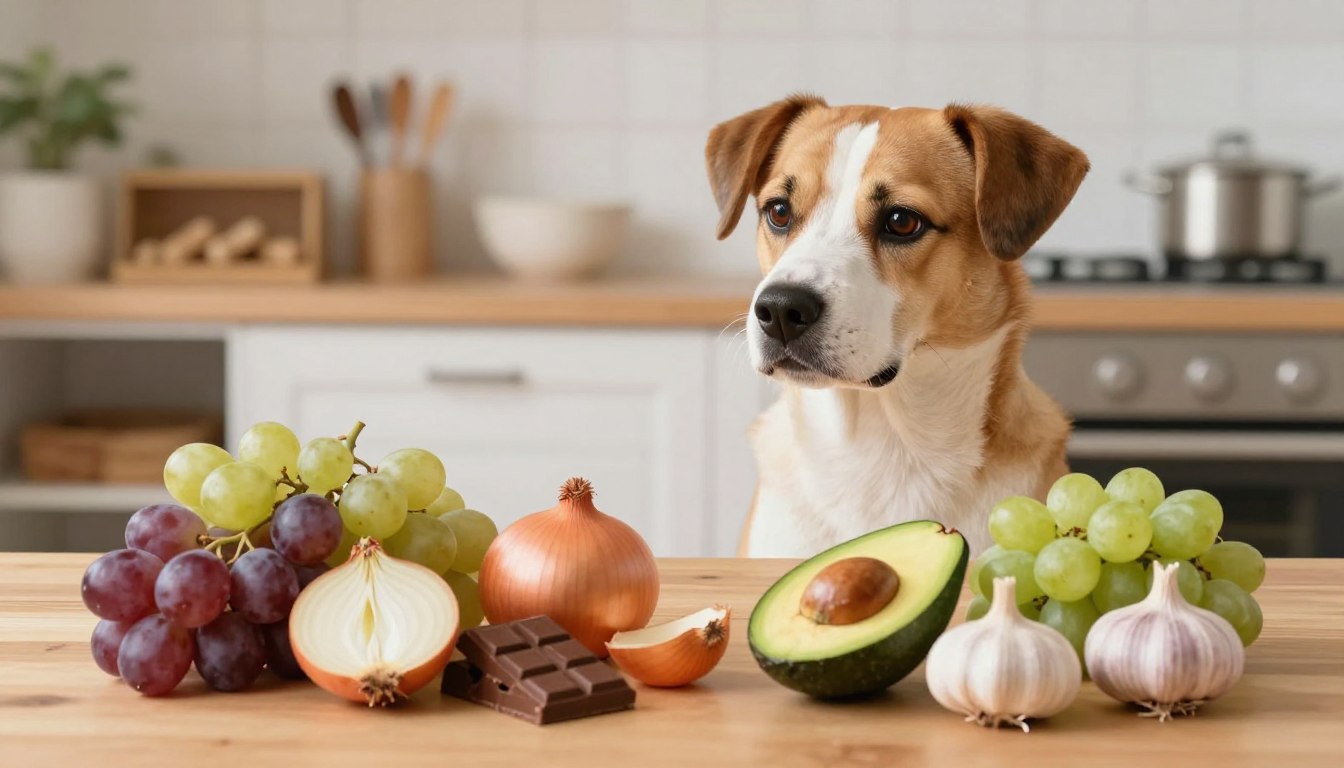
Grapes and Raisins
Grapes and raisins are very dangerous for dogs. Even a small amount can cause kidney failure. It’s important to remember that any dog can be affected, no matter the size or breed.
Chocolate and Caffeine
Chocolate has stimulants that can harm dogs. Dark chocolate and baking cocoa are especially risky. Caffeine can also cause heart problems and shaking in pets.
Onions, Garlic, and Chives
Onions, garlic, and chives are toxic to dogs. They can damage red blood cells, leading to anemia. If your dog eats these, get them to the vet right away.
The table below shows the main dangers of these foods. It helps you know what to avoid.
| Food Item | Primary Risk | Severity |
|---|---|---|
| Grapes/Raisins | Kidney Failure | Critical |
| Chocolate | Heart/Nervous System | High |
| Onions/Garlic | Anemia | High |
| Caffeine | Cardiac Arrhythmia | Critical |
Keep these toxic foods for dogs away from your pet. Being careful is the best way to keep them safe. If you’re unsure about any food, talk to your vet. This will help you feel confident about what’s safe for your pet.
Common Kitchen Hazards and Household Dangers
Knowing common food hazards for dogs is key to keeping them safe. Many foods we use daily can harm pets. Knowing what these are helps you keep your kitchen safe.
Xylitol and Artificial Sweeteners
Xylitol is a big dangerous food for dogs. It’s in sugar-free gum, candy, and some peanut butters. Just a little can cause a big drop in blood sugar, leading to seizures and even death.
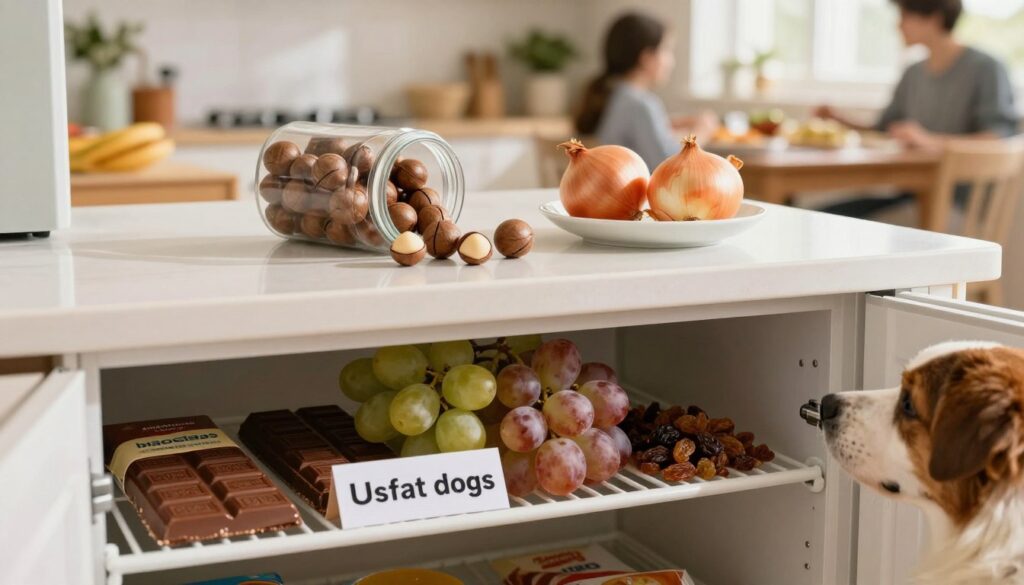
Macadamia Nuts and Walnuts
Macadamia nuts are bad for dogs. They can make dogs weak and cause tremors. Walnuts, especially moldy ones, can also harm dogs’ brains.
Alcohol and Yeast Dough
Alcohol and raw yeast dough are big common food hazards for dogs. If a dog eats raw dough, the yeast makes alcohol in their stomach. This can cause their stomach to swell and lead to bloat.
Keep these dangerous foods for dogs out of reach. By being careful in the kitchen, you can keep your dog safe and healthy.
Fruits and Vegetables: Which Are Safe and Which Are Risky
When you’re at the grocery store, it’s important to watch out for dangerous foods for dogs. Many plants are good for your dog, but some can be very bad. Knowing the difference is key to keeping your pet healthy.
Safe Produce Options for Healthy Treats
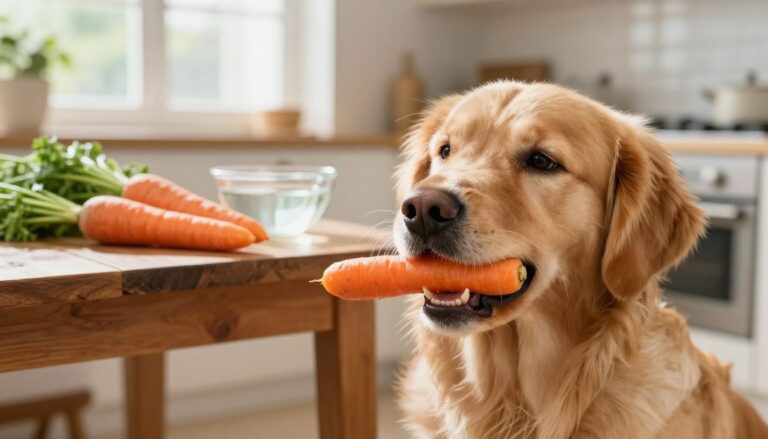
Many fresh foods are safe for your dog as treats. Carrots help keep their teeth clean, and blueberries are full of antioxidants. Make sure to wash these foods well before giving them to your dog.
Apples are also a good choice, but you need to take out the core and seeds. The seeds have cyanide, which is bad for dogs. If you prepare them right, these treats are good for your dog and taste great.
“The best treats are those that provide nutritional value without hidden risks, turning snack time into a moment of genuine health support.”
Produce That Poses Choking or Toxicity Risks
Some foods in the produce section are not safe for dogs. Grapes and raisins can cause kidney failure, even in small amounts. Onions, garlic, and chives can also harm your dog’s red blood cells.
Size and texture are also important. Big pits from fruits like peaches or plums can block your dog’s intestines. Keep these items away from your dog to avoid choking hazards.
| Safe Produce | Risky Produce | Reason for Risk |
|---|---|---|
| Blueberries | Grapes | Kidney Toxicity |
| Carrots | Onions | Blood Cell Damage |
| Apples (no seeds) | Peach Pits | Choking/Blockage |
Knowing what’s safe can help prevent your dog from eating dangerous foods. Always check with your vet if you’re not sure about a food. Being careful ensures your dog gets the benefits of fresh food without the risks.
Dairy, Meat, and Protein Considerations
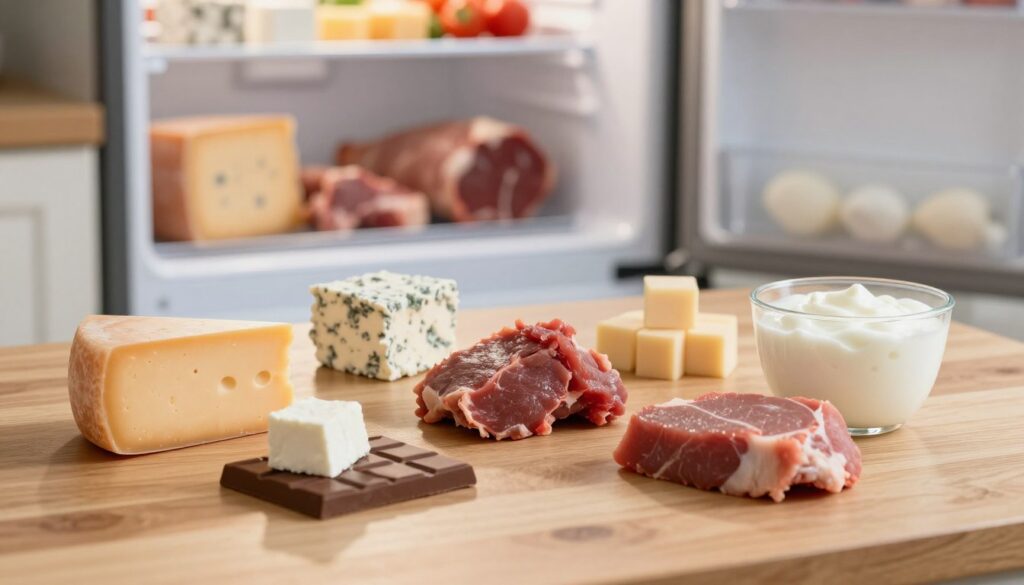
When thinking about your dog’s diet, dairy and raw meat can be dangers. Protein is key for your pet, but the wrong source can upset their stomach. Knowing foods harmful to dogs is crucial for their health and happiness.
The Truth About Milk and Cheese
Many think dogs will like dairy like humans do. But most adult dogs can’t digest lactose, leading to gas, bloating, and diarrhea.
High-fat cheeses can cause pancreatitis, a serious condition. Even a little can upset a sensitive stomach. It’s best to keep these snacks away to avoid discomfort.
Raw Meat and Bone Safety
Raw meat is risky because of bacteria like Salmonella or E. coli. These can harm your dog and even you. Stick to cooked, plain proteins for safety.
Bones, whether raw or cooked, are dangerous. Cooked bones can splinter and cause serious harm. These are among the biggest foods harmful to dogs and need vet help if eaten.
| Protein Source | Safety Status | Primary Risk |
|---|---|---|
| Plain Cooked Chicken | Safe | None (if boneless) |
| Cow’s Milk | Risky | Lactose Intolerance |
| Raw Meat | Risky | Bacterial Infection |
| Cooked Bones | Dangerous | Internal Splintering |
Recognizing the Symptoms of Food Poisoning in Dogs
Knowing the early signs of poisoning can save your dog’s life. Since pets can’t tell us when they’re not feeling well, we must watch their behavior closely after they eat. Being aware of foods harmful to dogs helps you act fast if they accidentally eat something toxic.
Gastrointestinal Distress Signs
The digestive system is often the first to react when a dog eats something toxic. You might see sudden changes in their bathroom habits or appetite. These signs usually show up a few hours after they eat something bad.
Look out for these common signs of stomach upset:
- Persistent vomiting that doesn’t stop.
- Diarrhea, especially if it has blood or mucus.
- A sudden loss of appetite or not wanting to drink water.
- Excessive drooling or signs of nausea.
Neurological and Systemic Warning Signs
Some foods harmful to dogs can affect the nervous system or internal organs, not just the stomach. These signs are often more serious and need immediate emergency care. Never wait for these symptoms to go away on their own.
Watch for these serious signs of systemic distress:
- Extreme lethargy or trouble standing up.
- Muscle tremors, twitching, or full-body seizures.
- Disorientation, stumbling, or acting “drunk.”
- Rapid or irregular heart rate and trouble breathing.
If you see any of these neurological changes, call your vet right away. Early action is the best way to prevent long-term harm from toxic ingestion.
Steps to Take If Your Dog Consumes a Toxic Food
If your dog eats something they shouldn’t, every second is crucial. It’s normal to feel scared, but staying calm is key. Quick and careful action can greatly improve your dog’s chances of getting better.
Assessing the Situation and Contacting Professionals
First, take away any leftover pieces from your dog’s mouth to stop them from eating more. Don’t try to make them vomit unless a vet tells you to. It’s important to know exactly what your dog ate and how much is left.
After you have the facts, call your vet right away. If it’s late or your vet is closed, find the nearest emergency animal hospital or poison control center. They know how to handle toxic foods for dogs and will help you next.
Information to Provide Your Veterinarian
When you talk to a vet, be clear and detailed. Share all you know about what happened to help them figure out the risk. This info helps the vet get ready for your visit and start treatment fast.
| Information Category | Details to Collect | Why It Matters |
|---|---|---|
| Substance Type | Name of food or product | Identifies specific toxins |
| Quantity Consumed | Estimated amount eaten | Determines toxicity level |
| Time of Ingestion | When it happened | Guides treatment window |
| Current Symptoms | Vomiting, lethargy, etc. | Assesses immediate danger |
If you can, keep the packaging of what your dog ate. This helps your vet know what they’re dealing with. Remember, quick communication is your best ally in keeping your dog safe during an emergency.
Safe Human Food Alternatives for Training and Rewards
Training your dog needs rewards that are safe and healthy. Many owners give processed table scraps, which can harm their pets. Choosing whole-food rewards is a better way to motivate your dog while keeping them healthy.
Healthy Vegetable Snacks
Vegetables are low in calories and full of fiber, making them great for training. Always wash them well to remove dirt and pesticides before giving them to your dog.
Here are some nutrient-dense options for training:
- Steamed Carrots: They offer a nice crunch and are full of beta-carotene.
- Green Beans: Serve them plain, raw or lightly steamed, for a low-calorie snack.
- Cucumber Slices: They’re great for staying hydrated, especially in warm weather.
- Sweet Potato: Make sure they’re cooked well and served without salt or butter.
Lean Protein Treats
Lean proteins are perfect for high-value rewards. They are safer than fatty table scraps, which can be harmful to dogs.
To make these treats, use simple cooking methods without oils, seasonings, or onions. You can make them at home:
- Plain Boiled Chicken: Remove all skin and bones, then cut into small pieces.
- Lean Turkey: It’s a great protein source that’s easy on your dog’s stomach.
- White Fish: Make sure it’s fully cooked and free of small bones.
Treats should be a small part of your dog’s daily food. By choosing these wholesome alternatives, you help your dog stay healthy and happy.
Establishing Healthy Feeding Habits and Preventing Accidental Ingestion
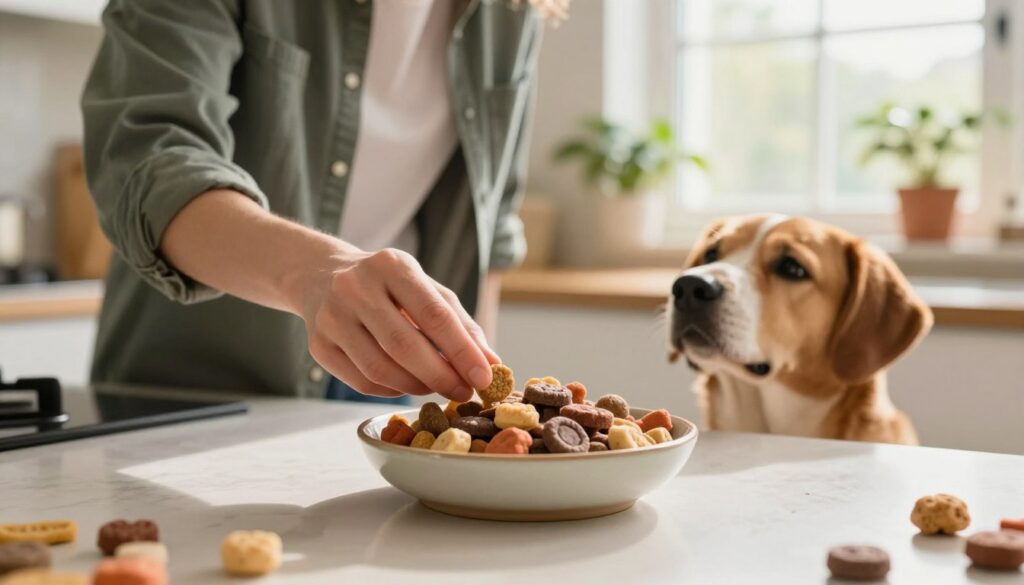
Keeping your home safe is key to dog feeding safety. By controlling what your pet can access, you avoid dangerous foods. Small daily changes can protect your pet for a long time.
Securing Your Trash and Pantry
Your kitchen can be a danger zone. Use heavy-duty, locking trash cans to stop your dog from getting into food waste. Items like onion peels or coffee grounds can be deadly if eaten.
Put toxic items on high shelves to keep them out of reach. Use airtight containers for snacks to stop curious noses from finding them. A clean, clutter-free floor is crucial for dog feeding safety.
| Storage Area | Risk Level | Recommended Action |
|---|---|---|
| Trash Can | High | Use locking lids |
| Pantry Floor | Medium | Keep clear of bags |
| Countertops | High | Push food to back |
| Upper Cabinets | Low | Store all toxic items |
Educating Family Members and Guests
Even the most careful owner can face challenges with others around. It’s important to teach children, guests, and visitors about dog feeding safety. Tell them that giving table scraps can harm your pet.
“The greatest danger to a pet’s health is often the well-meaning guest who thinks a small piece of chocolate or a grape is a harmless treat.”
Put a small sign near the kitchen or dining area to remind guests not to share food. Everyone following the same rules helps keep your dog safe. This creates a strong defense against harmful substances.
Conclusion
Your commitment to your dog’s health begins with daily choices in your kitchen. Keeping a list of toxic items on your fridge is crucial. It helps keep your home safe for your pet.
Learning what foods are safe and what are not helps protect your dog. You are the key to preventing accidents. This knowledge keeps your pet safe from harm.
If you’re unsure about a food, call your vet or an animal poison hotline. Quick action is key to saving your dog’s life.
By following these guidelines, you ensure your dog lives a long, happy life with you. Your careful attention keeps your home a safe and loving place for your pet.