Can Dogs Have Vanilla Custard? What Pet Owners Need to Know Before Sharing
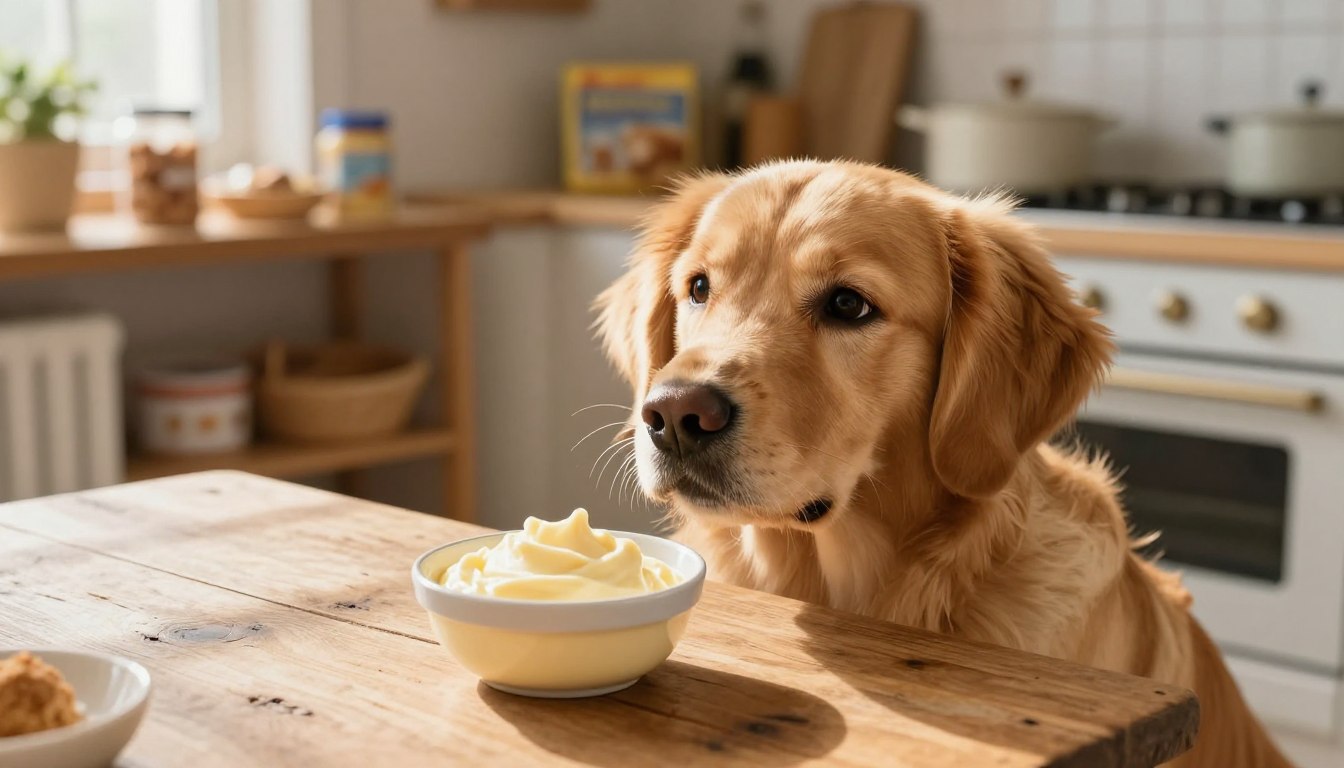
You look into those soulful eyes while enjoying a sweet treat, and your heart melts. It’s natural to want to share your favorite snacks with your furry best friend. But, you might wonder if can dogs have vanilla custard without facing health risks.
Sharing a bite of your dessert seems like a simple act of love. Yet, many human foods contain hidden ingredients that are dangerous for your pet. It’s important to understand canine nutritional needs before you offer anything from your plate.
Navigating the world of human snacks requires caution and research. Your goal is to keep your companion happy while ensuring their long-term wellness. This guide helps you make informed choices about what is truly safe for your pet to consume.
Table of Contents
Understanding the Ingredients in Vanilla Custard
Before you give your pet a taste of dessert, it’s crucial to know what’s inside. Many people love the smooth texture of custard, but it can be bad for dogs. Learning about the ingredients in dogs and vanilla custard is key to keeping your pet safe.
Common Components of Traditional Custard
Traditional custard recipes use a few main ingredients for its rich taste. They often include whole milk or heavy cream for fat, egg yolks for thickening, and white sugar for sweetness. These ingredients make custard creamy and sweet for humans.
Some recipes add vanilla extract, cornstarch, or butter for extra flavor. While these are common in human kitchens, they’re not good for dogs. When thinking about dogs and vanilla custard, remember how these ingredients affect dogs differently.
Why Human Desserts Are Not Designed for Dogs
Human desserts are made for human metabolism, not dogs. Dogs have a shorter digestive tract and different enzymes than humans. This means what we easily digest can upset a dog’s stomach or cause health problems.
The table below shows how common custard ingredients affect humans and dogs differently:
| Ingredient | Human Impact | Canine Impact |
|---|---|---|
| Refined Sugar | Energy source | Risk of obesity/diabetes |
| Dairy (Milk/Cream) | Calcium source | Potential lactose intolerance |
| Egg Yolks | Nutrient dense | High fat/cholesterol risk |
| Vanilla Extract | Flavor enhancer | Alcohol content concerns |
Desserts are high in calories for human energy, not for dogs. Giving your pet human sweets can upset their diet balance. Always choose your pet’s health over the joy of sharing dogs and vanilla custard.
Can Dogs Have Vanilla Custard? The Short Answer
When your dog wants a taste of your vanilla custard, you might wonder if it’s safe. A small lick might not hurt, but it’s best to avoid giving it to them. Most custards have too much sugar, fat, and dairy, which isn’t good for dogs.
Understanding if can dogs have vanilla custard means looking at the ingredients, not just the taste.
Distinguishing Between Occasional Treats and Regular Diet
There’s a big difference between a one-time taste and making sweets a regular part of your dog’s diet. When thinking about dogs and vanilla custard, remember dogs need different foods than humans. A small taste is unlikely to harm, but it shouldn’t be a regular thing.
Vets advise against adding human sweets to your dog’s diet. Dogs need specific nutrients that are different from ours. Human desserts can upset their diet over time.
The Role of Portion Control in Canine Nutrition
If you do give your dog a treat, make sure it’s just a tiny bit. Even a small amount of custard has a lot of calories. This can lead to weight gain and health problems like joint pain and heart issues.
You might think, is vanilla custard safe for dogs if it’s just a little bit? While a teaspoon might not cause an immediate problem, it’s better to stick with dog treats. This keeps your dog healthy in the long run and stops them from wanting every human snack.
Potential Health Risks of Feeding Custard to Dogs
Feeding custard to dogs might seem safe, but it’s not. Feeding vanilla custard to dogs can be risky. Many desserts are made for humans and have ingredients that harm pets.
High Sugar Content and Weight Gain
Traditional custards have lots of sugar. Adding them to a vanilla custard and dog diet can lead to weight gain. This is bad for your dog’s health.
Sugar can cause big problems like insulin resistance. This can make your dog’s body store too many calories. This is hard on their joints and heart.
The Impact of High Fat Levels on Pancreatitis
Custard has a lot of heavy cream, egg yolks, and butter. These fats are hard for dogs to digest.
Eating too much fat can cause pancreatitis. This is a serious inflammation of the pancreas. It can be very painful and even life-threatening. Dogs with pancreatitis need quick vet care and may face long-term health issues.
Gastrointestinal Distress and Upset Stomachs
Even without chronic problems, serving vanilla custard to dogs can upset their stomachs. Their bodies can’t handle the proteins and sugars in custard.
Watch for signs like vomiting, diarrhea, and belly pain if your dog eats custard. These are signs of a bad reaction. If you see these, call your vet right away.
It’s best to keep human treats away from dogs. This keeps them healthy and happy.
The Dangers of Xylitol and Artificial Sweeteners
Sharing a small dessert might seem harmless, but some sweeteners can be deadly for pets. Many human foods are not safe for dogs. It’s crucial to know the dangers of vanilla custard for pets and its ingredients.
Identifying Hidden Toxins in Store-Bought Desserts
Many desserts have artificial sweeteners to cut calories or sugar. These are often in “sugar-free,” “low-fat,” or “diet-friendly” products. Always check the ingredient list before giving your dog a treat.
Watch for xylitol, birch sugar, or sugar alcohol in the ingredients. Even simple treats can have these toxins. Reading labels carefully is key to keeping your pet safe.
Why Xylitol Is Life-Threatening for Dogs
Xylitol is a sugar substitute that’s toxic to dogs. It causes a quick drop in blood sugar, known as hypoglycemia. This is a life-threatening condition.
The effects happen fast, often in minutes. High doses can also cause liver failure. So, never give commercial vanilla custard for pets unless it’s xylitol-free.
Lactose Intolerance and Dairy Sensitivity in Canines
Before serving vanilla custard to dogs, think about their ability to digest dairy. Dogs and humans are very different in how they handle creamy foods. Most adult dogs can’t break down lactose in milk products well.
“Digestive health is the foundation of a happy pet; when you feed them ingredients they cannot process, you are essentially inviting unnecessary discomfort into their lives.”
Recognizing Symptoms of Dairy Sensitivity
Watch your dog closely if they eat dairy. Common signs show up a few hours later. They might seem restless or have belly pain.
The table below lists common symptoms of dairy sensitivity in dogs:
| Symptom | Severity | Common Observation |
|---|---|---|
| Bloating | Moderate | Distended abdomen |
| Gas | Mild to High | Frequent flatulence |
| Diarrhea | High | Loose or watery stools |
| Vomiting | High | Regurgitation of food |
Why Many Dogs Struggle to Digest Milk Products
Dogs struggle with milk because they lack lactase. Lactase breaks down lactose, the sugar in milk. Puppies have it to digest their mother’s milk, but it drops a lot after they stop nursing.
So, serving vanilla custard to dogs can upset their stomach. The lactose they can’t digest causes gas, bloating, and diarrhea. Knowing this helps keep your dog healthy and free from pain.
Signs Your Dog May Have Eaten Something Toxic
If your dog eats something they shouldn’t, knowing the signs can save their life. Vigilance is key to protecting your pet. By being alert, you can catch health issues early.
Immediate Physical Symptoms to Monitor
Physical reactions often show up a few hours after ingestion. Watch for sudden vomiting or diarrhea. These are the body’s ways to get rid of harmful stuff.
Excessive drooling or gum color changes can mean your dog is in pain. Lethargy is another sign something’s wrong. If your dog can’t play or stand, it’s a serious warning.
Check for signs of abdominal bloating or tenderness. These can mean severe internal problems.

Behavioral Changes That Indicate Distress
Your dog might act differently if they’re in pain. A social dog might hide in dark, quiet spots. This is their way of coping.
Look for restlessness or pacing. If your pet can’t relax or is panting a lot, they’re in distress. A sudden loss of appetite or not wanting to drink water is also a warning sign.
| Symptom Category | Mild Indicators | Severe Indicators |
|---|---|---|
| Digestive | Mild gas or bloating | Repeated vomiting or bloody stool |
| Energy Levels | Slightly less active | Extreme lethargy or collapse |
| Behavior | Seeking quiet areas | Pacing, whining, or aggression |
| Physical | Excessive thirst | Seizures or loss of coordination |
Safer Alternatives for Dog-Friendly Desserts
Making dog-safe desserts at home is easy and fun for both you and your pet. By avoiding processed sweets, you can give your dog healthy snacks. These homemade treats help avoid the sugars and fats that can upset your dog’s stomach.
Using Plain Greek Yogurt as a Base
Plain Greek yogurt is a great, probiotic-rich base for dog-friendly desserts. It’s easier for dogs to digest than heavy cream or sugary custard. Make sure the yogurt doesn’t have added sugars, artificial sweeteners, or xylitol, as these are harmful.
Chill the yogurt to make it creamy and cool. It’s a healthy treat that’s full of calcium and protein. It’s perfect for a refreshing snack on a hot day.
Incorporating Dog-Safe Fruits and Vegetables
Add natural sweetness and vitamins with dog-safe fruits and veggies. Blueberries and strawberries are great choices for antioxidants and fiber. They help make a canine-friendly vanilla custard that’s tasty and good for your dog.
When making these treats, wash the fruits well and remove any stems or pits. You can blend them into the yogurt or use them as colorful toppings. Choosing these healthy ingredients means your dog gets a yummy snack that’s good for them.
How to Prepare Homemade Custard for Your Pet
Making your own canine-friendly vanilla custard lets you control what goes into your dog’s food. This way, you avoid harmful additives found in store-bought custards. It’s a simple way to give your pet a tasty treat without worrying about toxins.
Selecting Canine-Safe Ingredients
When you start feeding vanilla custard to dogs, the ingredients matter a lot. Choose plain, unsweetened bases to avoid harmful additives like xylitol. Use small amounts of natural, dog-safe fruit purees instead of sugar for flavor.
Here are the key ingredients for your recipe:
- Plain, lactose-free yogurt or goat milk as a base.
- Egg yolks, fully cooked to ensure safety.
- A tiny drop of pure vanilla extract (alcohol-free).
- Optional: mashed banana or pumpkin for natural sweetness.
Step-by-Step Preparation for a Healthy Treat
Making dog-safe desserts at home is easy and requires little equipment. You want a smooth texture and to cook the mixture fully to avoid bacteria. Remember, a little treat is good for a happy, healthy pet.
“The greatness of a nation and its moral progress can be judged by the way its animals are treated.”
Here’s how to make your vanilla custard for pets:
- Whisk the egg yolks with your chosen dairy base in a small saucepan over low heat.
- Stir the mixture constantly until it thickens slightly, ensuring it never reaches a boil.
- Remove from heat and stir in a tiny amount of pure vanilla extract.
- Allow the custard to cool completely in the refrigerator before serving a small portion to your dog.
When to Consult Your Veterinarian
Your vet is the best person to ask about human foods for your pet. Wondering if is vanilla custard safe for dogs? It really depends on your dog’s health. Talking to your vet regularly helps you know what’s safe for your pet.
Recognizing Emergency Situations
Some treats can cause serious health problems. If your dog vomits a lot, seems very tired, or has seizures, it’s an emergency. These signs mean they might have eaten something bad or are having an allergic reaction.
“The health of your pet is a partnership between you and your veterinarian; never hesitate to reach out when you notice sudden changes in behavior or physical well-being.”
If your dog eats a lot of something bad, like xylitol or fatty foods, call the vet right away. Quick action can prevent serious harm to your dog’s organs.
Discussing Dietary Restrictions with Your Vet
Use vet visits to talk about your dog’s diet. Ask about foods like custard to see if they’re okay. Your vet can tell you if your dog has allergies to certain foods.
Keep a food diary for your dog. This helps your vet give better advice. It makes sure your dog eats well and safely. Here’s a guide to help you know when to ask for vet advice.
| Symptom or Situation | Action Required | Urgency Level |
|---|---|---|
| Mild gas or soft stool | Monitor at home | Low |
| Persistent vomiting | Call your vet | High |
| Suspected xylitol ingestion | Emergency clinic | Critical |
| Routine diet questions | Schedule a checkup | Routine |
Knowing if is vanilla custard safe for dogs is important. But always trust your vet’s advice more than online info. This keeps your pet happy and healthy.
Conclusion
Feeding your dog needs careful thought about the ingredients in human snacks. Vanilla custard often has a lot of sugar and fat. These can upset a dog’s stomach. It’s best to avoid these in their diet.
There are safer treats for dogs. Plain Greek yogurt or fresh fruit are great alternatives. They offer a tasty reward without the risks of pancreatitis or harmful sweeteners. Making these simple swaps keeps your dog happy and healthy.
Your choices every day affect your dog’s health. Knowing what they eat is key to avoiding health problems. Choosing dog-friendly desserts shows you care about their well-being. Always watch how they react to new foods and talk to your vet if you’re worried about their diet.