Can Dogs Have Cucumbers Benefits and Risks Explained
You look into those soulful eyes and only want the best for your furry companion. Finding a healthy, crunchy treat for hot summer days is a common goal. Sharing a simple snack strengthens the bond with your loyal friend.
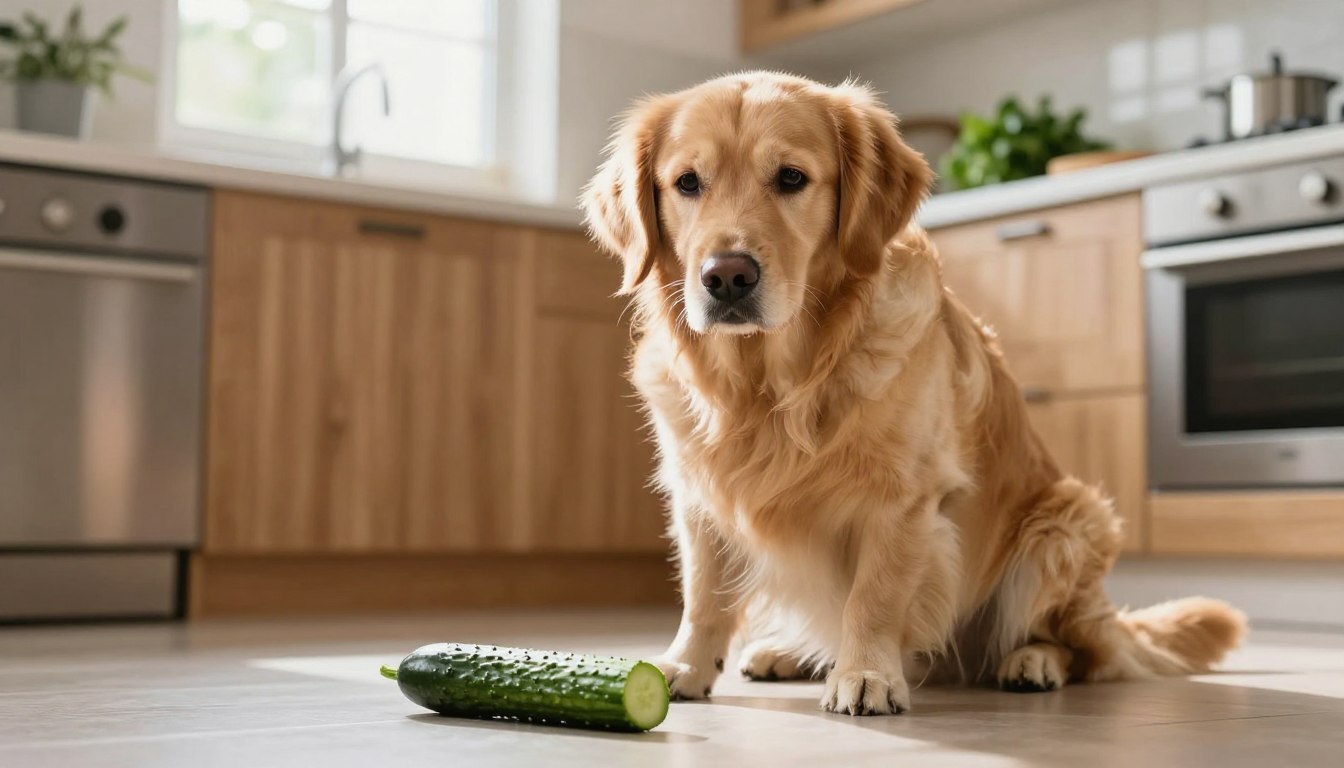
Many people wonder if can dogs have cucumbers as a regular part of their diet. The good news is that cucumbers are generally safe for dogs when served in moderation. They are refreshing and low in fat, making them a great reward.
Before you toss a slice to your pup, it’s important to understand proper preparation. We’ll explore the nutritional benefits, ideal portion sizes, and potential digestive reactions. You’ll also learn why avoiding seasoned or pickled cucumbers is crucial for your pet’s health.
Table of Contents
Can Dogs Have Cucumbers?
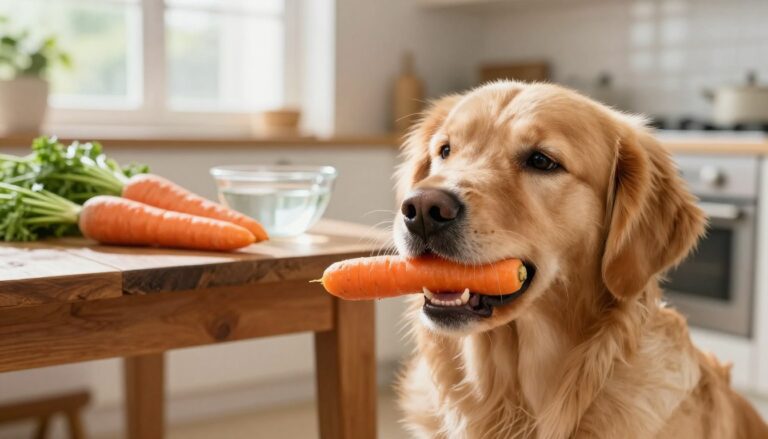
Are you thinking about adding fresh veggies to your dog’s diet? You might wonder if cucumbers are a good choice. Many pet owners ask if can dogs have cucumbers because they’re low in calories and hydrating. Generally, plain cucumbers are a healthy treat for dogs when given in small amounts.
Why Plain Cucumbers Are Generally Safe for Dogs
When talking about dogs and cucumbers, remember to keep them plain. Never give your pet cucumbers that are pickled, salted, or seasoned with garlic and onion powders. These can be toxic or upset your dog’s stomach.
Fresh, raw cucumbers are naturally free of harmful chemicals. By choosing plain, washed cucumbers, you ensure your dog gets a safe, crunchy snack.
Which Parts of the Cucumber Your Dog Can Eat
Most parts of the cucumber are safe for dogs to eat. The crunchy flesh, skin, and small seeds are usually okay for dogs. But, watch your pet after they try cucumbers for the first time to check for any sensitivity.
While cucumbers are generally safe, the size of the pieces is important. Cut cucumbers into small chunks to avoid choking hazards, especially for smaller dogs.
Why Cucumbers Should Complement, Not Replace, a Complete Diet
Treats should only be a small part of your dog’s daily food. Cucumbers provide valuable hydration and some fiber. But, they don’t have the proteins, fats, and minerals found in good dog food.
Think of cucumbers as a supplemental snack, not a meal. A balanced diet is key to your dog’s health and energy.
Benefits of Cucumbers for Dogs
Looking for healthy snacks for dogs? Cucumbers are a great choice. They’re not just tasty; they’re also good for your pet’s health.
High Water Content for Added Hydration
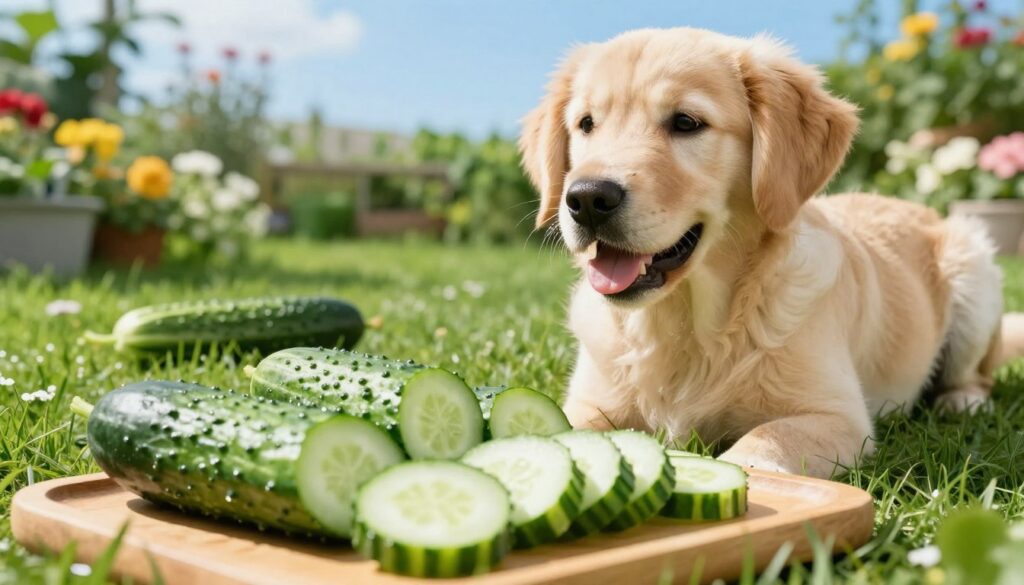
Cucumbers are about 95% water. This makes them perfect for keeping your dog hydrated. They’re great on hot days or after playing outside.
Low-Calorie Support for Weight Management
Want to help your pet stay at a healthy weight? Cucumbers in dog diet plans are a smart choice. They’re low in fat and sugar, so you can give treats without worrying about weight gain.
Vitamins, Minerals, and Antioxidants in Cucumbers
Cucumbers also offer important nutrients. They have vitamins K and C, and minerals like potassium and magnesium. These antioxidants boost your dog’s immune system and help cells work better.
How Cucumbers May Support Your Dog’s Digestion
Adding cucumbers for dogs’ digestion can help their gut health. The nutrients in cucumbers help keep the digestive system running smoothly.
The Role of Fiber and Water
The fiber and water in cucumbers help with regular bowel movements. This natural hydration and fiber is good for dogs with digestive issues.
Why Cucumbers Are Not a Treatment for Digestive Problems
Remember, canine diet and cucumbers are just snacks, not medical fixes. Cucumbers can’t fix diarrhea, constipation, or other serious gut problems. Always talk to your vet if your dog has ongoing digestive issues.
Risks of Feeding Cucumbers to Dogs
Knowing the risks is as important as knowing the benefits when you give cucumbers to dogs. These veggies are healthy, but only in small amounts. This keeps your pet happy and healthy.

Stomach Upset From Too Many Cucumbers
Too many cucumber slices can upset your dog’s stomach. You might see excessive gas, loose stools, or even vomiting. This happens when your pet eats more than they can handle.
Abdominal discomfort is a sign your dog has eaten too much. Always watch your pet after introducing new foods. This ensures it’s safe for dogs.
Choking and Intestinal Blockage Hazards
Size is key when giving snacks to your dog. Large, hard, or poorly chewed cucumber pieces can choke them. This is especially true for small breeds or dogs that swallow food without chewing.
Big chunks can also block their intestines. This is a serious emergency that needs vet help right away. Always cut cucumbers into small, easy-to-chew pieces to avoid these dangers.
Why Pickles and Seasoned Cucumbers Are Unsafe
Never share pickles or seasoned cucumbers with your pet. These are processed with harmful ingredients for animals.
Salt, Garlic, and Onion Concerns
Pickles have a lot of salt, which can dehydrate or poison dogs. Garlic and onions are highly toxic to dogs. They can damage their red blood cells.
Hidden Ingredients in Store-Bought Cucumber Products
Store-bought cucumber snacks have preservatives, artificial flavorings, or xylitol. These are not safe for dogs and can harm their health. Always check the label before giving human food to your dog.
When Cucumber Skin, Seeds, or Wax May Be a Concern
The skin and seeds are usually okay, but can be hard for some dogs to digest. If your dog has a sensitive stomach, peeling the cucumber might help.
Many cucumbers are coated with wax to stay fresh. While this wax is safe, it’s best to wash and scrub the cucumber thoroughly or peel it before serving.
Can Puppies Eat Cucumbers?
Many owners wonder if their puppies can enjoy cucumbers. These vegetables are generally safe for puppies. But, they should only be given to puppies that are fully weaned and eating solid puppy food.

When to Introduce Cucumber to a Puppy
Wait until your puppy is eating a balanced diet before adding cucumbers. New foods can upset their delicate digestive system. Always check with your vet before giving human snacks to your puppy.
How Puppy Size and Chewing Ability Affect Safety
Puppies are more likely to choke because of their small airways and developing teeth. Make sure any cucumber piece is soft and manageable. Never give a large chunk that could block their throat or cause an intestinal blockage.
Why You Should Start With a Tiny Portion
Start with a very small, thin cucumber slice for your puppy. A tiny portion helps you see how they react to the new food. Moderation is key to avoid stomach upset or loose stools.
Signs Your Puppy Is Not Tolerating the Snack
Watch your puppy closely after they try cucumbers for the first time. Look for signs like vomiting, diarrhea, or excessive gas. If they show a loss of appetite or discomfort, stop cucumbers and call your vet.
How to Prepare Cucumbers for Your Dog
Preparing cucumbers right is key to making them a safe and fun treat for your dog. By following a few simple steps, you can make sure feeding cucumbers to dogs is a good time for both you and your pet.
Wash Cucumbers Thoroughly Before Serving
Always wash cucumbers under cool, running water before cutting them. This step removes dirt, bacteria, and pesticides from the surface.
Choose Plain, Fresh Cucumbers
Choose firm, fresh cucumbers for your pet. Avoid soft, discolored, or moldy cucumbers. Serve them plain, without salt, sauces, spices, or marinades. These can harm your dog.
“The simplest treats are often the best, provided they are prepared with care and attention to your pet’s specific needs.”
Cut Cucumber Into Safe, Bite-Sized Pieces
Cut the cucumber into pieces that are easy to swallow. The size should match your dog’s size and eating habits.
Small Dogs and Fast Eaters
For small breeds or fast eaters, cut cucumbers into thin rounds or tiny cubes. This prevents choking.
Large Dogs and Dogs That Chew Carefully
For larger breeds or careful chewers, offer slightly larger chunks. Always watch them while they eat to make sure they chew well.
When Peeling the Cucumber May Be Helpful
Peeling cucumbers can be good for pets with sensitive stomachs. It makes the snack easier to digest. Peeling also removes wax or residue from store-bought cucumbers.
Safe Serving Ideas for Dogs and Cucumbers
There are many ways to give your dog healthy snacks for dogs. Using cucumbers in a balanced routine keeps your pet happy and interested.
Plain Cucumber Pieces as Training Treats
Small, plain cucumber pieces are great for training. They are low in calories, crunchy, and refreshing for many pets.
Frozen Cucumber Pieces for Warm Weather
Freezing cucumber slices is a cool treat for hot days. Dogs find it very satisfying.
Mixing Small Amounts With Regular Dog Food
For picky eaters, chop a small cucumber and mix it with their kibble. It adds crunch and moisture, making dogs and cucumbers a great mix.
How Much Cucumber Can Your Dog Eat?
Adding cucumbers to your dog’s diet starts with knowing their caloric needs. These veggies are healthy but shouldn’t replace a full meal.
Use Treats as a Small Part of Daily Calories
Vets say treats should be no more than 10% of your dog’s daily calories. Cucumbers are low in calories, making them a great snack.
But, too much can upset their stomach or cause nutritional problems. Always make sure they eat their main food first for all the vitamins and minerals.
Adjust Portions for Your Dog’s Size
The right amount depends on your dog’s size and how fast they burn calories. Big dogs can eat more, but small ones need less to avoid stomach issues.
Toy and Small Dogs
For tiny dogs, a thin slice is enough. Always cut the vegetable into tiny, manageable pieces to avoid choking, especially if they swallow food fast.
Medium and Large Dogs
Medium and large dogs can have a few slices. Even big dogs should get bite-sized pieces for safe eating and easy digestion.
Introduce Cucumber Gradually and Monitor Results
Start with just one or two small pieces of cucumber. This lets you see how they react to the new fiber and water.
Look for signs of upset stomach, like loose stools or gas, in the next 24 hours. If they do well, you can give them more in small amounts.
Reduce Other Treats When Adding Cucumber
To keep your dog at a healthy weight, count the extra calories from snacks. If you give them cucumber, cut back on other treats that day.
Keeping portions balanced prevents weight gain. Consistency is key to keeping your dog happy and healthy with new snacks.
When Cucumbers May Not Be the Right Snack
Many dogs love a crunchy snack, but cucumbers aren’t always the best choice. Adding canine diet and cucumbers needs careful thought about your dog’s health. Even though cucumbers are low in calories, they’re not perfect for every dog.
Dogs With Sensitive Stomachs or Ongoing Digestive Issues
If your dog has ongoing stomach problems, be careful. New foods can sometimes cause unexpected flare-ups. Even a small amount of fiber or water can upset a dog’s sensitive stomach.
Dogs Following a Veterinary Prescription Diet
Some dogs need strict diets for health issues like kidney disease or allergies. These diets are made to match their exact nutritional needs. Adding snacks, even safe ones, can mess with their diet and health goals.
Dogs With Food Sensitivities or Previous Reactions
If your dog has food allergies or has reacted to new foods before, avoid cucumbers. Some dogs may get sick or uncomfortable after eating certain foods. It’s best to stick to foods they know and like.
Situations That Require Veterinary Guidance Before Feeding
Always talk to your vet before changing your dog’s diet, especially if they have health issues. A vet can check if a treat is safe for your dog. They’ll give advice based on your dog’s health and needs.
| Health Condition | Risk Level | Action Required |
|---|---|---|
| Chronic Digestive Issues | Moderate | Consult Vet |
| Prescription Diet | High | Avoid Snacks |
| Known Food Allergies | High | Strict Avoidance |
| Healthy Adult Dog | Low | Monitor Intake |
Signs to Watch After Feeding Cucumbers
Even healthy treats can sometimes cause unexpected reactions in your canine companion. While many owners find that cucumbers for dogs’ digestion are a beneficial addition, every animal reacts differently to new foods.
Common Mild Reactions
Gas, Loose Stool, or Vomiting
If your dog eats too much cucumber, they might feel a bit off. You could see increased gas, loose stools, or even a single episode of vomiting shortly after.
Reduced Appetite or Abdominal Discomfort
Some dogs may show signs of abdominal discomfort, such as restlessness or a hunched posture. If your pet seems to have a reduced appetite during their next scheduled meal, it is best to withhold further treats.
Warning Signs of Choking or a Serious Reaction
It is crucial to distinguish mild issues from emergency situations. Seek immediate veterinary care if you notice signs of choking, such as persistent gagging or difficulty breathing. Other red flags include collapse, severe weakness, or repeated, forceful vomiting.
What to Do if Your Dog Becomes Ill
If your dog appears ill, stop feeding them the snack immediately. Keep your pet calm and monitor their condition closely to see if symptoms subside on their own. If the reaction seems severe or does not improve quickly, contact your veterinarian for professional guidance.
How to Record Ingredients and Portion Sizes for Your Veterinarian
Maintaining a simple log can help your vet understand how cucumbers for dogs’ digestion affected your pet. Note the exact type of cucumber, the portion size given, and the time of day. Be sure to list any other ingredients or seasonings that were present, as these can often be the true cause of an adverse reaction.
Conclusion
Choosing the right snacks for your pet is important. You now know if dogs can have cucumbers. This veggie is a great treat when given safely.
Cucumbers are good for dogs because they are hydrating and low in calories. They are better than many store-bought treats. But, remember, they should not replace a balanced diet.
When it comes to puppies and cucumbers, watch their chewing habits. Keep an eye on them during their first bites. If you’re worried, talk to your vet about their health needs.
Feeding your pet healthy food can make your bond stronger. Just make sure to give small portions and keep things simple. This way, your dog can stay happy and healthy.