Can Dogs Eat Beans? Benefits, Risks, and Safe Serving Tips
As you prepare dinner, you wonder if your dog wants a taste. It’s a common question for pet owners who want to share healthy snacks. You might ask, can dogs eat beans, or will they upset their stomach?
Understanding your pet’s nutritional needs is key to a happy life together. Some legumes are good for protein, but others can be risky. Making smart choices keeps your pet energetic and healthy.
This guide will help you know which legumes are safe for your pet. By learning the facts, you protect your loyal companion from stomach problems. Let’s explore safe feeding practices for your furry friend.
Table of Contents
Understanding the Nutritional Profile of Beans for Canines
Beans are a key part of a balanced dog diet. They offer nutrients that support your dog’s health. Knowing what’s in beans helps decide if they’re right for your dog.
The Role of Plant-Based Proteins in Dog Diets
Proteins are essential for your dog’s muscles, skin, and coat. Animal proteins have all the amino acids needed. But, plant proteins in beans are also valuable.
Plant proteins are not a full replacement for meat. Think of beans as a supplement for energy and amino acids. A good diet starts with high-quality animal proteins.
Essential Vitamins and Minerals Found in Legumes
Beans are full of important nutrients for dogs. They have potassium, magnesium, and iron for heart health and blood flow. These minerals are key for nerve and muscle function.
Legumes also have B vitamins like folate for cell health. These vitamins help with metabolism and energy. Choosing the right beans can give your dog a nutritious treat.
Can Dogs Eat Beans Safely?
Adding legumes to your dog’s diet can be a good choice, but it’s important to know which ones are safe. Not all beans are good for your dog’s stomach. It’s key to understand which legumes are safe for your pet.
Distinguishing Between Safe and Unsafe Legumes
Wondering if dogs can eat beans safely? It really depends on the type of bean. Beans like black, pinto, and garbanzo are usually okay for dogs if cooked right.
But, some beans are not safe. They might have toxins that can harm your dog. Always check the type of bean before giving it to your dog.
The Importance of Cooking Methods
How you cook beans is just as important as the type. Never give your dog raw or undercooked beans. They can make your dog very sick. Cooking beans until they’re soft is the best way to make them safe.
Also, don’t add things like onions, garlic, or too much salt when cooking. These can hurt your dog. Just use plain, cooked beans to keep your dog healthy.
| Bean Variety | Safety Status | Preparation Requirement |
|---|---|---|
| Black Beans | Safe | Boiled/Plain |
| Pinto Beans | Safe | Boiled/Plain |
| Kidney Beans | Conditional | Must be fully boiled |
| Coffee Beans | Toxic | Never feed |
The Nutritional Benefits of Including Beans in Your Dog’s Diet
Adding legumes to your dog’s meals brings many nutritional benefits. By including beans in dog diet plans, you give your pet a rich source of essential nutrients. These plant-based foods are a great addition to a balanced dog’s life.
Fiber Content and Digestive Support
Beans are high in fiber, which is great for your dog’s health. Fiber helps keep bowel movements regular and supports a healthy gut. Adding cooked beans to their meals helps them feel full longer, aiding in weight management.
Antioxidants and Heart Health
Many beans are full of antioxidants that protect your dog’s cells. These antioxidants are key for supporting heart health and reducing inflammation. Regularly feeding these nutrients helps your dog stay healthy and strong.
Plant-Based Protein for Muscle Maintenance
So, are beans good for dogs when it comes to strength? Yes, they are. Beans are a good source of plant-based protein for muscle maintenance and repair. While meat is the main protein for dogs, beans offer amino acids that keep them active and full of energy.
Potential Risks and Side Effects of Feeding Beans to Dogs
Understanding the side effects of dogs and beans is key for pet owners. Beans are high in protein but have downsides. Knowing these risks helps you choose the best food for your pet.
Gastrointestinal Distress and Flatulence
Beans often cause stomach problems in dogs. They have sugars that dogs can’t digest well. This leads to uncomfortable gas and bloating.
In some cases, this can cause diarrhea or stomach pain. If your dog seems tired or uncomfortable after eating, skip the beans.
The Impact of Lectins and Anti-Nutrients
Beans have lectins, which protect plants from pests. Eating too many can block the body from absorbing important minerals. This can cause long-term health issues if not managed.
“Dietary choices for pets should always prioritize digestibility and safety over convenience. When introducing new plant-based foods, monitor your dog closely for any signs of gastrointestinal sensitivity.”
Sodium and Additive Concerns in Canned Beans
Canned beans can be risky for dogs because of hidden ingredients. They often have a lot of sodium, which can cause dehydration or imbalance in dogs.
Also, many canned beans have onion or garlic powder. These are highly toxic to dogs and can harm their blood cells. Always check the label before giving your pet human food.
| Risk Factor | Primary Concern | Severity Level |
|---|---|---|
| Oligosaccharides | Flatulence and Bloating | Low to Moderate |
| Lectins | Nutrient Absorption | Moderate |
| Added Sodium | Dehydration | High |
| Onion/Garlic | Toxicity | Critical |
Identifying Toxic Beans and Dangerous Varieties
Knowing the risks of feeding beans to dogs is key for pet owners. Some beans are safe, but others can be harmful or even deadly. It’s crucial to know which toxic beans for dogs to avoid to keep your pet safe.
Why Raw Kidney Beans Are Dangerous
Raw kidney beans have a toxin called phytohaemagglutinin. This toxin is very harmful to dogs and can cause serious stomach problems. Make sure to cook kidney beans well before giving them to your dog, as cooking kills the toxin.
The Risks Associated with Coffee Beans and Cocoa Beans
Not all “beans” are the same. Coffee and cocoa beans have caffeine and theobromine, which are extremely dangerous for dogs. These can cause a dog’s heart to race, muscles to shake, and even seizures. If you see these signs, get help from a vet right away.
Recognizing Symptoms of Toxicity
If you think your dog ate something bad, watch for signs. Look for vomiting, diarrhea, tiredness, and not wanting to eat. If your dog has unusual tremors or trouble breathing, it’s a big warning sign. Call your vet fast.
| Bean Type | Safety Status | Primary Risk |
|---|---|---|
| Raw Kidney Beans | Toxic | Phytohaemagglutinin |
| Coffee Beans | Toxic | Caffeine Poisoning |
| Cocoa Beans | Toxic | Theobromine Toxicity |
| Cooked Pinto Beans | Safe | None (if plain) |
How to Properly Prepare Beans for Your Dog
Turning raw legumes into a safe treat for dogs requires careful steps. Beans are nutritious but can be hard to digest if not prepared right. By following certain steps, you can make sure your dog enjoys these treats safely.
Soaking and Boiling Techniques
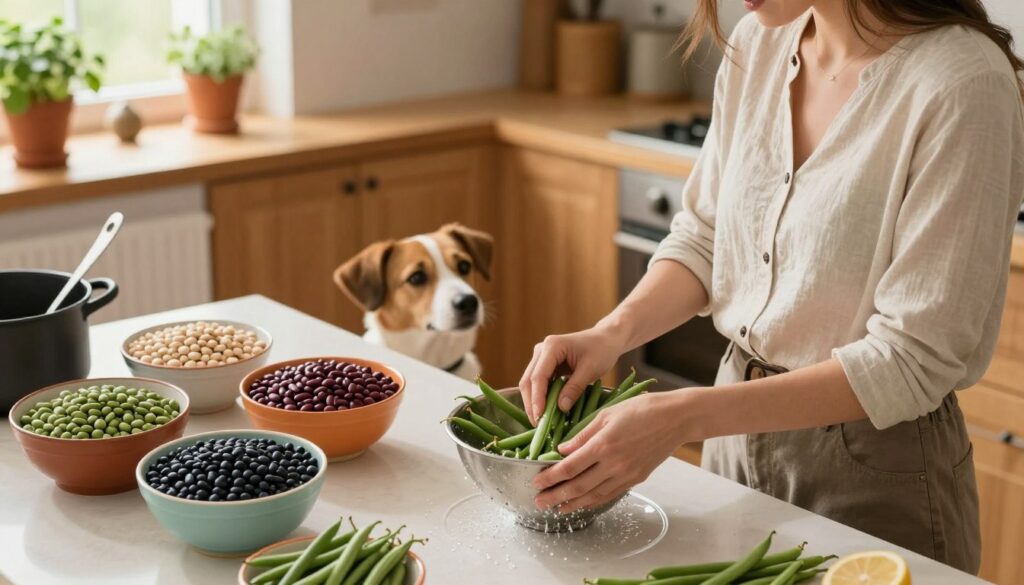
Soaking and boiling beans makes them easier for dogs to digest. Soak dried beans in water for hours or overnight. This helps neutralize anti-nutrients like lectins, reducing stomach issues.
After soaking, throw away the water and rinse the beans well. Boil them in fresh water until they’re soft. Never give beans that are still hard as they can be a choking hazard and hard to digest.
Avoiding Seasonings, Onions, and Garlic
When making beans for your dog, keep it simple. Ingredients like onions, garlic, chives, and leeks are highly toxic to dogs and can harm their red blood cells. Even a little bit can cause serious health problems.
Also, don’t add salt, sugar, or spicy seasonings. Canned beans often have too much sodium and preservatives. Always check the label to make sure it’s just beans and water.
The Necessity of Plain Preparation
It’s best to serve beans plain to avoid poisoning or upset stomach. Dogs don’t need the flavors we do, like butter or bacon fat. These can cause pancreatitis, a painful condition.
By keeping it simple, you control what your pet eats. Boil the beans in plain water and cool them before serving. This way, you’re adding a safe, healthy, and nutritious part to your dog’s diet.
Serving Sizes and Frequency Guidelines
Proper portioning is key to ensure your dog enjoys the benefits of beans for dogs without digestive issues. Every dog is different, so adjust the amount based on their size and activity level. Start with a small amount to see how they react.
Determining Appropriate Portions Based on Weight
Legumes should be a small part of a balanced diet. For small breeds, even one bean can be too much. Larger dogs might handle a tablespoon, but never give more than that at once.
Use the table below to figure out the right serving size for your dog’s weight. These amounts are for occasional treats only.
| Dog Weight (lbs) | Serving Size (Cooked) | Frequency |
|---|---|---|
| Under 10 lbs | 1-2 beans | Once weekly |
| 10 – 30 lbs | 1 teaspoon | Once weekly |
| 30 – 60 lbs | 1 tablespoon | Twice weekly |
| Over 60 lbs | 2 tablespoons | Twice weekly |
Moderation as a Key Principle
Moderation is crucial when introducing new foods. Beans offer high fiber and protein, but too much can cause discomfort. Dogs are mainly meat-eaters, so beans should not be their main food.
If your dog has digestion problems after eating beans, cut back the amount next time. It’s better to be safe than sorry to keep your pet happy. Watch their stool to make sure beans are being digested well.
Integrating Beans as Occasional Treats
See beans as special treats, not as a meal. They work well as training aids or kibble toppers. This way, you get the most benefits of beans for dogs while avoiding nutritional imbalances.
Make sure beans are plain, cooked well, and without onions or garlic. Treating your dog with care and consistency lets you add healthy legumes to their diet safely.
Beans for Dogs Digestion and Gut Health
Looking to improve your dog’s bathroom habits? Legumes might be the answer. Understanding fiber’s role is key when thinking about beans for dogs digestion. These foods offer nutrients that help a healthy gut.
How Fiber Affects Canine Stool Consistency
Fiber is a natural helper in your dog’s gut. It absorbs water, making stools firmer and promoting regular bowel movements. This is crucial for consistent stool quality.
Legumes have two types of fiber: soluble and insoluble. Soluble fiber turns into a gel, slowing digestion and stabilizing blood sugar. Insoluble fiber adds bulk, keeping the digestive system running smoothly.
Managing Sensitive Stomachs with Legumes
Adding new foods to a sensitive dog’s diet needs care. Start with tiny amounts to watch for reactions. Sudden changes can cause discomfort, so introduce foods slowly.
Watching your dog’s response is important for managing digestion. If you see signs of discomfort, cut back on the legumes. Done right, legumes can be great for your dog’s diet.
| Fiber Type | Primary Function | Benefit for Dogs |
|---|---|---|
| Soluble Fiber | Forms gel in gut | Stabilizes digestion |
| Insoluble Fiber | Adds bulk | Promotes regularity |
| Prebiotic Fiber | Feeds gut bacteria | Supports immunity |
By focusing on these nutrients, you can help your pet’s gut health. Choose high-quality, plain-cooked legumes for the best digestion benefits.
Comparing Common Bean Varieties for Canine Consumption
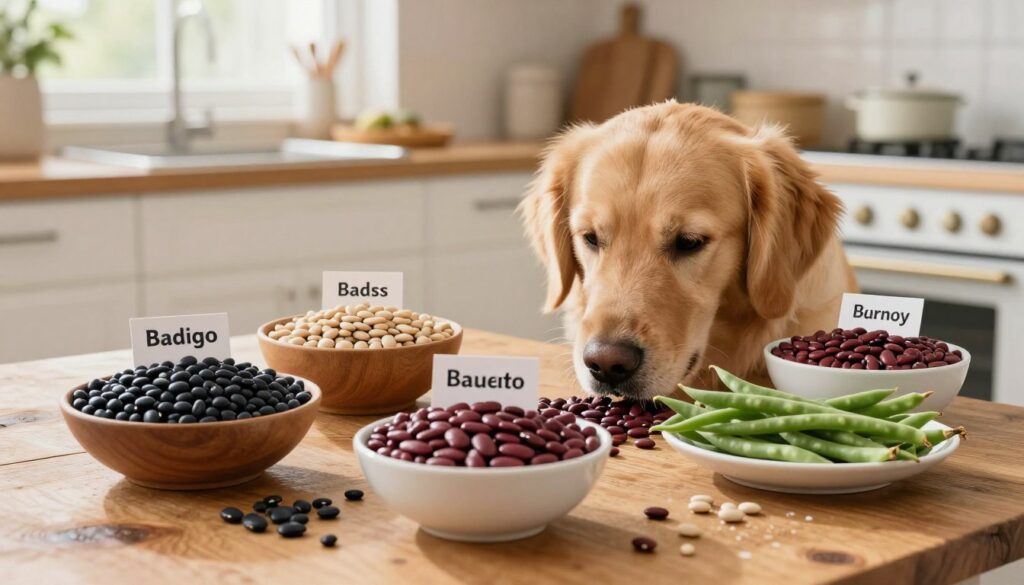
Not every bean is good for your dog. It’s key to know the differences for their health. Some beans are nutritious but need special cooking to be safe beans for dogs. Knowing what’s in your pantry helps choose the right food for your pet.
Are Black Beans Good for Dogs?
Many ask, are black beans good for dogs? Yes, they are, if cooked well and plain. They’re full of fiber and protein. These can help your dog’s digestion when given in small amounts.
Are Lima Beans Good for Dogs?
Some wonder, are lima beans good for dogs? Yes, they are safe if cooked fully. They’re rich in fiber and minerals. But, never give them raw because they’re hard for dogs to digest.
Evaluating Kidney Beans and Pinto Beans
People often ask, can dogs eat kidney beans? Kidney beans are safe but need long boiling to remove toxins. Pinto beans are safer and easier to digest. But, always cook them without salt, onions, or garlic.
| Bean Variety | Safety Status | Preparation Requirement |
|---|---|---|
| Black Beans | Safe | Boiled/Plain |
| Lima Beans | Safe | Fully Cooked |
| Pinto Beans | Safe | Boiled/No Seasoning |
| Kidney Beans | Caution | Thoroughly Boiled |
Signs of Bean Intolerance or Allergic Reactions
When you introduce new foods to your pet, watch for any signs of trouble. Even safe foods can cause issues in some dogs. Being observant of your dog’s behavior after trying new treats is crucial.
Common Symptoms of Food Sensitivities
Food sensitivities can show up in unexpected ways. Look out for persistent skin irritation like redness or hives. This could mean your dog’s immune system is reacting to something in their food.
Chronic ear infections are another sign of food intolerance. If your dog shakes their head a lot or has discharge, it might be their diet. Also, persistent digestive upset like vomiting or diarrhea could mean the food isn’t agreeing with them.
When to Consult Your Veterinarian
If you see any of these signs, it’s time to call your vet. They can tell if it’s just a mild intolerance or something more serious. They’ll also check if your dog has eaten toxic beans for dogs, which is a big no-no.
Your vet might suggest an elimination diet to find out what’s causing the problem. Never ignore signs of distress. Early action can prevent long-term health issues. Always check with a vet before thinking a reaction is just a minor upset stomach.
While some beans are okay, others are not. If you think your dog ate toxic beans for dogs, don’t wait for symptoms to get worse. Call your vet right away to get the best care for your pet.
Integrating Beans into Homemade Dog Food Recipes
Adding beans in dog diet plans to homemade meals can be rewarding. You can pick fresh, high-quality ingredients that meet your pet’s health needs. The right legumes add a nutrient-rich boost to their meals.
Balancing Beans with Meat and Vegetables
When cooking at home, remember beans shouldn’t replace meat as the main protein. Dogs need animal-based proteins for essential amino acids that plants lack. Use beans as a supplementary ingredient to lean meats like chicken, turkey, or beef.
Keep meat as the main part of the meal. Add colorful vegetables with your beans to provide a wide range of vitamins. Make sure all ingredients are cooked well for better digestibility and safety.
Consulting with a Veterinary Nutritionist
Talk to a veterinary nutritionist before big changes to your dog’s diet. They can check if your recipes meet your dog’s nutritional needs. They help avoid nutrient deficiencies or imbalances.
“Proper nutrition is the foundation of a long and healthy life for your pet. When preparing homemade meals, precision is just as important as the quality of the ingredients you choose.”
Ensuring a Complete and Balanced Diet
Creating a complete diet is more than mixing healthy foods. You need essential fats, calcium, and trace minerals. Using beans in dog diet recipes can be effective if you follow a scientifically formulated recipe.
| Nutrient Category | Role in Canine Health | Common Food Source |
|---|---|---|
| Animal Protein | Muscle maintenance | Chicken or Beef |
| Plant Fiber | Digestive regularity | Cooked Green Beans |
| Essential Fats | Skin and coat health | Fish or Flax Oil |
| Complex Carbs | Sustained energy | Sweet Potatoes |
By following these guidelines, you can give your dog healthy, homemade meals. Always watch for signs of digestive upset when introducing new foods. With careful planning, your homemade meals will support your dog’s health for years to come.
Conclusion
Deciding if dogs can eat beans is all about safety and quality. You can make your pet’s diet better by choosing the right legumes and preparing them carefully.
Plain, cooked beans can add fiber to your dog’s diet. This helps with digestion when given in small amounts. Always choose natural ingredients over processed ones found in stores.
Keep an eye on your pet after introducing new foods. Changes in their stool or energy levels can tell you a lot about their diet.
Your vet is the best person to help with your dog’s diet. They can create a meal plan that fits your dog’s health needs. Always talk to a vet before making big changes in your dog’s diet.
Good feeding habits make your dog happy and healthy. Use these tips to give your dog treats that are good for them. Always put their safety first when feeding them.