
Can Dogs Have Applesauce with Cinnamon? A Complete Safety Guide
Do you love those quiet moments with your furry friend by your side? They often look up at you, hoping for a taste of what you’re eating. Many pet owners wonder, can dogs have applesauce with cinnamon. But first, let’s look at what’s really in the jar.
Before giving them a treat, check the ingredients and how much you’re giving. Not all foods are good for pets. Make sure there’s no xylitol, which is bad for animals. Knowing if can dogs have applesauce with cinnamon depends on your pet’s health and what they eat.
Table of Contents
Can Dogs Have Applesauce with Cinnamon?
You might wonder if dogs can have applesauce with cinnamon as a treat. Many dogs love the sweet taste of fruit. But, not all human foods are safe for dogs. The safety of this snack depends on the ingredients in the jar.
The short answer for healthy dogs
For most healthy dogs, a little plain, unsweetened applesauce is okay. But, adding cinnamon makes it tricky. A trace amount of cinnamon is usually safe. But, too much can irritate or harm your dog.
Why the ingredients matter more than the treat’s name
Don’t just look at the name of the product when deciding what to feed your pet. Always check the ingredient label for dangers like xylitol. Many applesauce brands have added sugars, syrups, or preservatives that are bad for dogs.
When a small serving may be appropriate
If you decide to give this treat, make sure it’s just a tiny bit. A single teaspoon is enough for a small dog. Moderation is the key to keep the snack from upsetting your dog’s diet.
Why your dog’s health history changes the answer
Your dog’s health is very important when considering this treat. Dogs with diabetes or obesity should not have sugary snacks. Even natural sugars can affect their blood sugar. Always talk to your vet before trying new foods, especially if your dog has health issues.
When Plain Applesauce Is Safe for Dogs
Choosing the right applesauce is key to a safe treat for your dog. Plain, unsweetened applesauce is usually safe and tasty for most pets.
Choose unsweetened applesauce made from simple ingredients
When looking for applesauce for dogs, check the ingredients. It should only have apples and maybe a bit of water.
Stay away from products with high-fructose corn syrup, artificial sweeteners, or preservatives. These can upset your dog’s stomach or cause health problems.
How apples provide fiber and natural carbohydrates
Apples are full of fiber, which helps your dog’s digestion. They also give natural carbs for quick energy.
Applesauce is easier to digest than raw apples. But, fresh foods are always best for your dog’s nutrition.
Remove concerns about apple seeds, stems, and leaves
Prepared applesauce doesn’t have apple cores, seeds, or stems. These parts have amygdalin, which can release cyanide.
“Moderation is the golden rule when introducing any new human food into a dog’s diet, ensuring that the treat remains a supplement rather than a meal replacement.”
Why portion size matters for dogs and applesauce
Even safe applesauce needs portion control. Too much sugar can cause weight gain.
Small dogs and toy breeds
Small breeds should only have a teaspoon. Their small digestive systems can’t handle too much.
Medium and large dogs
Larger dogs can have a tablespoon or two as a treat. Watch for any signs of stomach upset after they try it.
| Dog Size | Recommended Serving | Frequency |
|---|---|---|
| Toy/Small | 1 Teaspoon | Occasional |
| Medium | 1 Tablespoon | Occasional |
| Large/Giant | 2 Tablespoons | Occasional |
How applesauce compares with fresh apple pieces
Applesauce is smooth and great for mixing into kibble. Fresh apple slices are crunchy and good for teeth.
Both are healthy, but make sure fresh slices are cored and seeded. Pick what’s best for your dog’s needs.
What You Should Know About Cinnamon for Dogs
When thinking about cinnamon for dogs, it’s key to know the difference between safe use and risks. This spice is common in human kitchens but can affect pets differently. The form and amount given are crucial.
Can dogs eat cinnamon in small amounts?
A tiny bit of ground cinnamon is usually safe for most pets. But, moderation is key to avoid problems. Never use it as a regular food item.
How ground cinnamon differs from cinnamon oil
Ground cinnamon and cinnamon oil are not the same. Oil is much stronger and can harm pets. Always avoid using essential oils or concentrated extracts in your dog’s food.
Cassia cinnamon, coumarin, and potential irritation
Most cinnamon sold is Cassia, which has more coumarin. Too much coumarin can hurt the liver. So, be careful with how much dogs and cinnamon your pet gets over time.
Possible reactions to cinnamon exposure
Too much cinnamon can upset your pet. Watch them closely after introducing new foods.
Mouth and throat irritation
The spice can irritate the mouth and throat. This might cause drooling or discomfort while eating.
Coughing, choking, or breathing difficulty
Unturned powder can be inhaled. This can lead to coughing, choking, or breathing problems as it irritates the airways.
Stomach upset and diarrhea
Even if swallowed safely, cinnamon can upset the stomach. Signs include vomiting, gas, or loose stools after eating.
Why inhaling cinnamon powder is more dangerous than eating a trace amount
Inhaling cinnamon powder is a bigger risk than eating a small amount. The fine particles can cause severe inflammation in the lungs and nasal passages. Make sure to mix the spice well into wet food to prevent inhalation.
Ingredients That Make Applesauce Dangerous for Dogs
Apples are usually good, but store-bought applesauce can be bad. You might ask, is applesauce safe for dogs? It really depends on what’s in the jar.

Xylitol and other sugar substitutes
Xylitol is a bad sweetener for dogs. It can make their blood sugar drop fast and even harm their liver. Always check for “sugar-free” labels, as they often have xylitol.
Added sugar, syrups, and concentrated sweeteners
Too much sugar and sweeteners can make dogs fat and hurt their teeth. They don’t have any good nutrients. Eating them often can cause health problems.
Nutmeg and mixed baking spices
Spiced applesauce can have nutmeg, which is bad for pets. Nutmeg can make dogs hallucinate, have a fast heart rate, and even seizures. Make sure there’s no nutmeg in your applesauce.
Raisins, grapes, and fruit blends
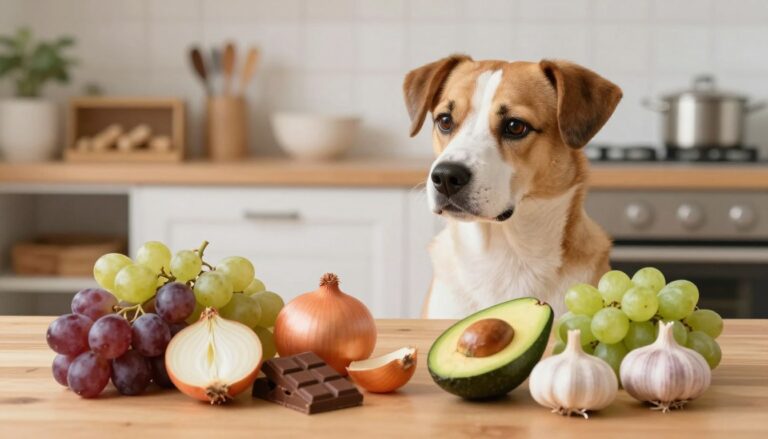
Some applesauces mix in raisins or grapes, which are very bad for dogs. They can cause kidney failure. Always check the ingredients before giving it to your dog.
Alcohol-containing flavorings and dessert sauces
Some fancy applesauces might have a little alcohol. Alcohol is bad for dogs and can make them very sick. Keep these sauces away from your dog.
How to read the ingredient label before sharing
Before giving applesauce to your dog, check the ingredients. Look for just apples and water. If it has long names or “natural flavors,” don’t use it.
| Ingredient Category | Status for Dogs | Risk Level |
|---|---|---|
| Apples (Plain) | Safe | Low |
| Xylitol | Toxic | Critical |
| Nutmeg | Toxic | High |
| Added Sugars | Unhealthy | Moderate |
How to Choose Applesauce for Your Dog
Sharing treats with your dog is exciting, but picking the right applesauce is crucial. Many wonder if can dogs eat applesauce. The answer depends on the applesauce you choose. Always opt for the simplest, safest option for your pet.
Look for unsweetened, unseasoned applesauce
The best applesauce for dogs is plain and unsweetened. It should only have apples as the main ingredient. Avoid any with spices like cinnamon, nutmeg, or cloves, as they can upset your dog’s stomach.
Make sure the applesauce doesn’t have added sugars or high-fructose corn syrup. Natural sweetness from the apples is enough for dogs. A short ingredient list means fewer additives for your dog’s diet.
Check the complete ingredient list for hidden hazards
Before buying applesauce, check the ingredients on the back. Some products have preservatives or flavor enhancers that are bad for dogs. If you see unknown ingredients, don’t buy it.
Compare homemade and commercial applesauce
Choosing between homemade and store-bought applesauce depends on what you value more. Both can be safe if you follow the right steps.
Benefits of making applesauce at home
Making applesauce yourself lets you control the quality. You can wash the apples well and remove seeds, stems, and cores. This way, you avoid preservatives and unwanted sweeteners.
Safety checks for store-bought products
If you prefer store-bought, be careful. Look for brands with minimal processing and simple labels. Always check the packaging, as formulas can change.
Why products marketed as “sugar-free” require extra caution
“Sugar-free” products might seem safer, but they can be dangerous. Many have xylitol, which is toxic to dogs. Always check the ingredients for xylitol before giving it to your dog.
When organic labeling does and does not affect safety
Organic apples are grown without certain pesticides, which is good. But, organic doesn’t mean it’s safe for dogs. An organic applesauce can still have added sugar or harmful spices.
| Ingredient Type | Status | Reasoning |
|---|---|---|
| Fresh Apples | Safe | Natural fiber and vitamins. |
| Xylitol | Toxic | Causes severe drops in blood sugar. |
| Added Spices | Avoid | Risk of irritation and toxicity. |
| High-Fructose Syrup | Avoid | Leads to obesity and inflammation. |
When you ask if can dogs eat applesauce, remember simplicity is key. Choose plain, unsweetened applesauce to keep your dog happy and healthy.
How Much Applesauce and Cinnamon Can Your Dog Have?
Adding new treats to your dog’s diet needs careful balance for their health. Many owners wonder if can dogs eat cinnamon or applesauce. The answer depends on how much and what your dog needs.

Start with a tiny taste
Start with a small amount of plain, unsweetened applesauce to see how your dog reacts. A single teaspoon is a good first test. Watch for signs of upset stomach, like gas or loose stools, for 24 hours.
Use treats as a small part of daily calories
Vets say treats should not be more than 10% of your dog’s daily calories. Applesauce is mostly carbs and fiber, so it’s not a meal replacement. Sticking to the 10% rule helps avoid weight gain and nutritional problems.
Adjust servings for your dog’s size and diet
The right serving size depends on your dog’s size and activity level. Bigger dogs can have a bit more, while smaller ones need less. Use the table below as a guide for treats.
| Dog Size | Weight Range | Max Applesauce Serving |
|---|---|---|
| Small | Up to 20 lbs | 1 Teaspoon |
| Medium | 21–50 lbs | 1 Tablespoon |
| Large | 51+ lbs | 2 Tablespoons |
Portion considerations for puppies
Puppies have sensitive stomachs. Avoid cinnamon and extra ingredients until they’re fully grown. Give them small, rare tastes of plain applesauce to support their growth.
Portion considerations for senior dogs
Senior dogs may have slower metabolisms and weight issues. Talk to your vet before adding new snacks. Keep portions small to avoid extra stress on their system.
Portion considerations for dogs with sensitive stomachs
Dogs with sensitive stomachs should be cautious with new foods. Start with tiny amounts and watch for signs of upset. If they vomit or have diarrhea, stop the treat right away.
Why cinnamon should remain minimal or optional
While wondering can dogs eat cinnamon, remember it’s not needed. It’s an optional flavor that can be risky in large amounts. Use a tiny pinch of high-quality Ceylon cinnamon to avoid irritation.
“Moderation is the cornerstone of a healthy canine diet. When introducing human foods, always prioritize the nutritional integrity of their primary meals over the novelty of a treat.”
How often you can offer applesauce as a treat
Applesauce is an occasional reward, not a daily food. Give it once or twice a week. This keeps your dog happy with their regular, complete food without becoming picky.
Safe Ways to Serve Applesauce and Cinnamon for Dogs
You can easily add applesauce and cinnamon for dogs to your pet’s diet. Just remember to focus on quality and moderation. This way, these treats stay healthy and don’t upset your dog’s stomach.
Offer plain applesauce by itself
Start by giving your dog a small spoonful of plain applesauce. This lets you watch how they react without other ingredients getting in the way. Always start with a tiny amount to check if they like it.
Mix a small amount into your dog’s regular food
If your dog is picky, try mixing a bit of applesauce and cinnamon for dogs into their kibble. It makes mealtime more fun. Just make sure the total calories stay right for their daily needs.
Use applesauce in homemade frozen treats
In hot weather, make cool treats by freezing applesauce in an ice cube tray. Add a bit of cinnamon for extra flavor. These applesauce and cinnamon for dogs treats are great for keeping them cool and happy.
Pair applesauce with veterinarian-approved ingredients
Think about mixing applesauce with dog-safe foods like plain Greek yogurt or cooked pumpkin. These mixes add nutrients and are easy on the stomach. Just make sure any extra ingredients are safe for dogs.
Keep the texture suitable for your dog’s eating habits
Think about your dog’s size and how they chew when giving treats. Applesauce is soft, but make sure it’s smooth. Consistency is key to avoid choking hazards.
Prevent sharing human desserts made with applesauce
Don’t share human desserts, even if they have applesauce. They often have too much sugar, butter, or alcohol. Never think applesauce and cinnamon for dogs is safe just because it’s in your treats.
Dogs Who Should Avoid Applesauce or Cinnamon
It’s important to know your dog’s health before giving them treats. What’s safe for a healthy dog might not be good for a dog with health issues. Always think about your dog’s long-term health before giving them treats.
Dogs with diabetes or blood sugar concerns
Apples have natural sugars that can raise blood sugar levels. For dogs with diabetes, even a little applesauce for dogs can upset their insulin balance. It’s best to avoid these sugars to keep their blood sugar stable.
Dogs with obesity or calorie-controlled diets
Keeping your dog at a healthy weight is key for their joints and life span. Treats like fruit can add too many calories. If your dog is on a diet, talk to your vet before giving them extra snacks.
Dogs with food allergies or ingredient sensitivities
Some dogs react badly to certain foods or spices. If your dog has allergies, introducing new foods like cinnamon for dogs could cause problems. Watch for signs of allergies like itching, vomiting, or diarrhea after trying new foods.
Dogs with pancreatitis or digestive disease
Dogs with pancreatitis need a very low-fat diet. While applesauce is low in fat, some brands may have fiber or additives that upset their stomach. Be careful with your dog’s diet if they have stomach issues.
Dogs on prescription diets
Prescription diets are made for specific health issues, like kidney disease. Adding treats can mess with the diet’s balance.
“The integrity of a prescription diet is compromised when owners add extra ingredients without veterinary approval,” notes a leading veterinary nutritionist.
Puppies and dogs prone to choking or aspiration
Puppies can choke on certain foods because their swallowing is still developing. Dogs with aspiration pneumonia should avoid thin or liquid foods. Make sure any treats are safe for your dog’s size and swallowing ability.
How to ask your veterinarian about a new treat
Before giving your dog applesauce for dogs or cinnamon for dogs, prepare questions for your vet. Ask about:
- The caloric impact on your dog’s diet.
- Whether the ingredients are safe for your dog’s health history.
- The right frequency for treats.
- Signs of intolerance to watch for.
What to Do If Your Dog Eats Unsafe Applesauce
It’s scary when your pet eats something harmful. You might wonder if is applesauce safe for dogs. But if they eat the wrong kind, you need to act fast. Quick, smart steps can help your pet a lot.
Identify exactly what your dog consumed
First, gather all the facts about what happened. Write down the applesauce brand, how much they ate, and when.
Check the package for xylitol and other toxic ingredients
Look at the label right away for hidden dangers. Check for xylitol, which is very bad for dogs. Also, watch out for nutmeg or alcohol in the flavorings.
Contact your veterinarian or an animal poison control service
If you think your dog ate something bad, don’t wait. Call your vet or an animal poison hotline fast. They can give advice based on your dog’s size and health.
“Time is often the most critical factor in treating accidental ingestion. Quick action allows professionals to intervene before toxins are fully absorbed into the bloodstream.”
Warning signs that require urgent veterinary care
Keep an eye on your dog for any sudden changes. If you see these signs, go to the vet right away:
Weakness, wobbling, collapse, or seizures
These signs mean your dog might be very sick or have low blood sugar.
Repeated vomiting or severe diarrhea
Stomach problems can cause dehydration and imbalance of salts and minerals.
Difficulty breathing, choking, or facial swelling
These could mean an allergic reaction or something stuck in their throat. They need help fast.
Abdominal pain, tremors, or unusual behavior
Look for signs of pain or shaking. These often mean something is wrong inside.
What not to do after a suspected poisoning
Don’t try to make your dog vomit or give them home remedies without a vet’s say-so. Improper actions can make things worse.
What information to provide during the emergency call
When you call for help, be ready to give all the details. Knowing if is applesauce safe for dogs is less important than the facts of your situation:
- Your dog’s approximate weight and age.
- The exact list of ingredients found on the product label.
- The estimated time elapsed since the ingestion.
- Any pre-existing health conditions or medications your dog is currently taking.
Conclusion
Sharing a small amount of plain applesauce can be safe for many dogs. But, make sure the portions are tiny to prevent stomach issues. If you add cinnamon, use it sparingly or not at all for your pet’s safety.
Always check the ingredients of what you give your dog. Avoid anything with xylitol, raisins, grapes, nutmeg, or alcohol. These can be very harmful to your dog.
Your dog’s health history is important when choosing treats. Talk to your vet before trying new foods, especially if your dog has diabetes or obesity. If you see any odd symptoms or think your dog ate something bad, call your vet right away.
Being careful about what your dog eats is key to their happiness and health. Reading labels and watching portion sizes is crucial for their well-being.