Is Cat Food Bad for Dogs? Understanding the Risks and Side Effects
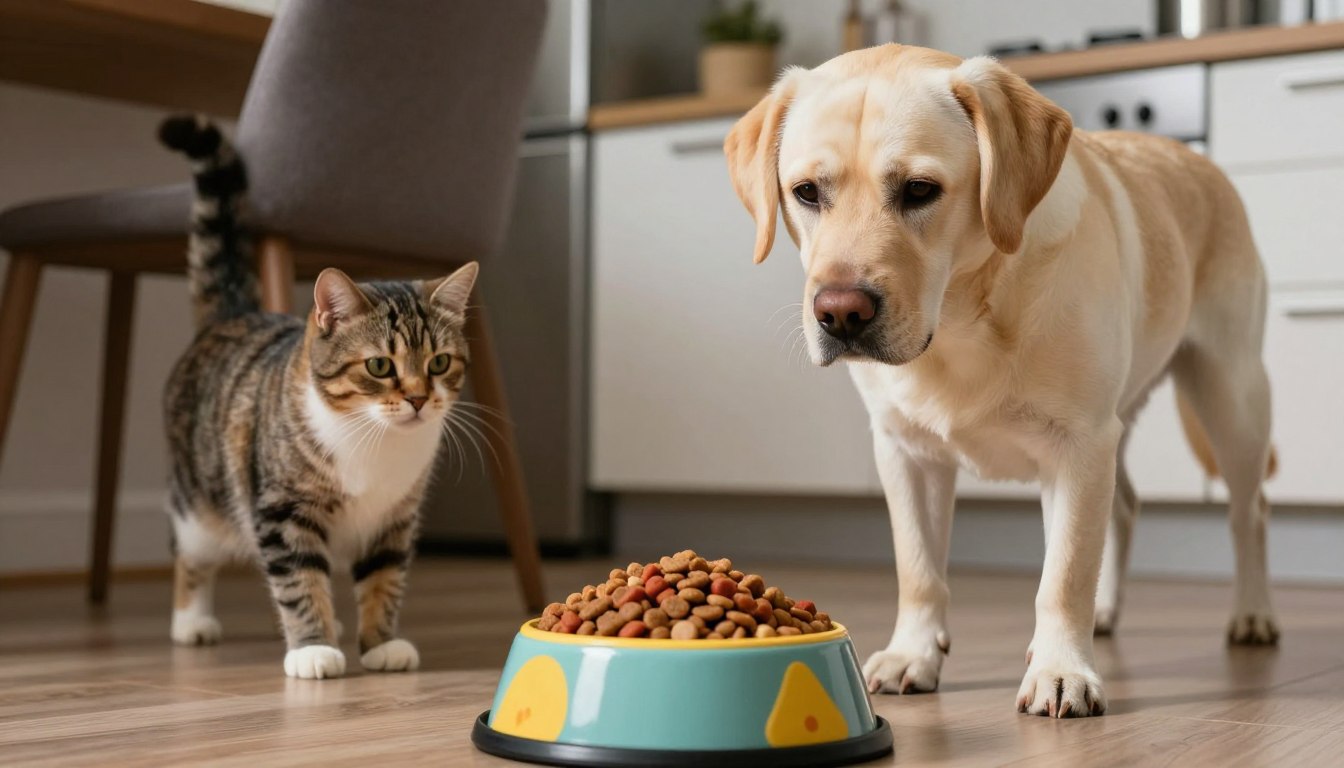
Have you seen your dog sneaking a snack from the cat’s bowl? While a single bite is usually okay, eating cat food too often can upset their diet. This is a worry for many pet owners.
It’s important to know the difference between cat and dog food. Cat food has more protein and fat, which can be hard for dogs to digest. This is why dog food and cat food are made differently to meet their unique needs.
Is cat food bad for dogs if they eat it a lot? This article looks into the health risks and what to do if your dog eats too much cat food. We’ll also give tips on how to stop this and find safer ways to feed your pet.
Table of Contents
is cat food bad for dogs?
Dogs sometimes eat cat food, but it’s important to know the risks. Many owners worry about the potential issues with feeding cat food to dogs. This is especially true when they catch their pup eating from the wrong bowl.
Why a small taste is usually not an emergency
If your healthy adult dog eats a small amount of cat food, don’t panic. A single accidental taste is rarely a medical emergency.
But, you should watch your pet closely. Even a small amount can cause mild stomach upset. This might include temporary gas or loose stools. This is because cat food isn’t made for their digestive systems.
Why cat food should not replace a complete dog diet
Cat food is not a good substitute for a balanced dog diet. Cats and dogs have vastly different nutritional requirements. This is important for their health.
Cat food has more protein and fat than dogs need. Using it as their main food can cause long-term health complications. It can also lead to nutritional imbalances that dogs can’t handle.
How your dog’s size, age, and health affect the risk
The effect of eating cat food varies by dog. Puppies, senior dogs, and smaller breeds are more sensitive to diet changes. They are not as robust as adult dogs.
Also, dogs with pancreatitis or other medical conditions can have serious reactions to high-fat cat food. Always talk to your vet if you’re worried about your dog’s health and how it might react to new foods.
How cat food differs from dog food
Your dog might find cat food irresistible, but it’s not good for them. Cat food vs dog food has big differences. Each is made for a specific animal, and mixing them can harm your pet’s health.
Different nutritional requirements for cats and dogs
Cats need nutrients from animal tissue to live. Dogs, on the other hand, can eat both plants and animals.
Cats have a body made for high protein and fat. Feeding dogs cat food ignores their need for fiber and carbs.
Higher protein, fat, and calorie levels in many cat foods
Cat foods have more energy than dog foods. Cats eat small, frequent meals, so they get lots of calories in each bite.
For dogs, this can cause weight gain and digestive problems. It’s not good for their health.
Essential nutrients cats need that dogs do not require in the same amounts
Cat foods have special additives not needed for dogs. These cat food ingredients for dogs can upset a dog’s metabolism.
Taurine, arachidonic acid, and preformed vitamin A
Cats need taurine for heart and eye health. They also need preformed vitamin A and arachidonic acid, which dogs can make themselves.
Fiber, carbohydrates, and fatty-acid differences
Dog food has more fiber for digestion and energy. Cat food lacks this fiber, causing stomach issues in dogs. Cat food’s fatty acids are for their skin and coat, not dogs.
| Nutrient Category | Cat Food Focus | Dog Food Focus |
|---|---|---|
| Protein Source | Strictly Animal-Based | Animal and Plant-Based |
| Taurine Levels | Very High (Essential) | Moderate (Synthesized) |
| Fiber Content | Low | Moderate to High |
| Caloric Density | High | Moderate |
Cat food ingredients that can cause problems for dogs
Not all pet foods are the same. Some cat food ingredients for dogs can be bad for your dog. Even a small bite can cause big health problems. Cat food is made for cats, not dogs, because their needs are different.
Rich animal fats and concentrated calories
Cat food has lots of calories and fat. This is good for cats but bad for dogs. Dogs can get very fat and sick from eating too much of it.
High protein levels and digestibility concerns
Cats need a lot of animal protein. Dogs need protein too, but not as much. Too much protein in cat food can hurt a dog’s kidneys and liver. The protein in cat food is not right for dogs.
Seasonings, additives, and less obvious ingredients
Cat food often has flavor enhancers that dogs shouldn’t eat. These can make dogs sick or upset their stomachs. Always check the ingredients list to avoid the dangers of feeding cat food to dogs.
Onion, garlic, and other potentially toxic ingredients
Some cat foods have onion or garlic powder to taste better. But these are highly toxic to dogs. They can damage a dog’s red blood cells and cause anemia.
“The inclusion of allium species like onion and garlic in pet food can lead to Heinz body anemia in dogs, a condition that destroys red blood cells and requires immediate veterinary intervention.”
Fatty ingredients that may trigger digestive or pancreatic problems
Many cat foods have a lot of fat. This can cause pancreatitis in dogs. This is very painful and can make dogs very sick. Dogs with digestive problems should never eat cat food.
- Check labels for hidden onion or garlic powders.
- Monitor your dog for signs of lethargy after accidental ingestion.
- Consult your vet if your dog has a history of pancreatitis.
The dangers of feeding cat food to dogs come from their different needs. Watch what your dog eats to keep them healthy and happy.
Short-term side effects after your dog eats cat food
Feeding cat food to dogs can cause short-term side effects. Dogs and cats have different diets, with cat food being higher in fat and protein. This can upset a dog’s stomach.
Vomiting, diarrhea, and stomach discomfort
Vomiting and loose stools are common when dogs eat cat food. They might also show noticeable abdominal discomfort. This is because cat food’s high fat can irritate a dog’s stomach and intestines.
Gas, bloating, excessive thirst, and reduced appetite
Dogs may also pass a lot of gas or seem bloated. They might drink more water because of cat food’s high sodium. Some dogs won’t want to eat their regular food after eating cat food.
“The digestive tract of a dog is not designed to handle the high-density nutrition found in cat food, which often leads to temporary but uncomfortable physical reactions.”
How long mild symptoms may last
Mild symptoms usually go away on their own within 24 hours. But, how long it takes depends on how much cat food was eaten and your dog’s health.
Signs that a reaction is more serious than simple indigestion
Watch for signs of a serious reaction. Look out for repeated vomiting, blood in the stool, or extreme weakness. Also, be worried if your dog has severe pain, is very tired, or has trouble breathing.
Potential health risks of feeding cat food to dogs regularly
It’s important for pet owners to know the dangers of feeding cat food to dogs. While a little bit might not hurt, eating it every day can harm your dog’s health. Dogs need a special mix of nutrients that cat food doesn’t have.
Weight gain and obesity from excess calories
Cat food is made to be tasty and full of energy for cats. Dogs eating it too often get too many calories. This can make them gain unhealthy weight and lead to problems with their joints and heart.
Pancreatitis linked to high-fat foods
Feeding your dog cat food can also cause pancreatitis. Cat food has a lot of fat, which can hurt your dog’s pancreas. This is very painful and can be serious if not treated right away.
Nutritional imbalance and missing dog-specific nutrients
Dogs and cats need different nutrients to stay healthy. Cat food doesn’t have the right mix for dogs. This can make your dog’s coat look bad, weaken their immune system, and affect their energy.
“A balanced diet is the cornerstone of canine health. Feeding a species-inappropriate diet can lead to subtle, long-term health deficits that are difficult to reverse.”
Worsening diabetes, kidney disease, liver disease, or food allergies
Wrong food can be bad for dogs with health problems. Cat food can make kidney or liver disease worse. It can also make food allergies or diabetes worse.
Why puppies, senior dogs, and dogs with medical conditions need extra caution
Puppies and older dogs need special care with their food. Puppies need the right mix of calcium and phosphorus for their bones. Older dogs need food that’s easy to digest and not too many calories. The best dog food for dogs is made just for their needs.
| Risk Factor | Impact on Dogs | Severity |
|---|---|---|
| High Caloric Density | Rapid weight gain | Moderate |
| Excessive Fat Content | Pancreatitis risk | High |
| Nutrient Imbalance | Organ stress | High |
| Allergen Exposure | Skin/Digestive issues | Moderate |
What to do if your dog eats cat food
If your dog eats cat food, it’s important to know what to do. A single bite is usually not a big deal. But knowing how to handle it can help avoid unnecessary stress.
Assess how much cat food your dog consumed
First, figure out how much cat food your dog ate. Think about if it was wet, dry, or special food. These things can affect your dog differently.
Also, keep track of when your dog ate it. Knowing the exact time can help if you need to talk to a vet later.
Check the package for ingredients and feeding instructions
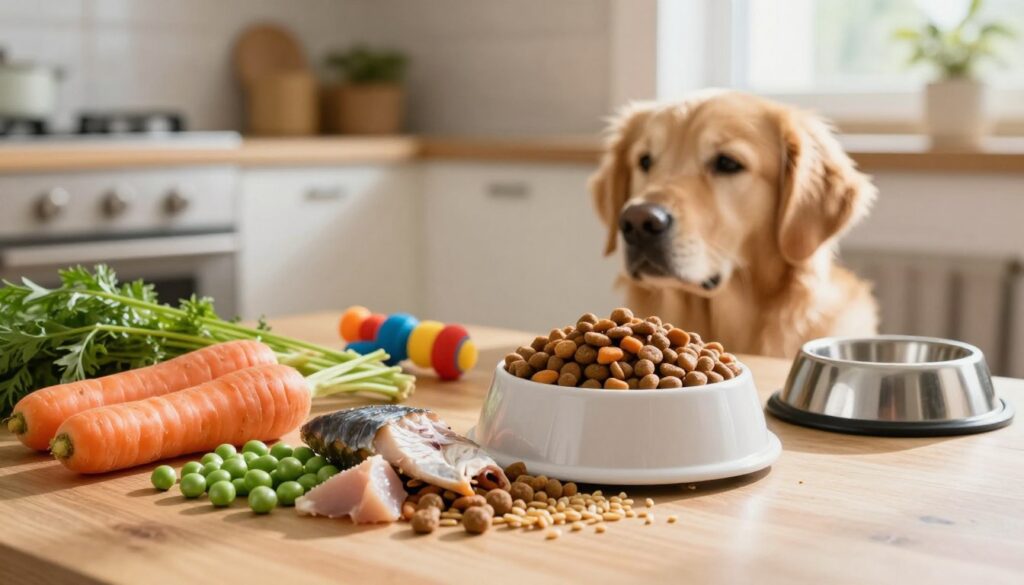
Save the cat food packaging. Look at the cat food ingredients for dogs carefully. Some foods have ingredients that can harm dogs, like high fat or onion powder.
Check the label for any special additives or flavors. This info helps your vet make quick decisions about your dog’s health.
Monitor your dog for digestive and behavioral changes
Watch your dog closely for 24 hours. Look for signs of discomfort, like restlessness or changes in energy.
Also, keep an eye on their bathroom habits and appetite. Mild indigestion is common, but serious issues need attention.
When to call your veterinarian or an emergency animal hospital
If your dog seems really upset or shows bad physical signs, call your vet right away. It’s always better to be safe than sorry.
Symptoms requiring prompt veterinary attention
Get help fast if your dog is very tired, has a big belly, or keeps vomiting. Also, watch for collapse, seizures, or extreme pain that doesn’t go away.
Why you should not induce vomiting without veterinary guidance
You should never make your dog vomit without a vet’s say-so. Making them vomit can sometimes hurt more than help, especially if the food is bad or your dog is weak.
Learning how to safely feed cat food to dogs is better than trying to fix it after it happens. Always get expert advice to keep your pet healthy and happy.
When cat food may be especially dangerous for your dog
If your dog has health issues, feeding cat food can be risky. Even a small amount of cat food can harm a dog with chronic conditions. It’s important to know these risks to keep your pet safe.
Risks for dogs with a history of pancreatitis
Dogs with pancreatitis should avoid cat food. Cat food has more fat than dog food, which can cause pancreatitis to flare up. Even a small amount can cause severe inflammation in a dog’s digestive system.
Concerns for dogs with obesity, diabetes, or high cholesterol
Managing weight and blood sugar is crucial. Cat food is high in calories and fat, leading to weight gain or blood sugar spikes. This makes it hard to keep pets with metabolic disorders healthy.
Special precautions for dogs with kidney or liver disease
Dogs with kidney or liver issues need special diets. Cat food has concentrated nutrients that can harm these organs. Regularly eating cat food can worsen their conditions.
Allergic reactions, food sensitivities, and ingredient intolerance
Cat food often has ingredients dogs can’t tolerate. Dogs with sensitive stomachs or allergies may react badly. Symptoms include itchy skin, ear infections, and stomach problems.
“The nutritional needs of a dog are distinct from those of a cat; substituting one for the other, especially in a medically fragile pet, is a risk that should never be taken without professional guidance.”
How prescription diets change the safety considerations
Prescription diets are tailored to your dog’s health needs. Adding cat food can disrupt this treatment. Always talk to your vet before changing your dog’s diet.
- Always consult your vet before changing your dog’s diet.
- Check labels for hidden ingredients that might trigger sensitivities.
- Monitor your dog closely for any behavioral or physical changes.
The risks of feeding cat food to dogs are too high to ignore, especially with medical history. Sticking to your dog’s specific diet is the best way to avoid health problems.
Can cats eat dog food safely?
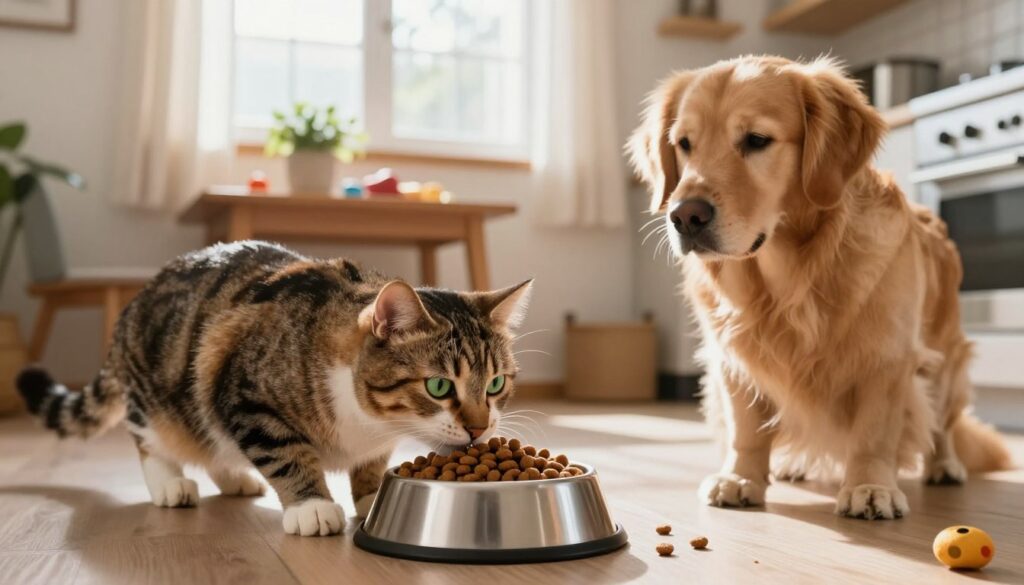
Dogs often want cat food, but cats eating dog food is different. You might wonder if can cats eat dog food safely. Usually, a small bite of dog food is okay for a healthy cat.
Why an occasional bite of dog food is usually harmless for a cat
If your cat eats a few kibbles from the dog’s bowl, don’t worry. Most dog foods are safe for cats in small amounts. Occasional snacking is usually okay as long as they still eat their own food.
Why dog food cannot meet a cat’s long-term nutritional needs
Cats need certain nutrients found in animal tissue because they are obligate carnivores. Dog food, made for omnivores, lacks the protein and amino acids cats need. Eating dog food all the time can cause serious health problems.
How cat food vs. dog food affects taurine and other essential nutrients
The main difference between cat food vs dog food is taurine. Cats need taurine to avoid heart disease and vision loss. Dog food has some protein but not enough taurine, vitamin A, or arachidonic acid for cats.
When a cat that prefers dog food should be evaluated by a veterinarian
If your cat always wants dog food instead of their own, pay attention. A sudden love for dog food might mean a health problem. See your vet if you notice:
- They always refuse their own food.
- They’re losing weight or muscle.
- They vomit a lot or have stomach problems.
- They seem tired or act differently.
How to prevent dogs from eating cat food
It’s important to keep your dog from eating cat food to ensure they both get the right diet. While there might be times when you need to give cat food to your dog, it’s best to keep them apart during meals. Dogs find the smell of cat food very tempting, so relying on their obedience alone is not enough.
Separate feeding areas for cats and dogs
Designating specific areas for each pet’s meals is the best way to manage them. Feeding your cat in a separate room or behind a closed door stops your dog from getting into it. This simple step makes sure each pet gets the right food for their needs.
Using elevated, gated, or microchip-controlled feeding stations
If you don’t have extra rooms, use vertical space to keep cat food safe. Place cat food on a high counter or cat tree so your cat can eat without your dog getting to it. You can also use a baby gate or a microchip-controlled feeder that only opens for your cat.
Removing leftover cat food between meals
Don’t leave food out all day as it invites your dog to snack. Take away any leftover food from your cat’s bowl after they finish eating. This not only stops your dog from eating too much but also helps you keep an eye on your cat’s appetite.
Teaching your dog to leave the cat’s bowl alone
Training is key to teaching your dog to respect the cat’s food. Use the “leave it” command every time your dog tries to get to the cat’s bowl. Rewarding your dog for ignoring the bowl teaches them good manners and stops them from trying to get the food later.
Keeping cat food and treats securely stored
Even when it’s not mealtime, your dog might try to get to the food. Always keep cat food and treats in secure, airtight containers in a pantry or cabinet. This way, your dog will only eat their best dog food for dogs and not sneak cat snacks when you’re not watching.
How to safely feed cat food to dogs when necessary
Sometimes, a bit of cat food can help a dog in need. It’s not a regular meal, but knowing how to safely feed cat food to dogs can be useful in certain situations.
Situations in which a small amount may be useful
A dog recovering from illness or with low appetite might need extra help eating. A small amount of wet cat food can help with its strong smell and taste.
This should only be a temporary measure to get your pet eating again. It’s not meant to replace a balanced canine diet or be a long-term solution for picky eating.
Choosing a plain, complete cat food for temporary use
When picking a product, make sure to check the cat food ingredients for dogs for safety. Look for a plain, complete, and balanced formula without harmful additives like onion or garlic powder.
Avoid foods with high levels of seasonings or complex additives that could upset a dog’s stomach. Choose simple, high-quality protein sources that are easy for your dog to digest.
Limiting portions and balancing the rest of your dog’s diet
Cat food is much more calorie-dense than dog food, so limit the portion size. A single tablespoon is often enough to entice a dog without causing significant digestive distress.
Always account for these extra calories by slightly reducing the amount of your dog’s regular meal. Maintaining a nutritional balance is vital to prevent weight gain or nutrient deficiencies.
Transitioning back to the best dog food for dogs
Once your dog regains their appetite, stop using cat food immediately. The goal is to return to the best dog food for dogs as quickly as possible to ensure they receive the specific nutrients their body requires.
How to introduce any dietary change gradually
Sudden changes in a dog’s diet often lead to gastrointestinal upset. When moving back to their regular kibble, mix in decreasing amounts of the cat food over several days to allow their system to adjust comfortably.
Why veterinary advice matters for ongoing supplementation
If you feel your dog requires ongoing supplementation, always consult your veterinarian first. They can determine if your dog has specific health needs that require a specialized prescription diet rather than standard cat food.
Conclusion
A single bite of cat food is usually not a big deal for a healthy dog. Still, watch your pet closely for any signs of upset stomach. Knowing why cat food is bad for dogs helps you choose better for your pet.
Cats and dogs need different nutrients. Cats need more taurine and protein than dogs do. Cat food often has too many calories and fats for dogs.
Feeding your dog cat food can cause weight gain and health problems. It’s not good for dogs to eat cat food, and vice versa. Neither animal does well on the other’s diet.
Give your dog the best food for their age and needs. Keep your home clean to stop them from eating things they shouldn’t. If your pet has ongoing health issues or diet problems, talk to your vet. Taking care of your pet’s diet helps them live a long, happy life.