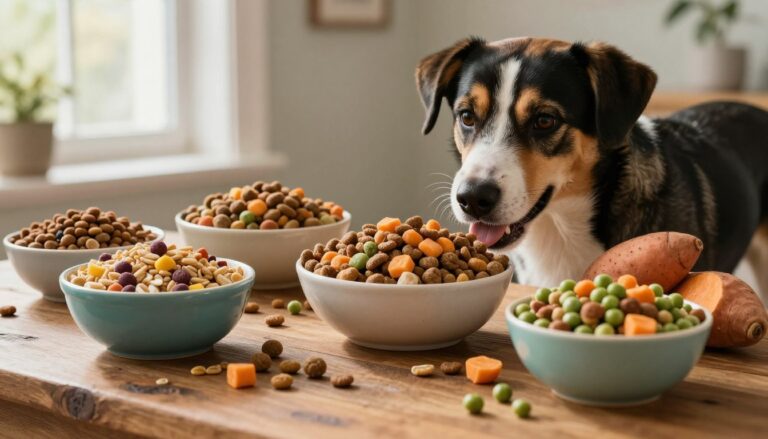

How Much Food Should I Feed a Puppy Tips for New Owners
Bringing home a new puppy is truly a magical experience. You want to give them the best care. But, you might feel overwhelmed by the fast changes in their first year.
From weaning at eight weeks to the energetic adolescent phase, their nutritional needs change a lot. It’s important to keep up with these changes.
Finding the right amount of food isn’t just about following a cup measurement. Successful growth depends on many things. These include breed, expected adult size, activity levels, and specific health needs.
Using a reliable puppy feeding guide is key. It helps ensure your puppy gets the right amount of energy for healthy growth.
Learning to feed a young dog well means watching their body condition and talking to your vet. These steps help you adjust their meals as they grow. This way, they can thrive at every stage of their life.
Table of Contents
Why Your Puppy’s Food Amount Changes During Growth
Finding out how much food should I feed a puppy is a big challenge for new owners. Puppies are always changing physically, which means their energy needs change too. As they grow from tiny to full-grown dogs, their metabolism changes a lot.
How age, breed, adult size, and activity affect calorie needs
Every puppy has different puppy nutrition needs based on their genes. Small-breed puppies often need more calories than giant-breed puppies because of their high metabolism. Also, how active your puppy is affects how much food they need.
As puppies get older, they grow slower and need fewer calories. It’s important to watch these changes to make sure they get the right amount of energy. Big puppies need special care to avoid growing too fast, which can harm their joints.
| Factor | Impact on Calories | Adjustment Strategy |
|---|---|---|
| Age | High in early months | Reduce as growth slows |
| Breed Size | Varies by metabolism | Follow breed-specific guides |
| Activity Level | Increases with play | Adjust based on daily exercise |
| Adult Weight | Determines total volume | Target ideal body condition |
Why puppy food labels provide starting points rather than exact rules
Many owners follow the feeding charts on food bags too closely. But these charts are just estimates for the average dog. Your puppy portion size should be based on your puppy’s needs, not just a generic rule.
Things like the food’s calorie density and your puppy’s metabolism mean one size doesn’t fit all. Use the label as a starting point, but watch your puppy’s body condition. If they seem hungry or are losing weight, you might need to adjust the amount.
How healthy growth differs from rapid weight gain
It’s a common mistake to think a chubby puppy is healthy. But healthy growth should be steady and slow, not fast. Fast weight gain can be bad for growing bones and joints, especially in big breeds.
Good puppy nutrition needs focus on balanced growth, not just size. If you’re unsure about your puppy’s growth, talk to your vet. They can help find the right puppy portion size for your puppy’s health.
how much food should i feed a puppy: Finding the Right Starting Amount
If you’re wondering how much food should i feed a puppy, you’re on the right path. Giving the right amount of food is key for your puppy’s growth in their first year.
How to read the feeding chart on a puppy food package
Most puppy food bags have a puppy feeding guide on them. These guides show daily amounts based on your puppy’s age and expected adult weight.
Look for the column that matches your puppy’s age. Remember, these amounts are just starting points. Watch your puppy’s body condition closely.
How to identify your puppy’s expected adult weight
To find the best puppy food amount, know your dog’s expected adult size. If you have a purebred, your breeder or breed standards can help.
For mixed breeds, ask your vet at the first visit. They can estimate your puppy’s adult weight based on their growth and body type.
How to convert daily recommendations into individual meals
Once you know the daily amount, divide it into meals. Calculating puppy food portions is easy: just divide the daily amount by the number of meals.
For example, if the bag says two cups a day and you feed three times, each meal is about two-thirds of a cup. This keeps your puppy’s energy steady all day.
Using a measuring cup or kitchen scale for greater accuracy
While a measuring cup is handy, it’s not always accurate. A kitchen scale is the best way to get the exact puppy portion size recommended.
If you use a cup, make sure it’s a standard one. Level off the top to avoid overfeeding.
Adjusting portions when your puppy falls between weight ranges
It’s common for puppies to fall between weight ranges. Start with the lower amount and watch your puppy for a few days.
If your puppy seems hungry or isn’t gaining weight, you can gradually increase the portion. Always do this in small steps to avoid upset stomachs.
Age-Based Puppy Portions From Weaning Through Adolescence
Your puppy’s puppy nutrition needs change a lot as they grow. Knowing how much food should I feed a puppy changes with their growth. Adjusting their food at each stage helps them stay healthy.
Feeding puppies from eight to twelve weeks
At this age, puppies grow fast and need lots of food. They need to eat often to keep their energy up. Experts say to feed them four times a day to help them grow strong.
Feeding puppies from three to six months
When puppies are three to six months old, they need to eat three times a day. It’s important to watch their weight to keep them healthy. Always check their body condition, not just the food bag’s advice.
“Proper nutrition during the first six months of life is the single most important factor in determining a dog’s long-term health and vitality.”
Feeding puppies from six to twelve months
By six months, puppies can usually eat twice a day. Their growth slows down, so watch their food intake. Make sure they stay lean and active.
Adjusting feeding amounts for large- and giant-breed puppies
Large-breed dogs grow for a long time and need careful feeding. Too much food can harm their joints. Watch their food closely to avoid overfeeding.
Why large-breed puppy formulas require controlled calcium and calories
Large-breed formulas help prevent uneven growth. Too much calcium can cause bone problems. These formulas focus on steady growth, not quick weight gain.
When small-breed puppies may need more calorie-dense food
Small-breed puppies need lots of energy but have small stomachs. They need food that’s packed with calories. Choose high-quality, energy-rich food for them.
Building a Feeding Schedule for Puppies
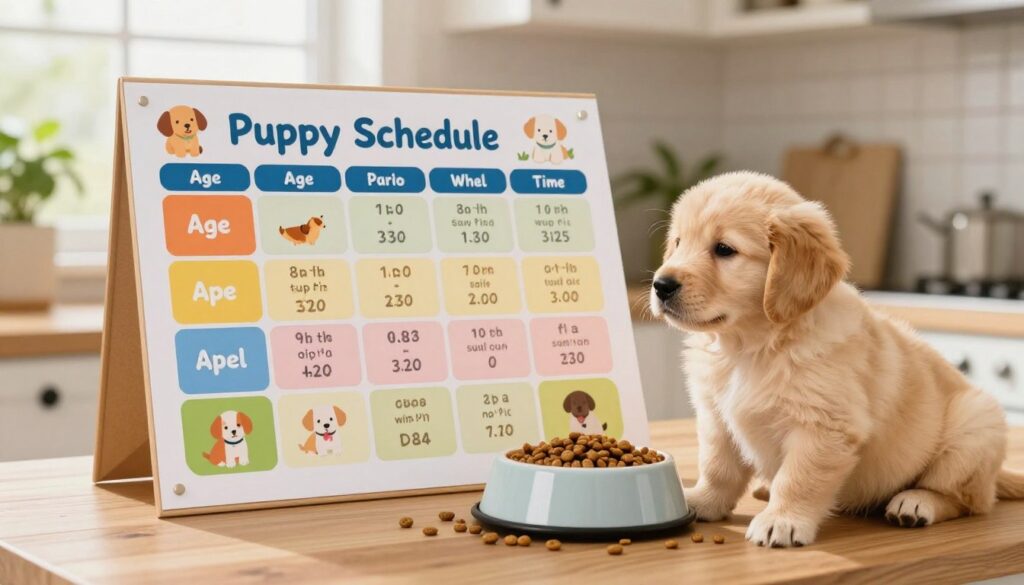
Creating a consistent routine is key for your puppy’s health and behavior. A feeding schedule for puppies helps with digestion and makes house-training easier. A structured puppy feeding guide ensures your pet gets the right energy all day.
How many meals your puppy needs at each age
Young puppies, from eight to twelve weeks, need three to four small meals a day. This keeps their blood sugar stable. As they grow, you can start to give them three meals a day by four months.
When your puppy is six months old, they usually need two meals a day. Watch their body condition to see if this change works for them.
Sample schedules for young, growing, and adolescent puppies
Plan meals to match your puppy’s natural rhythms. For young puppies, meals at 7:00 AM, 12:00 PM, and 6:00 PM work well. This schedule prevents hunger and behavioral problems.
Planning meals around sleep, potty breaks, and training
Match meal times with your puppy’s need to go outside. Puppies often need to go after eating. Use a part of their meal for training to reinforce good behavior.
Keeping meal times consistent on weekends and busy days
Consistency is crucial for your puppy’s internal clock. Serve meals within thirty minutes of usual time, even on weekends. This stability reduces anxiety and helps your puppy know when to expect meals.
When free-feeding can create problems with appetite and house-training
Free-feeding, leaving food out all day, can cause unpredictable bathroom habits. It’s hard to track how much your puppy eats, which can hide health issues. Structured meal times help your puppy eat their full portion, making weight management easier.
Calculating Puppy Food Portions for Kibble, Wet Food, and Mixed Meals
Finding the right amount of food for your puppy is key to their growth. Using a standard measuring cup can be off because different foods have different amounts of nutrients. This can affect how much your puppy needs to eat.
Comparing calories instead of relying only on cups
A cup of puppy kibble can have a lot more calories than a cup of another food. Just looking at the volume can lead to feeding too much or too little. Looking at calories is a better way to figure out how much to feed your puppy.
How to calculate portions using calories per cup or can
First, find out how many calories your puppy needs each day. This depends on their age and how active they are. Then, divide that number by the calories in your puppy’s food.
Using the guaranteed analysis and calorie statement on the label
Every pet food in the US has a “Calorie Content” statement. Look for “kcal per cup” or “kcal per can” on the label. This is how you accurately calculate puppy food portions.
Accounting for different calorie densities between foods
Each recipe has its own energy level. Foods with more healthy fats are more calorie-dense than those with more fiber. Always check the label when you switch foods to keep the best puppy food amount for your dog.
Combining dry and wet food without overfeeding
Mixing wet and dry food can make meals more appealing. First, figure out how many calories your puppy needs for the day. Then, subtract the calories from the wet food. Fill the rest with the right amount of dry kibble.
Including treats, chews, toppers, and table food in the daily total
Treats and chews also count as calories. They should not make up more than 10% of your puppy’s daily calories. Tracking every bite helps keep your puppy’s portion size right for their growth.
Choosing Food That Meets Your Puppy Nutrition Needs
Choosing the right diet is crucial for your puppy’s growth. A good diet helps build strong muscles, healthy bones, and a strong immune system. Knowing what your puppy needs is key to their health.

What to look for in a complete and balanced puppy food
Look for a label that says the food meets AAFCO standards. This ensures it’s complete and balanced for growth. Without this, you can’t be sure it has all the necessary vitamins and minerals for your puppy.
When to choose small-breed, large-breed, or all-life-stages formulas
Dogs grow and metabolize differently. Small-breed formulas have more calories for their high energy. Large-breed options help control growth. All-life-stages foods are convenient but might not meet your puppy’s specific needs.
How protein, fat, calcium, and phosphorus support development
Protein builds muscle, and fats give energy for brain growth. Calcium and phosphorus are key for strong bones. The right mix of these minerals is crucial for healthy growth.
Why large-breed puppies need carefully balanced mineral levels
Large breeds can get joint problems if they grow too fast. Too much calcium can cause skeletal issues. A diet made for large breeds helps control growth and ensures safe development.
When a veterinarian may recommend a therapeutic or specialized diet
Standard diets might not be enough for some pets. A vet might suggest a special diet for allergies, digestive issues, or metabolic problems. Getting professional advice is the best way to find the right food for your puppy’s needs.
- Consult your vet before switching to a specialized diet.
- Monitor your puppy’s stool quality and energy levels after any change.
- Keep track of the best puppy food amount to avoid obesity.
Checking Whether Your Puppy Is Eating the Best Puppy Food Amount
Looking at your puppy’s bowl might not tell you everything. Their body language is a better guide. Every dog is different, so following the food bag’s guidelines alone isn’t enough. You need to watch how your puppy grows to find the best puppy food amount.
Using body condition rather than appetite alone
Just because your puppy loves food doesn’t mean they’re getting enough. Some puppies eat a lot even when they’re full. Instead, feel their body to see if they’re at a good weight.
How to feel your puppy’s ribs, waist, and abdominal tuck
Feel your puppy’s sides gently. You should feel their ribs but not too hard. Look from above to see a waistline behind the ribs. Their belly should curve up towards their back legs, not hang down.
Signs your puppy may be underweight
If you can see their ribs, spine, or hip bones easily, they might be too thin. Not enough fat or muscle means they need more food. Always talk to your vet before changing their diet to make sure you’re meeting their puppy nutrition needs safely.
Signs your puppy may be overweight
If it’s hard to feel their ribs, they might be too heavy. A round belly from above means you’re feeding too much. Finding the best puppy food amount often means slowly reducing food to help them get leaner.
Tracking weight and growth at home
Keeping an eye on your puppy’s weight is important. A simple log can help you notice changes during play.
Recording weekly weigh-ins and portion changes
Weigh your puppy every week at the same time. Note the weight and food amount. This helps you understand how much food should i feed a puppy as they grow.
Recognizing sudden changes that need professional attention
Slow weight changes are normal, but sudden ones are not. If your puppy’s weight drops or spikes, or if they can’t feel their ribs, see a vet. These signs might mean they need medical help to stay healthy.
Adjusting Your Puppy’s Portions Safely
Your puppy’s needs change as they grow. You might start with a certain feeding guide, but you need to be flexible. This ensures your pet stays healthy. Regularly calculating puppy food portions helps you adjust as your dog grows.
When to increase food during a growth spurt
Puppies can grow fast, making them hungry all the time. If your puppy is always hungry or seems to be losing weight, they might need more food. Always prioritize quality nutrition over just adding more to their bowl.
When to reduce food because of excess weight or low activity
If your puppy is gaining weight too fast or is less active, they might need less food. Finding the best puppy food amount is key. If your puppy is less active, a small reduction can help prevent weight gain.
How to make portion changes gradually
Making sudden diet changes can upset your puppy’s stomach or cause behavioral issues. It’s best to slowly adjust your puppy portion size to help them adjust.
Changing the daily amount in small increments
When adjusting food, start with small changes of 5% to 10%. This approach prevents overfeeding and helps find the right amount for your puppy.
Allowing time to evaluate stool, energy, and body condition
Wait at least a week after making a change to see how it works. Check your puppy’s stool, energy, and body condition to see if the new puppy portion size is effective.
Why you should not restrict food during suspected illness without veterinary advice
If your puppy is sick, don’t cut their food without talking to a vet. Symptoms like vomiting or diarrhea could be from parasites or other health issues. Consult your veterinarian before making big changes to their diet during illness.
| Observation | Action Required | Adjustment Strategy |
|---|---|---|
| Rapid growth | Increase calories | Small, gradual additions |
| Excess weight | Reduce calories | Monitor body condition |
| Low activity | Decrease portions | Adjust based on energy |
| Suspected illness | Seek vet advice | Do not restrict food |
Managing Treats, Training Rewards, and Chewing
Keeping an eye on your puppy’s snacks is as crucial as sticking to a feeding schedule for puppies. Treats are great for training, but they can add up in calories. This can cause weight gain if not monitored.
Keeping treats within a reasonable share of daily calories
It’s wise to limit treats and rewards to 10% of your puppy’s daily calories. Too many snacks mean less kibble at meals. Always check the calorie count on treat packages to avoid overfeeding.
Using part of your puppy’s regular meal for training
Using a bit of kibble for training is a smart calorie move. This way, you reward good behavior without extra calories. It keeps your puppy’s diet balanced and complete all day.
Choosing safer, age-appropriate chews
Puppies love to chew, but not all chews are safe. Pick chews made for your puppy’s age and size. Soft toys or dental chews are safer than hard bones that can harm teeth.
Avoiding choking hazards and high-calorie chew products
Watch your puppy with new chews to avoid choking. Steer clear of small or high-fat/sugar chews. Safety is key when choosing chews for your puppy.
Preventing begging and accidental overfeeding by family members
Family members might give extra food, but it’s best to stop it. Set a rule for who gives treats. Use a low-calorie reward jar to keep everyone on track.
| Treat Type | Calorie Density | Best Use Case |
|---|---|---|
| Training Kibble | Low | Daily obedience practice |
| Vegetable Slices | Very Low | Healthy, crunchy snacks |
| Commercial Treats | High | Occasional rewards only |
| Dental Chews | Moderate | Teething and oral health |
Common Puppy Feeding Mistakes New Owners Make
Creating a healthy routine is crucial, but many mistakes can hinder your efforts. Even with good intentions, simple errors can impact your puppy’s growth. A reliable puppy feeding guide is essential for your dog’s health and strength.

Following the package chart without checking body condition
Many owners follow the feeding instructions on kibble bags too strictly. These charts are just starting points, not personalized plans. Adjusting portions based on your puppy’s body condition and activity level is key.
Changing foods too often or switching diets abruptly
Your puppy’s digestive system needs stability. Switching foods too quickly can upset their stomach. Always transition to a new diet over seven to ten days by mixing old and new food.
Adding supplements without veterinary guidance
It’s tempting to add vitamins or minerals to your puppy’s food. But, high-quality commercial diets are already balanced. Adding extra calcium or supplements can harm bone development and cause health problems.
Confusing food-seeking behavior with genuine hunger
Puppies often act hungry even after eating. This is not always true. Stick to your feeding schedule for puppies to keep them healthy and prevent obesity.
Leaving food out all day or using inconsistent portions
Free-feeding, or leaving food out all day, is not good. It makes it hard to track how much your puppy eats. It also makes house-training harder. Here are some common mistakes to avoid:
- Inconsistency: Different family members feeding different amounts leads to overfeeding.
- Lack of Routine: A strict feeding schedule for puppies helps regulate digestion.
- Ignoring Treats: Failing to account for training rewards in the daily calorie total.
By avoiding these common errors, your puppy feeding guide will be effective. Consistency is key for a happy, healthy, and well-adjusted dog.
When to Contact Your Veterinarian About Feeding
Keeping an eye on your puppy’s puppy nutrition needs is crucial. Look out for any changes in their behavior or appetite. If these changes don’t go away, it might mean they’re not feeling well.
Symptoms that may indicate inadequate nutrition or illness
If your puppy seems tired or isn’t gaining weight, call your vet. A dull coat, lackluster eyes, or a swollen belly could mean they’re not getting enough nutrients.
Watch for signs like always being hungry or not wanting to eat. These signs can mean their body is having trouble using the food they eat.
How vomiting, diarrhea, parasites, and dental problems affect eating
Stomach problems like vomiting or diarrhea can stop your puppy from getting the nutrients they need. These issues can lead to dehydration, which is serious and needs a vet’s help.
Parasites like worms can take away from your puppy’s food, slowing their growth. Dental pain or teething can also make eating hard, causing them to lose interest in their food.
Questions to bring to your puppy’s wellness appointment
Getting ready for your vet visit is important. Bringing specific information helps your vet give you the best advice.
Discussing expected growth, target weight, and calorie needs
Ask your vet about your puppy’s growth and weight goals. Find out how many calories they need each day for healthy growth.
Reviewing food labels, treats, supplements, and feeding records
Bring your puppy’s food bag or a photo of the label to your vet. Also, keep a log of treats, supplements, and table scraps. These can change what your puppy eats and how they grow.
Conclusion
Right nutrition is key for a healthy life. Knowing how much to feed your puppy is a mix of science and watching them grow. You now have the knowledge to care for your puppy’s growth stages confidently.
Your puppy feeding guide is the base for their daily care. Begin by looking at the labels of brands like Purina Pro Plan or Royal Canin. This helps you set a starting point. Then, divide these amounts into regular meals to help them grow steadily.
Keep a close eye on your dog’s body condition as they get older. Changing their food amounts based on how they look helps meet their needs. Making small changes helps avoid upset stomachs and keeps them at a healthy weight.
Make sure to visit your vet regularly to check on your puppy’s growth. Vets can give you the best advice for your pet’s needs. Your dedication to feeding them right will strengthen your bond and ensure a happy, healthy companion for many years.