How Much Pineapple Should You Give a Dog That Eats Poop?
It’s deeply frustrating and embarrassing when your furry friend eats poop. You love them, but this habit makes you search for quick, safe fixes. You want to feel at peace again.
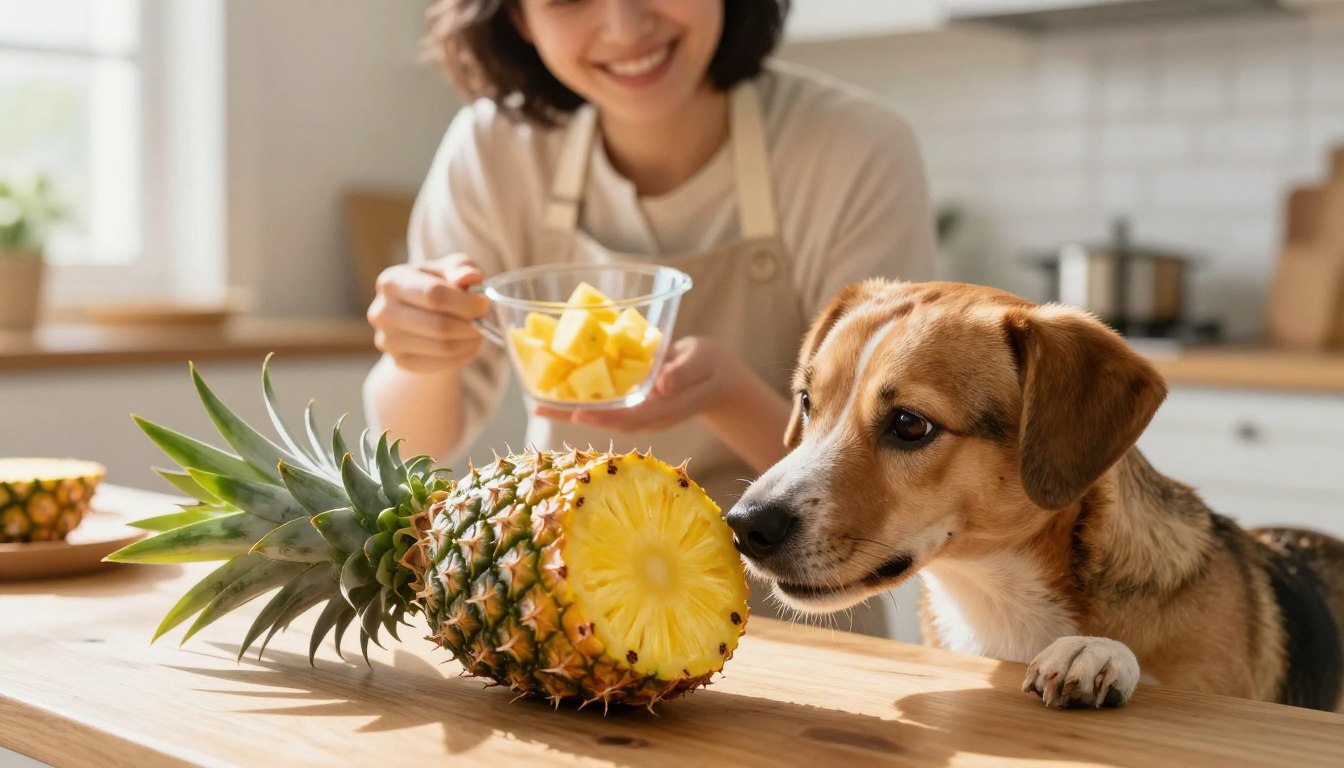
Many pet owners ask how much pineapple to give dog to stop eating poop. They see pineapple as a natural way to help. This fruit is mostly water, making it a refreshing treat for dogs.
But, it’s important to know the truth. Some think pineapple changes the taste of poop, but there’s no solid proof. We’ll look into if pineapple really works and how to add it safely to your dog’s diet.
Table of Contents
Understanding the Behavior of Coprophagia in Dogs
Coprophagia, or dogs eating poop, might seem gross to us. But it’s a natural behavior for them. Seeing your dog eating poop can worry or embarrass you. Yet, it’s common in dogs and might mean they’re missing something in their life or health.
Why Dogs Engage in Stool Eating
This behavior is often driven by curiosity or a leftover instinct from their wild ancestors. In the wild, mothers eat their puppies’ waste to keep the den clean and hide their scent. Some dogs might do this because they find the smell or texture interesting.
“Understanding the root cause of a behavior is the most effective way to modify it, rather than just treating the symptoms.”
Some owners try using pineapple for dogs to stop this habit. But first, you need to figure out why your dog is doing it. If they’re bored, they might eat anything to get attention. Giving them more toys or exercise can help stop this behavior.
Common Behavioral and Medical Triggers
There are also health and behavior reasons why dogs might eat poop. Nutritional gaps can make them eat waste to get needed nutrients. If they’re not digesting food well, they might look for other food sources.
Health problems like parasites, diabetes, or Cushing’s disease can also make dogs eat more. It’s key to check with a vet to see if it’s a health issue before trying to change their behavior. After checking their health, you can try adding pineapple for dogs to their food to make poop less appealing.
How Much Pineapple to Give Dog to Stop Eating Poop
Many pet owners ask how much pineapple to give a dog to stop eating poop. This fruit can help, but it must fit into your dog’s daily food. Since one cup of pineapple chunks has about 80 calories, it’s important to not overdo it.
Determining the Correct Serving Size by Weight
It’s crucial to match the fruit amount to your dog’s size and activity level. Too much can upset their stomach, causing diarrhea or gas. Here’s a guide to help you find the right amount for your dog.
| Dog Size | Weight Range | Recommended Serving |
|---|---|---|
| Extra-Small | Under 10 lbs | 1 small chunk |
| Small | 10–25 lbs | 2 small chunks |
| Medium | 26–50 lbs | 3 small chunks |
| Large/Extra-Large | Over 50 lbs | 4–5 small chunks |
Frequency of Administration for Maximum Effectiveness
Consistency is key when giving how much pineapple to give a dog to stop eating poop. Add the fruit to their meals to blend it well. This makes the enzymes work better in their stomach.
Begin with the suggested amount once a day. Watch for any stomach issues in the first week. If they handle it fine, keep up the routine until you see a change in their poop-eating habits.
The Science Behind Pineapple as a Deterrent
Many people think using fruit can stop pets from eating waste. But, using pineapple as a deterrent is not backed by solid science. There is no solid scientific evidence that pineapple stops dogs from eating poop.
Bromelain and Its Role in Digestion
Bromelain is found in pineapple stems and fruit. It helps break down proteins in digestion. Owners think it might make dog waste unappealing.
But, bromelain’s main job is in the stomach. There’s little evidence it changes waste in a way that deters dogs. This can lead to disappointment for pet owners.
How Pineapple Changes the Taste of Stool
Some believe pineapple makes stool taste bad to dogs. They think the fruit’s chemicals act as a natural repellent. But, this is mostly based on stories, not proven scientific fact.
Dogs use their sense of smell and taste to explore. Using pineapple might help some dogs, but it’s not a fix for all. It’s best seen as a trial, not a proven solution.
Nutritional Benefits of Pineapple for Dogs
Pineapple is more than just a way to keep dogs away. It’s a healthy treat that boosts their well-being. Adding pineapple to your dog’s diet can give them a natural energy boost.
Essential Vitamins and Minerals Found in Pineapple
Pineapple is full of nutrients that help your dog’s immune system and skin. It’s rich in Vitamin C, which fights off cell damage. It also has B vitamins for energy all day long.
This fruit is also a good source of calcium and phosphorus. These minerals are key for strong bones and teeth. Plus, it has zinc for a shiny coat and healthy skin. Choosing pineapple for dogs means giving them a snack that boosts their health.
Fiber Content and Digestive Health Support
Pineapple’s high fiber helps with regular digestion. It prevents constipation and keeps your dog’s digestive system working well. This makes sure your pet feels good after eating.
Adding pineapple in moderation to your dog’s diet is a smart move. Its natural enzymes and fiber keep the gut healthy. Here’s a quick look at why pineapple is good for your dog:
| Nutrient | Primary Benefit | Impact on Health |
|---|---|---|
| Vitamin C | Immune Support | Boosts natural defenses |
| B Vitamins | Energy Metabolism | Supports daily activity |
| Fiber | Digestive Health | Promotes regular bowel movements |
| Zinc | Skin & Coat | Enhances fur quality |
Safety Precautions When Feeding Pineapple to Your Pet
Feeding pineapple to dogs can be good, but safety first. Always be careful and watch your dog closely when introducing new foods. This keeps them healthy and happy.
Never give your dog the pineapple core or spiny skin. These are big choking hazards. They can also block your dog’s intestines if eaten.
Identifying Potential Allergic Reactions
Even with pineapple’s benefits, some dogs might be allergic. Start with a tiny piece to see how they react for a day.
Look for signs of allergy like itching, hives, or swelling. If your dog has stomach problems like vomiting or diarrhea, stop the fruit. Then, talk to your vet.
“The safety of our pets is the foundation of every nutritional choice we make as responsible owners.”
Risks of High Sugar Content in Fruit
Pineapple is a natural treat but has a lot of sugar. Too much sugar can make your dog gain weight or raise their blood sugar.
If your dog is older or has diabetes, be very careful with how much they eat. Always check with your vet. They can help decide if pineapple’s sugar is okay for your dog.
Preparing Pineapple Safely for Your Dog
Preparing pineapple for your dog is more than just cutting it up. You need to make sure every piece is safe to eat. This avoids digestive problems or choking. By following a few steps, you can make this fruit a healthy and enjoyable treat for your pet.
Removing the Skin and Core Properly
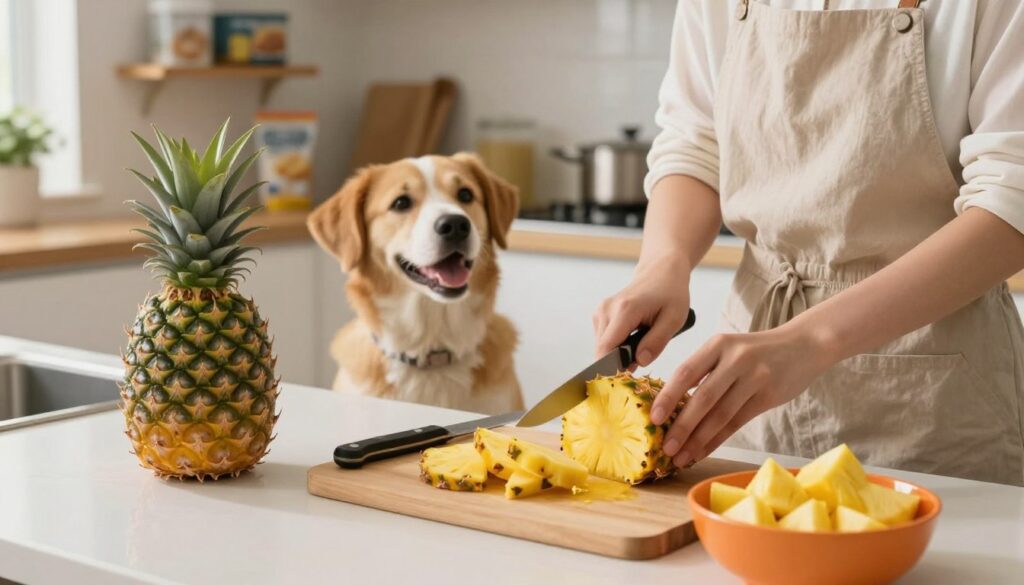
The outer skin of a pineapple is very tough. It can cause gastrointestinal distress if eaten. Start by cutting off the leafy top and the thick, spiky skin. Use a sharp knife to remove all peel, as small bits are hard for dogs to chew.
After removing the skin, take out the hard, fibrous core. The core is too dense for dogs to digest and is a serious choking risk. Serve only the soft, yellow pulp. It’s the most nutritious and tasty part for your dog.
Fresh Versus Canned Pineapple Considerations
Choosing fresh pineapple is the best option. Fresh fruit has more natural enzymes and vitamins. You can control the quality and freshness when you prepare it yourself.
Canned pineapple, on the other hand, has added sugars, syrups, or preservatives. These can harm dogs, leading to weight gain or upset stomachs. Always choose fresh pineapple to ensure your dog gets only the pure benefits of the fruit.
| Feature | Fresh Pineapple | Canned Pineapple |
|---|---|---|
| Sugar Content | Natural only | Often high (syrup) |
| Additives | None | Preservatives/Syrups |
| Preparation | Requires peeling/coring | Ready to serve |
| Safety Level | High (if prepared) | Low (due to additives) |
Alternative Methods to Curb Poop Eating Habits
Stopping a dog eating poop needs patience and many strategies. Some owners try dietary additives, but they often don’t work alone. A mix of managing the environment and training is usually the best way to help your pet.
Behavioral Training and Positive Reinforcement
Teaching your dog a “leave it” command is key. Reward them with treats when they ignore waste. This teaches them that other things are more appealing. It’s crucial to be consistent, so everyone in your home should follow the same rules.
Keeping your yard clean is also vital. Here are some steps to help:
- Immediate cleanup: Clean up waste right after your dog finishes.
- Supervised outings: Use a leash during walks to prevent them from finding public stools.
- Distraction techniques: Carry a favorite toy to distract them from waste.
Dietary Adjustments and Nutritional Supplements
At times, a dog eating poop means they’re not getting enough nutrients. If they’re not absorbing vitamins or minerals, they might eat other things. Always talk to your vet before changing your dog’s diet.
Your vet might recommend nutritional supplements or better food. These changes can make your dog feel full and less likely to look for waste. Getting professional advice is important to check for health problems that might cause this behavior.
When to Consult Your Veterinarian
Persistent coprophagia often signals a red flag for health issues that need a vet’s help. While you might try to handle it at home, a vet’s advice keeps your pet safe and healthy. Always consult your vet before making diet changes, especially if your dog is on medication.
Pineapple’s acidity might affect how your dog absorbs some drugs. Talking to a vet first helps avoid harmful drug interactions. Your vet can create a plan that fixes the behavior while keeping your dog safe.

Signs That Coprophagia Indicates an Underlying Illness
Eating stool might not just be a habit but a sign of a health issue. Watch for concerning physical changes like sudden weight loss, chronic diarrhea, or persistent vomiting. These signs mean something is wrong inside your dog.
Feeling very hungry or drinking a lot of water are also warning signs. These can mean your dog is not absorbing nutrients well. If you see these signs, get help right away. They often point to malabsorption or a metabolic disorder.
Diagnostic Tests to Rule Out Parasites or Deficiencies
Your vet will likely suggest several tests to find the cause. A fecal examination is usually the first step to check for parasites. Finding these early is key to your dog’s recovery.
They might also do blood work to check for vitamin or pancreatic issues. These tests show your dog’s health inside and help find digestion problems. Relying on these tests helps find the root cause of the issue.
Common Mistakes Owners Make When Using Pineapple
Many owners try using pineapple as a deterrent for dog poop eating. But, they might not know the risks. It’s important to avoid these mistakes to keep your pet safe and healthy.
Overfeeding and Digestive Upset
It’s tempting to think more fruit means better results. But, overfeeding can harm your dog’s stomach. Look out for signs like upset stomach, diarrhea, or acid reflux.
Fruit should be a small part of your dog’s diet. Too much pineapple can upset their stomach. If your dog shows discomfort, cut back on the pineapple or talk to your vet.
Relying Solely on Deterrents Without Training
Some owners think pineapple is a quick fix for bad habits. But, it’s not a magic solution. It might change the taste of stool, but it doesn’t solve the problem.
You need to use pineapple with training and positive reinforcement. Getting help from a pro can find out why your dog eats poop. A mix of diet and training is best for your pet’s health.
Monitoring Your Dog Progress and Adjusting the Plan
Managing your dog’s habits needs a consistent approach to watching and recording. By observing your pet closely, you can see if your plan is working. Patience is key when changing your dog’s habits.
Tracking Behavioral Changes Over Time
Keep a simple log of your dog’s daily activities. This helps spot patterns and successes. Note when your dog shows interest in stool and compare it to days with pineapple.
Look for small changes in your dog’s behavior. Sometimes, changes take time. A gradual reduction in behavior is a good sign. This record helps you make informed decisions.
“Consistency in observation is the bridge between a problematic behavior and a well-adjusted pet. When you track the small wins, you build a clearer path toward long-term success.”
Knowing When to Stop the Pineapple Supplementation
Check if the pineapple is helping after a few weeks. If your dog stops the behavior, you might reduce the fruit. Always observe your dog closely during this change.
If the behavior doesn’t stop, it’s time to stop the pineapple and talk to your vet. A supplement that doesn’t work is not good for your dog. Use the table below to decide what to do next for your pet.
| Observation | Action Required | Expected Outcome |
|---|---|---|
| Behavior frequency drops | Continue current dosage | Complete cessation |
| No change in behavior | Consult a veterinarian | Identify medical issues |
| Behavior stops completely | Gradually taper off | Maintain healthy habits |
Conclusion
You play a key role in your dog’s health and habits. Pineapple is a hydrating treat, but it’s just one part of managing coprophagia.
Success comes from a complete plan. This includes vet advice, training, and good food. Relying on one thing can be frustrating for you and your dog.
See your vet regularly to check for health issues. Watch your dog closely during walks and play. Being patient helps your dog make better choices.
Understanding your dog’s needs strengthens your bond. Focus on their overall health for their happiness and activity. If you need help, talk to a trainer or nutritionist.