Can Dogs Eat Clams? What Pet Owners Should Know
You look into those soulful eyes and wonder if the seafood on your plate is safe for your furry friend. Sharing a meal seems like a natural way to bond. But, you must always put your pet’s health first.
Understanding the nutritional impact of new snacks is crucial for every owner. You want to give your pet variety, but safety is the top priority when trying human foods.
Many people wonder if can dogs eat clams without risking their health. This guide gives you the key facts to make smart choices about your pet’s diet. By following these guidelines, you help your pet live a healthy, balanced life.
Table of Contents
Understanding the Nutritional Profile of Clams
Clams are more than just a tasty treat; they are packed with essential nutrients that support your dog’s vitality. These mollusks offer a concentrated source of fuel for your pet’s body.
Incorporating these shellfish into a balanced diet can provide a significant boost to your pet’s overall wellness. By understanding what lies inside these shells, you can make informed decisions about your dog’s nutrition.
Essential Vitamins and Minerals
Clams are a powerhouse of micronutrients that are vital for canine health. They contain high levels of iron, which is crucial for healthy blood cell production and energy levels.
Additionally, these mollusks provide a rich supply of zinc. This mineral plays a key role in supporting a strong immune system and maintaining healthy skin. You will also find significant amounts of Vitamin B12, which is necessary for proper nervous system function.
Protein Content and Amino Acids
Protein is the building block of life for your pet, and clams are an excellent source of high-quality animal protein. This nutrient is essential for muscle repair, growth, and daily maintenance.
When you feed your pet high-quality protein sources, you support their lean muscle mass. The amino acids found in clams are highly bioavailable, meaning your dog can easily digest and utilize them. This makes the interaction between dogs and clams a potentially beneficial one for active pets.
Omega-3 Fatty Acids and Their Role
Beyond protein, clams are rich in Omega-3 fatty acids. These healthy fats are famous for their ability to reduce inflammation throughout the body.
Regular intake of these fatty acids helps promote a shiny coat and healthy skin for your dog. Furthermore, they support joint health, which is particularly important as your pet ages. By choosing to include these nutrients in your pet’s diet, you are investing in their long-term comfort and mobility.
Can dogs eat clams safely?
Adding new foods to your dog’s diet is a big decision. Many wonder if can dogs eat clams safely. Clams are nutritious, but they must be prepared right to keep your dog healthy and happy.
Raw Versus Cooked Clams
Raw clams are not recommended by vets. They can have harmful bacteria, parasites, or viruses. Cooking is essential to kill these and make the clams easier for your dog to digest.
Make sure the clams are steamed or boiled until they’re fully cooked. Don’t add oils, butter, or seasonings. These can cause pancreatitis or other health problems in dogs. Plain, cooked meat is safer for them.
The Importance of Sourcing
Where you buy your seafood is crucial. Clams can pick up toxins, heavy metals, or pollutants from the water. Buy from reputable, high-quality providers that test their products for safety.
Don’t collect clams from unknown or possibly polluted coastal areas. By following these do’s and don’ts of feeding clams to dogs, you can offer a special treat while keeping your dog safe. See the table below for safe versus unsafe practices.
| Preparation Method | Safety Status | Reasoning |
|---|---|---|
| Steamed/Boiled | Safe | Kills bacteria and parasites |
| Raw/Uncooked | Unsafe | High risk of foodborne illness |
| Seasoned/Buttered | Unsafe | Can cause digestive upset |
| Canned with Additives | Unsafe | Contains harmful sodium/preservatives |
Potential Health Benefits of Clams for Dogs
Many pet owners are finding out that clams are great for dogs. They are full of vitamins and minerals that boost your pet’s energy. Adding them to your dog’s diet gives them essential nutrients naturally.
Supporting Immune System Function
Clams have lots of Vitamin B12 and zinc, which are good for the immune system. These help your dog fight off sicknesses. Regularly eating these nutrients keeps your pet strong all year.
- Vitamin B12: Helps nerves and cells.
- Zinc: Important for fighting off sickness and metabolism.
- Iron: Helps carry oxygen in the body.
Promoting Healthy Skin and Coat
One big benefit of clams for dogs is better skin and coat. They have lots of Omega-3 fatty acids, which make the coat shiny and soft. These fats also help with dry or itchy skin.
These fatty acids keep the skin healthy. You might see less shedding and a brighter coat when your dog eats them regularly.
Joint Health and Inflammation Reduction
For active or older dogs, clams are very helpful. They have Omega-3 fatty acids that reduce joint pain. These nutrients help your dog stay mobile and comfortable.
Looking after your dog’s joints early on is key. Adding clams to their diet helps their bones and joints stay healthy as they get older.
Risks and Dangers of Feeding Clams to Dogs
Feeding your pet shellfish needs care, as there are risks of feeding clams to dogs you should know. Clams are tasty for humans but can harm your dog if not prepared right. Knowing the risks helps avoid vet visits and keeps your pet safe.
The Threat of Bacterial Contamination
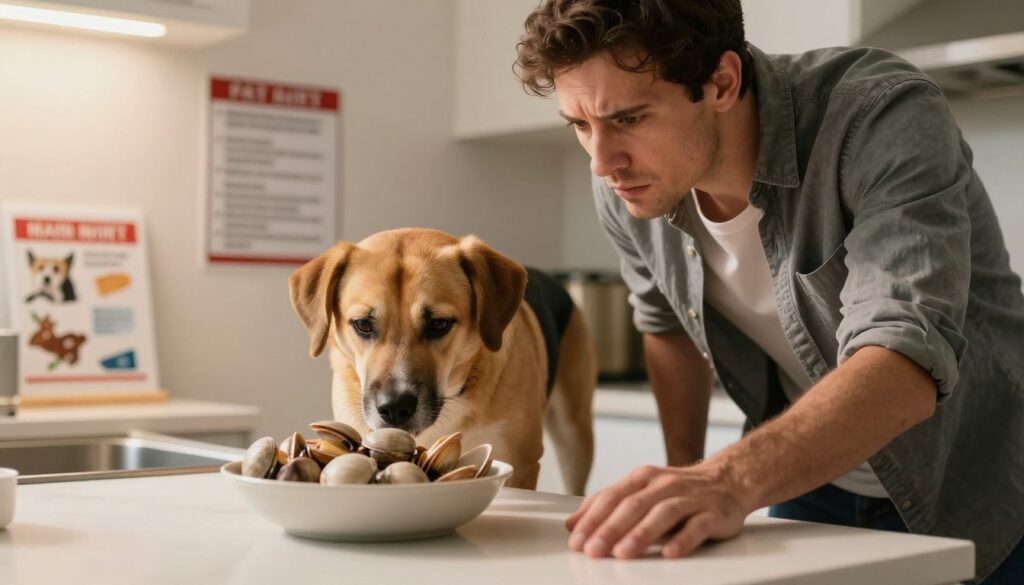
Clams filter feed, picking up harmful bacteria and viruses. Eating raw or undercooked shellfish can make your dog sick with Vibrio. Symptoms include vomiting, diarrhea, and feeling very tired, needing vet help fast.
Heavy Metal Toxicity Concerns
Where clams are found is also a worry. They can pick up heavy metals like mercury or lead. These can harm your dog’s organs and nervous system over time.
Choking Hazards and Shell Fragments
The clam’s shell is a big danger. Never give your dog the shell, as it can block their intestines or hurt their teeth and gums. Even tiny shell pieces can cause serious harm inside your dog.
| Risk Factor | Potential Consequence | Prevention Strategy |
|---|---|---|
| Bacterial Load | Severe gastrointestinal illness | Cook thoroughly to 145°F |
| Heavy Metals | Organ damage or toxicity | Source from clean, regulated waters |
| Shell Fragments | Choking or internal injury | Remove all shells before serving |
Knowing how dogs and clams relate is key for pet owners. By focusing on safety and right preparation, you can avoid these dangers. Always talk to your vet about your dog’s diet.
Identifying Safe Clams for Dogs
Finding safe clams for dogs is easy if you know what to look for. Your pet depends on you for their food. So, it’s important to check the quality of their meals.
By focusing on where and how the clams are sourced, you can make sure your pet eats well. This way, they get a healthy treat without any risks.
Wild-Caught Versus Farm-Raised
When looking for the best clams for dogs, you’ll find wild-caught and farm-raised options. Wild-caught clams might have more pollutants from the ocean. Farm-raised clams are grown in controlled places, which could be safer.
Make sure the clams come from trusted suppliers. Good suppliers are open about how they harvest. Choosing products with clean water standards keeps your pet safe.
Avoiding Canned Clams with Additives
While canned clams are convenient, they can be risky. They often have sodium, preservatives, or flavor enhancers like garlic and onion powder. These are bad for dogs and should be avoided.
Always check the ingredient list before buying. If it just says “clams” or “clams and water,” it’s safer. Stay away from products with added salt or seasonings, as they can harm your dog.
Freshness Indicators to Look For
When buying fresh, live clams, look for signs of freshness. A good clam has a tightly closed shell or closes fast when tapped. If it stays open, it’s dead and should be thrown away.
Also, trust your nose. Fresh clams smell like the ocean, not strong or fishy. A bad smell means the clams are not fresh and not good for your dog.
How to Prepare Clams for Your Dog
Sharing seafood with your dog is exciting, but preparation is key. Knowing the do’s and don’ts of feeding clams to dogs helps you give a healthy treat. It’s important to handle clams safely in your kitchen.
Proper Cleaning and De-gritting Techniques
First, clean the clams well to remove sand or grit. Sand can be very abrasive and might upset your dog’s stomach. Use a stiff brush to scrub the shells under cold water.
Soak the clams in cold, salted water for thirty minutes. This helps them get rid of sand. Throw away any clams that don’t close after soaking, as they might not be fresh.
Steaming and Boiling Methods
Cooking is essential to kill harmful bacteria in raw shellfish. Steaming or boiling is the best way to do this. These methods cook the meat well without losing its nutrients.
Don’t add oils, fats, or seasonings when cooking. Use plain water or steam for a healthy snack. When the shells open, the clams are cooked and ready.
Removing Shells Before Serving
The last step is to check the meat carefully. Make sure to remove all shell pieces before giving it to your dog. Even small shell pieces can be dangerous.
After removing the meat, check it again for any shell bits. Only serve the clean, cooked clam meat. Let it cool down to room temperature before serving it to your dog.
Signs of Allergic Reactions or Digestive Distress
When you add new seafood to your pet’s diet, watch for reactions. Even with the health benefits of clams for dogs, pets can react differently. Keeping an eye out helps catch problems early.
Common Symptoms of Food Sensitivities
Food sensitivities can show up as skin issues or changes in behavior. A mild allergy might make your dog scratch more or have red, inflamed skin.
- Persistent itching or biting at paws.
- Development of hives or localized swelling.
- Redness around the ears or eyes.
- Unexplained restlessness or irritability.
Recognizing Gastrointestinal Upset
Digestive issues can also be a sign that a food doesn’t agree with your pet. Even with the health benefits of clams for dogs, some struggle with the protein or minerals in shellfish.
Look for these signs of stomach upset after eating:
- Frequent vomiting or dry heaving.
- Loose stools or diarrhea.
- Noticeable loss of appetite.
- Abdominal pain, often shown by a hunched posture.
When to Seek Emergency Veterinary Care
In rare cases, a dog might have a severe allergic reaction called anaphylaxis. If you see signs of trouble breathing or sudden collapse, get to the vet fast. Prompt action is key to keep your dog safe.
Call your emergency vet right away if you see:
- Difficulty breathing or wheezing.
- Swelling of the face, tongue, or throat.
- Sudden lethargy or inability to stand.
- Pale or blue-tinted gums.
Always have your vet’s number ready when trying new foods. Being ready helps keep your dog’s health first while exploring the health benefits of clams for dogs.
Clam Consumption for Dogs: Serving Sizes and Frequency
Adding seafood to your dog’s diet needs careful planning. Knowing the right clam consumption for dogs is key. It helps keep your pet healthy and happy.
Start with small portions to avoid weight gain or stomach problems. This way, your dog gets a tasty treat without harm.
Determining Appropriate Portion Sizes
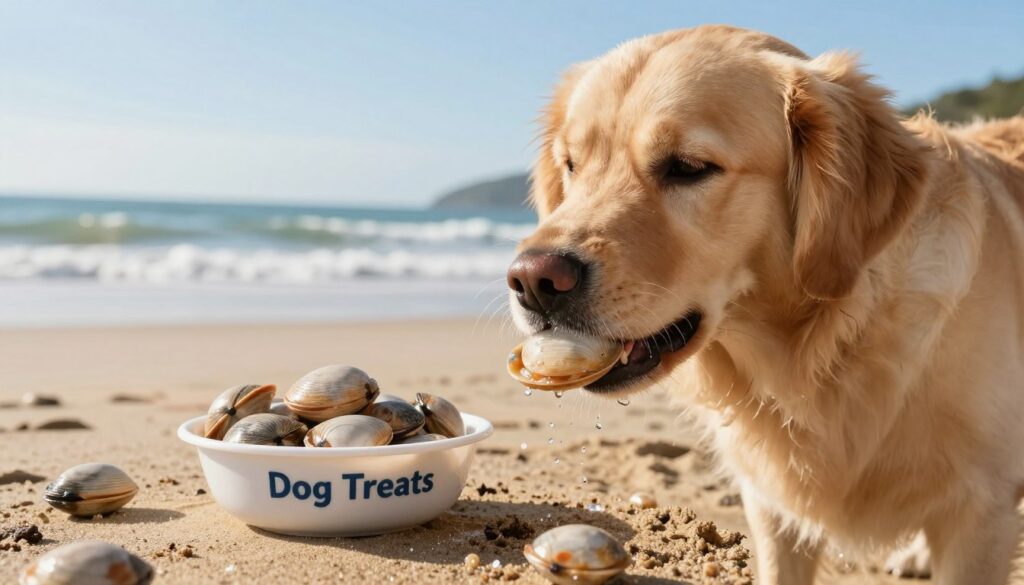
To keep your dog healthy, follow the ten percent rule. Treats should not make up more than ten percent of their daily calories. Adjust the amount based on your dog’s size, breed, and how active they are.
| Dog Size | Daily Clam Limit | Frequency |
|---|---|---|
| Small (Under 20 lbs) | 1/2 small clam | Once weekly |
| Medium (20-50 lbs) | 1 small clam | Once weekly |
| Large (Over 50 lbs) | 2 small clams | Once weekly |
Establishing a Safe Feeding Schedule
Be consistent when introducing new foods to your pet. Start with a tiny piece to watch for any bad reactions. If your dog does well, add it to their diet on a consistent, infrequent basis.
- Start with a trial portion to check for sensitivities.
- Limit intake to once per week to prevent over-consumption.
- Always monitor your dog for at least 24 hours after the first serving.
Treats Versus Meal Replacements
Remember, clams are for special treats, not everyday food. The best clams for dogs are those given as rewards or weekend snacks. Don’t use them to replace their regular meals.
Always prioritize a complete and balanced diet from your vet-approved kibble or wet food. Using clams as treats ensures your dog gets all the vitamins they need.
Foods to Avoid When Serving Clams
When you decide to share a meal with your pet, knowing what to exclude is just as vital as knowing what to include. While you may enjoy your seafood with various flavor enhancers, these additions can pose serious risks of feeding clams to dogs. Keeping your pet safe requires a strict focus on plain, unadorned preparation methods.
The Dangers of Garlic and Onions
Garlic, onions, leeks, and chives are members of the Allium family and are highly toxic to canines. Even in small amounts, these ingredients can damage your dog’s red blood cells, leading to anemia. You must ensure that any clam dish you prepare is completely free of these common kitchen aromatics.
Avoiding Butter, Salt, and Seasonings
Many human recipes rely on butter, salt, and heavy spices to improve flavor. However, these ingredients are dangerous for clam consumption for dogs. High fat content in butter can trigger painful pancreatitis, while excessive salt intake may lead to dangerous sodium poisoning or dehydration.
Why Cream-Based Sauces Are Harmful
Cream-based sauces often contain dairy, which many dogs struggle to digest properly. These rich sauces are also typically high in fat and hidden additives that provide no nutritional benefit to your pet. It is always best to serve clams plain to avoid unnecessary digestive distress.
| Ingredient | Primary Risk | Health Impact |
|---|---|---|
| Garlic/Onions | Toxicity | Red blood cell damage |
| Butter | High Fat | Pancreatitis |
| Salt | Sodium | Dehydration/Toxicity |
| Cream Sauces | Lactose/Fat | Gastrointestinal upset |
When to Consult Your Veterinarian
Understanding what your dog can eat is important. Before adding dogs and clams to their diet, talk to a vet. They know what’s best for your pet’s health.
Discussing Dietary Changes with Professionals
Talking to your vet about food changes is key. They can tell you if new foods are good for your dog. Ask about the food’s quality and how often to give it. Proactive dialogue can avoid problems.
“The best diet for a dog is one that is balanced, complete, and tailored to their specific life stage and health status.”
Managing Pre-existing Health Conditions
If your dog has health issues, new foods can be risky. Some health problems need special diets to stay under control. Think about these points when considering dogs and clams:
- Kidney health: High mineral content may impact dogs with renal issues.
- Allergy history: Previous reactions to seafood necessitate caution.
- Weight management: Caloric density must align with your dog’s activity level.
Individualized Nutritional Advice
A vet can give advice just for your dog. Every dog is unique, and what’s good for one might not be for another. Working with your vet ensures dogs and clams are good for your pet’s health.
Conclusion
Deciding if dogs can eat clams is about weighing the good against the bad. You can make your pet’s diet better by choosing quality seafood and cooking it right.
Being a good pet owner means more than just wondering. When you think about dogs and clams, think about how to keep them safe. This includes avoiding toxins and shell pieces.
Start with small amounts of new foods to see how your dog reacts. Watch them closely after they try something new to make sure they’re okay.
Your vet is the best person to ask about your dog’s diet. If you need advice, talk to local vets or brands like Purina or Royal Canin.
Sharing healthy treats can make your bond with your pet stronger. Always keep safety in mind to make sure every snack is good for your furry friend.