
What Can Dogs Not Eat? Safe Foods, Toxic Foods, and Raw Meat Facts
You look into those soulful eyes and want to share every snack from your kitchen. But, your furry friend’s body is very different from yours. Sharing a bite might seem loving, but some common foods are very dangerous.
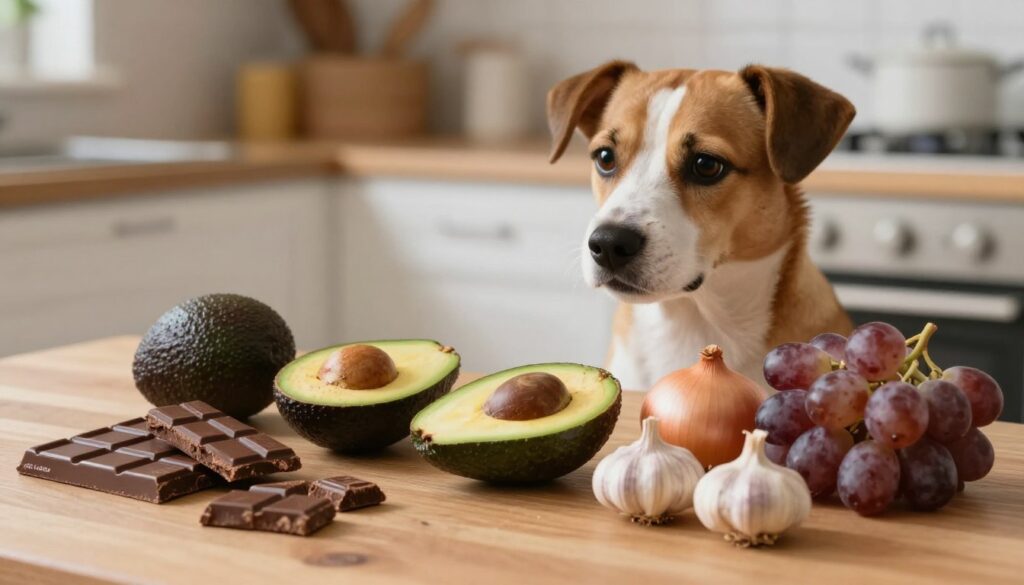
Things like chocolate, grapes, raisins, xylitol, onions, and garlic are poisonous foods for dogs that need caution. How bad a reaction is depends on the food, how much, your dog’s size, and their health.
Knowing toxic foods for dogs is key for any good owner. This guide will teach you about dangers, emergency care, and the risks of raw meat or bones. We’ll show you the safe treats for your pet and the dangers of others.
Table of Contents
What Can Dogs Not Eat? Understanding Food Safety Risks
Many common household items are actually dangerous foods for dogs. They might seem harmless to us, but dogs process nutrients differently. What’s a tasty treat for us can be very bad for them.
Why Dogs React Differently to Human Foods
Dogs have a unique metabolism that can’t break down some compounds. What’s safe for us can be toxic to them. Their livers and kidneys might not have the right enzymes to process these substances.
How Portion Size, Breed, Age, and Health Change the Risk
The risk of a reaction depends on several factors. A small amount of a toxic substance might not harm a large dog. But the same amount could be deadly for a smaller breed. You need to think about these factors when assessing risk:
- Body Weight: Smaller dogs reach toxic thresholds faster than larger ones.
- Age: Puppies and senior dogs have more sensitive digestive systems.
- Pre-existing Conditions: Dogs with kidney or liver disease are at higher risk of organ failure from toxic ingestion.
- Medications: Certain drugs can interact negatively with specific human foods.
Why “Natural” or “Healthy” Does Not Always Mean Safe
It’s a myth that natural foods are safe for pets. Many plant-based items found in nature are actually dangerous foods for dogs. For example, grapes and raisins can cause acute kidney failure in dogs, even in small amounts.
Also, certain wild mushrooms or common kitchen ingredients can be foods that are harmful to dogs. They might seem healthy for us, but they’re not safe for pets. Always check the safety of an ingredient before giving it to your pet. If unsure, it’s best to stick to vet-approved dog food to keep your pet healthy and safe.
Common Toxic Foods That Can Poison Your Dog
Keeping your dog safe means knowing what can dogs not eat in your kitchen. Many foods that people love can be deadly for pets, even a little bit. Knowing these toxic foods for dogs helps prevent emergencies.
Chocolate, Cocoa, and Caffeine
Chocolate and cocoa have methylxanthines, which can harm dogs. These substances can make a dog’s heart race, cause tremors, and lead to seizures. Darker chocolate and baking cocoa are more dangerous than milk chocolate.
Grapes, Raisins, and Foods Containing Them
Grapes and raisins can cause kidney damage in dogs. Even a small amount can make a dog very sick. Always check food labels for these fruits, as they’re often in baked goods.
Onions, Garlic, Chives, and Leeks
Onions, garlic, chives, and leeks are very dangerous for pets. They can damage a dog’s red blood cells, leading to anemia. This can happen whether the vegetables are raw, cooked, or in powder form.
Knowing which foods are poisonous is key to a long, healthy life for your dog. It’s the most important thing for pet owners.
Xylitol and Other Hidden Sweeteners
Xylitol is a sugar substitute in many products, like gum and peanut butter. It can cause a dog’s blood sugar to drop very quickly. This can lead to liver failure and is very dangerous.
Alcohol, Cannabis, and Highly Caffeinated Products
Alcohol and cannabis are very toxic to dogs and can harm their brain and nervous system. Caffeinated items, like energy drinks, can also be dangerous. Keep these substances away from pets.
| Substance | Primary Risk | Severity |
|---|---|---|
| Chocolate | Methylxanthine poisoning | High |
| Grapes/Raisins | Acute kidney failure | Critical |
| Onions/Garlic | Red blood cell damage | Moderate to High |
| Xylitol | Severe hypoglycemia | Critical |
Knowing what can dogs not eat is crucial for every owner. By removing these toxic foods for dogs from your home, you make a safer place for your pet.
Dangerous Foods That Can Cause Serious Illness
Not all foods that are bad for dogs are poisonous. But they can still be very dangerous. Some foods cause quick poisoning, while others can block or inflame the inside of the body. Knowing these dangers is key to keeping your pet safe.
Macadamia Nuts and Certain Other Nuts
Macadamia nuts are very dangerous for dogs. Even a little can make them weak, shake, and get too hot. Also, avoid walnuts and pecans because they can have mold that harms the brain.
Fatty Scraps, Greasy Foods, and Pancreatitis Risk
Feeding dogs fatty foods might seem okay, but it’s not. It can cause pancreatitis, which is very painful and needs quick medical help. Foods high in fat are especially bad because they upset the stomach a lot.
Cooked Bones, Corn Cobs, and Other Choking Hazards
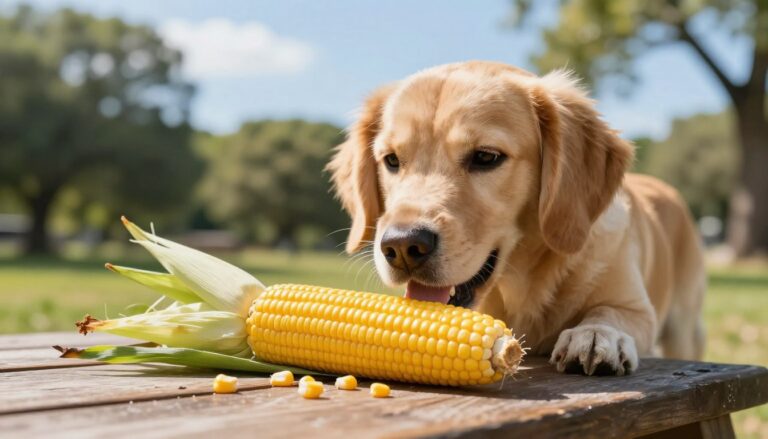
Never give dogs cooked bones because they break easily. These sharp pieces can hurt the stomach or intestines. Corn cobs are also very dangerous because they can block the body and need surgery to fix.
Raw Yeast Dough and Expanding Food in the Stomach
Raw yeast dough is a big risk because it grows fast in a dog’s stomach. As it grows, it makes alcohol, which is poisonous. This is a serious emergency because of the danger of the food expanding and the alcohol it makes.
Salty Foods, Excessive Sugar, and Artificially Sweetened Products
Salty snacks can make dogs very thirsty and even poison them with too much salt. Too much sugar can make dogs fat and sick with diabetes. Artificial sweeteners like xylitol are very bad. Always check food labels to avoid these harmful foods for dogs.
Why Moldy Food and Compost Can Be Especially Dangerous
Compost and moldy food have tremorgenic mycotoxins that are very bad. These toxins can make dogs shake a lot, have seizures, and get too hot. Keep trash and compost bins locked to stop dogs from eating them.
| Food Item | Primary Risk | Severity |
|---|---|---|
| Cooked Bones | Internal Puncture | High |
| Macadamia Nuts | Neurological Issues | Moderate |
| Fatty Scraps | Pancreatitis | High |
| Moldy Compost | Seizures/Tremors | Critical |
What to Do If Your Dog Eats a Toxic Food
If your dog eats something they shouldn’t, act fast and know what to do. It’s easy to panic, but staying calm is key for your pet’s safety. Knowing what dogs can’t eat helps prevent problems, but knowing how to react in an emergency is just as important.
Immediate Actions to Take at Home
Right away, take away any bad food from your dog. Lock the area so other pets can’t get to it. If you can, save the packaging or a piece of the item for your vet.
Information to Gather Before Calling for Help
Before calling for help, get as much info as you can. Vets need details to figure out the risk of poisonous foods for dogs. Having this info ready helps them act faster.
- The exact name of the product or ingredient ingested.
- An estimate of how much was consumed.
- The approximate time that has passed since ingestion.
- Your dog’s current weight and any visible symptoms.
When to Contact Your Veterinarian or Pet Poison Helpline
If your dog eats something toxic, don’t wait for symptoms. Call your vet or a pet poison control center right away. They can tell you how bad it is based on your dog’s size and what they ate.
“Time is often the most critical factor in successful treatment for toxic ingestion. Early intervention can prevent a minor incident from becoming a life-threatening emergency.”
Why You Should Not Induce Vomiting Without Professional Advice
Many owners want to make their dog vomit, but don’t do it without a vet’s say-so. Vomiting can be risky if your dog swallowed something sharp, a chemical, or oil. It can hurt their insides or cause pneumonia.
Emergency Symptoms That Require Immediate Veterinary Care
Keep an eye on your dog for signs of trouble. If you see any of these, get to the vet fast:
| Symptom Category | Specific Warning Signs | Urgency Level |
|---|---|---|
| Neurological | Seizures, tremors, or extreme lethargy | Critical |
| Gastrointestinal | Persistent vomiting or bloody diarrhea | High |
| Physical | Difficulty breathing or pale gums | Immediate |
Save your vet’s number and an emergency clinic’s in your phone. Being ready helps you handle poisonous foods for dogs with confidence. Always call for expert advice on what can dogs not eat to keep your pet safe.
Raw Meat Facts: Is Raw Meat Safe for Dogs?
Feeding your dog raw meat has both benefits and risks. Some owners think it’s like their ancestors ate. But, it’s crucial to know that raw meat can be dangerous for dogs if not handled right.
Potential Nutritional Benefits and Limitations
Some say raw meat makes dogs’ coats better and gives them more energy. But, these claims are mostly based on personal experiences and lack scientific proof.
It’s hard to make sure your dog gets all the nutrients they need with raw meat. Without expert advice, you might miss out on important vitamins and minerals. This could harm your dog’s health over time.
Salmonella, Listeria, E. coli, and Other Bacterial Risks
Raw meat can carry harmful bacteria like Salmonella, Listeria, and E. coli. Even if the meat looks and smells fine, it might still have these dangerous germs.
These germs can upset your dog’s stomach. Some dogs might not show symptoms right away. But, they can still spread the bacteria in their poop, making your home unsafe.
Parasites and Contaminated Raw Animal Products
Raw meat also has parasites that you can’t see. These can make your dog very sick and upset their stomach.
Parasites are often in raw meat and organs. So, it’s very important to treat these as dangerous foods for dogs. You need to be very careful when preparing and storing them.
Why Raw Meat Can Also Expose People in Your Household
Raw feeding isn’t just a risk for dogs. It can also make people in your home sick. Handling raw meat can spread germs all over your kitchen.
This is especially worrying for kids, pregnant women, and people with weak immune systems. Here’s a table that shows why raw meat diets are risky.
| Risk Factor | Potential Impact | Mitigation Strategy |
|---|---|---|
| Bacterial Load | Severe food poisoning | Strict sanitation protocols |
| Parasitic Infection | Digestive health issues | Veterinary screening |
| Nutritional Imbalance | Developmental deficiencies | Professional formulation |
| Human Exposure | Zoonotic disease transmission | Hand washing and isolation |
Raw Bones, Cooked Bones, and Other Animal Parts
Dogs love to chew, but not all things are safe for them. Many people think any animal product is good, but some can harm your dog. It’s important to know the difference between safe chew toys and harmful ones.

Why Cooked Bones Can Splinter and Cause Internal Injuries
Don’t give your dog cooked bones from your meals. Cooked bones are dry and can break into sharp pieces. These pieces can hurt your dog’s mouth, throat, or stomach.
These sharp bits can cause serious problems like blockages in the intestines. This might need surgery. Cooked bones are not poisonous, but they can be very dangerous.
Risks Associated With Raw Bones
Raw bones seem safer, but they have risks too. They can damage your dog’s teeth, especially if they chew a lot. Raw bones also have bacteria like Salmonella or E. coli.
These bacteria can make your dog sick or spread to your home. Big pieces of bone can also choke your dog or cause constipation and blockages.
Organ Meat, Fat Trimmings, and Unbalanced Homemade Diets
Too much organ meat or fat can harm your dog. It’s not toxic, but high-fat foods can cause pancreatitis. This is a painful condition that needs quick vet care.
Homemade diets can be unbalanced and weaken your dog’s immune system. Always talk to a vet before making your dog’s food. This way, you avoid giving them harmful nutrients.
Safer Chewing Alternatives and Veterinary Guidance
Choose safe toys like rubber ones or dental chews made for dogs. These keep your pet happy and safe without the dangers of bones.
| Item Type | Safety Level | Primary Risk |
|---|---|---|
| Cooked Bones | High Danger | Splintering and Punctures |
| Raw Bones | Moderate Risk | Bacteria and Teeth Damage |
| Rubber Chews | Safe | Choking (if wrong size) |
| Fat Trimmings | High Danger | Pancreatitis |
Talk to your vet about the best chew toys for your dog. They know what’s safe based on your dog’s age, breed, and dental health.
Safe Human Foods You Can Offer Your Dog
It’s important to know what foods are bad for dogs. But, you don’t have to keep all human food away from them. Many healthy foods from your kitchen can be great treats for your dog. Just pick the right ones to keep your dog safe and happy.
Plain Lean Proteins Such as Cooked Chicken and Turkey
Lean proteins are good for your dog’s diet. Always give chicken or turkey plain and fully cooked. Make sure there’s no oil, butter, or seasonings, as they can upset their stomach.
Dog-Safe Fruits Including Apples, Blueberries, and Bananas
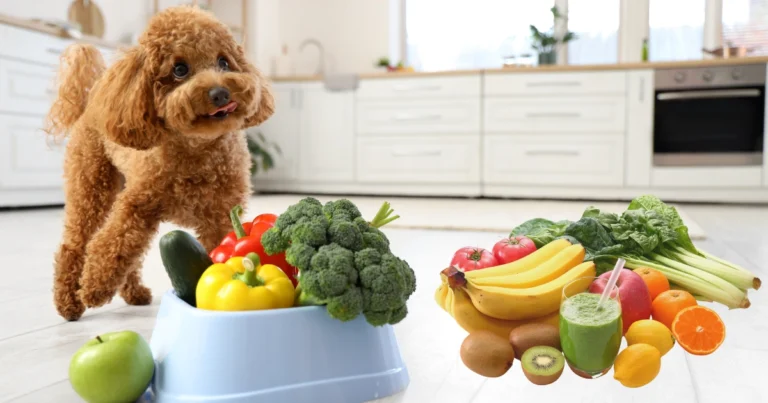
Fruits are a sweet, vitamin-rich snack dogs love. Apples, blueberries, and bananas are safe in small amounts. Always wash fresh fruit thoroughly to remove pesticides.
Vegetables Such as Carrots, Green Beans, and Pumpkin
Vegetables are low in calories and high in fiber. They’re great for training rewards. Carrots, green beans, and plain canned pumpkin are good choices. But, avoid canned veggies with salt or garlic, as they’re foods that are harmful to dogs.
Plain Rice, Oatmeal, and Other Simple Carbohydrates
Simple carbs like plain white rice or cooked oatmeal can soothe a dog’s stomach. Serve them in small amounts and without butter, milk, or sugar. They’re best as a bland meal base, not a daily snack.
How to Remove Seeds, Pits, Stems, Skin, and Seasonings
Preparation is key to keeping your dog safe. Remove all apple seeds and fruit pits to avoid choking hazards or toxins. Always peel thick skins and remove stems before serving fruits or vegetables for easy digestion.
| Food Item | Preparation Method | Serving Tip |
|---|---|---|
| Chicken/Turkey | Boiled or baked | Remove all skin and bones |
| Apples | Sliced | Remove core and seeds |
| Green Beans | Steamed or raw | No salt or butter added |
| Pumpkin | Pureed | Use plain, not pie filling |
How to Serve Safe Foods Without Creating New Problems
Even healthy snacks can be dangerous foods for dogs if not served carefully. Many human foods are nutritious, but how you prepare and portion them matters. This determines if they are safe or harmful.
Keep Treats and Table Foods Within a Sensible Calorie Limit
Vets say treats and table scraps should not make up more than 10% of your dog’s daily calories. Eating too much can cause weight gain and obesity. This extra weight stresses your pet’s joints and organs. Always consider these extra calories when feeding their main meals.
Introduce New Foods Gradually
Start with a small amount of new, safe food. This helps you see how your dog’s stomach reacts. Sudden dietary changes can upset their stomach, even if the food is not toxic.
Avoid Salt, Butter, Oils, Sauces, and Spices
Many human kitchen ingredients are dangerous foods for dogs. Salt, garlic powder, onion powder, and heavy fats can cause serious health issues like pancreatitis or sodium poisoning. Always give fruits, vegetables, and proteins plain, cooked, or raw without seasonings.
Adjust Portions for Small Dogs, Puppies, and Senior Dogs
Size and age affect how your dog eats food. What’s right for a big dog might be too much for a small puppy or older dog. Use the table below for safe serving sizes.
| Dog Size/Life Stage | Portion Strategy | Frequency |
|---|---|---|
| Small Breed | Tiny, bite-sized pieces | Occasional |
| Puppy | Very limited, soft textures | Rarely |
| Senior Dog | Low-fat, easy to digest | Strictly monitored |
Signs That a “Safe” Food Is Not Agreeing With Your Dog
Even safe foods can upset your dog’s stomach. Look out for vomiting, diarrhea, excessive gas, or persistent itching after trying something new. If your dog’s appetite or energy changes suddenly, stop the food and talk to your vet. This ensures you’re not giving dangerous foods for dogs.
Foods That May Be Safe for Some Dogs but Not Others
Some foods are clearly bad for dogs, but others are not so clear. Your dog’s health, age, and breed affect how they react to different foods. What’s safe for one dog might harm another.
Dairy Products and Lactose Sensitivity
Many dogs can’t digest dairy well because they lack lactase. A little plain yogurt might be okay for some, but others might get sick. Always watch your pet for signs like gas, bloating, or diarrhea after dairy.
Peanut Butter and the Need to Check for Xylitol
Peanut butter is a favorite treat, but check the label. Many brands have xylitol, a sweetener that’s very bad for pets. Even a little can cause serious problems, making it a hidden danger.
“Always check the ingredient list on every jar of peanut butter. If it contains xylitol, keep it far away from your dog’s reach.”
Eggs, Fish, and Other Protein-Rich Foods
Cooked eggs and fish are good for dogs. But raw versions can have Salmonella. Make sure they’re cooked well and served without oils or heavy seasonings.
Peaches, Plums, Cherries, and Other Fruits With Pits
Fruit flesh is usually okay, but the pits are not. They can block your dog’s intestines. Also, peach, plum, and cherry pits have cyanogenic compounds that are toxic.
When Allergies, Obesity, Diabetes, or Pancreatitis Change the Rules
Health issues like pancreatitis or diabetes change what your dog can eat. Dogs with pancreatitis should avoid fatty foods. Diabetic dogs need careful sugar and carb control. Always talk to your vet before trying new foods.
| Food Item | Potential Risk | Safety Level |
|---|---|---|
| Dairy | Lactose intolerance | Low to Moderate |
| Peanut Butter | Xylitol toxicity | High (if sweetened) |
| Fruit Pits | Obstruction/Cyanide | Very High |
| Fatty Scraps | Pancreatitis | High |
How to Prevent Accidental Poisoning in Your Home
Keeping your pet safe from harmful items is crucial. By securing your home, you can lower the risk of your dog eating foods that are harmful to dogs.
Store Toxic Foods in Closed Cabinets and Secure Containers
Many foods in your pantry can harm pets. Keep chocolate, onions, and macadamia nuts in high, locked cabinets. This way, your dog can’t get to them.
Use airtight, chew-proof containers for all human food. This stops curious dogs from finding snacks in bags or boxes.
Keep Trash, Compost, and Countertops Out of Reach
Trash cans often have toxic scraps for pets. Get heavy-duty, locking trash bins to keep your dog out.
Clear countertops of food, especially when you’re not there. Even a little leftover grease or a stray grape can harm your dog.
Teach Children and Visitors Which Foods Are Dangerous for Dogs
Guests and kids might not know sharing snacks is risky. Tell them poisonous foods for dogs are off-limits.
Put a list of forbidden foods on your fridge. This helps everyone remember to keep pets safe.
Read Ingredient Labels on Candy, Baked Goods, and Supplements
Ingredients like xylitol are in sugar-free gum, peanut butter, and baked goods. Always carefully inspect labels for artificial sweeteners before bringing them home.
These substances might have different names on packaging. If unsure, it’s best to keep the item away from your pet.
Prepare a Pet Emergency Contact List Before an Accident Happens
Being ready for emergencies is important. Keep your vet’s number, the nearest 24-hour clinic, and a pet poison hotline handy.
Having this info ready saves precious time in an emergency. Being prepared means you can act fast if your dog eats something dangerous.
Building a Balanced Diet Beyond Snacks and Table Scraps
Treats are fun, but your dog’s health needs a solid base. Most dog foods are made to give all the nutrients your pet needs. These foods ensure your dog gets the right mix of proteins, fats, and vitamins every day.
Why Complete and Balanced Dog Food Should Provide the Foundation
A good, commercial diet is key to your dog’s health. These foods are tested to meet strict nutritional standards. Choosing a trusted brand means you don’t have to worry about mixing the right nutrients at home.
How Treats Fit Into Your Dog’s Daily Nutrition
Treats should not be more than ten percent of your dog’s daily calories. Overfeeding can cause obesity and health issues. Always remember, many human snacks are bad for pets.
Risks of Homemade and Raw Diets Without Veterinary Formulation
Homemade meals can be great, but they’re risky if not done right. They often lack calcium, trace minerals, and the right energy balance. Without a vet’s help, you might feed your pet toxic foods for dogs or cause serious health problems.
When to Ask a Board-Certified Veterinary Nutritionist for Help
Get expert advice if your dog has health issues like allergies or diabetes. A vet nutritionist can make a customized meal plan for your dog. This is crucial if you’re cooking meals at home, to make sure they’re safe and complete.
Conclusion
Keeping your dog healthy means watching what they eat closely. You are the key to protecting them from harmful foods. These foods can cause serious health problems.
Make sure your dog eats a complete, balanced diet every day. Choose simple, plain treats that are good for them. Avoid treats that could harm them.
Chocolate, grapes, raisins, xylitol, onions, garlic, and alcohol are all dangers. So are unsafe bones and moldy food. These can hurt your dog’s insides or make them very sick.
Raw meat and bones are risky because of bacteria and nutrition issues. If your dog eats something bad, call your vet or a pet poison hotline right away.
Keep your home safe by closing trash bins and keeping food out of reach. This helps keep your dog happy and healthy for a long time.