Can Dogs Eat Carrots Safe Treats for Your Furry Friend
You look into those soulful eyes and only want the best for your loyal companion. Finding nutritious snacks that keep your pet happy and thriving is a top priority for every loving owner. You might wonder if common garden vegetables are a smart choice for your household.
The good news is that many people choose this crunchy orange root as one of the most healthy treats for dogs. These snacks offer a wonderful boost of fiber and beta-carotene without adding unnecessary weight. However, knowing how to prepare them properly is vital to ensure your pet stays safe.
While these vegetables are generally safe, improper sizing creates a choking hazard for smaller animals. We will explore the best ways to serve these snacks, the nutritional advantages, and important veterinary advice. Understanding if can dogs eat carrots safely will help you provide a delicious reward that supports their long-term wellness.
Table of Contents
Can Dogs Eat Carrots?
Is it okay to give your dog carrots? The answer is yes, they are safe for most dogs. They are a healthy, low-calorie snack that can help bond with your pet.
Why Carrots Are Generally Safe for Dogs
Carrots are full of vitamins and minerals that are good for your dog’s health. They are sweet and crunchy, making them a tasty treat for dogs. Plus, they don’t have any bad stuff like added sugars or artificial ingredients.
“The best treats are those that provide nutritional value while keeping your dog happy and engaged during training sessions.”
When Carrots Should Be an Occasional Treat
Carrots are great for dogs, but only in small amounts. Eating too many can upset their stomach or make them gain weight. Treat them as a special snack, not a main meal.
How Carrots Fit Into a Balanced Canine Diet
Carrots should not be the only thing your dog eats. They need a balanced diet with the right mix of proteins, fats, and nutrients. By giving them carrots in moderation, you can add a healthy treat to their diet. Always watch how your dog reacts to new foods to make sure they’re okay.
Benefits of Carrots for Dogs
Carrots are packed with nutrients that can boost your dog’s health. Adding them to your pet’s diet can bring many benefits. These benefits support your dog’s overall health and well-being.
Important Vitamins and Minerals
Carrots are rich in beta-carotene, which turns into vitamin A in our bodies. Vitamin A is key for healthy vision, skin, and a strong immune system in dogs.
Carrots also offer potassium and vitamin K. These minerals help your dog’s muscles and nerves work their best every day.
Fiber for Digestion and Satiety
The fiber in carrots helps with regular bowel movements. Adding a bit to your dog’s meals keeps their digestive system running smoothly.
Fiber also makes your dog feel fuller for longer. But, introduce it slowly to avoid stomach upset or gas.
Low-Calorie Support for Healthy Weight Management
Carrots are a great way to reward your pet without adding extra weight. They are low in calories, making them a smart alternative to high-fat treats.
Using carrots as a snack helps keep your dog’s weight in check. They provide a satisfying crunch while keeping calories in a healthy range.
Crunchy Texture and Dental Health Limitations
The crunchy texture of raw carrots can be fun for your dog. Many pets enjoy the satisfying chew.
But, remember that carrots can’t replace dental care. They don’t replace brushing, vet cleanings, or treatments for oral disease. Always prioritize professional dental care for your dog’s teeth and gums.
Are Carrots Safe for Dogs in Every Form?
Adding vegetables to your pet’s diet can be a good idea. But, are carrots safe for dogs in all forms? While carrots are healthy, how you serve them matters a lot for your dog’s safety and digestion.
Raw Carrots and Choking Concerns
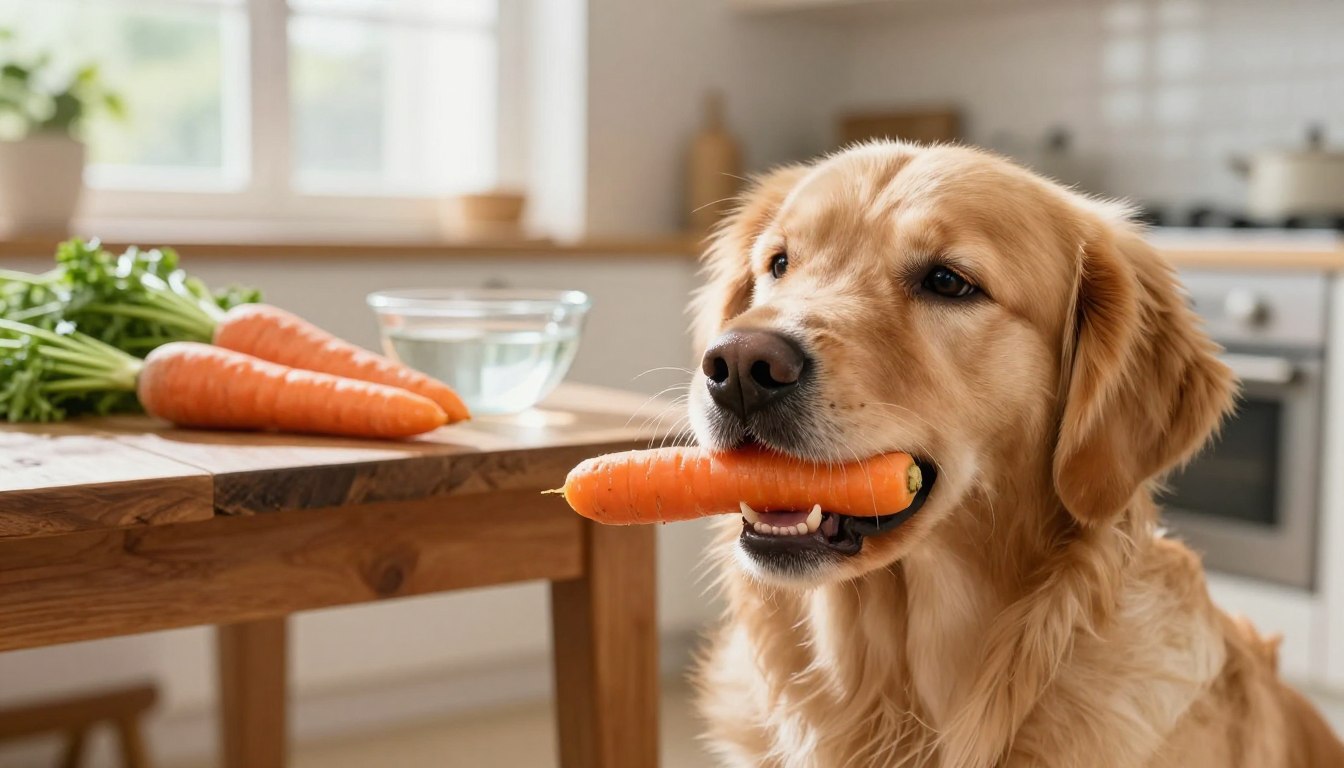
Raw carrots are a hit with many dogs because of their crunchy texture. But, large, solid chunks can be a choking hazard, especially for small dogs. Always watch your pet when giving them raw carrots to make sure they chew them properly.
Cooked Carrots, Canned Carrots, and Frozen Pieces
Cooking carrots makes them softer, which is better for older dogs or those with dental problems. Cooked or canned carrots are usually safe for dogs, as long as they don’t have harmful additives. Frozen carrot slices can be a cool treat for dogs in hot weather, but watch out for big chunks.
Seasonings and Ingredients to Avoid
Plain carrots are good, but be careful with store-bought or pre-made ones. Many products have toxic or unhealthy ingredients for dogs. Always read labels before sharing any vegetable dish with your dog.
Onions, Garlic, and Excessive Salt
Don’t give your dog carrots cooked with onions or garlic. These are highly toxic and can harm your dog’s health. Also, avoid canned carrots with too much salt, as it can cause dehydration and other problems.
Butter, Sugary Glazes, and Spicy Sauces
Human food often has fats and sugars that dogs shouldn’t eat. To keep your dog healthy, avoid these:
- Butter or oils: They can upset your dog’s stomach or cause pancreatitis.
- Sugary glazes: Too much sugar can make your dog gain weight and harm their teeth.
- Spicy sauces: They can irritate your dog’s stomach and mouth.
Stick to plain, simple carrots to give your dog the benefits without the risks of human food additives.
How to Choose and Prepare Carrots for Your Dog
When you decide to start feeding carrots to dogs, the preparation is key. A few extra steps can make sure your pet gets a healthy snack safely.

Washing and Inspecting Fresh Carrots
Start by washing fresh carrots under cool water. This removes dirt, pesticides, or debris. Check for soft spots, mold, or damage and trim those parts away. Only give your dog firm, fresh produce for the best quality and safety.
Cutting Carrots Into Safer Bite-Sized Pieces
Carrot pieces should fit your dog’s mouth and chewing ability. Whole carrots can be a choking hazard, especially for gulpers. Cutting them into appropriate bite-sized chunks helps your pet eat safely and at their own pace.
Steaming or Boiling Carrots for Easier Chewing
If your dog has dental issues or prefers soft food, steam or boil carrots. This makes them easier to chew and digest. Remember, avoid adding any seasonings, oils, or salts, as they can harm your dog.
Preparing Carrot Sticks, Shreds, and Purees
For dogs with trouble chewing firm pieces, try different preparations. Shredding raw carrots over their meal adds crunch without risk. Or, plain carrot puree is great for senior dogs or those with sensitive teeth, offering nutrition in a gentle form.
How Many Carrots Can Your Dog Eat?
When you start feeding carrots to dogs, think about how much to give. Healthy veggies should be introduced slowly. This helps your pet get used to them.
Start with a small amount to watch for any signs of upset. Look for changes in stool, appetite, or digestion.
Start With a Small Portion
Give a tiny piece first to see your dog’s reaction. If they like it and don’t get sick, you can give more. Consistency is key when adding new foods to their diet.
Serving Guidance by Dog Size
The right amount depends on your dog’s size and needs. Here are some guidelines to start with safely.
Small Dogs and Toy Breeds
Toy breeds need just a thin slice or tiny baby carrot. Their small stomachs can’t handle too much fiber.
Medium Dogs
Medium dogs can have one or two baby carrots or small slices. Make sure the pieces are safe from choking.
Large and Giant-Breed Dogs
Larger dogs might enjoy half a carrot or a few baby carrots. But, always keep it in moderation to avoid stomach problems.
| Dog Size | Recommended Serving | Frequency |
|---|---|---|
| Toy/Small | 1-2 thin slices | Daily |
| Medium | 1-2 baby carrots | Daily |
| Large/Giant | 3-4 baby carrots | Daily |
Keeping Treats Within the Daily Calorie Budget
Vets say treats should be no more than 10% of your dog’s daily calories. Carrots are low in calories but still count. Remember them when planning your dog’s meals.
Adjusting Portions for Frequent Treats
If you’re using carrots for training, use small pieces. This prevents overfeeding. Also, cut back on regular kibble if your dog has had many treats.
Safe Ways to Include Carrots in Your Dog’s Diet
Adding fresh veggies to your dog’s diet is easy and good for them. Healthy treats for dogs give extra nutrients without too many calories.

Using Carrots as Training Rewards
Raw carrot pieces are great for training. They’re crunchy and keep dogs focused. Make sure the pieces are small to avoid choking, especially for small dogs.
Mixing Carrots With Regular Dog Food
Carrots should be a supplement, not a meal replacement. Mix chopped carrots into their kibble for extra texture and taste. This way, your dog gets all the nutrients they need.
Freezing Carrot Pieces for Warm-Weather Enrichment
Frozen carrot chunks are perfect for hot days. They’re refreshing and keep your dog’s gums cool. Always watch your pet while they eat these treats to prevent choking.
Adding Plain Carrot Puree to Homemade Treats
Carrot puree is great for homemade dog treats. Steam carrots, then blend them into a smooth mix. Use this with dog-safe ingredients to make healthy snacks.
Supervising Your Dog While Eating Vegetables
Always watch your dog when they eat new foods. Some dogs eat too fast, which can be dangerous. Keep an eye on your dog to make sure they chew their food well.
| Method | Best For | Key Benefit |
|---|---|---|
| Raw Chunks | Training | Low-calorie reward |
| Mixed in Kibble | Daily Meals | Added fiber and texture |
| Frozen Pieces | Enrichment | Cooling and dental stimulation |
| Puree | Homemade Treats | Easy digestion and flavor |
Feeding Carrots to Puppies, Seniors, and Dogs With Health Conditions
Knowing what your pet needs is key when feeding carrots to dogs. Each life stage has different needs. Your approach to treats should change to keep your pet safe and happy.
Introducing Carrots to Puppies
Puppies love to explore with their mouths. Start with tiny, soft pieces to avoid choking.
Because their digestive systems are still growing, give them only a little. Always watch your puppy when they try something new to make sure they like it.
Making Carrots Easier for Senior Dogs to Chew
Older dogs might have sensitive teeth or lose teeth. Raw carrots can be hard for them to chew.
Here are some ways to make carrots easier:
- Steam or boil carrots until they’re soft.
- Make a smooth puree to mix into their food.
- Give them thin, easy-to-chew slices.
Considerations for Dogs With Diabetes or Weight Concerns
Carrots have natural sugars, which can affect pets with diabetes or obesity. Make sure to count these treats in their daily calories.
Talking to your vet is important. They can tell you if dogs eating vegetables like carrots is okay for your pet. Keeping things consistent helps with blood sugar and weight.
Extra Caution for Dogs With Digestive or Dental Problems
Dogs with sensitive stomachs might not do well with raw veggies. Start with tiny amounts to see how they react.
Dogs with bad teeth should avoid hard foods. Soft, cooked options are safer and won’t hurt their teeth or gums.
When to Ask Your Veterinarian Before Feeding Carrots
If your pet has ongoing health issues, get advice from your vet. Before feeding carrots to dogs with health problems, ask your vet for guidance.
Your vet can give advice based on your dog’s health. When dogs eating vegetables is part of their diet, your vet will make sure it doesn’t harm their treatment or meds.
Possible Risks and Signs of a Problem
Carrots are usually good for pets, but it’s important to know the risks. Whether are carrots safe for dogs depends on how much you give, the carrot’s texture, and your dog’s health history.
Choking, Gagging, or Trouble Swallowing
Raw carrots can be a choking hazard. They are hard and crunchy, which can get stuck in a dog’s throat if not chewed right.
If your dog gagging, coughing, or having trouble swallowing after eating a carrot, act fast. Always cut veggies into small, easy-to-chew pieces to avoid this risk.
Gas, Loose Stool, Vomiting, or Other Digestive Reactions
Even though are carrots safe for dogs in theory, some dogs might get upset stomachs. Too much fiber can cause gas or loose stools.
Some dogs might vomit if they’re sensitive to fiber. If you see these signs, cut back on carrot treats.
Rare Food Sensitivities and Allergic Reactions
True food allergies to carrots are rare, but they can happen. Look out for signs like itching, skin redness, or swelling on the face or paws.
If your dog shows these signs after eating carrots, stop giving them treats. Talk to your vet to check for other allergies or health problems.
What to Do After Your Dog Eats Too Many Carrots
If your dog eats too many carrots, take away any leftover pieces. Watch them for mild symptoms like gas or a change in stool.
But, call your vet right away if your dog has breathing trouble, keeps vomiting, or seems very tired. Knowing when are carrots safe for dogs and when they’re not is key to keeping your pet healthy and happy.
Carrots Compared With Other Healthy Treats for Dogs
Looking for healthy treats for dogs? You might compare carrots to other options. Commercial snacks are easy but often have fillers or too many calories. They don’t help your pet stay healthy in the long run.
Carrots Versus Dog Treats
Carrots are better than many snacks because they’re low in calories and full of good stuff. Unlike biscuits, which can be too fatty and sugary, carrots give a nice crunch. This makes training fun for your dog.
| Treat Type | Calorie Density | Primary Benefit |
|---|---|---|
| Carrots | Low | Dental stimulation |
| Commercial Biscuits | High | Convenience |
| Fresh Fruits | Moderate | Antioxidants |
Other Dog-Friendly Vegetables
Many dogs love eating different veggies. Adding variety to their diet gives them more vitamins.
Green Beans, Cucumbers, and Plain Pumpkin
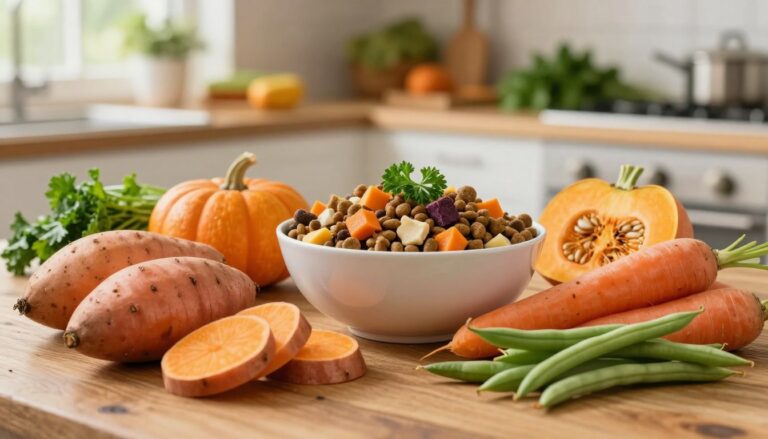
Green beans are a great, low-calorie snack. You can eat them raw or steamed. Cucumbers are full of water, perfect for hot days. Plain pumpkin helps with digestion.
Broccoli and Celery in Appropriate Portions
Broccoli is okay in small amounts, but watch out for stomach issues. Celery is a refreshing, low-calorie snack. Make sure to cut it up to avoid choking hazards.
Dog-Friendly Fruits to Offer Occasionally
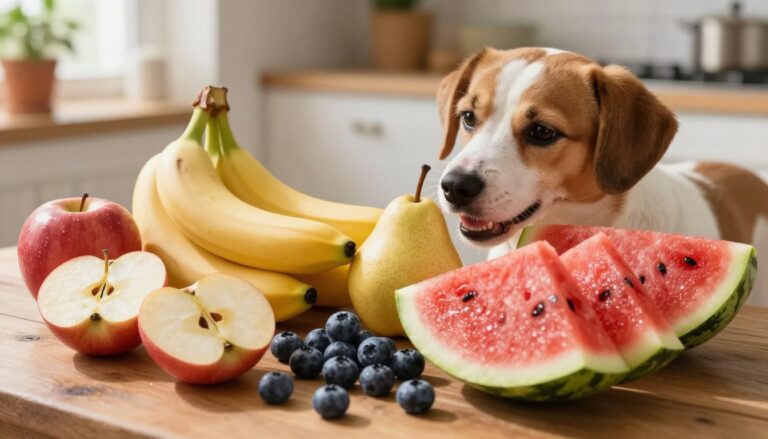
Want to give your dog a sweet treat? There are dog-friendly fruits and vegetables you can give them. But remember, fruit is only for special occasions because of its sugar.
Apples Without Seeds or Core
Apples are full of fiber and vitamins. Just make sure to remove the seeds and core because they’re toxic.
Blueberries and Strawberries
Blueberries are full of antioxidants and are easy to give as treats. Strawberries are safe too, but take out the green stems first.
Foods You Should Never Use as Vegetable or Fruit Treats
Not all fruits and veggies are safe for dogs. Avoid grapes and raisins because they can harm their kidneys. Also, onions, garlic, and chives can damage their blood cells. Always check if a new food is safe before giving it to your dog.
Creating a Safe Carrot Treat Routine
Starting to include carrots in dog’s diet needs a plan for safety and health. A routine helps manage calories and makes snacks fun and crunchy.
Check the Ingredients Before Sharing Prepared Carrots
Always check labels on canned, frozen, or pre-packaged veggies. Many have hidden additives like salt, onion powder, or garlic, which are bad for pets.
Choose plain, raw, or steamed veggies to keep your pet safe. If you’re not sure about an ingredient list, don’t share it.
Match the Texture and Portion to Your Dog
Dogs chew differently and have different needs. Make sure carrot pieces fit your dog’s breed and dental health to avoid choking.
Small dogs need tiny bites, while big dogs can handle thicker pieces. Always supervise your pet during snack time to ensure they chew well.
Monitor Your Dog’s Weight, Stool, and Appetite
Watch your dog’s health after introducing new treats. Changes in stool or appetite can mean the treat doesn’t agree with them.
If you see any bad reactions, cut back on treats right away. This helps keep your pet healthy.
Use Carrots as a Supplement to Complete Dog Food
Dogs and carrots should be a small part of their diet. Treats should not make up more than ten percent of their daily calories.
By keeping treats small, your pet gets the nutrients they need from their main food. This way, snacking stays fun without hurting their health.
Conclusion
It’s rewarding to give your pet fresh, healthy snacks. When you ask if dogs can eat carrots, the answer is yes. But, make sure to keep things safe and in the right amounts. Carrots add variety to your pet’s diet.
Carrots are good for dogs because they have beta carotene, fiber, and are low in calories. These nutrients help keep your dog healthy and happy. Always give them plain carrots, cut up, and watch to avoid choking.
Remember, treats should not replace a full diet from brands like Purina or Royal Canin. If your dog has health or dental issues, talk to your vet. This way, you make the best choices for them.
Watch how your pet reacts to new foods to make sure they’re okay. By being careful with how you prepare and serve, you make snacking safe and fun. Your dog will love the extra care and the crunchy taste of fresh carrots.