Can Dogs Have Peanuts? What Every Pet Owner Should Know
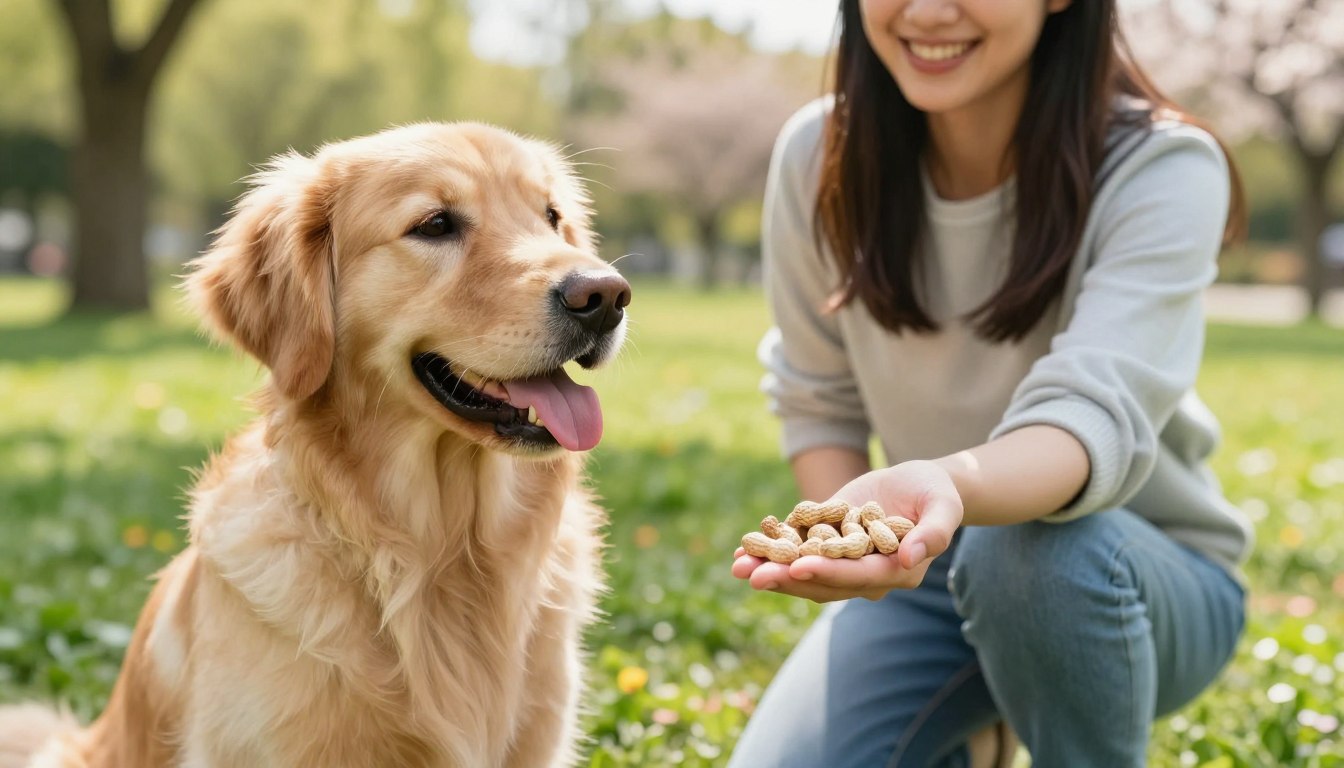
That sound of a tail wagging against the floor is familiar to us all. As pet parents, we love to share our snacks with our furry friends. But, you might wonder if can dogs have peanuts safely.
It’s natural to want to give our pets something tasty as a reward. But, not all human snacks are good for dogs. Knowing the nutritional value and risks is key for their health.
Before giving a snack to your pup, it’s crucial to learn the rules. While some legumes are good for protein, others can be harmful if not prepared right. By making informed decisions, you make sure every treat is safe and fun for your best friend.
Table of Contents
Understanding the Nutritional Profile of Peanuts for Canines
Peanuts are more than just a tasty treat; they contain specific nutrients that impact canine health. When considering dogs peanuts as a snack, it is helpful to look at the biological makeup of these legumes. While they offer certain advantages, they should always be viewed as a supplement rather than a replacement for a complete, balanced diet.
Essential Nutrients Found in Peanuts
These legumes are packed with vitamins that support various bodily functions. One of the primary benefits of peanuts for dogs is their high concentration of Vitamin E, which acts as a powerful antioxidant. They also provide Vitamin B-6 and niacin, both of which are vital for maintaining healthy energy levels and supporting metabolic processes.
Because these nutrients are concentrated, a small amount goes a long way. Owners should prioritize quality to ensure their pets receive these vitamins without unnecessary additives. Moderation remains the golden rule when introducing any new food item to your pet’s routine.
The Role of Healthy Fats and Proteins
Peanuts serve as a rich source of plant-based protein and healthy fats. These components provide a quick energy boost, making them a popular choice for active pups who burn calories rapidly. However, the high fat content means that portion control is essential to prevent unwanted weight gain.
By providing these nutrients in small, controlled quantities, you can support your dog’s overall wellness. Always remember that the benefits of peanuts for dogs are best realized when they are served as an occasional reward. Keeping your pet’s specific dietary needs in mind ensures that dogs peanuts remain a safe and enjoyable part of their life.
Can Dogs Have Peanuts Safely and What Are the Risks?
Many pet owners wonder if can dogs have peanuts safely. Peanuts are not toxic, but they’re not always good for dogs. Knowing the risks is key to keeping your pet healthy.
Choking Hazards and Physical Obstructions
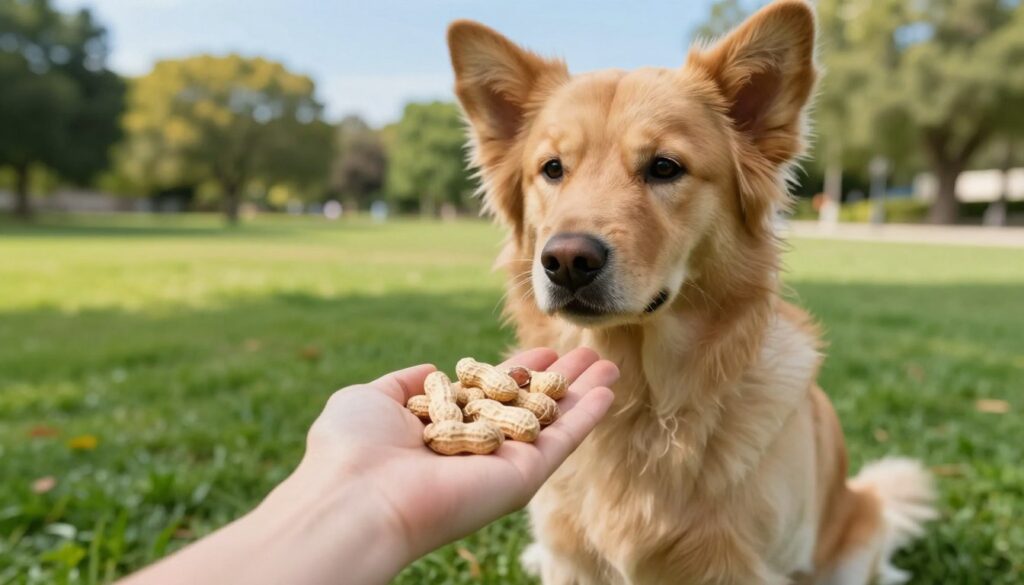
One big worry about dogs eating peanuts is their size. Small dogs might have trouble chewing them, which can lead to choking.
If a dog swallows a whole peanut, it can block their digestive tract. This is a serious problem that needs immediate veterinary care. Always chop nuts into small pieces to prevent choking.
The Danger of Aflatoxins in Low-Quality Peanuts
When thinking about can dogs eat peanuts safely, quality matters. Bad peanuts can have aflatoxins, which are harmful to dogs.
These toxins can hurt a dog’s liver and cause serious health issues. To keep your dog safe, only give them high-quality, human-grade peanuts. Avoid buying from places where you can’t check how they’re stored.
Salt and Additive Concerns
The risks of feeding dogs peanuts also come from how they’re made for humans. Many are too salty, which can be bad for dogs.
Too much salt can make dogs dehydrated and raise their blood pressure. Some peanuts also have xylitol or other sweeteners that are highly toxic to dogs. Always read the label to make sure they’re plain, raw, or dry-roasted.
| Peanut Type | Safety Status | Primary Risk |
|---|---|---|
| Raw, Unsalted | Safe (in moderation) | Choking hazard |
| Dry-Roasted, Unsalted | Safe (in moderation) | High fat content |
| Salted or Seasoned | Unsafe | Sodium toxicity |
| Honey-Roasted | Unsafe | Excessive sugar |
Identifying Peanut Allergies in Dogs
Many owners love sharing snacks with their pets. But, it’s crucial to know about peanut allergies in dogs for their safety. These allergies are rare but serious.
Common Symptoms of Allergic Reactions
When dogs eating peanuts cause an immune response, symptoms show up. You might see your pet itching a lot, having skin rashes, or hives.
Severe reactions can lead to vomiting or diarrhea. If your dog has trouble breathing or facial swelling, it’s a critical warning sign for help.
“The health of your pet is a reflection of the care you provide, especially when introducing new treats into their daily routine.”
When to Seek Veterinary Assistance
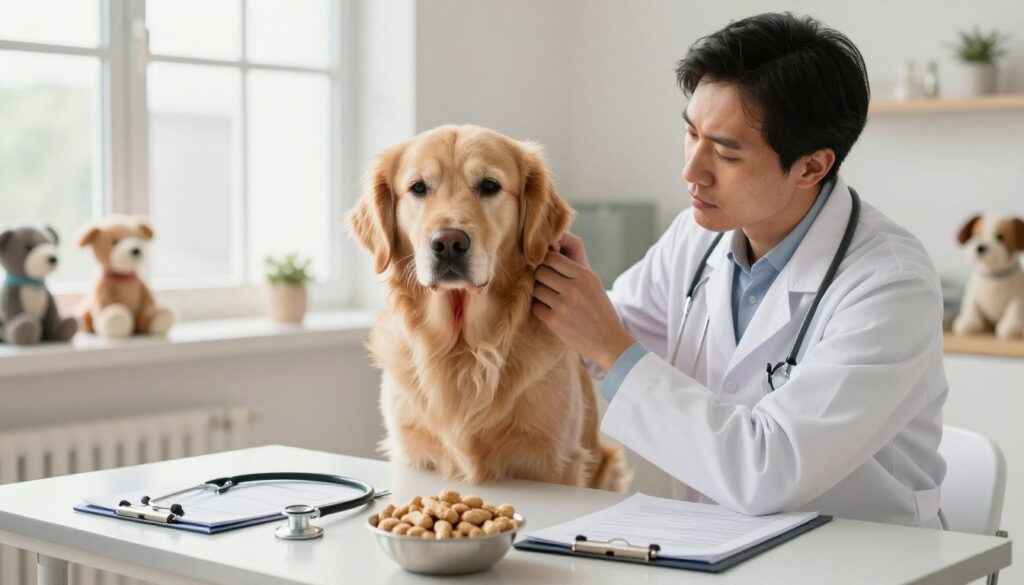
Feeding dogs peanuts can be risky if they’re sensitive. If your dog shows symptoms after eating a peanut, call your vet right away.
Waiting too long can make things worse for your pet. A vet can quickly help your pet feel better and stay safe.
Diagnostic Procedures for Food Sensitivities
Vets use special tests to find out if a food is causing an allergy. They might suggest an elimination diet to see how your dog reacts without the food.
This helps figure out if peanuts or something else is the problem. Working with your vet ensures your pet stays safe and healthy.
Dogs and Peanut Butter: A Popular Treat Analysis
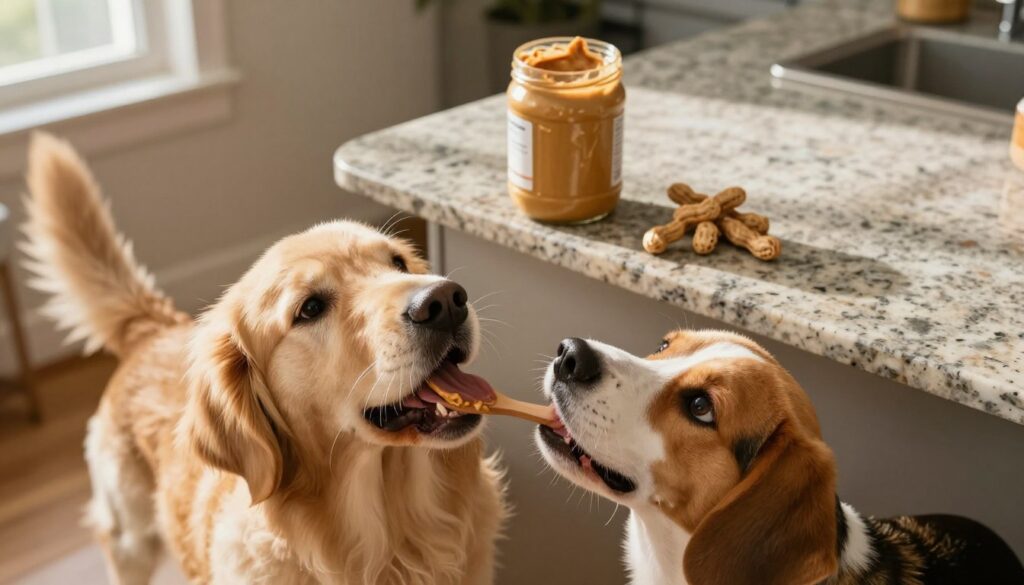
Peanut butter is a favorite in many American homes. But, it’s important to check if it’s safe for dogs before giving it to them. Many people think dogs and peanut butter are a great pair for training or giving medicine. Yet, it’s crucial to make sure the peanut butter is safe for dogs.
The Hidden Danger of Xylitol
The biggest danger in peanut butter is an artificial sweetener called xylitol. This sweetener is very harmful to dogs, even in small amounts. It can cause a quick drop in blood sugar or liver damage.
Always check the ingredients before buying peanut butter. If xylitol is listed, don’t buy it. Never think a “natural” label means it’s safe from xylitol.
Reading Labels for Safe Ingredients
Watch out for other additives that might cause peanut allergies in dogs or upset their stomachs. Commercial peanut butters often have salt, sugar, or hydrogenated oils. These add nothing good and can harm your dog’s health over time.
The best choice is plain roasted peanuts. If you can’t find that, look for brands that say they don’t have xylitol, salt, or added sugars. Simplicity is key when picking snacks for your pet.
Recommended Serving Sizes for Different Breeds
Even with safe peanut butter, don’t overdo it. It’s full of calories, and too much can make your dog gain weight. Here’s a guide to help you figure out the right amount for your dog’s size.
| Dog Size | Weight Range | Max Daily Serving |
|---|---|---|
| Small Breed | Under 20 lbs | 1/2 Teaspoon |
| Medium Breed | 20–50 lbs | 1 Teaspoon |
| Large Breed | Over 50 lbs | 1 Tablespoon |
If you’re not sure about your dog’s calorie needs, talk to your vet. Start with smaller amounts if your dog is trying to lose weight or has a sensitive stomach.
Benefits of Peanuts for Dogs When Fed in Moderation
Dogs peanuts can be good for your pet’s health if given in small amounts. They should not be a regular part of their diet. Treats should be occasional, not everyday.
Small portions of peanuts give your dog extra nutrients without the dangers of eating too much. Knowing the benefits of peanuts for dogs helps you choose better snacks for them.
Vitamin E and B-Complex Contributions
Peanuts are full of Vitamin E, a strong antioxidant for pets. This vitamin boosts your pet’s immune system and protects cells from harm.
The B-complex vitamins in peanuts also help your dog’s metabolism. These vitamins turn food into energy, keeping your dog active and healthy all day.
Supporting Skin and Coat Health
Peanuts are also good for your dog’s skin and coat. They have healthy fats like omega-3 fatty acids. These fats are key for a healthy skin from the inside.
Small amounts of these fats make your dog’s coat shinier and softer. They also help keep the skin barrier strong, reducing dryness and irritation. This keeps your dog comfortable and looking great.
Safe Preparation Methods for Serving Peanuts
Learning how to serve peanuts safely is key for pet owners. By following certain steps, you can make sure your pet enjoys a snack without risks. Knowing these methods helps you see if can dogs eat peanuts safely in your home.
Raw Versus Roasted Peanuts
Choose raw or dry-roasted peanuts. Avoid any with added salt, sugar, or artificial flavors. These can upset your pet’s stomach or cause serious health issues.
Dry-roasted peanuts are okay if they’re plain. Always check the label to make sure no bad oils or seasonings were used. Natural peanuts are the safest for your pet.
Removing Shells and Skins
Always take off the shells and skins before giving peanuts to your dog. Peanut shells are hard for dogs to digest and can be a choking hazard, especially for small dogs.
The thin skin around the nut can also irritate your pet. Peeling the nuts carefully makes for a safer snack. Keeping safety first in mind prevents choking hazards.
Homemade Peanut Treats Versus Store-Bought
Many owners like making treats at home to control what goes into them. This way, you can avoid hidden additives in store-bought snacks. Making snacks yourself lets you watch for peanut allergies in dogs by starting with small amounts.
If you buy snacks, be careful with dogs and peanut butter or other pre-made treats. Many have xylitol or too much salt, which are bad for pets. Always check the label to make sure it’s safe for your dog.
Common Myths About Dogs Eating Peanuts
When thinking about can dogs have peanuts, it’s important to know the truth. Many pet owners worry about giving human snacks because of mixed messages online. Knowing the difference between safe and dangerous foods is key.
Debunking Misconceptions About Toxicity
Some people think all nuts are bad for dogs. But, it’s really about the type of nut. Peanuts, being legumes, are usually okay in small amounts.
The worry about dogs eating peanuts often comes from confusion with toxic nuts. For example, macadamia nuts are very dangerous. They can make dogs weak and cause high body temperature. But, plain, unsalted peanuts are not toxic.
Clarifying the Difference Between Peanuts and Tree Nuts
It’s smart to know the botanical family of snacks to keep your pet safe. Not all crunchy snacks are the same. This knowledge is a crucial skill for pet owners.
Here are some important differences:
- Peanuts: These are legumes that grow underground and are safe for most dogs when provided without salt or additives.
- Tree Nuts: Varieties like macadamia nuts, walnuts, and pecans can cause digestive distress or contain dangerous fungal toxins.
- Safety First: Always avoid any nut that has been seasoned, salted, or coated in chocolate, as these additives are the real danger for dogs eating peanuts or other snacks.
By knowing the difference between safe legumes and harmful tree nuts, you can choose safe treats for your dog. Always pick plain, natural options to keep your pet healthy and happy.
Guidelines for US Pet Owners on Healthy Snacking
Finding the right balance for your dog’s snacks is key for their health. Many owners like to share snacks, but remember, dogs peanuts should only be given as an occasional treat. Treats should never replace the nutrients in a balanced dog food.
Integrating Treats into a Balanced Diet
A healthy diet for your pet is based on the 90/10 rule. This means 90% of their calories should come from meals and 10% from treats. When giving a snack, keep it small to avoid stomach problems. Consistency is key in managing what your pet eats.
Be careful with risks of feeding dogs peanuts if they’re eaten too often. These snacks are high in fat, which can lead to weight gain. Always choose high-quality, plain, unsalted options to keep your pet safe.
Monitoring Weight and Caloric Intake
Tracking your dog’s weight is a simple way to keep their diet healthy. If your pet starts gaining weight, cut back on treats right away. Adjusting their main meals can help balance out the extra calories.
The table below shows how different treats compare in calories and nutrition for your dog.
| Treat Type | Caloric Density | Primary Benefit | Frequency |
|---|---|---|---|
| Plain Peanuts | High | Healthy Fats | Occasional |
| Carrot Sticks | Low | Fiber/Vitamins | Frequent |
| Blueberries | Low | Antioxidants | Frequent |
| Commercial Biscuits | Moderate | Convenience | Occasional |
By watching your dog’s health closely, you can enjoy the benefits of peanuts for dogs without harming their health. Always talk to your vet if you have questions about your pet’s diet or weight.
Conclusion
It’s important to balance love and caution when giving treats to your pet. Knowing how to add snacks to their daily routine keeps them healthy and happy.
To see if dogs can safely eat peanuts, check the labels for hidden additives. Many owners give small portions of plain, roasted nuts as a reward. This is a simple way to bond with your pet if you follow safety rules.
When picking treats, always check for xylitol in peanut butter. This sweetener is very harmful to dogs. Look for brands like Smucker’s Natural or Teddie that are safe and fit into a balanced diet.
Talking to your vet is key for managing your pet’s diet. They can help you decide if new foods are good for your dog. This way, snack time stays a positive experience for all.