Can Dogs Eat Lamb Meat? Safe Portions and Preparation Guide
You look into those soulful eyes and only want the best for your furry family member. Choosing the right fuel for their body is a deeply personal responsibility that every pet parent faces daily.
Many owners wonder if can dogs eat lamb meat as a healthy alternative to standard poultry or beef. This protein source is often praised for its rich flavor and high nutritional value. It’s a popular choice for sensitive stomachs.
Integrating this savory option into a bowl requires careful attention to detail. By following proper preparation methods, you ensure your companion receives essential vitamins without unnecessary risks.
Table of Contents
Understanding the Nutritional Profile of Lamb for Canines
Lamb meat is packed with proteins and fats that boost your dog’s energy. It’s a top choice for many pet owners and experts. This meat gives your dog the fuel they need at every life stage.
Essential Amino Acids and Protein Quality
Protein is key for your dog’s muscles, organs, and tissues. Lamb is a complete protein, offering all the amino acids dogs can’t make on their own.
These amino acids help keep muscles lean and support daily functions. Eating high-quality lamb gives your dog the tools to fix cells and keep their immune system strong.
The Role of Healthy Fats in Dog Diets
Fats are crucial for active dogs, providing energy. Lamb has a mix of fats that keep cells healthy and skin in top shape.
“Good nutrition is the foundation of a long and happy life for your pet, and choosing the right protein is the first step toward that goal.”
These fats also help with vitamin absorption. Adding them to your dog’s diet gives them the energy for play and exercise.
Key Vitamins and Minerals Found in Lamb
The lamb meat nutritional value for dogs includes many vitamins and minerals. These nutrients help your dog stay healthy and feel their best.
- Vitamin B12: Essential for nervous system function and brain health.
- Zinc: Plays a critical role in immune response and skin health.
- Iron: Supports the production of red blood cells and oxygen transport.
These nutrients are vital for your dog’s long-term health. Adding lamb to their meals boosts their overall well-being naturally.
Can Dogs Eat Lamb Meat Safely
Many pet owners wonder if dogs can safely eat lamb meat. It’s a common question when looking for the best diet for our furry friends. Safety is always the first thing to consider.
It’s important to know how to prepare lamb for your dog. This ensures they get the nutrients they need without any health risks. Proper preparation is the key to keeping your pet safe.
Distinguishing Between Raw and Cooked Lamb
Raw lamb can be dangerous for dogs because of bacteria like Salmonella or E. coli. These can harm your dog’s stomach.
Cooking lamb well is the best way to kill these bacteria. By cooking it to the right temperature, you make it safe for your dog to eat. This way, they get the good stuff without getting sick.
Why Lamb is Often Recommended for Sensitive Stomachs
Vets often recommend lamb for dogs with sensitive stomachs. It’s a novel protein that’s less likely to cause allergies.
Dogs with sensitive stomachs might find lamb easier to digest than other meats. If your dog often feels bloated or uncomfortable, lamb could help. But, always talk to your vet before making any big changes to your dog’s diet.
Health Benefits of Incorporating Lamb into Your Dog Diet
Choosing high-quality protein sources like lamb offers many benefits for your dog. It boosts their energy and physical health. Adding lamb to their diet gives them the nutrients they need to thrive.
Supporting Muscle Maintenance and Growth
Lamb is a complete protein, packed with all the amino acids your dog needs. These amino acids are vital for muscle repair and building lean tissue. This is true for both active puppies and older dogs.
Feeding your dog lamb helps them stay at a healthy weight and maintain a strong body. This is especially important for dogs that are active or do agility training.
Promoting Skin and Coat Health with Omega Fatty Acids
Lamb also provides essential fatty acids, including Omega-3s. These healthy fats are crucial for a soft, shiny coat and to prevent dry, itchy skin.
Regularly eating these nutrients strengthens your dog’s skin against irritants. You’ll likely see a big change in your dog’s coat and skin after switching to lamb.
Palatability for Picky Eaters
If your dog doesn’t like regular kibble, lamb’s rich flavor might be just what they need. Many dogs find lamb’s taste irresistible, making mealtime fun.
This makes your dog more interested in eating, ensuring they get the calories and nutrients they need. It’s a great way to keep your dog happy and healthy at every meal.
| Health Benefit | Primary Nutrient | Impact on Dog |
|---|---|---|
| Muscle Growth | Complete Protein | Supports lean tissue |
| Coat Luster | Omega Fatty Acids | Promotes healthy skin |
| Appetite | Natural Flavor | Encourages picky eaters |
Potential Risks and Precautions When Feeding Lamb
Lamb is a favorite protein for many, but knowing the potential risks of feeding lamb to dogs is crucial. It’s packed with nutrients, but safety steps are needed to avoid health problems.
Managing Fat Content to Prevent Pancreatitis
Lamb has more fat than other proteins. Too much fat can lead to pancreatitis, a painful condition. Always remove excess fat before giving it to your dog.
It’s important to watch your dog’s calorie intake to avoid weight gain and digestive issues. If your dog has sensitive digestion, talk to your vet about lamb’s safety for them.
The Dangers of Cooked Bones and Splintering
Many think all bones are safe for dogs. But, cooked lamb bones are not safe. They become brittle and can splinter easily into sharp pieces.
These sharp pieces can harm your dog’s mouth, throat, and intestines. Always remove bones from meat before cooking. Safe chew toys are a better choice for your dog’s chewing needs.
Identifying Potential Allergic Reactions
Wondering if is lamb safe for dogs with food sensitivities? Lamb can cause allergic reactions in some dogs. Introduce it slowly and watch for signs.
Look out for chronic itching, red skin, and ear infections. If your dog vomits or has diarrhea after eating lamb, stop feeding it and call your vet. Early action helps keep your dog healthy and happy.
Selecting the Best Lamb Meat for Dogs
Finding the best lamb meat for dogs is all about quality and safety. When you add this protein to your pet’s diet, it’s a big step for their health.
Evaluating Quality Grades and Sourcing
Choose meat from trusted suppliers who care about animal welfare and quality. Look for labels that say it’s human-grade. These products are safer than pet-grade meat.
Stay away from meat with antibiotics or growth hormones. Opting for high-quality, ethically sourced lamb lowers the risk of harmful contaminants.
Avoiding Seasonings and Additives
Seasoned lamb might taste good to you, but it’s bad for dogs. Garlic, onions, and too much salt can harm your dog’s stomach or even cause anemia.
Buy plain, unseasoned meat for your dog’s health. Check the label to make sure there are no added preservatives or flavor enhancers.
Choosing Between Ground Lamb and Whole Cuts
Ground lamb is easy to mix into meals, while whole cuts are better for dogs that like to chew. Choose based on your cooking style and your dog’s preferences.
| Meat Format | Preparation Ease | Best For |
|---|---|---|
| Ground Lamb | High | Mixing with kibble or veggies |
| Whole Cuts | Moderate | Slow-cooking or raw feeding |
| Lamb Trimmings | Low | Occasional treats or snacks |
The best lamb meat for dogs is what works for you and your pet. Whether it’s ground or whole, keep it simple and safe for a healthy dog.
Safe Preparation Methods for Canine Consumption
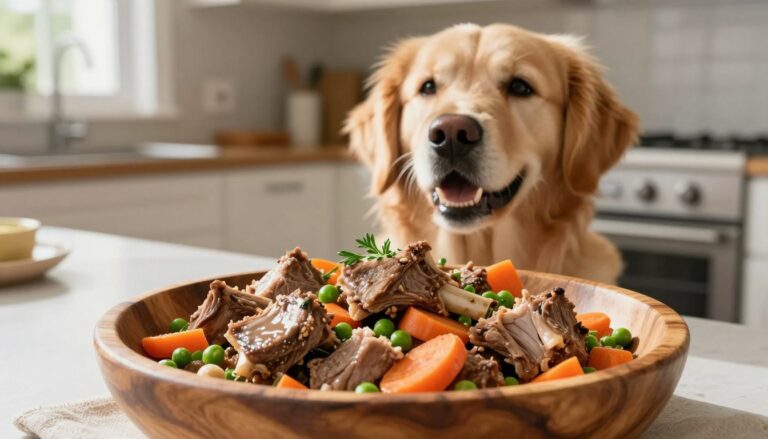
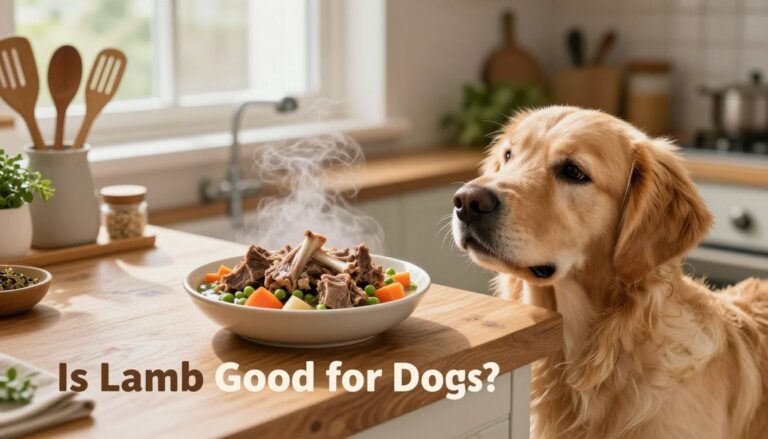
When you choose to feed lamb to dogs, how you cook it matters a lot. Cooking it right makes sure your pet gets all the good stuff without getting sick. By using the right cooking methods, you can give your dog a meal that’s both tasty and safe.

Boiling and Poaching Techniques
Boiling and poaching are great for feeding lamb to dogs. They keep the meat moist without adding extra fat. These methods involve cooking the meat in water or broth until it’s fully cooked. It’s crucial to make sure the meat is hot enough to kill off any bad bacteria.
After cooking, let the lamb cool down before serving. You can chop it into small pieces for easier digestion. This is especially good for dogs who like softer food or have sore teeth.
Baking and Roasting Without Oils
If you like baking or roasting, skip the oils and heavy seasonings. When feeding lamb to dogs, you want to keep the calories low to avoid weight gain. Just put the lean cuts on a baking sheet and cook until they’re tender and done.
Using a rack in your roasting pan helps get rid of excess fat. This makes the meal less fatty. Always check that there’s no garlic or onion powder, as these are bad for dogs.
Proper Storage and Handling to Prevent Bacterial Growth
Keeping things clean is key to feeding lamb to dogs safely. Store leftover cooked lamb in a sealed container in the fridge for up to three days. Freezing individual portions is a good idea if you make a big batch.
Wash your hands, tools, and surfaces well after touching raw meat. This stops germs from spreading. A clean kitchen and following these storage tips mean every meal is safe and healthy for your dog.
Determining Ideal Portions for Your Dog
Figuring out the right amount of food is key for a healthy lamb meat dog diet. When you give your dog the best lamb meat for dogs, make sure it’s the right size. This prevents them from getting too fat or too thin.
Calculating Daily Caloric Needs
Every dog is different, based on their breed, size, and health. Start by figuring out their Resting Energy Requirement (RER). This tells you their basic calorie needs.
After finding the RER, multiply it by a number based on your dog’s age and how active they are. Consulting with your veterinarian is the best way to make sure these numbers are right for your dog.
Balancing Lamb with Other Food Groups
Lamb is a great protein source, but it’s not enough on its own. You need to add fiber from veggies and carbs from grains or legumes to make a complete meal.
Make sure protein is the main part of their meal. Then add in nutrient-rich veggies. Variety is key to keep your dog’s diet balanced.
Adjusting Portions Based on Activity Level and Age
Your dog’s needs change as they grow and age. Puppies need more calories for growth, while older dogs need fewer calories because they move less.
Watch how active your dog is every day. If they’re very active, you might need to give them a bit more food. But if they’re not moving much, cutting back on food helps keep them at a healthy weight.
Lamb Meat and Canine Digestion
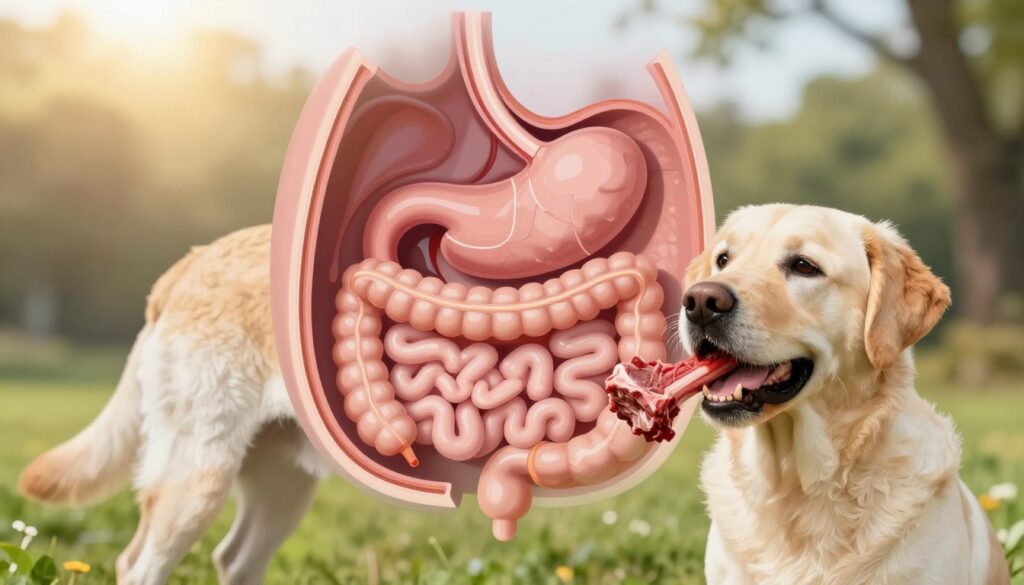
Starting to feed lamb to dogs needs careful planning. A sudden diet change can upset their stomach, even with good meat. A slow transition helps your pet get used to the new food.
How to Transition Your Dog to a New Protein Source
Introduce new protein slowly over seven to ten days. Start with 25% lamb and increase it gradually. Watch for any signs of upset stomach.
By doing this, your dog’s gut gets used to the new food. Keep an eye on their energy. If they seem off, slow down the transition.
Monitoring Stool Quality and Digestive Comfort
Stool quality shows how well your dog is digesting. Look for firm, easy-to-pick-up stools.
Loose stools or gas mean the transition is too fast. Consistency is key. Stick to a regular feeding schedule while watching for these signs.
When to Consult Your Veterinarian About Dietary Changes
Minor digestive issues are normal. But, if your dog vomits a lot, has diarrhea over 48 hours, or won’t eat, call your vet. These could be signs of a bigger problem.
If your dog seems tired or has skin issues after the diet change, talk to your vet. They can offer advice based on your dog’s health history. They’ll help figure out if it’s the lamb or something else.
Common Myths Regarding Lamb in Dog Food
Many people believe wrong things about lamb meat health effects on dogs. They think certain proteins cause health issues, but it’s important to look at the science. This way, you can make better choices for your pet.
Debunking Concerns About Lamb and Grain-Free Diets
Some think lamb means a grain-free diet. But, lamb is just a high-quality protein that can go with different carbs, like brown rice or oats. The nutritional value of lamb doesn’t change whether grains are included.
It’s more important to look at the diet’s overall balance than to worry about certain ingredients. Many dogs do well on lamb-based diets with healthy grains for energy. Always choose high-quality protein over grains unless your vet says otherwise.
Clarifying the Difference Between Lamb Meal and Fresh Lamb
To understand lamb meat nutritional value for dogs, you need to know how ingredients are processed. Fresh lamb has a lot of moisture, which is lost when it’s cooked for kibble. Lamb meal, on the other hand, is a concentrated protein with less moisture.
Both have benefits, but they serve different purposes in a recipe. Lamb meal is rich in amino acids, while fresh lamb makes the food taste better. Knowing how to read labels helps you see what your dog is eating.
| Ingredient Type | Moisture Content | Protein Density | Primary Benefit |
|---|---|---|---|
| Fresh Lamb | High (approx. 70%) | Lower per weight | Natural flavor and texture |
| Lamb Meal | Low (approx. 10%) | Higher per weight | Concentrated amino acids |
| By-Product Meal | Low | Variable | Cost-effective protein |
Your goal is to give your dog a balanced diet that meets their needs. Transparency in labeling helps ensure your dog gets the best nutrition.
Signs Your Dog May Have a Lamb Sensitivity
Even the best foods can sometimes cause unexpected reactions in dogs. It’s important to know the potential risks of feeding lamb to dogs to be a good pet owner. Watching for small changes in your dog’s health can help prevent big problems.
Recognizing Symptoms of Food Intolerance
Food intolerance can show up in ways that don’t seem related to food at first. Look for persistent scratching on paws, face, or ears. Also, watch for frequent ear infections or red, inflamed skin, as these are signs of an immune reaction.
Don’t ignore signs of lamb meat canine digestion issues. Chronic gas, loose stools, or vomiting after eating can mean your dog is having trouble digesting the protein. These symptoms suggest your dog’s diet might not be right for them.
Managing Chronic Itching and Gastrointestinal Distress
If you think your dog might be sensitive, keeping a food diary is crucial. It helps you see patterns between certain foods and your dog’s reactions. This diary is very helpful when you talk to your vet.
For managing symptoms, a vet can suggest a temporary diet change. Consistency is key in finding out what’s causing your dog’s discomfort. Quick and careful action can help your pet feel better and stay healthy for a long time.
Conclusion
Feeding your pet well is a rewarding journey. You can boost your dog’s daily energy by choosing the right food. Look for ingredients that fit their needs.
Knowing the good of lamb for dogs helps you make better choices. Choose the best cuts and cook them right to help your dog get the most nutrients. This keeps them full of energy and joy at every stage of their life.
Watch your dog closely when you add new foods to their diet. Adjusting how much they eat based on how active they are helps keep them at a healthy weight. These steps are key to their physical health and comfort.
The benefits of lamb for dogs are clear when you focus on safety and balance. Always talk to your vet to make sure the food is right for your dog. Your hard work will help your dog live a happy and healthy life.