Best Bird Dogs and Duck Dogs for Hunting Success
There is a profound connection that forms in the quiet moments before dawn. You stand in the cold marsh or the golden field, waiting for the first light with your loyal companion by your side. That silent partnership is the heartbeat of every successful outing.
Selecting the best bird dogs for your specific needs is the foundational step toward a rewarding season. Whether you are navigating thick upland brush or waiting in a flooded timber blind, your choice defines the experience.
Understanding the unique temperament and drive of different breeds ensures you find a partner that matches your pace. By focusing on specialized training and long-term health, you build a legacy of teamwork. Let us explore how to choose and prepare your future hunting teammate for the challenges ahead.
Table of Contents
Understanding the Traits of Elite Hunting Companions
Elite hunting dogs have a special mix of strength and focus. They are built to handle the outdoors with ease. Finding the right bird hunting dogs means looking at more than just obedience. You need to see the traits that make them perform at their best.
Physical Stamina and Endurance Requirements
A good day hunting needs a lot from your dog. They must tackle tough terrain, thick brush, and changing weather for hours. High-performance breeds have the heart to keep going without getting tired too soon.
Look for dogs with strong bones and muscles that recover fast. When your bird hunting dogs stay energetic, they can keep retrieving and tracking until the day ends. Their toughness is key to a successful hunt.
Temperament and Trainability Factors
A dog’s mind is just as important as its body. A top hunting dog must have lots of energy but also calmness when needed. Trainability means the dog can follow your commands and stay alert to its surroundings.
A dog that listens well lets you control the hunt smoothly. This is what makes bird hunting dogs truly stand out. You want a dog that is eager to please but also patient enough for long waits.
The Importance of Prey Drive and Natural Instincts
Natural instinct drives a dog to hunt. A strong prey drive keeps your dog focused on the task at hand. This instinct is what makes bird hunting dogs so good in tough situations.
A dog with a strong natural drive doesn’t need constant encouragement. This lets you trust its decisions in the field. Knowing these traits helps you choose a dog that’s naturally talented for hunting.
Top Bird Dog Breeds for Upland Hunting
Finding the right bird dog is key for any hunter. The right dog can make all the difference in your hunting success. Knowing the strengths of different breeds helps you choose the best one for your hunting style.
English Pointers for Wide-Ranging Field Work
For hunting in big, open areas, the English Pointer is top-notch. They have lots of stamina and can run fast. Their strong point lets you know game is close.
English Setters for Versatility and Style
English Setters are both stylish and tough. They do well in thick cover and open fields. Their feathers protect them from thorns, and they’re calm, making them great hunting buddies.
German Shorthaired Pointers as All-Purpose Hunters
The German Shorthaired Pointer (GSP) is great for all kinds of hunting. They point, retrieve, and track well. Their eager nature means they listen well, even when it’s tough.
| Breed | Primary Strength | Field Range | Temperament |
|---|---|---|---|
| English Pointer | Speed and Intensity | Wide | High Energy |
| English Setter | Adaptability | Medium | Gentle |
| German Shorthaired Pointer | Versatility | Medium-Wide | Driven |
Choosing the right bird dog depends on your hunting area. Whether you want a fast pointer or a versatile GSP, the right match will improve your hunting. Think about the physical needs of your game when deciding.
Best Duck Dogs for Waterfowl Success
When you hunt in freezing temperatures and rough water, your dog is key. They need to handle icy conditions, navigate complex terrain, and stay focused for long hours. Choosing a dog with the right build and drive is crucial for success.
Labrador Retrievers for Cold Water Performance
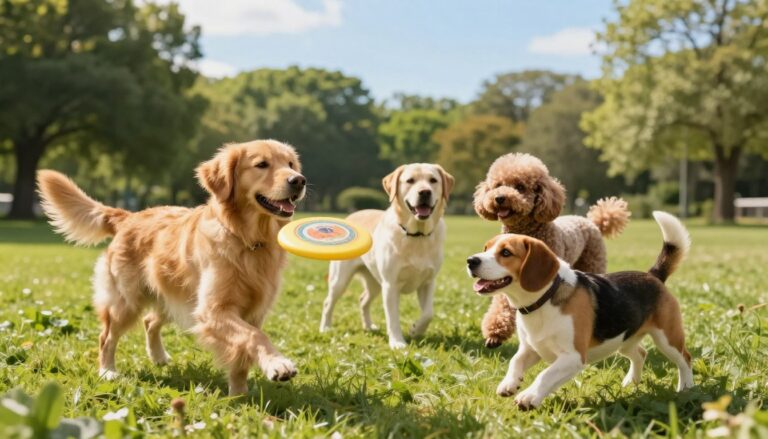
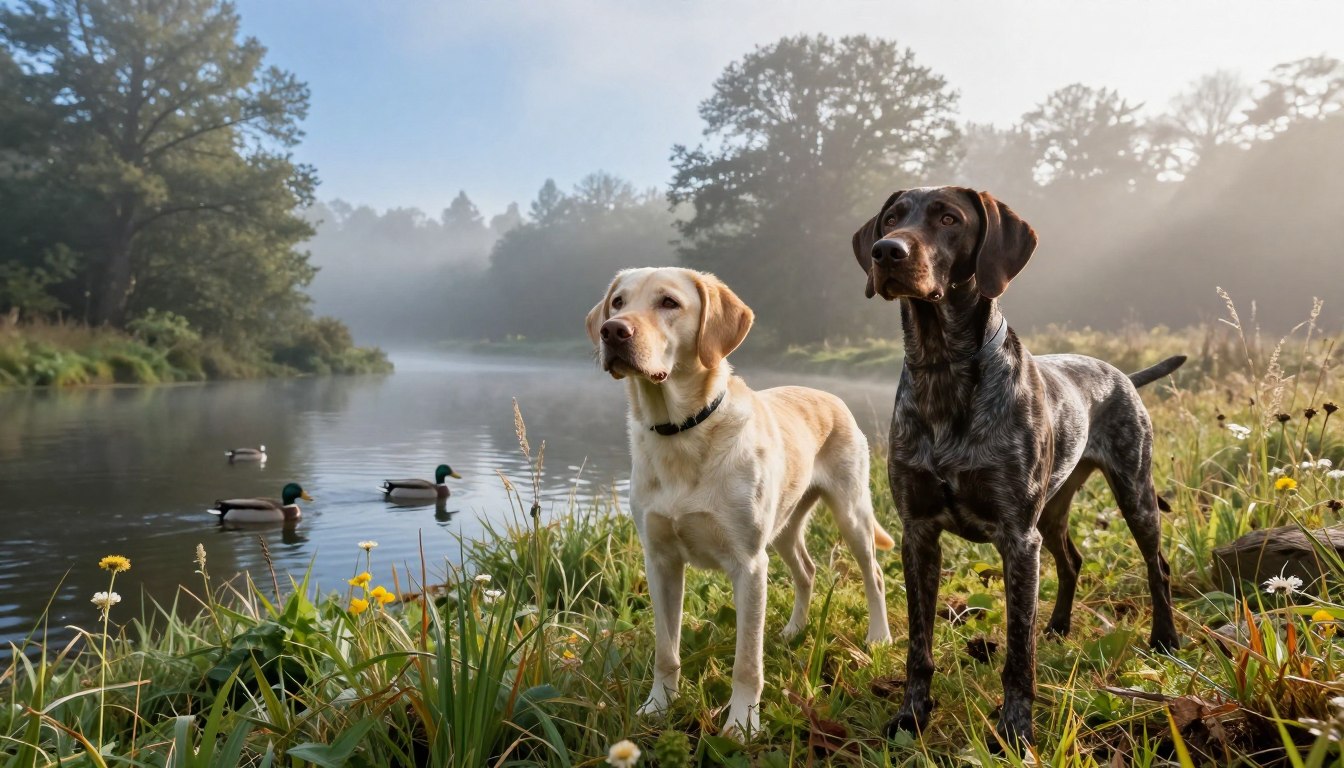
The Labrador Retriever is top for waterfowl hunters in the U.S. They have a dense, water-resistant double coat that keeps them warm. Their natural swimming and high energy make them great for multiple retrieves in tough currents.
Always choose field-bred lines over show-bred Labradors. Field-bred dogs are better at marking, smarter, and love working in the water. This ensures they can handle a full day of hunting.
Chesapeake Bay Retrievers for Rugged Environments
The Chesapeake Bay Retriever is perfect for the toughest environments. They are rugged and can handle harsh weather and icy waters. Their coat is oily and wavy, keeping them dry and warm.
They need a firm hand during training but are incredibly persistent. Their unmatched perseverance makes them great for deep marshes or open lakes.
Golden Retrievers for Temperament and Soft Mouth
Many hunters overlook Golden Retrievers, but they are great working dogs. A well-bred field Golden has a gentle temperament and a soft mouth. This is perfect for retrieving waterfowl without harming it. They are easy to train and eager to please.
When picking a Golden for hunting, look for breeders who focus on working performance. These dogs are eager and controlled, making them excellent for both hunting and at home. Their intelligence helps them quickly adapt to your hunting area.
Essential Training Techniques for Bird Dogs
Starting your journey to own a best hunting dogs for birds means consistent, patient training. Building a strong obedience base is key. Clear communication is crucial for long-term success in hunting.
Establishing Basic Obedience and Recall
Your dog needs to learn basic commands like “sit,” “stay,” and “here” first. A rock-solid recall is essential for safety and control during hunts. Practice these commands in quiet places before moving to busier areas.
Being consistent in bird dog training is vital. Always use the same commands and hand signals. Daily practice builds trust for more complex tasks.
Introducing Gunfire and Field Environments
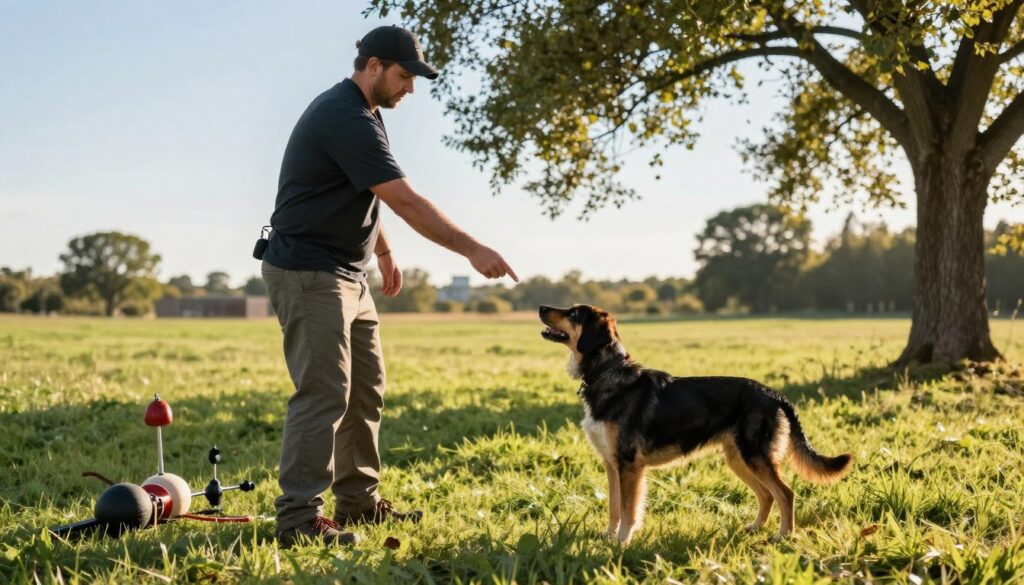
Introduce your dog to field sounds and sights slowly. You want them to feel comfortable with gunfire. Start with a blank pistol at a distance while they’re doing something fun.
Gradually get closer over time as your dog becomes more confident. Always be patient to keep them calm. This careful step helps them stay steady during real hunts.
Developing Steady-to-Wing and Shot Skills
Teaching steady-to-wing and shot behaviors is crucial for safety and performance. These skills prevent early bird flushing or chasing after shots. Use check cords and launchers to teach calm waiting.
Developing these skills takes dedicated practice and calmness. When your dog learns to hold position, you gain a big advantage. This discipline turns a talented dog into an elite hunting partner.
Specialized Training for Duck Hunting Success
Waterfowl hunting is tough and needs a dog that’s disciplined and in top shape. Unlike hunting on land, the water demands absolute precision and focus. Your dog must learn to find birds even when they can’t see them.
Mastering Blind Retrieves and Hand Signals
Blind retrieves happen when your dog can’t see the bird fall. You’ll guide them with precise hand signals and whistles. Start on land to build their confidence before moving to the water.
Being consistent is crucial. Use a whistle to get your dog’s attention, then point with your arm. Over time, they’ll learn to follow your signals, even in tough terrain or low visibility.
Conditioning for Cold Water and Harsh Weather
Waterfowl hunting often happens in cold and rough conditions. Your dog needs physical stamina for long hours in the cold. Gradually getting them used to water in the off-season helps them adapt to temperature changes.
Watch for signs of tiredness or hypothermia in your dog. A good neoprene vest keeps them warm and safe from underwater hazards. Proper conditioning keeps your dog safe and effective all season.
Building Steadiness in the Duck Blind
Breaking early can ruin a hunt and put your dog in danger. Steadiness means your dog stays calm and quiet until you say it’s time to retrieve. Practice this in blind conditions with decoys and distractions.
Give your dog rewards for waiting patiently while you call birds or shoot. If they break early, correct them gently but firmly. This discipline is key for staying in control in stressful situations.
| Training Focus | Primary Goal | Key Tool |
|---|---|---|
| Blind Retrieves | Directional Control | Whistle |
| Cold Water | Physical Safety | Neoprene Vest |
| Steadiness | Impulse Control | Training Platform |
| Hand Signals | Communication | Visual Cues |
Choosing the Best Bird Dogs for Your Specific Terrain
Finding the best bird dogs means matching your hunting needs with your lifestyle. The right dog can make hunting better and make you happier at home. Look at your environment and lifestyle to find a great partner.
Evaluating Your Local Hunting Environment
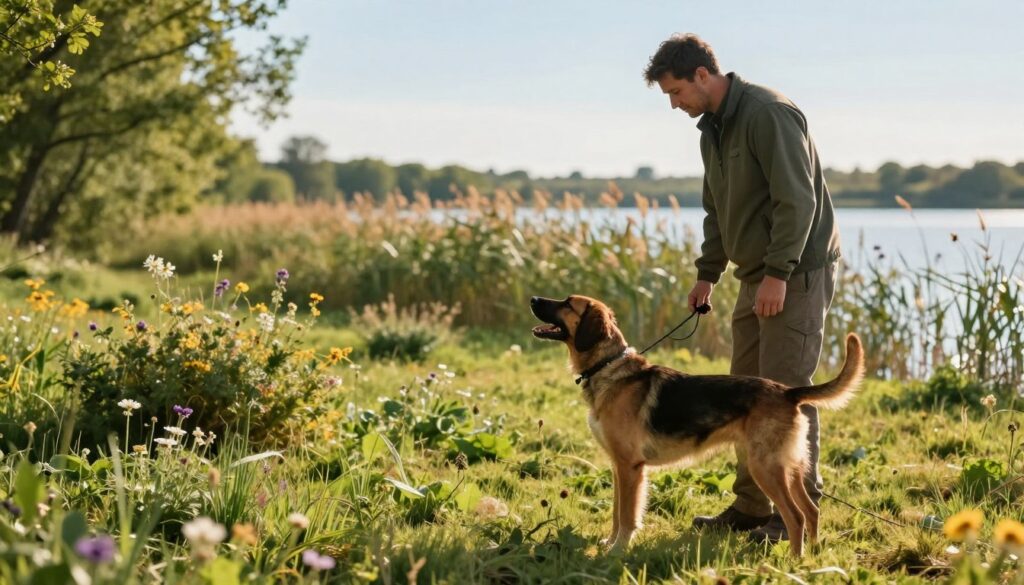
Your local area affects what kind of dog you need. For dense brush, choose a dog with a strong coat and can handle pain. Open areas need a dog that can run far and stay energetic.
Think about these things before choosing a bird dog:
- Cover Density: Thick briars need a dog with a tough coat and high pain tolerance.
- Terrain Type: Rocky or mountainous areas require a dog with good foot health and agility.
- Water Access: Marsh or lake hunting needs a dog with a water-resistant coat and strong swimming.
Matching Dog Energy Levels to Your Hunting Style
Not every hunter needs a super energetic dog. You should match the dog’s energy to your hunting style. A high-energy dog might get bored or destructive if you hunt less often.
Consider your typical hunting trips:
- Weekend Warrior: Choose a balanced dog that can relax during the week.
- Frequent Hunter: High-drive breeds do well with frequent hunting.
- Casual Hiker: Some breeds are great for both hunting and family activities.
Considering Living Arrangements and Family Compatibility
The best bird dogs fit well into both hunting and home life. Your living situation is key to choosing the right breed. A big, energetic dog might not do well in a small apartment without a yard.
Before making your choice, consider:
- Space Requirements: Make sure your home and yard are big enough for the dog.
- Family Dynamics: Think about the presence of small children or other pets when picking a dog’s temperament.
- Time Commitment: Be honest about how much time you can spend on training and socializing the dog.
Health and Nutrition for High-Performance Hunting Dogs
For your dog to perform at its best, a solid health and nutrition plan is key. Hunting dogs face a lot of physical stress. They need more than regular dog food to keep up their energy.
Prioritizing their internal and external well-being is crucial. This ensures they stay reliable hunting partners for many seasons.
Optimizing Diet for Field Endurance
Your dog needs a diet full of high-quality proteins and healthy fats. These give them the sustained fuel needed for long days. Look for dog food that’s made for performance, with more calories than regular dog food.
Drinking enough water is also key for endurance. Always have fresh water ready and offer it often. This helps prevent overheating and boosts nutrient processing during hunting.
Preventative Care for Common Hunting Injuries
Even the most fit dogs can get hurt on rough terrain. Check your dog’s paws daily for any damage. Keeping nails short and using paw wax can help avoid common injuries.
Muscle strains happen when dogs are pushed too hard without warming up. Always warm up before intense activities. Watch for signs of tiredness or limping. Early detection of small issues can prevent bigger problems.
Managing Joint Health in Active Working Breeds
The constant impact of hunting activities can harm a dog’s joints over time. Adding joint supplements with glucosamine and chondroitin can help keep cartilage healthy. This is important for older working dogs to stay mobile.
Keeping your dog at a healthy weight is also crucial for joint health. Too much weight can damage hips and elbows, leading to arthritis. By controlling their diet and exercise, you can help your dog stay active longer.
| Focus Area | Primary Goal | Action Item |
|---|---|---|
| Nutrition | Sustained Energy | High-fat, high-protein diet |
| Paw Care | Injury Prevention | Daily inspection and wax |
| Joint Health | Mobility Support | Daily supplements |
| Recovery | Muscle Repair | Rest and hydration |
Gear and Equipment to Enhance Your Hunting Experience
Having the right hunting gear makes every trip better. It keeps your dog safe and helps them perform well. The right equipment makes your hunting experience smooth, letting you focus on the hunt.
Selecting the Right Training Collars and Whistles
Keeping in touch with your dog is key for a good hunt. Dog training equipment like GPS-enabled e-collars helps. They let you give commands even when your dog is far away.
Whistles are also important. They make a sound that’s easy to hear over wind and noise. Using a whistle with an e-collar lets you control your dog quietly.
Protective Vests and Safety Gear for the Field
The field has dangers that can end your hunt early. A good protective vest keeps your dog safe from thorns and rocks. These vests are light, so your dog can move freely.
For cold water hunting, get a neoprene vest. It keeps your dog warm and buoyant. This field safety gear helps your dog stay warm and work longer.
Essential Transport and Kennel Solutions
Your dog’s performance starts with how they get to the field. Good transport and kennel solutions are key. A secure crate keeps your dog calm and safe during travel.
Insulated kennels are great for extreme weather. They keep your dog’s body temperature right. When your dog travels well, they’re ready to hunt all day.
Common Mistakes to Avoid When Training Hunting Dogs
Training a hunting dog is a journey filled with lessons. Even experienced trainers can make mistakes if they forget the basics of bird dog training. Knowing these common errors can make your training sessions more productive and fun for both you and your dog.
Over-Pressuring Young Dogs During Development
It’s easy to want a puppy to perform like an adult, but this can be too much. Young dogs need a gentle, play-based approach to build their confidence. Pushing them too hard, too soon, can hurt their natural enthusiasm and performance.
Inconsistency in Commands and Expectations
Clear communication is key to success. Changing your commands or signals too often can confuse your dog. By following these bird dog tips, you can keep a consistent routine. This helps your dog understand what you need in every situation.
Neglecting Socialization in Diverse Environments
A dog that only trains in one place may struggle with new environments. You need to expose your dog to different places, like various covers and public areas. This broad exposure helps your dog stay calm and focused, no matter what challenges come up.
Here’s a comparison of good training habits versus those that lead to frustration.
| Training Aspect | Effective Habit | Common Mistake |
|---|---|---|
| Pace of Learning | Gradual and age-appropriate | Rushing to advanced drills |
| Command Usage | Consistent and concise | Changing cues frequently |
| Environment | Diverse and challenging | Training in one location |
| Handler Attitude | Patient and encouraging | Frustration and pressure |
By using these bird dog training strategies, you build a strong foundation of trust and clarity. These bird dog tips help you avoid common mistakes and unlock your dog’s full potential. Remember, consistency and patience are the keys to success in the field.
Conclusion
Choosing the right hunting dog is just the beginning of a special bond. It’s more than just a skilled retriever or pointer. It’s a loyal partner who loves the outdoors as much as you do.
Success in hunting depends on your commitment to training and care. Brands like Garmin and Purina Pro Plan help keep your dog in top shape. Use these resources to keep your dog healthy and focused all season long.
The bond you build on early morning hunts is priceless. Every command and retrieve you master strengthens your trust. This bond turns simple hunts into unforgettable memories that last for years.
Use the tips from this guide to improve your hunting skills. Your hard work today will make your future hunts better. Step into the woods or marsh with confidence, knowing you have the best hunting partner by your side.