Shepherd Golden Training and Care Tips for Happy Dogs
Bringing a new shepherd golden home can change your life. These dogs are smart, active, and sensitive companions that need your attention. You want a lasting bond while helping your furry friend become a well-behaved family member.
Success begins with understanding your shepherd golden’s unique needs. This guide covers proper nutrition, steady exercise, and effective grooming routines. It also explains puppy development, adult-dog habits, safety, rest, and social behavior.
Reward-based training and gradual exposure guide this approach. With consistency, you can raise a happy, confident dog that feels safe in any setting. Begin this journey toward a lifetime of joy with your loyal companion.
Table of Contents
Understanding the Shepherd Golden Breed
When you welcome a shepherd golden breed into your life, you bring home two beloved canine lineages. This crossbreed often inherits the best qualities of the German Shepherd and Golden Retriever. It can become a capable, affectionate companion.
How the Shepherd Golden Mix Combines Two Working Breeds
Both parent breeds were developed for tasks that demand strong focus and drive. The German Shepherd is known for its protective instincts and versatility. The Golden Retriever shows its eagerness to please and gentle nature.
By combining these backgrounds, the shepherd golden breed often shows a strong desire to work alongside its owner. Your dog may learn complex tricks or stay close during daily outdoor adventures.
Common Shepherd Golden Characteristics and Traits
Intelligence, loyalty, energy, and sensitivity
These dogs are typically highly intelligent and form deep, lasting bonds with their human families. You will likely notice strong loyalty, because this mix often sees its owners as the center of its world.
Because they are energetic, they need regular physical and mental outlets to stay happy. Furthermore, they are often quite sensitive to your moods, making them intuitive partners who respond well to positive reinforcement.
Size, coat types, and appearance differences
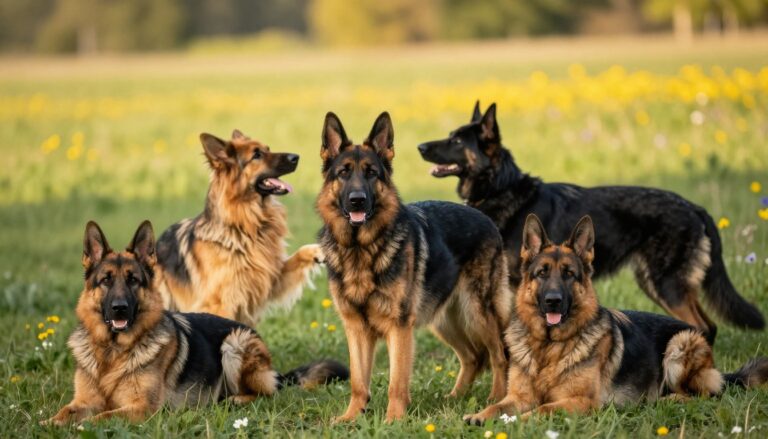
Remember that appearance can vary greatly within the shepherd golden breed. Some dogs may have a lean, athletic Shepherd build, while others inherit a sturdier frame and longer Golden Retriever coat.
Coat colors and textures also vary, from classic black and tan patterns to the golden hues found in retrievers. This genetic diversity means no two dogs look exactly alike, adding to this crossbreed’s unique charm.
What You Should Know About Individual Temperament
Breed traits offer a helpful baseline, but your dog has its own personality. Avoid relying only on generalizations, because each dog develops through its own life path.
How genetics, socialization, and early experiences shape behavior
Your dog’s temperament reflects a mix of genetics, socialization, and early experiences. During puppyhood, proper exposure to new people, animals, and environments helps build confidence.
With positive training and steady guidance, you can help your dog handle unfamiliar situations. Observe your dog’s specific needs to build a stronger, more trusting relationship over time.
Preparing Your Home for a Shepherd Golden Dog
Bringing a shepherd golden dog home takes planning for safety and comfort. Prepare your space first to reduce stress and build a steady routine.
Creating a Safe Sleeping and Resting Area
Every dog needs a quiet place to rest when tired or overwhelmed. Choose a corner away from busy areas, but close enough to feel included.
Place a comfortable bed there to give your dog’s joints proper support. Keep the area free from drafts and at a steady temperature all day.
Removing Household Hazards Before Your Dog Arrives
Curious dogs explore every corner, so remove dangers before your dog arrives. Early planning prevents accidents and helps keep your pet healthy.
Toxic foods, medications, plants, and small objects
Many common household items can seriously harm pets. Store medicines in high cabinets, and remove toxic plants, including lilies and philodendrons.
Keep coins, buttons, and children’s toys off the floor. Your dog could swallow them, causing dangerous blockages that need emergency veterinary care.
Secure fencing, gates, cords, and cleaning supplies
Check your yard for secure fencing and gaps a dog could use to escape. Use baby gates indoors to block rooms not ready for your shepherd golden dog to explore.
Bundle loose electrical cords to prevent chewing, which can cause severe burns or shocks. Move cleaning supplies and chemicals into locked cupboards or onto high shelves.
Gathering Essential Supplies for Daily Care
The right supplies make the first days easier for you and your pet. Preparation is the key to success when bringing home a new animal.
Crates, collars, identification tags, leashes, and beds
- A sturdy crate for crate training and safe confinement.
- A comfortable collar with a clear identification tag.
- A durable leash for controlled walks and training sessions.
- A high-quality bed that fits your dog’s size.
Food bowls, grooming tools, enrichment toys, and waste bags
Choose stainless steel or ceramic bowls because they clean easily and resist bacteria. You also need a soft grooming brush and various enrichment toys to keep your shepherd golden dog mentally stimulated.
Keep waste bags ready for outdoor trips. Organizing these supplies before arrival lets you focus on bonding with your new friend.
Shepherd Golden Training for Good Behavior
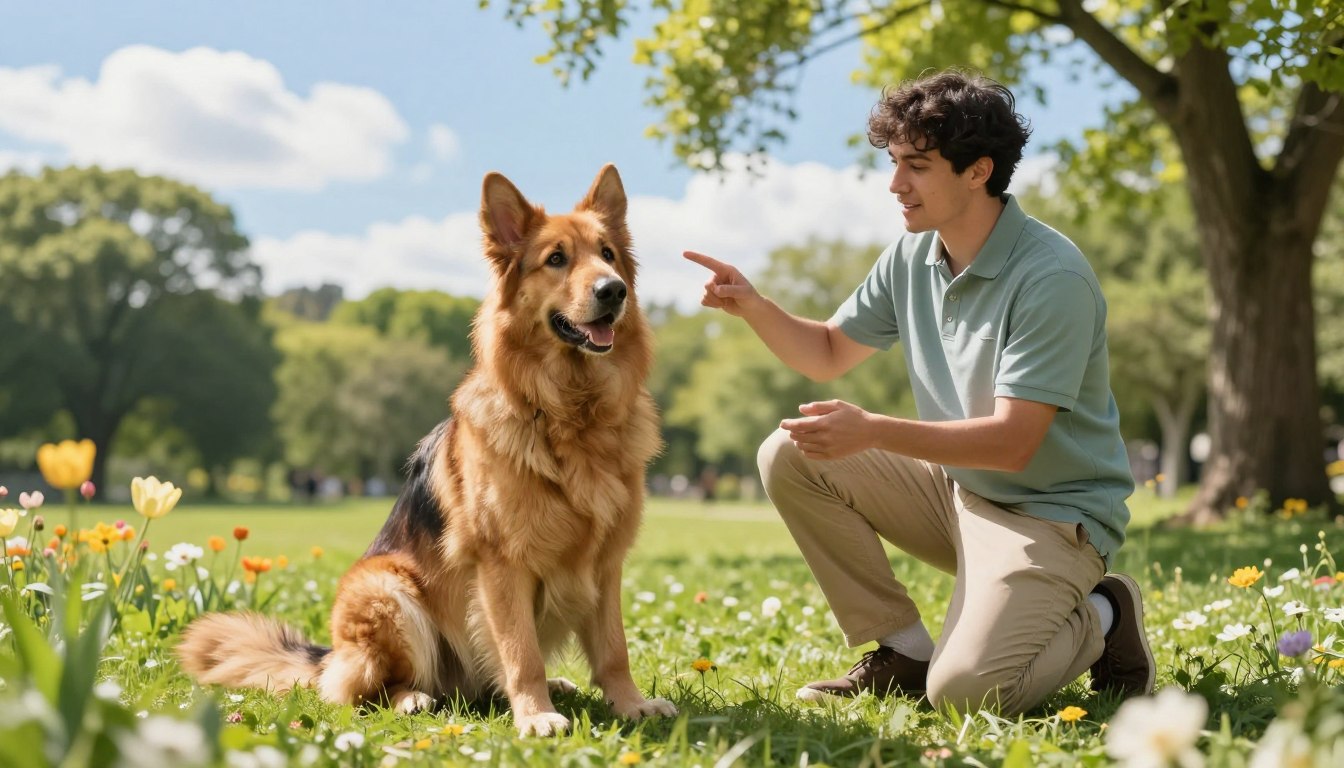
Building a strong bond with your canine companion begins with clear communication. When you train a shepherd golden mix, you teach commands and build mutual respect. A steady approach helps your dog understand your expectations in many situations.
Building Trust With Reward-Based Training
Using treats, praise, play, and consistent timing
Positive reinforcement is the most effective way to shape behavior. Reward desired actions with high-value treats, excited praise, or a favorite toy to encourage repetition. Consistency is vital; every family member should use the same cues and timing.
Why punishment and intimidation can damage learning
Avoid fear or intimidation during training sessions. These methods can cause anxiety and damage the trust you worked hard to build. Punishment may teach your dog to fear you instead of learning the right behavior.
Teaching Essential Cues and Household Manners
Name recognition, sit, stay, come, leave it, and down
Start with the basics to build a strong foundation for your shepherd golden mix. Teach one cue at a time, and keep sessions brief and fun. These commands provide mental stimulation while helping your dog stay safe at home and in public.
Loose-leash walking, polite greetings, and settling indoors
Loose-leash walking makes outdoor adventures more enjoyable for both of you. Reward polite greetings when your dog keeps all four paws on the floor. Teach a “settle” command so your dog can relax quietly while you work indoors.
Managing Common Training Challenges
Jumping, mouthing, barking, pulling, and stealing objects
Boredom or unclear boundaries often cause common behavior problems. Redirect mouthing or jumping with a suitable toy, or ask for a “sit.” Teach “drop it” to trade stolen objects for a treat.
Preventing separation-related distress with gradual independence
Help your dog feel secure when you are away by practicing short separations. Leave the room for a few seconds, then slowly increase the time. This builds confidence and helps prevent anxiety-based behaviors.
| Behavior | Proactive Strategy | Reward Type |
|---|---|---|
| Jumping | Ignore and turn away | Attention when calm |
| Pulling | Stop walking immediately | Treats for loose leash |
| Barking | Identify the trigger | Praise for silence |
| Mouthing | Redirect to a toy | Playtime |
Adjusting Training for a Shepherd Golden Puppy
Keeping sessions short, positive, and age-appropriate
Puppies have short attention spans and need frequent breaks. Keep sessions to five or ten minutes so your shepherd golden mix stays engaged and happy. End each session with a successful repetition and a big reward.
Using predictable routines for potty training and rest
A predictable schedule is the key to successful house training. Take your puppy outside at the same times daily, especially after eating, sleeping, or playing. A steady routine teaches your puppy the house rules and greatly reduces accidents.
Exercise and Mental Enrichment for a Happy Shepherd Golden
A healthy lifestyle for your canine companion requires more than a quick walk around the block. Providing a shepherd golden retriever with balanced exercise and mental challenges creates a well-adjusted pet. Mix outdoor adventures with indoor games to keep your dog fit and happy.
Meeting Daily Physical Activity Needs
Walks, sniffing opportunities, play sessions, and supervised running
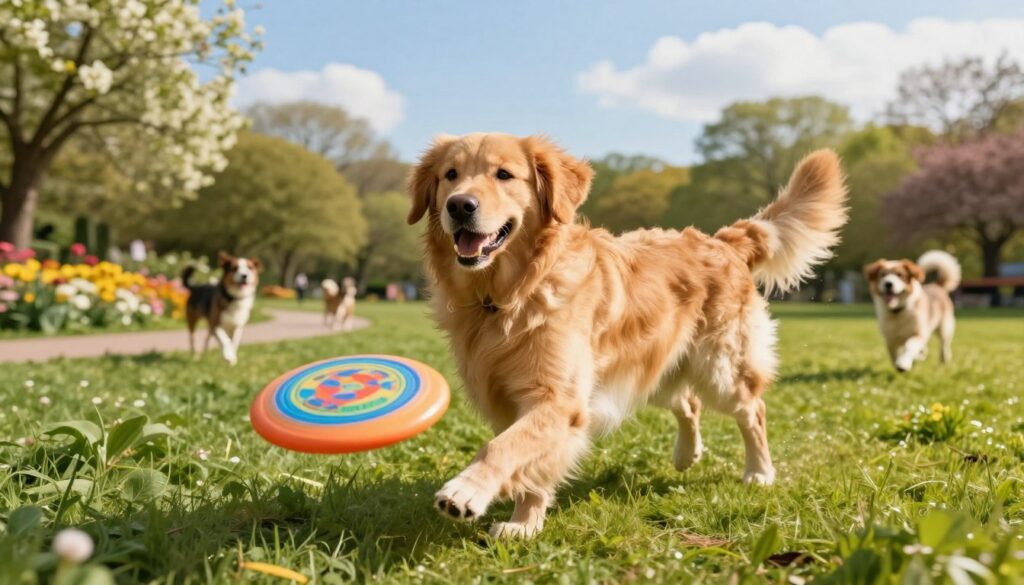
Your dog needs time to explore the world around them. Take daily walks with plenty of sniffing opportunities to engage their natural curiosity. Add active play sessions and supervised running in a secure area to burn extra energy.
Increasing activity gradually as your dog matures
Your shepherd golden retriever needs activities suited to their age and growth. Begin with short, low-impact sessions, then slowly increase their length and intensity. This approach builds stamina without straining your dog’s developing body.
Preventing Overexertion in Puppies and Young Dogs
Protecting developing joints from excessive jumping and repetitive impact
Young dogs have soft growth plates that can suffer injuries. Avoid high-impact activities, such as jumping from tall furniture or repeated agility drills on hard surfaces. Protecting developing joints early supports long-term mobility.
Recognizing heat stress, fatigue, and soreness
Watch your dog closely for exhaustion during exercise. Heavy panting, low energy, or reluctance to move may signal heat stress or soreness. Stop at once and provide a cool, shaded place for rest.
“Mental enrichment is just as important as physical exercise for a working-breed mix. A tired dog is a happy dog, but a mentally engaged dog is a well-behaved one.”
Providing Brain Games and Work-Based Activities
Puzzle feeders, scent games, obedience practice, and hide-and-seek
Brain games help prevent boredom and destructive behavior. Use puzzle feeders to turn mealtime into a challenge, or hide treats around your home for scent games. Obedience practice and hide-and-seek can also strengthen your bond.
Retrieving, swimming, hiking, and other suitable activities
The shepherd golden retriever often enjoys water and retrieving games. Swimming builds muscle through low-impact exercise without placing stress on the joints. Light hiking trails offer sensory experiences that help keep your dog mentally sharp.
| Activity Type | Primary Benefit | Intensity Level |
|---|---|---|
| Scent Games | Mental Stimulation | Low |
| Swimming | Joint-Friendly Fitness | Moderate |
| Hiking | Endurance & Exploration | High |
Balancing Activity With Rest
Why scheduled naps and quiet time support better behavior
Even energetic dogs need downtime to recharge. Scheduled naps and quiet time help prevent overstimulation, which can cause nipping or hyperactivity. A calm routine teaches your dog to settle and relax after a busy day.
Feeding Your Shepherd Golden for Healthy Growth
A balanced diet fuels your dog through every life stage. The right nutrients support your shepherd golden crossbreed from coat quality to joint strength.
Choosing a Complete and Balanced Diet
Comparing puppy, adult, and large-breed food formulas
Puppies need nutrient-rich food for fast growth. As your dog matures, switch to adult food that supports energy without unwanted weight gain. For larger dogs, large-breed specific formulas often work well because they control calcium and phosphorus for healthy bone growth.
Checking nutritional adequacy and ingredient quality
Always look for an AAFCO statement on the package to confirm complete, balanced food. Choose high-quality proteins, such as chicken, beef, or fish, as the first ingredient. Avoid fillers and artificial preservatives that offer little nutritional value to your shepherd golden crossbreed.
Portion Control and Feeding Schedules
Using your dog’s age, weight, activity, and body condition
Your dog’s calorie needs depend on daily activity and metabolism. An active dog needs more calories than a sedentary dog. Check your dog’s body condition often by feeling the ribs; they should feel easy to find but not stick out.
Reducing the risk of excess weight and rapid puppy growth
Rapid growth can stress developing joints. A consistent feeding schedule helps regulate metabolism and prevent overeating. Portion control helps keep your dog at a healthy weight throughout life.
Managing Treats, Chews, and Table Foods
Keeping treats within a reasonable share of daily calories
Treats should provide no more than 10% of your dog’s total daily caloric intake. Choose healthy options, such as carrot sticks or green beans, instead of processed snacks. This keeps your shepherd golden crossbreed happy without upsetting its balanced diet.
Foods that are unsafe for dogs and require veterinary attention
Some human foods are toxic to dogs, so keep these items away from your pet:
- Grapes and raisins
- Chocolate and caffeine
- Onions, garlic, and chives
- Xylitol (found in many sugar-free products)
Recognizing When Diet Changes Need Veterinary Guidance
Food allergies, digestive upset, and unexplained weight changes
Persistent itching, ear infections, or digestive problems may signal a food sensitivity. Always consult your veterinarian before making major changes to your dog’s diet. Sudden weight loss or gain without changed activity also requires a check-up for hidden health problems.
Grooming and Hygiene Care for the Shepherd Golden Crossbreed
Your crossbreed’s unique coat needs patience and the right tools to keep your dog comfortable. Start a steady routine early to manage a shepherd golden puppy’s grooming needs as they grow.
Maintaining the Double Coat
Brushing frequency, undercoat care, and seasonal shedding
Your dog likely has a dense double coat that provides insulation. Brush your dog two to three times weekly to control loose fur. During seasonal shedding, brush daily to prevent mats and keep the coat healthy.
Choosing brushes and removing loose hair without damaging the skin
Use a slicker brush or undercoat rake to reach the dense layer beneath the topcoat. Work in the direction of hair growth to prevent discomfort. Gentle, consistent strokes remove loose hair without scratching sensitive skin.

Bathing and Coat Maintenance
Using dog-safe shampoo and drying the coat thoroughly
Bathe your dog only when needed, usually every few months, with high-quality, dog-specific shampoo. Human products can upset the skin’s natural pH balance. After bathing, dry the coat completely to stop moisture from collecting near the skin.
Why shaving the coat is generally not an appropriate solution for shedding
Many owners wrongly believe shaving reduces shedding or keeps dogs cooler. The double coat provides natural cooling and protects skin from sunburn. Shaving can damage the coat’s texture and affect your dog’s ability to control body temperature.
Keeping Ears, Teeth, Nails, and Paws Healthy
Checking floppy ears for moisture, odor, and irritation
Floppy ears can trap moisture, which may cause infections. Inspect the ears weekly for redness, foul odors, or excess debris. If you notice irritation, ask your veterinarian before using cleaning solutions.
Brushing teeth, trimming nails, and inspecting paw pads
Dental care matters, so brush your dog’s teeth several times weekly with canine-safe toothpaste. Keep nails short enough to prevent walking problems. Check paw pads for cracks, burrs, or embedded debris after outdoor play.
Making Grooming Comfortable From Puppyhood
Introducing handling gradually with rewards and calm repetition
The best way to reduce stress is to start while your shepherd golden puppy is young. Introduce grooming tools slowly, and let your dog sniff and explore them first. Use positive reinforcement, such as small treats and praise, to build a calm, rewarding link with each grooming session.
Preventive Health Care and Safety
Active health care helps your canine companion enjoy a long, healthy life. Early action helps your dog stay happy and active with your family. Understanding the specific shepherd golden characteristics helps you choose the right care plan.
Establishing a Veterinary Care Schedule
A steady relationship with your veterinarian helps detect health concerns early. Regular visits support your dog’s long-term wellness.
Wellness examinations, vaccinations, parasite prevention, and microchipping
Annual or twice-yearly wellness exams establish a baseline for your dog’s health. Visits should include vaccinations, heartworm and flea prevention, and a working microchip check.
Discussing sterilization timing and individualized care with your veterinarian
Sterilization can affect your dog’s development. Ask your vet about the best timing, considering growth rate and overall health.
Monitoring Health Risks Commonly Considered in Shepherd Golden Dogs
Because of the unique shepherd golden characteristics, some health areas need extra attention. Watching your dog at home can reveal subtle changes early.
Joint and mobility concerns, including hip and elbow problems
Large, active breeds often develop joint problems. Watch your dog’s movement and call your vet about stiffness or playtime hesitation.
Skin, ear, eye, digestive, and weight-related concerns
Check your dog’s ears for redness and skin for irritation or hot spots. Keep your dog at a healthy weight because extra pounds strain the body.
Recognizing Signs That Need Prompt Medical Attention
Some symptoms need immediate care to prevent life-threatening problems. Keep your emergency veterinarian’s contact information easy to find.
Breathing difficulty, collapse, repeated vomiting, severe pain, and bloating
Seek emergency care if your dog suddenly bloats, struggles to breathe, or collapses. These signs may point to critical conditions needing quick treatment.
Sudden behavior changes, limping, appetite loss, and dehydration
Watch for unexplained lethargy, refusal to eat, or ongoing limping. These changes may show pain or illness requiring professional diagnosis.
Supporting Long-Term Mobility and Healthy Weight
Support your dog’s active nature with a healthy daily environment. Good habits can protect quality of life for many years.
Low-impact exercise, body-condition checks, and safe flooring
Use low-impact activities, such as swimming or controlled walks, to protect joints. Check body condition regularly and use rugs or mats on slippery floors to prevent injuries, supporting the energetic shepherd golden characteristics.
Socialization and Confident Everyday Behavior
A well-adjusted dog begins with planned socialization and clear guidance. The unique shepherd golden traits combine natural intelligence with high energy and need structured outlets. Positive experiences help your companion explore the world with confidence instead of anxiety.
Introducing Your Shepherd Golden to People and Animals
Controlled greetings with adults, children, and unfamiliar visitors
Keep first meetings with new people short and calm. Ask visitors to ignore your dog at first, so your pet can approach at their own pace. This limits excitement and teaches your dog that polite behavior brings attention.
Safe introductions to dogs, cats, and other household pets
Use leashes during first meetings with other animals to protect everyone. Watch body language for signs of tension or aggression. If your dog stays calm, give high-value rewards to build positive feelings about other pets.
Using Positive Exposure During Puppyhood
Gradually introducing sounds, surfaces, vehicles, grooming, and handling
Show your puppy different settings, including gravel paths, hardwood floors, and busy streets. Pair each new experience with treats to create positive feelings. Gently handle paws and ears during these sessions to make future grooming easier.
Recognizing fear and allowing your puppy to create distance
If your puppy tucks their tail or hides, do not force interaction. Let them retreat to a safe distance where they feel comfortable. Patience is essential; forcing a dog to face fears can increase anxiety.
“Socialization is not just about exposure; it is about creating a sense of security and trust in the world around them.”
Teaching Calm Behavior in Public Places
Practicing at parks, pet-friendly stores, veterinary clinics, and neighborhoods
Take your dog to public settings, such as parks, pet-friendly stores, veterinary clinics, and neighborhoods, to practice focus. Begin in quiet areas, then move to busier locations. This teaches your dog to ignore distractions while following your cues.
Rewarding focus, relaxation, and appropriate responses to distractions
Carry small, healthy treats when practicing focus with your dog. When your dog checks in or ignores a passing bicycle, give immediate praise. This strengthens the shepherd golden traits of attentiveness and willingness to please.
Handling Herding, Chasing, and Protective Tendencies
Redirecting movement toward toys, cues, or structured games
Herding instincts may appear as heel nipping or chasing moving objects. Redirect this energy with structured games, such as fetch or tug-of-war. These activities give natural drive a healthy outlet.
Preventing unsupervised chasing of children, wildlife, bicycles, and vehicles
Do not let your dog practice chasing, because the behavior can become a habit. Use a long line in open areas to allow movement while keeping control. Consistent training teaches your dog that chasing is unacceptable.
| Socialization Area | Goal | Success Indicator |
|---|---|---|
| New People | Calm Greeting | Four paws on the floor |
| Public Spaces | Focus on Owner | Ignoring distractions |
| Handling | Comfortable Grooming | Relaxed body posture |
| Moving Objects | Impulse Control | Choosing to sit or wait |
Creating a Consistent Daily Routine and Strong Bond
A reliable daily rhythm builds a happy life with your dog. When your pet knows what to expect, they feel safer and less anxious. This stability helps your dog thrive in different environments.
Building a Predictable Schedule
Coordinating meals, potty breaks, exercise, training, grooming, and sleep
A structured day helps meet your dog’s physical and mental needs. Set times for meals and potty breaks to build a rhythm and support house training. Consistency is key to keeping your dog healthy and well-adjusted.
- Morning: Start with a brisk walk and a nutritious breakfast.
- Midday: Include a short training session or mental enrichment game.
- Evening: Dedicate time to grooming and quiet relaxation before bed.
Adapting the routine for workdays, weekends, weather, and travel
Life changes, so your routine must adapt. On workdays, use shorter, active play sessions; weekends allow longer hikes or social outings. Always adjust your plans for extreme weather to keep your dog safe and comfortable.
Using Everyday Moments as Training Opportunities
Practicing patience before meals, doors, walks, and play
Every interaction offers a chance to teach good manners. Before placing food down or opening the door, ask your dog to sit and wait for your cue. This simple practice teaches your dog that patience leads to rewards.
Reinforcing calm behavior instead of rewarding demanding behavior
Giving in when your dog nudges you can reinforce demanding habits. Instead, wait for your dog to settle quietly before offering affection or play. Rewarding calm behavior encourages your dog to choose relaxation over excitement.
Strengthening Your Relationship Through Quality Time
Combining affection, interactive play, exploration, and quiet companionship
A strong bond requires more than basic care. Play fetch or tug-of-war to build trust through interaction. Quiet companionship also matters because your dog feels safe near you.
Respecting personal space and individual comfort signals
A healthy relationship depends on mutual respect. Watch your dog’s body language to learn when they need space or feel overwhelmed. Respecting these signals reduces stress and helps your dog trust you as a reliable leader.
Maintaining Care When You Are Away
Choosing reliable dog walkers, sitters, boarding facilities, or family support
When you cannot be there, keep your dog in capable hands. Choose a professional dog walker or trusted family member who understands your dog’s routine. Reliable care keeps your dog’s training and health habits consistent during your absence.
Conclusion
Raising a Shepherd Golden requires a commitment to balanced living. Reward-based training and regular mental enrichment give your pet a strong foundation for a thriving life. Proper nutrition and grooming help your companion feel their best every day.
Puppies grow best with age-appropriate activity and scheduled rest. Watch for subtle changes in mobility, appetite, or coat condition to support long-term health. Preventive veterinary care provides a vital safety net throughout your pet’s life.
Thoughtful socialization helps your dog face the world with confidence and grace. Daily routines and quality time together build a deep, lasting bond. Patient guidance turns everyday moments into chances for growth and connection.
A well-adjusted dog reflects the care you give its development. Keep observing your pet to understand its unique needs as it matures. Your ongoing attention and love support a happy, healthy life for your loyal companion.