Turkish Dog Breeds: Why the Kangal Stands Above Other Guardians
Imagine standing on your property at dusk, feeling the weight of responsibility for your livestock and family. You need a protector that is not just a pet, but a steadfast sentinel. Many owners in the United States find themselves searching for the perfect companion among various ancient breeds.
The Turkish Kangal often emerges as the premier choice for those seeking unmatched loyalty and power. While other options like the Anatolian Shepherd, Akbash, Aksaray Malaklisi, and Boz Shepherd offer unique traits, this specific breed balances strength with a calm, controlled temperament.
Choosing the right guardian requires careful thought. You must weigh factors like training needs, family safety, and long-term ownership costs before making your final decision. This guide will help you navigate these choices to ensure you find the ideal livestock guardian for your specific lifestyle.
Table of Contents
What Sets a Turkish Dog Guardian Apart
Choosing a working guardian means picking a partner shaped by centuries of service. These dogs were bred to make quick decisions without constant commands. This history shapes how they interact with their surroundings.
How Turkish livestock guardians evolved for independent protection
For generations, these dogs protected flocks in remote mountains. They faced wolves and bears alone, without humans. This forced them to be very independent.
They became experts at defending their territory. They don’t need a handler to know when to bark or stand their ground. Their independence is key to their work style.
Turkish dog characteristics that matter to American owners
Strength, endurance, alertness, and territorial awareness
If you want a guardian, you need to understand their traits. A turkish dog is strong and can patrol for hours. They notice changes before you do.
They see your property as their own and will defend it. This makes them great guardians but they need a secure place to protect.
Independence versus obedience in a working guardian
Unlike herding dogs, these guardians value their own decisions. They might not be as interested in tricks or commands. They focus on protecting their charges.
This doesn’t mean they can’t be trained. But, you must earn their respect. They need a firm leader who understands their need for freedom. You’re not just training a pet; you’re managing a professional.
What you should evaluate before choosing a guardian breed
Property size, livestock, fencing, and climate
Before choosing a turkish dog breed, check your property. They need lots of space and strong fencing. They can challenge boundaries.
Also, think about your climate. They have thick coats for cold weather but need shade and water in hot summers. The type of livestock you have matters too, as they need to be socialized.
Experience, legal requirements, and household safety
Owning a large guardian is a big responsibility. You need experience with powerful breeds. Check local laws and make sure your property is safe for the dog and guests.
Remember, the anatolian shepherd is a good example of these turkish dog characteristics. Think about if you’re ready for the commitment. Choosing the right guardian is a big investment in your home and livestock’s safety.
The Turkish Kangal Dog: Strength, Loyalty, and Control
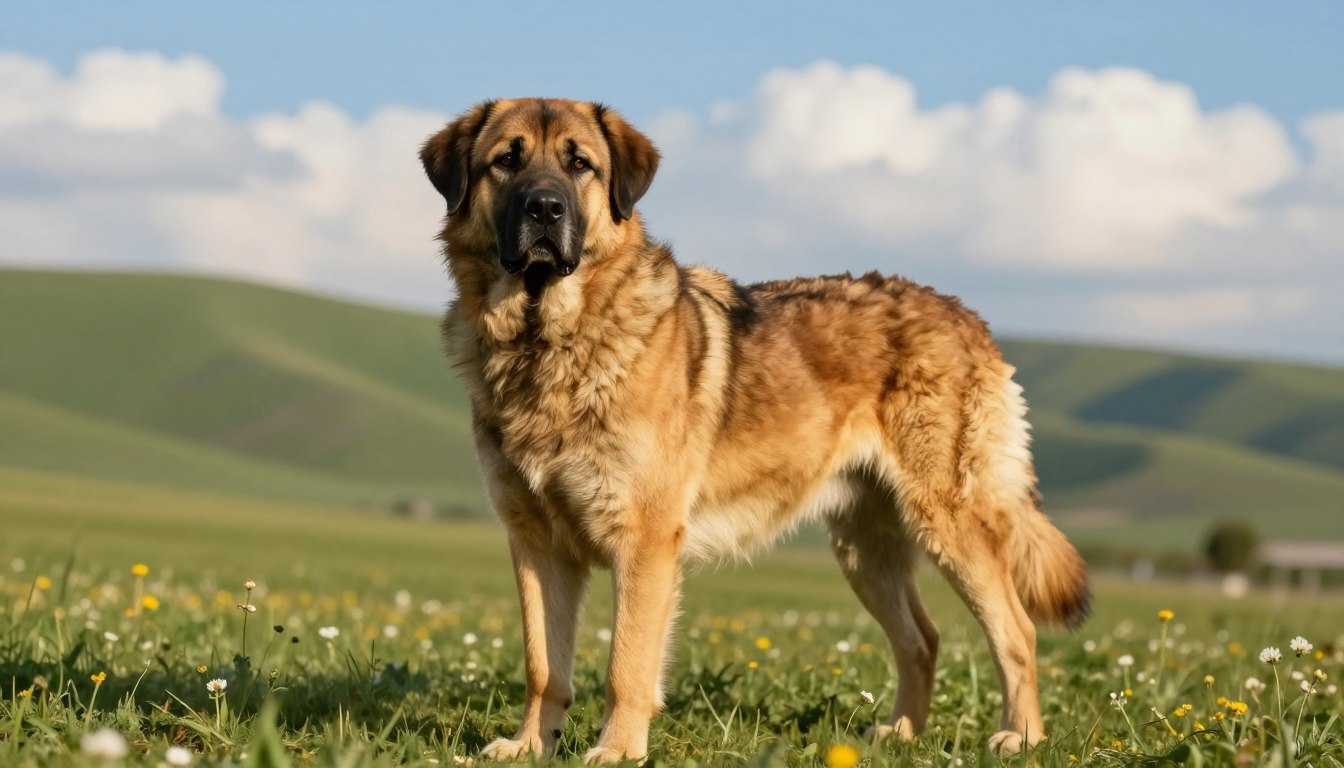
If you’re looking for a guardian that’s strong yet calm, the turkish kangal dog is perfect. This breed has protected livestock for centuries in tough environments. It’s both physically strong and mentally stable.
Physical traits that give the Kangal an advantage
Size, athletic build, bite strength, and stamina
The Kangal is built for endurance and power. It has a big frame and an athletic build. These dogs can patrol large areas for hours. Their strong bite is a natural defense against predators.
Short coat, black mask, and weather resistance
The turkish dog characteristics include a unique coat. It’s short and dense, keeping them warm in cold and hot weather. The black mask is a sign of their heritage and purity.
Turkish dog temperament and working behavior
Calm confidence around familiar people and animals
Despite their size, the turkish dog temperament is calm. They are gentle and protective of their family and livestock. They stay relaxed in familiar places without getting agitated.
Decisive responses to predators and perceived threats
When a threat appears, the Kangal becomes alert. They don’t bark without reason, making their warnings credible. Their response to threats is quick and calculated.
Why the Kangal can outperform other guardians
Balanced aggression, restraint, and threat assessment
The Kangal is not aggressive without reason. It assesses threats before acting. This restraint makes it a reliable guardian, not a liability.
Ability to patrol large properties without constant direction
These dogs are independent. They don’t need constant commands. They know their boundaries and patrol your property on their own.
Limitations you should understand before purchase
Space, socialization, fencing, and daily management requirements
Getting a Kangal is a big commitment. They need lots of space and secure fencing. Early socialization is key to keep them manageable in different places.
Why the breed is a poor fit for inexperienced owners
This breed is not for beginners. They are big and protective. You need to be ready for:
- High exercise needs: They need room to move and mental challenges.
- Training intensity: They do best with firm, consistent, and experienced trainers.
- Socialization: They need to meet many people and situations early.
| Feature | Kangal Advantage | Management Need |
|---|---|---|
| Temperament | Calm and Alert | Consistent Training |
| Physicality | High Stamina | Large Property |
| Protection | Decisive Action | Secure Fencing |
The Anatolian Shepherd Compared With the Kangal
If you’re looking for a guardian, comparing the anatolian shepherd and the Kangal is key. Both breeds come from the same region but offer different experiences. This is important for the modern owner.
How the Anatolian Shepherd differs in history and type
The Anatolian Shepherd is seen as a mix of breeds. It was made to be tough and guard the Anatolian plateau.
The Kangal, on the other hand, was bred to guard sheep. It has a uniform turkish dog type focused on protection.
Anatolian Shepherd size, coat, energy, and guardian instincts
The Anatolian Shepherd is big and strong. It has a short, dense coat for harsh weather. These dogs are full of energy and love to patrol their area.
Adaptability to varied American climates and properties
These dogs are great at adapting to different American environments. They handle both hot and cold well, making them perfect for big properties.
Independent decision-making and strong territorial behavior
The turkish dog temperament in this breed is very independent. They are trained to protect on their own, making them reliable guardians.
Where the Anatolian Shepherd may be the better choice
If you need a dog for many tasks, the Anatolian Shepherd is a good pick. They are versatile and loved by many American farmers.
Mixed working backgrounds and broader availability in the United States
They are bred for general protection, so there’s a wide range of working lines. This makes it easier to find a puppy that meets your needs.
Suitability for owners seeking a versatile farm guardian
These dogs are great at protecting different animals. They can guard everything from poultry to cattle, showing great flexibility.
Where the Kangal holds the advantage
The Kangal is better if you want a predictable guardian. Their breeding history has made them steady and imposing.
Consistent guardian temperament and physical presence
The Kangal has a consistent look and behavior. Their consistent guardian temperament means you know what to expect as they grow.
Ability to combine deterrence with controlled behavior
Kangals are powerful but use their presence to deter threats. They often solve problems with their posture, not aggression. This is a big plus for many owners.
The Akbash and Other Turkish Dog Breeds for Livestock Protection
Exploring turkish dog breeds shows us more than just the Kangal. Knowing about different breeds helps you choose the right one for your land. Each has its own history and instincts.
Akbash characteristics, appearance, and working style
Lean athletic structure and white protective coat
The Akbash is a striking turkish dog with a lean build. Its white coat blends well with flocks, hiding them from predators. This build helps them stay active for long periods.
Alertness, independence, and sensitivity to unfamiliar activity
Akbash dogs are very alert. They are independent and like to watch from a distance. They’re great at warning you of danger.
Aksaray Malaklisi as a heavier Turkish guardian
Large frame, intimidating presence, and property demands
The Aksaray Malaklisi is bigger and more intimidating. Its size alone can scare off intruders. But, it needs lots of space and strong fences.
Why limited availability makes careful sourcing essential
Finding a reputable breeder for this breed is key. You need to check the dog’s health and temperament. This ensures you get a dog ready for serious work.
Turkish Boz Shepherd and regional guardian types
Working reputation, size variation, and breed identification concerns
The Turkish Boz Shepherd is known for its fierce reputation. Size can vary, making it hard to identify them. They are valued for their raw protective instincts.
Why local lineage and documented history matter
Choosing a dog based on its history is important. Local lineage shows how well the dog handles certain environments. Always choose breeders with clear records.
How these breeds compare with the Kangal
Guarding style, trainability, coat needs, and family compatibility
These breeds differ from the Kangal in guarding style and trainability. Some may react more to threats. Coat care also varies, with white coats needing more grooming.
Which owners may prefer a specialized alternative
Some owners might want a specialized dog for their specific needs. Those needing a more reactive guardian or a certain size may find what they’re looking for.
| Breed | Primary Strength | Best For |
|---|---|---|
| Akbash | High Alertness | Open Range Protection |
| Aksaray Malaklisi | Intimidating Size | Deterrence |
| Boz Shepherd | Raw Instinct | Demanding Environments |
Comparing Turkish Guardians by Practical Ownership Needs
Choosing between a turkish kangal dog and other breeds depends on your security needs. Each breed has unique traits that affect your property. Knowing these differences is key for success.
Size, strength, and deterrence
Kangal versus Anatolian Shepherd, Akbash, Aksaray Malaklisi, and Turkish Boz Shepherd
The turkish kangal dog is known for its size and calm demeanor. The Anatolian Shepherd is similar but may have a different build and coat. The Aksaray Malaklisi and Turkish Boz Shepherd are heavier, offering more deterrence against predators.
The Akbash is leaner and faster, great for agility. Remember, size isn’t everything. A dog’s ability to show authority is more important than its weight.
Temperament and trainability
Human-directed obedience versus independent protection
Understanding turkish dog temperament is crucial. These dogs are bred to make decisions on their own. They are intelligent but independent.
Managing suspicion, reactivity, and boundary control
These dogs are naturally wary of strangers. Training should focus on managing their reactivity. Setting clear boundaries is essential for their patrol area.
Livestock protection and predator pressure
Choosing for sheep, goats, cattle, poultry, or mixed farms
The type of livestock you have affects the breed choice. Agile breeds are good for poultry, while heavier breeds like the Malaklisi are better for cattle. Assess your animals’ vulnerability to choose the right protection.
Matching guardian ability to coyotes, stray dogs, and larger predators
If coyotes or stray dogs are a problem, a turkish dog with a strong territorial drive is needed. For larger predators, a more assertive guardian is required. Monitor predator activity to adjust your strategy.
Family life and social compatibility
Children, visitors, pets, and frequent household activity
Integrating a guardian into your family needs patience and structure. These dogs are gentle with their family but may see visitors or pets as threats. Create safe environments for social interactions.
Early socialization and safe introduction procedures
Early socialization is vital for a well-adjusted guardian. Expose your puppy to various sights, sounds, and people. Use positive reinforcement and controlled introductions to teach your dog to distinguish between friends and intruders.
Care requirements and ownership costs
Food, veterinary care, grooming, training, and secure fencing
Owning a large guardian is expensive. You’ll need to budget for quality food, vet visits, and training. Secure fencing is also crucial to keep your dog safe.
How climate and property size affect long-term expenses
Climate and property size impact ongoing costs. Dogs in extreme climates may need special shelter. Larger properties require more robust fencing. Plan for these costs to ensure your dog’s care throughout its life.
| Breed | Primary Strength | Best For | Energy Level |
|---|---|---|---|
| Kangal | Balanced Power | Large Predators | Moderate |
| Anatolian Shepherd | Versatility | Mixed Farms | Moderate |
| Akbash | Agility | Sheep/Goats | High |
| Aksaray Malaklisi | Mass/Deterrence | Cattle | Low |
Why the Kangal Stands Above Other Turkish Guardians
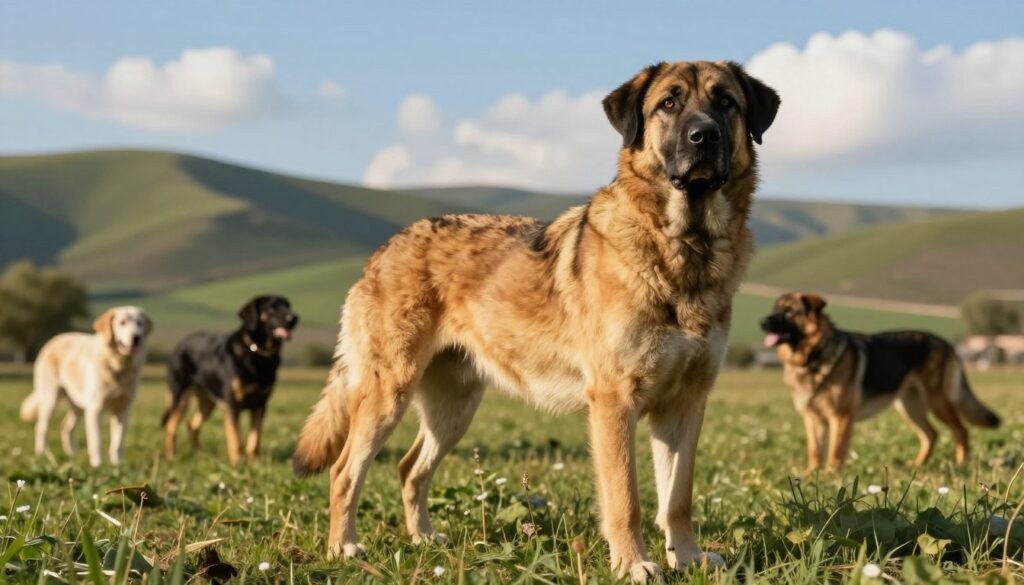
The Kangal is often seen as the top choice for those looking for a powerful yet calm dog. It stands out because it combines physical strength with mental calmness. This makes it a unique guardian compared to other dogs.
The ideal balance between power and composure
The Kangal is known for staying calm, even when things get intense. Unlike some dogs, it only acts when it really needs to. This makes it a reliable guardian.
Protective instincts without unnecessary confrontation
The Kangal’s nature is to deter threats without violence. It uses its size and deep bark to scare off intruders. This way, it often stops problems before they start.
Endurance for large rural properties and demanding climates
These dogs were made for tough environments. They can work for hours without getting tired. This makes them perfect for protecting large areas of land.
Reliable loyalty when properly socialized and managed
Kangals are independent but also very loyal to their families. Consistent socialization helps them become great companions. They protect their loved ones well.
When another Turkish guardian may better suit your goals
While the Kangal is excellent, it’s not the only good choice. Other breeds might fit better with your needs or lifestyle.
Choosing the Anatolian Shepherd for broader versatility
The anatolian shepherd is great for those who need a versatile guardian. It can easily adapt to different roles. This makes it a popular choice.
Choosing the Akbash for a lighter, highly alert guardian
If you want a dog that’s quick to react, the Akbash is a good pick. They are very alert and respond fast to threats.
Choosing a heavier regional type for specialized deterrence
For those who want a dog that’s very intimidating, there are heavier breeds. These dogs are built to be a strong presence. They are perfect for situations where size matters.
| Breed | Primary Strength | Best For |
|---|---|---|
| Kangal | Balanced Composure | General Livestock Protection |
| Anatolian Shepherd | Versatility | Multi-purpose Farm Work |
| Akbash | High Alertness | Rapid Response |
Choosing and Buying a Turkish Dog in the United States
Finding the right turkish dog for your property is a big deal. It requires careful research. Whether you want a Kangal or another turkish dog breed, the quality of your source is key to your dog’s success.
How to evaluate a Turkish dog breeder
Health records, working history, temperament testing, and ownership support
A good breeder will show health clearances for the parents. Look for hip and elbow scores, important for big, working dogs.
Ask about the dog’s working history. A professional breeder will also support you and your dog over time.
Questions to ask about parents, livestock exposure, and socialization
Find out where the puppies were raised. Early exposure to livestock is crucial for a future guardian.
- Have the parents been tested for temperament stability?
- How much human interaction did the litter receive during the first eight weeks?
- Can you provide references from previous buyers who use their dogs for protection?
What to check before searching for a Turkish dog for sale
Breed registration, import documentation, vaccination records, and contracts
When looking for a turkish dog for sale, check for valid registration papers. If the dog is imported, ensure all health and customs documents are correct.
Always get a written contract. It should cover health guarantees and what to do if you can’t keep the dog.
Warning signs of scams, irresponsible breeding, and mislabeled dogs
“A true guardian is bred for function, not just for show or profit.” — Experienced Breeder
Be cautious of breeders without health records or who rush to sell. Avoid rare colors or sizes, as they often indicate poor breeding.
Estimated ownership considerations for a large guardian
Purchase price, transportation, food, fencing, and veterinary reserves
Large guardians are a big financial commitment. You’ll need to budget for quality food, secure fencing, and emergency vet care.
| Expense Category | Estimated Impact | Frequency |
|---|---|---|
| Food & Nutrition | High | Monthly |
| Veterinary Reserves | Moderate | Annual |
| Fencing/Infrastructure | High | One-time |
Local zoning, insurance, leash laws, and breed restrictions
Before bringing your dog home, check local zoning laws. Some places have strict rules for large guardian breeds. You might need special insurance to protect your property.
How to select a puppy or adult working dog
Advantages of a puppy for socialization and training
Starting with a puppy lets you shape their behavior. You can introduce them to your livestock and family, building a strong bond.
Advantages of an evaluated adult with proven guardian behavior
If you need protection fast, an adult dog is better. An adult has a known temperament and working habits, making training easier.
Training, Housing, and Daily Management for a Kangal
Success with a livestock guardian comes from consistent training and managing the environment. Understanding the turkish dog characteristics helps build a strong bond. Start these habits early to keep your dog reliable on your property.
Building dependable behavior from puppyhood
Boundary training, recall foundations, handling, and calm routines
Teach your puppy that boundaries are strict. Use clear verbal cues and positive reinforcement to show where they can go. Early handling practice makes them comfortable with vet visits and grooming.
Using reward-based methods without suppressing guardian instincts
Use reward-based training to strengthen your bond without losing their natural turkish dog temperament. Reward calm behavior and focus. This keeps your dog alert and ready for their role.
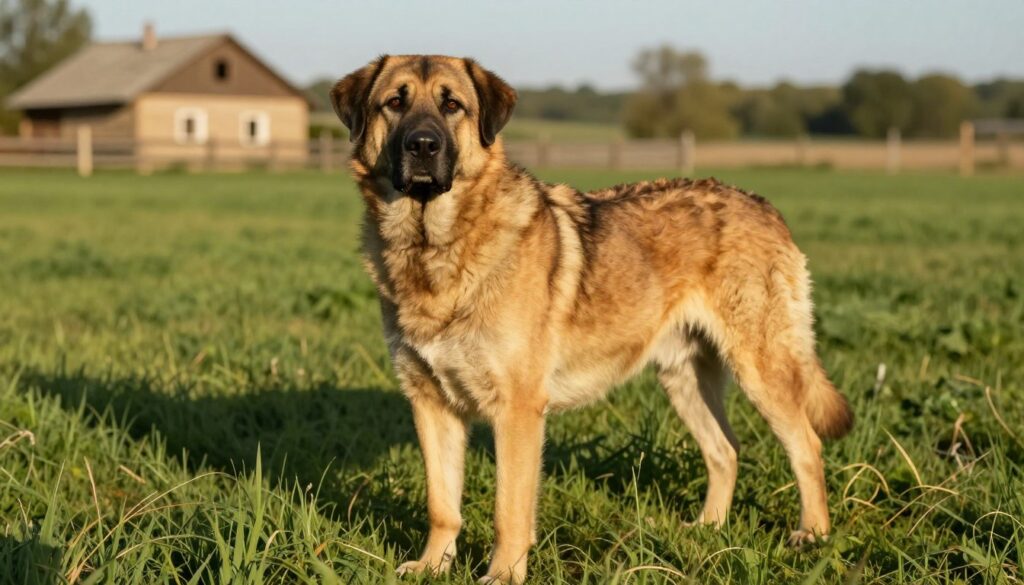
Creating a safe property for an adult Kangal
Fence height, secure gates, dig prevention, and visual boundaries
A secure property is key for a turkish kangal dog. Install high fencing and bury wire mesh to stop digging. Use heavy-duty, locking gates that dogs can’t open.
Separate areas for visitors, livestock, children, and other dogs
Design your property with safe zones. Keep livestock in secure paddocks and a quiet space for your dog. This prevents conflicts and stress for your guardian.
Preventing common behavior and welfare problems
Reducing nuisance barking, roaming, resource guarding, and boredom
Manage unwanted habits early. Give your dog mental and physical tasks to avoid boredom. Teach them you’re a provider, not a competitor for food or toys.
Recognizing stress, fear, pain, and escalating aggression
Learn to read your dog’s body language. Changes in posture or panting can mean pain or stress. If aggression grows, get help from a professional trainer.
Maintaining health and working condition
Weight control, joint protection, parasite prevention, and exercise
Keep your dog’s weight in check for joint health. Feed them a balanced diet and exercise regularly. Consistent parasite prevention is crucial for outdoor dogs.
Veterinary screening for hip dysplasia and other large-breed risks
Regular vet checkups are vital for large breeds. Screen for hip dysplasia early to manage it. Prioritizing preventative care keeps your dog active and healthy.
Turkish Dog Names That Match a Kangal’s Role
Choosing the right name for your dog is important. It should match their role as a protector. A good name shows a strong bond from the start.
Strong Turkish dog names for male Kangals
For a male guardian, choose names that remind you of Anatolia’s rugged beauty. These names should reflect the breed’s strength and history.
Names associated with strength, courage, mountains, and protection
- Aslan: Meaning “lion,” a classic choice for a brave protector.
- Duman: Meaning “smoke,” perfect for a dog that moves silently like mist.
- Kaya: Meaning “rock,” representing the unshakeable stability of your guardian.
- Kurt: Meaning “wolf,” honoring the wild heritage of the breed.
- Baris: Meaning “peace,” reflecting the calm demeanor of a well-trained guardian.
Turkish dog names for female Kangals
Female guardians are fierce yet loyal. Turkish dog names that show these traits are perfect for them.
Names reflecting loyalty, guardianship, nature, and confidence
- Leyla: A beautiful name often associated with the night and mystery.
- Ceylan: Meaning “gazelle,” highlighting grace and agility.
- Elmas: Meaning “diamond,” representing the precious value of your protector.
- Zeynep: A traditional name signifying beauty and strength.
- Gunes: Meaning “sun,” perfect for a dog that brings light to your farm.
How to choose a practical working name
Your dog’s name should be practical for farm life. It needs to be clear and loud enough to get their attention.
“A name is not just a label; it is the primary tool for communication between a human and their working partner in the field.”
Short sounds, clear pronunciation, and reliable response in the field
Choose names with one or two syllables. Names like “Kaya” or “Kurt” are easy to hear over noise. Clear pronunciation helps your dog respond fast, even when they’re far away.
Names that avoid confusion with commands or livestock cues
Stay away from names that sound like commands like “Stay” or “No.” This prevents confusion during important moments. Also, make sure the name doesn’t sound like your livestock, to avoid distractions.
Conclusion
The Turkish Kangal dog is a top pick for those wanting strength, loyalty, and endurance. It has a calm nature, making it great at protecting without being too aggressive. This dog is perfect for keeping large areas safe while being steady.
Choosing the right Turkish dog breed depends on your needs. An Anatolian Shepherd might be better if you want different looks or history. The Akbash or Aksaray Malaklisi are good for specific climates and predators.
Think about your livestock, fencing, and legal needs before getting a dog. Make sure to find a reputable breeder with healthy dogs and a good work history. Pick a dog that fits your lifestyle and can be well cared for.
Give your dog a name that honors its Turkish heritage. Success comes from being well-prepared and dedicated. Spend time training your dog to keep it a reliable protector.