When to Change Puppy Food to Dog Food: Age & Feeding Tips
Watching your furry friend grow is a profoundly rewarding journey. You’ve likely spent months watching every milestone. Now, you might wonder when to change puppy food to dog food to support their growing needs.
This change is a big step in your pet’s life. It’s important to time it right so they get the right nutrients. Every animal grows at their own pace. Knowing tips for changing puppy food to dog food will help you make this change with confidence.
Table of Contents
Understanding the Nutritional Differences Between Puppy and Adult Formulas
Choosing the right diet means understanding the differences between puppy food vs. adult dog food. Both types aim to provide complete nutrition. But they are made for different life stages.
Puppies grow fast and need lots of energy. Adult dogs need a diet that helps them stay healthy and avoid obesity.
Key Macronutrient Variations
The main difference is in the macronutrients. Puppy formulas have higher protein and fat levels. This is to meet the high energy needs of a growing body.
These diets help build lean muscle and provide the calories needed for active puppies. Adult formulas have lower fat to help keep dogs at a healthy weight.
Micronutrient Density and Growth Support
The mineral content of a diet is also key for long-term health. Puppy food has the right amounts of calcium and phosphorus for proper skeletal development.
Adult dogs eating puppy food for too long can face health problems. Adult diets are balanced for organ health and immune function without too many minerals.
Determining When to Change Puppy Food to Dog Food Based on Breed Size
Switching your pet to adult food depends on their breed size. Different dogs grow at different rates. So, there’s no one best age to switch puppy food for all dogs.
It’s important to know when to switch to adult food. This ensures your dog gets the right amount of calories for their age. Proper nutrition is key for a long, healthy life for your furry friend.
“The nutritional needs of a growing puppy are very different from those of an adult. Matching the diet to the breed’s growth curve is crucial for long-term health.”
Small and Toy Breed Maturity Timelines
Small and toy breeds grow up quickly. They usually reach their adult size between 9 and 12 months old.
They need food rich in nutrients early on. Around one year old, it’s time to switch to a maintenance diet.
Medium Breed Growth Milestones
Medium-sized dogs grow at a moderate pace. They usually reach their adult weight and full growth by 12 months old.
It’s important to watch their body condition during this time. If they stay healthy and have lots of energy, it’s okay to switch their food around their first birthday.
Large and Giant Breed Considerations
Large and giant breeds need more time for their diet to change. They grow and develop their bones for a long time, often until 18 to 24 months old.
Switching their food too soon can harm their bone and joint health. Always talk to your vet to find the best age to switch puppy food for your giant breed. Their needs are different from smaller dogs.
Signs Your Puppy Is Ready for the Transition
Finding the best age to switch puppy food means watching your pet grow. It’s not just about the calendar. Your dog will show signs when they’re ready for adult food. Paying attention to these signs helps you give the right food at the right time.
Physical Indicators of Maturity
Watching your puppy’s growth is key. You’ll see their height growth slow down and their body fill out with lean muscle mass. When they stop growing taller, it means their bones are fully grown.
Using breed-specific growth charts is also helpful. When your puppy is about 80% to 90% of their adult weight, they might not need puppy food anymore. This is often the best age to switch puppy food to prevent too much weight gain.
Behavioral Changes and Appetite Shifts
Look for changes in your puppy’s energy and eating. Puppies often calm down and eat less as they get older. If your dog doesn’t finish meals or leaves food, it might be time for a change.
Spotting these signs is crucial for your dog’s health. A puppy ready for adult food will have a steady appetite. By noticing these changes, you help them smoothly move into adulthood.
The Importance of Transitioning Puppy Food Gradually
Switching your dog’s food can greatly affect their health. It’s not wise to change their food suddenly. A transition from puppy food to adult dog food should be done slowly. This ensures your pet stays healthy and comfortable.
Preventing Digestive Upset
Changing your dog’s diet too quickly can upset their stomach. You might see vomiting, loose stools, or a drop in appetite. This is because their stomach isn’t ready for the new food.
Choosing a gradual puppy food transition helps avoid these problems. It lets their body get used to the new food slowly. Small, steady changes are the safest way to make the switch.
The Role of Gut Microbiome Stability
The importance of transitioning puppy food is mainly about keeping the gut healthy. Your dog’s digestive system needs a balance of good bacteria to digest food well. New food can upset this balance, causing digestion issues.
Slowly introducing new food lets the good bacteria adjust. This is key for good digestion and immune health. The table below shows why slow changes are better than sudden ones.
| Feature | Abrupt Transition | Gradual Transition |
|---|---|---|
| Digestive Risk | High (Vomiting/Diarrhea) | Low (Minimal Stress) |
| Microbiome Impact | Significant Disruption | Stable Adaptation |
| Appetite Stability | Often Decreased | Maintained Consistency |
| Recovery Time | Days to Weeks | None Required |
Step-by-Step Guide to Mixing Foods
A gradual puppy food transition is key to avoiding stomach upset. It helps your dog get used to new foods slowly. This way, your dog’s digestive system can adjust to the new protein and nutrients without stress.
The Seven-Day Transition Schedule
Follow a seven-day plan to make the switch smooth. This plan helps you mix old and new food just right. Use the table below to guide your daily feeding amounts.
| Days | Puppy Food | Adult Food |
|---|---|---|
| 1-2 | 75% | 25% |
| 3-4 | 50% | 50% |
| 5-6 | 25% | 75% |
| 7 | 0% | 100% |
Monitoring Stool Quality and Energy Levels
Introducing adult dog food is more than just about the food. You need to watch how your dog reacts. Keep an eye on their stool quality. Consistent, firm stools mean their digestive system is adjusting well.
If you see loose stools or vomiting, slow down. Stay on the current ratio for a bit longer. Also, watch your dog’s energy levels. They should stay playful and active. Consistent observation is crucial for a smooth transition.
Common Mistakes to Avoid During the Food Switch
Knowing how to switch dog food stages is key for your pet’s health. It might seem easy, but many owners make mistakes that harm their dog. By following these tips for changing puppy food to dog food, you can make the transition smooth. This supports your dog’s changing needs.
Switching Too Early or Too Suddenly
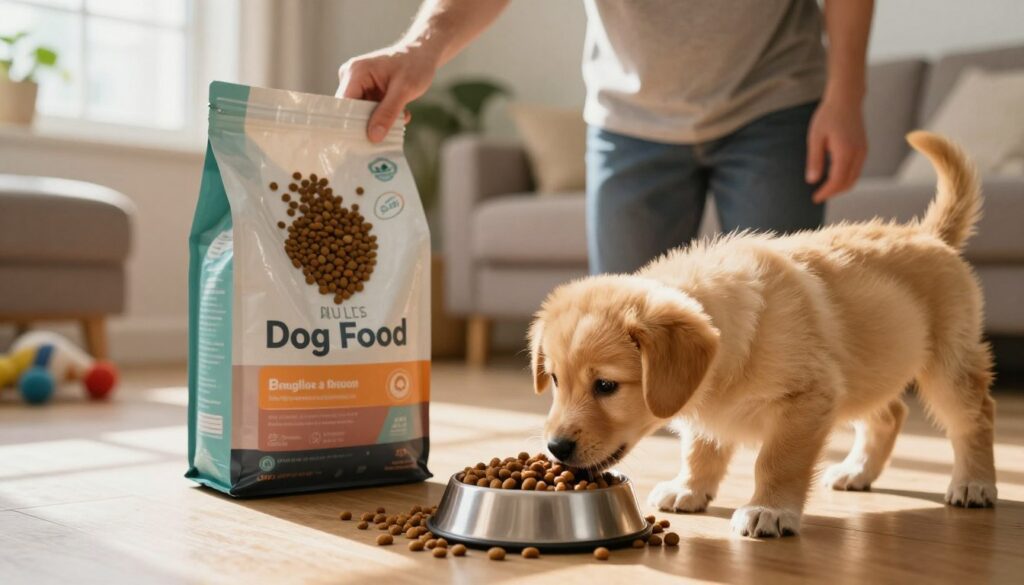
One big mistake is switching to adult food too soon. Prematurely switching can hurt a growing dog’s bone and muscle growth. Also, changing food too fast can upset your dog’s stomach, causing vomiting or diarrhea.
“The secret to a healthy transition is patience; your dog’s gut microbiome requires time to adapt to new protein and fat profiles.”
Ignoring Caloric Density Differences
Many owners don’t notice that adult food has different calories than puppy food. Not adjusting portions can lead to weight issues. This can cause your dog to gain or lose weight too fast during the switching dog food stages.
To avoid these issues, here’s a comparison of common mistakes and their effects on your dog:
| Common Mistake | Potential Consequence | Recommended Action |
|---|---|---|
| Abrupt Switch | Severe digestive upset | Use a 7-day gradual plan |
| Ignoring Calories | Obesity or malnutrition | Calculate daily caloric needs |
| Early Transition | Stunted growth patterns | Consult your vet for timing |
Keep a close eye on your dog’s health during this time. If you see sudden changes, slow down the transition. Watching your dog closely is the best way to avoid these mistakes.
Evaluating Your Dog’s Body Condition Score
Keeping your dog at a healthy weight starts with understanding their body condition. As your pet matures, their metabolism and energy needs change significantly. Using a Body Condition Score (BCS) helps you track their physical health and make diet decisions.
Regular evaluations are key because adult dogs have different lifestyles than puppies. By checking your dog’s frame often, you can spot weight changes early. This helps prevent obesity and supports long-term vitality.
How to Perform a Hands-On Assessment
You don’t need special tools to check your dog’s weight status. Start by feeling along your dog’s rib cage with your hands. You should be able to feel the ribs easily without pressing hard, though they should not be visibly protruding.
Next, look at your dog from above to identify a visible waistline behind the ribs. When viewing them from the side, you should notice a clear upward tuck of the abdomen toward the hind legs. If you cannot feel the ribs or see these curves, your dog may be carrying extra weight.
Adjusting Portions Based on Activity Levels
Once you have assessed your dog’s condition, you may need to tweak their daily intake. If your dog is gaining weight, reduce their portion sizes slightly to match their current activity level. Conversely, a very active dog might require a small increase to maintain their muscle mass.
Remember that activity levels often shift as dogs transition into their adult years. You should monitor these changes closely and adjust meals as needed to keep them in an ideal range. Consistency is key to ensuring your dog stays healthy and happy throughout their life.
Selecting the Right Adult Dog Food for Your Pet
Choosing the right adult food is key for your dog’s health after puppyhood. The debate on puppy food vs. adult dog food focuses on timing. But, the quality of the food is just as important. You need a food that keeps your dog healthy and at a good weight.
Reading Ingredient Labels Effectively
Start by checking the ingredient list on the kibble bag. Ingredients are listed by weight, so the first ones are the main ingredients. Look for clear, specific names instead of vague terms like “meat meal” or “animal fat.”
Stay away from foods with lots of fillers like corn, wheat, or soy if your dog is sensitive. Good brands use whole foods for lasting energy. Knowing the difference between puppy and adult food labels helps you avoid unnecessary additives.
Identifying High-Quality Protein Sources
Protein is crucial in your dog’s diet, especially as they grow up. Look for named protein sources like deboned chicken, salmon, or beef as the main ingredient. These provide the amino acids needed for muscles and immune health.
Watch out for generic terms on labels, as they might hide low-quality protein. A top-notch adult diet should clearly list the protein source for safety and digestibility. Here’s what to look for when comparing labels.
| Feature | High-Quality Choice | Ingredients to Avoid |
|---|---|---|
| Protein Source | Named (e.g., Chicken) | Generic (e.g., Meat By-product) |
| Carbohydrates | Whole grains or sweet potato | Corn or soy fillers |
| Fats | Named (e.g., Salmon oil) | Vague (e.g., Animal fat) |
| Preservatives | Natural (e.g., Mixed tocopherols) | Artificial (e.g., BHA/BHT) |
Addressing Potential Challenges During the Switch
If your dog doesn’t like their new bowl, you’re not alone. Some pets adjust fast, but others might be slow. Knowing these common issues helps you stay calm and keep your pet healthy.
Managing Picky Eaters
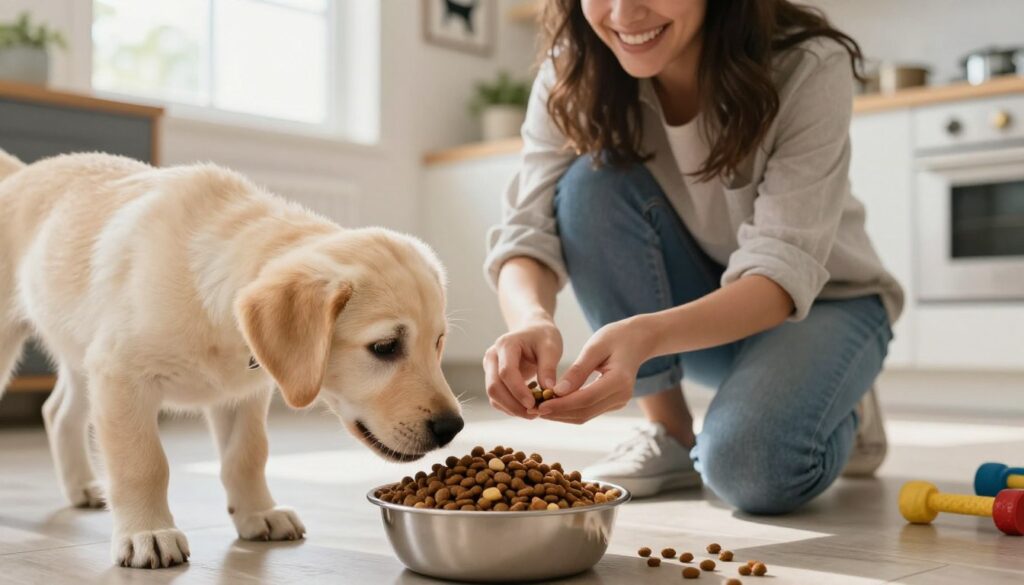
Some dogs are picky about their food. If your dog doesn’t want the new kibble, try gently warming it. Adding a bit of warm water can make the food smell better.
Don’t give human food to your dog. It can lead to bad habits. Stick to the plan and only offer the food for a short time. This helps your dog get used to the new food.
Handling Food Sensitivities and Allergies
Sometimes, a new food can cause a reaction. Look out for signs like scratching, red ears, or changes in stool. If you see these, stop the transition and talk to your vet.
When introducing new food, watch for any signs of upset stomach. Keeping a log of the new food’s ingredients can help find allergens. This way, your dog stays comfortable during the change.
| Challenge | Primary Symptom | Recommended Action |
|---|---|---|
| Picky Eating | Refusal to eat | Add warm water or broth |
| Mild Sensitivity | Loose stools | Slow down the mix ratio |
| Allergic Reaction | Itchy skin or hives | Stop and contact your vet |
| Digestive Upset | Gas or bloating | Use a probiotic supplement |
Consulting Your Veterinarian About Dietary Changes
Knowing the importance of transitioning puppy food means knowing when to ask a vet for help. Even if you’re sure about your dog’s diet, a vet can make sure it’s right for your pet. They know what your dog needs based on their health.
When Professional Guidance Is Essential
Take your dog to the vet if they have sensitive digestion or health problems. A vet can tell if your dog is ready for adult food or needs a special diet. This helps manage their health issues.
If your dog has trouble losing or gaining weight, a vet’s advice is crucial. They can figure out how many calories your dog needs. This helps avoid obesity during the transition to adult food.
Tailoring Nutrition for Specific Health Needs
Every dog is different and may need a customized nutrition plan. By talking to your vet, you make sure the switch to adult food is good for your dog’s health. This avoids any stress on their body.
Your vet can also spot hidden allergies or sensitivities. Their knowledge about the importance of transitioning puppy food gives you confidence. You know your dog is getting the best care.
Long-Term Feeding Strategies for Adult Dogs
After you’ve switched your dog’s food, focus on their long-term health. A stable diet helps keep their metabolism and energy steady all day.
Establishing Consistent Meal Times
Feeding your dog at the same time every day is essential for digestive health. A regular schedule helps their body get ready for meals. This keeps their internal clock and bowel movements in check.
Irregular feeding can cause stress or upset stomachs. Try to give two balanced meals a day, about twelve hours apart. This keeps your dog happy and full of energy.
“The greatness of a nation and its moral progress can be judged by the way its animals are treated.”
Balancing Treats and Main Meals
Treats are great for rewarding good behavior, but they shouldn’t replace meals. To avoid obesity, treats should be no more than 10% of your dog’s daily calories.
Remember these extra calories when measuring their main food. If you use high-value treats, cut down on kibble to keep them at a healthy weight.
By being mindful of these habits, your dog will thrive for years. Consistency in timing and portion control is key for adult dogs’ nutrition.
Conclusion
Changing your pet to adult food is a big step in their life. It’s important to watch how they look and feel. You help make sure they stay healthy and full of energy.
Being patient is key during this time. See how your dog likes the new food, like Purina Pro Plan or Hill’s Science Diet. Adjusting how much food they get helps keep them in good shape.
Getting advice from your vet is very helpful. They know what’s best for your dog based on their breed and health. Regular vet visits help your dog stay healthy and active.
Choosing good food for your pet sets them up for a long, happy life. Keep an eye on how much they eat and their poop to make sure they’re doing well. You’re giving your pet the best chance to be happy and healthy at every stage.