Kangal Dog Guide: Temperament, Size & Ownership Costs
Ever thought of a pet that gives you unwavering loyalty and makes you feel safe? A kangal dog can turn your home into a safe haven.
These dogs are known for their calm nature and strong bond with their families. To connect deeply with them, you need to understand their special needs.
Getting a kangal dog means you must prepare for their space, food, and training needs. This guide will help you decide if a kangal dog fits your life and home
Table of Contents
Origins and History of the Kangal Shepherd
To understand a guardian’s soul, look at the ancient traditions of the Sivas province in Turkey. This area is where the kangal shepherd breed was born. By exploring kangal dog history, you learn why these dogs are calm, confident, and protective.
The Turkish Heritage of the Breed
The Turkish kangal is more than a pet; it’s a national treasure. For years, these dogs have protected shepherds in the mountains. They are known for their loyalty and can handle tough conditions.
“The dog is the only thing on earth that loves you more than he loves himself.”
This heritage makes the breed independent and self-assured. Their calm nature comes from natural selection, not training. They are fearless yet controlled, making them great companions for those who understand them.
Evolution as a Livestock Guardian Dog
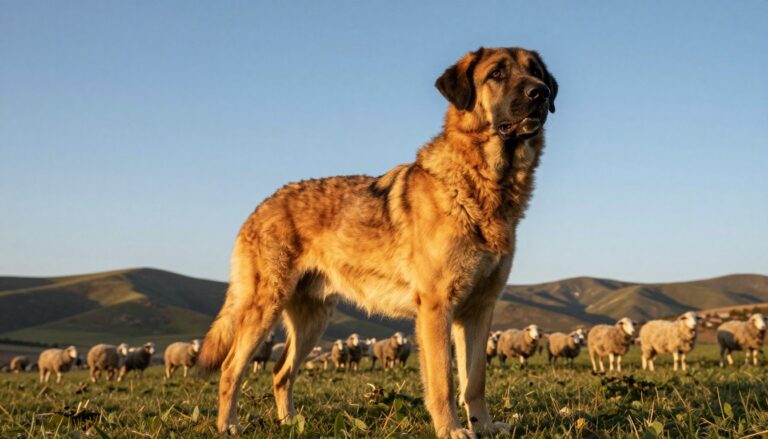
The breed was made to guard flocks from wolves and bears. Their strength and senses helped them warn of threats. This history made them smart and aware of their surroundings.
Today, their livestock guardian dog instincts are still strong. They were meant to scare off threats, not attack. Knowing this kangal dog history helps you manage their protective nature at home.
Understanding the Kangal Dog Temperament
The kangal dog temperament is a mix of fierce protection and calmness. These dogs are big but have a steady nature. Their personality comes from working with humans in tough places for centuries.
Protective Instincts and Loyalty
The kangal dog temperament is all about duty. They have a strong bite force, but only use it when needed. They protect their family with all they have.
They are deeply loyal and watchful. They act as silent guards, always ready to defend their family.
Interaction with Family Members
Kangals are gentle with their family. They are patient and affectionate with children and pets. They know who is part of their pack.
They don’t need constant attention. They prefer to be near their owners in a calm way. They are remarkably tolerant of household chaos.
Behavior Toward Strangers and Other Animals
The kangal dog temperament shows independence. They are wary of strangers and stand their ground. This is not aggression, but a careful decision.
Early socialization is key to know who is friendly. Their behavior with other animals depends on their upbringing and environment.
| Behavioral Trait | Level | Description |
|---|---|---|
| Protective Instinct | Very High | Always alert to potential threats. |
| Family Affection | High | Gentle and loyal to their pack. |
| Stranger Tolerance | Low | Naturally wary and cautious. |
| Independence | High | Capable of making their own choices. |
Physical Characteristics and Kangal Dog Size
When you see a turkish kangal, you notice its strong and balanced look. It moves with a natural grace, despite its large size. Knowing about these traits is important if you’re thinking of getting one.
Standard Height and Weight Ranges
The kangal dog size is key to its identity, showing it’s a protector. Males are 74 to 81 cm tall and weigh 50 to 65 kg. Females are a bit smaller, at 71 to 79 cm and 41 to 50 kg.
These sizes help the dog move quickly and protect its territory. Its bones are strong and dense, perfect for working in tough places.
Coat Texture and Color Patterns
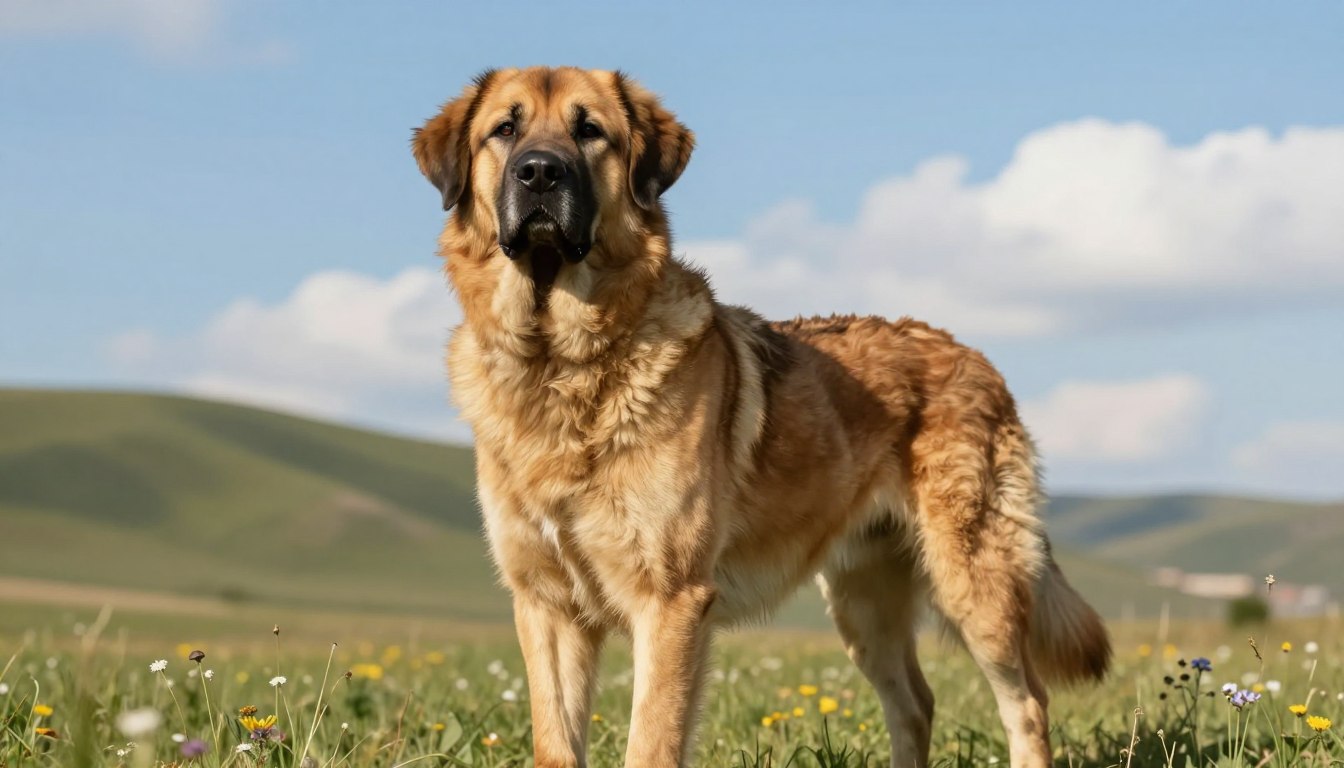
The kangal dog characteristics include a thick, weather-resistant coat. This keeps them warm in cold and cool in hot weather. The outer coat is rough, while the undercoat is soft and keeps them warm.
Their coat is usually dun to steel gray. Rarely, you’ll see white spots, as they prefer a solid, earthy color.
Distinctive Facial Features
The turkish kangal is known for its black mask. This dark area goes from the nose to the ears, contrasting with their lighter fur. Their eyes are almond-shaped, often gold or brown, showing intelligence.
Their ears are triangular and rounded, close to their head. These features make them look noble and alert, showing their true identity.
| Gender | Height Range | Weight Range |
|---|---|---|
| Male | 74 – 81 cm | 50 – 65 kg |
| Female | 71 – 79 cm | 41 – 50 kg |
| Build | Heavy/Muscular | Robust/Athletic |
Essential Training and Socialization Needs
Training a giant breed needs patience, respect, and a proactive approach to socialization. The kangal breed has a natural protective instinct. As a leader, you must guide them clearly. A structured environment helps your dog become confident and well-mannered.
The Importance of Early Exposure
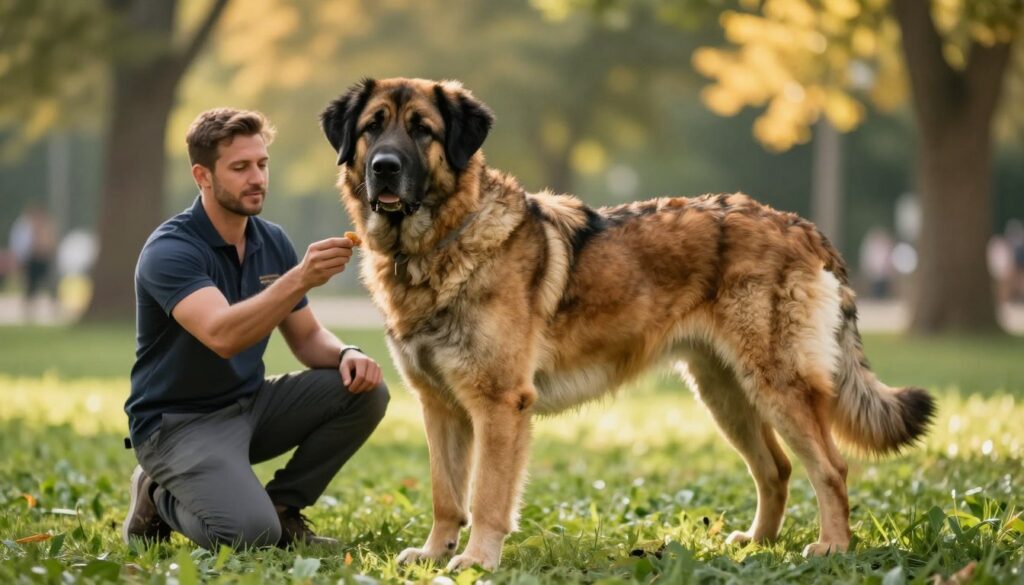
Early socialization is key to raising a balanced guardian. Introduce your dog to various sights, sounds, and people early. This helps them learn what’s normal and what’s a threat.
If not socialized, a dog might be too suspicious of people or neighbors. Consistent, controlled interactions help your pet learn the world safely. You stay in control of the situation.
Positive Reinforcement Techniques
Training a powerful dog doesn’t need harsh methods. Use positive reinforcement to build trust and respect. Reward-based training helps your dog follow your lead instead of acting impulsively.
Use treats and praise to mark good behaviors. This method works well for the kangal breed. It encourages cooperation and reinforces your leadership.
Managing Independent Thinking
These dogs think independently, thanks to their history as guardians. They assess situations before acting, showing their intelligence. Set firm boundaries and consistent rules to manage this.
Keep training sessions short and focused. Clear expectations help your dog respect your leadership. They’ll feel secure in their role in your family.
| Training Phase | Primary Focus | Expected Outcome |
|---|---|---|
| Early Puppyhood | Socialization | Reduced fear of strangers |
| Adolescence | Obedience Commands | Improved impulse control |
| Adulthood | Boundary Maintenance | Reliable, calm behavior |
Exercise Requirements for a Working Breed
Kangals are different from herding breeds that need lots of play. They prefer a steady, purposeful life. These dogs don’t need intense, high-energy activities like other working breeds.
They do well with ample space to roam and patrol their territory. This natural behavior gives them both physical exercise and mental stimulation. By letting them watch their surroundings, you meet their need to protect and observe.
Consistency in their environment is more important than structured, high-intensity workouts.
Daily Activity Levels
Kangals are natural guardians. They often exercise by patrolling their property. Make sure your home has enough room for them to move freely all day.
A large, securely fenced area is the ideal setting for their health and happiness. They enjoy long walks but are not built for fast agility or repetitive games. Giving them a safe space to patrol meets their physical needs.
Mental Stimulation for High-Intelligence Dogs
Physical movement is just one part of what Kangals need. They are intelligent and independent, requiring mental challenges to avoid boredom and frustration. Activities like scent work or puzzle toys keep their minds sharp.
Training sessions that reward their problem-solving skills are great. They like tasks that use their natural instincts. The table below shows how different activities support their well-being.
| Activity Type | Physical Impact | Mental Benefit | Frequency |
|---|---|---|---|
| Territory Patrolling | Moderate | High | Daily |
| Leashed Walking | Moderate | Low | Daily |
| Scent Games | Low | High | Weekly |
| Obedience Training | Low | High | Regularly |
Grooming and Health Maintenance
As a dog owner, you are key to your pet’s health. A regular care routine keeps your dog happy and healthy all year. Paying close attention helps spot problems early, especially for the kangal breed.
Managing the Double Coat
The kangal breed has a thick double coat for cold weather. But, it needs your care. In spring and fall, expect heavy shedding. Daily brushing is needed to avoid mats and remove loose hair.
During other times, a weekly brush keeps the coat clean. Grooming also helps spot skin issues or parasites. Regular grooming keeps your dog looking good and promotes healthy skin.
Common Health Concerns in the Kangal Breed
The kangal breed may face certain health issues. Hip and elbow dysplasia can affect their movement as they get older. It’s important to know your dog’s health history from the breeder.
Entropion, where the eyelid rolls inward, is another issue. Catching it early is crucial for treatment. Watch your dog’s eyes and joints to manage these risks.
Routine Veterinary Care
Good vet care is essential for your dog’s long life. Annual check-ups are vital for monitoring health. These visits help catch common kangal breed issues early.
Don’t skip vaccinations or parasite prevention. Preventative care is cheaper and more effective than treating illnesses. Keeping up with vet visits is crucial for your dog’s health.
Nutritional Requirements for Large Breeds
Feeding a giant breed needs careful planning for their health and energy. These dogs grow fast, and what they eat affects their bones and metabolism. Providing the right balance of nutrients helps avoid obesity and joint problems.
Caloric Needs for Growth and Maintenance
It’s crucial to watch your dog’s calorie intake in the first two years. Large breeds can face bone and joint issues if they grow too fast. Controlled growth helps bones and joints develop properly.
When your dog grows up, adjust their food to keep them in good shape. The right portion size depends on their activity and how fast they burn energy. Think about these when figuring out their daily needs:
- Activity Level: Working dogs need more calories than those who don’t move as much.
- Life Stage: Puppies need food rich in nutrients, while older dogs might need less and support for joints.
- Body Condition Score: Make sure your dog has a visible waist and you can feel their ribs to avoid too much weight.
Choosing High-Quality Ingredients
The ingredients in your dog’s food affect their energy and coat. Choose formulas with high-quality animal proteins first. Avoid products filled with unnecessary fillers or artificial preservatives that don’t add much value.
Look for diets with special additives for big dogs. Glucosamine and chondroitin help keep them moving well. Premium nutrition gives your dog the best chance at a long, active life.
Evaluating Ownership Costs and Budgeting
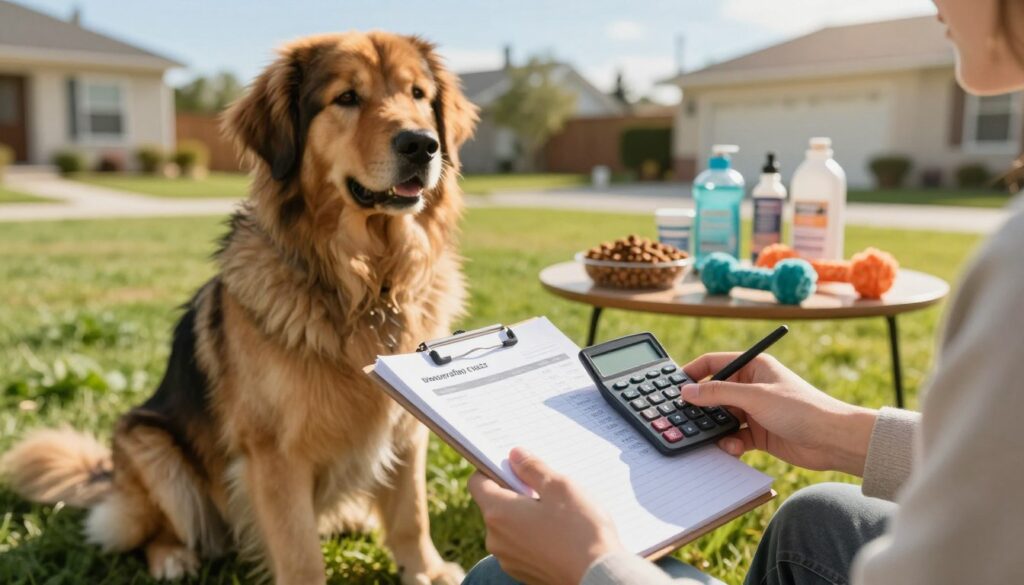
Getting a giant breed dog is more than just love. It needs a solid financial plan. These dogs are big, so they need more than smaller pets. Planning ahead helps you give them the best life without surprises.
Initial Acquisition and Setup Expenses
The start of owning a dog comes with big costs. You’ll pay for the dog itself and special gear. Giant breeds need big crates, strong leashes, and tough beds.
Don’t forget the first vet visits. These include shots, microchipping, and spaying or neutering. Saving money before your dog arrives is smart.
Ongoing Monthly Costs
After your dog settles, monthly bills come. The biggest one is food. Good food is key for their bones and energy.
Also, remember monthly meds for heartworms, fleas, and ticks. These cost more because of your dog’s size. Add grooming and training to your monthly budget.
Emergency Veterinary Funds
Even with care, accidents and illnesses can happen. Giant breeds face health problems that cost a lot. Having an emergency fund is the best way to protect your money.
Some people get pet insurance to lower costs. If not, make sure you have enough savings for big vet bills.
| Expense Category | Frequency | Estimated Range (USD) |
|---|---|---|
| Premium Dog Food | Monthly | $120 – $180 |
| Preventative Meds | Monthly | $40 – $70 |
| Routine Vet Care | Annually | $300 – $600 |
| Emergency Fund | One-time/Ongoing | $2,000+ |
Living with a Livestock Guardian Dog
Living with a livestock guardian dog means embracing their natural instinct to protect and patrol. Unlike herding breeds, these dogs guard by staying alert and confronting threats. You must be prepared to provide a lifestyle that respects their deep-seated protective nature.
Space and Fencing Requirements
These dogs are bred to patrol large areas, so they need a lot of space. A small backyard is rarely enough for them. You must ensure your property has secure, high-quality fencing to keep your companion safe.
- Install fences at least six feet high to prevent jumping.
- Check for gaps or weak spots where the dog might dig under.
- Provide a large, enclosed area where they can patrol without distraction.
Managing Barking and Territorial Behavior
Barking is a primary tool for a livestock guardian dog to warn off intruders. While this behavior is useful for protection, it can become a nuisance in residential neighborhoods. You should focus on training that helps them distinguish between normal activity and actual threats.
Consistency is key when managing their territorial instincts. If you live in a busy area, you may need to bring your dog inside during late hours to minimize noise complaints. Positive reinforcement can help them learn when it is appropriate to alert you and when they should remain calm.
The Reality of Owning a Giant Breed
Owning a giant breed is a major commitment that impacts every aspect of your daily life. These dogs take up significant physical space in your home and require a higher budget for food and medical care. You must be ready for the physical strength required to handle a dog of this size during walks or vet visits.
Beyond the logistics, you will find that a livestock guardian dog offers unparalleled loyalty. They are not just pets; they are dedicated protectors of their family and territory. If you can meet their needs for space and structure, you will gain a devoted companion unlike any other.
Comparing the Kangal and Anatolian Shepherd
Understanding the differences between the kangal shepherd and the anatolian shepherd is key for dog lovers. These dogs come from Turkey but have become distinct types. Knowing these differences helps you find the perfect dog for you.
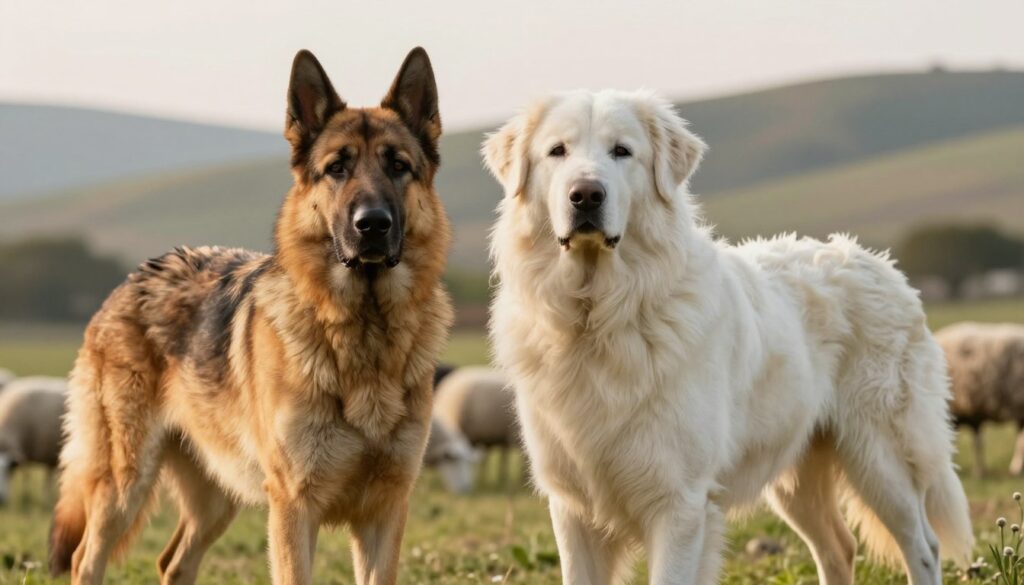
Key Genetic and Physical Differences
The turkish kangal is known for its consistent look and behavior. On the other hand, the anatolian shepherd is seen as a broader category with different types. The kangal breed was recently recognized in the UK, where it was once called an Anatolian.
The Kangal has a uniform coat color, usually fawn or sable with a black mask. Anatolian Shepherds have more varied coat patterns and colors. The Kangal is known for its consistent breed standard.
Temperament Variations Between the Two
Both breeds are great protectors, but they differ in intensity. The kangal shepherd is known for its calm and steady nature. They watch threats carefully.
The anatolian shepherd might be more independent or reactive. Both breeds are loyal, but the Kangal is known for its deep devotion. Think about how much independence you want in a dog.
Choosing the Right Breed for Your Lifestyle
Choosing the right dog depends on your needs. If you want a dog with a standard look and calm nature, the turkish kangal is great. If you prefer a dog with more variety, the anatolian shepherd might be better.
Here’s a table to help you see the main differences between these two dogs:
| Feature | Kangal Shepherd | Anatolian Shepherd |
|---|---|---|
| Standardization | Highly consistent | Variable |
| Coat Pattern | Solid with black mask | Diverse patterns |
| Temperament | Calm and steady | Independent and reactive |
| Primary Role | Livestock guardian | Livestock guardian |
Conclusion
Bringing a kangal dog into your home is a big step. It means you’re ready for a loyal and powerful friend. They need clear leadership, lots of space, and daily activities.
Success with a kangal depends on meeting their physical and mental needs. You’ll need to budget for their care and spend time on socialization.
The kangal shepherd is a true protector and friend. You now know if this breed is right for you.
Think about your local resources and your ability to train. A prepared owner makes a kangal’s life better. Look for reputable breeders or rescue groups to begin your journey.