Dogs Without Tails: 7 Tailless Dog Breeds and What Makes Them Unique
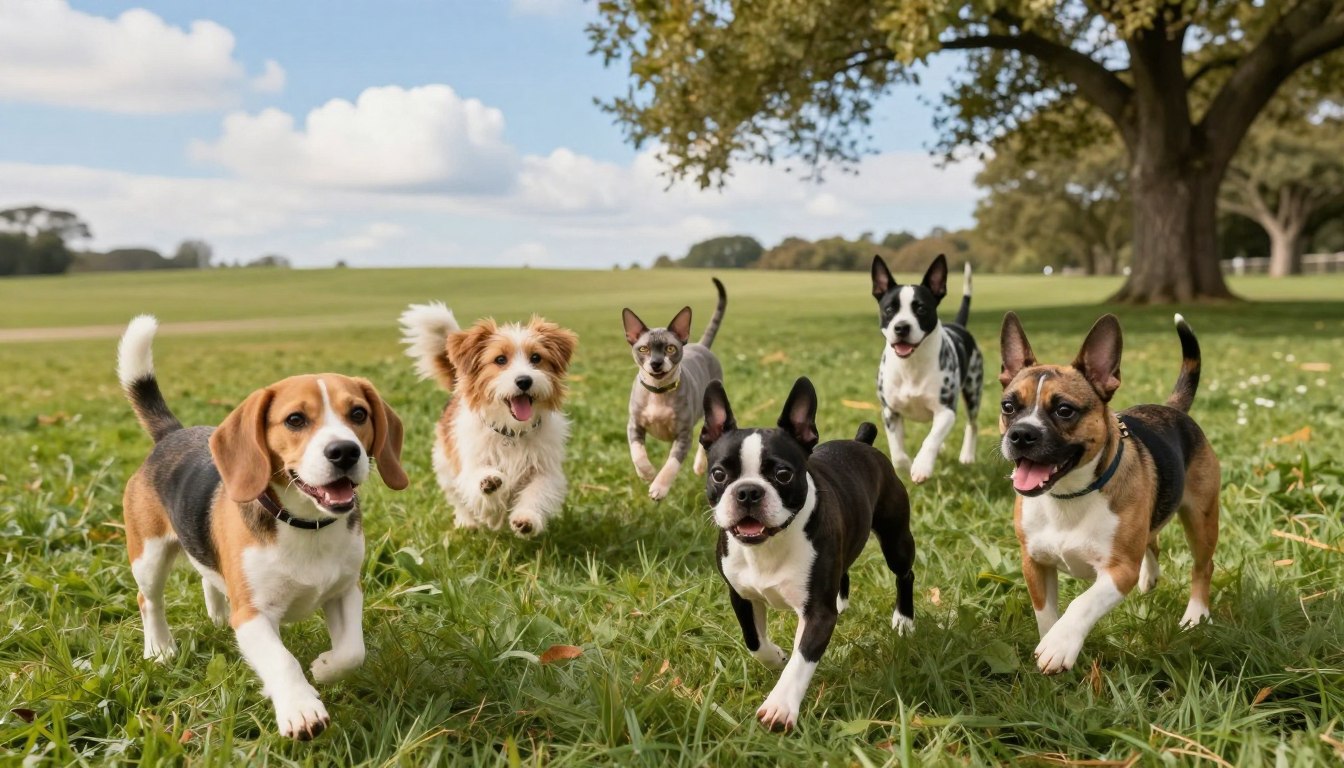
Ever wonder about your pet’s unique features? There’s something captivating about pets that don’t fit the usual look. Whether you’re a long-time fan or thinking of getting one, learning about dogs without tails opens up a new world of dog anatomy.
Many think these traits come from surgery, but nature often has its own way. Some breeds are born without tails because of certain genes. Knowing the difference between natural traits and docking is key for any pet owner.
Let’s dive into the world of dogs with no tails. By learning about these breeds, you’ll appreciate their unique needs and lively personalities. We’ll share the science and stories that make these pets so special.
Table of Contents
Understanding the Genetics of Dogs Without Tails
Ever wondered why some puppies are born without tails? It’s all about their DNA. The look of dogs without tails isn’t random. It’s due to genetic instructions passed down through generations.
The T-box gene mutation is at the core of this trait. It’s what causes the bobtail look in many breeds. Researchers study tailless canines to understand how this mutation affects their development.
Understanding this trait is key for breeders. They must ensure the health of their puppies. Here are important factors that affect tail length:
- The T-box mutation: A dominant genetic factor that often results in a shortened or absent tail.
- Heterozygous expression: Most naturally tailless dogs carry one copy of the mutation, which is generally safe.
- Genetic complexity: Breeders must avoid pairing two dogs with the same mutation to prevent potential developmental complications.
It’s critical to understand the genetics of dogs without tails. Responsible breeding focuses on the animal’s well-being. By tracking these genetic markers, you can learn more about your pet’s biology.
Studying these traits shows us the amazing diversity of dogs. Whether you breed or own dogs, knowing about tailless canines helps you care for them better.
The History and Evolution of Tailless Canines
Looking into the history of tailless canines shows a blend of natural traits and human choices. For ages, our dog friends have changed based on their jobs and what their owners liked.
Long ago, many working dogs had their tails docked to avoid getting hurt. This was seen as a necessary precaution for dogs working in thick brush or around animals. By cutting off the tail, owners hoped to keep their dogs safe from painful injuries during work.
Nowadays, the view on dogs without tails has changed a lot. There’s a growing movement worldwide that values dogs with natural tails. This change shows a shift towards caring more about their health and natural looks.
Knowing this history helps us see why some breeds are now celebrated for their natural look. Whether it’s through breeding for natural tails or stopping docking, the story of these dogs is fascinating for fans and owners.
Australian Shepherd: The Energetic Natural Bobtail
Looking for a high-energy partner? The Australian Shepherd is a great choice among tailless dogs. This breed is known for its striking looks and ability to do complex tasks.
Physical Characteristics and Temperament
The Australian Shepherd is a medium-sized dog with remarkable intelligence and agility. Many have a natural bobtail, making them stand out from other herding breeds.
They are also loyal and protective. They love to please their owners, making them easy to train for different tasks.
Why They Are Ideal for Active Families
Choosing this tailless breed means you’ll need to be active. They love to have a job, whether it’s agility courses or hiking.
As natural herders, they need lots of mental and physical activity. Without it, they might get bored. So, they’re best for families who love the outdoors.
In short, these tailless dogs are perfect for those who want a friend and a workout buddy. If you can keep them engaged, they’ll be your loyal companion forever.
Pembroke Welsh Corgi: The Iconic Herding Companion
Thinking of a pet that’s both royal and lively? The Pembroke Welsh Corgi is a great pick. This tailless breed is known for its short legs and a sharp, fox-like face. Despite their small size, they have big hearts, making them loved by many families in the U.S.
The History Behind the Docked Appearance
These dogs were once key workers on farms, helping move cattle. Docking their tails was to keep them safe from harm in tight spaces or when working with animals. It was all about safety and usefulness.
Nowadays, people are drawn to the breed’s variety. Some have docked tails, while others are naturally short-tailed. But all tailless dogs share the same smarts and energy as their ancestors.
Living with a Corgi in Your Home
Getting a Corgi means you’re in for an active life. They have a strong urge to herd, which can include family members or pets. It’s important to keep their minds busy with consistent mental stimulation to avoid boredom.
It’s doable to manage a high-energy Corgi at home with the right steps. They need daily walks, puzzle toys, and playtime. With proper training, they become loyal, loving, and very helpful companions.
French Bulldog: Compact Charm and Natural Stubs
The French Bulldog is a favorite dog breed with no tails in the United States. They are small, muscular, and very affectionate. Their short tails are a natural part of their look, not from surgery.
Understanding the Screw Tail Trait
Frenchies have a short, often curved tail. This is called a “screw tail” or natural bobtail. It grows as they get older.
These tailless dogs have a special tail that’s part of their spine. It’s a key part of their unique look.
Care Requirements for Frenchies
French Bulldogs need extra care because of their tail. Moisture can get trapped in the skin folds. This can cause discomfort or skin problems.
Regular hygiene is key for their comfort. Clean the tail area with a soft cloth or pet-safe wipe weekly. This keeps them happy and itch-free.
If you see redness or bad smells, see a vet fast. Good care means a long, happy life for your Frenchie. Regular grooming helps avoid skin issues.
Boston Terrier: The American Gentleman Without a Tail
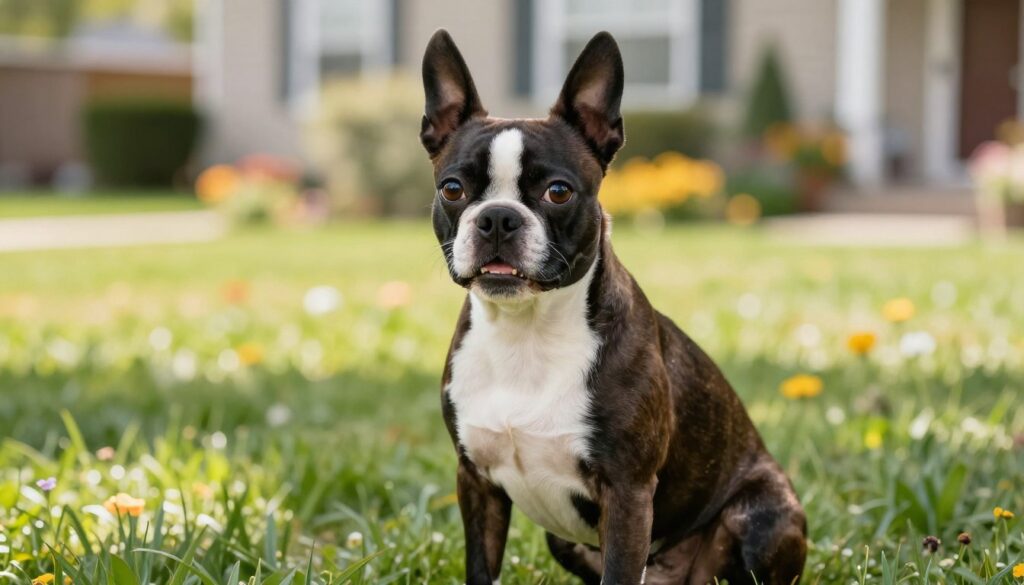
The Boston Terrier is a standout among dog breeds with no tails. Known as the “American Gentleman,” they are loved for their city-friendly nature. Their short, stubby tail is a key part of their cute and balanced look.
Personality Traits and Social Needs
Boston Terriers are exceptionally social dogs. They love being around people and often bond deeply with their family. They make great pets for families with kids because of their gentle nature.
These dogs are smart and watchful, making them quick to pick up on your mood. They don’t like being alone for too long. Keeping them engaged with people helps them stay happy and well-adjusted.
Training Tips for Your Boston Terrier
Training a Boston Terrier is rewarding because they love to please. Since they don’t have tails, they show excitement in other ways. Use treats and praise to encourage good behavior.
Be consistent when teaching new commands. Keep training sessions short and fun. This helps them stay focused and ensures they’re well-behaved at home.
Brittany Spaniel: The Agile Field Dog
The Brittany Spaniel is a versatile hunting dog that wins the hearts of outdoor lovers. They are known for their agility and smarts. These traits make them a great choice for those who want a breed without tails that can keep up with an active life.
Natural Bobtail Genetics in Hunting Breeds
In the world of working dogs, the natural bobtail is a unique genetic trait. Many hunters like this breed without tails because it lowers the chance of injury in dense areas during a hunt.
This trait is found naturally in some Brittany Spaniels. It’s not from surgery but from their genetic makeup. Knowing this adds to the appreciation of their unique look.
Exercise and Stimulation Needs
Brittany Spaniels need a lot of daily activity to stay happy and healthy. If you love hiking, running, or sports, they make a great enthusiastic partner for your adventures.
They also need mental challenges as much as physical ones. Activities like scent work or agility training keep their minds active. It’s key to give them a way to use their energy, especially for owners of this breed without tails.
| Activity Type | Intensity Level | Recommended Duration |
|---|---|---|
| Daily Walking | Moderate | 60 Minutes |
| Field Training | High | 45 Minutes |
| Mental Puzzles | Medium | 20 Minutes |
| Hiking/Running | High | 90 Minutes |
Old English Sheepdog: The Gentle Giant
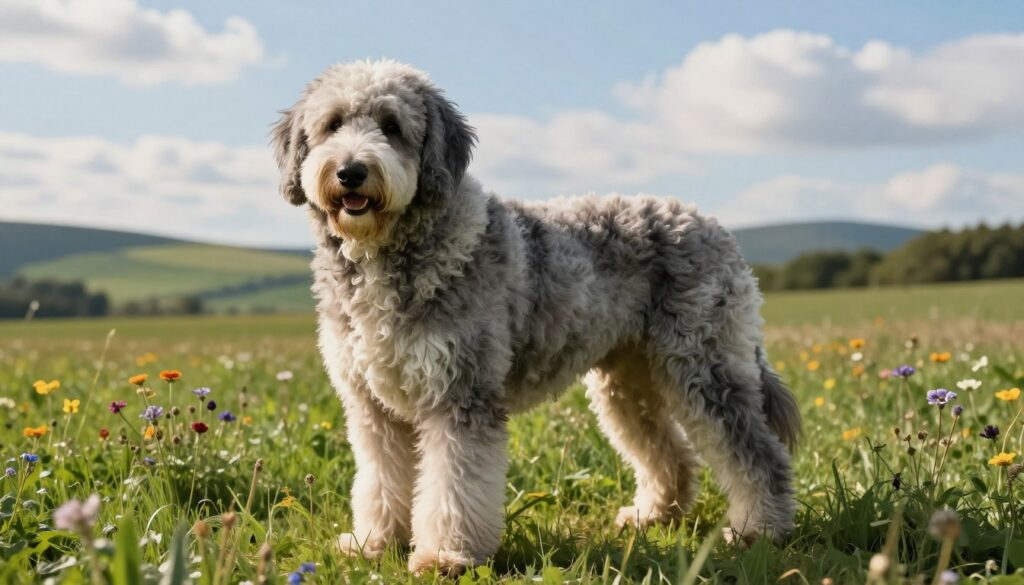
The Old English Sheepdog is a standout among canines without tails. It’s known for its shaggy look and calm demeanor. If you want a big dog with a soft heart, this is a great choice.
Grooming and Maintenance for the Breed
Keeping this breed’s look requires a lot of time. Their thick coat can easily mat. So, you need to brush them often to prevent tangles.
They also need regular grooming sessions to deal with their hair. While it’s a lot of work, the end result is a beautiful coat. Consistency is key to keeping them clean and comfortable all year.
Temperament and Family Compatibility
These dogs are loved for their loyal and patient nature. They make great guardians for kids. Their calmness makes them reliable canines without tails.
They love being around people and enjoy family activities. They don’t like being alone for too long. With lots of love and attention, they’ll be a loving family member.
Stumpy Tail Cattle Dog: The Rare Australian Worker
The Australian Stumpy Tail Cattle Dog is a unique breed for rural life. It’s not just a pet but a high-performance animal for the Australian outback. If you like dogs with a strong work ethic and deep history, this breed is for you.
Distinguishing Features from the Blue Heeler
Many confuse the Stumpy Tail Cattle Dog with the Blue Heeler. But they are genetically distinct breeds. The Stumpy is born with a short tail, while the Blue Heeler might have a docked tail.
The Stumpy has a square body and a sharp, alert look. They are built for endurance and quick movements. Knowing these differences helps you see the true heritage of these canines without tails.
| Feature | Stumpy Tail Cattle Dog | Blue Heeler |
|---|---|---|
| Tail Type | Natural Bobtail | Long (often docked) |
| Body Shape | Square and compact | Slightly longer |
| Primary Role | Hard-driving cattle work | Versatile herding |
| Rarity | Rare | Common |
Is This Breed Right for Your Lifestyle?
Getting a Stumpy Tail Cattle Dog is a big deal. They need an active, outdoor life. They have boundless energy and need constant activity.
They do well in places with lots of space and tasks. They need owners who can channel their energy into training. If you’re ready for a loyal, hardworking dog, the Stumpy is a great choice.
Health Considerations for Tailless Dog Breeds
Bringing home a tailless dog breed means you must focus on their health. These dogs are often full of energy but need special care. Staying informed helps keep your pet happy and healthy.
Spinal Health and Mobility
The spine is key for your dog’s movement and comfort. Some tailless dogs might have spine issues. Watch for signs like stiffness or trouble jumping.
Regular vet visits are crucial. Early detection can make a big difference. Keeping your dog at a healthy weight helps their back and joints.
Common Genetic Concerns to Monitor
Healthy pets start with good breeding. Choose breeders who know the risks of breeding tailless dogs. Genetic diversity helps avoid health problems in tailless dog breeds.
Keep a health record for your dog. Share it with your vet at every visit. This helps catch issues early. Use the table below to know what to focus on for your pet’s health.
| Health Category | Monitoring Frequency | Key Action Item |
|---|---|---|
| Spinal Alignment | Annual Exam | Check for gait changes |
| Joint Mobility | Bi-annual | Maintain ideal weight |
| Genetic Screening | Once (at puppyhood) | Verify breeder testing |
| Activity Levels | Daily | Observe energy shifts |
Being careful and working with your vet is key. Your dedication ensures your tailless dog breeds stay happy and healthy for a long time.
Choosing the Right Tailless Breed for Your Lifestyle
Getting a new pet is a big deal that needs a lot of thought. Your lifestyle is key in picking the right tailless dog breeds for you. Think about your daily life to make sure you and your pet will get along well.
Assessing Your Activity Level
First, think about how much exercise you do each day. Some tailless dog breeds, like the Australian Shepherd or Brittany Spaniel, need lots of activity. They’re great for people who love to hike, run, or play outside.
If you like a calm day, look for breeds that are okay with short walks and indoor play. It’s important to be honest about how active you are. The wrong match can cause problems, so pick a breed that fits your real life, not just what you wish it was.
“The secret to a happy life with a dog is finding a partner whose energy matches your own, creating a bond built on shared experiences and mutual respect.”
Space Requirements and Living Environments
Where you live is also important when picking tailless dog breeds. Some dogs are happy in small places, while others need room to run. Use the table below to help choose based on what each breed needs.
| Breed | Activity Level | Space Need | Best Environment |
|---|---|---|---|
| French Bulldog | Low | Small | Apartment |
| Pembroke Welsh Corgi | Moderate | Medium | House with Yard |
| Australian Shepherd | High | Large | Active Household |
| Boston Terrier | Moderate | Small | Urban Living |
Remember, space isn’t just about size. Even small dogs need to think and socialize to stay happy. Think about your home carefully to find the best fit for your new pet from the many tailless dog breeds out there.
Conclusion
Bringing a new pet home is exciting. You now know how to pick the right breed for you. Dogs without tails are special, adding joy and loyalty to your life.
Make sure you meet your dog’s needs for a happy life together. Regular vet visits and exercise are key. Your care is crucial for their health and happiness.
Look for your new friend at shelters or through breeders. Many dogs without tails are waiting for a loving home. By understanding their needs, you’ll create a strong bond.
Share your experiences with others to learn more about these breeds. Connecting with the community keeps you updated on care tips. Enjoy every moment with your new friend as you build a lasting bond.