
Labrador and Pitbull Mix Dog Traits and Training Tips
Welcoming a new companion brings unconditional love and excitement. You may be considering a labrador and pitbull mix dog, a unique hybrid with qualities from both parent breeds. These dogs are loyal and energetic, making them great companions for active families across the United States.
Each puppy inherits a different mix of personality traits, creating a one-of-a-kind temperament. Learning your new friend’s needs helps you build a lasting bond. Consistent training channels natural enthusiasm into positive behavior and supports a harmonious life together.
This guide explores proper exercise, nutrition, and socialization for your pet. Whether you are a first-time owner or a seasoned pro, these insights can help you raise a happy, healthy canine companion.
Table of Contents
What a Labrador and Pitbull Mix Dog Is
Learning the origins of the labrador and pitbull mix dog helps explain this companion’s popularity. This dog crosses two distinct breeds and blends their physical and behavioral traits.
As a hybrid dog breed, this dog has no standard look or temperament. Treat each dog as an individual, not a fixed result of one breed standard.
Common Names for This Hybrid Dog Breed
People often call this cross a labrabull. This informal name joins both parent breeds and identifies the mix for owners and enthusiasts.
Some people call it a designer dog, but it remains a mixed-breed animal. Focus on your pet’s needs and personality, whatever name people use.
Why Appearance and Personality Can Vary
A mixed breed brings an exciting element of surprise. Complex genetics mean even littermates may look and behave very differently.
One puppy may inherit a Pitbull’s blocky head, while another shows a Labrador’s softer features. This difference naturally comes from combining two distinct gene pools.
How Labrador and Pitbull Traits May Combine
Inherited tendencies help shape your dog’s personality. Both parent breeds form strong human bonds, but they show affection in different ways.
Influence from Labrador Retriever Genetics
Labrador Retrievers are famous for their friendly, outgoing nature and intelligence. They may add a desire to please, plus a love of water or retrieving games.
Influence from American Pit Bull Terrier-Type Genetics
American Pit Bull Terrier-type dogs are known for their athleticism, strength, and loyalty. They may add high energy and deep, steady devotion to family members.
Physical Characteristics and Expected Size
When you bring home a hybrid dog breed, you will see athletic features and strong bones. Because two lineages shape this dog, physical characteristics can vary greatly within one litter.
Typical Height, Weight, and Body Structure
Most of these dogs have solid, muscular frames that reflect their working-dog heritage. They usually stand 18 to 24 inches at the shoulder and weigh 40 to 80 pounds.
Their bodies often look balanced, with deep chests and strong, straight legs. This build helps them stay highly active throughout the day.
Coat Types, Colors, and Grooming Needs
The coat of a labrador and pitbull mix dog is usually short, dense, and smooth. These dogs are not hypoallergenic, but they need less grooming than long-haired breeds.
They come in many colors, including black, chocolate, yellow, brindle, or fawn. Weekly brushing usually keeps their coat healthy and controls shedding.
Facial Features, Ears, Tail, and Muscular Build
Their faces often blend the Labrador’s friendly expression with the Pitbull’s defined jawline. Their ears may be folded or semi-erect, and their tails are usually thick at the base, tapering toward the end.
Their muscular build is a hallmark of this hybrid dog breed. They carry their weight well, with power in their shoulders and hindquarters.
How to Evaluate a Puppy’s Growth and Development
Monitoring your puppy’s progress involves more than checking a scale. Watch their body condition and make sure they stay healthy without becoming overweight.
Why Mixed-Breed Size Predictions Are Estimates
Because genetics are unpredictable, size charts for a labrador and pitbull mix dog are only rough estimates. Individual metabolism, activity levels, and nutrition strongly affect your dog’s final size.
When to Ask Your Veterinarian About Growth
If you notice sudden weight changes or unusual growth, consult your veterinarian. Professional characteristics assessments help ensure your pet reaches its full potential safely.
| Feature | Typical Range | Maintenance Level |
|---|---|---|
| Weight | 40–80 lbs | Moderate |
| Coat Length | Short/Dense | Low |
| Activity Level | High | High |
| Build | Muscular | N/A |
Temperament and Everyday Behavior
Bringing home a labrador and pitbull mix dog welcomes a complex personality into your life. Breed labels offer a starting point, but they do not define your companion’s exact temperament. Treat your dog as an individual instead of relying only on general ideas.
Affection, Loyalty, and Attachment to Your Family
Most owners find that the labrabull is deeply devoted to its human pack. These dogs often form strong bonds and prefer staying near their family. This loyalty makes them excellent companions for active owners who enjoy an involved lifestyle.
Energy, Playfulness, and Need for Social Interaction
High energy is among the most common characteristics of this hybrid. Your dog will likely enjoy social time and active play throughout the day. Without enough engagement, it may become bored or restless, so plan quality time together.
Intelligence, Trainability, and Food Motivation
The labrador and pitbull mix dog is usually bright and eager to please. Since these dogs often love food, treats can help teach new commands. Consistent, positive rewards help reveal their full training potential.
Prey Drive, Jumping, Chewing, and Other Challenging Behaviors
Like many active breeds, a labrabull may have a strong prey drive or jump when excited. It may also chew, especially without proper outlets for its energy. Durable toys and impulse-control training are vital steps for managing these natural behaviors.
How Genetics, Socialization, and Environment Shape Temperament
Genetics lay the foundation for your dog’s temperament, but its daily environment also shapes development. Early socialization and a structured routine help build positive characteristics in your pet. A calm, consistent home helps your dog feel secure and well-adjusted as it grows.
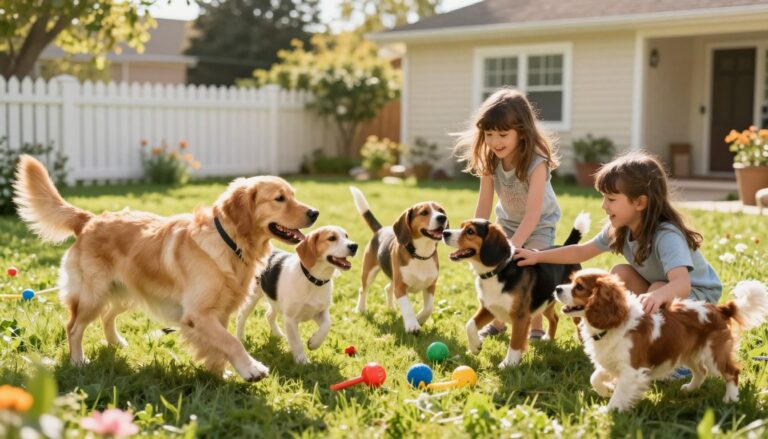
Socialization With Children, Dogs, and Other Pets
A well-adjusted companion begins with safe, steady social experiences. Consistent training and positive reinforcement help your dog build a stable temperament for many settings.
Building Positive Experiences During Puppyhood
Early exposure to new sights, sounds, and surfaces helps your dog’s development. Choose short, pleasant encounters that build confidence without overwhelming your pet. Always reward calm behavior with high-value treats to create positive associations.
Teaching Calm Interaction With Children
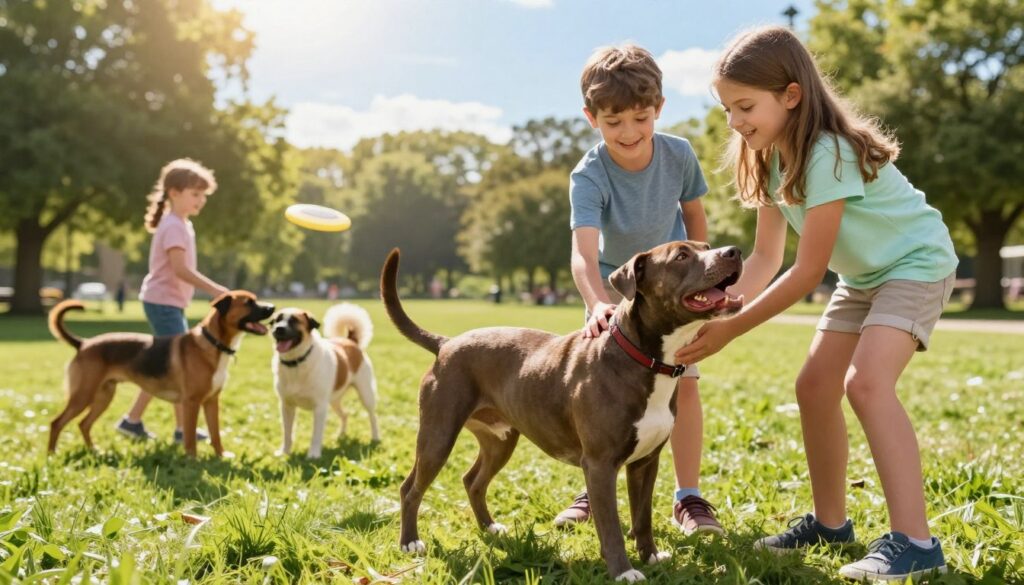
Children often move quickly and make high-pitched noises, which can trigger excitement or anxiety in dogs. You must supervise every interaction to keep both child and dog safe.
Teach your children to respect the dog’s space, especially during eating or resting. Clear boundaries help your dog learn that calm behavior earns attention and affection.
Introducing Your Dog to Other Dogs Safely
When meeting new dogs, choose neutral territory to prevent territorial behavior. Keep initial meetings brief and on-leash to maintain control.
“Socialization is not about forcing your dog to interact with everyone; it is about teaching them to remain neutral and calm in the presence of others.” — Anonymous
Watch for relaxed body language, such as a loose tail and soft eyes. If either dog seems tense, calmly end the interaction and try again another day.
Managing Cats, Small Animals, and Prey Drive
Some hybrid dogs have a strong prey drive, making life with cats or small pets challenging. Use baby gates or crates during the initial adjustment period.
Focus on training your dog to “leave it” when they notice smaller animals. Never leave your dog unsupervised with smaller pets because natural instincts can be unpredictable.
Warning Signs That Require Professional Guidance
Even with your best efforts, some behaviors show that your dog needs extra support. Watch for stiff posture, persistent growling, or lunging at other animals.
If your dog shows extreme fear or resource guarding, consult a certified behaviorist immediately. Early intervention can prevent these issues from becoming permanent habits.
| Socialization Goal | Recommended Action | Expected Outcome |
|---|---|---|
| Children | Supervised play | Gentle, calm interaction |
| Other Dogs | Neutral ground meetings | Polite, non-reactive behavior |
| Small Pets | Controlled distance | Reduced prey drive response |
Exercise and Mental Stimulation Requirements
Physical exercise and mental engagement support your pet’s healthy lifestyle. This hybrid breed combines a Labrador’s high energy with a Pitbull’s athletic drive. It needs regular activity to use that stamina, while training supports good behavior.
Daily Activity Levels for Puppies, Adults, and Seniors
Puppies have developing joints, so they need short, frequent play sessions instead of long, forced runs. As your dog reaches adulthood, it may thrive on longer, vigorous activity. Senior dogs often need gentle movement to stay mobile without stressing aging bodies.
Walks, Fetch, Swimming, and Structured Play
Daily walks matter, but variety also keeps your dog interested. Fetch burns energy, while swimming provides a low-impact workout that protects the joints. Structured play, such as tug-of-war or agility drills, builds a strong bond with your companion.
Using Training Games and Puzzle Toys for Mental Exercise
Physical movement alone rarely satisfies a smart hybrid dog. Use training sessions to teach tricks or reinforce basic commands, tiring the brain faster than running. Puzzle toys and scent-based games keep your dog busy while you work at home.
Preventing Overexertion and Repetitive-Strain Injuries
Even athletic dogs need rest to prevent long-term injuries. Avoid repeated motions on hard surfaces, which may cause joint inflammation over time. Watch for soreness or sudden reluctance to join normal activities.
Recognizing Heat Exhaustion and Exercise Fatigue
Watch for heavy, frantic panting or a bright red tongue, which can signal early overheating. Stop immediately if your dog lags, stumbles, or seems weak. Cool water and shade are critical for recovery on warm days.
Adjusting Activity for Weather and Physical Condition
Adjust your training and exercise plans to match the weather. During extreme heat or cold, choose indoor activities to keep your dog safe and comfortable. If your dog has an injury or special health needs, ask your veterinarian for a modified wellness plan.
Feeding, Grooming, and Home Care Tips
Daily care tips help keep your active companion happy and healthy. A steady routine helps your dog feel safe and meets physical needs each day. Good food, clean habits, and a safe home support your pet’s best life.
Selecting Balanced Food and Managing Portions
Choose high-quality food suited to your dog’s life stage. Ask your veterinarian about calories based on activity and body condition.
Use package labels as helpful starting points, not strict rules. Regularly monitor your dog’s weight and adjust portions to maintain a lean, healthy body.
Preventing Obesity With Measured Meals and Treats
Obesity can cause joint strain and heart problems. Measure every meal with a standard cup instead of guessing.
“A healthy weight is the single most important factor in extending the life and mobility of your canine companion.” — Veterinary Nutritionist
Limit high-calorie treats. Use some daily kibble as training rewards to prevent accidental overfeeding.

Brushing, Bathing, Nail Trimming, and Dental Care
Regular grooming keeps your dog healthy, not only attractive; it belongs on your care tips checklist. Brushing spreads natural oils and helps you spot skin irritation or lumps.
- Brushing: Aim for weekly sessions to reduce shedding and maintain coat health.
- Bathing: Only bathe when necessary to avoid drying out their skin.
- Nail Trimming: Keep nails short to prevent discomfort and walking issues.
- Dental Care: Brush teeth regularly or provide dental chews to prevent tartar buildup.
Creating a Safe and Enriching Home Environment
Make your home a safe place where your dog can rest without injury. Secure chemicals, medications, and small objects. These items can cause choking or intestinal blockages.
Choosing Durable Toys and Chew Items
Strong jaws require toys that can handle heavy chewing. Avoid toys that splinter or contain small parts that could be swallowed. Always supervise your dog when playing with new items to make sure they are safe.
Providing a Comfortable Resting and Crate Area
Every dog needs a private space for rest when tired or overwhelmed. A correctly sized crate or soft, elevated bed offers security and supports house training. Place it in a quiet area so your dog gets needed restorative sleep.
Health Concerns and Preventive Veterinary Care
Knowing your hybrid dog’s potential health concerns supports a long, happy life. Mixed breeds may gain hybrid vigor, but they can inherit traits from either parent breed. Proactive care tips include staying informed and working with your veterinarian to check your dog’s health.
Joint and Mobility Problems to Monitor
Labradors and Pitbulls may develop joint problems, including hip and elbow dysplasia. Watch for stiffness after waking or a long play session. Regular exams can find these health concerns early and help manage them.
Skin Allergies, Ear Issues, and Other Common Conditions
Many dogs in this mix develop seasonal or food-related skin allergies. Watch for heavy scratching, paw licking, or red, irritated skin. Also check their ears, since moisture can cause infections when ears stay wet or dirty.
Weight-Related Risks and Heart Health Considerations
A healthy weight is one of the most important care tips for your dog. Extra weight strains the heart and joints and may shorten your dog’s life. Ask your vet about a balanced diet to prevent obesity and support cardiovascular health.
Vaccinations, Parasite Prevention, and Routine Exams
Regular veterinary visits build the foundation of good health. Current vaccinations and year-round parasite prevention protect your dog from preventable diseases. Use the following table to track essential wellness milestones.
| Service Type | Frequency | Primary Goal |
|---|---|---|
| Annual Wellness Exam | Once per year | Early detection |
| Vaccination Boosters | As scheduled | Disease immunity |
| Parasite Prevention | Monthly | Heartworm/Flea control |
| Dental Cleaning | Annually | Oral hygiene |
Screening Questions to Ask a Breeder, Shelter, or Rescue
When bringing your dog home, ask about its medical history and known health concerns. Ask whether the parents had genetic screenings and whether the dog received a full physical exam. A reputable source gives clear, honest answers about the animal’s background.
When Changes in Behavior May Signal Pain or Illness
Dogs often hide discomfort, so watch closely for small changes in their daily routine. Sudden aggression, withdrawal, limping, or changes in appetite can all signal pain. If you notice these changes, schedule a veterinary appointment immediately to check for medical problems.
Training Tips for a Labrador and Pitbull Mix Dog
Clear communication builds the foundation for a well-behaved companion. A labrador and pitbull mix dog learns best with structure and steady guidance. This approach supports a calm, manageable temperament.
Starting With Name Recognition and Basic Cues
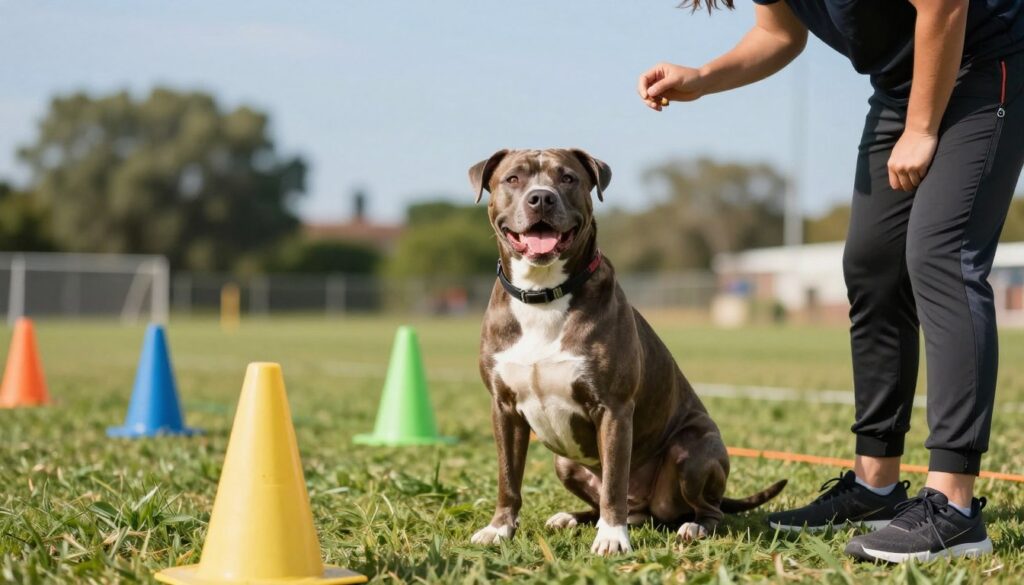
Start by teaching your dog to recognize their name. Say it clearly, then reward them when they look at you. This simple step builds focus for harder training tasks.
After they respond to their name, teach cues like “sit,” “stay,” and “down.” Keep sessions short so your dog stays eager to learn. End each session positively to maintain their enthusiasm.
Using Reward-Based Training and Clear Communication
Positive reinforcement is an effective way to teach your dog. Use high-value treats, praise, or toys to reward desired actions immediately. This builds a strong link between behavior and a positive outcome.
Clear communication supports success. Use the same hand signals and verbal cues each time. Changing commands can confuse your pet and slow progress.
Teaching Loose-Leash Walking and Reliable Recall
Loose-leash walking takes patience and practice. If your dog pulls, stop and wait for them to return beside you. Reward them for checking in during the walk.
Reliable recall is essential for every owner. Begin in a quiet, enclosed area, and call your dog cheerfully. Reward them generously whenever they come, even when distracted.
Reducing Jumping, Mouthing, Pulling, and Barking
Many dogs jump or mouth when excited. Ignore these actions, then redirect your dog to a suitable activity, such as chewing a toy. Consistency helps stop these habits early.
If your dog barks excessively, identify the trigger. Boredom or a need for attention may require a constructive outlet, like a puzzle toy. Managing the environment helps prevent lasting habits.
Building Impulse Control Through Short Daily Sessions
Impulse control teaches your dog to wait for permission. Practice waiting for their food bowl or at the door before going outside. These small moments build self-control over time.
Why Punishment Can Increase Fear or Reactivity
Punishment can create fear or anxiety in your dog. A threatened dog may become reactive or defensive, making training harder. Reward the choices you want instead of correcting mistakes.
When to Work With a Certified Professional Trainer
Some situations need a certified professional trainer. If you see serious aggression, intense fear, or unsafe behaviors, seek help immediately. A professional can create a tailored plan for safety and your dog’s well-being.
| Behavior Goal | Recommended Method | Frequency |
|---|---|---|
| Basic Cues | Positive Reinforcement | Daily (5-10 mins) |
| Loose-Leash Walking | Stop-and-Go Technique | Every Walk |
| Impulse Control | Wait and Reward | During Meals |
| Recall | High-Value Rewards | Multiple Times Daily |
Choosing and Living With a Labrabull
Before choosing a labrabull, consider whether this energetic companion fits your lifestyle. These affectionate dogs need much time and money. Review your schedule and home life to support a lasting relationship.
Determining Whether This Designer Dog Fits Your Lifestyle
Every designer dog has its own personality and needs. Look beyond breed labels and study the dog’s specific characteristics. Make sure your routine allows the training and attention this hybrid dog breed needs.
Matching the Dog’s Energy Level to Your Household
These dogs often have high energy and need daily outlets. An active owner may find an excellent partner in this mix. If your home has a quiet routine, adjust your plans or choose a calmer dog.
Preparing for Adoption, Decompression, and Routine Building
When your new companion arrives, begin with a period of decompression. Give your dog time to adjust without many visitors or intense activities. A steady routine helps your pet feel safe and eases transition anxiety.
Understanding Breed Restrictions and Homeowner Requirements
Check local housing rules and insurance policies before deciding. Some areas and rentals restrict certain breeds or mixes. Confirm these rules so your new family member can live with you.
Budgeting for Food, Veterinary Care, Training, and Supplies
Responsible ownership means planning for expected and surprise costs. Besides quality food, budget for routine health concerns and preventive care. Use this guide to organize your finances:
- Monthly Expenses: Premium dog food, treats, and parasite prevention.
- Annual Costs: Veterinary exams, vaccinations, and grooming supplies.
- One-time Investments: Training classes, crates, beds, and durable toys.
- Emergency Fund: Savings set aside for unforeseen medical issues.
Questions to Ask Before Bringing Your Dog Home
To prepare fully, ask the shelter or breeder about the dog’s history. Ask about socialization, known care tips, and behavior observations. These answers clarify the hybrid dog breed’s needs and help you prepare for your companion.
Conclusion
Welcoming a labrador and pitbull mix dog brings loyalty, intelligence, and athleticism into your life. This hybrid, often called a labrabull, does best with steady structure and clear communication.
Your success starts with understanding the individual dog in front of you. Watch its personality instead of trusting broad stereotypes, and use reward-based training. This approach builds trust and supports good behavior at home.
Stay alert to health concerns by scheduling regular veterinary checkups. Good nutrition, daily exercise, and preventive care help your pet stay happy and active for years. Together, these steps support your companion’s physical and mental needs.
Before making a long-term commitment, honestly evaluate your lifestyle. You need the time, budget, and patience to support a high-energy animal. Responsible ownership can bring a devoted partner who enriches your daily life.