Can Dogs Eat Zucchini Learn How to Feed Your Dog Right
You see your dog’s soulful eyes and want the very best for your furry companion. Healthy snacks show love, but you may wonder whether human foods are safe. Many pet parents ask, can dogs eat zucchini without hidden dangers?
The good news is that zucchini is generally a safe, low-calorie treat for your pet. Proper preparation is the secret to keeping your pup happy and healthy. Always serve it plain because seasonings and oils can upset digestion.
Your pet’s health needs and portion sizes affect how they handle new foods. This guide covers nutrition benefits, safe serving methods, and possible risks. Treats should never replace a balanced, complete diet made for your animal.
Table of Contents
Can Dogs Eat Zucchini Safely?
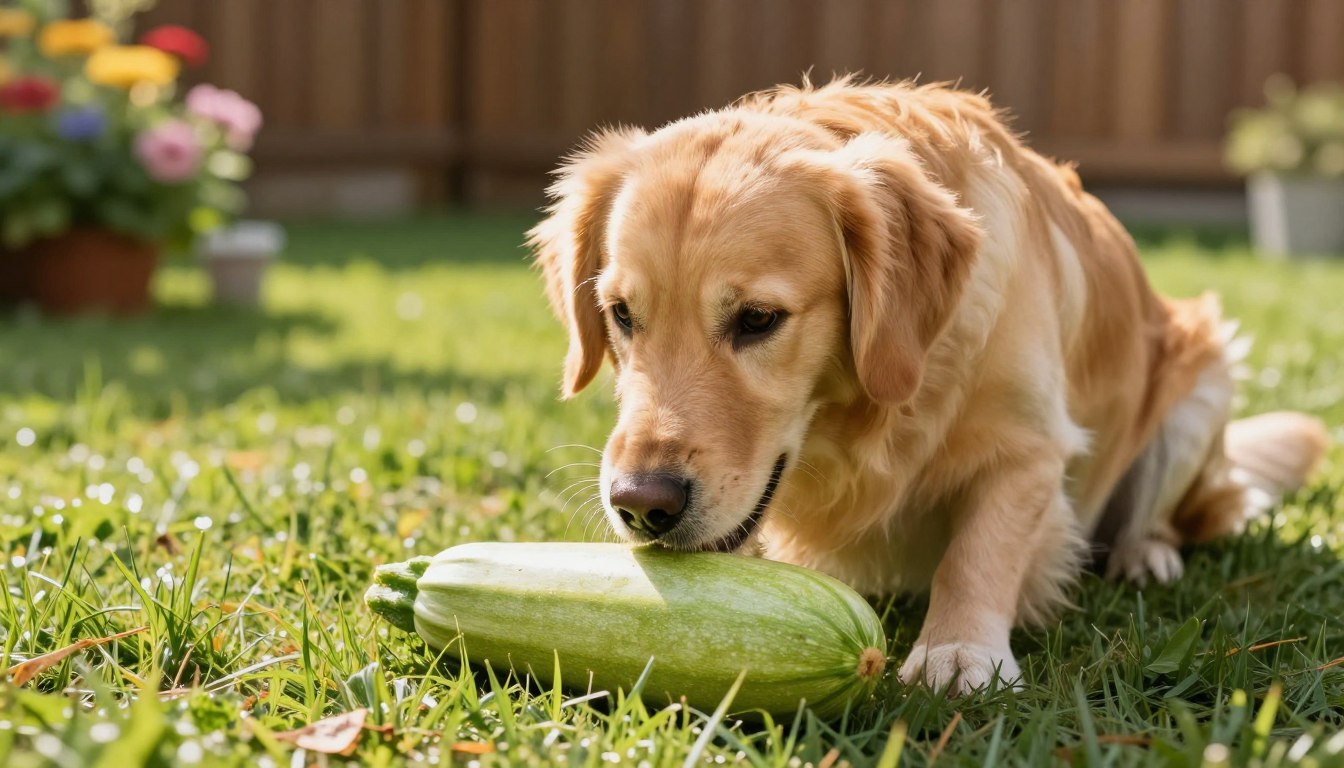
If you want to add fresh produce to your dog’s bowl, zucchini is a popular choice. Many pet owners ask, can dogs eat zucchini without side effects? The good news is that zucchini offers most dogs a healthy, low-calorie snack.
Why Plain Zucchini Is Generally Safe for Dogs
Plain zucchini is one of the safe vegetables for dogs to eat because it contains no toxic compounds. Served plain, it gives many dogs a hydrating crunch. It is essential to avoid garlic, onions, excess salt, and butter.
Which Parts of the Zucchini Your Dog Can Eat
Your dog can safely eat both the zucchini flesh and skin. Wash the vegetable well before serving to remove pesticides and dirt.
Avoid the stems because they can be tough and hard to digest. Never serve spoiled or moldy pieces, and cut zucchini into bite-sized chunks to prevent choking.
When Zucchini May Not Be Appropriate
Zucchini is a healthy treat, but it may not suit every dog. If your pet has food sensitivities or follows a strict, veterinary-directed diet, consult your professional first.
Dogs with digestive disorders may react differently to fiber in fresh vegetables. Follow your veterinarian’s advice when choosing safe vegetables for dogs to eat for your pet’s health.
Benefits of Zucchini for Dogs
Many pet owners are surprised by the nutrients found in a simple zucchini. Adding zucchini for dogs to their routine provides essential nutrients. Knowing the benefits of zucchini for dogs helps you support your pet’s long-term wellness.
How Zucchini Supports Hydration
Zucchini is about 95% water. This high water content makes it a refreshing snack during warmer months. It cannot replace fresh drinking water, but it offers a helpful hydration supplement for active pets.
Fiber for Digestion and Regular Bowel Movements
Zucchini contains a healthy amount of dietary fiber. This fiber supports consistent digestion and regular bowel movements. Small amounts may provide gentle relief for dogs with occasional irregularity.
Vitamins, Minerals, and Antioxidants in Zucchini
Beyond hydration and fiber, this squash contains vital micronutrients. It provides Vitamin C, Vitamin A, and potassium. These antioxidants fight oxidative stress and support your dog’s immune system throughout life.
Why Low-Calorie Zucchini Can Support Weight Management
Managing your dog’s weight supports joint health and longevity. Because zucchini is naturally low in calories, it can fill meals for dogs needing weight loss. You can offer it as a satisfying treat without greatly increasing daily calorie intake.
| Nutrient | Primary Benefit | Impact on Health |
|---|---|---|
| Water | Hydration | Supports cellular function |
| Fiber | Digestion | Promotes gut regularity |
| Vitamin C | Immunity | Boosts natural defenses |
| Potassium | Heart Health | Maintains muscle function |
How Much Zucchini Can Your Dog Eat?
When you start feeding dogs zucchini, portion control is important. Sudden diet changes can cause digestive upset, so introduce this vegetable slowly. Watch your dog’s response to keep this new food safe and positive.
Begin With a Small Taste
Offer a very small piece of plain, cooked, or raw zucchini first. This helps you watch for an allergic reaction or stomach sensitivity. If your dog enjoys it and feels fine, slowly add more over several days.
Portion Guidance Based on Your Dog’s Size
Serving size depends on your dog’s weight and activity level. Zucchini is low in calories, but it cannot replace a complete, balanced meal. Use these guidelines to choose a safe amount for your dog:
Small Dogs and Toy Breeds
For smaller breeds, a little goes a long way. Give one or two small, bite-sized pieces to protect their tiny digestive systems.
Medium-Sized Dogs
Medium-sized dogs can usually handle a few more slices. Offer about two to three thin rounds as a reward.
Large and Giant-Breed Dogs
Larger dogs may enjoy up to half a cup of chopped zucchini. Cut each piece into a manageable size to prevent choking.
Keep Treats Within Your Dog’s Daily Calorie Needs
Veterinarians often recommend the 10% rule for all treats. healthy snacks for dogs should provide no more than 10% of daily calories. This limit helps your pet maintain a healthy weight while enjoying diet variety.
Signs Your Dog Has Eaten Too Much Zucchini
Even with healthy snacks for dogs, dogs can eat too much. If you notice these symptoms, reduce the zucchini amount:
- Increased flatulence or gas
- Loose stools or diarrhea
- Vomiting
- A noticeable decrease in appetite for their regular meals
If symptoms continue after you stop serving zucchini, contact your veterinarian. Moderation helps make feeding dogs zucchini part of a balanced lifestyle.
Preparing Zucchini for Your Dog
Turning raw zucchini into a healthy snack for your dog is simple. Among the vegetables dogs can consume, zucchini offers a mild flavor and many uses. These steps help your pet enjoy a safe, nutritious treat each time.
Wash Zucchini Thoroughly Before Serving
Wash the zucchini under cool, running water before chopping it. This removes dirt, debris, and possible pesticide residue from the skin. Always scrub the exterior gently to keep the vegetable clean and safe for your dog.
Raw Zucchini: Appropriate Cuts and Safe Textures
If you serve zucchini raw, watch the size of each piece. Large chunks can cause choking, especially in small breeds or dogs that gulp food. Always slice the zucchini into small, manageable cubes or thin rounds that your dog can chew and swallow safely.
Steaming, Boiling, and Baking Zucchini
Cooking softens zucchini and makes it easier for your dog to digest. Steaming often works best because it preserves most natural vitamins and minerals. You can also boil or bake it until tender for a soft treat that is gentle on your dog’s stomach.
Why You Should Avoid Oil, Butter, Salt, and Seasonings
Butter and salt may suit your meals, but they are not safe for pets. Common seasonings, including garlic or onion powder, can be toxic to dogs. Keep the preparation plain so the vegetables dogs can consume remain a healthy addition without hidden risks.
How to Cool and Store Cooked Zucchini
After cooking, let the zucchini cool completely to room temperature before serving it. Hot food can burn your pet’s mouth and cause discomfort. Store leftovers in a sealed container in the refrigerator to keep them fresh and limit spoilage.
Unsafe Zucchini Preparations to Avoid
Your dog’s digestive system differs from yours, even when you enjoy trying new recipes. Knowing which zucchini dishes to avoid matters as much as understanding the benefits of dog-friendly vegetables. Many common human ingredients can cause serious health problems for your dog.
Garlic, Onion, and Seasoned Zucchini Dishes
Never feed your dog zucchini cooked with garlic or onions. These ingredients are highly toxic to dogs and can damage their red blood cells. Even small amounts of onion powder or garlic salt in packaged seasonings can cause severe illness.
Fried Zucchini and High-Fat Toppings
Avoid fried zucchini because dogs may struggle to digest it. Heavy oils and breading can trigger pancreatitis. High-fat toppings like butter, cheese sauces, and heavy creams also add calories that can cause obesity.
Zucchini Bread, Casseroles, and Processed Foods
Human baked goods, such as zucchini bread and complex casseroles, are not safe for pets. They may contain nutmeg, too much salt, or chocolate, which can harm dogs. Processed foods often contain preservatives with no nutritional value for your pet.
Foods Containing Xylitol, Excess Sugar, or Artificial Ingredients
Always check labels for Xylitol, an artificial sweetener that is extremely poisonous to dogs, even in tiny amounts. Excess sugar can cause tooth decay and weight gain, while artificial additives may trigger allergies. When choosing dog-friendly vegetables, choose plain, fresh, or steamed options to keep your pet healthy and safe.
| Preparation Method | Safety Status | Primary Risk |
|---|---|---|
| Steamed/Plain | Safe | None |
| Fried/Battered | Unsafe | High Fat/Pancreatitis |
| Seasoned (Garlic/Onion) | Toxic | Red Blood Cell Damage |
| Baked (Bread/Cakes) | Unsafe | Xylitol/Sugar/Toxins |
Feeding Dogs Zucchini With Different Dietary Needs
To use zucchini for dogs safely, consider each dog’s health needs. Zucchini is generally healthy, but age, activity level, and medical history help determine serving size.

Zucchini for Puppies
Puppies need a balanced, nutrient-dense diet during this critical growth phase. Because they require specific ratios of calcium and phosphorus, zucchini for dogs should be a tiny, occasional supplement. Never let vegetables replace their primary puppy food, because this could cause developmental imbalances.
Zucchini for Senior Dogs
As dogs age, their metabolism slows, and their teeth may become more sensitive. Offer zucchini in a soft, cooked texture for easier chewing. Steaming or boiling helps preserve nutrients and protects older gums.
Zucchini for Dogs With Weight-Control Goals
Zucchini is an excellent low-calorie snack for dogs with excess weight. It provides a satisfying crunch without much fat or sugar. As a healthy filler, zucchini for dogs can support fullness while you manage portion sizes.
Zucchini for Dogs With Sensitive Stomachs
Some dogs have delicate digestive systems that react poorly to sudden diet changes. If your dog is prone to upset, introduce tiny amounts of cooked zucchini and watch their reaction. Fiber content can help, but too much may cause gas or loose stools.
When to Ask Your Veterinarian Before Adding Zucchini
Always consult your veterinarian if your dog has pre-existing health conditions. This matters especially for pets with pancreatitis, diabetes, or chronic gastrointestinal disease. If your dog follows a prescribed therapeutic diet, added ingredients could interfere with treatment.
| Dog Profile | Preparation Tip | Serving Frequency |
|---|---|---|
| Puppies | Finely chopped | Rarely |
| Senior Dogs | Steamed/Soft | Occasional |
| Weight-Control | Raw or Steamed | Moderate |
| Sensitive Stomach | Cooked/Peeled | Very Small |
How to Add Zucchini to Your Dog’s Meals
Learning the best methods for feeding dogs zucchini can help keep your pup happy and healthy. When you introduce this vegetable, keep meals balanced and meet your dog’s main nutrition needs.
Mix Small Pieces Into Regular Food
Chop zucchini into tiny, easy-to-eat pieces. Mixing them with your dog’s kibble or wet food adds variety without removing vital nutrients. Consistency is key when adding new items to a bowl.
Use Zucchini as a Training Treat
Small, bite-sized zucchini pieces make low-calorie training rewards. Their light weight makes them useful during frequent training sessions. Keep these treats within your dog’s daily calorie allowance to help prevent weight gain.
Combine Zucchini With Complete Dog Food
When feeding dogs zucchini, remember it should supplement meals, not replace them. Your dog’s main diet must stay a complete and balanced commercial food. Use zucchini as a healthy topper, not a main course.
Introduce Only One New Ingredient at a Time
Introduce only one new food at a time. This helps you spot specific sensitivities or allergies. If you add several foods together, you will not know which caused a reaction.
Track Your Dog’s Reaction During the First Few Servings
Watch your pet closely during the first several servings. Record changes in stool quality, appetite, or energy levels. If you see intolerance signs, stop feeding dogs zucchini immediately and consult your veterinarian.
| Method | Best For | Key Benefit |
|---|---|---|
| Meal Topper | Picky Eaters | Adds moisture and fiber |
| Training Treat | Active Dogs | Low-calorie reward |
| Raw Snack | Crunchy Texture | Hydration boost |
| Steamed Mix | Sensitive Stomachs | Easier digestion |
Zucchini Recipes for Dogs
Homemade snacks let you control what goes into your dog’s bowl. Exploring various zucchini recipes for dogs adds healthy variety and supports your pet’s dietary needs.
Simple Steamed Zucchini Bites
Steaming softens zucchini while helping retain nutrients. Slice it into small rounds and steam them until tender. Always allow them to cool completely before serving this healthy snack.
Frozen Zucchini and Plain Yogurt Treats
For a refreshing summer snack, combine steamed zucchini slices with a little plain, unsweetened yogurt. Put the mixture into an ice cube tray and freeze it solid. This cool and hydrating treat can delight dogs on warm days.
Lean Meat and Zucchini Meal Topper
If your dog needs motivation to finish kibble, try a lean meat and zucchini topper. Mix finely chopped, steamed zucchini with plain, boiled chicken or lean ground turkey. This adds extra protein and fiber without unnecessary fats.
Homemade Zucchini Training Treats
You can add zucchini to small, homemade training rewards. Mix pureed zucchini with a little oat flour and lean protein, then bake small, soft biscuits. Use these treats to reward good behavior during daily training sessions.
Ingredients to Use
Choose simple, whole foods that support your dog’s health. Focus on these safe additions:
- Fresh, washed zucchini
- Plain, unsweetened Greek yogurt
- Boiled, unseasoned lean meats like chicken or turkey
- Small amounts of plain oats or brown rice
Ingredients to Leave Out
Avoid kitchen staples that can poison pets. Never include these items in your zucchini recipes for dogs:
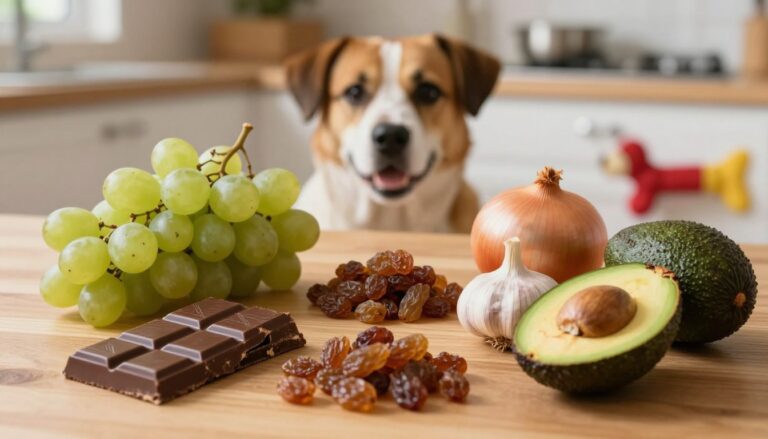
- Onions, garlic, or chives
- Excess salt or sugary seasonings
- Chocolate, grapes, or raisins
- Xylitol or other artificial sweeteners
Possible Risks and Signs of a Problem
Knowing the risks of feeding zucchini helps you protect your dog. Although zucchini can be a healthy snack, zucchini safety for dogs depends on watching your pet’s response.

Digestive Upset From Too Much Fiber
Adding too much fiber too quickly can cause zucchini digestive upset. After eating a large amount, your dog may have gas, bloating, or diarrhea.
Your dog may also have belly pain or vomit. Begin with tiny portions so their body can adjust to the extra fiber.
Choking Risks From Large or Hard Pieces
The vegetable’s size matters greatly for your pet’s safety. Large or firm pieces can become a choking hazard, especially for small breeds or dogs that gulp food.
Always slice zucchini into small, manageable pieces before serving. Taking the time to prepare the food properly helps prevent dangerous blockages in the throat or digestive tract.
Allergic Reactions and Food Sensitivities
Like humans, dogs can develop sensitivities to certain foods. Although rare, zucchini may cause an allergic reaction in some dogs.
Watch for skin irritation, hives, or lasting itching. If you notice these signs, stop feeding zucchini and contact your veterinarian.
What to Do if Your Dog Eats Seasoned Zucchini
Act quickly if your dog eats zucchini seasoned with garlic, onion, or too much salt. These ingredients are toxic to dogs and can cause serious health complications.
Contact your veterinarian or an animal poison control center right away. Do not wait for symptoms if your dog ate harmful additives.
Symptoms That Require Prompt Veterinary Attention
Some warning signs mean your dog needs urgent medical care after eating a questionable snack. Watch for weakness, repeated vomiting, or tremors.
Difficulty breathing or collapse are also serious signs. Seek professional help immediately to ensure continued zucchini safety for dogs.
How Zucchini Compares With Other Dog-Friendly Vegetables
Zucchini is a great choice, but other safe vegetables for dogs to eat also support a balanced bowl. Each vegetable provides different vitamins and minerals for your pet’s diet. Rotating these dog-friendly vegetables gives your dog a wider range of nutrients.
Carrots as a Crunchy, Low-Calorie Option
Carrots are popular because they are inexpensive and easy to find. Their crunchy texture may support dental health by gently scraping plaque as your dog chews. Since they are low in calories, carrots make an excellent snack for dogs watching their weight.
Green Beans for Fiber and Portion-Friendly Treats
Green beans are versatile dog-friendly vegetables. They provide fiber, which helps your dog feel full between meals. Serve them raw, steamed, or canned, without added salt or seasonings.
Plain Pumpkin for Digestive Support
Plain pumpkin can help when your dog has mild tummy trouble. Its soluble fiber helps regulate bowel movements and soothe the digestive tract. Use 100% pure pumpkin puree, not pie filling, which contains harmful additives.
Cooked Sweet Potato as an Energy-Dense Choice
Sweet potatoes provide vitamins and energy for active dogs. Unlike zucchini, which is mostly water, they are more energy-dense and need smaller portions. Always serve them cooked and peeled to support easy digestion.
“Variety in a dog’s diet, when managed safely, can provide essential phytonutrients that support long-term health and vitality.”
Vegetables Dogs Should Not Eat
Not all produce is safe for your pet. Avoid onions, garlic, chives, and leeks because they can seriously damage your dog’s red blood cells. Grapes and raisins are also highly toxic and can cause sudden kidney failure.
| Vegetable | Primary Benefit | Best Serving Method |
|---|---|---|
| Zucchini | Hydration | Steamed or Raw |
| Carrots | Dental Health | Raw or Cooked |
| Green Beans | Fiber | Steamed |
| Sweet Potato | Energy | Cooked/Mashed |
Keep this list of vegetables dogs can consume in mind when building a healthy treat routine. Introduce new foods slowly and watch for signs of sensitivity.
Building a Balanced Treat Routine With Vegetables
Vegetables can enrich your dog’s diet when you manage portions and watch total calories. Understanding the benefits of zucchini for dogs helps you add variety while keeping nutrition on track. Low-calorie choices let you reward your pet without harming their health.
Use Vegetables as Treats Rather Than Meal Replacements
Vegetables should supplement your dog’s diet. They must not replace complete and balanced dog food. Vegetables provide vitamins and fiber, but lack all amino acids and minerals dogs need.
Keep Complete and Balanced Dog Food as the Foundation
Veterinarians generally recommend the 90/10 rule for pet nutrition. This means 90% of your dog’s daily calories should come from a balanced primary diet. The other 10% can include healthy snacks for dogs, such as fresh zucchini.
- Always prioritize high-quality commercial or homemade balanced meals.
- Use vegetables as a small, occasional reward rather than a primary food source.
- Monitor your dog’s weight to ensure these additions do not lead to unwanted weight gain.
Rotate Safe Vegetables Without Overfeeding
Variety can keep your dog interested in food, but moderation matters too. Introduce new vegetables one at a time and watch for digestive problems. Even healthy snacks for dogs can cause obesity when offered too often.
Rotate different safe vegetables during the week to provide more nutrients. Keep portions modest, especially when introducing a new food.
Consider Your Dog’s Existing Treats and Toppings
When planning zucchini or other vegetable portions, count everything else your dog eats. This includes store-bought biscuits, dental chews, table scraps, and meal toppers. If you add treats, slightly reduce the main meal portion to maintain a healthy weight.
Tracking these calories helps maintain a balanced treat routine that supports your dog’s long-term wellness. Watching total intake lets your pet enjoy snacks without overfeeding.
Conclusion
Fresh produce can boost your pet’s daily nutrition in a simple way. Plain zucchini is a safe, low-calorie snack when washed well and free from harmful seasonings. Start with small portions so your dog can handle the new fiber without digestive upset.
Try various zucchini recipes for dogs to make treat time exciting and healthy. These homemade options let you control exactly what enters your pet’s body. Choose simple preparations without toxic ingredients, such as garlic or onions.
Watch your dog closely after introducing any new food. Look for allergy or stomach sensitivity signs to help your companion feel their best. Vegetable additions should support a balanced diet, not replace complete nutrition from high-quality commercial dog food.
Consult your veterinarian before making major changes to your pet’s meal plan. Professional guidance helps match your choices to your dog’s health needs and weight goals. Find creative ways to reward your furry friend with wholesome, natural ingredients.