Dogs and Corn Cobs: Understanding the Hidden Dangers
Imagine a perfect summer day in the backyard with your dog. The grill is hot, and the air smells amazing. Your dog is by your side, hoping for a treat. But, this scene can quickly turn bad if your dog eats the wrong thing.
Many people don’t know that dogs and corn cobs are a bad mix. Corn itself is usually okay, but the hard center can cause big problems. It can block your dog’s stomach and lead to serious surgery.
Knowing about these dog health risks helps keep your home safe. By watching your dog during meals, you can stop them from eating things they shouldn’t. By making smart choices now, you can keep your dog safe from pain later.
Table of Contents
The Reality of Dogs and Corn Cobs
Understanding why your dog loves a discarded corn cob is key to avoiding a medical crisis. Many think corn is safe, so the cob must be too. But, this belief can lead to serious corn cob dangers for dogs that need quick action.
Why Dogs Are Attracted to Corn Cobs
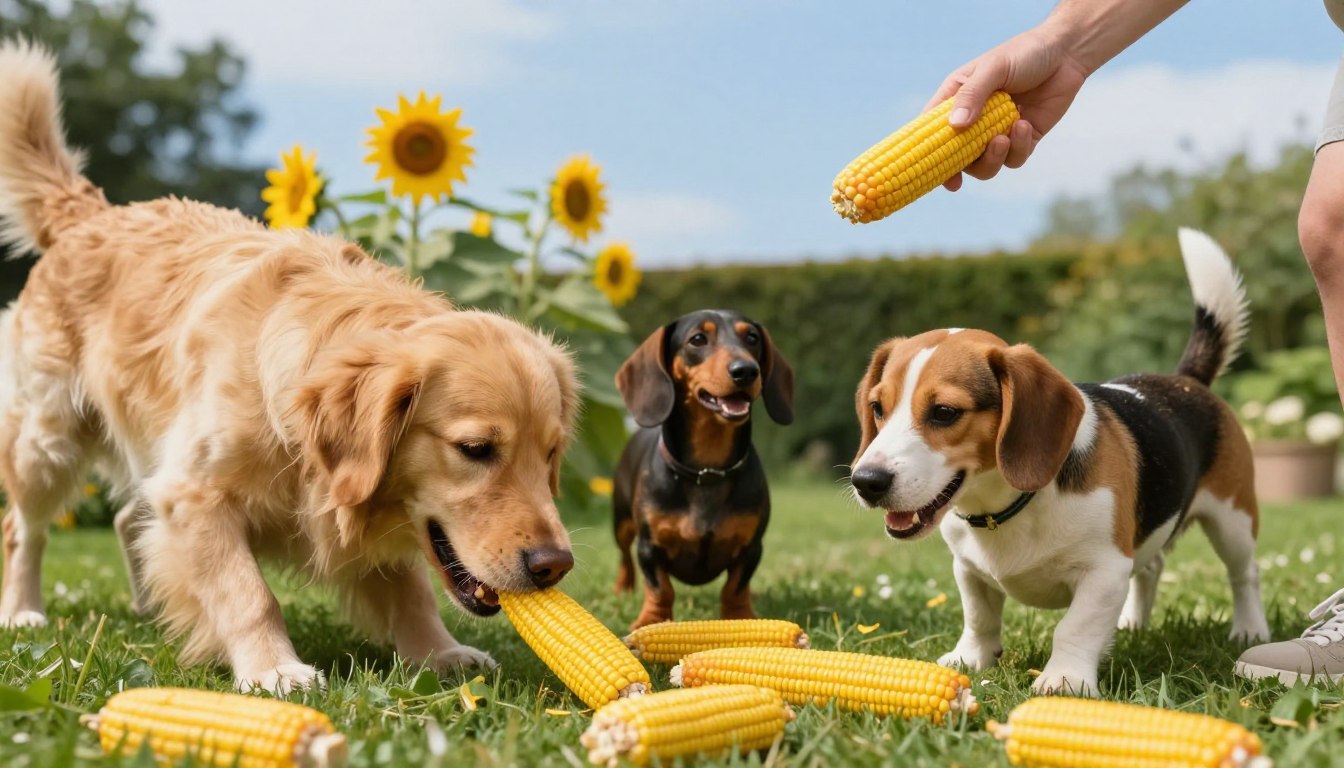
To a dog, a corn cob is more than trash. It smells like butter, salt, or meat from dinner, making it irresistible. This smell turns trash into a prize that dogs seek out.
Dogs also enjoy chewing on it. Owners often don’t see the corn cob dangers for dogs because they think it’s soft. But, dogs chew because of the smell, the feel, and their instinct to protect what they find.
The Deceptive Nature of Corn Cob Texture
The cob’s texture is tricky. It feels soft when fresh but gets hard and tough as it dries. Dogs think it’s a tough chew toy, not knowing it’s hard for them to digest.
Many think the cob is safer than bones because it doesn’t splinter. But, this is why corn cob dangers for dogs are common. Seeing the cob as a hidden hazard is crucial for your pet’s safety.
Why Corn Cobs Pose a Serious Threat
Corn cobs might seem harmless, but they’re a big risk for pets. Many owners don’t think twice about them, but they’re a common dog health risk in homes. Knowing the dangers is key to keeping your pet safe.
Indigestibility of the Cob Core
The main problem with corn cobs is their hard, fibrous core. Dogs can’t digest this part. It stays hard and can get stuck in their digestive system. This can cause serious corn cob dangers for dogs.
The Risk of Bacterial Growth and Mold
Corn cobs are full of holes, perfect for bacteria and mold to grow. When dogs eat them, these harmful things go into their system too. This can lead to infections and make treatment harder.
Choking Hazards for Smaller Breeds
For small dogs, corn cob pieces are especially dangerous. What might not hurt a big dog could choke a small one. These pieces can block airways or get stuck in the esophagus, needing quick action to save a life.
| Risk Factor | Impact on Dog | Severity Level |
|---|---|---|
| Indigestibility | Physical blockage | Critical |
| Porosity | Bacterial infection | High |
| Size | Choking hazard | Extreme |
Recognizing Symptoms of Corn Cob Ingestion
Knowing the symptoms of corn cob ingestion in dogs can save your pet’s life. Corn cobs are hard to digest and can block the stomach or intestines. This blockage stops normal digestion.
Early Warning Signs of Digestive Distress
Persistent vomiting is a key sign your pet is in trouble. While some stomach upset is normal, repeated vomiting is a big warning sign.
Look out for these physical signs too:
- Abdominal tenderness or swelling
- Straining to defecate or complete lack of bowel movements
- Noticeable lethargy or sudden weakness
- Excessive drooling or nausea
Behavioral Changes to Monitor
Your dog may also show behavioral changes. A sudden loss of appetite is often the first sign of internal trouble.
Watch for these subtle signs:
- Restlessness: Your dog may pace back and forth or be unable to find a comfortable position to lie down.
- Hiding: Many dogs seek dark, quiet corners when they are in significant pain.
- Prayer Position: You might notice your dog stretching their front legs out while keeping their hindquarters elevated, which is a classic sign of abdominal discomfort.
“When a dog is in pain, they often communicate through changes in their daily routine. If your pet suddenly refuses their favorite treat or seems unable to settle, take it seriously.”
When to Seek Emergency Veterinary Care
If you think your dog swallowed a cob, don’t wait. Seek emergency vet care if your dog can’t keep water down or shows extreme distress.
Acting fast is crucial to avoid serious problems like tissue necrosis or rupture. Early intervention can lead to better outcomes and less invasive treatments.
The Mechanics of Gastrointestinal Obstruction
When a dog swallows a corn cob, it starts a dangerous process in their gut. These cobs are hard and don’t break down like food. Knowing the risks of corn cob obstruction in dogs is key for pet owners.
How Cobs Cause Physical Blockages
The small intestine is narrow, making it a common spot for blockages. A cob’s shape and hardness stop it from moving with digestion. It acts like a cork in a bottle, blocking everything.
The intestine tries to push the cob through, causing tightness. This tightness can hurt the gut’s lining. The risks of corn cob obstruction in dogs grow because the cob doesn’t get softer.
The Danger of Partial Versus Complete Obstructions
Blockages can be partial or complete. A partial blockage lets some liquid or gas pass, causing vomiting or diarrhea. This is still a serious issue that needs a vet’s check.
A complete blockage is a surgical emergency. Nothing can pass through, leading to fluid loss and pain. Knowing the risks of corn cob obstruction in dogs helps you spot these differences early.
Why Time Is Critical for Your Pet
Time is crucial when dealing with a blockage. A long time can cut off blood to the intestine. This causes tissue necrosis, where the intestine wall starts to die.
If the wall breaks, bacteria can spread, leading to sepsis. This is a life-threatening condition that needs quick action. By understanding the risks of corn cob obstruction in dogs, you can get your pet help before it’s too late.
Immediate Steps to Take After Ingestion
Discovering your dog swallowed a corn cob is frightening. It’s natural to feel scared, but staying calm is key. Quick, smart actions can prevent serious problems.
Assessing the Situation at Home
Before you head to the vet, gather important info. Your vet needs this to know how to help your dog.
- Time of ingestion: Remember when you think your dog ate the cob.
- Size and quantity: Guess how much of the cob was eaten.
- Current behavior: Check if your dog seems okay or is showing signs of trouble.
Contacting Your Veterinarian Promptly
Don’t wait for symptoms to call your vet. Corn cobs can block your dog’s digestive system fast. Calling quickly lets your vet give advice based on your dog’s details.
Have your notes ready when you call. If your vet is closed, find the nearest animal hospital fast. Time is crucial when dealing with blockages.
What Not to Do After Your Dog Eats a Cob
It’s important to avoid mistakes that can hurt your dog. Some home remedies can actually make things worse.
- Do not induce vomiting: Don’t try to make your dog vomit unless your vet says it’s okay. Sharp parts of the cob could hurt your dog’s throat.
- Do not wait and see: Don’t think the cob will pass on its own. The risk of a blockage is too high.
- Do not offer food or water: If your vet thinks imaging or surgery is needed, you might need to keep your dog from eating or drinking.
“Prompt communication with your veterinary team is the most critical factor in managing potential foreign body ingestion safely.”
Veterinary Diagnosis and Treatment Protocols
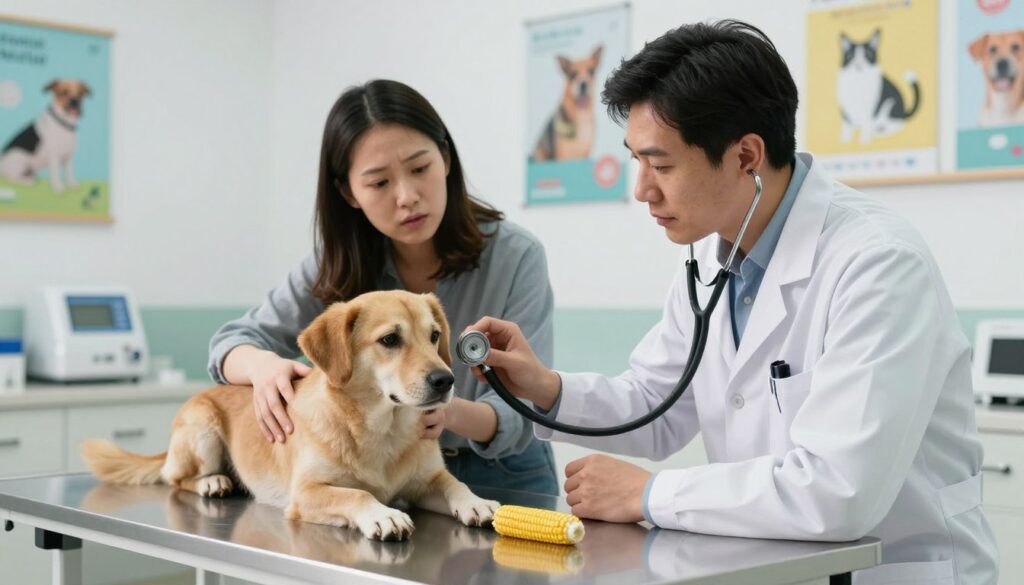
When your dog eats a corn cob, the first step is getting a vet’s help. These items can cause serious blockages that need quick action. Knowing about veterinary treatment for corn cob consumption helps you understand what your vet will do.
Diagnostic Imaging Techniques
The vet’s first step is to find and measure the blockage. They often use abdominal radiographs, or X-rays, to see the dense core of the cob. If the X-rays don’t show the cob, the vet might suggest an ultrasound for a better look at the gut.
These tools help the vet see where the cob is. Knowing this is key to deciding the best course of action. Early detection is crucial for your pet’s recovery.
Endoscopic Retrieval Options
If the cob is still in the stomach, the vet might suggest an endoscopy. This minimally invasive procedure uses a tube with a camera to remove the cob. It’s a quicker way to fix the problem without surgery.
But, this method only works if the cob is still in the stomach. If it’s moved further, endoscopy is not safe. Your vet will decide based on how long ago your dog ate the cob.
Medical Management Versus Surgical Necessity
Choosing between medical treatment and surgery is a big decision. If the blockage is partial and the dog is okay, the vet might just watch and give fluids and meds. But, this is risky if the blockage gets worse.
If the blockage is complete or causing damage, surgery is needed. Waiting too long can lead to serious problems like a hole in the intestine. Your vet will choose the best option for your dog’s safety.
| Procedure | Primary Goal | Invasiveness |
|---|---|---|
| Radiographs | Locate Obstruction | Non-Invasive |
| Endoscopy | Remove from Stomach | Minimally Invasive |
| Enterotomy | Remove from Intestine | Surgical |
Surgical Intervention for Severe Blockages
When a corn cob causes a severe blockage, surgery is often the only way to save your dog. This major surgery is usually the most effective method for removing an obstruction that can’t pass on its own. Knowing what to expect can help you feel more prepared during this difficult time.
Understanding the Enterotomy Procedure
The most common surgery for removing a foreign object like a corn cob is called an enterotomy. During this operation, a veterinarian makes an incision into the intestine to carefully extract the obstruction. Once the cob is removed, the surgeon closes the intestinal wall with specialized sutures to ensure a secure seal.
After the intestine is repaired, the surgeon will inspect the surrounding tissue for any signs of damage. If the tissue appears healthy, the abdomen is closed in layers. This procedure is performed under general anesthesia, ensuring your pet remains unconscious and pain-free throughout the entire process.
“The bond between a dog and their owner is tested during times of medical crisis, but informed care provides the best foundation for a successful recovery.”
Risks Associated with Abdominal Surgery
While veterinary surgeons are highly skilled, all abdominal surgeries carry inherent risks. One primary concern involves anesthesia complications, which is why your vet will perform blood work before the procedure to ensure your dog is healthy enough for surgery. Monitoring vital signs during the operation is a standard safety protocol.
Another potential risk is the development of a post-operative infection or a leak at the incision site. You must watch for signs of distress, such as lethargy, fever, or refusal to eat. Early detection of these issues is crucial for a positive outcome, as it allows the veterinary team to intervene quickly if complications arise.
Preparing Your Home for Post-Surgery Recovery
Creating a calm environment is essential for your dog’s healing process once they return home. You should designate a quiet, low-traffic area where your pet can rest without being disturbed by other animals or children. Keep this space clean, comfortable, and easily accessible to prevent your dog from jumping or climbing stairs.
Limit your dog’s physical activity strictly to short, leashed walks for bathroom breaks. It is also helpful to keep a detailed log of medication times and any changes in your dog’s behavior. By providing a stable and supportive home environment, you play a vital role in your pet’s successful recovery.
Long-Term Recovery and Post-Operative Care
The journey to your dog’s recovery starts when you leave the vet. The surgery is a big step, but the healing at home is key. Following your vet’s instructions closely will help your pet get back to normal fast.
Managing Pain and Medication Schedules
Keeping your dog comfortable is crucial. Always stick to the pain meds schedule given by your vet. Consistency is key to avoid pain spikes that can affect their movement or appetite.
Write down every dose to avoid missing or doubling up. If your dog shows side effects like too much panting or restlessness, call your vet right away. Never use human pain meds on pets, as they can be toxic or fatal.
Dietary Adjustments During the Healing Process
Your dog’s digestive system needs time to heal after surgery. Your vet will suggest a bland diet to ease the digestive tract. Avoid table scraps or treats that could irritate or block their system during this time.
Introducing regular food back slowly is important. Make sure your dog always has fresh, clean water to stay hydrated. If they vomit or have diarrhea after eating, contact your vet to adjust their diet.
Monitoring for Complications After Surgery
Being watchful is key to catching issues early. Check the incision site daily for redness, swelling, or discharge. A healthy incision should look clean and be closing steadily over the first few days.
Watch your dog’s overall behavior and energy levels too. Some tiredness after anesthesia is normal, but sudden changes or fever are urgent. Use this guide to track your dog’s recovery.
| Observation Area | Normal Signs | Warning Signs |
|---|---|---|
| Incision Site | Clean, dry, edges joined | Pus, foul odor, gaping |
| Appetite | Gradual return to normal | Refusal to eat or drink |
| Energy Level | Slowly increasing daily | Extreme lethargy or collapse |
| Behavior | Restful and calm | Constant whining or pacing |
Preventing Access to Corn Cobs in Your Home
To keep your dog safe, you need to manage your home well. By controlling your space, you can stop dogs and corn cobs from meeting. Making small changes in your daily life can greatly improve your pet’s safety.
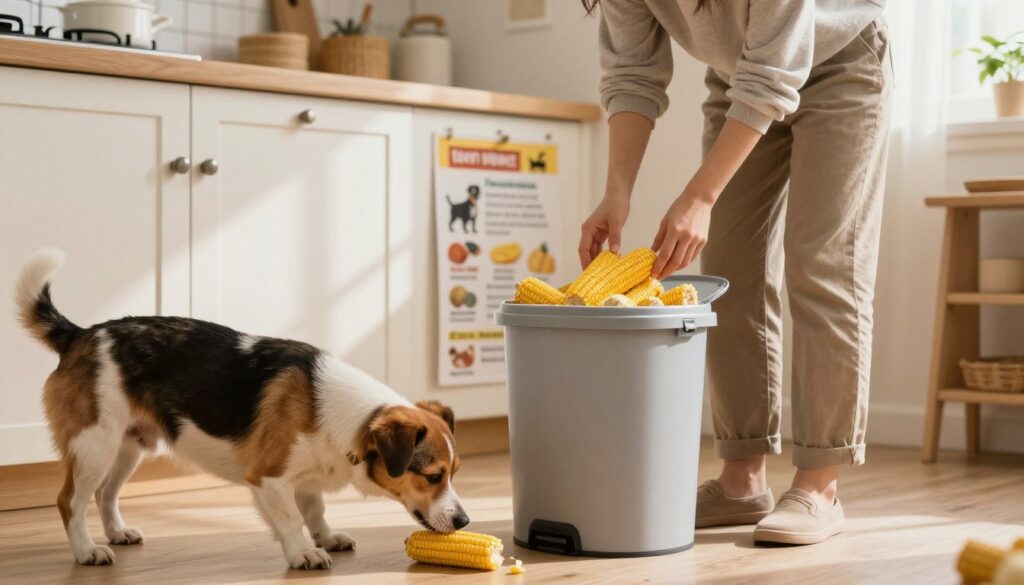
Securing Your Trash and Compost Bins
The kitchen trash can is a common source of food scraps. Dogs, being scavengers, might look for leftovers in bins. Use heavy-duty, locking trash cans to keep them out.
Compost piles can also be a danger zone for pets. Make sure your compost area is fenced off. This step is crucial in how to prevent dogs from eating corn cobs.
Managing Outdoor Grilling and Picnic Areas
Summer gatherings can lead to accidents. Always clean up food surfaces when grilling. Never leave food out, even for a moment.
Dispose of corn husks and cobs right away in a secure bin. Ask your guests to keep food out of reach. Constant supervision is key during these events.
Training Your Dog to Leave It
Teaching your dog to say “leave it” is crucial. This command helps them ignore things you don’t want them to touch. Start with low-value treats and then move to more tempting items.
Being consistent is important in training. Reward your dog right away when they ignore the forbidden item. With practice, you’ll have a reliable way to keep them safe.
| Strategy | Difficulty Level | Effectiveness |
|---|---|---|
| Locking Trash Bins | Low | High |
| Outdoor Supervision | Medium | High |
| “Leave It” Training | High | Very High |
Safe Alternatives for Your Dog’s Chewing Needs
It’s best to give your dog chew toys to manage their urge to chew. Dog-friendly alternatives to corn cobs help avoid dangerous blockages. These toys meet your pet’s chewing needs safely.
Durable Rubber Toys for Aggressive Chewers
If your dog loves to chew a lot, soft toys won’t last. Choose durable rubber toys from brands like Kong or Goughnuts. They’re made to handle tough chewing without breaking into pieces.
These toys can be filled with treats or peanut butter. This keeps your dog busy and safe, making them a top dog-friendly alternative to corn cobs.
Natural Dental Chews and Treats
Keeping your dog’s mouth clean is as important as their stomach. Natural dental chews help remove plaque and tartar. Choose brands that are safe and approved by vets.
These treats give your dog a fun chewing experience. They’re better than kitchen scraps, which can harm your dog’s health.
Engaging Your Dog with Interactive Puzzles
Interactive puzzles keep your dog’s mind active and prevent bad behavior. They make your dog less likely to look for things like corn cobs. Puzzles keep them busy and focused on finding treats.
Puzzles come in different levels for all dogs. Adding them to your daily routine helps keep your home safe.
| Chew Type | Primary Benefit | Durability Level | Best For |
|---|---|---|---|
| Rubber Toys | Long-lasting play | High | Aggressive chewers |
| Dental Chews | Oral hygiene | Medium | Teeth cleaning |
| Puzzle Feeders | Mental stimulation | Low to Medium | Boredom relief |
Debunking Common Myths About Corn Consumption
Many people believe that corn is safe for dogs because it’s natural. But, when it comes to dogs and corn cobs, it’s crucial to know the truth to avoid health problems.
Is Cooked Corn Different from Raw Corn
Some think cooking a corn cob makes it safe for dogs. But, this is completely wrong. Cooking doesn’t soften the tough parts of the cob.
Even after boiling, the cob stays hard and can’t be digested. This can be very dangerous for your pet.
The Truth About Corn Kernels Versus Cobs
It’s key to know the difference between corn kernels and cobs. Kernels are usually okay in dog food, but cobs are not. Kernels are soft, while cobs are hard and woody.
The main risk with dogs and corn cobs is the cob’s hard structure. It can block your dog’s digestive system. Kernels are usually fine, but cobs are not.
Why Size Does Not Always Matter
Some think only big cobs are dangerous. But, even small pieces can be harmful. Size does not mean safety when it comes to dogs and corn cobs.
Even a small piece of cob can get stuck in your dog’s intestines. This can cause a lot of harm. Never underestimate the damage a small piece of cob can do.
Conclusion
Keeping your home safe for your dog means always watching what they can get into. Corn cobs are a big danger that many people don’t think about until it’s too late. You can stop these dangers by paying attention to your home.
Being careful is key to keeping your pet safe. Make sure trash cans are locked and food is not left out. Simple changes can make a big difference in your dog’s safety.
Give your dog safe toys like those from Kong or Nylabone. These toys let them chew without the risks of eating trash. Your smart choices help keep your dog happy and safe from surgery.
Check your home for things your dog shouldn’t eat today. Your effort to keep your home safe will help your pet live a long, healthy life. Stay alert and keep your home safe for your furry friend.