
Friendly Dog Breeds Ranked: Which Type of Dog Is Best for You?
Imagine coming home after a long day to a wagging tail and a heart full of joy. Finding the perfect companion is more than just picking a pet. It’s about welcoming a new family member who fits your unique lifestyle.
Selecting the right temperament is crucial for your long-term happiness. When your household needs align with your pet’s personality, you create a bond that lasts a lifetime.
Understanding the diverse traits of various animals helps you make an informed choice. By exploring the most friendly dog breeds, you ensure a harmonious home environment. Everyone feels safe and loved.
This guide will help you navigate the options to find a loyal partner that matches your energy. Let us discover which friendly dog breeds will bring the most light into your daily life.
Table of Contents
Understanding Temperament in Friendly Dog Breeds
Looking for the perfect pet? Understanding temperament is key. Many friendly dog breeds have traits that make them great companions. These traits come from careful breeding and early life experiences.
Genetics greatly influence how a dog acts. While each dog is unique, some breeds are naturally more social and eager to please. Nature provides the foundation, but you must nurture it through care.
Environmental factors like early socialization and training are crucial. A dog raised in a loving, active home is more likely to be stable and affectionate. Look for signs like a calm demeanor, curiosity, and a lack of aggression.
“The bond between a human and a dog is built on trust, which begins with understanding the unique personality of your companion.”
To better understand these traits, consider the role of genetics and environment. Recognizing these factors helps choose the right friendly dog breeds for your lifestyle.
| Factor | Genetic Influence | Environmental Impact |
|---|---|---|
| Socialization | Natural curiosity | Exposure to new people |
| Affection | Bonding instinct | Quality time spent |
| Stability | Low anxiety levels | Consistent routine |
| Trainability | Eagerness to please | Positive reinforcement |
Choosing a pet is about finding a balance between natural temperament and your lifestyle. By focusing on these key indicators, you can ensure a harmonious relationship with your new furry family member for years to come.
Top Friendly Dog Breeds for Active Families
Living an active life means you need a dog that can keep up. You want a pet that’s energetic but calm at home. The best friendly dog breeds balance energy with a gentle heart. They love joining in on your adventures, from morning jogs to weekend hikes.
Active families need a dog that’s both athletic and eager to please. These breeds are great at switching from intense play to relaxing with the family. Consistency and engagement keep them happy and healthy.
Golden Retriever
The Golden Retriever is a top pick for families who love intelligence and a happy spirit. These dogs love to work and play, making them perfect for long walks or fetch in the park.
- High energy levels: They need at least an hour of exercise every day.
- Mental stimulation: Puzzle toys and training keep their minds sharp.
- Family bond: They’re patient with kids of all ages.
“The Golden Retriever is a dog that truly wants to be part of every family moment, whether you are running a trail or sitting on the porch.”
Labrador Retriever
Labrador Retrievers are among the top friendly dog breeds because of their endless energy and strong build. They’re natural athletes who excel in swimming, running, and agility. They love being around people and getting lots of attention and exercise.
To keep your Labrador happy, mix up your routine. Regular exercise stops boredom and keeps them at a healthy weight. Their love for family activities makes them perfect for active homes.
Best Friendly Small Dog Breeds for Apartment Living
Many city dwellers find that some of the best friendly dog breeds are small. Choosing a pet that fits well in a small space is key for both your and your pet’s happiness.
These small dogs are great at living in small homes. They stay gentle and affectionate. The right breed makes your home a peaceful place for you and your pet.
Cavalier King Charles Spaniel
The Cavalier King Charles Spaniel is a top pick for those who love companionship. They are known for their sweet nature and love to be close to their owners.
They need a bit of exercise, but a short walk a day is enough. Their quiet nature is perfect for apartment living, where noise is a concern.
French Bulldog
If you’re looking for friendly small dog breeds for city life, the French Bulldog is great. They have a laid-back attitude and don’t need much exercise.
They don’t bark much, which is good for neighbors. Their playful and affectionate nature makes even small spaces joyful.
Most Friendly Dog Breeds for First-Time Owners
Choosing one of the top friendly dog breeds can make your first steps with a pet easy and fun. You need a dog that is friendly and loves to learn. These breeds are forgiving, making training easier for beginners.
Bichon Frise
The Bichon Frise is perfect for those who want a happy and strong companion. They are highly intelligent and enjoy learning, making training fun. They adapt quickly, becoming a favorite in your home.
They are playful but also gentle, ideal for new owners. Their eagerness to please makes house-training easy. They are among the most friendly dog breeds for beginners.
Poodle
Poodles are known for their smart minds and strong bond with their owners. They come in various sizes, all exceptionally easy to train. They are social and love meeting new people and pets.
They enjoy being around people and learn your routines fast. Their patient demeanor helps new owners feel secure. A Poodle is a top friendly dog breed for a smooth transition into dog ownership.
Friendly Low Maintenance Dog Breeds for Busy Households
Many people think all active dogs need constant attention. But some breeds are experts at relaxing. If you have a busy life, you need a pet that loves quiet time. Choosing friendly and easygoing dog breeds can make your home peaceful after a long day.
These dogs are called “45-mph couch potatoes.” They have an athletic past but love to relax. This makes them perfect for families who want a pet without needing to keep them active all the time.
Greyhound
The Greyhound is a famous example of a fast dog that loves to relax. Despite their racing history, they are very gentle and quiet at home. They rarely bark and enjoy napping in sunny spots.
“The Greyhound is a dog of great dignity, possessing a calm and affectionate nature that belies its athletic prowess.”
Whippet
The Whippet is a great choice if you want a smaller dog. They are loving, sensitive, and love being around people. They need only a bit of exercise, like a walk or playtime, to be happy.
They are easy to adapt to different homes, including apartments or small yards. Their short coats mean they don’t need much grooming. This makes them one of the most friendly low maintenance dog breeds today.
| Breed | Activity Level | Grooming Needs | Temperament |
|---|---|---|---|
| Greyhound | Low (Indoor) | Very Low | Gentle & Calm |
| Whippet | Moderate | Low | Affectionate & Quiet |
| Overall | Relaxed | Minimal | Easygoing |
Friendly Hypoallergenic Dog Breeds for Allergy Sufferers
You don’t have to give up on dogs just because you have allergies. Many people think owning a pet is hard with sensitivities. But, friendly hypoallergenic dog breeds are a great solution. They make less dander, which is the main cause of most allergies.
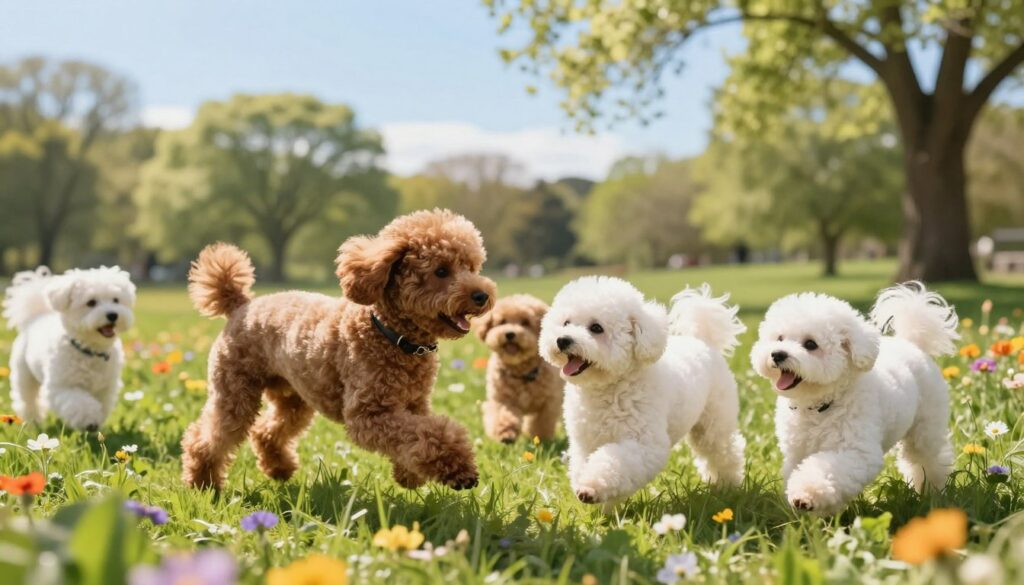
Choosing a breed with a hair-like coat helps keep your home clean. This way, you can enjoy more time with your pet without feeling uncomfortable. Consistency in grooming is key to managing these breeds well.
Portuguese Water Dog
The Portuguese Water Dog is smart and full of energy. It has a waterproof, curly coat that sheds very little. This makes it a top friendly hypoallergenic dog breed for active families.
They need regular brushing and professional grooming to stay healthy. This stops matting and keeps dander away from their skin. Their loyal and fun-loving temperament makes them a great addition to any family.
Soft Coated Wheaten Terrier
The Soft Coated Wheaten Terrier is cheerful and loves people. It has a single-layered, silky coat that sheds very little. This makes it a favorite among those with allergies. They are known as friendly hypoallergenic dog breeds that love being around people.
“The key to living successfully with a hypoallergenic dog is a strict grooming schedule that removes loose hair before it becomes airborne in your home.”
They need regular grooming to keep their coat looking great. Daily brushing and baths will keep them happy and your home free of allergens. Their playful spirit means you’ll always have fun with them.
| Breed Name | Coat Type | Grooming Needs | Energy Level |
|---|---|---|---|
| Portuguese Water Dog | Curly/Wavy | High (Professional) | High |
| Soft Coated Wheaten Terrier | Silky/Single | Moderate/High | Moderate |
Friendly Family Dog Breeds Known for Patience
Some dogs are naturally calm and gentle, even in chaotic homes. When searching for friendly family dog breeds, it’s key to find one that can handle kids’ energy and daily life’s hustle. These dogs bring security and joy, making them household pillars.
Beagle
The Beagle is known for its cheerful and easygoing nature. Bred to work in packs, they are social and rarely aggressive. Their calm temperament makes them great playmates for kids.
Beagles are curious but patient, a rare trait in small hounds. As a top friendly family dog breed, they fit well in many homes. They balance playfulness with calm, keeping your home happy.
Newfoundland
Newfoundlands are called “nature’s babysitters” for their protective and calm nature. Despite their size, they are gentle and patient. They know when to play and when to relax.
They are deeply devoted to their owners, making them reliable friendly family dog breeds. They stay calm in busy places. Their presence adds a soothing, protective energy that makes everyone feel safe and loved.
Evaluating Your Lifestyle Before Choosing a Breed
Finding the perfect dog is more than just picking a cute face. It’s about realistically looking at your life. Think about how much time you can give to training, exercise, and just hanging out each day. By matching a dog’s energy with yours, you’ll create a harmonious home environment for years.
Assessing Your Daily Activity Levels
Consider your typical week, from busy days at home to active weekends. If you love long hikes and sports, a high-energy dog will love being with you. But if your days are filled with meetings and little free time, look into friendly low maintenance dog breeds that are okay with shorter walks and indoor play.
It’s important to be honest about your energy levels. Picking a dog that needs more exercise than you can give can be frustrating for both of you. Matching your pace keeps your new friend happy and well-adjusted.
Considering Your Living Space Requirements
Your living situation is key in choosing the right breed. A big house with a yard is great for active dogs. But if you live in a small apartment, look for breeds that are okay with compact living spaces.
Think about the noise and space your dog needs. Some dogs are happy on a sofa, while others need room to play. Choosing the right size and temperament for your home avoids common problems. Whether you pick a high-energy dog or a low maintenance one, your lifestyle should guide your choice.
The Importance of Socialization for Friendly Dogs
You might think a naturally sweet dog is ready for anything. But socialization is the secret to their long-term success. Even friendly hypoallergenic dog breeds need consistent guidance to be well-adjusted pets. Training builds a strong bond and keeps your dog comfortable in different social situations.

The first few months of your puppy’s life are crucial for building confidence. Introduce your pet to new sights, sounds, and surfaces in a controlled and positive manner. This early exposure helps reduce anxiety in unfamiliar environments later.
Keep training sessions short and rewarding. Positive reinforcement, like treats and praise, makes new experiences joyful. Starting these habits early sets the stage for a lifetime of calm behavior.
Ongoing Socialization Strategies
Socialization doesn’t stop once your puppy grows up. You need ongoing strategies throughout your dog’s life to keep them friendly. Regular outings to parks, pet-friendly stores, or quiet walks keep their social skills sharp.
Even friendly hypoallergenic dog breeds need continuous exposure to different people and animals. Consistency is key to keeping your companion happy and well-adjusted. By staying engaged with your dog’s development, you ensure they stay confident and relaxed in any setting.
Common Myths About Dog Breed Friendliness
When looking for the perfect pet, it’s important to ignore common myths about breed temperament. Many people believe stereotypes that don’t show the real behavior of dogs. By debunking these myths, you can find a pet that really fits your life.
Debunking Size-Based Temperament Assumptions
Many think that a dog’s size determines its aggression or affection. They believe big dogs are more protective, and small dogs are yappy or nervous. But, size doesn’t predict a dog’s personality.
Don’t judge a dog by its size. There are many friendly and easygoing dog breeds that don’t fit these size expectations. Temperament comes from genetics, early life, and training, not just size.
“The personality of a dog is a tapestry woven from its unique history, not just the breed standard written on a piece of paper.”
Understanding Individual Personality Variations
Every dog is unique, no matter the breed. Breed traits give a general idea, but don’t predict a dog’s adult behavior. Even in friendly small dog breeds, there’s a wide range of personalities.
To find the right dog, look at these factors instead of generalizations:
- Early Socialization: How the dog was introduced to the world early on.
- Training History: The dog’s training style and consistency.
- Environment: The dog’s current home setting.
- Individual Temperament: The dog’s unique personality traits.
Focus on the individual to build a strong bond. Ignore labels and meet the dog in person to see its true behavior.
How to Find a Reputable Breeder or Rescue
Getting a dog is a big step. It starts with finding a reliable source. Whether it’s a professional breeder or a local rescue, your choice affects your dog’s long-term health and happiness.
A good breeder puts their dogs first, not money. They should openly talk about their breeding methods and the dogs’ backgrounds.
Questions to Ask Potential Breeders
When you talk to a breeder, ask lots of questions. Find out if they’ve done genetic health testing on the parents.
Ask to see where the puppies live. A responsible breeder will show you around and introduce you to the mom.
- What health screenings have been performed on the parents?
- How do you socialize your puppies before they go to new homes?
- Can you provide references from previous puppy owners?
- What is your policy if I am unable to keep the dog in the future?
Benefits of Adopting from Shelters
Adopting from a shelter is a rewarding experience that saves a life. Many dogs in shelters are already house-trained and have basic obedience skills.
Adoption fees are often lower than buying from a breeder. These fees usually include vet services like vaccinations and spaying.
“Adopting a dog is not just about getting a pet; it is about giving a second chance to a soul that truly needs a loving home.”
Adopting supports local groups that help animals. You’ll feel good knowing you’ve made a kind choice for your family and community.
Conclusion
Choosing a new pet is a big step that changes your daily life and home. By thinking about your lifestyle, you can pick a dog that fits your life perfectly.
Looking for friendly dog breeds means more than just picking a popular name. You need to think about energy levels, grooming, and space. This careful choice helps you and your pet bond strongly.
Many people succeed by choosing dog breeds that match their lifestyle. Whether you like quiet nights or active weekends, there’s a dog for you. Focus on temperament and socialization for a happy life together.
Getting a dog from a reputable breeder or rescue is key. They help you choose the right dog for your family. This choice leads to a healthier and happier pet.
Start by visiting a local shelter or contacting a trusted breeder. Your future best friend is ready to bring joy and loyalty home. Enjoy the journey of welcoming a new family member.