Can Dogs Eat Mashed Potatoes, Baked Potatoes, and Other Potato Dishes?
Ever looked into your dog’s eyes while cooking dinner and thought they could have a bite? It’s a common question for pet owners who want to treat their dogs. You might wonder, can dogs eat mashed potatoes, or if other potato dishes are safe for them.
Understanding the difference between plain, cooked potatoes and those with butter, garlic, or onions is key. While plain, boiled potatoes are usually okay in small amounts, added ingredients can upset their stomachs. Moderation and proper preparation are crucial for your dog’s health and happiness.
Table of Contents
Nutritional Profile of Potatoes for Dogs
Adding new foods to your dog’s diet is a big decision. It’s crucial to examine the nutritional profile of potatoes. These tubers are common in human kitchens but need careful consideration in pet nutrition.
Essential Vitamins and Minerals Found in Potatoes
Potatoes are more than just starch. They have several key nutrients that support your pet’s health. They are a good source of Vitamin C, which boosts the immune system. They also have Vitamin B6, important for brain health and hormone balance in dogs.
Potatoes also offer important minerals like potassium and magnesium. These minerals help keep muscles and nerves healthy. When cooked right, these nutrients can add value to a balanced meal.
Understanding Carbohydrate Content in Canine Diets
Potatoes are often included in diets for their carbohydrate content. Carbohydrates are a vital energy source for active animals. They help fuel daily play and exercise.
But, remember, pet nutrition is about balance. While carbs are good, they shouldn’t replace the protein dogs need to thrive. Watch your pet’s weight and activity when adding new foods.
Can dogs eat mashed potatoes and other prepared dishes?
Many pet owners wonder if dogs can safely eat mashed potatoes. Sharing human food with pets is common, but not all dishes are safe. It’s important to know the difference between plain potatoes and seasoned dishes for your pet’s health.
Why Plain Mashed Potatoes Are Generally Safe
Plain potatoes are safe for most dogs if prepared right. Boiling a potato without salt, butter, or seasonings makes it a simple carb source. Remember, moderation is key when giving this snack to your pet.
The relationship between mashed potatoes and dogs is good only when the potatoes are plain. Make sure the potato is fully cooked, as raw potatoes can harm pets. Keeping the potato plain avoids risks from common kitchen additives.
The Risks of Added Ingredients Like Butter and Milk
While plain potatoes are okay, added ingredients like butter and milk are not. These are high in fat and lactose, which can upset a dog’s stomach. Eating too much of these can even cause pancreatitis.
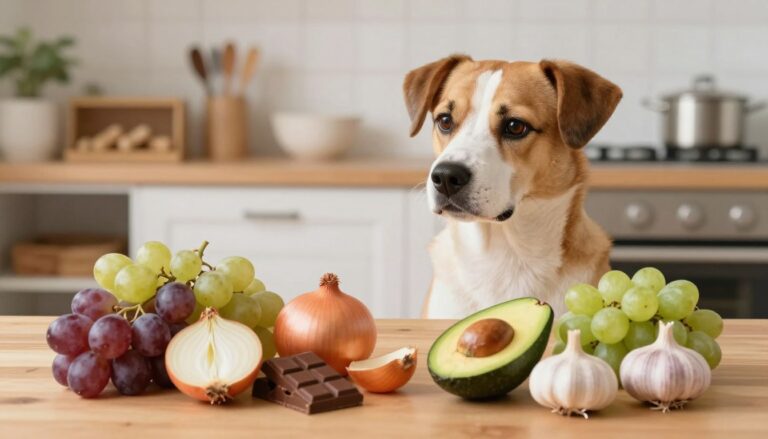
Also, many recipes include garlic or onion powder for flavor. These are toxic to dogs and can harm their red blood cells. Always check the ingredients before sharing your meal.
Evaluating Store-Bought Instant Potato Mixes
Instant potato flakes might seem convenient, but they’re not good for dogs. They often have a lot of sodium, preservatives, and artificial flavorings. These are not safe for dogs and can cause health problems over time.
| Preparation Method | Safety Level | Primary Risk |
|---|---|---|
| Plain Boiled Potato | Safe | None (if cooked) |
| Homemade with Butter/Milk | Low | High Fat/Lactose |
| Instant Potato Mixes | Unsafe | Sodium/Preservatives |
| Potatoes with Garlic/Onion | Toxic | Organ Damage |
The Dangers of Raw Potatoes and Solanine
Keeping your pet safe from toxic foods for dogs means knowing about plant defenses. Potatoes are in the nightshade family, which uses chemicals to fight off insects and fungi. These plants are safe for us but can harm dogs if not cooked right or eaten raw.
Understanding Solanine Toxicity in Nightshades
The main danger with raw potatoes is solanine, a chemical that protects the plant. It’s bad for dogs because it’s a natural pesticide. When a potato gets light, it makes more of this toxin to defend itself.
Why Raw Potato Peels Pose a Significant Threat
The skin and “eyes” of a potato have the most solanine. Green spots on the surface mean there’s a lot of solanine. Giving raw peels to dogs can cause serious health problems.
- Always peel potatoes thoroughly before cooking.
- Discard any potatoes that show signs of green discoloration.
- Never allow your pet access to raw potato scraps or peels.
Symptoms of Solanine Poisoning in Dogs
It’s important to know the signs of solanine poisoning. It can affect a dog’s stomach and nervous system quickly. If your pet eats raw potato skins, look for these warning signs:
- Excessive drooling or vomiting
- Diarrhea and abdominal pain
- Lethargy or weakness
- Dilated pupils or confusion
If you see these symptoms, call your vet right away. Knowing about toxic foods for dogs helps keep your pet safe and healthy.
Safe Ways to Prepare Potatoes for Your Pet
You can safely add potatoes to your pets‘ meals with a few simple steps. Potatoes are safe for dogs, but how you cook them matters. The right way ensures your dog gets the good stuff without the bad.
Boiling and Steaming Techniques for Maximum Safety
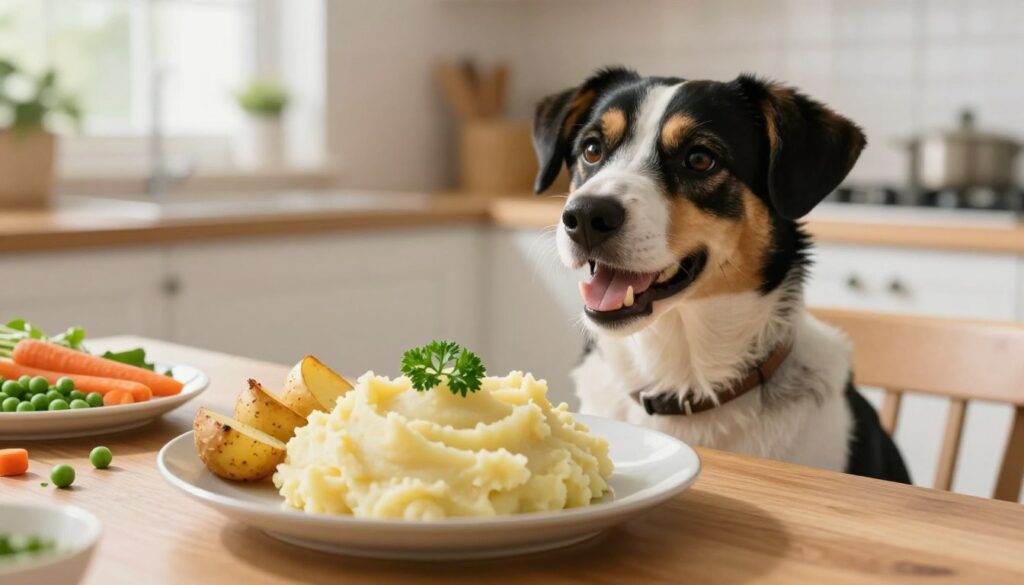
Boiling or steaming is the best way to cook potatoes for your dog. These methods make the potato easy to digest. Make sure the potatoes are soft all the way through.
- Avoid adding oils, butter, or seasonings during cooking.
- Use plain water for boiling to keep it simple and healthy.
- Let the potatoes cool completely before serving to avoid mouth burns.
The Importance of Removing Skins and Eyes
When feeding dogs potatoes, removing the skin and eyes is crucial. The skin has more solanine, which can be toxic. Peeling the potato is a must to keep your dog safe.
Check the potato for green spots or deep indentations. If it’s green, throw that part away. Thoroughly peeling the potato makes sure your dog only eats the safe inside.
Serving Sizes and Frequency Recommendations
Feeding dogs human food should be done in moderation. Potatoes should be an occasional treat, not a main meal. A small portion, about the size of a single bite, is enough to avoid weight gain.
Watch your dog after they try potatoes for the first time. If they have an upset stomach, cut back or stop the treat. Consistency and portion control are key for your dog’s health.
Identifying Toxic Ingredients in Potato Dishes
Common seasonings can turn a simple potato dish into a health hazard for your dog. Many items classified as human food contain substances that are dangerous for canine consumption. Always check your ingredient labels carefully before sharing any leftovers with your furry friend.
The Hidden Dangers of Garlic and Onion Powder
Garlic and onion are members of the allium family and are highly toxic foods for dogs. Even in powdered form, these ingredients can cause significant damage to your dog’s red blood cells. This condition, known as hemolytic anemia, can lead to weakness, lethargy, and pale gums.
Why High-Fat Additives Cause Pancreatitis
Many potato recipes rely on heavy additions like butter, sour cream, or bacon grease to improve flavor. These high-fat ingredients are difficult for a dog to digest and can trigger pancreatitis. This painful inflammation of the pancreas often requires immediate veterinary intervention and can be life-threatening for sensitive pets.
Dangers of Salt and Artificial Seasonings
Excessive salt intake is another major concern when feeding your pet human food. High sodium levels can lead to dehydration, electrolyte imbalances, and in severe cases, salt poisoning. Furthermore, artificial flavorings and preservatives found in processed potato mixes are not formulated for canine health and should be avoided entirely to prevent digestive upset.
By staying informed about these toxic foods for dogs, you can ensure your pet stays safe and healthy. Always prioritize plain, boiled potatoes if you choose to share this vegetable with your companion. When in doubt, it is best to skip the seasoning and stick to plain, whole foods.
Health Benefits of Potatoes in Moderation
Understanding potatoes’ role in pet health helps you make better choices for your dog’s diet. In small amounts, this common veggie can add benefits to a balanced diet.
Potatoes as a Source of Dietary Fiber
Potatoes have natural dietary fiber, which is good for a healthy gut. This fiber helps with regular bowel movements and supports good gut bacteria.
Adding a small cooked potato to your dog’s meal can improve stool quality. Consistency is key, so keep the portion small to avoid upset stomachs.
Energy Boosting Properties for Active Dogs
Carbs are key for dogs that are always on the move. Potatoes give a quick energy boost for long walks or training.
Remember, when talking about mashed potatoes and dogs, they should be plain and cooked. This simple carb is great for active breeds or dogs that burn calories fast.
Potatoes as a Gluten-Free Carbohydrate Alternative
Many dogs have grain sensitivities or allergies, making kibble hard to digest. Potatoes are a great gluten-free alternative for these pets.
If your vet suggests a limited-ingredient diet, potatoes are a safe choice. They provide energy without the risks of wheat or corn. Here’s why they’re a popular choice:
- They’re easy to digest when boiled or steamed.
- They’re rich in vitamins like B6 and C.
- They have a tasty texture that dogs love.
The talk about mashed potatoes and dogs is about moderation and how they’re prepared. For your dog’s pet health, choose plain, high-quality ingredients that support their health for years to come.
Signs of Potato Toxicity or Digestive Upset
Even with the best intentions, accidents can still happen in the kitchen. Knowing the early signs of illness is crucial for pet owners. Quick action can turn a minor stomach ache into a serious issue.
Recognizing Gastrointestinal Distress
Improper potato dishes often upset a dog’s stomach. Look for sudden vomiting or loose stools. Lethargy is another sign that your pet is not feeling well.
If these symptoms last more than a few hours, it’s time to act. Watch your dogs closely after they eat new foods. Persistent discomfort means their system is struggling.
Neurological Symptoms of Severe Toxicity
Raw potato ingestion can lead to solanine poisoning. This affects the nervous system. Look for confusion, loss of coordination, or tremors.
Severe cases may show dilated pupils or a slow heart rate. These signs are serious and need immediate vet help. Never ignore these symptoms, as they show high toxicity in dogs.
Immediate Steps to Take If Your Dog Ingests Toxic Ingredients
If you think your pet ate something harmful, stay calm and act fast. Remove any remaining food to prevent more harm. Call your vet right away to report what was eaten and how much.
Always have your vet’s contact info ready for emergencies. The table below shows the difference between mild upset and severe toxicity symptoms.
| Symptom Category | Mild Indicators | Severe Indicators |
|---|---|---|
| Digestive | Occasional vomiting | Bloody diarrhea |
| Behavioral | Mild lethargy | Extreme weakness |
| Neurological | None | Tremors or seizures |
| Action Required | Monitor closely | Emergency vet visit |
Comparing Potatoes to Other Dog-Friendly Vegetables
Looking at different foods for dogs can help you choose the best. It’s important to know how each food fits into your dog’s diet. This way, you can give them a variety of nutrients.
Sweet Potatoes Versus White Potatoes
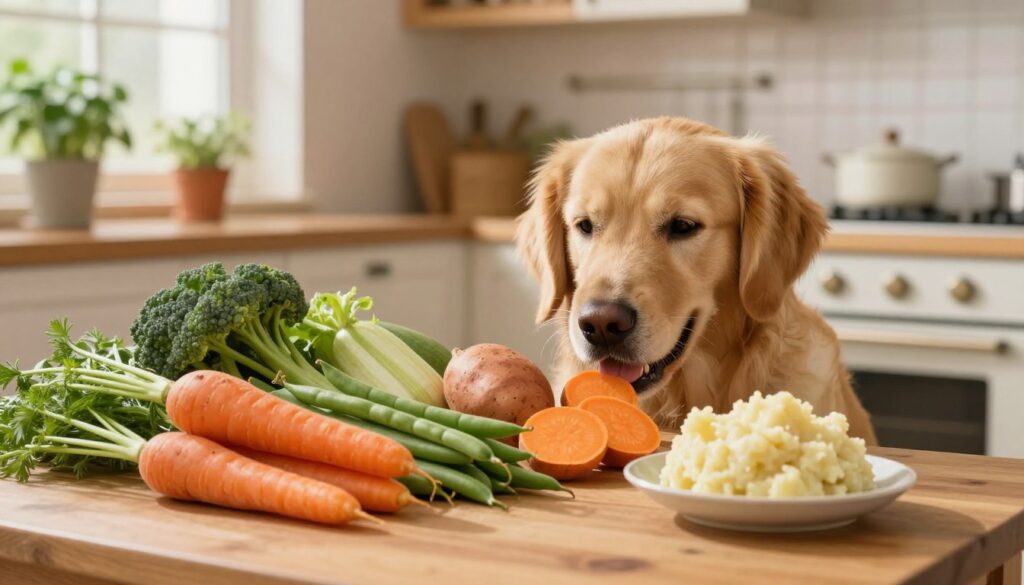
Both sweet and white potatoes are good for dogs when cooked right. Sweet potatoes are rich in beta-carotene, which is good for eyes and immune health.
White potatoes have potassium and vitamin C. But sweet potatoes have more nutrients. Always cook potatoes right to keep your dog healthy.
Carrots and Green Beans as Low-Calorie Alternatives
Carrots and green beans are great for dogs who need to watch their weight. They are low in carbs and high in fiber.
- Carrots: Good for teeth because they’re crunchy.
- Green Beans: Full of fiber and don’t add many calories.
- Versatility: You can eat them raw or steamed.
Nutritional Comparison for Balanced Canine Nutrition
Here’s a table to show how these veggies fit into your dog’s diet. It shows why it’s good to mix things up for the best nutrition.
| Vegetable | Primary Benefit | Calorie Density |
|---|---|---|
| White Potato | Energy/Potassium | Moderate |
| Sweet Potato | Vitamin A/Fiber | Moderate |
| Carrots | Beta-Carotene | Low |
| Green Beans | Fiber/Hydration | Very Low |
Mixing up these safe foods for dogs keeps their diet interesting. Start with small amounts to see how they do with new foods.
When to Consult Your Veterinarian
Keeping your pet health in top shape means knowing when to ask for help. Sharing snacks with your pets is fun, but not all foods are safe. Talking to your vet can stop stomach problems or serious health issues.
Assessing Your Dog’s Specific Dietary Needs
Every dog is different, needing food that matches their age, breed, and how active they are. Before giving them potatoes or new veggies, check their weight and health. Professional veterinary guidance helps avoid adding too many calories that could make them overweight.
Managing Pre-existing Conditions Like Diabetes
If your dog has diabetes, be very careful. Foods like potatoes can make their blood sugar go up too fast. This is very bad for dogs with diabetes. Always check with your vet to see if these foods are okay for their diet.
Emergency Protocols for Accidental Ingestion
Accidents can happen, and your dog might eat raw potatoes or peels by mistake. If you think your dog ate a lot of raw potato, call your vet right away. Don’t wait for symptoms if you know they ate something bad.
- Keep the contact information for your nearest emergency animal hospital on your refrigerator.
- Watch your dog for signs of tiredness, vomiting, or shaking.
- Take a piece of what they ate to the vet to help them help your dog.
Conclusion
Feeding your dog needs careful attention to what they eat. Potatoes can be a simple energy source if done right. But, it’s crucial to follow safety rules.
Plain, boiled potatoes are a safe treat for pets. Make sure to remove the skins and eyes to avoid harmful compounds. Don’t add butter, salt, or seasonings as they can cause digestive issues or pancreatitis.
Keep your kitchen away from toxic additives like onion or garlic powder. These can be very harmful to dogs. If you want to share human food, stick to plain, safe options that are good for your dog.
Talk to your vet about your dog’s diet. They can guide you on what foods are best for your pet. This ensures your dog gets the right balance of nutrients.
Watch your dog closely after trying new foods. Look for any signs of discomfort or odd behavior. This way, you can make sure they have a safe and fun experience.