Can Dogs Eat Lamb? Benefits, Risks & Safe Feeding Tips
You look into those soulful eyes and only want the best for your furry friend. Choosing the right protein for their bowl can be a puzzle. You might want to try something other than chicken or beef.
Many pet parents wonder if can dogs eat lamb as a nutritious alternative. This flavorful meat might be perfect for your pup, especially if they have sensitivities.
Understanding the nutritional value of this protein is key for your pet’s health. We’ll look into the safety, how to prepare it, and its health benefits. This will help you make a good choice for your pet.
Table of Contents
Understanding the Nutritional Profile of Lamb
Lamb is packed with nutrients that are great for your dog. Adding lamb for dogs to their diet boosts energy and supports health. It’s also easy for dogs to digest, making it a popular choice.
“Quality nutrition is the cornerstone of a long, vibrant life for our canine companions, and selecting the right protein is the first step.”
Essential Amino Acids for Muscle Maintenance
Lamb is a complete protein, meaning it has all the amino acids your dog needs. These amino acids are critical for repairing tissues and keeping muscles strong. They’re important for dogs of all ages, from puppies to seniors.
The Role of Healthy Fats and Omega Fatty Acids
Lamb also has healthy fats that are a great energy source. These fats are full of omega fatty acids, which are essential for a shiny coat and healthy skin. They help keep your dog’s skin barrier strong, reducing dryness and irritation.
Vitamins and Minerals Found in Lamb Meat
Feeding lamb for dogs adds important vitamins and minerals to their diet. Lamb is rich in Vitamin B12, which supports the nervous system, and zinc, which boosts the immune system. Here’s a table showing some key nutrients in lamb.
| Nutrient | Primary Benefit | Impact on Health |
|---|---|---|
| Vitamin B12 | Nervous System | High |
| Zinc | Immune Support | High |
| Iron | Blood Health | Moderate |
These nutrients work together to keep your dog healthy and full of energy. Choosing high-quality lamb ensures your pet gets all the benefits it offers.
Can dogs eat lamb safely?
Thinking about new foods for your pet? You might wonder: is lamb safe for dogs? Yes, it is, if you prepare it right. Lamb is packed with nutrients and can be a great addition to your dog’s diet.
Distinguishing Between Raw and Cooked Lamb
Choosing between raw and cooked meat is a big decision. Raw meat might be appealing, but it’s riskier due to Salmonella or E. coli. Cooking lamb makes it safer for your pet.
If you do choose raw, make sure it’s from a trusted source. But for most, cooked lamb is safer to avoid health problems.
The Importance of Sourcing Quality Meat
Not all meat is good for your dog. Look for human-grade lamb without preservatives or artificial stuff. These can harm your dog and hide the meat’s quality.
Choosing quality meat means your dog gets the best nutrition. Always check labels for pure lamb.
Common Misconceptions About Lamb in Canine Diets
Many think lamb is too rich for dogs. But can dogs eat lamb safely if introduced slowly. It’s not just for dogs with allergies; it’s good for any healthy dog.
| Preparation Method | Safety Level | Key Benefit |
|---|---|---|
| Boiled/Steamed | High | Easy to digest |
| Baked/Roasted | High | Retains flavor |
| Raw (Commercial) | Moderate | Natural enzymes |
| Raw (Butcher) | Low | High pathogen risk |
Knowing the differences helps you make better choices for your dog. With quality and care, lamb can be a great part of their diet.
Key Health Benefits of Including Lamb in Your Dog’s Diet
Many pet owners are finding out that lamb for dogs is great for their pets’ health. This meat is packed with nutrients that help dogs at every life stage. Choosing high-quality lamb ensures your pet gets the best for a lively life.
Supporting Skin and Coat Health
The main benefits of lamb for dogs is how it makes their skin and coat look. Lamb has lots of essential fatty acids. These are key for a strong skin barrier and a shiny coat.
“Proper nutrition is the foundation of a healthy coat, and high-quality proteins like lamb provide the necessary fats to keep skin hydrated and resilient.”
Lamb as a Novel Protein for Sensitive Stomachs
If your dog has tummy troubles, lamb might be a good choice. It’s a novel protein, meaning it’s less likely to cause allergies. This makes it great for dogs with sensitive stomachs or food allergies.
Energy Levels and Metabolic Support
It’s important to give your dog the right food for energy. Lamb has amino acids that help muscles and metabolism. A balanced diet keeps your dog active and fun during playtime.
How Protein Quality Affects Daily Vitality
The protein you choose affects your dog’s energy and health. High-quality lamb for dogs is easy to digest. This means your dog gets nutrients better, stays active, and has a strong immune system.
- Promotes a lustrous, healthy coat through natural fatty acids.
- Reduces the risk of allergic reactions in sensitive dogs.
- Supports lean muscle maintenance and metabolic health.
Potential Risks and Considerations When Feeding Lamb
Knowing the dangers in lamb can protect your pet from serious health issues. This meat is popular but comes with its own set of challenges. When searching for the best lamb treats for dogs, safety is key to avoid dietary pitfalls.

Managing Fat Content to Prevent Pancreatitis
Lamb has more fat than chicken or fish. Too much fat can lead to pancreatitis, a serious condition. Always remove excess fat from lamb before giving it to your dog.
It’s crucial to watch fat intake, especially for sensitive breeds. Even with the best lamb treats for dogs, check the fat content. It should match your dog’s size and activity level.
The Dangers of Seasonings and Additives
Human lamb dishes often include harmful spices and sauces. Salt, pepper, and nutmeg can upset your dog’s stomach. Make sure lamb for your dog is plain and cooked without oils or butter.
Why Garlic and Onions are Toxic to Dogs
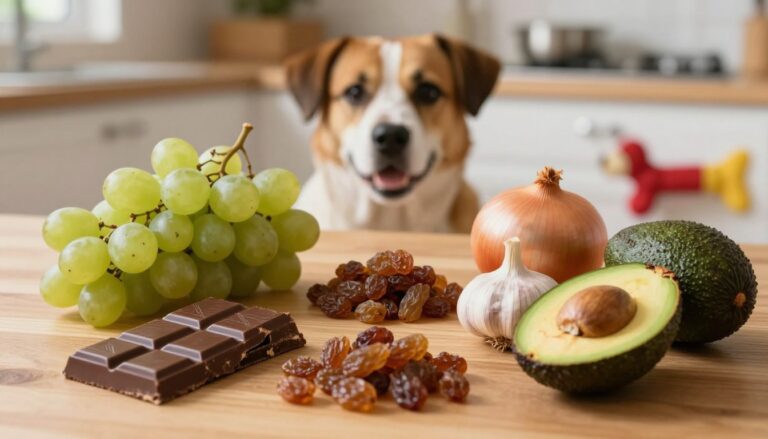
Garlic, onions, leeks, and chives are toxic to dogs. They can damage red blood cells, causing hemolytic anemia. Even a little onion powder or garlic salt can harm your pet.
Weight Management and Caloric Density
Lamb is high in calories, making it easy to overfeed. Keeping your dog at a healthy weight is important for their joints and longevity. Adjust their daily calories when adding lamb to their diet.
Here’s a table to show how different lamb preparations affect your dog’s health:
| Preparation Method | Risk Level | Recommendation |
|---|---|---|
| Plain, Boiled Lamb | Low | Safe for most dogs |
| Seasoned/Spiced Lamb | High | Avoid completely |
| Commercial Lamb Treats | Variable | Check for additives |
| Lamb with Garlic/Onion | Severe | Never feed |
Choosing the best lamb treats for dogs without harmful additives is key. Opt for simple, natural ingredients to keep your dog healthy and happy.
Best Practices for Preparing Lamb for Your Pet
Cooking lamb for your dog is more than just heating it up. When you make lamb recipes for dogs at home, aim to keep the nutrients in and avoid dangers.
Safe Cooking Methods for Homemade Meals
The best way to cook lamb is by boiling, steaming, or baking. Never add onions, garlic, salt, or strong spices, as they’re bad for dogs. Make sure the meat is cooked well to kill off bacteria.
Portion Control Guidelines Based on Breed Size
Figuring out how much lamb to give depends on your dog’s size, age, and how active they are. Small dogs need fewer calories than big, active dogs. Talk to your vet to find out how much your dog should eat to avoid getting too fat.
Incorporating Lamb into a Balanced Raw Diet
Feeding raw lamb needs a balanced diet. Many owners look for lamb recipes for dogs that mix muscle meat, organ meat, and calcium. Consistency is important when switching to raw food.
Sanitation Tips for Handling Raw Meat
Handling raw meat must be clean to avoid getting sick. Here are some key steps:
- Wash your hands with hot, soapy water right after touching raw meat.
- Clean all cutting boards, knives, and bowls used for raw meat.
- Keep raw lamb in the freezer or fridge until you’re ready to serve it.
- Don’t let your dog lick your face or hands after eating raw meat.
Evaluating Lamb-Based Commercial Dog Foods
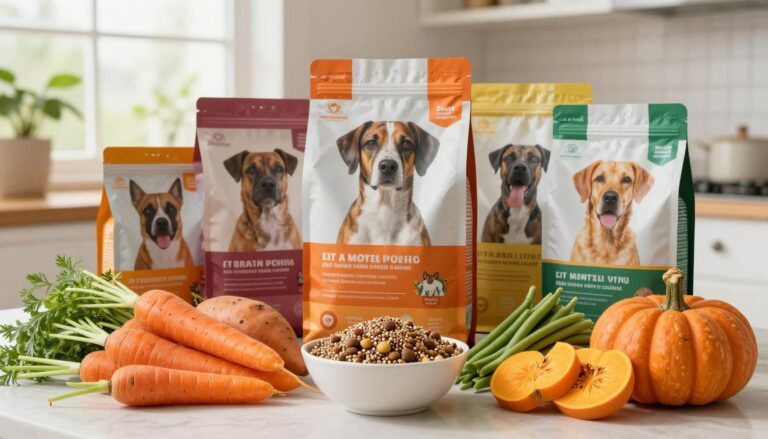
Not all products labeled as lamb-based are the same. It’s important to know what’s in your dog’s food. When you buy lamb dog food, the packaging might not tell the whole story. Learning to read the fine print helps ensure your pet gets the best nutrition.
Reading Ingredient Labels for Quality Assurance
Start by checking the ingredient list. Ingredients are listed by weight, with the heaviest first. Look for “lamb” or “lamb meal” as the first ingredient.
Stay away from vague terms like “meat meal” or “animal fat.” These don’t give you the clarity you need. Choose brands that clearly state where their ingredients come from.
Lamb Meal vs. Fresh Lamb
Many people ask about the difference between fresh lamb and lamb meal in lamb dog food. Fresh lamb has a lot of water, which is lost when cooked. This means it has less protein by weight.
Lamb meal, on the other hand, is dried and has more protein per cup. A good diet often mixes both for a balanced nutrition.
Identifying Fillers and By-products in Lamb Dog Food
When picking a lamb dog food, watch out for fillers that don’t offer much nutrition. Ingredients like corn gluten meal, soy, or too much wheat are cheap fillers. They can cause digestive problems or allergies in some dogs.
Be careful of “by-products” too. While some organ meats are good, vague by-products might not be. Look for these signs of quality:
- Whole protein sources listed first.
- No artificial colors or chemical preservatives.
- Specific fat sources, like “lamb fat,” not “animal fat.”
The Truth About Lamb Bones for Dogs
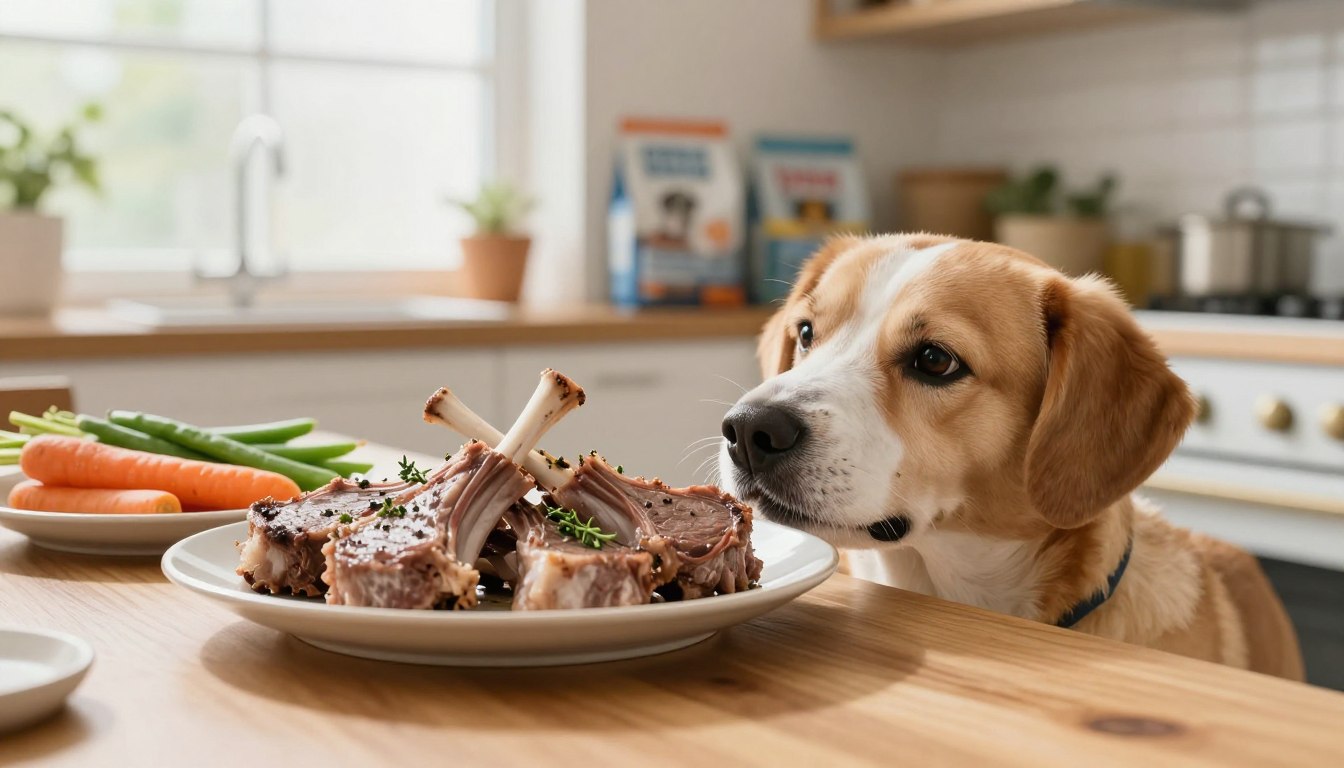
Every pet owner should think carefully about giving lamb bones for dogs. Dogs love to chew, but not all bones are safe. It’s important to know the difference between safe chewing and potential dangers.
Why Cooked Bones Pose a Choking Hazard
Never give your dog cooked bones. Cooking makes bones brittle and likely to break into sharp pieces. These can hurt your dog’s digestive tract or cause choking.
Even if a bone looks strong, cooking dries it out. This makes it hard and prone to breaking. If your dog chews on it, pieces can get stuck in their throat or intestines. This can lead to serious health problems.
The Debate Surrounding Raw Recreational Bones
Some owners give raw, meaty bones for fun. They think these bones clean teeth and keep dogs busy. But, raw lamb bones for dogs can be risky, like getting Salmonella or E. coli.
If you give raw bones, watch your dog closely. Pick a bone that’s too big to swallow whole. Take the bone away once the meat is gone to avoid choking hazards.
Safe Alternatives to Real Lamb Bones
There are safer ways to keep your dog happy and busy. Durable rubber toys, nylon chews, and dental treats are great. They’re tough and won’t hurt your dog’s teeth or stomach.
These options give your dog the same fun as bones but without the risks. Choose vet-approved products to keep your dog safe and happy during play.
| Chew Type | Safety Level | Primary Benefit |
|---|---|---|
| Cooked Lamb Bones | Very Low | None (High Risk) |
| Raw Recreational Bones | Moderate | Dental Hygiene |
| Rubber/Nylon Toys | High | Mental Stimulation |
| Dental Chews | High | Breath Freshening |
Identifying Signs of Lamb Allergies or Sensitivities
Lamb is often seen as a gentle, hypoallergenic protein for dogs. But, every dog is different. You might wonder, is lamb safe for dogs if your pet shows signs of discomfort after eating it. Even top-quality proteins can cause sensitivities in some dogs.

Common Symptoms of Food Intolerance
It’s key to spot early signs of food sensitivity in your dog. Chronic itching around the paws, face, and ears is a common sign. You might also see your dog shaking their head or scratching their ears, which could mean an ear infection.
Digestive issues like gas, loose stools, or vomiting are also red flags. If your dog has these problems after eating, it might be hard for them to digest the protein. Watching for these signs helps you know if the diet is right for your pet.
How to Conduct an Elimination Diet
An elimination diet is the best way to find out if your dog has a sensitivity. You feed your dog a limited diet for weeks to see if symptoms go away. Make sure to avoid all treats, flavored meds, or table scraps with other proteins.
After symptoms clear up, you can try adding lamb back into their diet. This careful method is the best way to find out if is lamb safe for dogs in your home. Keep a detailed log of what your dog eats and how they react.
When to Consult Your Veterinarian
While you can make many diet changes at home, seeing a vet is crucial. If your dog has skin lesions, hair loss, or severe tiredness, it’s time to call your vet. These could be signs of a bigger problem, not just a food intolerance.
If you’re not sure about a homemade diet, your vet can help. They can also do allergy tests to see if is lamb safe for dogs like yours. Getting professional advice is important for your dog’s health and happiness.
Conclusion
Choosing the right protein is key for your pet’s health. Now, you know how lamb can be good for your dog’s meals.
When picking pet food, quality is top. Look for brands like Purina Pro Plan or Blue Buffalo. Make sure the ingredients are fresh and safe for humans.
Watch your dog closely when trying new foods. See how they react to new proteins. This helps you make their diet better for their health.
Your vet is a big help in feeding your pet right. They can tell you about the right amounts and what your dog needs. With their advice, you can make sure your dog stays healthy and happy.