Apple sauce for Dogs: Benefits, Safety & Easy Homemade Recipe
You likely cherish quiet moments when your furry companion rests their head on your lap. As a pet parent, you want to share tasty snacks, but your dog’s health must come first. Choosing the right treats shows love and helps your best friend stay healthy.
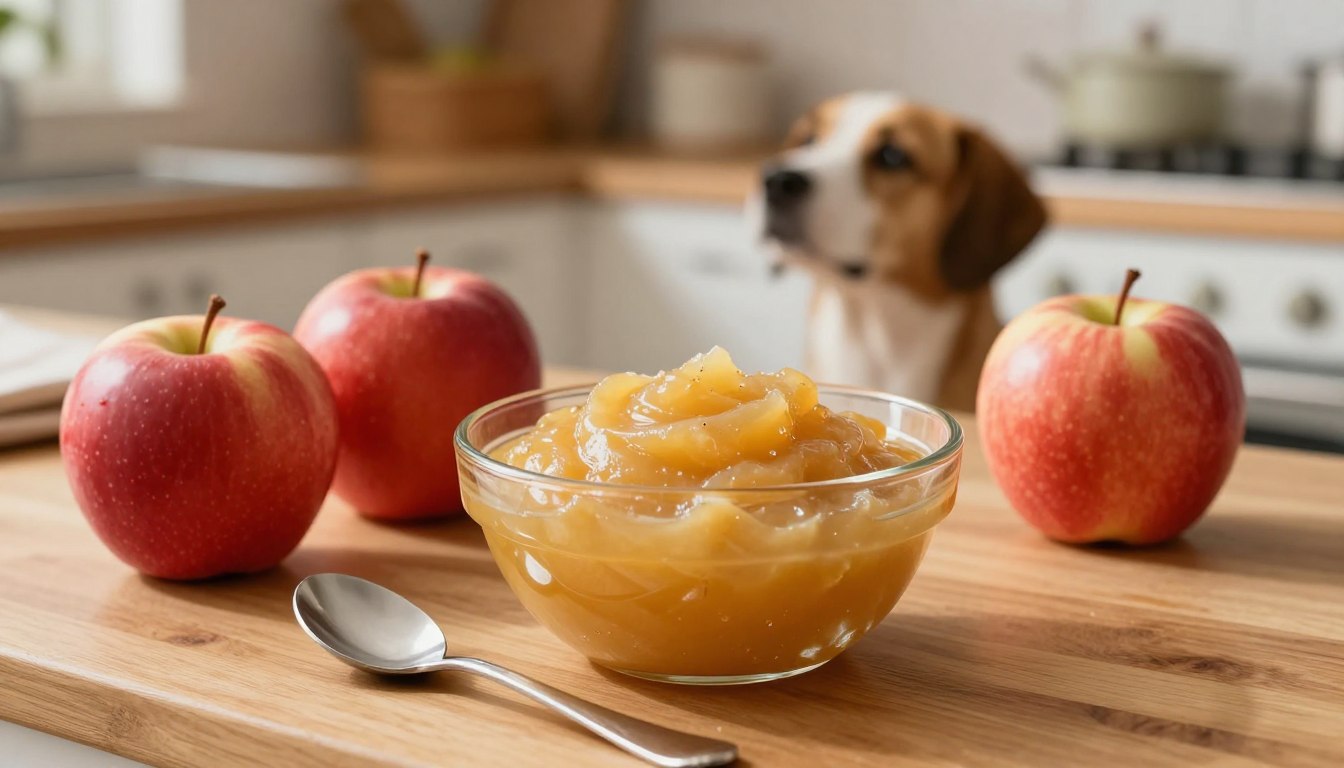
Many owners wonder if apple sauce for dogs is safe. Yes, you can serve it plain without harmful additives. Store-bought versions often contain harmful sweeteners, such as xylitol, or too much sugar, which can upset a dog’s stomach.
Making homemade apple sauce gives you full control over the ingredients. This guide covers safety tips, serving sizes, and simple preparation methods. It also explains storage, so your pup can enjoy a fresh, healthy reward each time.
Can Dogs Eat Apple Sauce for Dogs?
You may wonder whether your dog can safely enjoy a spoonful of applesauce. Yes, but only when you follow conditions that protect your pet’s health.
When Plain Applesauce Can Be a Safe Treat
Plain, unsweetened applesauce can be one of many safe apple treats for dogs when prepared properly. It must contain no added sugar, artificial sweeteners, or spices that may upset your dog’s stomach.
A simple, natural product offers a low-calorie snack that most dogs enjoy. Check that it contains only cooked apples and perhaps a little water.
Why Ingredients Matter More Than the Applesauce Name
Do not trust the product name alone when shopping for your pet. Read the ingredient label to make sure your apple sauce for dogs is safe.
Many commercial brands contain xylitol, which is extremely toxic to dogs. Even products called “natural” may contain preservatives or flavorings that dogs should not eat.
How Applesauce Fits Into Your Dog’s Overall Diet
Healthy snacks should never replace a complete, balanced dog food diet. Treat applesauce as a reward, not a main source of nutrition.
Small portions help your dog get essential vitamins and minerals from regular meals. Adding safe apple treats for dogs can help you bond without harming your pet’s long-term health.
Applesauce Benefits for Dogs
If you are considering a sweet treat for your dog, you may wonder about the potential applesauce benefits for dogs. Plain applesauce is not a miracle food, but it can be a tasty, occasional reward.
Fiber to Support Healthy Digestion
Apples contain natural dietary fiber that can help regulate your dog’s digestive system. A small amount may help maintain normal bowel movements.
However, portion size matters. Too much fiber at once can cause loose stools or stomach discomfort in sensitive dogs.
Water and Natural Moisture From Apples
One hidden applesauce benefits for dogs is the high water content in fresh fruit. This moisture may help keep your dog hydrated, especially during warmer months.
Adding a spoonful of plain applesauce to dry kibble can make mealtime more appealing. It provides a refreshing texture that many dogs enjoy.
Vitamin C and Other Nutrients in Apples
Apples provide Vitamin C and antioxidants that support overall wellness. These nutrients help support a healthy immune system when consumed in moderation.
These vitamins are beneficial, but processed applesauce contains them in relatively small amounts. Treat them as a bonus, not a primary nutrition source.
Why Applesauce Is a Treat, Not a Nutritional Replacement
Applesauce is strictly a treat, not a meal. It cannot replace a complete and balanced canine diet designed by veterinary nutritionists.
Relying on treats for essential nutrients can cause dietary imbalances over time. Ensure your dog gets most daily calories from high-quality, species-appropriate dog food.
What to Look for in Safe Apple Sauce for Dogs
When shopping for your dog, identifying safe apple treats for dogs is important. Choose snacks with useful nutrients, no harmful chemicals, and little added sugar. Simple, familiar ingredients help support your pet’s health.
Choose Unsweetened and Unseasoned Applesauce
The best applesauce for your dog has only one ingredient: apples. Look for labels that say unsweetened and unseasoned. These choices avoid extra calories from sugar, which may cause weight gain or dental problems.
Check the Ingredient List for Hidden Additives
Many commercial products contain additives that pets should avoid. To find safe apple treats for dogs, check the jar for high-fructose corn syrup, artificial flavors, or spice blends. These ingredients may cause stomach upset or serious reactions in sensitive dogs.
- Avoid products with added sugar or sweeteners.
- Stay away from spice blends containing nutmeg or cloves.
- Check for preservatives that may upset a dog’s stomach.
Why Organic Applesauce Is Optional Rather Than Essential
Organic certification is popular with many pet owners, but it is not required for safety. The key is avoiding harmful additives and sweeteners. Organic applesauce is a bonus, but plain standard applesauce is safe when its ingredients are clean.
How to Compare Store-Bought Applesauce Products
Comparing products helps you choose well for your pet. Use this table when selecting safe apple treats for dogs at your local grocery store.
| Feature | Recommended | Avoid |
|---|---|---|
| Ingredients | Apples only | Syrups, spices, additives |
| Sweetness | Naturally occurring | Added sugar or sweeteners |
| Texture | Smooth or chunky | Contains artificial thickeners |
Ingredients Your Dog Should Never Have in Applesauce
Knowing which additives to avoid is vital for proper applesauce safety. Plain apples are generally healthy, but commercial products may contain hidden ingredients that can harm your pet. Inspect every label carefully before offering your dog a snack.
Xylitol and Other Dangerous Sugar Substitutes
Xylitol is the most critical ingredient to avoid and appears in many “sugar-free” products. Even a small amount can cause a life-threatening drop in blood sugar and liver failure in dogs. Choose xylitol-free applesauce to protect your pet from accidental poisoning.
Added Sugar, Corn Syrup, and Excessive Sweeteners
Avoid products packed with high-fructose corn syrup or excessive added sugar. These ingredients offer no nutritional value and may cause weight gain or dental problems. Choose xylitol-free applesauce with only natural fruit sugars to support a balanced diet.
Cinnamon, Nutmeg, and Other Spices to Avoid
Many human-grade applesauce recipes include spices such as nutmeg, which can be toxic to dogs in large amounts. Small amounts of cinnamon remain debated, but avoiding all spiced varieties is safer. Always choose plain, unseasoned options to prevent digestive upset or other reactions.
Artificial Flavors, Preservatives, and Fruit Blends
Avoid applesauce with artificial preservatives or chemical flavorings, which may irritate a dog’s sensitive stomach. Also avoid fruit blends containing grapes or raisins because they are highly toxic to canines. Choose simple, single-ingredient products for strong applesauce safety.
Apple Parts and Preparation Risks for Dogs
When sharing apples with your pet, proper preparation keeps them safe. Apples are healthy snacks, but some parts can harm dogs. Mastering safe apple preparation helps your dog enjoy the benefits without these risks.
Remove Apple Seeds, Cores, Stems, and Leaves
Before any apple preparation for dogs, remove everything except the flesh. Seeds, core, stem, and leaves contain amygdalin, which can release cyanide when chewed or digested. Discard these parts at once to keep your pet safe.
Why Apple Seeds Should Not Be Ground Into a Treat
Some owners think grinding apple seeds into a homemade treat is harmless. However, grinding releases toxins and makes them easier for dogs to absorb. Never include seeds in any recipe, even in small amounts.
Properly preparing fresh produce is the foundation of a safe homemade diet for pets. Always prioritize the removal of non-edible plant parts to prevent accidental toxicity.
Cutting Apples Into Safe Pieces Before Cooking
After removing the core and seeds, cut the apple into small chunks. Large pieces may cause choking, especially in dogs that gulp food. Safe apple preparation means making bite-sized cubes that are easy to chew and digest.
Preventing Choking and Digestive Upset
Cook apples until soft to lower choking risks. Soft fruit is gentler on a dog’s digestive system than raw, fibrous chunks. Use the guide below to see which apple parts are safe for your dog.
| Apple Part | Safety Status | Action Required |
|---|---|---|
| Apple Flesh | Safe | Wash and slice |
| Apple Seeds | Toxic | Remove completely |
| Apple Core | Hazardous | Discard entirely |
| Apple Stem/Leaves | Hazardous | Discard entirely |
These simple steps keep your apple preparation for dogs safe and positive. Check the apple before serving to ensure no stray seeds or tough stems remain.
How Much Apple Sauce for Dogs Can You Serve?
Balance matters when giving dog treat portions and new snacks like apple sauce. This fruit treat may fit a healthy diet, but moderation is still the key rule.
Start With a Small Taste
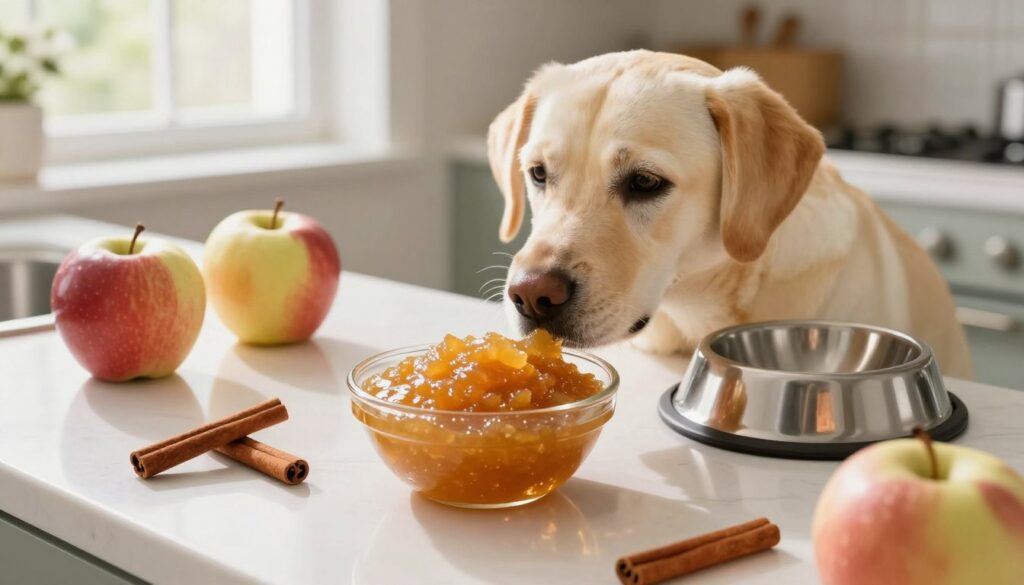
Before a full serving, offer a tiny amount and watch your dog’s reaction. One teaspoon can show whether your dog likes it and handles it well. Monitoring your dog can help you spot early signs of stomach trouble.
Suggested Portions for Small, Medium, and Large Dogs
Serving size depends on your dog’s weight and size. Use this table as a general guide for safe apple sauce for dogs consumption.
| Dog Size | Weight Range | Recommended Portion |
|---|---|---|
| Small | Under 20 lbs | 1 Teaspoon |
| Medium | 20–50 lbs | 1 Tablespoon |
| Large | Over 50 lbs | 2 Tablespoons |
Apply the Ten-Percent Treat Guideline
Veterinarians often suggest the “ten-percent rule” for all snacks. Treats should provide no more than ten percent of your dog’s total daily calories. Keeping apple sauce for dogs within this limit helps your dog get needed nutrients from a balanced diet.
How Often to Offer Applesauce
Even if your dog loves it, do not offer this treat every day. Treat it as an occasional reward, not a daily food. A few servings each week can keep your dog happy without harming nutritional balance.
Signs Your Dog Has Eaten Too Much
If your dog eats too much, you may notice physical symptoms. Watch for diarrhea, excessive gas, or vomiting. If your dog seems uncomfortable or lethargic, greatly reduce the portion or stop the treat.
When Applesauce May Not Be Appropriate
Many pet owners see fruit snacks as healthy, but dogs do not all respond well to the same treats. Even safe apple treats for dogs can cause problems when a dog has an underlying health issue. Learn your dog’s medical needs before offering these snacks.
Dogs With Diabetes or Blood Sugar Concerns
Managing applesauce for diabetic dogs takes care because fruit contains natural fructose. Even unsweetened types may raise blood glucose in sensitive dogs. Always consult your veterinarian before adding fruit to a diabetic pet’s meal plan.
Dogs With Sensitive Stomachs or Food Allergies
Some dogs have sensitive digestive systems that react badly to new ingredients, even natural ones. If your dog has ongoing gas, diarrhea, or skin irritation, new foods can hide the real cause. Always monitor your pet closely for discomfort after a new snack.
Dogs Following Prescription or Therapeutic Diets
Veterinary-prescribed diets balance nutrients for conditions such as kidney disease or urinary stones. Extra treats can upset the exact nutrient ratios your veterinarian established. Follow the food plan closely to keep your dog’s recovery or maintenance on track.
Weight Management and Calorie Considerations
Treats should provide no more than ten percent of your dog’s daily calories. If your dog is losing weight, even healthy snacks can add unwanted calories. Reduce main meal portions slightly to balance these extra calories and prevent weight gain.
When to Ask Your Veterinarian Before Serving It
Your veterinarian can decide whether a specific treat suits your dog’s health needs. They can consider your dog’s current weight, activity level, and medical history. Call their office if you are unsure about a new food’s safety.
| Health Condition | Risk Level | Action Required |
|---|---|---|
| Diabetes | High | Consult Vet First |
| Obesity | Moderate | Count Calories |
| Food Allergies | Moderate | Monitor Symptoms |
| Prescription Diet | High | Strict Avoidance |
Easy Homemade Apple Sauce for Dogs Recipe
Making homemade apple sauce for dogs gives your pet a snack without harmful additives. You control the quality and safety of every ingredient.
Ingredients for a Plain Dog-Friendly Batch
This safe recipe needs only two simple ingredients. Choose fresh, high-quality produce for the best flavor.
- 3 to 4 medium-sized crisp apples (such as Gala or Fuji).
- 1/2 cup of filtered water.
Kitchen Tools and Preparation Notes
Your kitchen likely has the tools needed for these apple recipes for dogs. Clean and prepare each tool before you begin.
- A sharp vegetable peeler and a paring knife.
- A medium-sized saucepan with a lid.
- A potato masher or a high-speed blender.
Always remember to remove the core, seeds, and stem entirely, as these parts contain compounds that are unsafe for your dog to ingest.
Cooking Apples Until Soft
Peel the apples and cut them into small, even cubes. Put the apple pieces in your saucepan, then add the water. Simmer over medium-low heat until a fork easily pierces the fruit.
Blending or Mashing the Applesauce
Remove the pan from the heat when the apples become soft. To learn how to make apple sauce for dogs with your preferred texture, choose a method. Use a masher for a chunky texture or a blender for a smooth puree that mixes easily with kibble.
Keeping the Recipe Free of Sugar and Seasonings
Keep your apple sauce for dogs completely plain. Never add sugar, artificial sweeteners, butter, salt, cinnamon, or nutmeg. These additives may upset your pet’s stomach or create serious health risks, so use only the fruit.
How to Store and Serve Homemade Applesauce
After learning how to make apple sauce for dogs, learn how to store it safely. Proper storage keeps your homemade apple sauce fresh and safe for your pet for several days.
Cooling Applesauce Safely Before Serving
Before serving any treat, make sure it reaches a safe temperature. Hot food can burn your dog’s sensitive mouth and tongue. Let the mixture cool completely on the counter before serving or refrigerating it.
Refrigerator Storage and Shelf-Life Guidance
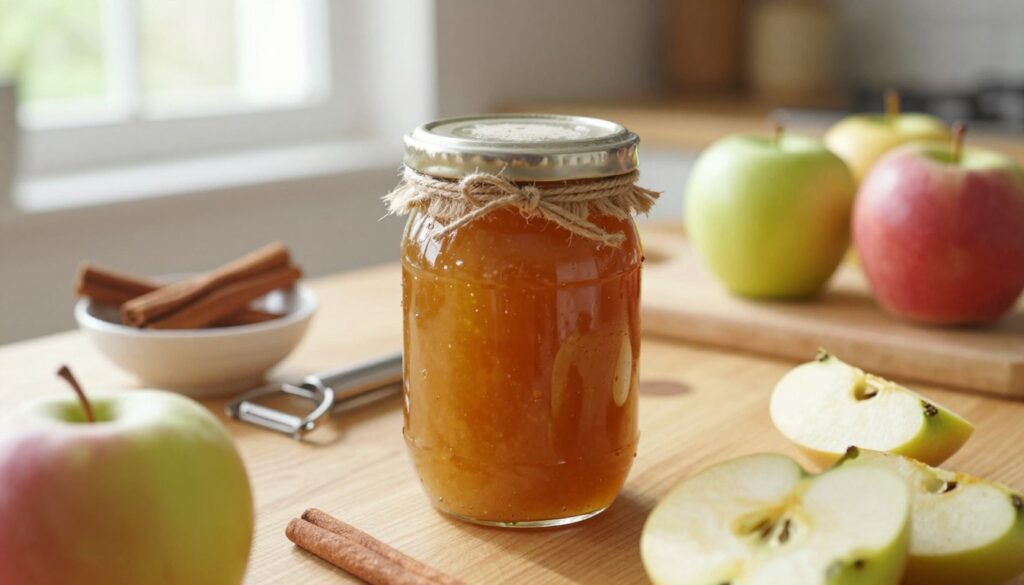
Once the mixture cools, transfer it to a clean, airtight container. Glass jars or BPA-free plastic containers work best for keeping it fresh. Store the container in the coldest part of your refrigerator.
This treat stays fresh for three to five days when refrigerated properly. If its smell, color, or texture changes, discard it immediately to prevent digestive upset.
Freezing Small Portions for Future Treats
If you made a large batch, freezing can extend its shelf life. An ice cube tray offers a convenient way to create small portions.
- Fill each slot of the tray with a small amount of the mixture.
- Cover the tray with plastic wrap to prevent freezer burn.
- Once frozen, transfer the cubes into a labeled freezer bag for easy access.
Serving Applesauce as a Topper, Stuffing, or Frozen Snack
There are many creative ways to serve these dog-friendly apple snacks to your companion. Add a spoonful to regular kibble for extra moisture and flavor. You can also stuff the sauce into a rubber puzzle toy for mental stimulation.
On warm days, serve a frozen cube as a refreshing way to cool your pet. Always include these treats within your dog’s ten-percent daily calorie limit to support a healthy weight.
Dog-Friendly Apple Snacks and Recipe Variations
You can turn basic applesauce into healthy rewards for your canine companion. Simple steps create dog-friendly apple snacks that keep your pet engaged and satisfied.
Frozen Applesauce Bites for Warm-Weather Treats
On hot days, cooling your dog is important. Pour plain, unsweetened applesauce into an ice cube tray and freeze it solid. These refreshing bites make a low-calorie snack that helps keep your dog hydrated.
Applesauce Stuffed Into a Food Puzzle
Mental stimulation matters as much as physical exercise. Use applesauce as a healthy filler for rubber food puzzles or lick mats. This slows your dog’s eating and provides valuable enrichment during quiet time.
Combining Applesauce With Plain Pumpkin or Oatmeal
Variety matters, even for your pup. Mix applesauce with plain, canned pumpkin or cooked oatmeal for a nutrient-rich treat. These apple recipes for dogs can support digestive health with simple, whole ingredients.
Apple-Based Treats That Need Extra Ingredient Checks
When making complex snacks, check every added ingredient. Not all human-grade ingredients are safe for dogs.
Why Dairy, Peanut Butter, and Broth Require Careful Selection
Many owners mix applesauce with peanut butter or yogurt. Ensure your peanut butter is completely free of additives. If you use broth or dairy, check for onions, garlic, or excess sodium, which can harm your pet.
How to Keep Every Variation Free of Xylitol and Added Sugar
The key rule for all apple recipes for dogs is avoiding toxic sweeteners. Check labels for xylitol, which is highly dangerous for pets. Use natural, plain ingredients to keep each treat safe and healthy.
What to Do if Your Dog Eats Unsafe Applesauce
If you think your dog ate harmful applesauce, act quickly to protect your pet. Many store-bought options are safe, but some contain additives that can cause applesauce poisoning in dogs. Staying calm helps you make good choices during this stressful moment.
Check the Product Label Immediately
First, find the container your dog accessed. Save the packaging and carefully check the ingredient list for toxic substances. Knowing exactly what your dog ate helps your veterinarian choose the right treatment.
Contact Your Veterinarian or Pet Poison Helpline
If you find xylitol, call your local animal hospital or a pet poison control center right away. A xylitol emergency needs rapid help because this sweetener can cause a dangerous drop in blood sugar or liver failure. Do not wait for symptoms before seeking professional advice.
Symptoms That Require Prompt Veterinary Attention
Watch your dog closely for signs of distress. You should seek emergency care if you notice weakness, vomiting, tremors, seizures, or collapse. Unusual behavior, lethargy, or excessive drooling may also signal a toxic reaction.
Why You Should Not Induce Vomiting Without Professional Guidance
Many owners want to make their dog vomit, but doing so can be extremely dangerous if done incorrectly. Forced vomiting may cause aspiration pneumonia or other complications when the substance is caustic or your dog is already weak. Always wait for specific instructions from a medical professional before trying home remedies.
| Action Step | Priority Level | Reasoning |
|---|---|---|
| Secure the container | High | Identify toxic ingredients |
| Call the vet | Critical | Get professional guidance |
| Monitor symptoms | High | Track health changes |
| Avoid home remedies | Critical | Prevent further injury |
Conclusion
Serving apple sauce for dogs remains a simple way to reward your companion when you prioritize safety and quality. You should always choose plain, unsweetened varieties to ensure your pet avoids harmful additives like xylitol or excess sugar. Removing all seeds and cores before preparation protects your dog from potential digestive risks.
Creating homemade apple sauce gives you full control over every ingredient in the bowl. This approach allows you to explore various apple recipes for dogs that focus on natural nutrition rather than artificial fillers. Knowing the applesauce benefits for dogs helps you add these snacks to a balanced diet without exceeding daily calorie limits.
You can elevate your dog-friendly apple snacks by freezing them or using them as a healthy food puzzle topper. These safe apple treats for dogs offer a refreshing change of pace for your pet. Always consult your veterinarian if you have concerns about your dog’s specific health needs or dietary restrictions.
Your commitment to careful ingredient selection ensures that every snack time stays both enjoyable and nutritious. Keep your pantry stocked with simple, whole-food options to maintain your dog’s long-term wellness. Small, mindful choices make a significant difference in the quality of life for your furry friend.