
Fresh Dog Food vs Kibble: Which Is Better for Your Dog?
You look into those soulful eyes and want nothing but the best for your loyal companion. Choosing between healthy dog meals and traditional dry kibble often feels like a daunting puzzle. You want to ensure your pet thrives, but marketing claims can cloud your judgment.
Making the right choice requires looking past flashy labels. You must weigh nutritional needs, your personal budget, and your daily lifestyle. This guide explores twelve essential areas to help you evaluate these options with complete confidence.
Table of Contents
What Fresh Dog Food and Kibble Mean for Your Dog’s Diet
Your dog’s diet is more than just the food’s texture, whether it’s fresh or dry. Many think one is better than the other, but both fresh dog food and kibble are just different ways to prepare and store food. Knowing these differences helps you choose the best for your pet.
How Fresh Dog Food Is Prepared and Formulated
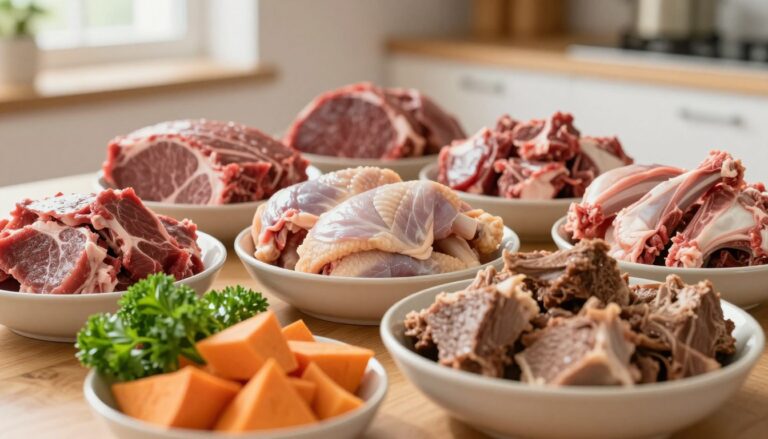
Fresh meals are cooked at lower temperatures to keep ingredients fresh. They often include whole proteins, veggies, and grains that look like human food. Because they have more moisture, they need to be kept cold to stay safe and fresh.
What Goes Into Commercial Kibble
Kibble is made by a process called extrusion, using high heat and pressure to create dry pellets. This method makes it last longer and easy to store at room temperature. Even though it’s efficient, it needs special formulas to ensure it’s a balanced canine diet.
Why “Natural,” “Organic,” and “Premium” Do Not Guarantee Complete Nutrition
Terms like natural dog food or organic dog food might catch your eye. But, these labels just talk about the ingredients’ source or quality. They don’t mean the food is complete for your dog.
| Marketing Term | Common Perception | Nutritional Reality |
|---|---|---|
| Natural | Free from all chemicals | Minimal processing; no artificial colors |
| Organic | Healthier for all dogs | Ingredients grown without synthetic pesticides |
| Premium | Superior to standard food | Marketing designation; not a legal standard |
Understanding Complete-and-Balanced Statements
To give your dog a balanced canine diet, look for “complete and balanced” on the label. This means the food has all the nutrients your dog needs. Without it, the food might only be for extra food.
Checking AAFCO Nutritional Adequacy Claims
The Association of American Feed Control Officials (AAFCO) sets pet food standards in the U.S. Always check for an AAFCO statement on the label. It shows the fresh dog food or kibble meets strict requirements. Trusting these claims is better than relying on buzzwords like natural dog food or organic dog food when picking your pet’s next meal.
Fresh Dog Food Compared With Kibble at a Glance
Understanding the differences between dog food types is key to making a good choice. Whether you’re looking at fresh dog food or dry kibble, each has its own benefits for your pet.
Nutrition, Moisture, and Ingredient Quality
Looking at nutritional profiles, moisture content stands out. Fresh dog food has more moisture, which is good for dogs that don’t drink enough water.
Kibble, on the other hand, has very little moisture. This makes it last longer. But, even in premium dog food, it’s important to check the nutritional statement to ensure it meets your dog’s needs.
Convenience, Storage, and Feeding Flexibility
Feeding your dog can be a daily challenge. Kibble is often chosen for its unmatched convenience. It doesn’t need to be refrigerated and can stay out for a while without going bad.
- Kibble: Easy to store in a pantry and simple to measure for quick meals.
- Fresh Dog Food: Requires dedicated freezer or refrigerator space and careful thawing.
- Flexibility: Many owners choose a hybrid approach to balance ease of use with fresh variety.
Cost, Shelf Life, and Portion Control
When budgeting for your pet’s diet, consider more than just the initial cost. Fresh dog food might be pricier per serving but could save on supplements or toppers.
Think about the shelf life too. Kibble lasts months, but fresh meals need to be used before they expire. No matter the type, accurate portion control is crucial to avoid weight gain and ensure the right calorie intake.
Comparison Table: Fresh Dog Food and Kibble by Key Category
| Category | Fresh Dog Food | Kibble |
|---|---|---|
| Moisture Content | High | Low |
| Storage Needs | Fridge/Freezer | Pantry |
| Shelf Life | Short | Long |
| Preparation | Thaw and Serve | Scoop and Serve |
Even with premium dog food, don’t rely on marketing claims. Always check the calorie information to ensure it meets your dog’s health needs.
Fresh Dog Food: Potential Benefits and Limitations
Choosing the right diet for your pet is key. Fresh dog food focuses on clear ingredients and lots of moisture.
Higher Moisture Content for Dogs That Drink Little Water
Fresh diets have a lot of water. Many dogs don’t drink enough water, which can hurt their hydration.
These meals are made with moist ingredients. They give your dog a big hydration boost with each meal. This is great for dogs that prefer eating to drinking from a bowl.
Recognizable Ingredients and Appealing Healthy Dog Meals
Fresh food often has ingredients you can identify, like meats, veggies, and grains. These healthy dog meals look and smell like food for humans.
This makes mealtime more fun for your pet. Many owners say their dogs get excited about eating these recognizable, simple ingredients.
How Fresh Food May Help With Appetite and Mealtime Enjoyment
For picky eaters, fresh food’s texture and smell can be a big change. The palatability of these meals often makes dogs eager to eat their whole portion.
If your dog has lost interest in kibble, fresh food might spark their appetite again. But remember, every dog is different.
Portion, Refrigeration, and Food-Safety Challenges
Fresh diets need more work from you. You must keep the food cold to prevent spoilage and keep it safe to eat.
It’s also important to control portions because these foods are often high in calories and can spoil quickly. Make sure to clean bowls and store leftovers right to avoid bacteria.
Why Homemade Dog Food Requires Professional Formulation
Some owners make homemade dog food to control what their pets eat. While it can be healthy, it’s risky if not done right.
A tasty recipe doesn’t mean it’s balanced. Without a vet’s help, your homemade dog food might miss important nutrients. This can cause health problems over time.
Always talk to a vet nutritionist to make sure your recipes are good for your dog. Relying on guesswork can lead to nutritional problems that are hard to spot until it’s too late.
Kibble: Potential Benefits and Limitations
Many dog owners in the U.S. still choose kibble for their pets. It’s seen as a predictable and efficient way to feed dogs every day.
Balanced Nutrition and Consistent Calorie Delivery
Kibble offers a consistent nutritional profile in every scoop. It’s made under strict standards, making it easy to measure portions for your dog’s weight.
This precision helps avoid the guesswork of home-prepared meals. Your dog gets the same calories at every meal, which is key for their health.

Convenient Storage, Serving, and Travel
Kibble is great for storage and portability. It doesn’t need refrigeration or freezing, lasting long on the shelf.
This makes it perfect for families who travel or have small kitchens. Just pour it into a bowl for a meal without worrying about spoilage.
How Kibble Supports Dental Care Without Replacing Brushing
Some think kibble’s crunchy texture cleans a dog’s teeth. But, it’s not a substitute for regular dental care.
Regular brushing and dental cleanings are still crucial. Think of kibble as a helpful tool, not a complete solution for dental health.
Ingredient Quality, Processing, and Individual Digestive Tolerance
Kibble’s processing makes it last long, but changes the ingredients. When shopping for natural dog food, look beyond the label.
Every dog’s digestive system is different. Some do well on kibble, while others may have sensitivities. Watch your pet’s stool and energy to see if the food agrees with them.
How to Evaluate the Ingredient List Beyond the First Few Ingredients
Don’t stop reading the label after the first three items. Look for the full nutritional adequacy statement to see if it meets AAFCO standards.
Check for high-quality protein sources and avoid fillers. By looking at the whole ingredient list, you can make a better choice for your dog’s nutrition.
Which Option Better Supports Canine Nutrition?
Finding the right diet for your dog means looking beyond labels. Whether you pick fresh dog food or top-notch kibble, the goal is the same. It’s about giving them a balanced canine diet for long-term health.
Comparing Protein, Fat, Carbohydrates, Fiber, and Calories
When evaluating nutrition, check the guaranteed analysis on the packaging. Protein and fat are key for muscle and energy. Fiber helps with digestion.
- Protein: Essential for tissue repair and immune function.
- Fats: Provide concentrated energy and support skin health.
- Carbohydrates: Offer quick energy but should be balanced with fiber.
- Calories: Must be monitored to prevent obesity.
Why Life Stage, Breed Size, and Activity Level Matter
Your dog’s nutritional needs change over their life. A high-energy working breed needs more calories than a sedentary dog.
Breed size affects how your dog processes nutrients. Large breeds need certain ratios of calcium and phosphorus for bone growth. Smaller breeds may need more frequent, nutrient-dense healthy dog meals to keep blood sugar stable.
Meeting the Needs of Puppies, Adult Dogs, and Senior Dogs
Puppies grow fast and need more protein and minerals. Adult dogs need a diet that keeps them at a stable weight.
Senior dogs often need fewer calories and joint support, like glucosamine. Changing to fresh dog food or kibble as your dog ages helps meet their current health needs.
Managing Weight With Calorie Density and Measured Portions
Managing weight is about math. You need to know the exact calories in the food to avoid overfeeding.
Using a kitchen scale is more accurate than a measuring cup. Keeping portions consistent helps maintain your dog’s ideal weight.
When Your Dog Needs a Therapeutic Diet From a Veterinarian
Standard diets may not be enough for dogs with chronic health issues. If your dog has kidney disease, food allergies, or urinary stones, a vet may recommend a special diet.
These diets are made to treat or manage health problems through specific nutrients. Always talk to your vet before making big changes if your dog has a health issue.
Fresh Dog Food, Kibble, and Common Dog Health Concerns
When your dog has chronic health issues, the food you choose is key. Every dog is different, so a one-size-fits-all approach doesn’t work. Whether you choose fresh meals or high-quality kibble, aim for targeted nutrition that meets your dog’s needs.
Choosing Food for Allergies and Ingredient Sensitivities
If your dog has itchy skin or chronic ear infections, food allergies might be the cause. Finding out which protein or carbohydrate is causing the reaction is crucial. Elimination diets help identify these triggers.
Fresh food often has fewer, more recognizable ingredients, which can be helpful. But high-quality limited-ingredient kibble is also a safe, hypoallergenic option. Always check labels for hidden fillers that might worsen your dog’s sensitivity.
Supporting Dogs With Digestive Upset or Sensitive Stomachs
Dogs with sensitive stomachs need a consistent diet. Changing their food too often can cause gas, diarrhea, or vomiting. Digestibility is key when picking a formula for these pets.
Some dogs do better with fresh, lightly cooked diets. Others prefer a consistent, high-quality kibble. The important thing is to watch your dog’s stool quality and energy after meals.
Considering Urinary, Kidney, Joint, and Heart Health
Managing chronic conditions like kidney disease or heart issues needs more than just a general food switch. These conditions often require precise nutrient management, like controlled phosphorus levels or specific sodium restrictions. A standard diet may not provide the needed balance.
Joint health also benefits from specific additives like glucosamine and omega-3 fatty acids. Look for formulas tested for these health outcomes. Remember, a “natural” label doesn’t replace the need for science-backed nutrition.
Recognizing When Diet Changes Require Veterinary Guidance
Always talk to your vet before making big changes to your dog’s diet, especially if they have a health condition. A vet can help figure out the exact caloric and nutrient needs for your pet’s recovery. Self-diagnosing nutritional needs can lead to deficiencies that harm your dog’s health.
Why Raw Dog Food Is Not Automatically Healthier
There’s a myth that raw dog food is always better than cooked or processed options. While some swear by it, raw dog food isn’t automatically safer or healthier for every dog. It can carry risks like bacterial contamination from Salmonella or E. coli.
Moreover, raw dog food can be hard to balance without expert help. Getting the calcium-to-phosphorus ratio wrong can cause serious skeletal issues, especially in growing puppies. Always consider the risks and benefits before choosing a raw diet.
Cost and Practicality for Your Household
Looking at the cost of your dog’s food is more than just comparing prices. A bag of kibble might seem cheap, but think about the monthly cost. Premium dog food might cost more upfront, but it could save on vet bills and supplements.
Comparing Daily and Monthly Feeding Costs
It’s better to calculate the cost per day, not just the total price. Subscription boxes might seem cheap, but shipping costs can add up. Divide the monthly cost by the number of days to see if it fits your budget.
Accounting for Delivery Fees, Supplements, Treats, and Waste
Don’t forget the hidden costs that add up over time. When budgeting, remember these:
- Delivery fees: Shipping costs for fresh meals can increase your monthly bill.
- Supplements: You might need to buy additives if your dog’s diet lacks nutrients.
- Treats: Quality training treats can be expensive and should be included in your budget.
- Waste: Spoiled food is money wasted.
Evaluating Freezer Space, Refrigeration, and Preparation Time
Practicality is key, not just the price. If you choose fresh or homemade dog food, you need space in your freezer and fridge. You also need time to thaw, portion, and serve the meals.
Preparing meals can be a big time commitment. If your schedule is busy, kibble might be more convenient. Make sure you have enough kitchen space before starting a fresh diet plan.
How Mixed Feeding Can Affect Your Budget and Routine
Many owners mix kibble with fresh or homemade dog food to save money. This way, you can offer variety without the full cost of a fresh diet. It helps stretch your budget while still giving your dog quality ingredients.
But, mixed feeding needs careful calorie tracking. You must make sure the mix is complete and balanced for your dog’s needs. Watching your budget and your dog’s health will help keep a good routine for years.
How to Choose the Best Feeding Approach for Your Dog
Finding the right diet for your dog is a balance of health needs and your daily life. Every dog is different, so there’s no one diet that fits all. By looking at your specific situation, you can make a feeding plan that keeps your dog healthy and full of energy.
Match the Diet to Your Dog’s Medical and Nutritional Needs
Start by talking to your vet to find out about any health issues. Dogs with special needs, like kidney problems or food allergies, need specific diets. Always put medical needs first when picking a food.
If your dog is healthy, think about their age and how active they are. Puppies, active dogs, and seniors need different amounts of food. Choosing the right food ensures they get what they need for their life stage.

Consider Your Schedule, Storage Space, and Ability to Measure Portions
Being practical is key to keeping a regular feeding schedule. If you’re always busy, kibble might be easier than fresh dog food that needs to be kept cold. Check how much space you have in your fridge and freezer before choosing a diet.
It’s important to measure food correctly to avoid weight problems. Whether you pick kibble or wet food, make sure you can measure each meal accurately. Being consistent helps keep your dog at a healthy weight.
Assess Your Dog’s Body Condition, Stool Quality, Coat, and Energy
Looking at your dog’s body tells you a lot about their diet. Check their body condition score to see if they’re at a good weight. A shiny coat, firm stool, and lots of energy are signs they’re getting the right food.
If your dog has ongoing digestive issues or dull fur, it’s time to look at their diet again. Keep a log of how they react to new foods to find what works best for them.
Decide Between Fresh Dog Food, Kibble, or a Carefully Planned Combination
You don’t have to stick to just one food type. Many people mix kibble with a bit of fresh dog food to make it tastier. This mix offers the ease of kibble and the nutrition of fresh ingredients.
Questions to Ask Before Buying Premium or Organic Dog Food
When looking at premium dog food, don’t get fooled by fancy packaging. Ask yourself these questions:
- Does the manufacturer provide clear, evidence-based nutritional data?
- Is the natural dog food label backed by a specific definition of ingredients?
- Does the organic dog food certification meet recognized standards for quality?
- Are the ingredients sourced from reputable suppliers with transparent safety protocols?
By asking these questions, you can tell real quality from marketing tricks. Look at the nutritional adequacy statement to make sure your dog gets the best care.
How to Switch Your Dog From Kibble to Fresh Food Safely
Switching from dry kibble to fresh dog food is a big change. It needs a careful plan to keep your pet happy and healthy. A slow transition helps your dog get used to new tastes and nutrients without upsetting their stomach.
Review the New Food With Your Veterinarian
First, talk to your vet about the new diet. They’ll check your dog’s health, age, and any health issues. This is very important if you’re switching to raw dog food, as it must be done safely.
Compare Calories and Set the Correct Daily Portion
Kibble and fresh food have different calories. You need to figure out how much your dog needs to avoid weight problems. Always use a kitchen scale to measure food, not your eyes.
Use a Gradual Transition to Reduce Digestive Problems
Changing your dog’s diet too fast can upset their stomach. Start by mixing a little of the new food with their old kibble. Over seven to ten days, increase the new food slowly. This lets their gut get used to the new food.
| Days | Old Kibble | New Fresh Food |
|---|---|---|
| 1-3 | 75% | 25% |
| 4-6 | 50% | 50% |
| 7-9 | 25% | 75% |
| 10+ | 0% | 100% |
Store, Serve, and Discard Fresh Food Safely
Fresh dog food is not like kibble and must be handled carefully. Keep it refrigerated or frozen until serving. If you’re using raw dog food, wash your hands and clean all bowls and surfaces to avoid germs.
Don’t leave fresh food out for more than thirty minutes. If your dog doesn’t eat it all, throw it away to keep it safe.
Signs That You Should Pause the Transition and Call Your Veterinarian
Some changes in stool are normal when switching diets. But, if problems keep happening, it’s time to call your vet. Look out for:
- Persistent vomiting or diarrhea.
- A complete refusal to eat for more than one meal.
- Lethargy or signs of abdominal pain.
- Visible blood in the stool.
If you see these signs, stop the transition and go back to the old diet. Wait for your vet’s advice before continuing. Your dog’s health is the most important thing.
What to Look for in a Complete Fresh Dog Food or Kibble
Reading pet food labels is key to ensuring your pet gets the right nutrition. Terms like organic dog food or raw dog food might catch your eye. But, these labels don’t always show the full nutritional picture. Look beyond the front of the package for the real health data for your dog.
Verify the Nutritional Adequacy Statement and Intended Life Stage
Every good pet food has an AAFCO statement on it. This shows the food is a balanced canine diet for a certain life stage. Make sure the food fits your dog’s age and activity level to avoid nutritional issues.
Check Calorie Information, Feeding Directions, and Portion Guidance
Calorie density differs a lot between brands. Look at the label for kilocalories per cup or kilogram. Use the feeding guidelines as a starting point, but adjust for your dog’s needs.
Evaluate Quality-Control Practices and Manufacturer Transparency
Transparency is a better sign of quality than marketing claims. Look for companies that share details on sourcing, testing, and safety. A company that openly talks about its quality control is usually more trustworthy.
Distinguish Evidence-Based Nutrition From Marketing Claims
Marketing uses emotional words to sell, but science keeps your dog healthy. Don’t choose food based on trends. Go for products made by vet nutritionists who use science, not just popularity.
Why Supplements Should Not Replace a Balanced Canine Diet
Many think adding extra vitamins can fix a bad meal, but it’s a big mistake. If making homemade dog food, make sure the base is complete before adding extras. Supplements should only fill specific health needs, not replace a full meal.
Conclusion
Choosing the right food for your pet is all about finding a balance. You need to think about your lifestyle and what your pet needs. Both fresh dog food and high-quality kibble can be good options if they meet certain standards.
What you decide depends on your situation. Think about how much space you have, your budget, and how much time you can spend on cooking. The most important thing is to make sure your dog gets a balanced diet, no matter what you choose.
Watch how your dog reacts to their food. Look at their energy, coat, and how well they digest food. These signs tell you if the food you’re giving them is good for them.
Always check the labels to make sure you’re giving your dog everything they need. Look for brands like The Farmer’s Dog or Purina Pro Plan that are open about their quality. These foods should also match what your vet says is best for your dog’s age.
If you’re unsure about your pet’s diet, talk to your vet. They can help you make sure you’re feeding your dog right. Making smart choices about your dog’s food means they can stay healthy and happy for a long time.