Best Meat for Dogs: Raw vs Cooked Feeding Guide
You look into those soulful eyes and want nothing but the best for your loyal companion. Choosing the right nutrition is an act of love that impacts their vitality and happiness. It is a heavy responsibility that every pet parent faces when shopping.
The debate on the best dog food often leaves owners feeling overwhelmed. Whether you’re considering a fresh approach or sticking to traditional methods, understanding the differences is key. We explore how selecting the right meat for dogs shapes their health journey.
This guide offers a clear path through the complex world of canine nutrition. By focusing on safety and balanced requirements, you can make an informed decision. This supports your pet’s unique needs.
Table of Contents
Understanding the Nutritional Needs of Your Dog
Your dog’s body is made to thrive on animal-based nutrition. Their sharp teeth and acidic stomachs are perfect for eating meat. This helps them break down proteins and fight off harmful bacteria in their food.
By choosing a healthy dog diet, you set your pet up for a long, happy life. Knowing what they need helps you pick the right food for them every day.
The Role of Protein in Canine Health
Protein is key for your dog’s muscles, skin, and coat. A protein-rich dog food keeps them strong and their immune system healthy. Without enough protein, your dog might feel tired and weak.
Proper canine nutrition is more than just filling their belly. It gives them the energy they need for every day and keeps them healthy for years to come.
Essential Amino Acids and Biological Value
Not all proteins are the same for your dog. Essential amino acids are crucial because your dog can’t make them on their own. The biological value of a protein shows how well your dog can use these amino acids.
Here’s a quick guide to help you choose the best protein sources for your dog:
| Protein Source | Biological Value | Primary Benefit |
|---|---|---|
| Chicken | High | Easy digestion |
| Beef | High | Muscle support |
| Fish | Very High | Omega-3 fatty acids |
| Plant-based | Moderate | Fiber content |
Choosing high-value proteins ensures your pet gets all the nutrients they need. Always check the ingredient list to make sure the protein is of good quality.
Evaluating Raw Meat for Dogs
The trend towards natural dog food is growing. Owners want to feed their dogs like their wild ancestors. But, it’s important to know about canine nutrition to make sure your dog gets all the nutrients they need.
Benefits of a Raw Meat Diet
Many people say their dogs look and feel better on a meat-based dog food diet. They notice shinier coats, healthier skin, and more energy. Some even think raw bones help keep their dog’s teeth clean by reducing tartar.
“The health risks to pets and owners associated with raw diets often outweigh the potential benefits, necessitating a cautious approach to pet nutrition.”
Potential Risks and Pathogen Concerns
Vets often talk about the dangers of raw diets. Bacteria like Salmonella and E. coli can be in raw meat. These can harm your dog and your family, even in dried or freeze-dried foods.
There’s also worry about antimicrobial resistance. Handling meat-based dog food can spread these bacteria in your kitchen. It’s key to balance a natural diet with keeping your home safe for everyone.
Analyzing Cooked Meat for Dogs
Choosing meat-based dog food means understanding the heat’s impact on your pet’s health. Many owners focus on natural ingredients. But, how the food is prepared changes how your dog gets nutrients.
You need to balance the safety of cooking against losing important enzymes. This is crucial for your dog’s health.
Advantages of Cooking Meat for Safety
Cooking meat kills harmful bacteria like Salmonella and E. coli. By cooking to certain temperatures, you remove these dangers. This makes your pet safer, especially in homes with weak immune systems or young kids.
Many premium dog food brands use gentle cooking. This keeps the food safe and of high quality. It means you can feed your dog without worrying about harmful microbes. Safety is always the first concern when cooking animal proteins for pets.
Nutrient Retention and Digestibility
Cooking meat changes its structure, affecting how your dog digests it. Raw meat is often praised for its digestibility. But, a well-cooked protein-rich dog food can still be very nutritious.
Choose a protein-rich dog food that’s cooked at low temperatures. This keeps amino acids intact, giving your dog the nutrients for muscle health. Even cooked, a premium dog food can offer a balanced, easy-to-digest diet for your dog.
| Feature | Raw Meat | Gently Cooked Meat |
|---|---|---|
| Pathogen Risk | Higher | Negligible |
| Enzyme Content | High | Reduced |
| Digestibility | Very High | High |
| Safety Handling | Requires Caution | Standard |
Selecting the Best Meat for Dogs
Starting with the best nutrition for your dog means knowing what’s in their food. Choosing high-quality ingredients boosts your pet’s health and energy. Making smart choices helps your dog live a happier, healthier life.
High-Quality Protein Sources
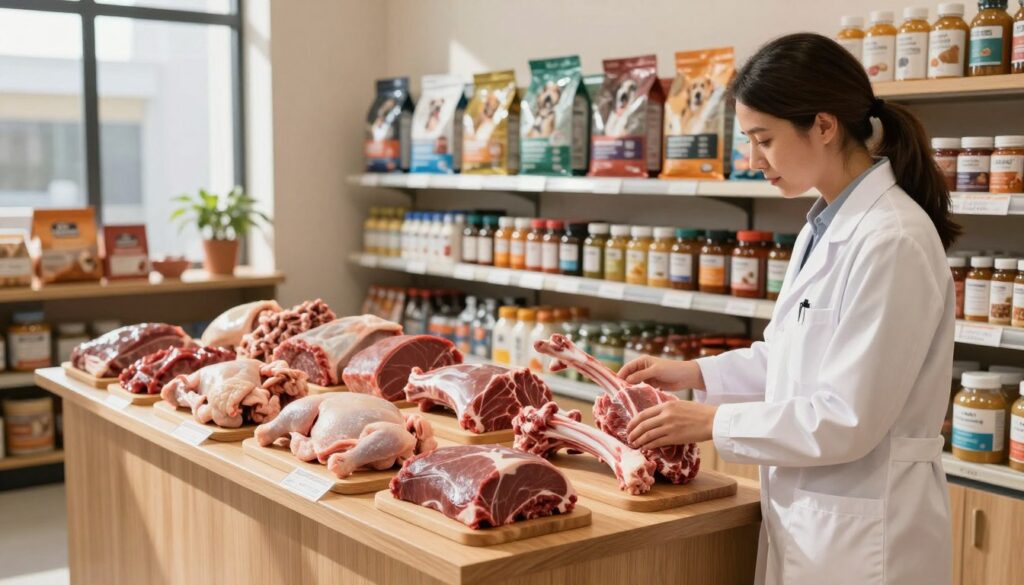
Finding premium dog food means checking the main protein source. Look for whole muscle meats like chicken breast or beef round. These provide the amino acids needed for muscles and immune health.
A protein-rich dog food lists a specific animal protein first. Stay away from foods with lots of plant-based fillers. These don’t offer the same nutritional value as animal tissues. Choosing high-quality meat ensures your dog gets the best nutrients.
Understanding Meat-to-Bone Ratios
When cooking at home, balancing meat and bone is key for bone health. The right ratio ensures your dog gets enough calcium and phosphorus. Experts say a ratio that mirrors prey animals is best for optimal health.
When looking at best dog food, think about how meat and bone affect digestion. The wrong balance can cause constipation or bone problems. Here’s a guide to help you understand protein sources’ quality and nutrition.
| Protein Type | Quality Level | Best Use |
|---|---|---|
| Whole Muscle Meat | Premium | Daily base for protein-rich dog food |
| Organ Meats | Essential | Nutrient-dense supplements |
| Bone-in Cuts | Balanced | Calcium and mineral source |
| Meat By-products | Low | Avoid in premium dog food |
Make sure the meat for dogs comes from trusted sources. Good processing and storage are as important as the meat itself. By focusing on these, you can give your pet the meat for dogs they deserve.
Common Meat Options for Canine Diets
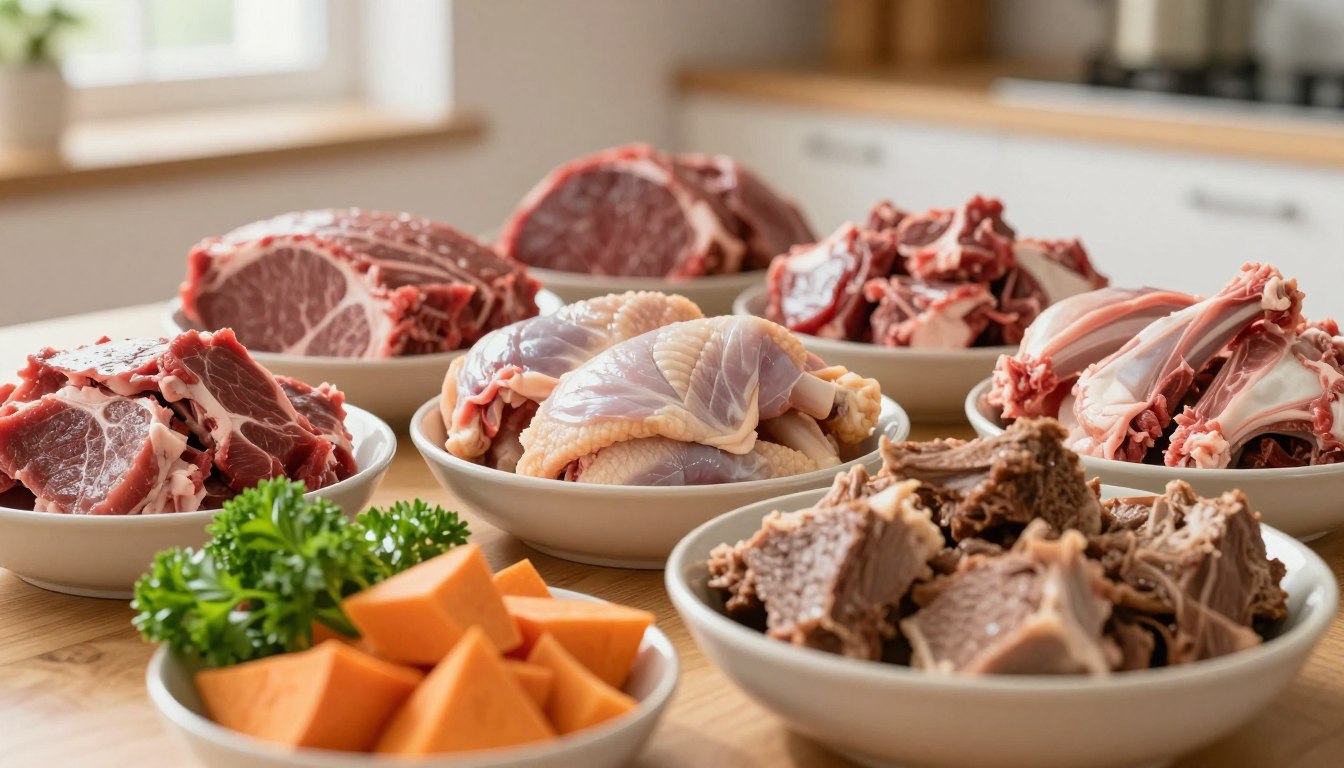
Exploring different dog meal options shows not all proteins are equal. A balanced, natural dog food diet includes a variety of high-quality ingredients. This variety ensures your pet gets all the essential amino acids and minerals they need.
Beef and Its Nutritional Profile
Beef is a favorite in many homes because it’s tasty and packed with nutrients. It’s a great source of high-quality protein, zinc, and iron. These are key for your dog’s energy. Choose lean cuts to help your pet stay healthy and get the most B-vitamins.
“The quality of the protein you provide is the single most important factor in your dog’s long-term health and vitality.”
Poultry Options: Chicken and Turkey
Chicken and turkey are great for those looking for lean, easy-to-digest dog meal options. They have less fat than red meats, which is good for dogs watching their calories. These proteins are versatile and support muscle health and overall wellness in a natural dog food diet.
Alternative Proteins: Venison, Rabbit, and Fish
For dogs with food sensitivities, try venison, rabbit, or fish. These are “novel” proteins that are less likely to cause allergies. Fish, in particular, is full of Omega-3 fatty acids for healthy skin and a shiny coat.
Adding these unique proteins to your pet’s diet can be a welcome change. Whether it’s wild-caught fish or lean game meat, these are top choices for high-quality meat for dogs. Variety is key to a natural dog food plan that keeps your pet thriving.
Safety Protocols for Handling Raw Meat
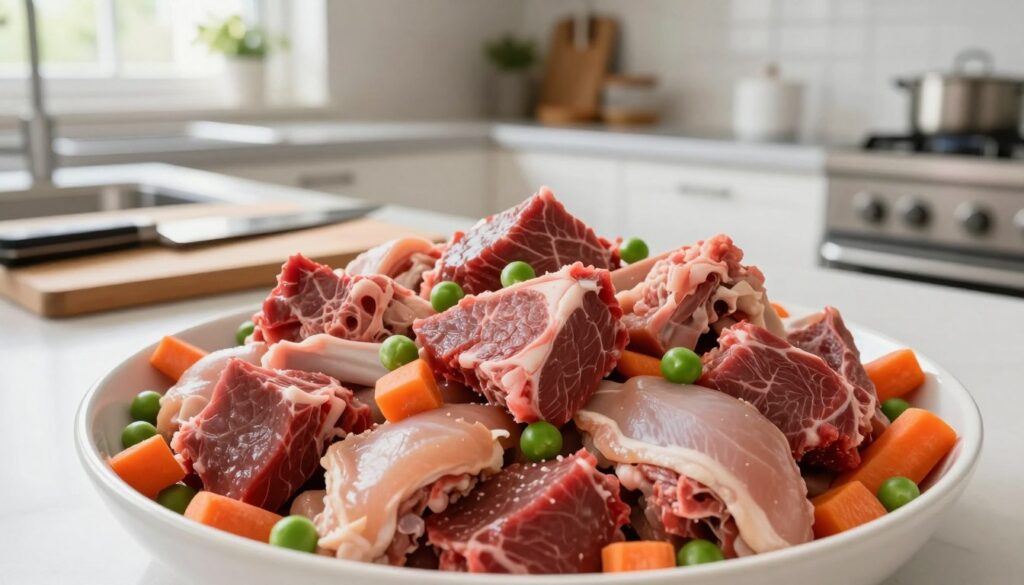
Handling meat-based dog food safely is key to keeping your dog and family healthy. Raw products can carry harmful bacteria like Salmonella or E. coli. So, treat them with the same care as raw meat for humans. A regular routine helps keep your home clean and your dog well-fed.
Preventing Cross-Contamination in Your Kitchen
To stop the spread of germs, have special areas and tools for your pet’s food. Use separate cutting boards, bowls, and utensils that are never used for human food. Clean all surfaces and tools with hot, soapy water or a safe disinfectant after each meal.
Wash your hands well after touching raw ingredients. Don’t let your dog lick your face or hands after eating. This keeps your kitchen safe from contamination.
Safe Storage and Thawing Practices
Storing meat-based dog food properly is crucial. Keep raw portions in sealed, leak-proof containers in the freezer’s coldest spot. Thaw in the fridge, not on the counter, to avoid unsafe temperatures.
If you cook the meat, make sure it reaches 165 degrees Fahrenheit. Never leave raw meat out at room temperature for more than thirty minutes. These steps help you feed your dog safely without risking your family’s health.
Preparing Cooked Meals at Home
Making your own dog meal options at home is rewarding. It lets you give your pet top-notch nutrition. You can match the quality of premium dog food and make meals your dog loves.
Safe Cooking Temperatures for Different Meats
When cooking meat for your dog, safety is key. Make sure all proteins hit 165 degrees Fahrenheit to kill harmful bacteria.
Using a digital meat thermometer is the best way to check if meat is cooked right. This ensures chicken, turkey, or beef is safe for your dog.
“The kitchen is the heart of the home, and when it comes to your dog’s health, the quality of what you prepare is the ultimate expression of care.”
Ingredients to Avoid When Cooking for Dogs
While adding flavor is tempting, many human foods are bad for dogs. Stay away from onions, garlic, chives, and leeks. They can harm your dog’s red blood cells.
Also, keep your dog meal options away from these harmful items:
- Xylitol: A sweetener in peanut butter and sugar-free products that’s toxic.
- Excessive Salt: Too much sodium can cause dehydration and kidney problems.
- Spices and Seasonings: Spices like nutmeg or chili powder can upset your dog’s stomach.
- Fillers: Skip processed grains or artificial preservatives that don’t add nutritional value.
Choosing the right ingredients and cooking at the right temperature makes meals safe and healthy for your pet. Sticking to these habits means every homemade meal is both nutritious and tasty.
Balancing the Diet Beyond Meat
Creating a balanced diet for your dog means more than just muscle meat. Protein is key, but a full diet needs more for your dog’s health. Adding variety to their meals makes for a healthy dog diet that supports all body systems.
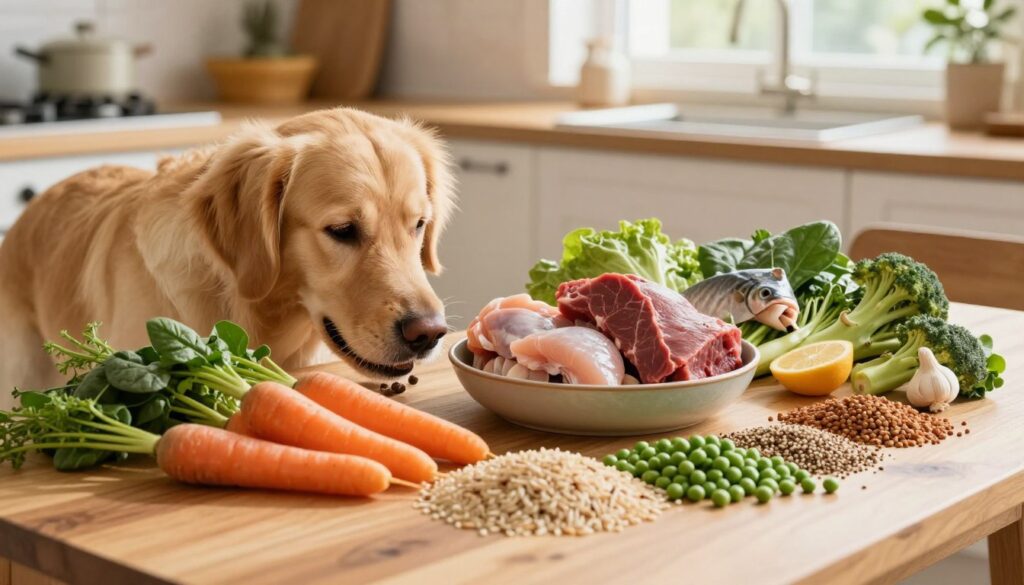
Incorporating Organs and Supplements
Organ meats are powerhouses of nutrition for dogs. Liver, kidney, and spleen offer vitamins A, D, and B-complex, missing in muscle meat. Adding these to natural dog food makes meals more like their natural diet.
Even the best homemade meals might miss some nutrients. Supplements like fish oil for omega-3s or calcium for bones can fill these gaps. Always check with a vet to make sure supplements fit your dog’s needs.
The Importance of Fiber and Micronutrients
Fiber is key for a healthy gut. Dogs, being mostly meat-eaters, still benefit from a bit of fiber from veggies like pumpkin. These also boost the immune system with important nutrients.
Micronutrients like zinc, manganese, and iodine are crucial for metabolism. A natural dog food diet ensures these are available in the right forms. A healthy dog diet is about more than just calories; it’s about the right mix of nutrients.
| Nutrient Category | Primary Source | Key Benefit |
|---|---|---|
| Organ Meats | Beef Liver/Kidney | Vitamin A & Iron |
| Fiber | Pumpkin/Spinach | Digestive Health |
| Essential Fats | Fish Oil | Skin & Coat Support |
| Minerals | Kelp/Bone Meal | Metabolic Function |
Transitioning Your Dog to a New Diet
Changing your dog’s food needs time for their digestive system to adjust. Switching foods too quickly can upset their stomach or cause loose stools. A structured plan helps your pet stay comfortable while trying new dog meal options.
Gradual Changes to Prevent Digestive Upset
Introducing a new diet slowly is the best approach. Begin by adding a small amount of the new food to their current meal. Gradually increase the new food over seven to ten days, while reducing the old.
This gradual transition helps their gut adjust to new proteins and nutrients. If your dog shows signs of discomfort, slow down the change. Keeping a steady pace is key to a healthy dog diet during this time.
Monitoring Your Dog for Signs of Sensitivity
Watching your dog closely is crucial when changing their food. Look for changes in stool quality, as it often shows how well they’re digesting the new food. Firm, consistent stools are a good sign.
Also, notice any changes in energy, skin, or appetite. If your dog seems tired or keeps vomiting, see your vet right away. Being proactive with these dog meal options helps create a lasting and healthy dog diet that meets your pet’s needs.
Conclusion
Your journey to better pet health begins at the grocery store or butcher shop. Choosing the right protein is key. It must be safe, of high quality, and packed with nutrients.
You have the power to boost your pet’s health with every meal. Whether you cook or prepare raw food, your commitment is crucial. It’s the backbone of your dog’s well-being.
Choosing the best dog food is a journey that changes as your pet grows. Watch how your dog reacts to different proteins. Adjust their diet based on their energy and health.
Talking to your vet is a smart move. They offer advice that fits your dog’s breed and lifestyle. They guide you through the complex world of dog nutrition.
Use fresh, human-grade ingredients for the best dog food. Your effort to provide the best creates a strong foundation for your dog’s life. Keep focusing on your dog’s health for many happy years together.