Most Vicious Dogs on Earth: Separating Myths from Reality
Ever felt a chill when a certain dog walks towards you in the park? It’s easy to let scary headlines scare us. Media often calls some dogs the most vicious dogs on earth. But these labels rarely show the whole story of the dog in front of you.
True temperament is more than just a breed. Understanding dog behavior means looking beyond simple labels. Things like early socialization, training, and your home environment greatly affect how a dog acts.
By looking at how genetics and upbringing mix, we can overcome fear. We’ll dive into the science that debunks common myths. Knowing the truth behind these labels helps you make better choices for your home.
Table of Contents
The Science Behind Canine Aggression
Why do some dogs act hostile while others stay calm? It’s a mix of their genes and upbringing. Scientists have found that aggressive canines don’t have just one reason. Instead, many factors from biology and environment shape their behavior.
Understanding the Nature vs. Nurture Debate
The debate on whether a dog’s personality is innate or learned is key in canine psychology. Nature is the genetic makeup from parents, while nurture is the environment, training, and experiences. Most experts agree that both are connected.
A dog’s environment can either hide or bring out its genetic traits. Knowing this helps us understand why some dogs may act aggressive under certain conditions. It’s not just about the breed, but how the dog reacts to its surroundings.
The Role of Genetics in Temperament
Genetics greatly influence a dog’s temperament. Traits like high prey drive or protective instincts are often passed down. Selective breeding has focused on these traits for tasks like herding or guarding.
But genetics alone don’t make a dog dangerous. Owners must recognize these traits early and provide the right outlets for their pet’s energy. Ignoring or suppressing these natural drives can lead to frustration and aggressive behavior.
How Early Socialization Shapes Behavior
The most important time for a puppy’s development is between three and fourteen weeks. During this time, they are very open to learning about social interactions. Proper exposure to new things is crucial for building confidence.
If a puppy misses these early learning periods, they might become fearful or reactive. Fear often leads to aggressive behavior as the dog tries to defend itself. Spending time in positive socialization during these weeks is key to having a friendly dog.
Debunking the Most Vicious Dogs on Earth Myth
Labels like most vicious dogs on earth often hide the truth about dogs. You might think certain looks mean a dog is mean. But science says it’s not true. Breed labels don’t tell us about a dog’s true nature.
Why Breed-Specific Legislation Often Fails
Many places have laws against certain dog breeds to stop vicious dog attacks. But these laws don’t really work. When a breed is banned, people just get another dog. This doesn’t solve the problem of bad dog owners.
“Breed-specific legislation is a costly and ineffective way to manage public safety. It diverts resources away from proven methods like education and enforcement of leash laws.”
The Problem with Media Sensationalism
The media shapes how we see the most vicious dogs on earth. News often picks stories about certain breeds. This makes us think they’re all bad.
When we see a headline about a breed, it can be unfair. It makes us think all dogs of that breed are bad. We need to look beyond the headlines to understand the real story.
Statistical Realities of Dog Bites
Reports on the deadliest dogs often miss important points. They don’t consider how popular a breed is or the situation of each attack. Looking at the numbers, we see no one breed is more aggressive than others.
| Factor | Breed-Specific Focus | Evidence-Based Approach |
|---|---|---|
| Primary Driver | Genetic Predisposition | Environment and Training |
| Policy Goal | Breed Bans | Owner Accountability |
| Outcome | Limited Success | Higher Safety Rates |
Knowing these stats shows us that the deadliest dogs aren’t just about their breed. Things like how they’re raised, their health, and how they interact with people matter more. Focusing on these things is the best way to keep everyone safe.
Common Triggers for Aggressive Dog Behavior
Many aggressive canines react to stressors in their environment, not because they are mean. Dogs usually act out because they feel overwhelmed or misunderstood. This is not because they are naturally violent.
Fear-Based Responses and Anxiety
Fear is a big reason for defensive aggression. Dogs feel the need to get away when they’re scared or trapped. If they can’t escape, they might growl, snap, or bite to protect themselves.
Anxiety can also lead to aggressive behavior. Dogs with separation anxiety or noise phobias might get upset if startled. Spotting these signs early can help avoid dangerous aggressive dog behavior.
“Aggression is not a personality trait; it is a symptom of an underlying need that has not been met or a fear that has not been addressed.”
Territorial Instincts and Protective Drives
Some owners think their dogs are violent canine species because they guard their home or family. But these instincts are natural and can be managed. A dog that constantly patrols its area might react to strangers or other animals.
It’s key to tell the difference between healthy guarding and too much reactivity. If a dog sees every visitor as a threat, it’s a sign their protective instincts are off balance.
Pain and Medical Issues as Hidden Causes
Don’t ignore physical health when a dog’s behavior changes. A dog in pain might get irritable and defensive to avoid more discomfort. Issues like arthritis, dental disease, or ear infections can make a pet react badly to touch or movement.
If your dog is acting aggressively, see a vet first. Fixing the medical problem often fixes the behavior issue too.
| Trigger Type | Common Sign | Underlying Cause |
|---|---|---|
| Fear | Cowering or snapping | Perceived threat |
| Territorial | Barking at windows | Resource guarding |
| Medical | Sudden irritability | Chronic pain |
| Anxiety | Pacing or lunging | Environmental stress |
The Impact of Human Ownership and Training
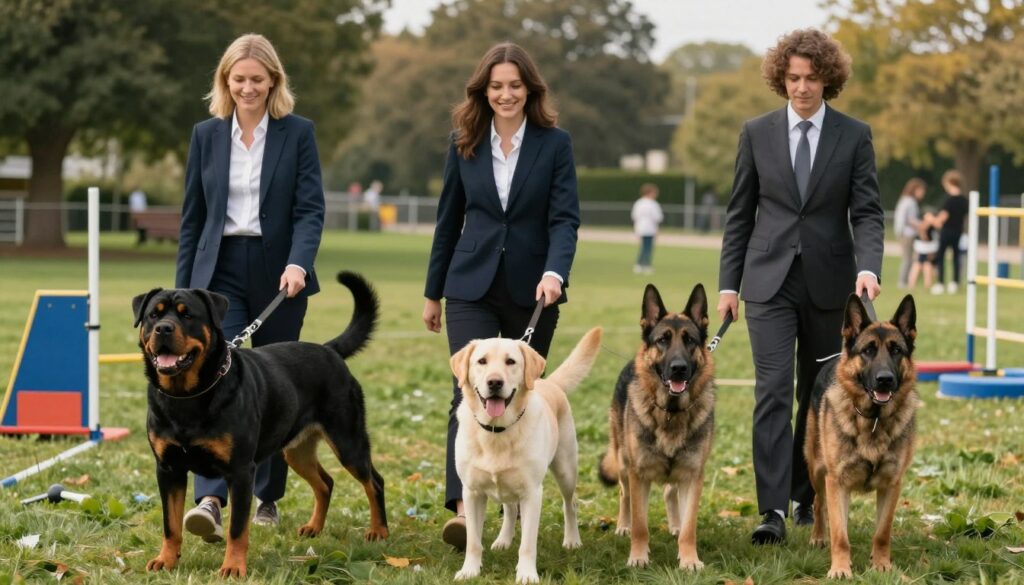
How you treat your dog shapes their whole behavior. Every command, correction, and kind word builds their world view. Your influence is profound, shaping whether they feel safe or always on guard.
The Dangers of Improper Handling
Improper handling comes from not understanding dogs. If you reward fear or use unfair discipline, you confuse them. This can cause deep-seated anxiety and lead to aggression.
Common mistakes include:
- Ignoring signs like lip licking or yawning.
- Using physical punishment that triggers fear.
- Not setting clear, predictable rules for the animal.
Positive Reinforcement vs. Aversive Training
Choosing the right training method is key for a strong bond. Positive reinforcement rewards good behavior, encouraging it to happen again. Aversive training uses fear or pain to stop bad behavior.
Studies show positive methods work better for long-term health. Aversive training might stop a bad behavior, but it can harm your relationship. Trust is the cornerstone of obedience, built on respect, not fear.
The Responsibility of Responsible Breeding
The path to a well-adjusted dog starts before you bring them home. Responsible breeders focus on the dog’s long-term health, not just looks or profit. They choose parents for their stable temperaments and health.
Supporting ethical breeding helps reduce inherited problems. A good breeder will:
- Do genetic health tests on breeding pairs.
- Socialize puppies early to prepare them for life.
- Offer ongoing support and advice to new owners.
Analyzing Breeds Frequently Labeled as Dangerous
Why do some dogs get called top aggressive dog breeds? It’s because of history and bias. People often use old info or what they see in the media. But, many dangerous dog breeds are misunderstood by humans.
The Pit Bull Terrier Controversy
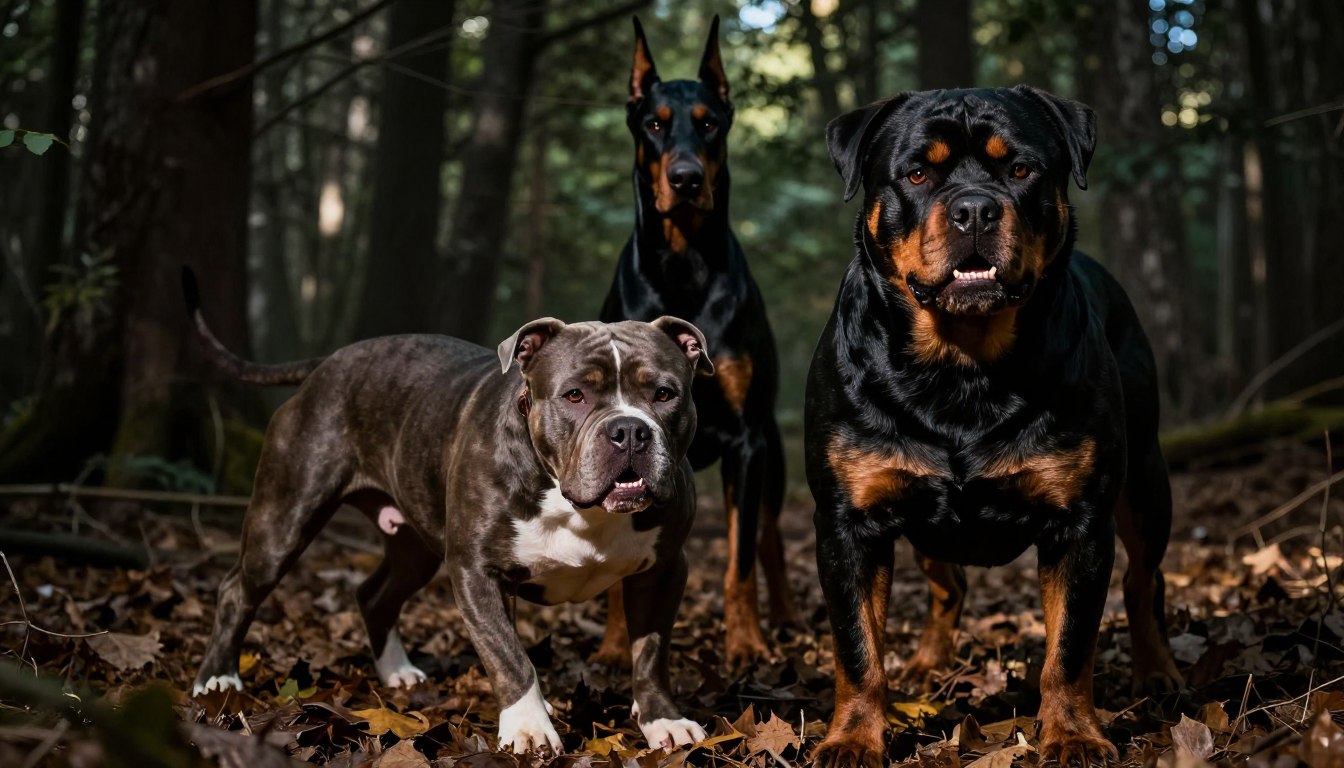
The Pit Bull Terrier has been in the spotlight for years. This is because of its history and strength. But, many bully-type dogs are lumped together, which skews the data. This societal bias creates fear, even though each dog is different.
Rottweilers and the Misconception of Unpredictability
Rottweilers are often seen as unpredictable. But, they are naturally protective. With the right training, they are calm and loyal. The misconception of unpredictability comes from owners who don’t train them well.
Doberman Pinschers and the Guard Dog Stigma
The Doberman Pinscher has a stigma as a guard dog. But, they are smart and love people. Calling them top aggressive dog breeds ignores their history as working dogs.
Let’s look at how these breeds are really seen versus what people think.
| Breed | Common Public Myth | Actual Temperament |
|---|---|---|
| Pit Bull Terrier | Inherently vicious | Affectionate and eager to please |
| Rottweiler | Unpredictable behavior | Loyal and protective of family |
| Doberman Pinscher | Aggressive guard dog | Intelligent and highly trainable |
| General Perception | Dangerous dog breeds | Individual training defines behavior |
Environmental Factors That Influence Canine Temperament
Your dog’s personality is shaped by more than just its breed. Environmental stressors often lead to changes in behavior. This can turn a calm pet into a violent canine species. Knowing these external pressures helps you manage your dog’s well-being and stop reactive behaviors.

The Effects of Isolation and Neglect
Dogs are social animals that need interaction and companionship. Prolonged isolation or neglect can severely affect their mental health. This can cause extreme anxiety, leading to aggression towards strangers or other animals.
Neglect isn’t just physical abuse. It can also mean a lack of emotional connection. Without consistent human interaction, a dog may struggle to understand social cues. This can lead to unpredictable behavior, often seen as traits of fierce dogs.
Living Conditions and Stress Levels
The place where your dog lives greatly affects its stress levels. Constant confinement, like being in a small crate or a barren backyard, is stressful. This stress can make a dog more likely to react aggressively when feeling trapped or overwhelmed.
Here’s a table showing how environmental stressors can affect behavior:
| Environmental Stressor | Potential Behavioral Impact | Risk Level |
|---|---|---|
| Prolonged Confinement | Frustration-based reactivity | High |
| Social Isolation | Fear-based aggression | High |
| Lack of Routine | Anxiety and unpredictability | Moderate |
| Inconsistent Training | Confusion and defensive posturing | Moderate |
The Importance of Mental and Physical Stimulation
A bored dog is often reactive. It’s crucial to provide mental and physical stimulation. Daily exercise, puzzle toys, and training sessions help burn off excess energy. This prevents destructive or aggressive behavior.
By focusing on your dog’s enrichment, you reduce the risk of aggressive behavior. A well-stimulated dog is more confident and less anxious. Spending time on your dog’s daily routine keeps them happy and well-adjusted in your family.
Recognizing Warning Signs Before an Attack Occurs
Stopping vicious dog attacks starts with understanding dog signals. Dogs usually warn before attacking. Learning these signs helps avoid dangerous situations.
Interpreting Subtle Body Language
Dogs show discomfort before they get aggressive. Look for subtle changes in how they stand or move. These changes mean they might feel scared or threatened.
- Whale eye: This is when you see the white of their eye. It means they’re very anxious.
- Lip licking: If they lick their lips a lot and there’s no food around, they’re stressed.
- Stiff posture: If a dog stands very still, it’s a sign they’re ready to fight.
Understanding Canine Vocalizations
It’s key to tell apart playful sounds and real warnings. Some people worry about terrifying dog breeds, but it’s often about understanding sounds.
A playful growl is loose and bouncy, with a wagging tail. A warning growl is low and steady, with a stiff body. Knowing these differences helps you understand what your dog is trying to say.
When to Seek Professional Behavioral Help
If your dog shows signs of aggression often, get help from a certified animal behaviorist. Handling fierce dogs needs a careful plan that focuses on safety and positive training.
Don’t wait for a big problem if you think your dog is getting unpredictable. A professional trainer can help fix anxiety in terrifying dog breeds. This keeps your home safe. Taking action early is the best way to stop vicious dog attacks and strengthen your bond with your pet.
The Role of Breed Standards and Temperament Testing
Looking at a dog’s temperament is more than just its breed. Many people look at lists of deadliest dogs to feel safe. But these lists don’t really show how a dog might act. Breed standards were made to describe looks and jobs, not to predict if a dog will be aggressive or friendly.
How Temperament Tests Work
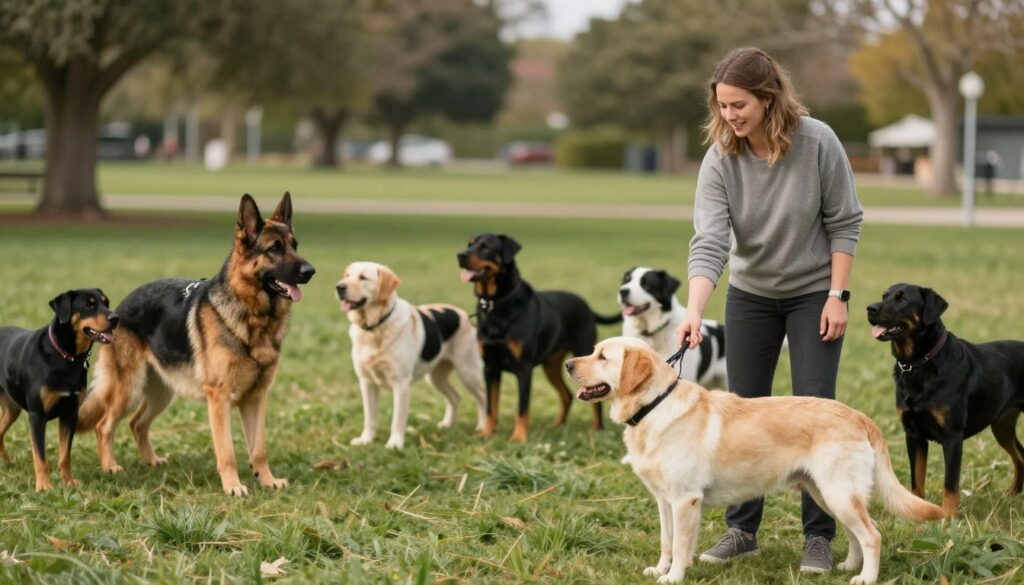
Temperament tests put a dog in different situations to see how it reacts. They look for signs of fear, curiosity, aggression, or social confidence in new places. The tests include meeting strangers, loud sounds, and new things to see how the dog handles stress.
The goal is to get a clear picture of how a dog interacts with the world. By scoring these reactions, trainers try to spot potential problems early. But, these tests are just the beginning to understand a dog’s inner world.
Limitations of Standardized Testing
Standardized tests have big limits because they only show one moment. A dog might do well in a test but act differently in stressful situations. Individual personality is too complex for a simple test score.
These tests also can’t see the long-term effects of a dog’s past. Relying only on these scores can be unfair. It’s important to remember that a test result is not forever.
Why Individual Personality Trumps Breed Labels
When deciding if a dog is among the terrifying dog breeds, focus on the dog itself. A dog’s behavior comes from its experiences, training, and environment, not just its genes. Looking at the dog as an individual helps make better choices for your family.
Generalizing about dogs often misses the mark. By focusing on the dog’s unique personality, you make safer and more informed decisions. The table below shows why looking at individual dogs is better than relying on breed labels.
| Assessment Factor | Breed Label Approach | Individual Personality Approach |
|---|---|---|
| Predictive Accuracy | Low (Generalizations) | High (Specific Data) |
| Focus Area | Genetic History | Behavioral History |
| Safety Outcome | Often Misleading | Evidence-Based |
| Primary Driver | Stereotypes | Environment & Training |
Promoting Safety and Responsible Dog Ownership
You have the power to change how people see dogs. By focusing on how dogs behave, not their breed, you can fight myths. True safety comes from education, being consistent, and showing empathy.
Creating a Safe Environment for Your Pet
Keeping your dog safe starts with a secure home. Use consistent training and socialize them early. This makes them feel safe and calm in different places. Also, strong fences and reliable leashes are key to keeping everyone safe.
Keeping your dog’s mind and body active stops bad behavior. When you care for your dog, they are less likely to act out of fear. A happy dog is a safe dog, no matter its breed.
Community Education and Awareness
Many people are misinformed about top aggressive dog breeds. You can help by sharing the truth with your neighbors and community. Talking openly can change how people see dogs, showing that it’s their behavior, not breed, that matters.
By being a good example at local events or online, you can help change minds. Seeing a well-behaved dog can make people rethink their beliefs. Education is key to understanding and accepting dogs of all kinds.
Advocating for Breed-Neutral Policies
Laws that single out dangerous dog breeds don’t solve the problem. Instead, push for laws that hold owners accountable. This way, all dogs are judged on their actions, not their breed.
Supporting laws that focus on education and keeping dogs safe is better. This approach helps everyone, not just certain breeds. Your voice is important in making laws that are fair and safe for all.
| Practice | Responsible Ownership | Irresponsible Ownership |
|---|---|---|
| Training | Consistent, positive reinforcement | Neglect or harsh punishment |
| Containment | Secure, monitored environment | Unsupervised roaming |
| Socialization | Controlled, positive exposure | Isolation or forced interaction |
| Advocacy | Focus on individual behavior | Reliance on breed stereotypes |
Conclusion
True safety in our neighborhoods starts with changing how we see dog breeds. You now know that dog behavior is shaped by genetics, environment, and human care.
Your dedication to being a responsible pet owner makes a big difference. By looking at each dog’s personality, not just its breed, you help make the world a kinder place for pets. Your actions and choices can change how society views these animals.
Support laws that are based on facts and focus on the well-being of all dogs. Share what you’ve learned about dog communication with others to make your community less fearful. Your voice is crucial in replacing myths with truth.
Keep learning about what your dog needs to live a happy life. Every good moment you share with your pet strengthens your bond. You are important in making our world safer for all.