
Dogs Good for Allergies: Breeds That Shed the Least
Do you dream of coming home to a loyal companion, only to be met with sneezing and itchy eyes? Many people believe that certain hypoallergenic pets can solve this struggle entirely. While it is a beautiful dream, the reality is that no canine is truly allergy-free.
Low-shedding breeds like Poodles, Bichon Frises, and Portuguese Water Dogs often produce fewer dander-carrying particles. However, every animal still creates proteins that may trigger your symptoms. Finding the right match requires looking beyond labels and focusing on your personal tolerance levels.
Success depends on understanding grooming demands, home management, and specific breed traits. By setting realistic expectations, you can create a harmonious living space with your new furry friend.
Table of Contents
Why Some Dogs May Be Easier for Allergy Sufferers
Understanding why some dogs cause fewer allergy symptoms is key to finding the right pet. Many look for dogs good for allergies, but don’t fully grasp how allergies work. Knowing the science behind your reactions helps you choose wisely for your home.
How Pet Allergies Usually Develop
Pet allergies happen when your immune system mistakes harmless proteins for threats. When you meet these proteins, your body fights back with chemicals like histamine. This fight can cause sneezing, stuffy nose, and itchy, watery eyes.
The Role of Dander, Saliva, Urine, and Fur
Fur isn’t the main culprit of your discomfort. The real culprits are proteins in dander, saliva, urine, and skin oils. These proteins can trigger your immune system.
- Dander: Tiny flakes of dead skin that become airborne.
- Saliva: Proteins present in a dog’s mouth that transfer to their fur during grooming.
- Urine: Contains specific allergens that can linger in a home environment.
- Skin Oils: Secretions that carry proteins and attach to hair follicles.
Why “Hypoallergenic” Does Not Mean Allergy-Free
The term hypoallergenic is often used but means no dog is allergy-free dogs. Some hypoallergenic dog breeds may have less dander or shed less. But, they still have proteins that can cause reactions. These breeds are easier to manage, not a complete solution for allergies.
How Individual Reactions Vary Between Dogs
Everyone reacts differently to animals, even within the same breed. allergy-sensitive dog breeds affect people in unique ways. You can’t just rely on breed labels. Spend time with a dog before adopting to see how you react.
What to Look for in Dogs Good for Allergies
Finding the right allergy-friendly dogs means understanding how their coats affect your immune system. While no dog is completely free of allergens, some physical traits can lower dander in your home.
Low-Shedding Coats Versus Truly Non-Shedding Dogs
Many think some breeds don’t shed at all. But, all dogs have dander, which can cause allergies.
“Non-shedding” dogs have hair that grows without falling out. Still, they need regular care to keep allergens away.
Coat Types That May Trap More Dander
The type of coat a dog has affects dander release. Curly or wiry coats trap skin cells and hair until brushed out. These are often the best dogs for allergies.
“Managing pet allergies is not just about the breed, but about the consistent removal of environmental triggers through proper grooming and home maintenance.”
Double-coated breeds shed a lot, spreading dander everywhere. Dogs with single-layer coats release fewer allergens.
| Coat Type | Shedding Level | Dander Trapping | Grooming Effort |
|---|---|---|---|
| Curly/Wavy | Very Low | High | High |
| Wiry | Low | Moderate | Moderate |
| Double Coat | High | Low | Very High |
Grooming Needs You Should Expect
Choosing an allergy-friendly breed means regular grooming. Brushing removes dander before it spreads.
Professional grooming, like baths and haircuts, is key. Without it, even hypoallergenic dogs can cause problems.
How to Test Your Tolerance Before Adoption
Before adopting, spend time with the dog. Visit the breeder or shelter to see how you react.
Talking to a doctor about allergy tests helps too. Watching your symptoms over time is the best way to know if a dog is right for you.
Poodle: A Highly Trainable Low-Shedding Companion
The Poodle is a top pick for hypoallergenic dog breeds. It’s known for its smarts and adaptability. Whether you have a big house or a small apartment, there’s a Poodle for you.
Standard, Miniature, and Toy Poodle Differences
Poodles come in three sizes: Standard, Miniature, and Toy. Each size has its own charm. The Standard Poodle is big and active, while the Miniature and Toy are perfect for small spaces.
The Poodle’s curly coat makes it a favorite for those with allergies. Its hair grows continuously, trapping dander and hair. Regular grooming is key to keeping this trapped material from causing allergies.
Temperament, Exercise, and Trainability
Poodles are very smart and love to please. They need lots of exercise and mental challenges to stay happy. Without enough activity, they might get bored or restless.
- Standard Poodles: Great for active families who love outdoor activities.
- Miniature Poodles: Ideal for those who want an active but smaller pet.
- Toy Poodles: Best for indoor living, but they still need daily walks and play.
Grooming Requirements and Allergy Considerations
Poodles need professional grooming every four to six weeks. Brushing their coat often prevents mats and removes dander. If you’re allergic, regular grooming is crucial for a comfortable home.
Who May Be a Good Match for a Poodle
A Poodle is perfect for those willing to invest in training and grooming. If you’re looking for low allergy dogs, spend time with a Poodle first. Meeting the dog helps you see if you’re allergic to their coat and dander.
Bichon Frise: A Small Breed With a Curly Coat
Many families pick the Bichon Frise for its fame as a top allergy-sensitive dog breed. This small, happy dog is famous for its white, curly coat. It brings joy to many homes in the United States.
How the Bichon Frise Coat Affects Shedding
The Bichon Frise has a special double coat. It traps loose hair, so you won’t see much on your floors or furniture. This means less hair falls out than with other breeds.
But, you still need to remove the trapped hair. This keeps your dog comfy and your home clean.
Potential Benefits for Allergy-Sensitive Households
For those with pet allergies, the Bichon Frise is a great choice. It has less loose hair in the air. This makes homes more comfortable for many people.
Brushing, Bathing, and Professional Grooming
Keeping a Bichon Frise clean needs a regular routine. Here are key grooming steps:
- Daily brushing to stop painful tangles and remove loose hair.
- Regular baths with hypoallergenic shampoos to keep the skin healthy.
- Professional grooming every four to six weeks to keep the coat in good shape.
Personality, Activity Level, and Family Fit
Beyond their coat, these dogs are incredibly social and love people. They are playful and active. They’re great for families who like light exercise and indoor games.
Health and Skin Issues That May Increase Dander
Even though they’re good for those with allergies, remember that everyone reacts differently. If a dog has skin problems, allergies, or poor diet, they might shed more.
Always talk to a vet if your dog scratches a lot or has red skin. Keeping your pet healthy is key to managing your symptoms with these allergy-sensitive dog breeds.
Portuguese Water Dog: An Active Allergy-Friendly Breed
The Portuguese Water Dog is a special breed for those looking for allergy-friendly dogs. They were bred to help fishermen and have lots of energy. Their unique coat makes them different from many other dogs.
Curly and Wavy Coat Varieties
This breed comes in two main coat types: curly or wavy. Both are single-coated, which means they don’t have a thick undercoat. This is different from many other breeds.
The curly coat is tight and round, while the wavy coat is looser. Both are considered hypoallergenic. This makes them great for people looking for low allergy dogs.
Unlike dogs that shed a lot, the Portuguese Water Dog’s hair grows continuously. This means they shed very little. This is good for keeping your home clean.
They are often called low-shedding companions. But, they still need regular grooming to keep their coat and skin healthy.
Exercise, Training, and Mental Stimulation
These dogs are meant to work. They need lots of exercise, like walks, swimming, or playtime, to be happy and healthy.
They also need mental challenges. Activities like obedience training or agility sports help prevent boredom and bad behavior at home.
“The Portuguese Water Dog is not just a pet; it is a partner that demands an active lifestyle and consistent engagement to truly flourish in a family setting.”
Grooming After Swimming and Outdoor Activities
These dogs love to swim. After swimming, you must rinse their coat well to remove salt, chlorine, or dirt. This prevents skin irritation.
It’s also important to dry their coat completely. This stops dampness from causing skin problems. Always check their ears after swimming to prevent moisture buildup.
When This Breed May Be Too Demanding for Your Home
If you like a quiet home, this breed might not be for you. They have a lot of energy and can get restless or anxious without enough activity.
Without enough to do, they might not fit well in a quiet home. Think about whether your lifestyle matches their needs:
| Feature | Curly Coat | Wavy Coat |
|---|---|---|
| Maintenance Level | High | Moderate to High |
| Shedding Frequency | Minimal | Minimal |
| Exercise Requirement | Very High | Very High |
| Best Environment | Active Household | Active Household |
Choosing allergy-friendly dogs like the Portuguese Water Dog means you must commit to their grooming and exercise. With the right care, they become loyal and energetic family members.
Schnauzers: Low-Shedding Dogs in Three Sizes
The Schnauzer breed comes in three sizes: Miniature, Standard, and Giant. Each size is known for being a reliable non-shedding dog. Their wiry, dense coat traps dander well.
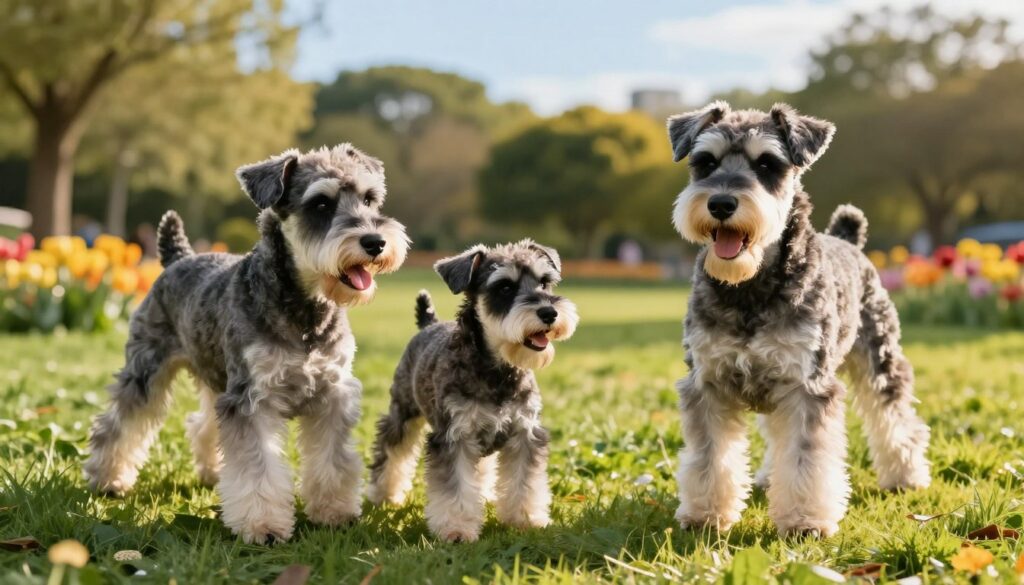
Miniature Schnauzer
Coat Maintenance and Shedding Patterns
The Miniature Schnauzer has a double coat that needs regular care. Brushing and clipping or hand-stripping are key to keep them allergy-friendly. This keeps their living space free from dander.
Energy Level, Barking, and Training Needs
These small dogs are smart and lively. They can be loud, so early training is crucial. They also need daily walks and play to stay happy.
Standard Schnauzer
Space, Exercise, and Socialization Requirements
The Standard Schnauzer is a medium-sized dog that loves to stay active. They need space and regular exercise to avoid boredom. Early socialization is important for their adjustment to your home.
Professional Grooming and Dander Management
Keeping a Standard Schnauzer’s coat in check is a big commitment. Professional grooming helps manage their fur and reduce allergens. Trimming their coat minimizes dander in your home.
Giant Schnauzer
Why This Breed Requires an Experienced Owner
The Giant Schnauzer is a strong, smart working dog. They need a confident, experienced owner. Their size and strength require firm training and a structured life. They’re not for first-time owners due to their high energy.
Allergy Considerations for a Large, Active Dog
Despite being non-shedding dogs, Giant Schnauzers produce more dander. Grooming and cleaning are crucial to keep your home comfortable. Regular baths and brushing are essential to manage allergens with such a large dog.
| Breed Size | Energy Level | Grooming Needs | Best For |
|---|---|---|---|
| Miniature | High | Frequent Clipping | Apartment Living |
| Standard | Moderate-High | Regular Brushing | Active Families |
| Giant | Very High | Professional Care | Experienced Owners |
Small Companion Breeds With Minimal Shedding
Many small, low-shedding breeds can fit well into your life. Size doesn’t always mean no allergens, but these small dogs are often good for people with allergies. They are great for apartment living because they don’t shed much.
Maltese
Silky Coat and Limited Shedding
The Maltese has a long, flowing white coat that feels like silk. It’s often called a non-shedding dog because it has hair, not fur. This means less hair floating around your home.
Daily Care, Tear Staining, and Skin Sensitivity
Keeping their coat beautiful takes a lot of daily brushing. You also need to watch for tear staining. Their skin is sensitive, so use gentle, hypoallergenic grooming products.
Yorkshire Terrier
Human-Like Hair and Regular Trimming
Yorkshire Terriers have fine, human-like hair that grows continuously. They need regular trims to stay neat. Regular grooming helps keep allergens out of their coat.
Temperament, Noise, and Household Fit
These dogs are bold and full of energy. They can act like bigger dogs. They love people and do well in active homes that play every day.
Shih Tzu
Low-Shedding Coat and Frequent Grooming
The Shih Tzu is a great choice for hypoallergenic pets. Their coat sheds little if you groom them often. Without regular brushing, their hair can get matted and hold dander.
Face, Skin, and Respiratory Care
Shih Tzus need extra care for their face and skin folds. Clean their face daily to avoid irritation. Also, watch their breathing, as they can get tired easily in hot weather.
Chinese Crested
Hairless and Powderpuff Varieties
The Chinese Crested comes in two types: Hairless and Powderpuff. The Hairless needs moisturizing, while the Powderpuff has a soft coat. Both are hypoallergenic pets, but they have different needs.
Why Less Fur Does Not Eliminate Allergy Triggers
It’s wrong to think less fur means no allergens. Even hairless dogs can cause allergies. Always spend time with the breed to check if you’re allergic.
| Breed | Coat Type | Grooming Level | Best For |
|---|---|---|---|
| Maltese | Silky Hair | High | Apartment Living |
| Yorkshire Terrier | Fine Hair | Moderate | Active Owners |
| Shih Tzu | Dense Hair | High | Family Companionship |
| Chinese Crested | Hairless/Soft | Moderate | Allergy Sensitivity |
Other Hypoallergenic Dog Breeds Worth Considering
There are many unique breeds that can help those with pet allergies. These hypoallergenic dog breeds have different energy levels, grooming needs, and personalities. It’s important to find a breed that fits your lifestyle well.

Lagotto Romagnolo
Curly Coat, Exercise Needs, and Family Life
The Lagotto Romagnolo is a charming Italian breed with a dense, curly coat. They are very smart and need consistent mental stimulation to be happy. They do best in active families who love outdoor activities and training.
Soft-Coated Wheaten Terrier
Shedding, Grooming, and Allergy Management
These terriers have a silky, single-layered coat that’s great for those with allergies. They shed very little, but their hair needs frequent brushing to avoid painful mats. Regular grooming keeps their skin healthy and reduces dander.
Irish Water Spaniel
Coat Care and Compatibility With Active Owners
This breed has a unique, water-repellent coat that’s curly. They’re perfect for active owners who love swimming or hiking. You’ll need to commit to regular grooming to keep their coat in good shape.
Afghan Hound
Low Shedding Alongside Extensive Grooming Demands
The Afghan Hound has long, flowing hair that sheds very little. Despite their elegant look, they’re surprisingly athletic and need lots of space. Their coat needs daily care to stay free of tangles.
Mixed-Breed Dogs With Poodle Ancestry
Why Coat Results and Allergy Responses Can Be Unpredictable
Many people choose Poodle mixes like Labradoodles or Goldendoodles for low-allergen pets. However, these allergy-sensitive dog breeds can be unpredictable. Some puppies in a litter may shed more than others, making it hard to ensure a hypoallergenic environment.
| Breed Name | Energy Level | Grooming Needs | Best For |
|---|---|---|---|
| Lagotto Romagnolo | High | Moderate | Active Families |
| Soft-Coated Wheaten | Moderate | High | Allergy Sufferers |
| Irish Water Spaniel | High | High | Outdoor Enthusiasts |
| Afghan Hound | Moderate | Very High | Patient Owners |
How to Make Your Home More Comfortable With a Dog
Sharing your home with hypoallergenic pets can improve your indoor air quality. While no dog is completely allergen-free, you can make your home healthier. This way, you and your pet can enjoy each other more.
Create Dog-Free Zones for Sleeping and Relaxing
Keeping certain areas dog-free is a smart move. Your bedroom should be a dog-free sanctuary. This lets your body rest without allergens.
Use HEPA Air Purifiers and High-Efficiency Vacuuming
A good air purifier with a HEPA filter is key. It catches airborne dander. Also, use a vacuum with a sealed HEPA filter to trap dust and allergens.
Wash Bedding, Toys, and Soft Furnishings Regularly
Fabrics collect allergens, so washing them often is crucial. Wash your pet’s bedding, your linens, and soft toys in hot water weekly. This keeps dander levels down.
Keep the Dog Off Upholstered Furniture When Possible
Upholstered furniture attracts fur and dander. Training your dog to stay off sofas and chairs helps. It keeps your living room clean for allergy-friendly dogs.
Establish a Grooming Routine With Outdoor Brushing
Brushing your dog outside keeps hair and dander off your floors. This simple habit is great for managing low allergy dogs and keeping your home fresh.
Manage Skin Problems, Fleas, and Excessive Dander With Veterinary Care
A healthy dog sheds fewer allergens than one with skin issues or fleas. Regular vet visits keep your pet’s skin healthy. This reduces dander in your home.
“A clean home environment is the foundation of successful pet ownership for those with mild sensitivities. By combining consistent grooming with smart cleaning habits, you create a harmonious space for both you and your animal companion.”
Discuss Allergy Testing and Treatment With a Medical Professional
If you still have symptoms, talk to an allergist. They can help manage your reactions to hypoallergenic pets. This might include immunotherapy or other treatments.
| Maintenance Task | Frequency | Primary Benefit |
|---|---|---|
| HEPA Vacuuming | Twice Weekly | Removes trapped dander |
| Outdoor Brushing | Daily | Reduces indoor shedding |
| Wash Bedding | Weekly | Eliminates allergen buildup |
| Vet Skin Check | Bi-Annually | Prevents excessive dander |
By following these steps, you can enjoy allergy-friendly dogs while keeping your home comfortable. Small, daily changes can make a big difference for those with low allergy dogs.
Conclusion
Choosing a pet is a big decision that needs careful thought. Many look for dogs that don’t trigger allergies. But, remember, no dog is completely free of allergens.
Dogs produce proteins in their saliva and skin that can cause allergic reactions. To find dogs good for allergies, look for breeds with hair instead of fur. Poodles, Bichon Frises, Schnauzers, and Portuguese Water Dogs are good choices. They shed less dander, making your home cleaner.
The best dogs for allergies depend on your lifestyle and how much you can groom. Spend time with a dog before you decide to bring it home. This helps you see how your body reacts to it.
Keeping your home clean is key to your comfort. Use HEPA air purifiers and groom regularly to manage hair. If you have persistent symptoms, talk to a doctor for advice.
Getting a pet is rewarding if you consider your health and the dog’s well-being. Research each breed carefully. A thoughtful choice leads to a happy life for both you and your dog.