
Can Dogs Eat Cinnamon Rolls? What Pet Owners Should Know
When your furry friend looks at you with those heart-melting eyes while you eat a sweet breakfast treat, it’s hard to resist sharing. But, you might wonder: can dogs eat cinnamon rolls safely? These treats are usually not good for your pet, even if it feels like a loving gesture.
Sharing dogs and cinnamon rolls can be risky. Store-bought pastries often have too much fat and sugar. This can upset your dog’s stomach or even cause pancreatitis. Plus, things like frosting, raisins, chocolate, or xylitol can be very harmful.
Even a small piece might not hurt, but eating a whole pastry or one with harmful ingredients is dangerous. Always put your pet’s health first by keeping these treats away. Knowing the risks helps you make safer choices for your furry friend.
Table of Contents
Can Dogs Eat Cinnamon Rolls? The Short Answer
If you wonder can dogs eat cinnamon rolls, it’s key to know the risks. The short answer is no; these pastries are not safe for your pet. They might smell great, but they have ingredients that can harm animals.
Why Cinnamon Rolls Are Not a Safe Regular Treat
Many people love dog-friendly desserts, but cinnamon rolls are not one of them. They are full of refined sugars, heavy fats, and processed dough. These are not good for your dog’s body.
Sharing these treats often can cause serious health problems. These issues are hard to manage over time.
How the Ingredients Affect Your Dog’s Health
When thinking about feeding dogs human food, look at the recipe’s ingredients. Cinnamon rolls have lots of butter and oil. This can cause severe digestive problems or even pancreatitis.
The high sugar in them can also raise blood glucose quickly. This is very dangerous for dogs with metabolic issues.
Why a Small Bite Is Different From Eating a Whole Roll
There’s a big difference between a small crumb and eating a whole pastry. A single bite might upset your dog’s stomach a bit. But eating a whole roll can be much worse.
It can lead to toxicity from ingredients like nutmeg or artificial sweeteners. Knowing how dogs and cinnamon rolls relate helps you make safer choices for your pet.
What Makes Cinnamon Rolls Harmful to Dogs
When you see a cinnamon roll, you might think it’s a tasty treat. But dogs see it as a danger. Knowing what’s in these treats is key to keeping your pet safe.
High Sugar and Its Effects on Dogs
Cinnamon rolls are full of sugar, which dogs don’t need. Too much sugar can make their blood sugar go up too fast. This is bad for dogs with health issues.
It can also make dogs fat and hurt their teeth.
Butter, Oil, and Other High-Fat Ingredients
The doughy texture of cinnamon rolls comes from butter and oil. These fats are hard for dogs to digest. They can make dogs very sick, causing vomiting and diarrhea.
Worse, they can cause pancreatitis. This is a serious inflammation of the pancreas.
Wheat, Dairy, and Possible Food Sensitivities
Many dogs don’t do well with wheat gluten and dairy. If your dog is sensitive, these can upset their stomach. They might feel bloated, gassy, or have skin problems.
These foods aren’t toxic, but they can make dogs very uncomfortable.
Why Frosting and Fillings Increase the Risk
Frosting and fillings on cinnamon rolls are especially risky. They have lots of fat and sugar. This makes them a big danger to dogs.
When thinking about cinnamon rolls and dog health, remember the frosting is the biggest risk.
Ingredients That Can Create an Emergency
Many people think cinnamon rolls are just a simple breakfast treat. But, some hidden ingredients can make them harmful foods for dogs. Even a small piece can have substances that can cause a medical crisis for your pet.
Xylitol in Sugar-Free Frosting and Baked Goods
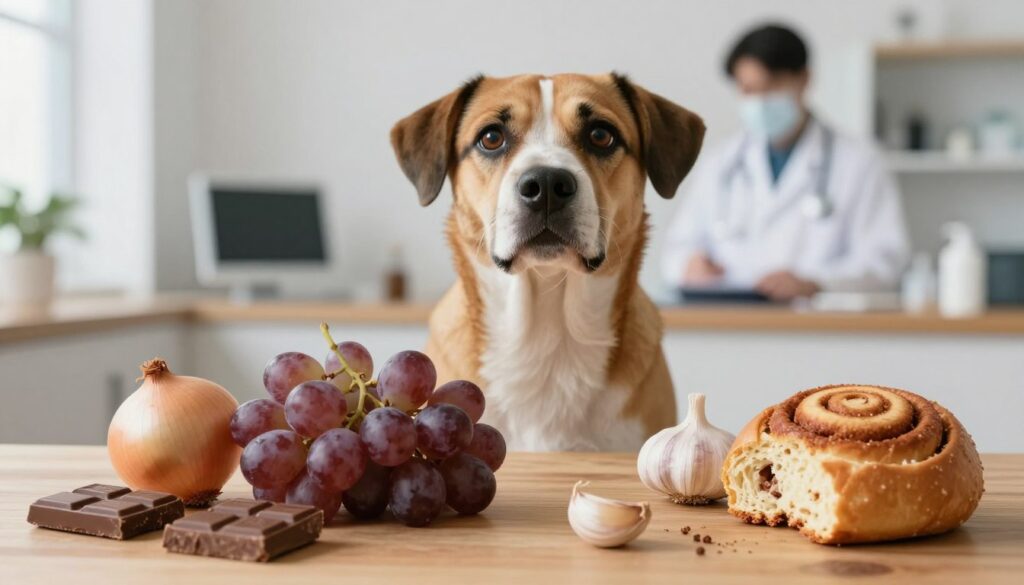
Today, many recipes use sugar substitutes to cut calories. But, these substitutes are often dangerous for animals. Xylitol is a common sweetener found in sugar-free frostings and diet-friendly baked goods.
How Xylitol Can Cause Low Blood Sugar and Liver Damage
When a dog eats xylitol, it causes a big drop in blood sugar. This is called hypoglycemia. It can also cause liver failure, which is often not treatable.
Raisins and Grapes in Cinnamon Roll Fillings
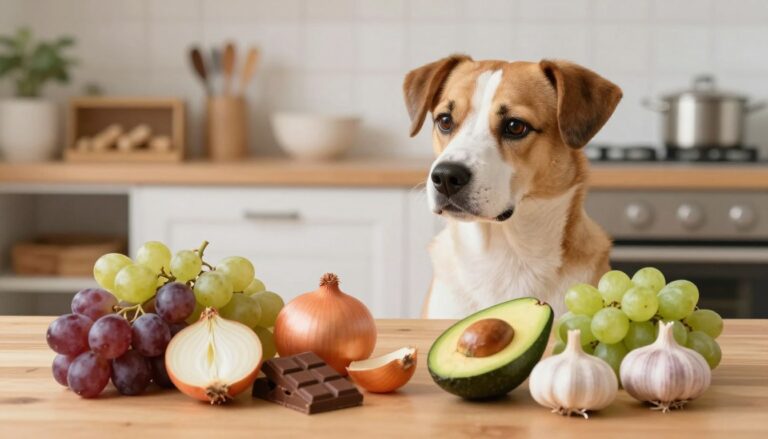
Some cinnamon rolls have dried fruits like raisins or currants. These are among the most harmful foods for dogs. They can cause sudden kidney failure.
Why Even Small Amounts May Be Dangerous
Vets don’t know the exact toxin in grapes. But, the reaction is unpredictable. Even a small amount can stop a dog from making urine, leading to a life-threatening emergency.
Chocolate, Cocoa, and Caffeinated Add-Ins
If your cinnamon roll has chocolate chips or cocoa powder, keep it away from your pet. Chocolate has theobromine and caffeine. These can cause heart problems and seizures in dogs.
Macadamia Nuts and Other Potentially Toxic Toppings
Some rolls have nuts like macadamias, which are not safe. These nuts can cause weakness, tremors, and high body temperature in dogs, even with just a few.
Nutmeg and Spices Used in Homemade Recipes
Homemade recipes often use nutmeg for flavor. But, nutmeg has myristicin. In large amounts, it can cause hallucinations, a fast heart rate, and stomach pain in dogs.
| Ingredient | Primary Risk | Severity |
|---|---|---|
| Xylitol | Liver failure/Hypoglycemia | Critical |
| Raisins/Grapes | Kidney damage | High |
| Chocolate | Heart/Neurological issues | High |
| Macadamia Nuts | Muscle weakness/Tremors | Moderate |
Always check labels carefully, as these harmful foods for dogs are often hidden in common snacks. If you think your pet has eaten any of these, get help right away.
How Cinnamon Rolls Can Affect Your Dog
When your dog eats a cinnamon roll, it can cause immediate problems. It’s important to know how cinnamon rolls and dog health are connected. This helps you know when your pet needs help right away.
Short-Term Digestive Upset
Eating a pastry can upset your dog’s stomach right away. You might see them feeling uncomfortable with gas, bloating, or loose stools. This happens soon after they eat.
The body tries to get rid of the bad food by vomiting or diarrhea. These signs show the body is reacting to something it shouldn’t have eaten.
Pancreatitis After a High-Fat Treat
Cinnamon rolls have a lot of butter and oils, which are very fatty. This can cause pancreatitis, a serious inflammation of the pancreas.
Even one treat can be too much for a dog. If the pancreas gets inflamed, it can’t work right. This leads to many health problems.
Signs of Abdominal Pain, Vomiting, and Loss of Appetite
Watch your dog for signs of pain. Look for a hunched back, constant vomiting, and not wanting to eat. These are bad signs.
If your dog is lethargic or seems to be in pain when you touch their belly, get help fast. These signs mean they might have a serious problem inside that needs a vet.
Blood Sugar Problems After Sugary or Sugar-Free Rolls
Regular rolls have a lot of sugar, which can raise blood sugar too high. This is very bad for diabetic dogs. Sugar-free rolls have artificial sweeteners that are toxic to pets.
It’s important to watch out for these hidden dangers in cinnamon rolls and dog health. A sudden change in blood sugar can make your dog weak, shaky, or even have seizures.
Choking and Intestinal Blockage Risks
The dough in cinnamon rolls can also be a problem. Sticky or raw dough can expand in the stomach or get stuck in the throat.
If your dog eats packaging or big chunks of the roll, they might get an intestinal blockage. This is a medical emergency that might need surgery to fix.
What to Do If Your Dog Eats a Cinnamon Roll
Accidents can happen, but knowing what to do is key. Many people give their dogs human food, but some items are not safe. If you think your dog ate a cinnamon roll, act fast to keep them safe.
Remove the Remaining Food and Check the Packaging
First, stop your dog from eating more. Take away any leftover treats and make sure they can’t get to them. Always save the packaging. It has important info about the ingredients.
Identify the Amount and Ingredients Your Dog Consumed
Try to figure out how much of the roll your dog ate and when. Look at the label for harmful additives found in baked goods. Watch out for these ingredients:
- Xylitol (a common sugar substitute)
- Raisins or grapes
- Chocolate or cocoa powder
- Macadamia nuts
- High levels of nutmeg
Contact Your Veterinarian or an Emergency Animal Hospital
If your dog ate a cinnamon roll, don’t wait. Call a vet right away. They can help based on your dog’s size and what they ate. Don’t wait for symptoms if you know they ate something bad.
Call the ASPCA Animal Poison Control Center or Pet Poison Helpline When Appropriate
If your vet is not available, call a pet poison hotline. These experts know a lot about what’s toxic to pets. They can tell you what to do next, whether to go to the emergency room or stay home.
Why You Should Not Induce Vomiting Without Veterinary Direction
Some people think they should make their dog vomit after eating something bad. But, you should never make your dog vomit without a vet’s say-so. It can cause serious problems like pneumonia. Always let a vet decide the best way to help your dog.
Warning Signs That Require Prompt Veterinary Care
Knowing the danger signs can save your dog’s life. Many harmful foods for dogs have hidden additives that cause quick reactions. Spotting these signs early helps get professional help before it’s too late.
Immediate Symptoms of Xylitol or Other Toxic Ingredients
If your pet eats something with xylitol, symptoms can show up fast. You might see your dog acting confused or losing balance. Rapid drops in blood sugar are common and need emergency care.
Digestive Symptoms That May Indicate Pancreatitis
Many pastries have high-fat ingredients that can hurt the pancreas. Look for persistent vomiting, diarrhea, or a hunched back. These signs are serious and should not be ignored.
Neurological or Circulatory Warning Signs
Severe toxicity often affects the nervous system. If your dog’s behavior changes, call your vet right away.
Weakness, Tremors, Seizures, Collapse, and Trouble Breathing
These symptoms are a critical medical emergency. If your dog has trouble breathing, tremors, or collapses, get them to the vet fast. Time is of the essence when these signs appear.
Symptoms That Can Appear Hours or Days Later
Some problems don’t show up right away. Kidney injury or systemic inflammation can happen days after eating harmful foods for dogs. Watch your pet’s appetite and energy for 48 hours after eating cinnamon rolls and dog health risks.
| Symptom Category | Common Signs | Urgency Level |
|---|---|---|
| Neurological | Seizures, Tremors, Collapse | Immediate Emergency |
| Digestive | Vomiting, Diarrhea, Lethargy | Urgent Veterinary Care |
| Circulatory | Rapid Heart Rate, Pale Gums | Immediate Emergency |
| Metabolic | Weakness, Disorientation | Urgent Veterinary Care |
How Risk Changes Based on Your Dog and the Cinnamon Roll
Knowing why your pet reacts differently to foods is key to being a good pet owner. Some dogs might just feel a little sick after eating something they shouldn’t. But others could face serious health problems. It’s important to follow pet nutrition guidelines to understand how your dog’s body reacts.
Your Dog’s Size, Age, and Overall Health
A dog’s size affects how they handle certain foods. A small dog, like a Chihuahua, gets a bigger dose of toxins from a single bite than a big dog, like a Labrador. Age is also important, as older dogs have slower metabolisms and weaker immune systems. They struggle more with processed foods and sugars.
The Difference Between a Tiny Taste and Multiple Rolls
How much your dog eats matters a lot. A small crumb might just upset their stomach, but eating a whole roll is a different story. It’s like a big wave of fat and sugar that can really upset their digestive system.
Homemade, Bakery, and Packaged Cinnamon Rolls
The type of treat you give your dog changes the risk. Homemade treats can have a lot of butter and spices like nutmeg, which can be harmful. Bakery items are often bigger and richer, and packaged goods might have preservatives that aren’t good for dogs.
Why Sugar-Free Products Deserve Extra Caution
Be extra careful with sugar-free treats. Many of these contain xylitol, a sweetener that’s very bad for dogs. Even a little bit can cause their blood sugar to drop fast and can even harm their liver. This makes it a big concern when talking about dogs and cinnamon rolls.
Special Risks for Dogs With Diabetes, Pancreatitis, or Sensitive Stomachs
Dogs with health problems are at a higher risk. For a dog with diabetes, the sugar in cinnamon rolls can raise their blood sugar too high. Dogs with pancreatitis might get a painful flare-up from the fat in rolls. It’s very important to stick to pet nutrition guidelines to keep these dogs safe.
Safer Treats for Dogs
It’s important to give safe treats for dogs as a pet owner. Sharing your snacks can be tempting, but it’s safer to stick to pet treats or whole foods. This way, you avoid dangers like xylitol or too much fat.

Dog-Friendly Fruits in Appropriate Portions
Fruits are great dog-friendly desserts found in your kitchen. They’re full of vitamins and fiber, making them a tasty choice for your dog.
- Blueberries: These are rich in antioxidants and serve as a perfect bite-sized reward.
- Apples: Always remove the seeds and core first, as these parts can be harmful.
- Bananas: Offer these in small slices due to their high sugar content.
Plain Vegetables and Simple Homemade Options
Vegetables offer a crunchy snack without the calories of processed treats. Always serve them plain, without butter, salt, or seasonings that might upset your dog’s stomach.
Carrots and green beans are great, low-calorie options that most dogs like. If you bake, use oat flour and pumpkin puree for recipes that are easy on their stomach.
Commercial Treats With Clear Ingredient Labels
When buying treats, always check the packaging. Follow canine diet tips by avoiding artificial preservatives, dyes, or unknown fillers.
Choose brands with high-quality protein as the first ingredient. If you can’t identify an ingredient, don’t buy it.
How to Choose Treats Based on Calories and Your Dog’s Diet
Every dog has different nutritional needs based on their age, weight, and activity level. You must consider their total caloric intake to prevent weight gain.
If your dog has health issues like diabetes or pancreatitis, talk to your vet before trying new snacks. They can advise on safe ingredients for your pet’s health.
Keeping Treats Within the Recommended Daily Limit
Follow pet nutrition guidelines by not letting treats make up more than ten percent of your dog’s daily calories. This ensures they get balanced nutrition from their regular meals.
Use a small part of their kibble as a reward to stay within limits. Consistency is key to keeping your dog healthy and happy.
Better Ways to Share Human Food With Your Dog
Sharing meals with your dog needs careful planning to keep them safe. Many owners love feeding dogs human food, but it’s important to know the difference between safe snacks and harmful ingredients. By being proactive, you can give your pet treats without risking their health.
Set Aside a Plain, Dog-Safe Portion Before Adding Seasonings
Sharing a meal with your dog is easier if you prepare a plain portion first. Cook plain chicken or steamed veggies and set aside a small amount. This way, your dog avoids harmful additives like garlic or too much salt.
Foods You Should Never Share From the Dessert Table
Be very careful with sweets. Dessert items like chocolate, xylitol, or macadamia nuts are toxic to dogs. Even if you’re looking for dog-friendly desserts, it’s safer to give them pet treats instead of human pastries.
How to Prevent Counter Surfing and Accidental Access
Keeping your dog from getting food off the counter is crucial. Store baked goods in sealed containers or cabinets out of reach. Watching closely during meal prep helps prevent accidents.
Using Pet Nutrition Guidelines to Build Healthy Treat Habits
Following pet nutrition guidelines helps keep your dog healthy and at the right weight. Treats should not exceed ten percent of their daily calories. Using these canine diet tips ensures your pet stays happy and healthy for a long time.
| Food Category | Safe to Share (Plain) | Never Share |
|---|---|---|
| Proteins | Boiled Chicken | Seasoned/Fried Meat |
| Vegetables | Steamed Carrots | Onions/Garlic |
| Desserts | Plain Pumpkin | Chocolate/Xylitol |
| Fruits | Fresh Blueberries | Grapes/Raisins |
Conclusion
Keeping your dog safe from harmful snacks is key to being a good pet owner. You’ve learned that bakery items, like cinnamon rolls, are not safe for dogs. This is because they have too much sugar, fat, and harmful additives.
Choosing the right foods for your pet is the first step in caring for them. By sticking to pet nutrition guidelines, you can prevent serious health issues. These include pancreatitis, blood sugar problems, and poisoning.
There are many safe treats you can give your dog. Options like fresh carrot sticks or plain apple slices are great. They’re fun for your pet and don’t have harmful ingredients like xylitol or nutmeg.
Always watch your dog during family gatherings to stop them from eating dropped food. If you think they ate something bad, call your vet or the ASPCA Animal Poison Control Center right away.
Creating a healthy life for your dog is a journey worth it. Your careful choices will keep your pet happy, active, and safe for many years.