Type of Dogs Guide: Find the Right Breed for Your Lifestyle
Getting a new pet is a life-changing decision that brings joy and companionship into your home. But, the thrill of picking a pet can make you overlook the daily care needed. You need a pet that matches your lifestyle, whether you like quiet nights or active days.
This guide is your roadmap to finding the right dog breed. We’ll look at important factors like temperament, grooming, and how well they fit with your family. By considering your ability to train and exercise your pet, you’ll find a true friend for life.
Knowing the difference between active, companion, and unique dogs helps you choose wisely. Let’s help you pick a pet that fits your home and your future together.
Table of Contents
What to Consider Before Choosing Among Types of Dogs
Finding the right pet starts with knowing your lifestyle. Before looking at type of dogs, understand your daily life. This helps pick a pet that fits well, not one that struggles.
Match a Dog’s Energy Level to Your Daily Routine
Your schedule affects how much exercise you can give. Some dogs need lots of activity, while others are happy with short walks. Always remember that a puppy’s energy can grow as it gets older.
- Check your schedule for walks or playtime.
- Think about whether you like hiking or relaxing at home.
- Choose a breed that matches your activity level.
Compare Adult Size, Strength, and Space Requirements
Size matters when picking a dog. A big dog might not fit in a small apartment, even if it’s well-behaved. Imagine how much space the dog will need when it’s fully grown.
Consider if you can handle a big dog on walks. Size and strength are linked, so make sure you can control your pet. Planning ahead helps avoid problems with space or handling.
Account for Time, Budget, and Long-Term Care
Having a dog is a big commitment that lasts years. You’ll need money for food, vet visits, and emergencies. Long-term care also includes grooming, training, and boarding.
Time is as important as money for a pet. You’ll need hours for socialization, training, and just hanging out. If you’re busy, look for breeds that are more independent or need less grooming.
Choose Temperament Traits That Fit Your Household
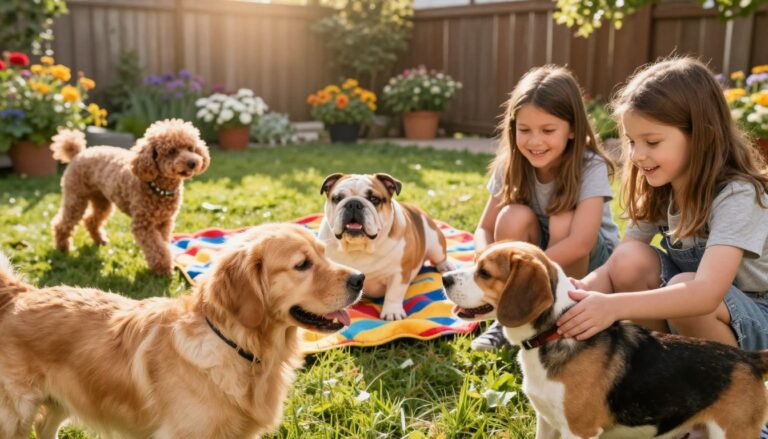
Your dog’s personality should match your home. If you have kids or other pets, choose a breed that’s patient and friendly. Carefully research the type of dogs to find the right fit for your family.
Some dogs are protective, while others love everyone. By looking at these traits early, you can find a breed that feels like family. This careful choice leads to a happier home for all.
How Dog Breed Groups Explain Different Dog Breeds
Exploring different dog breeds shows they’re grouped by their original purpose. These groups help us understand their history and natural behaviors. Even though each dog is unique, these categories are a good starting point.
Sporting Dogs for Active Owners and Outdoor Activities
Sporting dogs were made to help hunters. They are full of energy, alert, and love to be active outside.
Hounds With Strong Scenting or Chasing Instincts
Hounds are known for their amazing smell or speed. They follow their noses, so they need safe places to play and consistent training.
Working Dogs Known for Strength, Alertness, and Trainability
Working breeds were created for tasks like guarding or pulling sleds. They are highly intelligent and need a job to be happy and well-behaved.
Terriers With Determination and High Prey Drive
Terriers are feisty and full of energy. They have a strong prey drive and determination, making them fun but challenging to train.
Toy Dogs That Suit Companionship and Smaller Homes
Toy breeds are small and very affectionate. They are perfect for living in apartments and love being close to people.
Herding Dogs That Need Purpose and Mental Stimulation
Herding dogs want to control movement. They are very smart and need lots of mental challenges to avoid boredom.
Non-Sporting Dogs With Varied Traits and Care Needs
The non-sporting group has dogs with many different histories. Because they are so varied, it’s important to research each breed’s needs carefully.
- Sporting: Best for active, outdoor lifestyles.
- Hounds: Driven by scent and sight.
- Working: Strong, capable, and alert.
- Terriers: Energetic and persistent.
- Toy: Ideal for small-space companionship.
- Herding: Needs constant mental engagement.
- Non-Sporting: Highly diverse traits and care requirements.
Remember, these categories don’t predict a dog’s personality. Every dog is unique, and your lifestyle should guide your choice.
Popular Types of Dogs for Active Lifestyles
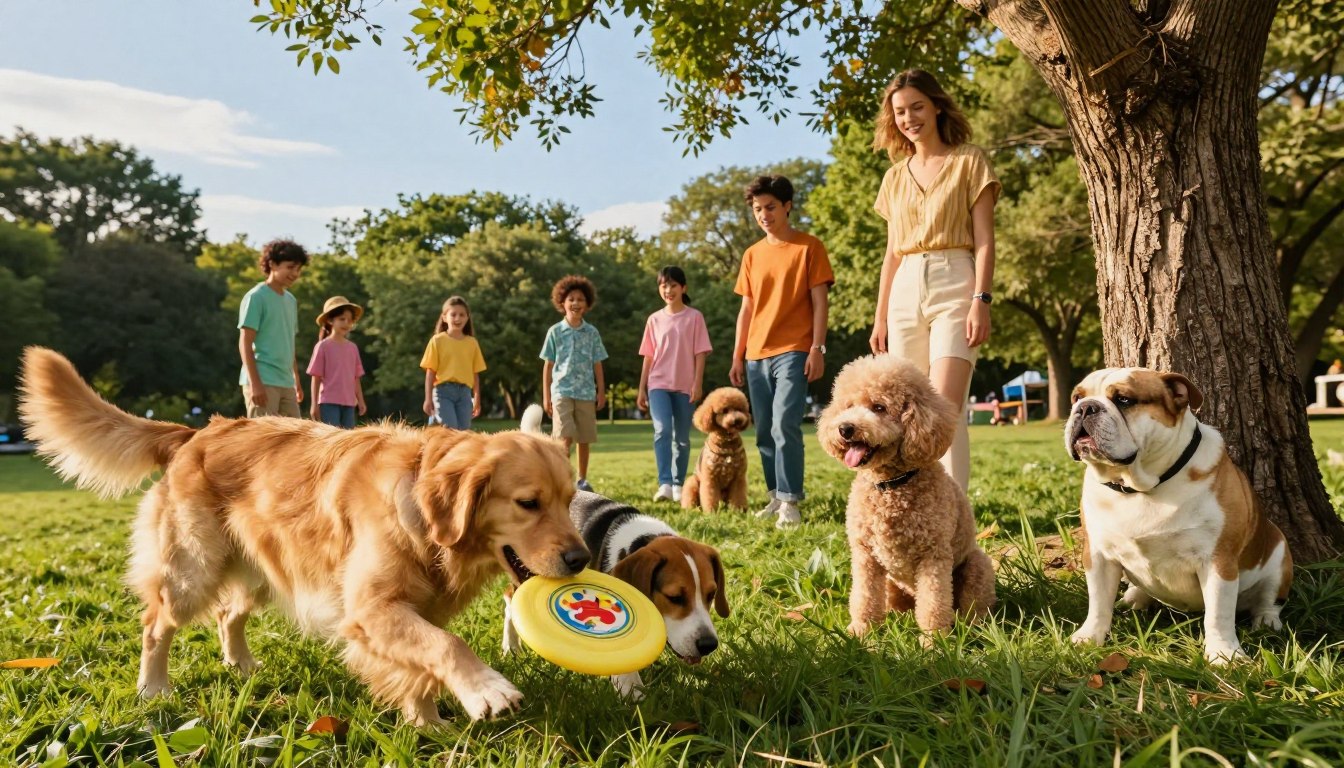
If you’re always on the move, you need a dog that keeps up. Many top dog breeds are full of energy and need lots of exercise. Finding the right dog means looking for one that matches your lifestyle.
Labrador Retrievers for Families Who Enjoy Outdoor Play
Labradors are a favorite because they’re friendly and love to move. They love swimming, playing fetch, and going for long walks. Their eager-to-please nature makes them great for families who love to explore.
Golden Retrievers for Hiking, Training, and Social Homes
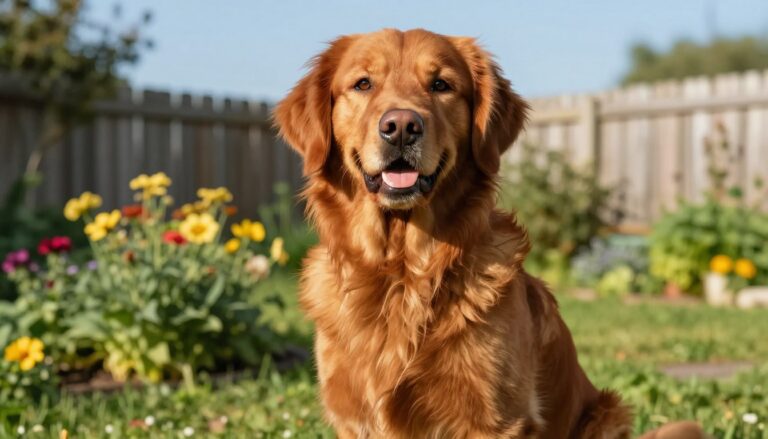
Golden Retrievers are perfect for trail lovers. They’re smart and easy to train, making them great for social settings. They need lots of exercise but are gentle and perfect for active families.
Border Collies for Owners Ready for Daily Mental Challenges
Border Collies are top picks for those who want a smart dog. They work hard and need mental challenges to stay happy. If you’re up for daily training, they’ll be incredibly loyal.
Australian Shepherds for Agility, Exercise, and Structured Activities
Australian Shepherds are highly energetic and love to work. They’re great at agility and need activities that challenge their minds. Active owners will find them focused and easy to train.
German Shorthaired Pointers for Running, Hunting, and Adventure
German Shorthaired Pointers are perfect for runners and hunters. They have boundless stamina and love to explore. They need lots of space and activities to keep them happy.
Siberian Huskies for Experienced Owners in Cooler Climates
Siberian Huskies love cold weather and are very active. They’re great for outdoor lovers but need an experienced owner. They’re independent and need a leader and lots of space to run.
Companion Dog Breeds for Apartments and Smaller Homes
Having a dog in a small home is possible. Many types of pet dogs do well indoors if they get enough attention and exercise.

French Bulldogs for Low-Exercise Urban Companionship
French Bulldogs are known for being calm and needing little exercise. They’re great for city living because they’re quiet and don’t need a big yard.
Cavalier King Charles Spaniels for Affectionate Household Life
These dogs love people and are very gentle. They fit well into a relaxed home, making them perfect for apartment living.
Pugs for Playful Companionship and Moderate Activity
Pugs add humor and charm to any home. They enjoy napping but also need short play sessions to stay happy and healthy.
Shih Tzus for Indoor Living and Manageable Exercise
Shih Tzus were bred for palace life. They’re happy with short walks and indoor games, making them great for small homes.
Boston Terriers for Social Owners Seeking a Compact Dog
Boston Terriers are known as the “American Gentleman.” They’re polite, social, and sturdy, making them a popular choice for those who want a compact, friendly dog.
Chihuahuas for Owners Comfortable With Small-Dog Training Needs
Chihuahuas may be small but they have big personalities. They need consistent training and socialization to stay confident and well-behaved in an apartment.
“A dog is the only thing on earth that loves you more than he loves himself.”
Why Barking, Heat Sensitivity, and Stairs Still Matter in Apartments
Even small breeds come with big responsibilities. Consider these factors for a peaceful living space:
- Noise Control: Some small breeds bark at sounds, so early training is key.
- Temperature Regulation: Flat-faced breeds struggle in heat, so keep your home cool.
- Accessibility: Stairs can be tough on small dogs’ joints, so think about elevators.
Choosing the right dog for a small home means committing to their care. With the right attention, these types of pet dogs will be loyal friends for years.
Family-Friendly Dog Breeds for Children and Multidog Homes
Choosing the right top dog breeds for your family is key. Look for breeds that are patient and get along well with others. They should fit well into your home, especially if you have kids or other pets.
How to Evaluate Patience, Sociability, and Handling Tolerance
When picking a dog breed, check their natural behavior. A breed that handles being touched a lot is better for kids.
See how the dog acts when it meets new things and other pets. You want a dog that stays calm and likes to play with everyone.
Newfoundland Dogs for Calm Families With Adequate Space
Newfoundlands are known for being gentle and patient. They need lots of room to move and relax.
Beagles for Playful Households That Can Manage Vocal Behavior
Beagles are fun and social, great for kids who like to play. But, they can bark a lot, so your family should be okay with that.
Standard Poodles for Trainability and Active Family Life
Standard Poodles are smart and easy to train. They’re perfect for families who love to be active and play outside.
Boxers for Energetic Families With Older Children
Boxers are playful and fun. They need a family with older kids who can keep up with their energy.
Mixed-Breed Dogs With Predictable Temperament Assessments
Many mixed-breed dogs have great temperaments. Look for shelters that test their behavior to make sure they fit your family.
Supervision, Safe Interactions, and Teaching Children Respectful Handling
Always watch your dog when they’re with kids. It’s important to teach kids how to handle dogs gently and safely.
- Teach children to avoid pulling on ears or tails.
- Show them how to approach a dog calmly and quietly.
- Ensure the dog has a safe space to retreat when they need rest.
By teaching kids to respect dogs, you make a safe place for everyone. Training and setting rules help keep your home happy and peaceful.
Dog Breeds for First-Time Owners
Starting your journey as a dog owner means picking a breed that fits your lifestyle. It’s not just about finding the best dog breeds. Success comes from matching a dog’s nature with your home environment.
Traits That Make a Dog Easier to Train and Manage
For first-timers, look for breeds that are eager to please and social. These dogs do well with positive training and are more patient with mistakes.
- Responsiveness: A dog that focuses on you during training sessions.
- Adaptability: The ability to settle down calmly after exercise.
- Manageable Care: Breeds that do not require complex, daily professional grooming.

Whippets for Gentle Indoor Companionship and Moderate Exercise
Whippets are great for beginners who want a calm home. They love to relax indoors but need to run safely outside.
“The Whippet is a gentle, affectionate companion that thrives on human interaction and requires very little maintenance beyond basic exercise.”
Bernese Mountain Dogs for Patient Owners With Space and Time
For those with lots of space and patience, the Bernese Mountain Dog is perfect. They are loyal and calm.
Remember, these big dogs need lots of socialization and training. They also require a lot of physical care.
English Springer Spaniels for Trainable, People-Oriented Homes
English Springer Spaniels are smart and love to work. They’re great for active families who want a dog that’s both trainable and affectionate.
They don’t like being alone for long. They need regular mental activities to stay happy.
Havanese Dogs for Adaptable Companionship and Positive Training
The Havanese is a small, strong breed that fits many homes. They respond well to positive training and love being with you.
They’re perfect for small homes because of their size. They’re among the best dog breeds for a cheerful companion.
Why Every Beginner Should Plan for Socialization and Veterinary Care
Choosing the right breed is just the start. You must commit to basic care. Early socialization is key to your dog’s confidence.
Good ownership also means planning for vet bills and health care. Always have a realistic budget for vet visits and health needs to keep your dog healthy.
Types of Pet Dogs Based on Grooming and Shedding Needs
Choosing the right types of pet dogs means considering their grooming and shedding needs. It’s not just about how much hair they leave behind. Your daily grooming commitment is key. Knowing these needs helps match a dog to your lifestyle.
Low-Shedding Breeds Such as Poodles and Portuguese Water Dogs
Poodles and Portuguese Water Dogs have coats that look like hair but shed very little. They’re great for those who want less hair around the house. But, their hair grows long, so they need regular trims to stay comfy.
Short-Coated Breeds With Simple Brushing but Seasonal Shedding
Short-coated dogs like Beagles or Boxers are easy to care for daily. A quick weekly brush keeps their coat in good shape. But, they shed more in spring and fall, needing extra attention then.
Double-Coated Breeds That Need Regular Brushing and Coat Maintenance
Double-coated dogs, like Huskies and Golden Retrievers, have a soft undercoat and a tough outer layer. This keeps them warm but needs regular brushing to prevent shedding. Without it, your home might get a lot of dog hair.
Long-Coated Breeds That Require Daily Grooming and Mat Prevention
Long-coated dogs, such as Shih Tzus or Collies, look beautiful but need a lot of care. Brushing them every day stops painful mats and tangles. If you skip this, they might need a full shave.
Hairless Dogs and Their Skin, Sun, and Temperature Requirements
Hairless breeds, like the Chinese Crested, don’t shed but need skin care. Their skin is sensitive to sun and cold. They need regular baths and moisturizing to stay healthy.
Why Low Shedding Does Not Mean Low Maintenance
Many think low-shedding dogs are easy to care for. But, they often need more grooming. This includes:
- Frequent haircuts to prevent overgrowth.
- Regular ear cleaning to avoid debris.
- Daily skin care to prevent dryness or irritation.
- Consistent brushing to avoid matting in curly textures.
| Coat Type | Shedding Level | Grooming Effort |
|---|---|---|
| Low-Shedding | Minimal | High (Professional) |
| Short-Coated | Moderate | Low |
| Double-Coated | High | High (Brushing) |
| Hairless | None | High (Skin Care) |
Unique Dog Breeds and Less Common Dog Types to Consider
Exploring beyond the most popular breeds opens a world of unique dog breeds. These dogs have special personalities and looks. Choosing different dog breeds can mean finding the perfect match for your lifestyle or style. Yet, these rare breeds need a deeper understanding of their unique needs.
Basenjis for Independent Owners Who Understand Their Vocal Style
The Basenji is known for not barking, but they’re not quiet. They make a unique yodel sound. These dogs are very independent and groom like cats, making them interesting for those who like a self-sufficient pet.
Chinese Cresteds for Owners Seeking a Distinctive Companion
The Chinese Crested is a dog that stands out. They come in hairless and “powderpuff” varieties. These dogs are loving and need lots of human interaction. They need careful skin care because they’re sensitive to cold and sunlight.
Greyhounds for Calm Homes That Can Meet Their Exercise Needs
Greyhounds are often thought to need lots of running. But they’re actually happy to relax after a quick sprint. They’re quiet and gentle, making them great for calm homes.
Leonbergers for Families Prepared for Giant-Breed Care
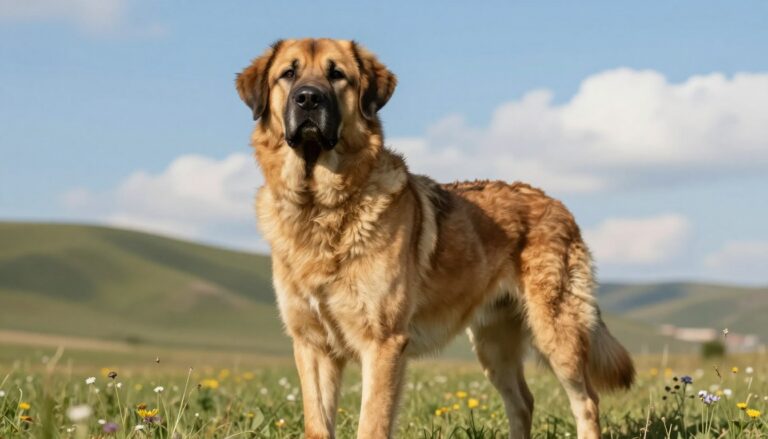
The Leonberger is a big dog with a gentle heart. They need lots of space and a big budget for food and vet bills. They’re great family dogs if you have enough room for them.
Shiba Inus for Experienced Owners Who Respect Independent Temperaments
Shiba Inus are bold and independent. They’re not always easy to please, which is why they’re best for experienced owners. Their fox-like look and clean habits are appealing, but they need consistent training.
What to Research Before Choosing a Rare or Specialized Breed
Rare breeds might not have many local resources. It’s key to research their health needs. Make sure to find breeders who care about the dog’s health and well-being, not just their looks.
| Breed | Primary Trait | Activity Level | Grooming Needs |
|---|---|---|---|
| Basenji | Independent | Moderate | Low |
| Chinese Crested | Affectionate | Low | High (Skin Care) |
| Greyhound | Calm | Low (Burst Energy) | Low |
| Leonberger | Gentle Giant | Moderate | High |
| Shiba Inu | Bold | Moderate | Moderate |
How to Compare the Best Dog Breeds for Your Lifestyle
Choosing the right dog is more than just picking a cute face. It’s about understanding your daily habits. By following a structured process, you can find a perfect match for your home and personality.
Build a Lifestyle Profile for Exercise, Housing, and Social Needs
Start by writing down your daily routine. Think about how much time you spend at home and how active you like to be. Your housing situation greatly affects which type of dogs are right for you.
Also, consider your social life. Do you like hosting guests or prefer quiet evenings? Knowing this helps narrow down your options.
Compare Breed Traits With Realistic Daily Commitments
Every breed has its own grooming, training, and mental stimulation needs. Be honest about how much time you can commit each day. If you can’t handle daily walks, a high-energy breed might not be the best fit.
Researching dog breeds helps match their traits with your lifestyle. Consistency is key for a long-term partnership.
Assess Health Risks, Life Span, and Expected Veterinary Expenses
Look into common health issues of specific dog breeds before deciding. Some breeds need more vet visits or special care as they age. Knowing their life span and medical costs prepares you for pet ownership.
Meet Adult Dogs and Ask Breeders or Rescues Specific Questions
Spending time with adult dogs is crucial. Visit breeders or shelters and ask about their history and behavior. Ask about their socialization and how they handle new environments.
Use Adoption, Fostering, and Professional Guidance to Reduce Mismatch
Fostering is a great way to test if a dog fits your life. Professional trainers and rescue groups offer valuable insights. They help you avoid a long-term mismatch, increasing your chances of finding the best dog breeds for you.
Conclusion
Choosing the right pet means looking at your lifestyle, home, and daily routine. Each dog has its own energy, grooming needs, and personality. You need to think about these things and your budget to care for them properly.
Looking into different breeds helps you know about health issues and social needs. It’s good to compare breeds to find the right fit for your home. Meeting dogs in person, whether at shelters or breeders, gives you a better idea.
Talking to vets or trainers helps you understand what caring for a dog really means. The best dog for you is one you can take care of for its whole life. Aim to build a strong bond with your pet based on respect and consistent care.