The First Dog Breed Revealed: A Guide to the World’s Most Ancient Dogs
Have you ever looked into your pet’s eyes and wondered about their deep history? There is a profound, silent connection that links your home to the dawn of human civilization. Our ancestors walked with ancient domesticated dogs, who came from gray wolves at the end of the Ice Age.
These early companions were not like the pets we know today. They helped humans survive harsh winters. But the most ancient dog breeds we know today were refined much later. Knowing this evolution is key for any owner.
By linking ancient evidence to today’s behavior, you can understand your pet’s instincts better. This guide helps you see the unique training needs and household fit of these historic lineages. Choosing the right partner means looking at their heritage and your lifestyle.
Table of Contents
What “First Dog Breed” Really Means
When you hear “first dog breed,” you might think of a single ancestor. But the truth is more complex. People often mix up the earliest domesticated animal with today’s show breeds. In reality, ancient canines didn’t have the strict looks or kennel club rules we see today.
“The history of the dog is the history of humanity itself, a long journey of mutual adaptation that defies simple categorization.”
Why no single modern breed can be proven to be the first dog
It’s natural to think one breed is the oldest. But, the archaeological record is not complete. Early dogs moved a lot and mixed with others, making it hard to find a single origin. Genetic evidence shows domestication likely happened in many places, not just one.
So, no modern breed is a direct, unchanged descendant of the first dog. While some early dog breeds have deep roots, they’ve changed a lot over time. They are just the latest part of a long story of survival.
How ancient domesticated dogs differ from the earliest wolves
Domestication changed dogs a lot. They got smaller teeth, shorter muzzles, and could eat starch-rich foods. Unlike wolves, they also didn’t react as strongly to humans.
This change in behavior was key to domestication. Humans chose dogs that were less aggressive and more attentive. This gradual change took many generations.
Why breed identity developed long after dog domestication
The idea of a “breed” is quite new in human history. For a long time, dogs were valued for their functional roles, like hunting or guarding. Humans bred them for specific tasks, leading to their unique looks.
It wasn’t until humans started caring more about looks and pedigree that breed identity really took off. Before, dogs were valued for their usefulness and ability to live with humans. Knowing this helps us see our dogs’ history as one of partnership, not just a certificate of origin.
How Researchers Identify Ancient Canines
Finding the oldest dog breeds is a tough job for scientists. They can’t just trust old stories or local tales. Instead, they use bones and DNA to learn about dog history.
What archaeological dog remains reveal about early dog populations
Scientists study dog bones to see how they lived. They figure out if dogs were for hunting, guarding, or just friends. Radiocarbon dating helps them know when these dogs lived.
Where dog bones are found is also important. Dogs buried with people show they were close friends. These clues help us understand historical dog breeds.
How DNA studies trace ancient and modern lineages
Genetics has changed how we see our pets’ past. Scientists use DNA to connect ancient wolves to today’s dogs. They use hybridization capture to get DNA from old bones.
By looking at DNA, scientists can go back in time. This shows which dogs today have the most historical dog breeds DNA. It’s a way to know what’s true and what’s made up.
Why genetic age, written history, and breed standards produce different answers
What a breed’s history says and what DNA shows can differ. Written stories might be based on pride or myths, not facts. Breed standards focus on looks, which can change fast.
Evidence that supports an ancient lineage
Real ancient dogs have consistent DNA and match archaeological finds. They often have special traits that have lasted for ages.
Claims that should be treated cautiously
Be careful of claims based on old pictures or vague stories. Many oldest dog breeds are called ancient because of where they come from. Always check for scientific studies before believing these claims.
| Method | Primary Focus | Reliability |
|---|---|---|
| Radiocarbon Dating | Chronological Age | High |
| Skeletal Morphology | Physical Function | Moderate |
| Genome-wide DNA | Genetic Lineage | Very High |
| Written Records | Cultural History | Low |
Most Ancient Dog Breeds Still Recognized Today
Many dog breeds have stayed the same for thousands of years. These ancient dog breeds show us what life was like long ago. When you get an ancient breed of dogs, you get a friend with deep instincts.
Basenji: Africa’s independently minded hunting dog
Origins, distinctive traits, and household fit
The Basenji comes from the Congo and doesn’t bark. It’s very smart but likes to do things its own way. They’re great for homes that want a quiet, clever pet.
Saluki: The desert sighthound associated with ancient Egypt
Exercise needs, temperament, and prey drive
The Saluki is built for speed in the desert. They need daily exercise to keep their hunting instinct in check. They’re calm indoors if they get enough activity.
Afghan Hound: A historic coursing dog from Central Asia
Grooming demands and training expectations
Afghan Hounds have long, beautiful coats that need a lot of grooming. They’re independent, so training needs patience and positive methods. They value their space and dignity.
Chow Chow: An ancient Chinese breed with a reserved nature
Temperament, socialization, and family compatibility
The Chow Chow is a loyal and dignified dog. They need early socialization to get along with others. They’re best for families who respect their need for quiet and space.
Akita: Japan’s powerful northern spitz breed
Protective instincts, size, and experienced-owner requirements
Akitas are big and brave, bred for hunting and guarding. They have strong protective instincts and need an experienced owner. They need a safe place and early training because of their size and strength.
Chinese Shar-Pei: A traditional guardian and working dog
Skin care, health concerns, and behavior considerations
The Shar-Pei has loose skin and a blue-black tongue. They need regular skin care and health checks. They’re naturally wary of strangers, making them good guardians.
Xoloitzcuintli: Mexico’s ancient hairless or coated companion
Coat varieties, skin protection, and adaptability
The Xoloitzcuintli has hairless and coated versions. Hairless ones need sun protection and moisturizing for their skin. They’re adaptable and loyal to their families.
Alaskan Malamute: A long-established Arctic hauling dog
Strength, energy level, and cold-weather needs
The Alaskan Malamute is strong and built for Arctic work. They need daily exercise to stay happy. Without work, they might get bored and destructive.
Siberian Husky: A historic sled dog shaped by Arctic travel
Stamina, escape tendencies, and exercise requirements
Siberian Huskies are known for their endurance and love of running. They’re great escape artists, so their yard must be secure. They need lots of outdoor activities to keep them happy.
Samoyed: A traditional herding and sledding companion
Social nature, grooming workload, and climate suitability
Samoyeds are friendly and love to be around people. Their thick coat needs frequent brushing to prevent matting. They’re best in cooler climates where they can stay active.
Ancient Breeds Organized by Their Original Working Roles
Understanding your dog’s personality can start with looking at their original jobs. Many focus on a breed’s age, but its historical tasks shape its behavior today. Knowing these roles helps you understand why your dog acts the way it does.
Sighthounds bred to locate and chase fast game
Sighthounds were made to spot prey from far away. They use incredible speed and sharp eyes, not smell, to track. This means they often chase anything moving fast in your yard.
Spitz breeds developed for hauling, hunting, and harsh climates
Spitz dogs came from cold places where they needed thick coats and endurance. They pulled sleds and kept camps warm. Today, they are independent and need lots of exercise to be happy.
Guarding breeds selected to protect homes, livestock, and property
Guarding dogs were bred to watch over their families. They are wary of strangers and fiercely protect their territory. They were more than pets; they were vital security assets needing a calm leader.
Primitive hunting dogs shaped by independent decision-making
Primitive hunting dogs made quick decisions on their own. This history of independence means they might not always listen to you. They are smart but often follow their own path.
Companion breeds connected to ritual, status, and daily household life
Not all ancient dogs worked hard. Many were bred for comfort, status, or rituals. These dogs focus on people and are great for home life, unlike the high-energy working dogs.
| Working Role | Primary Instinct | Energy Level |
|---|---|---|
| Sighthound | Visual Pursuit | High (Burst) |
| Spitz | Endurance/Hauling | High (Steady) |
| Guardian | Territorial Defense | Moderate |
| Primitive Hunter | Independent Problem Solving | High |
| Companion | Social Bonding | Low to Moderate |
Historical Dog Breeds by Region and Civilization
Many historical dog breeds come from the ancient civilizations that first domesticated them. These dogs adapted to their environments and human needs. This created a rich history of canines.
Ancient Egyptian and Middle Eastern dog lineages
In the Middle East and Egypt, dogs were bred for speed and endurance. They were sighthounds that could track game in vast deserts. Their lean bodies and sharp eyes helped them survive in harsh conditions.
East Asian breeds with long cultural histories
In East Asia, dogs were guardians or status symbols. They were kept in isolation, preserving their unique traits. These breeds are often reserved but loyal to their families.
Arctic and northern breeds adapted to extreme environments
Northern dogs had thick coats and high stamina for cold climates. They hauled sleds and helped with hunting. Their build is a result of living in the Arctic.
Indigenous American breeds with pre-Columbian roots
Indigenous cultures in the Americas had dogs for companionship and rituals. These ancient canines were part of daily life and spiritual practices. They developed independently, showing unique genetic lines.
Why regional history does not always prove uninterrupted modern breed ancestry
Regional history doesn’t always mean a direct link to the past. Migration, trade, and cross-breeding have changed dog populations. Even in regions with deep history, modern historical dog breeds may have changed a lot.
| Region | Primary Environment | Typical Working Role |
|---|---|---|
| Middle East | Arid Desert | Sighthound / Hunting |
| East Asia | Temperate / Mountain | Guardian / Companion |
| Arctic | Tundra / Ice | Sledding / Hauling |
| Americas | Diverse / Varied | Ritual / Hunting |
Traits You Can Expect From Ancient Dog Breeds
Getting a dog with a long history means you’re getting a special set of instincts. These ancient dog breeds often have temperaments shaped by their past roles. Knowing these traits helps you build a strong bond with your dog.
Independence and selective responsiveness during training
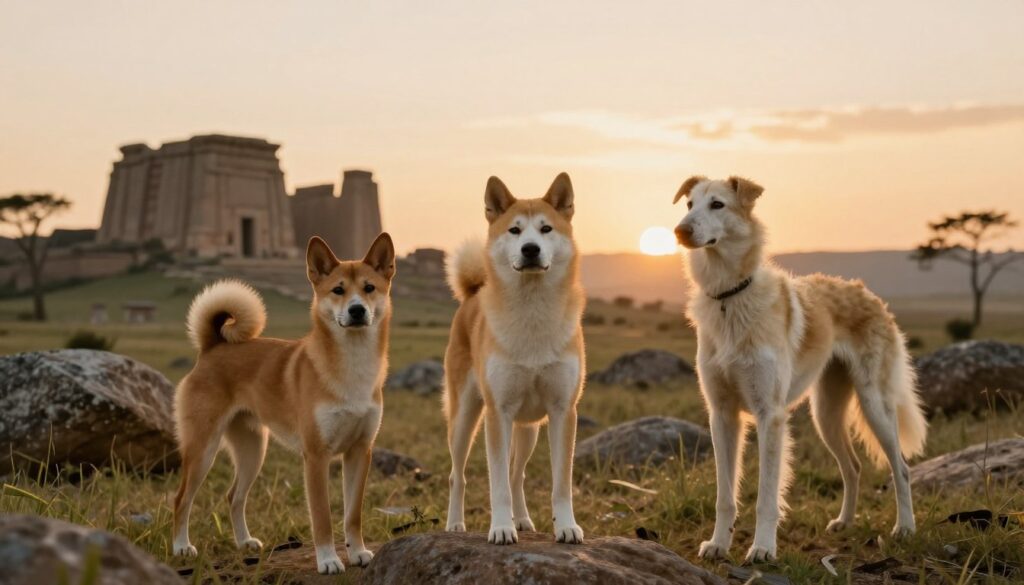
Many ancient domesticated dogs were bred to act on their own. This history makes them think for themselves, not always waiting for commands. Training them with rewards works better than old methods.
High prey drive and instinctive hunting behaviors
These dogs were bred to hunt, so they have a strong prey drive. They watch their surroundings closely. Keeping them on a leash in open areas is safest.
Strong territorial awareness and reserved social behavior
These breeds were made to guard, so they’re very territorial. They’re loyal but may seem reserved or aloof to outsiders. This isn’t aggression, but a sign of their protective nature.
High exercise requirements in working and primitive breeds
These dogs were built for long tasks, like hauling sleds or tracking. They need substantial daily exercise to stay happy and healthy. Without it, they might get bored or destructive.
Why early socialization matters more than breed age alone
It’s a myth that a breed’s age determines its personality. Early socialization is key to a dog’s behavior. Introduce your puppy to different people, places, and sounds early. This shapes a well-adjusted dog, no matter their breed history.
Which Ancient Breed Fits Your Family and Lifestyle?
Finding the right dog from the oldest dog breeds means matching your lifestyle with their instincts. These dogs were bred for survival tasks, so their behavior is deeply ingrained. Before getting a dog, think if your home can meet their needs.
Best options for active owners who enjoy outdoor exercise
If you love hiking or running, breeds like the Siberian Husky or Alaskan Malamute are great. They have lots of energy and love to work. Active engagement keeps them happy and sharp.
Breeds better suited to experienced dog owners
Dogs like the Akita or Chow Chow are independent and stubborn. They need a handler who knows how to train them. They’re not for beginners.
Ancient breeds that may adapt to family life with children
Some ancient dogs are friendly and gentle, like the Samoyed. But, they need early socialization to be comfortable with kids.
“The true measure of a dog’s compatibility is not its history, but its ability to integrate into the rhythm of your daily life.”
Considerations for apartments, urban homes, and smaller yards
City living means choosing a dog that’s okay with small spaces and noise. Many ancient breed of dogs are alert and may bark if they feel threatened. Choose breeds with lower energy if you don’t have a big yard.
Breed characteristics that may conflict with cats or small pets
Many hunting dogs have a strong prey drive. This can be hard to train away. Be careful when choosing an ancient breed of dogs if you have cats or small pets. Watch how they react to them first.
Match daily energy needs before choosing by appearance
It’s easy to fall in love with a dog’s looks. But, their daily energy needs are more important. A bored dog will often get into trouble, no matter its breed.
Evaluate independence, grooming, noise, and guarding tendencies
Think about grooming needs and if you can handle a dog that’s wary of strangers. Knowing these traits helps find the perfect dog for your home.
| Breed Type | Energy Level | Training Difficulty | Best Environment |
|---|---|---|---|
| Sledding Dogs | Very High | Moderate | Large Yard/Active |
| Guard Breeds | Moderate | High | Secure Home |
| Primitive Hunters | High | High | Rural/Active |
| Companion Types | Low to Moderate | Moderate | Family Home |
Health, Training, and Ownership Costs to Consider
Getting a historical dog breed means big responsibilities. You need to get ready for their special needs. These dogs need the right care to be happy in your home.
Common health screening questions to ask responsible breeders
When you talk to a breeder, ask about health tests. Good breeders check for genetic problems to keep their dogs healthy.
- Have the parents been screened for hip and elbow dysplasia?
- Are there recent certifications for hereditary eye diseases?
- Has the breeder performed cardiac evaluations to rule out congenital heart issues?
- Can you see documentation for breed-specific skin or allergy testing?
Training approaches for intelligent but independent dogs
Many early dog breeds are smart but like to do their own thing. Old ways of training might not work for them.
Use positive reinforcement to teach them. Reward them with treats, play, or praise. Being consistent is key, as they like to test rules.
Grooming, exercise equipment, food, and veterinary expenses
Buying a puppy is just the start. You’ll need to budget for ongoing costs like:
| Expense Category | Estimated Frequency | Key Considerations |
|---|---|---|
| Veterinary Care | Annual/Emergency | Routine exams and emergency savings |
| Premium Nutrition | Monthly | High-quality food for active breeds |
| Professional Grooming | Bi-weekly/Monthly | Essential for thick or long-coated dogs |
| Training Supplies | One-time/Ongoing | Leashes, harnesses, and puzzle toys |
Why ancient lineage does not guarantee better health
It’s wrong to think old breeds are always healthier. Even ancient dogs face today’s health problems and genetic issues.
Choose a breeder who does evidence-based health testing. Good vet care is key to a happy, long life for your dog.
How adoption and breed-specific rescue can expand your options
Think about adopting an adult dog if you don’t want a puppy. Breed-specific rescue groups have dogs that are already trained and socialized.
Adopting an adult dog lets you see their true personality and health right away. It’s a rewarding way to give a loving home to a dog in need.
How to Choose an Ancient Breed Responsibly
Choosing a dog from the most ancient dog breeds needs careful thought. Their history is fascinating, but you must think if they fit your life and home.
Compare temperament and daily care requirements before appearance
It’s tempting to love the looks of ancient dogs. But, their personalities are complex. They often need a lot of freedom and can chase prey, needing consistent management.
Verify breeder practices, health testing, and puppy socialization
Look for breeders who share health records and genetic tests. A good breeder cares more about the puppy’s health than the breed’s history.
- Request documentation for hip and eye screenings.
- Ask about the puppy’s early exposure to various environments.
- Ensure the breeder is available for ongoing support after you take the dog home.
Research local climate, housing rules, and veterinary access
Think if your area’s weather is right for the breed. Some struggle in hot weather, while others face housing restrictions.
Meet adult dogs to assess real-world behavior
Meeting an adult dog is better than just reading about it. Watch how they act, their energy, and how they interact with others.
Use a practical decision checklist for your household
Use this table to see if you’re ready for these special dogs.
| Requirement | Low Demand | High Demand |
|---|---|---|
| Daily Exercise | 30 Minutes | 2+ Hours |
| Training Level | Beginner | Advanced |
| Grooming Needs | Minimal | Daily Brushing |
Confirm exercise time, training experience, and grooming capacity
Be real about your daily life and strength. Many most ancient dog breeds need lots of exercise and mental work to stay happy.
Plan for the dog’s needs throughout its entire lifespan
Think about the long-term costs and emotional commitment of owning a dog. Make sure you can get special vet care and have a plan for when you’re away.
Conclusion
The quest to find the first dog is intriguing. No modern breed is the original because dogs were domesticated before breed standards were set. The Kesslerloch dog, dating back 14,200 years, gives us genetic insights. But, the history of dogs is much more complex than a simple list.
When picking a pet, don’t just look at ancient breeds. Think about what fits your life. Consider the dog’s personality, how much exercise it needs, and how much grooming it requires. These things are key to being a good owner.
Being a responsible dog owner means you’re committed for the dog’s whole life. Check if your home and schedule can handle the dog’s needs. Choosing an ancient breed can be rewarding if you focus on finding the right match for your home and lifestyle.