Best Bird Dogs: Hunting Breeds Known for Excellent Field Performance
There is a profound silence that falls over the marsh just before sunrise. In those quiet moments, your only companion is the steady, rhythmic breathing of your loyal partner waiting by your side. Choosing the best bird dogs for your specific needs is more than a simple purchase; it is the start of a lifelong partnership built on trust and shared adrenaline.
Success in the field relies heavily on the unique genetic traits of your canine. Whether you need a sharp pointer to locate hidden game or a tireless retriever to navigate thick brush, understanding these instincts is vital. Field performance is deeply rooted in a breed’s natural drive and temperament.
By identifying the right match for your hunting style, you ensure a more productive season. We will explore how these specialized animals excel in diverse American landscapes. This will help you find a teammate that truly understands your rhythm in the wild.
Key Takeaways
- Selecting the right breed is essential for maximizing your success during hunting seasons.
- Genetic traits dictate whether a canine excels at pointing, tracking, or retrieving game.
- A strong bond between hunter and animal improves communication and efficiency in the field.
- Different environments across the United States require specific physical and mental capabilities.
- Understanding breed history helps you anticipate your partner’s behavior in challenging terrain.
Understanding the Traits of the Best Bird Dogs
Looking for the best bird dogs means more than just their looks. They need a mix of physical strength and sharp thinking. This combo helps them do well, even when things get tough.
Physical Stamina and Endurance
The best bird dogs need lots of energy to handle tough terrain for hours. They must stay strong whether you’re walking through thick brush or wading through wetlands. Endurance is about keeping a steady pace all day, not just being fast.
Natural Instincts and Temperament
A dog’s instincts are key to its field performance. The best bird dogs have a strong desire to chase and find game. They also need to stay calm and focused, without getting too distracted.
Trainability and Eagerness to Please
Having a good connection with your dog is crucial for hunting success. Top hunting breeds are eager to learn and please, making training easier. A dog that’s easy to train can quickly pick up new commands and fit your hunting style.
| Trait | Importance | Impact on Hunting |
|---|---|---|
| Stamina | High | Allows for all-day performance |
| Prey Drive | Critical | Ensures game detection |
| Trainability | High | Facilitates clear communication |
| Temperament | Moderate | Maintains focus in the field |
The Versatile Pointers: English Pointers and German Shorthaired Pointers
When you look for the top bird dog breeds, pointing dogs are often at the top. They have a natural talent for finding game and staying still until you get there. This skill is key for hunters who need accuracy in the field.
English Pointers: The Kings of the Field
English Pointers are known for their speed and wide search areas. They cover a lot of ground with grace and efficiency. Their ability to freeze when they find a bird is famous among fans.
These dogs stay focused during the hunt. As one of the top bird dog breeds, they need a handler who can keep up. Their focus on the game means you rarely miss a shot.
German Shorthaired Pointers: The All-Around Athlete
German Shorthaired Pointers are great for different environments. They are remarkably versatile, working well in fields and water. They are closer to the hunter, which is good in thick cover.
They have a balanced nature, eager to hunt and please. This makes them easy to train for various hunting tasks. Their endurance lets them perform well all day.
Key Field Performance Characteristics
Knowing the traits of these top bird dog breeds helps you pick the right one. The table below shows the main differences in their field performance.
| Characteristic | English Pointer | German Shorthaired Pointer |
|---|---|---|
| Search Range | Wide and Fast | Moderate and Thorough |
| Primary Terrain | Open Fields | Versatile/Mixed |
| Retrieving Ability | Limited | Strong/Natural |
| Training Focus | Steadiness | Versatility |
The Reliable Retrievers: Labrador Retrievers and Golden Retrievers
Retrievers are among the top bird dog breeds for hunters. They have the strength and calmness needed for hunting. Their ability to adapt to different terrains is unmatched.
Labrador Retrievers: Unmatched Waterfowl Performance
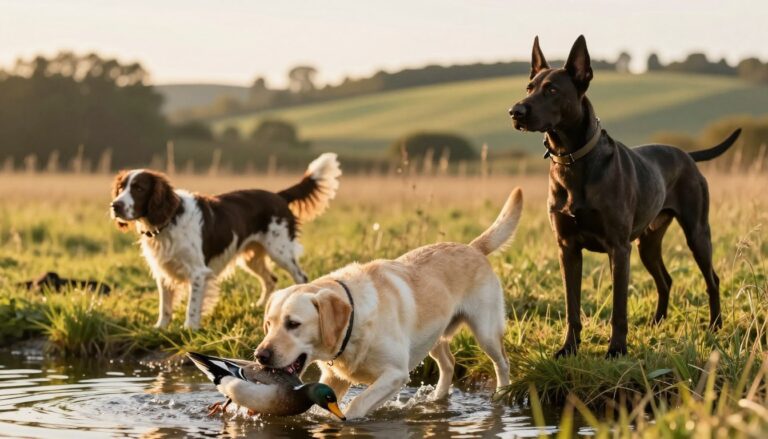
The Labrador Retriever is the best for waterfowl hunting. Their coats and swimming skills let them retrieve game in tough conditions. They are naturally driven and very popular in the U.S.
Golden Retrievers: Combining Intelligence with Soft Mouths
Golden Retrievers are smart and have a “soft mouth.” This means they can pick up birds without harming them. Their desire to please helps them follow complex commands during hunts.
Training for Upland and Water Environments
To get the most out of these top bird dog breeds, you need a good training plan. Focus on building their confidence in water and on land. Being consistent is crucial for a dog that can handle different hunting spots.
“The secret to a great retriever is not just their natural instinct, but the patience you invest in their early development. A well-trained dog is a reflection of the time spent in the field together.”
| Breed | Primary Strength | Temperament | Water Ability |
|---|---|---|---|
| Labrador | Waterfowl Retrieval | High Energy | Excellent |
| Golden | Soft Mouth/Retrieval | Gentle/Focused | Very Good |
| Chesapeake | Cold Water Endurance | Determined | Superior |
The Energetic Setters: English Setters and Irish Setters
English and Irish Setters are top bird dog breeds for those who love style and stamina. They are known for their elegant movement and ability to cover a lot of ground. Their sophistication in the field is unmatched by few other breeds.
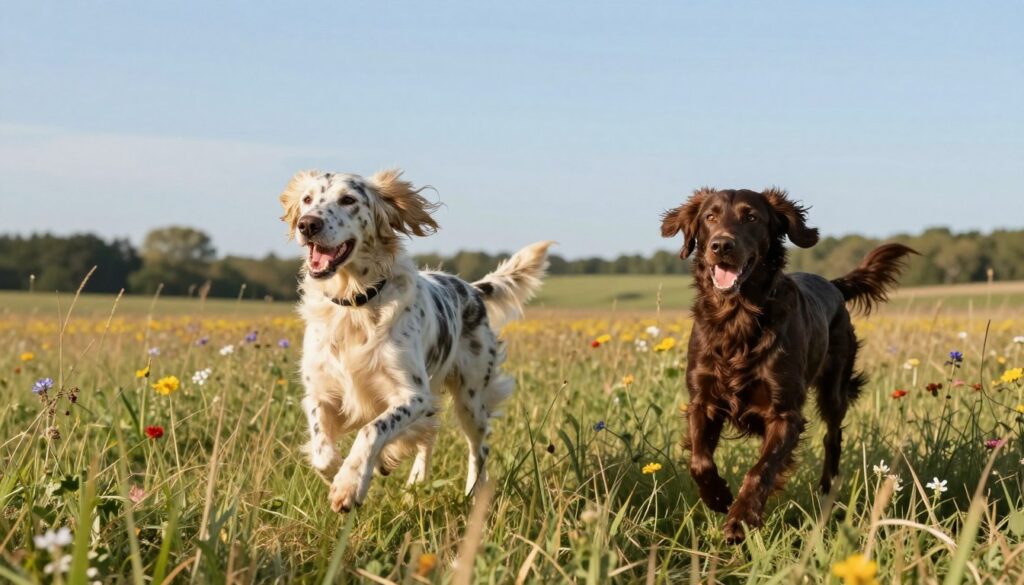
English Setters: Grace and Precision in the Brush
English Setters are loved for their calm nature and precision in dense cover. They have a natural instinct to hold a point, making it safe to approach your target. Their soft, feathered coats and steady temperament make them great companions for long days in the field.
Irish Setters: Speed and Style in Upland Hunting
Irish Setters are perfect for those who want a dog with unmatched speed and style. They have vibrant mahogany coats and a high-energy approach to hunting. They excel in open landscapes, showing off their natural athleticism and drive.
Managing High-Energy Breeds
These dogs are very energetic, so they need consistent training to stay focused. They need lots of mental and physical exercise to prevent boredom. Structured obedience drills help keep these top bird dog breeds disciplined and responsive to commands.
| Breed | Primary Strength | Field Style | Energy Level |
|---|---|---|---|
| English Setter | Precision | Graceful/Steady | High |
| Irish Setter | Speed | Flashy/Athletic | Very High |
| Combined | Versatility | Adaptable | High |
Specialized Upland Breeds: Brittanys and Vizslas
If you love hunting in dense cover, upland bird hunting dogs are perfect for you. These dogs are built for tough terrains, making your hunt better and more fun. Pick a dog that fits your hunting spot for a great day out.
Brittanys: Compact Powerhouses for Dense Cover
The Brittany is a remarkable hunter. It can move through thick brush easily. Their small size and endless energy make them great hunting buddies.
Vizslas: The Close-Working Velcro Dogs
Vizslas are known as “Velcro dogs” because they love to stay close. This is super helpful in dense woods. They always check in, keeping you and them as a team.
“A hunting dog is not just a tool, but a partner that shares your heartbeat in the field.”
Why These Breeds Excel in Specific Terrains
When picking between upland bird hunting dogs, think about their body type. Brittanys do well in tight spots because they’re agile. Vizslas are great in areas where you need to stay close.
| Breed | Primary Strength | Field Style |
|---|---|---|
| Brittany | Agility in Brush | High-Speed Search |
| Vizsla | Close Proximity | Methodical Tracking |
| Both | Versatility | Upland Bird Hunting Dogs |
Both breeds are exceptional for hunting. Knowing their strengths helps you choose the right dog for your hunting grounds. Whether it’s a Brittany’s agility or a Vizsla’s loyalty, you’ll do great.
Selecting the Right Breed for Your Hunting Style
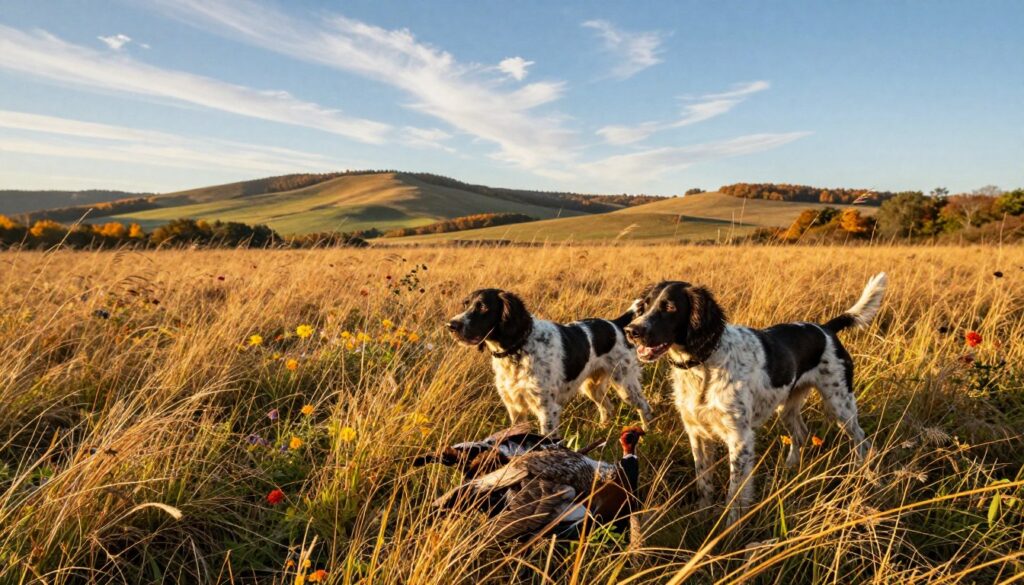
Your success in hunting depends on your dog’s drive matching your style. Choosing the right dog is a big decision. It affects your fun and how well you hunt together. By knowing what you need, you can find a great bird dog for you.
Matching Dog Energy to Your Hunting Frequency
If you hunt every weekend, you need a dog with lots of energy. Dogs with boundless energy need to stay active all the time. If you hunt less often, a dog that can relax at home might be better.
Think about how long you hunt each time. Dogs that love to move can get bored if they’re not active. Choosing a dog that matches your hunting schedule keeps them happy and healthy.
Considering Your Local Habitat and Game Species
The place you hunt is key when picking a dog. For dense forests, a small, agile dog is best. But for open fields, a dog that can run far and fast is better.
Also, think about the game you hunt. For waterfowl, a dog with a thick coat and love for water is needed. For upland hunting, a dog with a good nose and can stay still is best. Here’s a table showing how different traits fit different hunting places.
| Hunting Environment | Ideal Breed Trait | Best Bird Dogs Category |
|---|---|---|
| Dense Brush | Compact and Agile | Brittanys |
| Open Prairies | High Speed and Range | English Pointers |
| Wetlands | Water-Resistant Coat | Labrador Retrievers |
| Mixed Terrain | Versatile and Balanced | German Shorthaired Pointers |
Essential Hunting Dog Training Tips for Success
Turning a puppy into a reliable hunting partner starts with key hunting dog training tips. A well-trained dog is more effective, safer, and more fun to work with. Consistency is key to your success.
Establishing Basic Obedience Commands
First, build a strong obedience foundation. Commands like sit, stay, and come are essential. They help you control your dog, even when they’re excited by game.
Start training in a quiet place with few distractions. As your dog gets better, move to busier areas. Always reward good behavior with treats or praise.
Introducing Your Dog to Gunfire Safely
Teaching your dog to handle gunfire is delicate and requires caution. Never expose a young dog to loud noises without preparation. A bad experience can lead to gun shyness, which is hard to overcome.
Start by playing gunfire recordings at low volumes while your dog eats or plays. If they stay calm, slowly increase the volume. Then, practice in a field with a blank pistol from a distance.
Developing Field Discipline and Steadiness
Teaching steadiness is crucial for a hunting dog. It helps them stay calm and focused until you say to retrieve or flush. Without this, a dog might chase birds too early.
Use a long lead to keep your dog steady when they see a bird. Reward them for staying still. Over time, they’ll learn that patience leads to success in hunting.
| Training Phase | Primary Goal | Success Metric |
|---|---|---|
| Foundation | Basic Obedience | 90% Recall Rate |
| Intermediate | Gunfire Exposure | Zero Fear Response |
| Advanced | Field Steadiness | Holding Point on Command |
Sourcing Quality Dogs from Reputable Bird Dog Breeders Near Me
When you start looking for trained bird dogs for sale, the breeder you choose is key. Finding a breeder that fits your hunting style takes time and research. Look for bird dog breeders near me who care deeply about their dogs’ health and longevity.
Evaluating Health Clearances and Genetic Testing
A good breeder will show you health records for their dogs. Ask for genetic testing to check for common health issues. These tests help avoid problems like hip dysplasia or eye issues that could cut a dog’s hunting career short.
Make sure the parents have health clearances from trusted organizations. Buying a healthy puppy saves you from future stress and costs. Don’t choose a breeder who can’t show you these important records.
Observing Parent Dogs in the Field
Watching the parents in action gives you insight into the puppy’s potential. Try to visit the kennel to see the dogs in their natural habitat. Look for their natural hunting instincts, focus, and how well they follow commands.
Notice how the dogs act with their handlers during training. A dog that’s calm and confident in the field usually comes from good breeding. Seeing this firsthand shows the breeder values both performance and health.
Questions to Ask Before Purchasing Trained Bird Dogs for Sale
Before you decide, make a list of questions for the breeder. You want to know their training methods and how they socialize puppies. Asking the right questions helps you invest wisely in trained bird dogs for sale.
- What specific health screenings have been performed on the sire and dam?
- How are the puppies exposed to gunfire and field environments?
- Can you provide references from previous owners of your dogs?
- What kind of ongoing support do you offer after I take the puppy home?
By asking these questions, you build trust with your breeder. Choosing the right partner is crucial for successful hunting seasons.
Must-Have Bird Dog Training Equipment and Hunting Dog Supplies
Your success in the field often depends on the quality of your bird dog training equipment and hunting dog supplies. The right tools help your dog stay focused, safe, and responsive. This ensures clear communication, even when your dog is far away.
Electronic Collars and Remote Training Tools
Modern electronic collars are key when you’re far from the truck. They let you give instant feedback, which is vital in distracting places. Make sure the system has adjustable levels to communicate well without stressing your dog.
Whistles and Lanyards for Field Communication
A good whistle is better than your voice in wind and heavy cover. It helps you direct your dog with precision. Keep your whistle on a strong lanyard for easy access when needed.
Essential First Aid and Field Care Kits
Outdoor activities can lead to injuries that need quick care. A well-stocked first aid kit is crucial. It should have antiseptic wipes, sterile gauze, and self-adhering bandages.
Also, add saline solution for eyes and a tick removal tool. Being prepared for small emergencies helps your dog stay safe. Always check your gear to ensure it’s ready for the next hunt.
Creative and Classic Best Bird Dog Names
Choosing the best bird dog names is a big step in your journey with a new hunting partner. It shows your dog’s personality, breed, and your love for the outdoors. A good name is key for clear communication in the field.
Traditional Names Inspired by Hunting Heritage
Many hunters like names that celebrate the history of sporting dogs. These names bring to mind misty mornings and the special bond between humans and dogs. Timeless names like Duke, Belle, Scout, or Gunner are popular because they’re clear and sharp.
Traditional names also honor your dog’s breed heritage. For example, German names like Fritz or Heidi suit German Shorthaired Pointers. Classic English names like Winston or Daisy are great for setters and retrievers. These names show respect for your dog’s hard work.
Modern and Unique Names for Your New Partner
For something different, modern names offer endless choices. You might choose names inspired by nature, geography, or favorite hunting spots. Names like River, Cedar, Ridge, or Aspen reflect the wild places you’ll explore together.
When picking the best bird dog names, think about how the name sounds in a loud field. Short, simple names are easier for dogs to hear. Personalization is important, so pick a name that fits your dog’s spirit.
| Category | Classic Options | Modern Options |
|---|---|---|
| Field-Inspired | Hunter, Scout | Ridge, Timber |
| Heritage-Based | Duke, Belle | Klaus, Freya |
| Personality-Driven | Ace, Lady | Bolt, Echo |
Conclusion
Choosing the right hunting partner is all about your goals and where you hunt. The breed you pick affects every morning in the woods or marsh. A good hunt begins long before you load your shotgun.
Training consistently builds a strong bond that lasts. Focus on clear communication and patience during practice. Quality gear from brands like Garmin or SportDOG keeps your dog safe and under control.
Working with good breeders gives your puppy a strong start. You’ll feel confident when you see your dog’s instinct and precision. This preparation is key to a successful hunt.
Bird hunting is a rewarding journey. Share your adventures with local clubs or online groups to improve. Each outing makes your bond with your dog stronger.