Excellent Family Dogs for Kids, Parents, and First-Time Owners
Bringing a new pet home is a transformative experience. It fills your space with warmth and laughter. You’re not just getting a pet; you’re getting a loyal friend who will grow with your kids and share in your life’s moments.
Choosing the right breed is a significant decision. It needs careful thought and preparation. By picking excellent family dogs that fit your lifestyle, you create a harmonious home. This journey requires a long-term commitment to training, health, and love to help your pet thrive.
Whether you’re a first-time owner or an experienced pet parent, knowing your dog’s needs is key. Let’s look at how to find the perfect pet for your family.
Table of Contents
Understanding the Needs of Your Family
Finding the perfect dog starts with knowing your family well. Before getting a pet, think about your daily life. This ensures you pick the best family dog breeds that fit your home. This step makes the transition smoother for everyone.
Assessing Your Lifestyle and Activity Level
Your daily life affects the dog you should get. If you love outdoor activities, a high-energy dog is perfect. But, if you prefer a calm home, look for breeds with a relaxed nature.
Think about these when checking your activity level:
- How much time you have for walks.
- How often you can train your dog.
- How much you travel or are away from home.
Considering Space and Living Arrangements
Your home’s size matters a lot. Some dogs need big yards, while others are happy in small spaces. Finding the great family dog breeds that fit your home is key for peace.
Consider your living situation:
- Outdoor access: Do you have a yard or use public parks?
- Indoor space: Is there room for a big dog to move?
- Building rules: Are there rules about dog size or breed in your building?
Involving Children in the Decision-Making Process
Getting your kids involved is a great idea. It builds excitement and teaches them about responsibility. When kids help pick the great family dog breeds, they feel more connected to the new pet. This teaches them that dogs need care and respect.
You can involve them by:
- Reading books about different dog types together.
- Talking about who will do what for the dog.
- Visiting shelters to see how dogs act around people.
Characteristics of Excellent Family Dogs
When looking for top family-friendly pets, temperament is key. A dog’s personality affects how well they fit into your life. You want a pet that stays calm, even when things get loud or messy.
The Importance of a Patient Temperament
A patient dog is essential for families with young kids. These dogs handle noise and sudden movements well. They don’t get easily startled or aggressive.
Choosing a breed known for being gentle ensures your pet is a steady, comforting presence.
“The ideal family dog is one that views the world with curiosity rather than fear, maintaining a steady heart even in the midst of play.”
Predictability and Socialization Skills
Predictability is crucial for family-friendly canine companions. You want a dog that reacts consistently to commands and changes. This makes you feel confident when you’re out or at social events.
Early socialization is key to developing this stability. It exposes your pet to different sights, sounds, and people when they’re young.
Well-socialized dogs are more confident and less anxious. Training early helps them navigate the world gracefully. This is important for a peaceful home environment.
Health and Longevity Considerations
The physical health of your pet is also important. Choosing a breed with good health and longevity means your family-friendly canine companions can be active for many years. Regular vet visits and genetic wellness are crucial to avoid health issues.
The table below shows the main traits of top family-friendly pets. It helps you see what’s most important for your family:
| Trait | Importance | Impact on Family |
|---|---|---|
| Patience | High | Handles child play safely |
| Predictability | High | Reduces household stress |
| Socialization | Medium | Improves public behavior |
| Health | High | Ensures long-term companionship |
Top Breeds for Active Families with Children
Active families need a dog that can keep up with all the fun. The right dog makes sure your pet is happy and part of the family. These best family dog breeds are full of energy and loyal, perfect for kids who love to play.
The Energetic and Loyal Golden Retriever
Golden Retrievers are known for their gentle disposition and loyalty. They are great for long walks and camping trips. They love being part of family activities.
The Playful and Intelligent Labrador Retriever
Labradors are top picks for families. They are friendly and smart. They love to play and learn, making training fun for everyone.
The Versatile and Friendly Vizsla
The Vizsla is perfect for those who want a high-energy dog. They love to be with their family and need lots of exercise. This keeps them calm and happy at home.
To keep these active breeds healthy, consider the following essential care requirements:
- Daily Exercise: At least 60 minutes of vigorous activity like running or swimming.
- Mental Stimulation: Puzzle toys and advanced obedience training to keep their minds sharp.
- Social Interaction: Regular playdates or trips to the park to satisfy their need for companionship.
| Breed | Energy Level | Best Activity |
|---|---|---|
| Golden Retriever | High | Hiking |
| Labrador Retriever | High | Swimming |
| Vizsla | Very High | Running |
Choosing from these best family dog breeds brings joy and energy to your home. With the right care, you’ll have a strong bond with your pet. These great family dog breeds are the perfect companions for an active family.
Best Low-Maintenance Breeds for First-Time Owners
Starting your pet journey means finding dogs that are loving but easy to care for. The right breed can make bringing home a pet stress-free. These ideal family companion animals have the right energy and are very friendly.
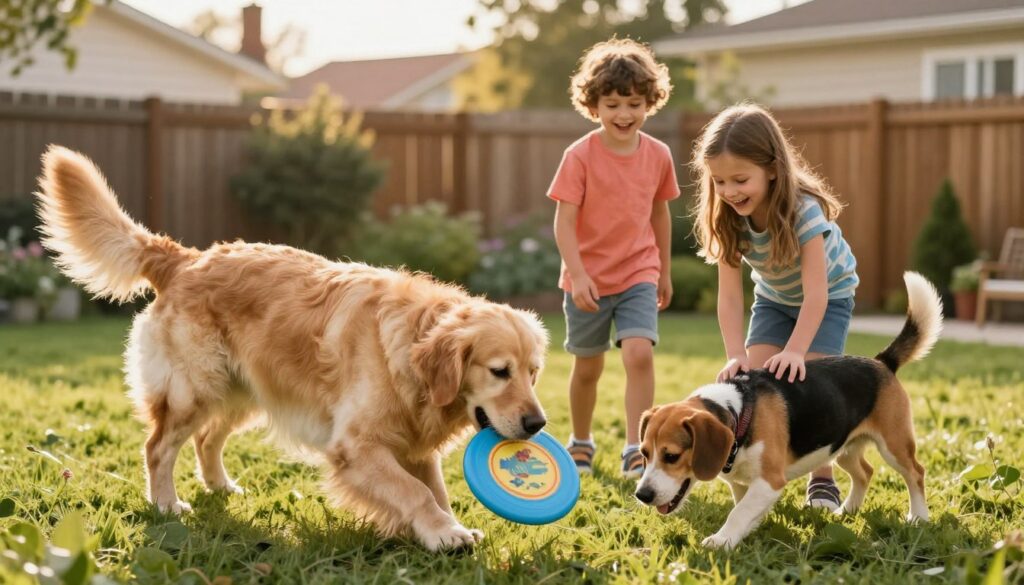
The Gentle and Affectionate Cavalier King Charles Spaniel
The Cavalier King Charles Spaniel is known for its sweet and loving nature. They fit well in both small and big homes. They love people and are exceptionally patient with kids, making them great for new owners.
“A dog is the only thing on earth that loves you more than he loves himself.”
The Calm and Composed Bichon Frise
The Bichon Frise is perfect for those who want a dog that stays happy and calm. They are known for their composed temperament and fun nature. They don’t need a lot of exercise, making them great for families who like a calm day.
The Adaptable and Easy-Going Pug
Pugs are loved for their fun and easy-going attitude. They adapt well to different homes and need less grooming than many breeds. As ideal family companion animals, they bring joy and companionship without needing lots of exercise.
Choosing one of these breeds makes starting your pet journey easy and fun. By picking these top dogs for families, you get a loyal friend without too much work. Each breed offers a special mix of love and simplicity, making them perfect for your home.
Gentle Giants That Are Perfect Family Pets
Large dog breeds, known as gentle giants, add calm to any home. Their size might seem scary at first, but they are often the top family-friendly pets. They are great with kids, acting as both guardians and playmates.
Before getting one of these big dogs, think about their needs. They need ample space and a good diet for their size. The right home ensures they stay healthy and happy for years.
The Patient and Protective Newfoundland
Newfoundlands are known for their kindness and patience. They are natural swimmers and watch over children. Their thick fur needs regular grooming, but their loyal and steady temperament is worth it.
The Calm and Devoted Bernese Mountain Dog
Bernese Mountain Dogs love being around people. They are calm, composed, and very devoted. They handle family life well, making them reliable family-friendly canine companions.
The Friendly and Gentle Irish Wolfhound
Irish Wolfhounds are tall but gentle and quiet inside. They love their family and get along with other pets. They need exercise but enjoy relaxing with you afterwards, showing they are top family-friendly pets.
| Breed | Temperament | Grooming Needs | Activity Level |
|---|---|---|---|
| Newfoundland | Patient & Protective | High | Moderate |
| Bernese Mountain Dog | Calm & Devoted | Moderate | Moderate |
| Irish Wolfhound | Friendly & Gentle | Low | Moderate |
Small Dog Breeds That Thrive in Household Environments
Small dog breeds are perfect for busy homes. They fit well in apartments or small houses. These pets are great for families because they easily adjust to your life.
These dogs are full of life and fun. They are strong and love to play with kids. Knowing what they need helps keep them happy at home.
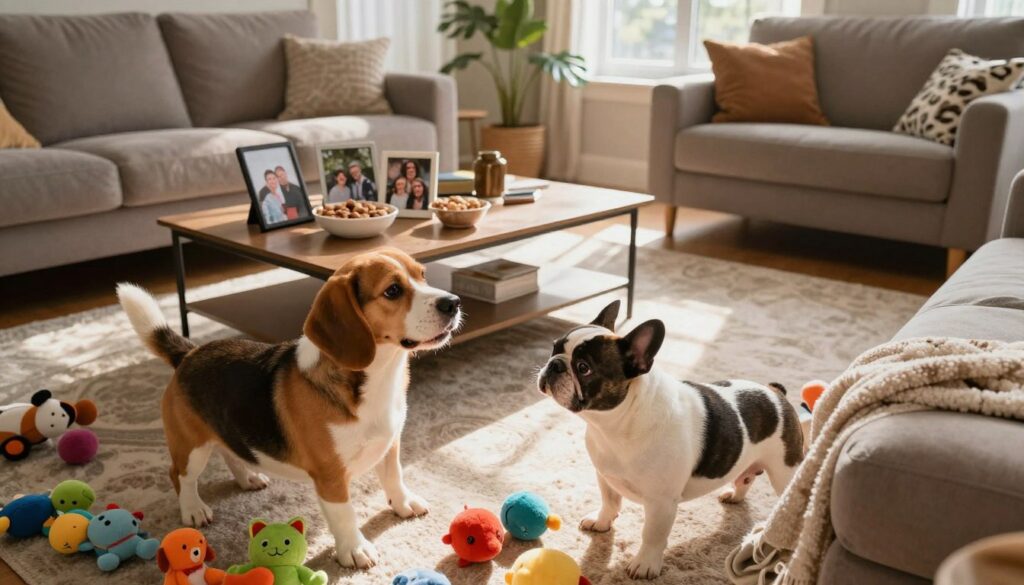
The Cheerful and Sturdy Boston Terrier
The Boston Terrier is perfect for city living. They are friendly and strong. They love to play but also enjoy relaxing.
- Highly adaptable to apartment living.
- Gentle nature makes them top dogs for families.
- Minimal grooming requirements for busy parents.
The Loving and Sociable Havanese
The Havanese loves being around people. They are smart and easy to train. They thrive on being part of family activities.
They are small but have a big heart. They enjoy walks and indoor games. Their friendly nature makes them a joy to have around.
The Intelligent and Compact Miniature Poodle
The Miniature Poodle is very smart and eager to please. They are easy to train and hypoallergenic. They are great for families who want a smart pet.
They look elegant but are active. They are patient and quick to learn. They love to play and go on adventures.
Evaluating Temperament and Energy Levels
Choosing the right pet is more than just picking a cute face. You need to look at how they interact with the world. This helps avoid future problems and builds a strong bond.
Why Temperament Testing Matters
Temperament testing shows how a dog reacts to new things. It helps see how they handle loud noises, strangers, or sudden movements. This is key to finding excellent family dogs for busy homes.
Shelters use tests to check confidence and friendliness. These tests show if a dog is bold, shy, or reactive. A balanced temperament makes training easier and keeps your home safe for kids.
Matching Energy Levels to Your Daily Routine
Choosing a breed based on looks alone is a mistake. High-energy breeds love weekend hikes, while low-energy ones prefer lounging. Match your dog’s energy to your lifestyle.
The table below compares energy levels to see which fits your lifestyle:
| Energy Level | Activity Requirement | Ideal Household |
|---|---|---|
| High | 2+ hours of exercise | Active, outdoor-focused |
| Moderate | 1 hour of play/walks | Balanced, busy families |
| Low | Short, gentle walks | Quiet, relaxed homes |
Recognizing Signs of Stress or Discomfort in Dogs
Even the best excellent family dogs can feel stressed in new places. Learning to read their body language is crucial. Look for signs like panting, tucked tails, or lip licking, which mean they’re feeling overwhelmed.
If your dog hides or avoids eye contact, they might need a quiet spot. Always respect these boundaries to build trust and prevent problems. By being observant, you make sure your dog feels safe and happy at home.
Preparing Your Home for a New Canine Companion
Turning your home into a pet-friendly space is key for everyone’s happiness. A new dog is a wonderful addition to your family. Getting ready in advance helps your new pet feel at home right away.
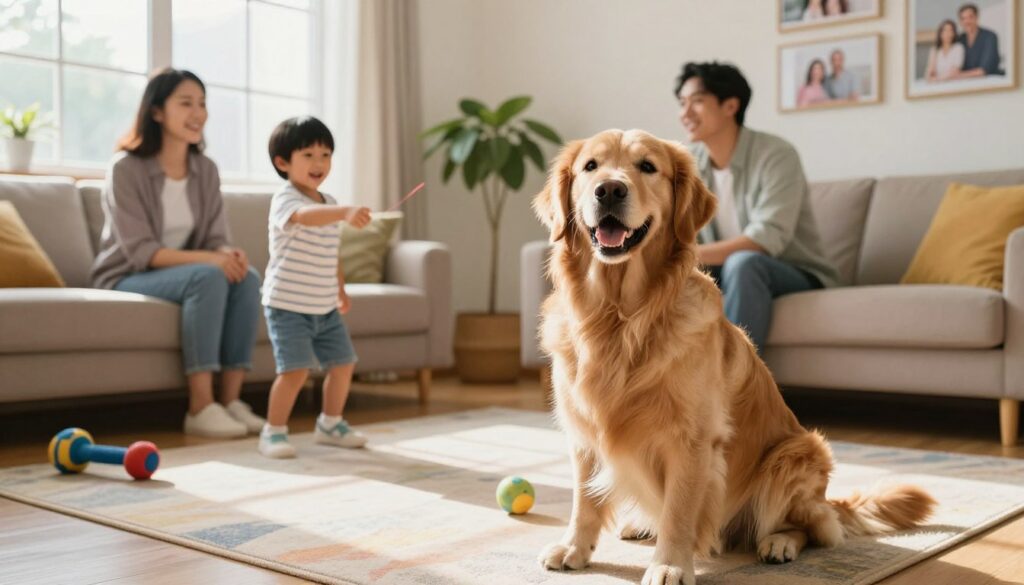
Essential Supplies for Your New Pet
Before your dog comes home, get the basics ready. You’ll need good food and water bowls, a comfy bed, and a strong leash. Also, get training tools like a clicker or treat pouch to help with learning.
Remember to have grooming supplies like brushes and nail clippers. Having these items ready helps keep your pet clean and happy. A well-prepared home lets you focus on bonding with your new friend.
“The greatness of a nation and its moral progress can be judged by the way its animals are treated.”
Creating a Safe and Welcoming Space
Every dog needs a quiet, comfy spot to relax. This area should be safe from dangers. Make sure to puppy-proof your home by securing cords and removing toxic plants.
A safe zone helps your dog know where they belong. Use a crate or a cozy corner with a soft blanket. This calm environment helps your pet adjust quickly.
Establishing House Rules Early
Being consistent is important for a happy home. Decide on rules before your dog arrives, like furniture rules or off-limits rooms. Everyone should follow these rules to avoid confusing your pet.
Clear rules help your dog understand what’s expected. Being firm but kind builds trust and respect. Use the table below to organize your preparation.
| Category | Essential Item | Purpose |
|---|---|---|
| Comfort | Orthopedic Bed | Joint support and rest |
| Safety | Baby Gates | Restricting access to hazards |
| Hygiene | Waste Bags | Responsible outdoor cleanup |
| Training | Treat Pouch | Positive reinforcement rewards |
Training Tips for Harmonious Living
You can make your home a peaceful place with patient guidance. Training is a journey that deepens your bond with your dog. By teaching your pet, you make them perfect family pets that flourish under your care.
Positive Reinforcement Techniques
Positive reinforcement is the best way to encourage good behavior. It rewards the actions you want to see, not punish mistakes. Always use treats, praise, or favorite toys to reward your dog right when they do something good.
This method builds trust and confidence in your dog. It makes learning fun and keeps your pet eager to please. Over time, you’ll build a strong bond of respect and cooperation.
Consistency in Commands and Expectations
Consistency is key in communicating with your dog. Everyone in your home should use the same commands and hand signals. If rules change, your dog will get confused and stressed.
Clear rules help your dog know their limits at home. When rules are consistent, your pet feels safe and calm. This is what makes them best dogs for households, preventing problems before they start.
Socializing Your Dog with Other Pets and People
Socializing your dog is crucial for their confidence in different situations. Introduce them to new places, people, and animals in a controlled way. Gradual exposure helps them learn to stay calm in new environments.
Socialization should be a positive experience that enhances your dog’s social skills. When they can handle new situations well, they become more adaptable and friendly. This is key for a peaceful and happy home for everyone.
Conclusion
Choosing the right dog is the start of a rewarding journey. It’s filled with lasting memories. Your commitment to understanding breed traits and matching them to your daily life creates a strong foundation for a happy home.
You hold the power to shape a successful relationship through patience and consistent guidance. Every interaction builds trust between you and your new pet.
Take time to observe your household dynamics before making a final choice. A thoughtful approach ensures that your chosen companion fits perfectly into your unique environment.
Reach out to local shelters or reputable breeders like the American Kennel Club to begin your search. Share your experiences with other pet owners to gain more insights into the joys of dog ownership. Your path to finding a loyal friend starts with these simple steps today.