Most Dangerous Dog Breeds Ranked by Strength, Bite Force, and History
Choosing a dog is a big decision that changes your life and home. You see your pet as a loyal family member. But, it’s essential to remember that some dogs are very powerful and need respect. Knowing their history and genetics helps keep everyone safe.
This guide looks at the top 10 deadliest dog breeds. We analyze their bite force, ancestry, and how their environment affects them. This knowledge helps you keep your community safe. We want to give you clear, evidence-based tips for understanding dog behavior and being a responsible owner.
Table of Contents
Understanding Canine Aggression and Physical Power
To understand dogs, we must look at their instincts and strength. Many things affect how a dog acts, but it often starts with what it’s born with and what it learns. Knowing this helps us see which dogs might be a danger to people.
The Role of Genetics in Canine Behavior
Genetics shape a dog’s personality. Some breeds were made for jobs like guarding or hunting. This can make them act aggressively if they don’t get to use their energy right.
Genetics don’t mean a dog will definitely act a certain way. They just give it a starting point. Owners need to guide their dogs to help them behave well, especially in stressful situations.
How Bite Force is Measured and Why It Matters
Large dogs often have strong jaws, measured in PSI (pounds per square inch). This tells us how hard a dog can bite. Knowing this helps us understand the risks some animals pose.
- PSI lets us compare jaw strength between breeds.
- Breeds with high bite force were often made for protection or hard work.
- Knowing a dog’s bite force helps us keep everyone safe at home.
Environmental Factors and Socialization
The environment shapes a dog’s personality more than its biology. Early socialization is key to stopping aggressive behavior. Dogs that meet many people and animals learn to be confident, not scared.
Training is also very important. It helps a dog use its strength in a good way. With the right training, even dangerous breeds can be safe and loving pets.
The Top 10 Deadliest Dog Breeds
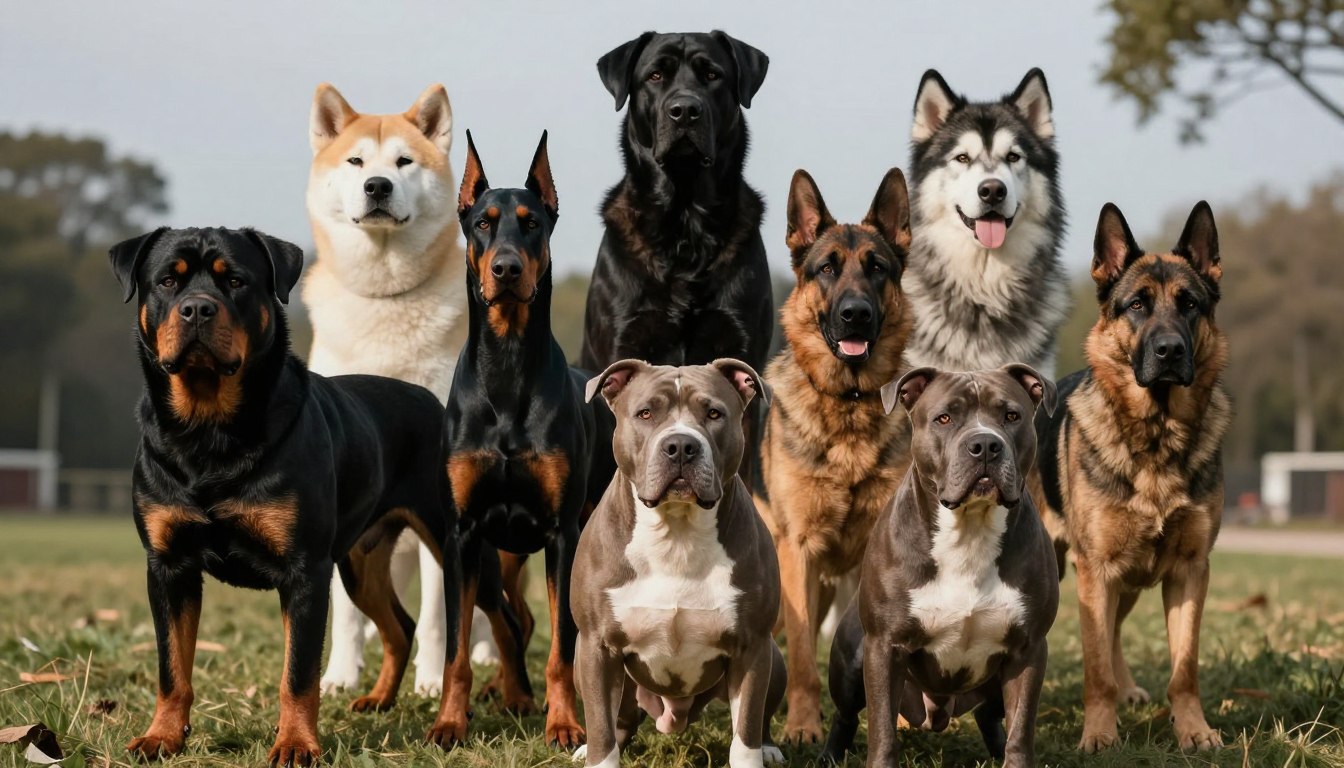
Looking at the top 10 deadliest dog breeds requires more than just stereotypes. It’s about understanding the facts behind their power and behavior. By studying real incidents, experts can uncover the truth about dog-related injuries.
Criteria for Ranking Lethal Canines
To make a true deadliest dogs list, researchers use certain metrics. These help spot dogs that are not just aggressive but can cause serious harm. The key factors include:
- Bite Force: Measured in PSI (pounds per square inch) to see how much damage they can do.
- Historical Incident Data: Looking at medical reports and insurance claims to see which breeds are involved in serious incidents.
- Physical Size and Weight: Checking if the dog can overpower humans or smaller animals.
The Intersection of History and Aggressive Canine Behavior
Many lethal canines were bred for specific tasks by humans. They were used for guarding, hunting, or in combat sports. This selective breeding focused on traits like high prey drive and territoriality.
The table below shows how a dog’s history can link to its physical traits and potential dangers.
| Breed Type | Historical Role | Primary Risk Factor |
|---|---|---|
| Guardian Breeds | Property Protection | Territorial Aggression |
| Fighting Breeds | Combat/Sport | High Bite Force |
| Herding Breeds | Livestock Control | High Prey Drive |
Why Strength Does Not Always Equal Danger
It’s a myth that only strong dogs are dangerous. While a dog’s bite force is important, it’s not the only factor. A dog’s temperament, training, and socialization matter more in how it behaves.
A well-trained dog, even from a powerful breed, can be friendly. But a dog of any size, if not socialized or trained well, can be unpredictable. Remember, the environment a dog grows up in greatly influences its behavior. The top 10 deadliest dog breeds are not just about physical strength but also about their upbringing.
Pit Bull Terriers and the Debate on Breed Specificity
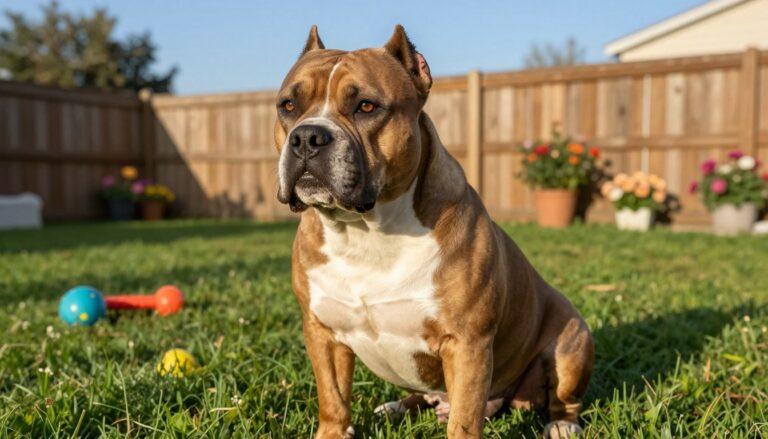
The Pit Bull Terrier is often at the heart of discussions about aggressive dog breeds. Laws and insurance policies often target this breed because of its bad reputation. By looking at the facts, we can understand why this breed is a key topic in public safety debates.
Historical Origins as Fighting Dogs
The Pit Bull’s ancestors were bred in the 19th century for bull-baiting and dog fighting. These tasks needed a lot of physical strength and a certain kind of toughness. It is important to recognize that these roles were shaped by humans, not the dogs’ natural nature.
Over time, the breed became known for its loyalty to its human handlers, despite its fighting history. This mix of traits often confuses people today. Knowing this history helps us see why the breed is often unfairly judged without looking at each dog’s background.
Analyzing Bite Force and Jaw Locking Myths
A common myth says Pit Bulls have a special “locking” jaw mechanism. But, scientific studies have shown this is not true. Their jaws work just like other dogs’, relying on muscle power, not a mechanical lock.
When it comes to bite force, Pit Bulls are similar to other large breeds. Here’s a table that shows how different breeds compare in terms of strength and temperament.
| Breed | Average Bite Force (PSI) | Primary Temperament |
|---|---|---|
| Pit Bull Terrier | 235 | Loyal/Tenacious |
| German Shepherd | 238 | Alert/Protective |
| Rottweiler | 328 | Confident/Guard |
Responsible Ownership and Risk Mitigation
Managing aggressive canine behavior needs consistent training and socialization. You are the most important person in shaping your dog’s world. Keeping your dog safe and introducing them to new places early are key steps for any owner.
“The behavior of a dog is rarely the result of a single factor, but rather a complex interaction between genetics, environment, and the quality of human guidance provided.”
Reducing risks goes beyond just physical barriers. It also means understanding dog body language. By being alert and proactive, you can make sure your pet is safe and well-adjusted at home. Responsible ownership is the best way to prevent problems and improve how people see your dog.
Rottweilers and the Legacy of Guarding Instincts
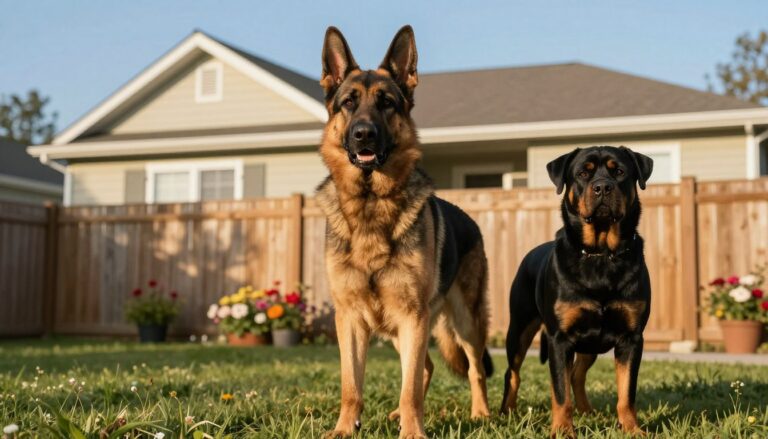
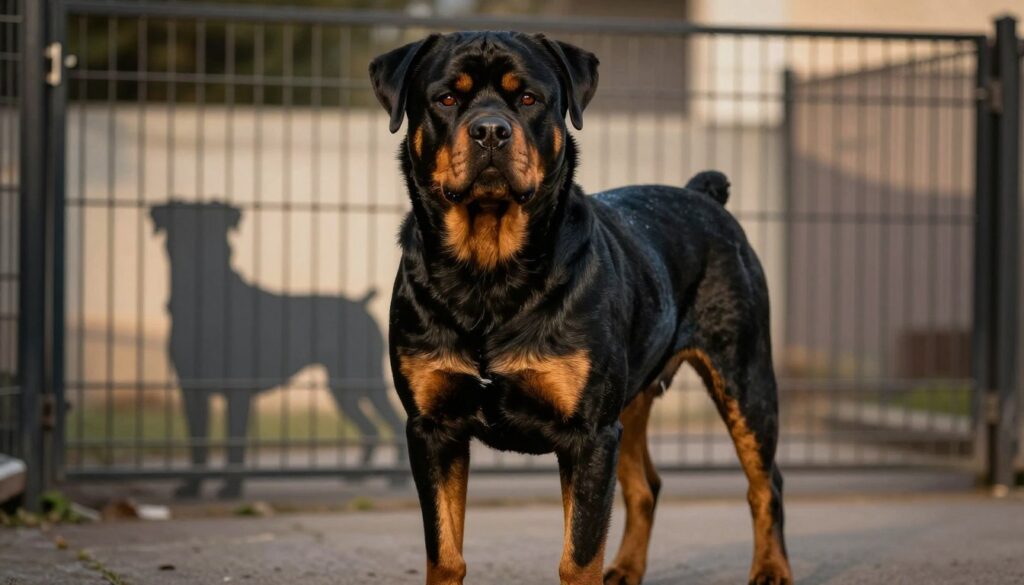
To understand Rottweilers, we must look at their history. They were bred in Germany to herd cattle and guard money. This makes them seem aggressive to some, but it’s rooted in their work background.
Evolution from Herding to Protection
The breed evolved from herding to guarding due to its intelligence. Their ancestors were great at managing livestock and watching for dangers. This deep-seated instinct to protect their territory and family is still strong today.
Physical Attributes and Bite Force Statistics
Rottweilers are big and muscular. They have a strong bite force, often over 300 pounds per square inch. This is why some call them aggressive, but it’s not always true.
Being strong doesn’t mean they want to hurt people. A well-trained Rottweiler is calm and only shows strength when needed. Owners must respect their power for everyone’s safety.
Training Requirements for High-Drive Breeds
Training a high-drive dog needs consistent, firm, and knowledgeable leadership. Without it, they can be hard to handle in stressful situations. To keep them well-adjusted, focus on these training areas:
- Early Socialization: Introduce your dog to different people, animals, and places to build confidence.
- Positive Reinforcement: Use rewards to build a strong bond and clear communication.
- Consistent Boundaries: Set firm rules to prevent them from becoming too dominant.
By spending time on structured training, you can direct their protective instincts into positive actions. Being a responsible owner is crucial to avoid the bad reputation of aggressive dog breeds. With the right training, Rottweilers can be loyal and effective guardians.
German Shepherds and the Balance of Utility and Force
German Shepherds are known for their intelligence and strength. They are not naturally dangerous but need a structured home to avoid bad behavior. Knowing their history and needs helps create a safe and loving bond with them.
The History of the Breed in Law Enforcement
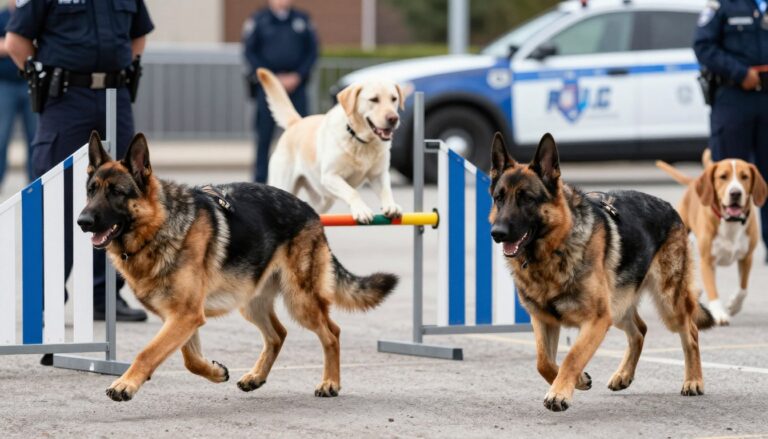
German Shepherds are key in police and military work. They learn fast and are great at search and rescue, detecting narcotics, and protection. This deep-seated work ethic is a defining characteristic of the breed.
They were bred for tough jobs, so they have a natural intensity. But this intensity can be a problem in everyday life. They need a clear “job” to do to be happy.
Assessing the Risk of High-Intelligence Canines
High intelligence can be both a blessing and a curse. If a German Shepherd is not kept busy, it might get destructive or anxious. Boredom often leads to unwanted behaviors that can seem aggressive, making them a concern if not managed.
“A working dog without a job will create its own work, and you likely won’t like the results.”
To avoid these problems, give them mental challenges. Use puzzle toys, advanced training, and agility exercises. A tired dog is usually a well-behaved one.
Managing Prey Drive in Domestic Settings
It’s crucial to manage their prey drive to keep your home peaceful. Redirect their natural instinct with play and training. Consistency is your most valuable tool when dealing with high-drive animals.
| Breed Trait | Utility Level | Training Need |
|---|---|---|
| German Shepherd | Very High | Advanced/Consistent |
| Labrador Retriever | Moderate | Basic/Moderate |
| Border Collie | High | High/Mental Focus |
By balancing their drive with structured activities, your pet will be a well-adjusted family member. While they might be listed with harmful dog breeds, proper care and leadership make them loyal and protective. Always use positive reinforcement to build a strong bond.
Doberman Pinschers and the History of Protection
Did you know Doberman Pinschers were made to be personal bodyguards? They’re often on the deadliest dogs list because of their loyalty and strength. Knowing their history is key for keeping a safe home.
Origins as Personal Bodyguards
In Germany, in the late 19th century, Karl Friedrich Louis Dobermann created this breed. He needed a fearless companion for his dangerous job. He mixed different breeds to make a smart and wary dog.
Today, Dobermans are more than pets. They are dedicated protectors that need a job to do. Their breeding made them very protective of their owners.
Physical Strength and Speed Capabilities
Dobermans are known for their athletic build and fast speed. They’re lean and strong, ready to act fast. Even though they don’t bite as hard as some, their quickness is scary.
Their speed is unique among guard dogs. With their smarts, they need structured training. Without it, they can be hard to handle.
Recognizing Warning Signs in Protective Breeds
As a dog owner, knowing your dog’s signals is crucial. Dobermans show signs before reacting. Look for stiffening, low growls, or intense stares.
Acting fast is key to safety. By catching these signs early, you can steer your dog away from trouble. Training and socializing are the best ways to manage their instincts.
| Breed Trait | Doberman Pinscher | German Shepherd | Rottweiler |
|---|---|---|---|
| Primary Role | Personal Protection | Utility/Herding | Guard/Drafting |
| Speed | Very High | High | Moderate |
| Temperament | Alert/Loyal | Intelligent/Active | Calm/Confident |
| Training Need | High | High | High |
Bullmastiffs and the Reality of Massive Strength
Bullmastiffs are known for their massive strength. They are a breed that needs respect and careful handling. Despite being labeled as dangerous dog breeds, they were bred for protection, not aggression.
The History of Gamekeeper Dogs
In the 19th century, English gamekeepers needed a dog to track poachers. They mixed the Mastiff with the Bulldog to create a silent, strong guardian. This dog was made to track and hold intruders without harming them too much.
Their job was to hold a person until the gamekeeper came. They needed a lot of strength but also had to be careful not to hurt too much. Today, they still show this controlled strength.
Understanding the Impact of Size on Potential Harm
The size of a Bullmastiff can be dangerous. Even if they don’t mean to, they can accidentally hurt people or other pets. This is why they are often talked about as dangerous dog breeds.
It’s important for owners to remember that their dog’s size and strength need constant watching. Keeping them safe and in control is not just a choice, it’s a must. You need to be strong enough to handle them everywhere.
Temperament and Predictability in Large Breeds
Bullmastiffs are known for being predictable. They are protective but should not be aggressive unless they have a reason. Socializing them early is key to keeping them calm and friendly.
To handle the risks of these dangerous dog breeds, focus on the following:
- Early Socialization: Introduce your puppy to different people, sounds, and places to build confidence.
- Consistent Obedience: Teach clear rules and commands early to keep them in line.
- Positive Reinforcement: Use rewards to teach good behavior and strengthen your bond.
- Professional Guidance: Get help from a certified trainer who knows how to handle big, protective dogs.
By training them well, you can reduce risks and enjoy their loyalty. Responsible ownership is crucial to keep your Bullmastiff safe and loving.
Wolf Hybrids and the Challenges of Wild Genetics
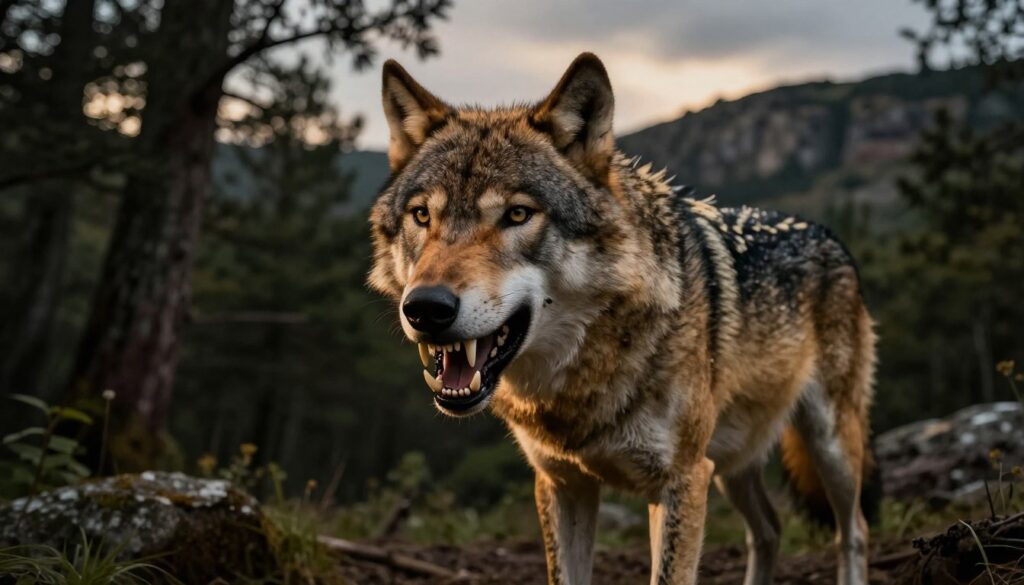
Thinking about owning a wolf hybrid? It’s more than just their looks. They’re a mix of domestic dogs and wild wolves. This means they need special care that’s different from regular dogs.
The Unpredictability of Wild-Domestic Crosses
Wolf hybrids face a big challenge: their genes are unpredictable. Dogs have been bred for thousands of years to live with humans. But wolves still have instinctual behaviors that are hard to control. This can make their mood swings hard to predict.
Because of their wild roots, they don’t always understand human signals. Consistency in behavior is rare. This makes it tough for even the most skilled owners to manage them.
Why Wolf Hybrids Pose Unique Safety Risks
Wolf hybrids are often seen as lethal canines because of their strong hunting instinct. They are physically powerful and can be dangerous if they feel scared or overwhelmed. Their bite force and strength are often greater than regular dogs.
They are big like wolves and don’t fear humans like some dogs do. This makes them unpredictable threats. They need special enclosures to keep everyone safe. Without the right setup, there’s a big risk of serious injury.
Legal and Ethical Considerations for Owners
Before getting a wolf hybrid, you need to think about the laws. Many places have strict rules or bans on them because of the safety risks. If your animal hurts someone, you could face big legal problems.
From an ethical standpoint, ask if you can give them the right home. Keeping them in a regular house is often seen as inhumane and dangerous. Being a responsible owner means being ready for the challenges, training, and understanding the legal side of things.
Factors Influencing Fatal Dog Attacks Beyond Breed
It’s surprising to learn that the environment often plays a bigger role than genetics. While we often focus on certain breeds, human actions and the environment really shape a dog’s behavior. Understanding these factors helps us create a safer world for all.
The Impact of Neglect and Abuse
Dogs need love and care to be happy. Neglect or abuse can make them fearful and anxious. This fear can lead to aggression, often blamed on certain breeds.
A neglected dog is more likely to have problems. Creating a loving home is key to preventing these issues. When pets feel loved, they are less likely to act out.
The Importance of Proper Containment and Fencing
Fences are crucial in keeping dogs safe. A strong fence keeps a dog from getting into trouble. Keeping a dog in is about protecting everyone.
Check your fence often for damage. If your dog likes to jump or dig, add extra support. These steps are important for keeping everyone safe.
Recognizing Body Language to Prevent Escalation
Knowing how dogs communicate is key to staying safe. Most dogs warn us before they get aggressive. Learning these signs is essential.
Look for stiff bodies, low tails, or lip licking. If a dog looks away or shows white eyes, it’s stressed. Give the dog space when you see these signs to avoid trouble.
Conclusion
Understanding dog behavior is key to stopping fatal dog attacks. You can shape your pet’s future with care and guidance. This is your power.
Every dog is different, but training is crucial for safety. Socializing your dog helps them feel confident, not scared. You must stay alert to keep everyone safe.
Make smart choices for your home and community. Support leash laws and secure fences. This helps keep everyone safe.
Teach others about dog safety. Small steps can make a big difference. Your efforts keep your family and pets safe.