Most Dangerous Dog Breeds: Top 8 Powerful and Risky Dogs
Table of Contents
Exploring canine behavior shows a big gap between what people think and what science says. Many look for the most dangerous dog breeds to know which might be risky. Yet, vets and animal experts say naming certain breeds is not always right.
Aggression in dogs isn’t caused by one thing. It comes from a mix of genetics, environment, and how they’re treated by people. How well a dog is socialized and trained is key to its behavior.
Looking deeper into these issues helps us avoid simple stereotypes. By understanding why some dogs are seen as high-risk, we see the real reasons behind negative labels in the U.S. True safety comes from good ownership, not just a dog’s looks.
Key Takeaways
- Public perception of canine aggression often differs from expert scientific consensus.
- Genetics, environment, and training collectively determine an animal’s behavior.
- Breed-specific labeling remains a subject of intense debate among professionals.
- Responsible ownership is the primary factor in preventing negative incidents.
- Socialization significantly influences how a pet interacts with strangers and other animals.
Understanding Canine Aggression and Behavioral Science
Looking into canine aggression helps us see beyond the myths about certain animals. Many people look for the most dangerous dog. But, science shows aggression isn’t just about genes. It’s a mix of biology, upbringing, and personal experiences.
The Role of Genetics in Temperament
Genetics do affect how a dog sees the world. Some breeds were made for jobs like guarding or herding. But, this doesn’t mean they’re naturally violent.
Good breeders test for temperament to ensure dogs are stable. Remember, even in the same litter, dogs can be very different. Genetics set the stage, but don’t decide a dog’s behavior.
Environmental Influences and Socialization
The place a puppy grows up is crucial. Early socialization teaches dogs to interact safely. Without it, they might become defensive or fearful.
The American Veterinary Medical Association (AVMA) says a dog’s past is more important than its breed. Here are key environmental factors that shape a dog:
- Consistent training and positive reinforcement.
- Exposure to diverse sights, sounds, and people during the puppy stage.
- The quality of the bond between the owner and the pet.
- Avoidance of harsh or abusive disciplinary methods.
Debunking Myths About Breed-Specific Aggression
Many myths say some breeds are naturally aggressive. These myths unfairly label certain dogs as the most dangerous dog. But, science proves aggression is a behavior, not a breed trait.
“The breed of a dog is not a reliable predictor of its behavior. A dog’s history, environment, and training are far more important.”
American Veterinary Medical Association
By focusing on individual behavior, not breed, we can prevent aggression. Education and responsible ownership are key to safety. Moving past myths gives us a clearer view of dog psychology.
Analyzing the Most Dangerous Dog Breeds
Looking into the most dangerous dog breeds means exploring their past and present. Many dogs are considered high-risk because of their strength and instincts. These traits were once useful for humans but can be risky in today’s homes.
Pit Bull Terriers and Historical Context
Pit Bull Terriers are often debated as the most dangerous dog. They were bred for tasks needing great strength and endurance. It is important to recognize that their past does not define their personality today.
In homes, their high energy can be a problem if owners don’t know how to handle it. Without the right outlet, these dogs might not know how to use their energy well.
Rottweilers: Guarding Instincts and Power
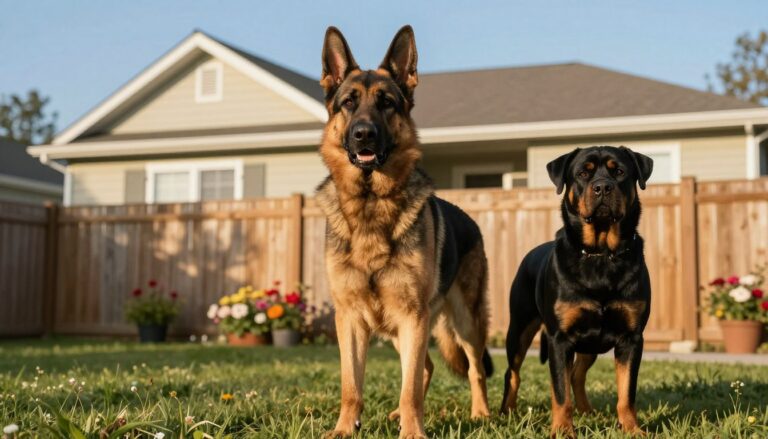
Rottweilers were bred for guarding and herding. Their protective nature makes them a topic in most dangerous dog discussions. Experienced handling is key to keeping their loyalty in check.
- Strong territorial drive that requires consistent socialization.
- High physical strength that demands firm, confident leadership.
- A need for structured training to manage their protective instincts.
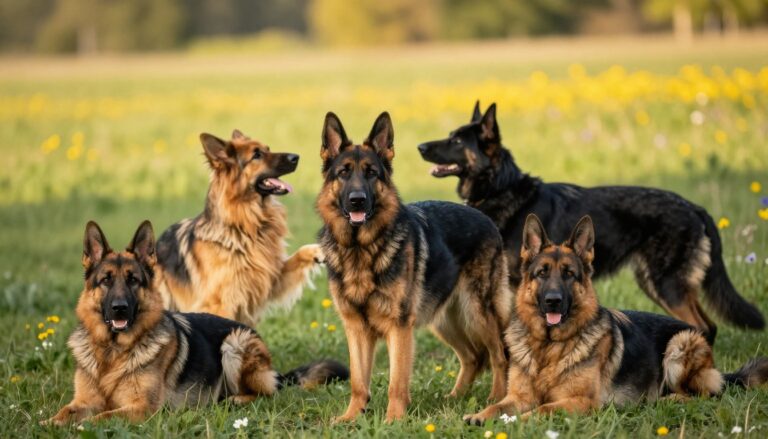
German Shepherds: Working Drive and Protection
German Shepherds are smart and have a strong work ethic, making them great service dogs. But, this drive can make them seem most dangerous if they don’t have a job. Their protective nature is a breed trait, but it needs a skilled owner to manage.
To keep a safe home with these breeds, owners should:
- Give them daily mental challenges to meet their work drive.
- Start professional obedience training early.
- Use positive reinforcement to build a stable temperament.
Physical Traits That Increase Risk Potential
Looking at an animal’s danger level means more than just its behavior. We must also consider its physical traits. Some animals are more dangerous because of their body structure, even if they’re not trying to be aggressive. Knowing these traits helps us understand why some animals are seen as the most vicious dogs on earth.
Bite Force and Jaw Mechanics
Bite force is measured in pounds per square inch, or PSI. Some dog breeds have jaws that let them bite with incredible force. This is because they were bred for jobs that needed a strong grip.
Having a high PSI means a dog can cause serious injuries, even by accident. These physical abilities are just part of who they are. A defensive move can lead to deep wounds because of this power.
Size and Weight Considerations
A dog’s size and weight are key in how they interact with the world. Big dogs have more energy and can be overwhelming if they get scared or defensive. Their size lets them push or pin things with just a little effort.
Handling a big dog means always being aware of your surroundings. These dogs are powerful, so you need to keep them under control to avoid accidents. Knowing your own strength compared to the dog’s is important for safe ownership.
Agility and Reaction Speed
How fast a dog reacts to things is also important for safety. Some breeds are super fast and agile because they were bred for intense work. If they get scared, they can react quickly before you can stop them.
Knowing about these traits is crucial for your safety. Not all powerful dogs are aggressive, but their traits can make any situation dangerous. By understanding these, you can manage risks better and stay safe around the most vicious dogs on earth.
| Breed Category | Average Weight | Bite Force (PSI) | Primary Trait |
|---|---|---|---|
| Large Working | 80-110 lbs | 230-300 | High Pressure |
| Medium Athletic | 50-70 lbs | 150-200 | High Agility |
| Giant Guard | 120+ lbs | 300-500 | Massive Force |
Environmental and Human Risk Factors
Creating the right environment is key to your dog’s temperament. Instead of looking for the most vicious dogs on earth, we should focus on how humans shape their behavior. Your daily actions shape how your dog sees the world.
The Impact of Improper Training Techniques
Training methods based on fear or pain can harm your dog. Using aversive techniques can make your dog more anxious. This anxiety often turns into defensive reactivity, which looks like aggression.
Positive reinforcement builds trust and confidence. Rewarding good behavior creates a stable environment. This method prevents the outbursts that unfairly label certain breeds.
Neglect and Lack of Socialization
Socialization is crucial for dogs during their early years. Without it, they may develop deep fears. These fears can turn into aggression when faced with new situations.
Neglect affects more than just physical needs; it also impacts emotional well-being. A dog without regular interaction may struggle to understand social cues. Early intervention is key to raising a well-adjusted pet.
The Danger of Irresponsible Ownership
Responsible ownership is the biggest factor in keeping dogs safe. Owners who don’t provide structure or supervision harm the reputation of powerful breeds. Even the most misunderstood dogs can do well with the right owner.
You have the power to change how we view the most vicious dogs on earth. Focus on safety, training, and socialization to lower the risk of problems. Your dedication to your dog is the best defense against behavioral issues.
Recognizing Warning Signs of Aggressive Behavior
Even the most dangerous dog in the world gives clear warnings before they act aggressively. Learning to read these signs helps you step in early and avoid dangerous situations. Dogs mainly use body language to show how they feel, not just their bark.
Body Language Indicators
It’s key to watch a dog’s posture to understand their mood. When a dog feels uneasy, they show certain signs that mean they might defend themselves. Look out for these common signs:
- Whale eye: The whites of the eyes show when the dog turns their head away.
- Lip licking: A nervous habit that often means the dog is stressed or unsure.
- Stiffening: The body becomes rigid, showing the dog is ready to react.
Subtle Signs of Discomfort
Before a dog gets aggressive, they show small signs of being upset. You might see them yawning when they’re not tired or avoiding eye contact. These are gentle requests for space that should be respected right away.
Overt Displays of Dominance or Fear
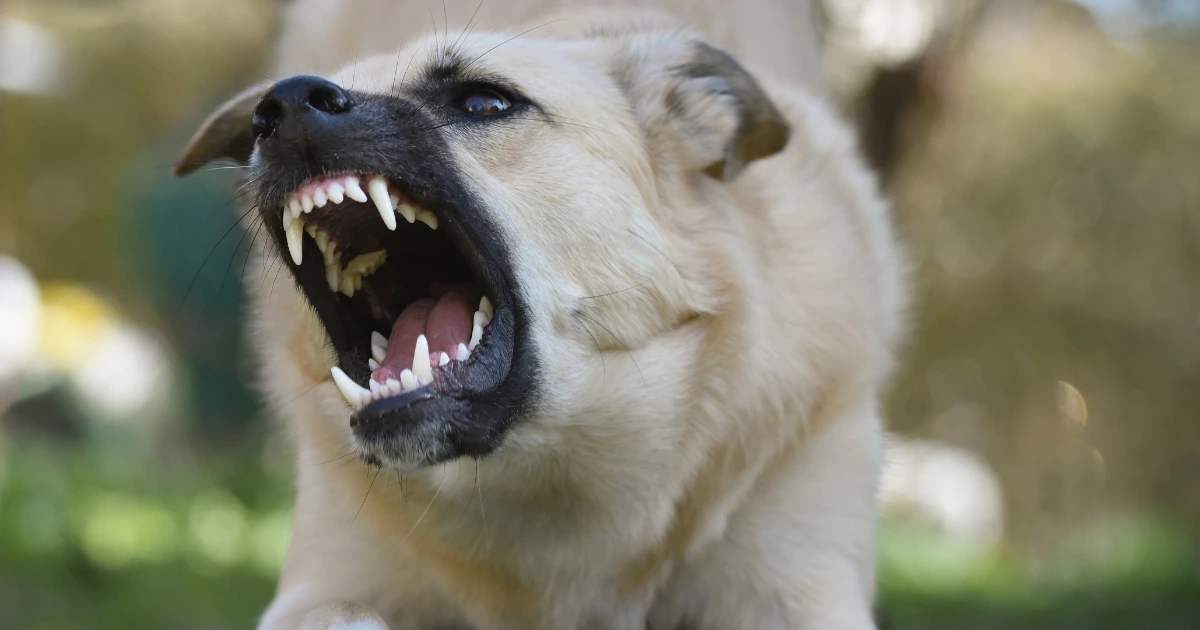
If these small signs are ignored, a dog might show more obvious signs. You might see their hackles stand up, showing they’re excited or upset. Other signs include a low growl or a fixed stare, showing they feel threatened or challenged.
Contextual Triggers for Defensive Reactions
Aggression is usually a response to something specific in their environment. Knowing what triggers their behavior helps you manage their space better. Common triggers include:
- Resource Guarding: Protecting food, toys, or resting spots from others.
- Territoriality: Reacting to strangers or other animals in their home.
- Fear-based reactivity: Lashing out when they feel trapped or can’t escape.
By being aware of these triggers, you can keep things safe and in control. Recognizing these patterns is the best way to avoid trouble with even the most dangerous dog in the world.
Legal and Insurance Implications of Owning Powerful Breeds
Having a powerful dog is more than just loving and training it. It also means dealing with legal and financial issues. The law looks at breed traits, not just individual dogs. Knowing the rules helps keep you safe and financially sound.
Breed-Specific Legislation in the United States
In the U.S., many places have laws about certain dog breeds. These laws might limit or ban some breeds. Always check your local laws before getting a dog.
If you don’t follow these laws, you could face big fines or lose your pet. Knowing the laws helps you stay out of trouble with the authorities.
Liability and Homeowners Insurance Policies
Your dog’s breed can affect your insurance. Some insurers won’t cover certain breeds, or they’ll charge more. Even if a dog isn’t seen as the most dangerous, insurers use past data to decide risks.
Always tell your insurance about your dog’s breed. If you don’t, you might not get help if something happens.
The Importance of Responsible Pet Ownership
Being a responsible pet owner helps avoid legal and financial problems. This means getting professional training, keeping your dog safe, and socializing it well. Showing you care for your dog can prevent insurance issues or legal trouble.
| Risk Factor | Potential Impact | Mitigation Strategy |
|---|---|---|
| BSL Ordinances | Legal fines or confiscation | Verify local city codes |
| Insurance Premiums | Increased annual costs | Compare specialized policies |
| Liability Claims | Financial loss from lawsuits | Maintain liability insurance |
| Public Perception | Social stigma and complaints | Consistent obedience training |
Safety Protocols for Families and Children
Keeping your home safe is key when you have pets, especially dogs that might be on the top 10 deadliest dog breeds list. While dogs can differ, your dedication to safety is what really matters. By setting clear rules, you can help your kids and dogs get along well.
Supervising Interactions Between Dogs and Kids
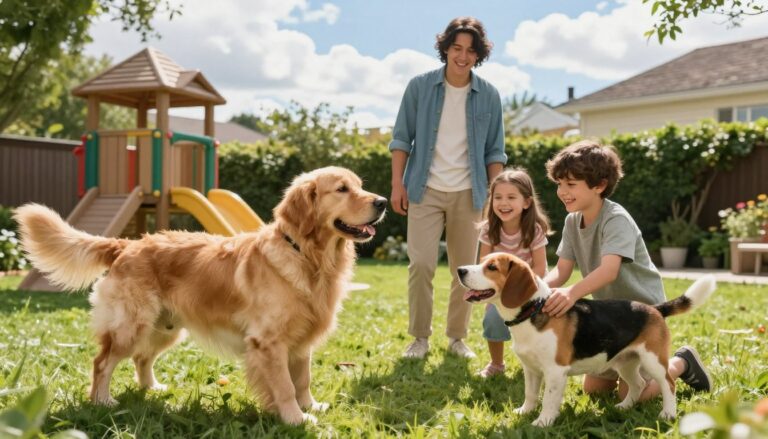
Constant, active supervision is crucial for any home with kids and dogs. Never leave a child alone with a dog, no matter how friendly the dog is. Even the calmest dog can get upset if they feel trapped or scared.
Watch how the dog and child interact closely. If you see signs of stress, like lip licking, step in right away. This helps avoid any bad situations.
Teaching Children How to Approach Dogs
Teaching your kids to respect a dog’s boundaries is very important. They should know dogs are not toys and need their own space. This helps everyone feel safe.
- Never disturb a dog while they are eating or chewing on a bone.
- Avoid approaching a dog while they are sleeping or resting in their bed.
- Always ask the owner for permission before petting a dog you do not know.
- Use calm voices and gentle movements when interacting with any animal.
Creating Safe Spaces Within the Home
Every dog needs a place to go when they’re feeling stressed or tired. You can make these safe zones with crates, playpens, or gated rooms. These areas help the dog relax and feel secure.
When the dog is in their safe space, make sure kids know to leave them alone. This teaches the dog they have a safe place to go. It also helps prevent the dog from getting defensive. Here’s a quick list of important safety steps for your home.
| Safety Measure | Primary Goal | Implementation Frequency |
|---|---|---|
| Active Supervision | Prevent accidental bites | Always |
| Designated Safe Zone | Reduce canine stress | Daily |
| Boundary Education | Teach child respect | Ongoing |
| Body Language Monitoring | Identify early warnings | Every interaction |
By following these steps, you can make your home safer, even with dogs on the top 10 deadliest dog breeds list. Training and setting clear rules help everyone in your family stay safe and happy.
Professional Training and Behavioral Intervention
If your dog shows concerning behavior, getting professional help is the best choice. Even if your dog isn’t on the top 10 deadliest dog breeds list, acting early can stop bad habits. Getting expert advice helps you manage your dog’s behavior well.
When to Seek Help from a Certified Behaviorist
See a certified animal behaviorist if your dog’s personality changes suddenly. Signs like unprovoked growling, guarding food, or extreme fear need a pro’s look. These experts find the real cause of the behavior, not just the symptoms.
Positive Reinforcement vs. Aversive Methods
Today, positive reinforcement is the preferred method over aversive techniques. Positive reinforcement rewards good behavior, building trust and a strong bond. Aversive methods, which use fear or pain, can make aggressive dogs worse.
- Positive Reinforcement: Uses treats, praise, and play as rewards.
- Aversive Methods: Punishes or corrects with physical force.
- Science-Based Approach: Focuses on long-term mental health and emotional stability.
The Value of Early Obedience Training
Early obedience training is a smart investment for any dog owner. It sets up clear communication and a predictable environment, making your dog feel safe. This is crucial, especially for breeds on the top 10 deadliest dog breeds list, as it teaches discipline and control. Consistent training also helps owners better understand their dog’s needs and responses, reducing the likelihood of behavioral problems. Many dogs commonly included in discussions about the Most Dangerous Dog Breeds can become loyal, well-behaved companions when given proper guidance and socialization from an early age.
| Training Method | Primary Focus | Long-term Outcome |
|---|---|---|
| Positive Reinforcement | Reward-based learning | High trust and reliability |
| Aversive Training | Fear-based compliance | Risk of suppressed aggression |
| Early Socialization | Exposure to stimuli | Improved confidence |
Evaluating the Top 10 Deadliest Dog Breeds
It might surprise you to know that the most dangerous dog breeds are often based on what people think, not science. When you see lists of the most risky dogs, remember they don’t always tell the whole story. Relying on headlines can give a wrong view of how dogs behave.
Statistical Data vs. Anecdotal Evidence
Just looking at numbers doesn’t tell the whole story. Many reports are based on what the media says, which can be anecdotal and exaggerated. When looking at the most dangerous dog breeds, it’s key to separate real data from emotional stories.
“A dog’s behavior is a product of its environment, training, and individual personality, not just its genetic heritage.”
— Canine Behavioral Specialist
Why Certain Breeds Appear More Frequently in Reports
How often a breed is in the news depends a lot on how popular it is. If a breed is common in an area, it’s more likely to be in reports just because there are more of them. This makes it seem like the most dangerous dog breeds are just the most popular ones.
Media likes to focus on big incidents with big dogs. This makes us think certain breeds are more dangerous than they really are. It’s important to think about these factors when we see reports on dog breeds:
| Factor | Impact on Perception | Reality |
|---|---|---|
| Breed Popularity | High | Higher exposure leads to more reports. |
| Media Coverage | High | Sensationalism distorts actual risk. |
| Owner Responsibility | Critical | Training is the primary safety factor. |
| Genetic Temperament | Moderate | Individual traits vary widely. |
The Importance of Individual Temperament Assessment
Looking at a dog’s breed ignores its unique background. A dog’s behavior is shaped by its early life, training, and care. Instead of focusing on breed, look at each dog’s individual behavior and training.
Good owners know that managing a dog’s behavior is key to safety. By looking beyond breed labels, you can make better choices for your family and pet. Always choose professional assessments over breed stereotypes.
Conclusion
Being a responsible pet owner is key to keeping your home safe. You play a big role in shaping your dog’s behavior through consistent guidance and early socialization. While discussions about the Most Dangerous Dog Breeds often focus on genetics and physical traits, responsible ownership remains the most important factor in preventing aggression and encouraging positive behavior. With proper training, supervision, and care, even powerful breeds can become well-adjusted and trusted family companions.
People often talk about the deadliest dog breeds. But, it’s your dog’s personality that really matters. Focus on understanding your dog’s unique traits, not just their breed.
Using positive reinforcement helps you bond with your pet. This method reduces defensive behavior and builds trust. It makes your home a happier place.
Knowing about the deadliest dog breeds is important. It reminds you to always be careful. By understanding your dog’s needs and what might upset them, you keep your family and community safe.
Training your dog is crucial for a peaceful home. A well-trained dog shows that you care about them every day. It’s a sign of your dedication to their well-being.
## FAQ
### Q: What factors determine if an animal is categorized as the most dangerous dog?
A: To find the most dangerous dog, we look at genetics, environment, and how they interact with humans. Physical strength matters, but the American Veterinary Medical Association (AVMA) says a dog’s past and how it’s socialized are more telling. Aggression usually comes from bad training or neglect, not a natural instinct to be mean.
### Q: Are there specific breeds that are naturally the most vicious dogs on earth?
A: Experts say no breed is born mean. Dogs like Rottweilers or Doberman Pinschers might be protective and have strong drives. But, their behavior is shaped by how they’re raised early on. Irresponsible owners or harsh training can make a dog anxious and aggressive.
### Q: Why is the Pit Bull Terrier frequently cited as the most dangerous dog in the world?
A: Pit Bull Terriers are often seen as the most dangerous due to their history and physical strength. They have a strong bite and jaw. Yet, the American Temperament Test Society (ATTS) shows many Pit Bulls are friendly. It’s their individual temperament that matters, not their breed.
### Q: What breeds are commonly found on the list of the top 10 deadliest dog breeds?
A: The top 10 lists often include German Shepherds, Rottweilers, Chow Chows, and Siberian Huskies. These rankings are based on bite incidents. But, they can be misleading due to breed popularity and media focus on big dogs. Always look at a dog’s temperament, not just its breed.
### Q: How does bite force and size influence the risk potential of a dog?
A: A dog’s size, weight, and bite force don’t decide if it will bite. But, they can make an injury worse if it does. Big dogs like Cane Corsos or Mastiffs can cause more harm than smaller ones. Knowing this helps you stay safe and in control.
### Q: What role does Breed-Specific Legislation (BSL) play in the United States?
A: BSL bans or restricts certain breeds seen as high-risk. Some cities think it makes them safer. But, the American Kennel Club (AKC) says BSL doesn’t work. They prefer laws that focus on a dog’s behavior and the owner’s responsibility, not the breed.
### Q: How can homeowners insurance be affected by owning a powerful dog breed?
A: Insurance companies like State Farm or Farmers might have rules for “vicious” breeds. They might raise your rates or not cover you if you have a banned breed. Always check your policy and talk to your agent to make sure you’re covered.
### Q: What are the most effective ways to prevent canine aggression in a household?
A: Early socialization, positive training, and watching your dog are key. Teach them boundaries and give them a safe space. Also, teach kids to respect a dog’s space, especially when it’s eating or sleeping.
### Q: When should you seek help from a professional animal behaviorist?
A: Get help if you see signs of aggression, growling, or territorial behavior. Certified behaviorists use science to help dogs overcome fear and aggression. Early professional training is crucial for a safe home and a happy pet.