Dogs That Stay Small: Cute Breeds for Apartments and Families
Coming home to a wagging tail after a long day in the city brings peace. You might dream of finding perfect companions for your cozy apartment. But, many people find out that these small pets need a lot of care.
Choosing dogs that stay small means looking beyond their cute faces. You need to think about their personality, exercise needs, and grooming. They still need training, vet visits, and mental stimulation to be happy.
Knowing the traits of different small dog breeds is key to a happy home. Their size is great for city living, but they can be bold and energetic. Preparing for their health and activity needs will make your friendship rewarding for years.
Table of Contents
How to Choose a Small Dog for Your Home
Getting a new dog is a big decision that affects your life for years. Many people like tiny dog breeds because they are easy to carry. But, it’s important to think about more than just their size. A good match depends on the dog’s personality and energy level fitting your home.
Match Adult Size to Your Apartment and Daily Routine
Your home size is key in choosing the right small breed dogs. Even in small apartments, your pet needs room to move. Think about your daily life, like how much time you’re away and your activity level.
If you’re active, a dog that loves walks might be great. But, if you’re quieter, a calm dog is better. Remember, size doesn’t always mean low energy. Some small dogs need lots of activity to be happy.
Balance Temperament With Your Family’s Age and Experience
The right dog’s personality should match your family’s age and experience. If you have kids, look for breeds that are patient and gentle. Adults or older kids might handle a more lively dog.
Training is also important. Some dogs are quick to learn, while others can be stubborn. Knowing your family’s training skills helps avoid problems later.
Consider Exercise, Noise, Grooming, and Training Needs
Every dog has special needs you must be ready for. Some small breed dogs bark a lot, which might not be good for apartments. Also, think about grooming, as some dogs need daily brushing.
Exercise needs vary among tiny dog breeds. Some are happy with indoor play, while others need to go outside. Be honest about your ability to meet these needs.
Understand the Difference Between Toy, Miniature, and Small Breed Dogs
Understanding dog size terms can be tricky. These labels help guess a dog’s size, but there’s a lot of variation. Knowing this helps you choose the right dog for you.
| Category | Typical Weight Range | Primary Characteristic |
|---|---|---|
| Toy | Under 10 lbs | Companion-focused, very portable |
| Miniature | 10–20 lbs | Sturdy, active, versatile |
| Small | 20–30 lbs | Balanced, often athletic |
Dogs That Stay Small: Adult Size, Temperament, and Lifespan
Knowing your dog’s adult size is key when you get a new pet. A small puppy might seem easy to handle, but their full size affects your needs for years. This includes the right food, living space, and gear.
Why Adult Weight Matters More Than Puppy Size
Understanding your miniature dog’s adult weight helps you prepare better. You need to make sure your home, furniture, and exercise plans fit a grown dog, not a puppy.
Planning ahead helps avoid mistakes like too-small beds or harnesses. Learning about breed standards helps you know what to expect as your pet grows.
Typical Height and Weight Ranges for Small Breed Dogs
Small breeds come in different shapes and sizes. Some are tiny toys, while others are more robust and active.
| Breed Category | Average Height | Average Weight |
|---|---|---|
| Toy Breeds | Under 10 inches | 2–6 lbs |
| Miniature Breeds | 10–15 inches | 7–15 lbs |
| Small/Compact | 12–16 inches | 15–25 lbs |
How Genetics, Nutrition, and Health Affect Final Size
Breed standards give a starting point, but genetics and nutrition are crucial. Proper food during growth helps your dog reach a healthy size without being too heavy.
“A healthy dog is a happy dog, and that starts with understanding the unique needs of your specific breed.”
Regular vet visits help track your dog’s growth. If they gain weight or grow too slowly, see your vet to check for health issues.
What to Know About Long-Lived Little Dogs
Many little dogs live long lives, often into their teens. This means a big commitment to their care, including dental health and preventive medicine.
Good care, like quality food and exercise, helps these resilient companions live well. By focusing on their health, you ensure they have a long, happy life with you.
Friendly Small Dogs for Families With Children
Many families love small dog breeds for their love and fun. When you get a pet for a home with kids, look for a gentle and strong nature. Always watch your dog and give them a quiet place to rest away from play areas.
Cavalier King Charles Spaniel: Gentle and Adaptable
Adult size, temperament, exercise, and care needs
The Cavalier is a top pick for families. They are very sweet and weigh 13 to 18 pounds. This makes them perfect for apartments and gentle play.
They love people and are easy to adapt. They enjoy walks but also love to snuggle on the couch. Regular brushing keeps their silky coats looking great.
Havanese: Social, Playful, and Trainable
Adult size, family compatibility, grooming, and separation concerns
The Havanese is a happy, sturdy dog weighing 7 to 13 pounds. They are exceptionally social and bond deeply with family.
“The Havanese is a true companion dog that thrives on being part of the family’s daily activities.”
They may get sad if left alone for too long. Their long, soft coat needs regular grooming. They are smart and learn well with positive training.
Bichon Frise: Cheerful and Kid-Friendly
Adult size, activity level, coat care, and training priorities
Bichon Frises are playful and fun. They weigh 12 to 18 pounds and can handle active kids.
Their curly, hypoallergenic coat needs regular grooming. They are active but happy with indoor play and short walks. Early training and socialization are key for good behavior.
Coton de Tulear: Affectionate and Lighthearted
Adult size, companionship needs, exercise, and grooming
The Coton de Tulear is charming and weighs 8 to 13 pounds. They have a “cotton-like” coat and love to follow their owners.
They are gentle and rarely aggressive, making them great with kids. They need daily exercise and regular brushing to keep their coat soft.
| Breed | Average Weight | Grooming Needs | Energy Level |
|---|---|---|---|
| Cavalier | 13-18 lbs | Moderate | Low-Moderate |
| Havanese | 7-13 lbs | High | Moderate |
| Bichon Frise | 12-18 lbs | High | Moderate |
| Coton de Tulear | 8-13 lbs | High | Moderate |
Teach your kids how to play nicely with their new pet. Supervised play keeps everyone safe and happy. Give your dog a crate or bed for quiet time.
Small Apartment Dogs With Manageable Shedding
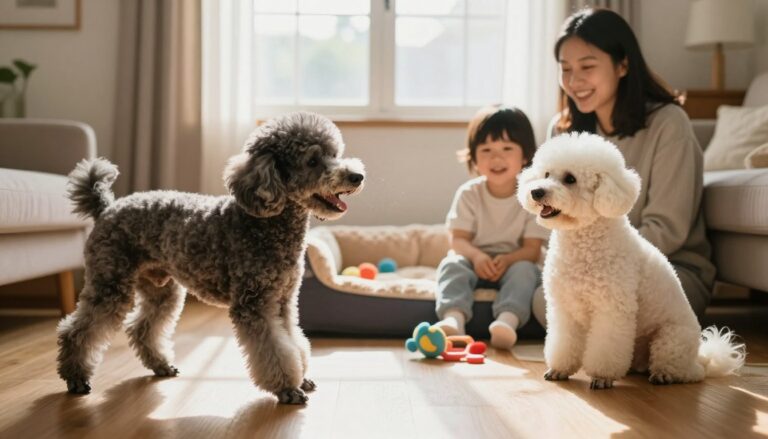
Choosing a small dog that sheds less can make your home cleaner. These dogs fit well in small spaces and keep your furniture and floors clean.

Toy Poodle
Adult size, mental stimulation, training, and professional grooming
The Toy Poodle is very smart and weighs between four and six pounds. They need consistent mental stimulation to avoid boredom. Plan for regular training and grooming every six to eight weeks to keep their coat looking great.
Maltese
Adult size, exercise needs, coat maintenance, and socialization
Maltese dogs are tiny, weighing under seven pounds. They love short walks but need devoted companionship most. Their long hair needs daily brushing, and early socialization helps them stay friendly.
Shih Tzu
Adult size, apartment suitability, grooming, and brachycephalic health considerations
Shih Tzus are calm and weigh between nine and sixteen pounds. They’re great for apartments but need careful monitoring to avoid overheating.
Yorkshire Terrier
Adult size, barking tendencies, activity needs, and coat care
Yorkies are confident and rarely over seven pounds. They have a big personality and may bark at hallway noises. Daily play and regular grooming are key to their care.
Why Small Hypoallergenic Dogs Still Require Regular Grooming
Many think small hypoallergenic dogs are allergen-free. But, no dog is completely free of allergens. Dander, saliva, and skin oils can still cause reactions.
Regular grooming is crucial for managing these allergens. Here are some care tips:
- Schedule professional grooming to remove loose hair and dander.
- Brush your dog’s coat several times a week to distribute natural oils.
- Wipe your dog’s paws and coat after outdoor walks to reduce tracked-in allergens.
- Maintain a clean living space with regular vacuuming and air filtration.
By choosing dogs that stay small and following a consistent care routine, you can have a happy pet in any apartment.
Tiny Dog Breeds for Experienced Owners
For those who enjoy a spirited companion, tiny dog breeds offer a rewarding experience. These dogs have bold personalities that are bigger than their size. They do best in homes where owners understand their safety and behavior needs.
Chihuahua: Alert, Loyal, and Extremely Small
Adult size, handling needs, barking, and cold-weather protection
Chihuahuas are among the smallest dogs, weighing less than six pounds. Their tiny size makes them prone to injury, so they need gentle handling. They are alert and often bark at strangers or noises.
- Provide sweaters or coats during cold weather to maintain their body heat.
- Use positive reinforcement to manage excessive vocalization early on.
- Ensure they have a secure, indoor space to retreat when they feel overwhelmed.
Pomeranian: Energetic and Full of Personality
Adult size, exercise, coat care, and training against excessive barking
Pomeranians are vibrant miniature dogs with lots of energy. They weigh between three and seven pounds and need daily play. Their thick coats need regular brushing to prevent matting.
Training is key for this breed, especially to stop their barking. Consistent, firm, and kind training helps them be well-mannered. Always watch their interactions with larger pets to avoid injuries.
Papillon: Athletic, Bright, and Highly Trainable
Adult size, mental enrichment, exercise, and family fit
The Papillon is a standout among tiny dog breeds for its intelligence and athleticism. They weigh between five and ten pounds and excel in agility. They need mental enrichment, like puzzle toys or trick training.
They are affectionate but best for active families. Their bright nature makes them very trainable with consistent, reward-based methods.
Italian Greyhound: Affectionate and Fast at Playtime
Adult size, indoor comfort, injury prevention, and exercise requirements
Italian Greyhounds are elegant miniature dogs known for their speed and affection. They weigh between seven and fourteen pounds and have thin skin and fragile bones. Use harnesses instead of collars and limit high-impact jumping to prevent injuries.
They love to sprint in safe areas but are mostly indoor dogs. They need soft bedding and cozy sweaters for comfort. Their exercise needs are moderate, with short, fast activities followed by rest.
Small Dogs With Moderate Exercise and Care Needs
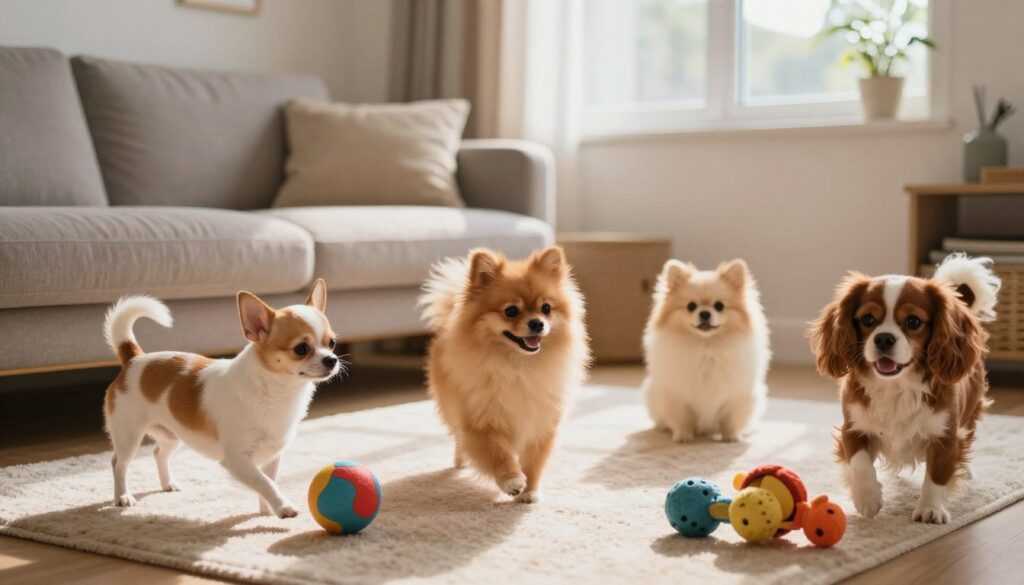
If you’re looking for a pet that’s active but not too demanding, several small breed dogs are great. They’re perfect for indoor living but need special care. Knowing what they need keeps them happy and healthy for a long time.
Boston Terrier: Compact and Sociable
Adult size, indoor activity, training, and breathing-related precautions
Boston Terriers are sturdy and weigh 12 to 25 pounds. They’re exceptionally friendly and love being around people. This makes them perfect for those living in apartments.
They’re smart and do well with positive training. But, their short noses can make breathing hard. So, avoid hard exercise when it’s hot or humid to keep them safe.
Dachshund: Charming but Structurally Sensitive
Adult size, back protection, exercise, and weight management
Dachshunds are known for their long bodies and bold nature, weighing 16 to 32 pounds. Their body shape makes them structurally sensitive, especially their spines.
To keep their backs safe, don’t let them jump on or off high places. Keeping them at a healthy weight is key to avoid joint problems.
Japanese Chin: Quiet and Catlike
Adult size, apartment behavior, companionship, and grooming
The Japanese Chin is a graceful, catlike dog weighing 7 to 11 pounds. They’re remarkably quiet, making them great for apartments. They love being with their owners and enjoy gentle play.
Their long, silky coats need regular brushing. This keeps them looking good and prevents matting.
Pug: Affectionate With Important Health Considerations
Adult size, heat safety, exercise limits, and veterinary care
Pugs are playful and loving, weighing 14 to 18 pounds. They need short walks because of their face shape.
Keeping them cool is crucial, as they can get too hot in warm weather. Regular vet visits are important to check their breathing and overall health.
| Breed | Typical Weight | Activity Level | Primary Care Focus |
|---|---|---|---|
| Boston Terrier | 12-25 lbs | Moderate | Breathing/Heat |
| Dachshund | 16-32 lbs | Low-Moderate | Back Protection |
| Japanese Chin | 7-11 lbs | Low | Grooming |
| Pug | 14-18 lbs | Low | Heat Sensitivity |
Compare the Best Small Dogs for Apartments and Families
Choosing the best small dogs means matching your lifestyle with their unique traits. Every home is different, so there’s no one dog for everyone. Look at how a dog’s personality fits your living situation.
Best Small Dogs for First-Time Owners
For new pet owners, pick small dog breeds that are eager to please and forgiving. The Cavalier King Charles Spaniel is known for being gentle and loving. These dogs fit well into your routine and respond well to positive training.
Best Small Dogs for Families With Young Children
Families need a dog that’s playful but gentle. The Bichon Frise and Havanese are great because they’re playful and loving. They stay patient during play, making them perfect for busy homes.
Best Small Dogs for Quiet Apartments
Apartment dwellers need a quiet dog. The Japanese Chin and Shih Tzu are quiet and calm. They love to relax, keeping your home peaceful.
Best Small Dogs for Active Households
Active people need a dog that keeps up. The Papillon and Italian Greyhound are surprisingly energetic. They love to run and explore, making them great for an active life.
Best Small Dogs for Lower-Shedding Homes
Those who want a clean home might prefer small hypoallergenic dogs. While no dog is completely non-allergenic, breeds like the Toy Poodle and Maltese shed very little.
“A well-groomed dog is a happy dog, and consistent maintenance is the key to a healthy coat,” says a leading veterinarian.
These breeds still need regular grooming to avoid matting.
Compare Size, Exercise, Grooming, Noise, and Trainability in a Quick-Reference Table
| Breed | Energy Level | Grooming Needs | Noise Level |
|---|---|---|---|
| Toy Poodle | Moderate | High | Low |
| Pomeranian | High | High | High |
| Shih Tzu | Low | High | Low |
| Chihuahua | Moderate | Low | High |
Prepare Your Home and Family for a Small Dog
Your home needs changes to fit a small dog’s needs. When you get dogs that stay small, see your home from their view. Small changes can greatly improve your pet’s comfort and safety.
Make an Apartment Safe for a Tiny Dog
Tiny spaces can hide dangers for tiny dog breeds. Secure electrical cords and block small gaps behind appliances. Use baby gates to keep areas safe for your puppy.
Choose Proper Food, Harnesses, Beds, and Crates
Choose items made for smaller dogs. Harnesses are safer than collars for their necks. Make sure your crate is cozy and secure, a safe place for your pet to rest.
Prevent Injuries From Stairs, Furniture, and Rough Handling
These dogs are fragile and can easily get hurt. Teach kids to sit on the floor when playing with your pet. Use ramps or stairs to help them get on furniture safely.
Build a Routine for Potty Training, Exercise, and Alone Time
Consistency is key in training your dog. Create a schedule for meals, breaks, and quiet time. Routine helps your dog feel secure when left alone.
Budget for Grooming, Dental Care, Preventive Medicine, and Insurance
Being a pet owner means big financial responsibilities. Budget for grooming, dental care, and insurance. These are crucial for your dog’s health.
Meet Breeders, Rescues, and Veterinarians Responsibly
Have honest talks with professionals before choosing a dog. Ask about the dog’s health history. Find a trusted vet early for your pet’s care.
Conclusion
Choosing the right pet is more than just looks. You need to think about their adult size, how they act, how much exercise they need, and how much grooming they require. This way, you make sure they fit well into your life.
Many small dogs do great in small homes if they get regular training and fun activities every day. They bring lots of love and happiness to their owners. It’s important to take care of their health and see the vet often.
Small dogs add special energy and personality to your home. Choose a breed that matches your lifestyle, not just because they look good. Making a good choice means a happy and lasting friendship.
Do your homework to find a healthy pet from a local breeder or rescue. Your effort in training and care will make your pet very happy. Welcome a new, loving member to your family with joy.