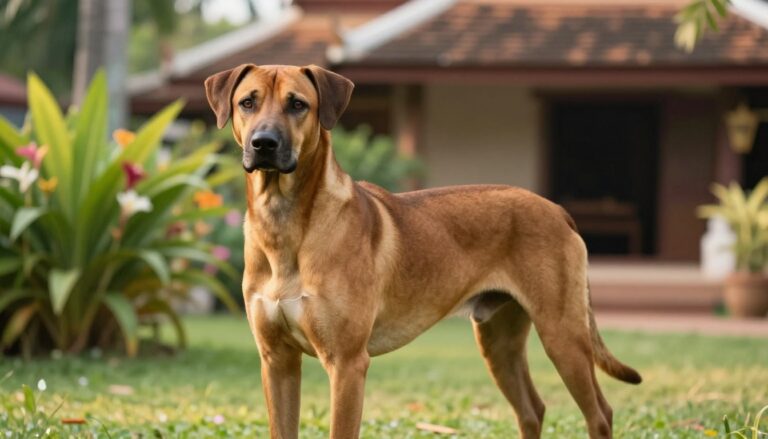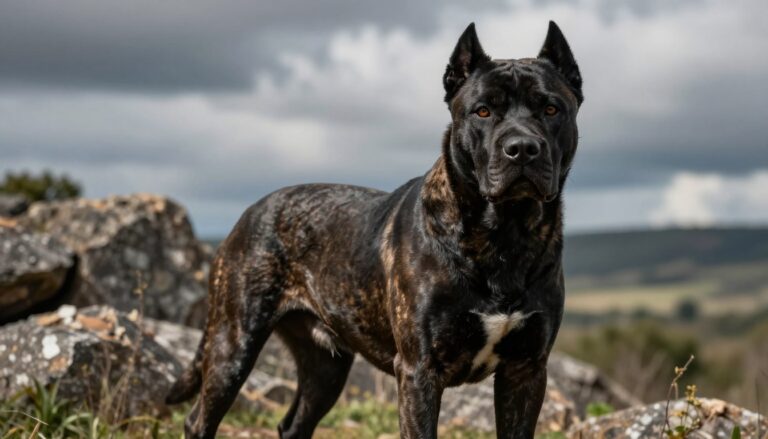
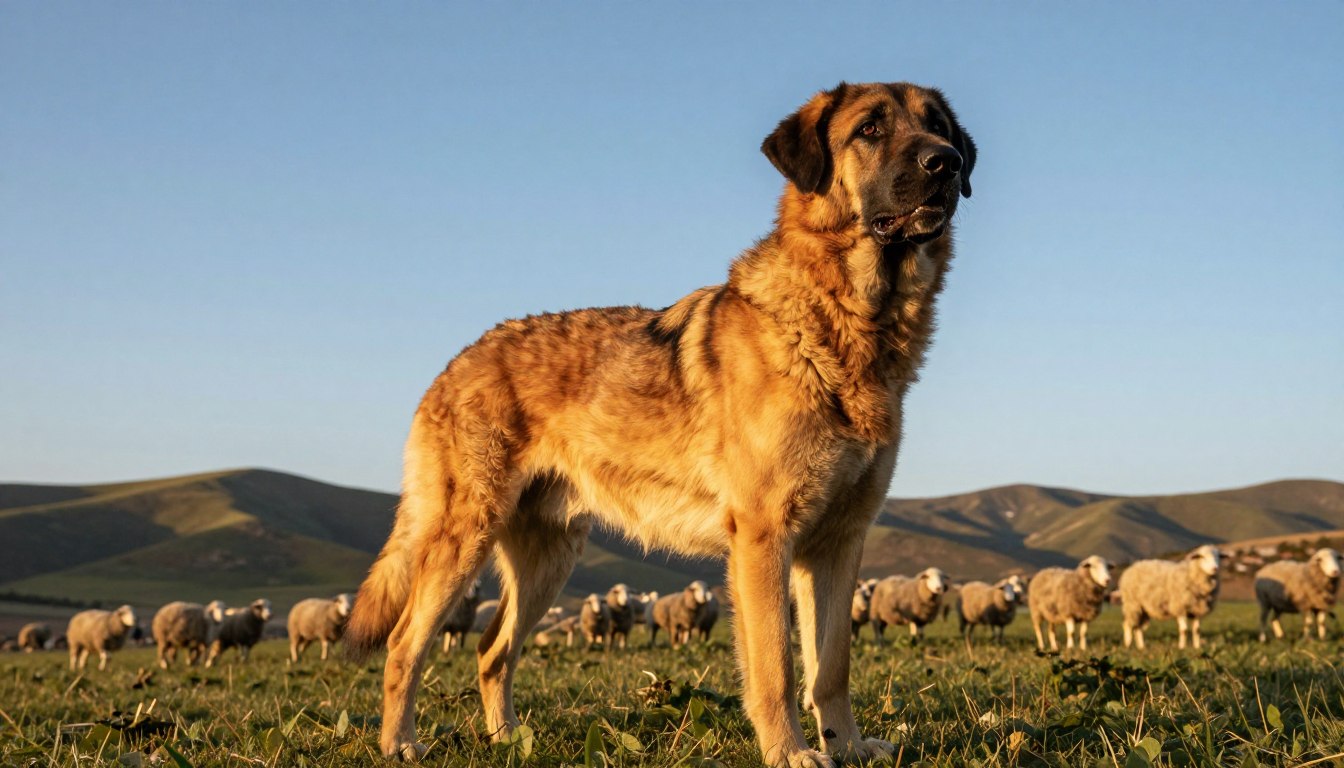
Best Shepherd Dog Types: Is the Turkish Kangal Right for You?
Choosing a loyal companion is a big decision. You might dream of a partner that protects and shows endless loyalty. But picking the right shepherd dog type can be tough.
A Turkish Kangal is not like other herders. While breeds like the Border Collie or German Shepherd are great at herding, the Kangal is a livestock guardian dog. This breed needs a special place and lots of experience to do well.
Before you decide, think about your property size, training skills, and daily routine. We’ll look at breeds like the Australian Shepherd, Belgian Malinois, Anatolian Shepherd, and Collie. This will help you pick the right pet for your life.
Table of Contents
What You Need to Know Before Choosing Among Shepherd Dog Types
Understanding the differences between working breeds is key to a good partnership. When you look at shepherd dog types, you’re not just picking a pet. You’re choosing a partner with a specific genetic makeup. It’s important to match the dog’s original purpose with your lifestyle for long-term happiness.
How herding dogs differ from livestock guardian dogs
Herding dogs were bred to move and control livestock with human help. They have lots of energy and love to work with their owners.
Livestock guardian dogs were made to stay with the herd alone. They protect the herd from predators without needing constant human help. This difference affects how they act at home and with their families.
Why working purpose affects temperament, exercise, and training
The breed you choose affects the working dog temperament you’ll see at home. Herding breeds need lots of activity and mental challenges to avoid boredom. If they don’t get enough exercise, they might try to herd kids or pets.
Guardian breeds are more independent and territorial. They might bark at strangers and need clear rules. Training them is different because herders need human commands, while guardians make their own decisions based on instinct.
The household factors that should guide your decision
Think carefully about your living situation before making a choice. Consider your space, fencing height, and time for training. A high-energy herder might not do well in a small apartment, while a guardian breed needs a big, secure area to patrol.
Also, think about your experience with dogs. Families with young kids or lots of visitors should choose breeds that are stable and friendly. Use the table below to see how different breeds might fit into your life.
| Feature | Herding Dogs | Livestock Guardian Dogs |
|---|---|---|
| Primary Goal | Control and movement | Protection and presence |
| Independence | Low (handler-focused) | High (autonomous) |
| Exercise Needs | Very High | Moderate |
| Barking Tendency | Moderate (alert) | High (territorial) |
How Shepherd Dog Types Compare at a Glance
Exploring shepherd dog types can be confusing without a clear way to compare them. A consistent dog breed comparison framework helps you narrow down choices that fit your lifestyle. This method ensures you focus on the most important traits for your home.
Comparison criteria: size, energy, trainability, and guarding instinct
When looking at breeds, focus on four key areas. Breed size is crucial as it affects space needs and handling. Trainability shows how much time you’ll spend on training and mental games.
The guarding instinct also varies a lot. Some breeds are naturally wary of strangers, while others are more friendly. Finding the right balance helps you choose a dog that fits your daily life.
Compact companion breeds versus demanding working breeds
There’s a big difference between small breeds and high-energy working dogs. Small breeds often do well in suburbs, while working breeds need lots of activity every day. If you pick a high-energy breed, you must be ready to give them a “job” to keep them happy.
“A dog is not just a pet; it is a commitment to a specific way of life that requires understanding the animal’s inherent purpose.”
Herding drive, prey drive, and protective behavior in a family setting
Herding drive shows as circling, staring, or nipping at moving things. Protective behavior means alert barking and defending against threats. Prey drive affects how a dog acts with smaller pets in your home.
| Breed | Size | Energy | Trainability | Guard Instinct |
|---|---|---|---|---|
| Turkish Kangal | Giant | Moderate | Independent | Very High |
| German Shepherd | Large | High | High | High |
| Border Collie | Medium | Very High | Very High | Low |
| Shetland Sheepdog | Small | Moderate | High | Moderate |
How to interpret a breed comparison table
Remember, breed ratings are just guidelines. A dog’s personality and early socialization greatly influence its behavior. Use these charts as a starting point, but always meet the dog or breeder before deciding.
The Turkish Kangal: Size, Temperament, and Working Purpose
The Turkish Kangal is a top choice for guarding livestock. Unlike herding dogs, it stands its ground to protect animals from predators.
How the Turkish Kangal was developed to protect livestock
The Turkish Kangal was bred in the Anatolian region to guard flocks. It keeps animals safe from wolves, bears, and other dangers by being present and intimidating.
These dogs are known for making decisions on their own. They don’t wait for humans to act when they see danger.
Expected size, strength, coat, and physical maturity
The Kangal is a giant dog breed with great strength. Males can be very tall and heavy. They have a thick coat that keeps them warm in cold weather.
This breed takes a long time to grow up. While small dogs may mature quickly, Kangals need up to three years to fully develop.
Independent judgment and calm guardian temperament
The Kangal has a calm and watchful nature. They are not usually hyperactive. Instead, they like to watch from a distance.
They are calm most of the time, saving energy for when it’s needed. They rarely attack unless they have to, using their size to scare off intruders.
How a Kangal responds to strangers, animals, and perceived threats
In a home, a Kangal is naturally wary of new people or animals. They see their family as their flock to protect.
So, they need lots of socialization when young. Without it, they can become too protective and hard to handle for new owners.
Why its guarding instincts require responsible ownership
Having a Kangal is a big responsibility. They need a safe, fenced area to prevent them from wandering off.
Being a responsible owner means training them well and setting clear rules. With the right care, a Kangal is a loyal and devoted guardian. But, it’s not for everyone.
| Feature | Kangal Trait | Impact on Owner |
|---|---|---|
| Maturity Rate | Slow (2-3 years) | Requires long-term patience |
| Energy Level | Low to Moderate | Needs space, not constant activity |
| Decision Making | Highly Independent | Demands experienced leadership |
| Protective Drive | Very High | Requires secure containment |
Is the Turkish Kangal a Good Fit for Your Lifestyle?
Getting a Turkish Kangal means more than just love. It’s a big commitment to their special needs. This breed is not like other pets. They need their instincts respected and understood.
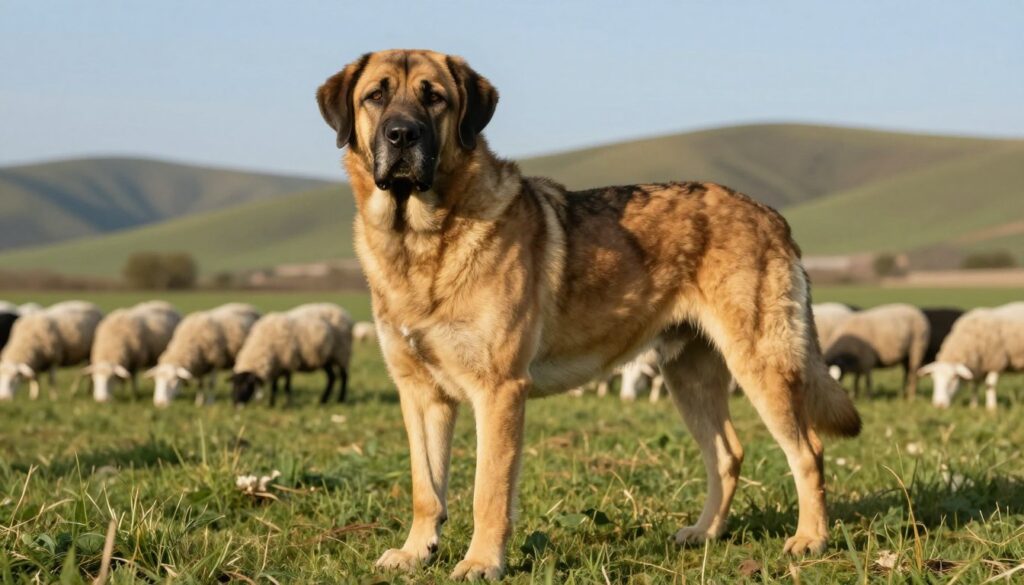
Space requirements for a giant livestock guardian
The Turkish Kangal needs lots of space to watch over their area. They don’t do well in small places like apartments. A big area lets them do their job right.
Exercise needs without overstimulating a powerful guardian breed
Give them steady, calm exercise, not intense play. High-energy activities can upset their calm nature. Consistent, calm engagement keeps them healthy and balanced.
Training, socialization, boundaries, and secure containment
Socializing them early is crucial. Set clear rules from the start. Their size and protective instincts mean they need strong fencing to stay safe.
Compatibility with children, pets, visitors, and rural living
Living in the country with a Turkish Kangal needs careful planning. They love their family but are cautious around strangers. Always watch them when kids or other pets are around.
Situations in which a Turkish Kangal may be the wrong choice
A Turkish Kangal might not be right for city living or small spaces. They’re not for those seeking easy obedience. If you’re new to big dogs or often have guests, they might be too much to handle.
German Shepherd, Belgian Malinois, and English Shepherd Compared
When you look at the german shepherd, belgian malinois, and english shepherd, you see they’re all different. Each has its own purpose and personality. Knowing these differences helps you pick the right dog for your life.
German Shepherd for versatility, protection, and family companionship
The german shepherd is known for being versatile. They’re great at search and rescue and protecting families. They’re smart and loving, making them wonderful pets.
Strengths, challenges, and ideal owner
These dogs are eager to please and easy to train. But, they need lots of mental and physical activity. They do best with an owner who can give them lots of attention and training.
Belgian Malinois for advanced work and intense daily engagement
The belgian malinois is perfect for those who need a hardworking dog. They’re intense and excel in specialized jobs. They need a job every day to stay happy.
Why its drive can exceed the needs of a typical household
This breed is too much for most families. Without enough work, they can get destructive or anxious. They need a lot of training and activity, which is hard for most homes to provide.
English Shepherd for adaptable farm work and a more moderate scale
The english shepherd is great for farm work. They’re smart and can work alone. They’re loyal and adjust well to farm life.
Strengths, challenges, and ideal owner
The english shepherd is calm and versatile. They need regular exercise to be happy. They’re best for someone who wants a hardworking dog that’s also a loving family member.
Australian Shepherd, Border Collie, and Shetland Sheepdog Compared
Thinking about getting a herding dog? You should look at the Australian Shepherd, Border Collie, and Shetland Sheepdog. Each has its own special qualities, from needing lots of work to being very loving and gentle.
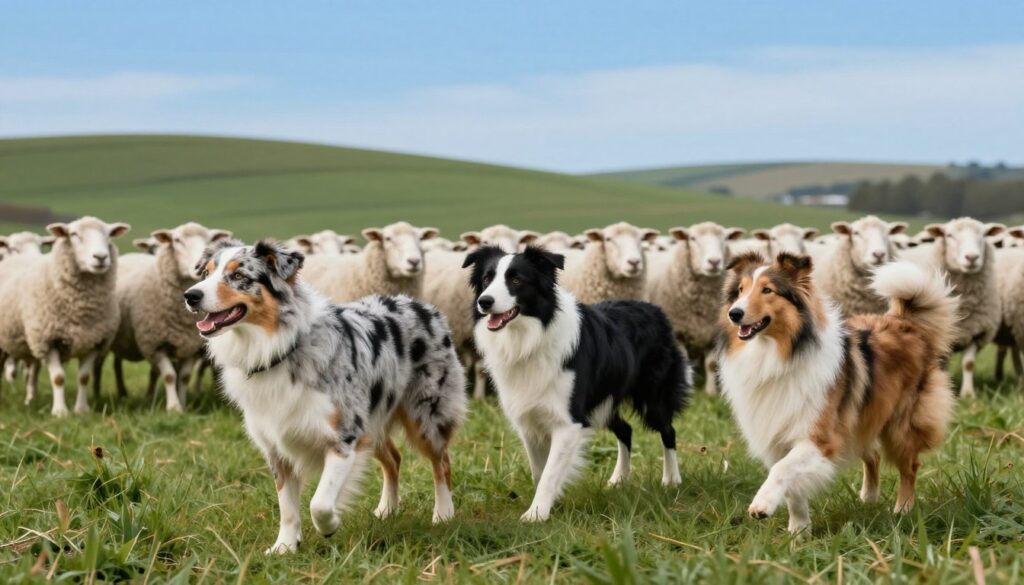
Australian Shepherd for an active, trainable family
The Australian Shepherd is great for families who love to stay active. They love to have a task and lots of room to run around.
Exercise, mental stimulation, coat care, and herding behavior
These dogs need lots of dog mental stimulation to be happy. Without enough activity, they might try to herd kids or pets. Regular grooming helps keep their thick coat in good shape and keeps them comfy.
Border Collie for exceptional intelligence and demanding work drive
The Border Collie is known for being very smart. They focus a lot and want to work hard, making them a big challenge for most owners.
Why advanced training and purposeful activity matter
Because they have so much energy, they need advanced training. Giving them dog mental stimulation every day is crucial. They need a task every day to be happy.
Shetland Sheepdog for a smaller herding companion
Want a smaller herding dog? The Shetland Sheepdog is a good choice. They are very loving and bond strongly with their owners.
Barking, sensitivity, grooming, and household fit
Keep in mind, they can bark a lot at new things. They are also highly sensitive to their owner’s mood. They do best in a quiet, caring home. Regular brushing is needed to keep their coat looking good.
| Breed | Size | Energy Level | Best For |
|---|---|---|---|
| Australian Shepherd | Medium | Very High | Active Families |
| Border Collie | Medium | Extreme | Working/Sport |
| Shetland Sheepdog | Small | Moderate | Companionship |
- Australian Shepherd: Needs daily physical challenges and consistent training.
- Border Collie: Requires a job or high-level sport to stay mentally balanced.
- Shetland Sheepdog: Thrives on human interaction but requires management of barking habits.
Anatolian Shepherd and Collie: Two Different Paths to a Herding Dog
Choosing a working dog depends on your needs. Do you want a dog that protects on its own or one that works with you? Both types of dogs have a history of working with humans. But their daily lives are very different.
Knowing these differences helps you pick the right dog for your lifestyle and property.
Anatolian Shepherd versus Turkish Kangal for livestock protection
The Anatolian Shepherd and the Turkish Kangal are great at protecting livestock. They work alone for long times, often without human help. They see their area as their territory to defend.
Size, independence, territorial behavior, and management demands
These dogs are huge and calm. They need strong, high-quality fencing because they guard their territory. Managing their independence needs a firm hand and early socialization.
Collie for family-oriented herding ability and responsiveness
The collie loves to work with its human handler. They do well in tasks that need constant communication and quick changes. They focus more on their owners than on guarding a perimeter.
Rough Collie and Smooth Collie coat-care considerations
Choosing a collie means picking between two coat types. The Rough Collie has a long coat that needs regular brushing. The Smooth Collie has a shorter coat that’s easier to care for.
Choosing between guardian instincts and cooperative herding instincts
Decide if you want a dog that makes its own decisions or one that follows your lead. A livestock guardian breed like the Anatolian Shepherd or Turkish Kangal is good for self-reliant protection. The collie is better for those who want a training partner.
Your choice affects how much training and management you’ll need. Cooperative herders need games and tasks for their minds. Independent guardians need space and clear rules. Pick the path that matches your commitment to your dog’s growth.
Care Requirements That Can Change Your Breed Decision
Knowing the shepherd dog types and their dog care requirements is key for a good partnership. The appeal of a loyal friend is strong, but owning one is different for each breed. You need to think carefully to make sure your home fits your dog’s needs.
Daily exercise and mental work by shepherd dog type
Herding breeds need lots of exercise and mental challenges. Without these, they might get destructive or anxious. Daily training that tests their brains is better than just physical activity.
On the other hand, guardian breeds like to move at a slower pace. They’re built for long walks and watching over their territory. Giving them space to roam is more effective than forcing them to run.
Training approaches for independent guardians and handler-focused herders
Guardian dogs, like the Turkish Kangal, need a different training style. They’re meant to make decisions on their own. Setting clear boundaries and using practical methods works best, not endless drills.
Herder breeds, such as the Border Collie, love feedback and playing together. They see training as a game. You’ll need to spend time every day teaching them new skills to keep their minds sharp.
Grooming, shedding, nail care, and seasonal coat changes
Good grooming is essential for shepherd breeds. They have thick coats that keep them warm. Expect a lot of shedding, especially in spring and fall.
- Regular brushing stops mats and reduces hair in your home.
- Keeping their nails short is important for their comfort and movement.
- Don’t forget to clean their ears and teeth weekly.
Health screening, veterinary costs, and expected commitment
Buying a puppy from a good breeder means they’ve been health-checked. This helps spot genetic problems early, saving you from big vet bills later. You’ll need to budget for vet visits, good food, and emergencies for the dog’s whole life.
Having a big or active dog is a big commitment that can last over 10 years. Make sure your life can handle their needs as they get older. A well-cared-for dog will thank you with years of love and protection.
Why large-breed growth and joint care deserve special attention
Giant breeds grow fast in their first two years. This fast growth makes joint care very important for their joints. Avoid letting puppies run on hard surfaces to prevent joint damage.
Keeping them at a healthy weight is also key for their joints. Too much weight can hurt their growing bones. Watching their growth and feeding them right helps them stay active and pain-free.
How to Choose the Best Shepherd Dog Type for Your Home
Finding the right dog starts with knowing your home, schedule, and experience. Choosing the right breed is key for a great pet relationship. Knowing what different shepherd dog types need helps you live well together.
Match the breed to your property, schedule, and experience
Think about the space you have. Some dogs need lots of room to run, while others do fine in smaller places. Your daily routine also matters, as some dogs need lots of activity every day.
Consider your experience with dogs. If it’s your first time, a less demanding breed might be better. But if you’re experienced, a high-energy dog could be a good fit if you’re ready to train it well.
Decide whether you need herding, guarding, sport, or companionship
Think about what you want your dog to do. Do you want a sports partner, a guard dog, or a family friend?
Herding dogs are great at agility and following commands. Guard dogs are independent and protect. Knowing what you need helps you choose the right dog.
Evaluate breeders, rescues, working lines, and puppy socialization
Look for breeders and rescues that are open about health and temperament. Whether it’s a German Shepherd, Australian Shepherd, English Shepherd, or Collie, choose ethical sources. They should stress the importance of early puppy socialization.
Working line dogs have strong instincts. Make sure you know their background. They need activities that match their natural behaviors.
Use a practical decision checklist before bringing a dog home
Before you decide, check if you’re ready. Make sure your yard is safe and your budget covers vet bills and food. Plan for regular exercise and mental games for your dog’s whole life.
| Breed Category | Space Needed | Activity Level | Training Needs |
|---|---|---|---|
| Livestock Guardian | Large/Rural | Moderate | High (Boundaries) |
| Herding Breed | Medium/Large | Very High | High (Mental) |
| Family Companion | Small/Medium | Moderate | Moderate |
Conclusion
Finding the best shepherd dog means looking at your property, daily routine, and long-term plans. You need to match the dog’s needs with what you can offer. This includes training and managing the dog’s behavior.
The Turkish Kangal is great for guarding livestock but might not be right for most suburban families. It’s important to choose a breed that fits your lifestyle, not just how it looks.
Before deciding, compare the dog’s guardian instincts, herding skills, and exercise needs. Don’t forget about grooming and health checks. These are key to a happy and healthy dog.
Get advice from trusted breeders, local rescues, and vets. They can tell you if a dog is a good fit for you. Being well-prepared will lead to a fulfilling relationship with your new pet for many years.