Great Dane Life Expectancy Guide for US Dog Owners
Bringing a gentle giant home is a profoundly moving experience filled with oversized affection and quiet companionship. As your loyal friend grows, you may wonder how long do great danes live and hope for many years together.
This guide explains the forces that shape your companion’s life. It explores how genetics, nutrition, and daily habits affect your pet’s great dane life expectancy.
Every dog is unique, but practical steps can support your dog’s well-being. Proactive veterinary care and mindful exercise can help your canine friend thrive for years.
Table of Contents
Great Dane Life Expectancy: How Long Your Dog May Live
If you wonder about how long do Great Danes live, you are not alone. Bringing a giant breed home is a major commitment with special joys and responsibilities. Knowing what affects their time with you helps you provide the best care.
The typical lifespan of Great Danes
In the United States, the average lifespan of Great Danes is usually 7 to 10 years. Some may live longer with excellent care, but this range is typical for the breed. Treat these numbers as a guide, not a fixed timeline for your dog.
Why Great Danes have shorter lives than many smaller breeds
Giant breeds often have a shorter great dane life expectancy than smaller dogs. They grow very fast during their first two years. This rapid growth strains their internal organs, skeleton, and metabolic systems.
This intense physical demand also makes their bodies age faster. As a result, they may develop age-related conditions earlier than smaller dogs. Early support during these important years helps protect their long-term health.
How genetics and individual health affect longevity
Genetics strongly shape your companion’s health over time. Responsible breeders test for health and temperament, which can lower the risk of inherited disorders. Choosing a puppy from a reputable breeder gives it a healthier start.
Your daily choices about nutrition, exercise, and veterinary care are critical factors. A lean dog that receives regular medical screenings is more likely to reach the upper age range. Each choice supports your dog’s overall well-being.
What lifespan averages can and cannot predict
Population statistics cannot predict your pet’s exact future. The question of how long do Great Danes live has no single answer because each dog differs. Averages are data from large groups, not promises for one animal.
Your dog’s genes, environment, and lifestyle will shape its personal journey. Focus on a high quality of life today instead of worrying about averages. By watching your dog’s needs, you can help it live its best life, whatever the numbers say.
What the Great Dane Life Stages Mean for Your Care Plan
Your journey with a Great Dane includes distinct milestones that need specific health strategies. Understanding these phases helps you interpret the average lifespan of great danes and give your dog needed support. Each stage changes how you manage nutrition, exercise, and veterinary care.
Puppy growth from birth through 18 months
The first 18 months are the most important for your dog’s skeletal development. Because these dogs grow at an extraordinary rate, they need giant-breed food to help prevent orthopedic issues. Overfeeding then can cause permanent joint damage and limit long-term mobility.
Young adulthood and the risks of rapid growth
In young adulthood, your dog may have high energy that hides physical weaknesses. Balance play with protection for developing growth plates. Controlled, low-impact exercise helps build muscle without placing too much stress on the frame.
Adult maintenance and early health monitoring
During adulthood, focus on steady weight control and early health screenings. Keeping your dog lean can strongly affect the average lifespan of great danes. Regular checkups help your veterinarian find early heart or thyroid changes before serious problems develop.
“Giant breeds require a lifetime of vigilance, where every stage of development is met with precise nutritional and medical adjustments to ensure longevity.”
Senior years and changing care needs
As your companion enters the senior years, metabolism slows and recovery takes longer. You may need ramps or orthopedic bedding to support reduced mobility. At this stage, Compassionate care centers on comfort, pain control, and a good quality of life.
Signs that your dog may be entering its senior stage
- Noticeable graying around the muzzle and face.
- A decrease in overall stamina during daily walks.
- Stiffness when rising from a lying position.
- Changes in sleep patterns or cognitive alertness.
| Life Stage | Primary Focus | Key Risk |
|---|---|---|
| Puppyhood | Controlled Growth | Joint Deformities |
| Young Adult | Muscle Development | Overexertion |
| Adult | Weight Management | Metabolic Issues |
| Senior | Comfort & Mobility | Chronic Pain |
Tracking these stages gives you a clearer view of how to extend the average lifespan of great danes each year. Your active involvement remains the most important factor in your dog’s health journey.
Factors Affecting Great Dane Lifespan in the United States
A long, healthy life for your Great Dane depends on several environmental and biological factors. You cannot change your dog’s DNA, but knowing the factors affecting great dane lifespan helps you make choices for lifelong wellness.
Inherited traits and responsible breeding
The foundation of your dog’s health starts before they come home. Responsible breeders use health tests to lower hereditary conditions that often affect giant breeds.
When you choose a breeder who checks heart health and orthopedic issues, you support a healthier future. Genetic health strongly affects longevity and shapes your dog’s entire life.
Nutrition, body condition, and healthy growth
Great Danes grow quickly, but that growth needs careful control. A diet made for giant breeds provides balanced nutrients without too many calories.
A lean body condition helps reduce stress on growing joints and organs. Overfeeding may cause skeletal problems and shorten your dog’s active years.
Exercise, mobility, and injury prevention
Regular, low-impact movement keeps your Great Dane agile and strong. Avoid intense jumping and repeated impact, especially while your dog grows.
Preventing accidental injury is an important part of daily care. Safe movement habits reduce lasting orthopedic damage that can limit mobility with age.
Environmental factors in different US climates
The United States has many climates, each creating special challenges for giant breeds. Your dog’s size and coat type limit how well they control body temperature.
Managing heat, humidity, cold, and slippery floors
In hot, humid regions, provide shade and water to prevent heat exhaustion. In cold months, give your dog a warm, dry sleeping area away from drafts.
Indoor spaces also matter. Slippery floors, including hardwood or tile, can cause dangerous falls and ligament tears. Use rugs or runners for traction and protect your dog’s joints from extra strain.
Common Health Problems in Great Danes That Can Shorten Life
Managing a giant breed means knowing the common health problems in Great Danes that may shorten life. Their large bodies and fast growth create special health risks. Early care helps your veterinarian protect your dog’s comfort and quality of life.
Gastric dilatation-volvulus, commonly called bloat
Bloat is one of the most serious emergencies facing Great Dane owners. Gas fills the stomach, which then twists and cuts blood flow to vital organs. It progresses quickly and needs immediate treatment to save your dog’s life.
Warning signs that require emergency veterinary care
Act at once if your dog paces, pants heavily, or tries to vomit without producing anything. A swollen, hard abdomen is another major red flag. Do not wait for symptoms to pass; minutes can separate survival from tragedy.
Risk-reduction practices to discuss with your veterinarian
Ask your veterinarian about prophylactic gastropexy, a surgery that tacks the stomach to the abdominal wall. It helps prevent twisting. Consider smaller, frequent meals instead of one large portion, and avoid vigorous exercise after eating.
Dilated cardiomyopathy and other heart conditions
Dilated cardiomyopathy (DCM) is a serious heart muscle disease that enlarges the heart and weakens its pumping. Many owners do not know about it until the disease is advanced. Regular echocardiograms are the best way to monitor your dog’s heart health.
Cancer risks, including osteosarcoma and lymphoma
Giant breeds face higher risks for certain cancers. Osteosarcoma is a painful bone tumor, especially common in Great Dane limbs. Watch for unexplained limping or swelling, because early detection improves pain control and treatment choices.
Hip dysplasia, arthritis, and other orthopedic disorders
Their heavy frames often lead to joint problems. Hip dysplasia and arthritis can greatly limit movement as your dog ages. Keeping your dog lean reduces joint stress and may delay chronic pain.
Hypothyroidism, wobbler syndrome, and eye conditions
Other common health problems in Great Danes include hypothyroidism, which affects metabolism, and Wobbler syndrome, a neurological neck condition. Eye conditions like ectropion can also cause irritation and infection. Routine physical exams help your vet find these problems before they harm daily comfort.
| Health Condition | Primary Risk | Management Strategy |
|---|---|---|
| Bloat (GDV) | Sudden organ failure | Prophylactic surgery/Diet control |
| DCM (Heart) | Reduced heart function | Regular echocardiograms |
| Osteosarcoma | Bone pain/Fractures | Early screening/Pain management |
| Hip Dysplasia | Chronic mobility loss | Weight control/Joint supplements |
Preventive Veterinary Care for a Longer-Lived Great Dane
Building a strong partnership with your veterinarian is one of the best care practices for Great Dane longevity. Working closely with a medical professional helps detect common health problems in Great Danes early and supports regular monitoring.
Establishing a relationship with a US veterinarian
Finding a local clinic that understands giant breeds is vital. Look for a practice experienced with rapid growth and the physical challenges these dogs face. A steady relationship helps your vet know your dog’s history and spot subtle changes in behavior or health.
Recommended puppy and adult wellness visits
Puppies need frequent visits to track growth spurts and support proper development. Once your dog reaches adulthood, schedule complete wellness exams at least once or twice a year. These visits let your vet perform a thorough physical assessment and support long-term health.
Screening for heart, thyroid, orthopedic, and eye disease
Giant breeds can inherit certain conditions, so proactive screening is necessary. Your veterinarian may recommend these tests to manage common health problems in Great Danes:
- Echocardiograms to monitor heart function and detect early signs of cardiomyopathy.
- Blood panels to check thyroid levels and metabolic health.
- Orthopedic evaluations to assess joint stability and hip health.
- Ophthalmology exams to identify potential vision issues early.
Vaccinations, parasite prevention, and dental care
A strict schedule for core vaccinations protects your dog from preventable infections. Year-round parasite prevention is essential because heartworm and tick-borne illnesses can harm large dogs. Do not overlook dental hygiene, since oral infections can cause wider health problems and shorten your dog’s lifespan.
When to seek a veterinary specialist or emergency clinic
Your primary veterinarian may refer you to a specialist, such as a cardiologist or orthopedic surgeon. You also need a clear emergency plan.
If you notice bloat signs, such as a swollen abdomen or unproductive retching, seek immediate emergency care. Quick action often improves the outcome in these urgent situations.
Feeding and Weight Management for Great Dane Longevity
Managing your Great Dane’s diet can strongly affect their lifespan. The right fuel helps your giant companion keep a healthy frame, supporting the best care practices for great dane longevity.
Choosing a complete diet for giant-breed growth
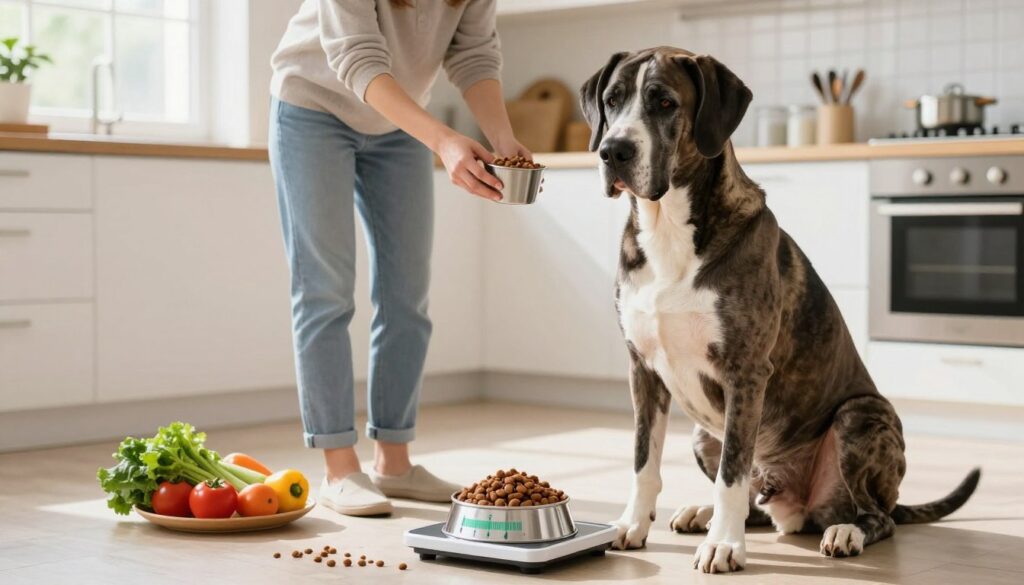
Giant breeds need special nutrition that differs greatly from smaller dogs. Choose a high-quality, large-breed puppy formula made for slow, steady skeletal development.
These formulas balance calcium and phosphorus to help prevent orthopedic issues. Always consult your veterinarian before choosing a brand, and confirm it meets AAFCO standards for giant-breed growth.
Controlling calories while supporting healthy development
Rapid growth raises major risks for Great Danes. Keeping your puppy lean during the first two years helps protect joints and long-term mobility.
Avoid overfeeding, even when your puppy seems hungry. A lean body is healthier than a heavy one because extra weight strains developing bones.
Meal timing and feeding habits that support digestion
Great Danes often face digestive issues, so feeding habits matter as much as food. Divide their daily food into at least two or three smaller meals.
This approach keeps the stomach from becoming too full at once. Elevated feeders remain debated, so ask your vet about the best setup for your dog.
Why you should avoid sudden diet changes and unapproved supplements
Sudden diet changes can cause severe gastrointestinal upset. If you must switch brands, make the change gradually over seven to ten days.
“The foundation of a healthy dog is built on consistent, high-quality nutrition that supports their unique physiological needs.”
Also, avoid adding unapproved supplements to your dog’s bowl. Excess calcium or vitamins can disrupt natural growth and cause serious health complications.
Keeping your Great Dane at a healthy body condition
Maintaining an ideal weight is one of the best care practices for great dane longevity. Regularly check your dog’s shape to ensure they carry no extra fat.
How to monitor ribs, waist, weight, and muscle at home
You can use a simple hands-on check at home to monitor your dog’s condition:
- Ribs: You should be able to feel the ribs easily without pressing hard through a thick layer of fat.
- Waist: When viewed from above, your dog should have a visible tuck at the waist.
- Muscle: Check for firm muscle tone along the back and thighs rather than soft, squishy fat.
- Weight: Use a reliable scale to track their weight consistently, noting any sudden gains or losses.
Regular checks let you adjust calories before small weight changes become major health concerns.
Exercise and Daily Habits That Support a Longer Life
Managing your Great Dane’s exercise routine supports their physical well-being. Using these tips for increasing great dane longevity calls for a balanced plan that changes as your dog matures. Consistent, low-stress movement helps protect their joints and heart throughout life.
Age-appropriate activity for growing puppies
Puppies need careful exercise control while their skeletal system develops. Avoid forced running or long walks because they can stress developing growth plates. Choose short, frequent play sessions in soft grass to build coordination without long-term damage.
Low-impact exercise for adult and senior Great Danes
When your dog reaches adulthood, choose activities that support the heart without high impact. Swimming supports their massive frame while building muscle. Gentle, leashed walks on flat surfaces help maintain mobility during their senior years.
Strength, mobility, and mental enrichment without overexertion
Physical health is only half the battle; mental stimulation also matters for a happy dog. Use puzzle feeders or scent-work games to keep their mind sharp without intense exercise. These activities provide valuable enrichment and keep your dog content during quiet afternoons at home.
Activities to limit because of joint or injury risk
Some movements can place extra strain on a giant breed’s body. Strictly limit jumping, repeated stair climbing, and sharp, fast turns on slippery surfaces. These actions raise the risk of orthopedic injuries that can harm your dog’s quality of life.
Creating a safe home and outdoor routine
Consistency is one of the best care practices for great dane longevity. Keep your home free of slick flooring, which can cause slips and joint strain. A predictable, low-impact routine gives your Great Dane the stability needed to thrive comfortably as long as possible.
Practical Ways to Extend the Life of Your Great Dane
Your daily observation and steady care play a vital role in extending the life of your Great Dane. Stay proactive to spot subtle health changes before they become serious emergencies.
Maintain a healthy weight throughout every life stage
Keeping your dog at an ideal body condition is one of the most effective tips for increasing Great Dane longevity. Extra weight strains their joints and heart, which already face pressure from their massive size.
Check your dog’s waist and rib coverage often. If you cannot easily feel the ribs beneath thin fat, ask your veterinarian about reducing calories.
Track behavior, appetite, movement, and bathroom changes
Great Danes often hide discomfort until it becomes severe. Keep a simple daily log to spot early signs of illness.
- Note any sudden loss of appetite or refusal to eat.
- Watch for changes in gait, such as limping or stiffness.
- Monitor bathroom habits for signs of distress or irregularity.
Use regular grooming and hands-on health checks
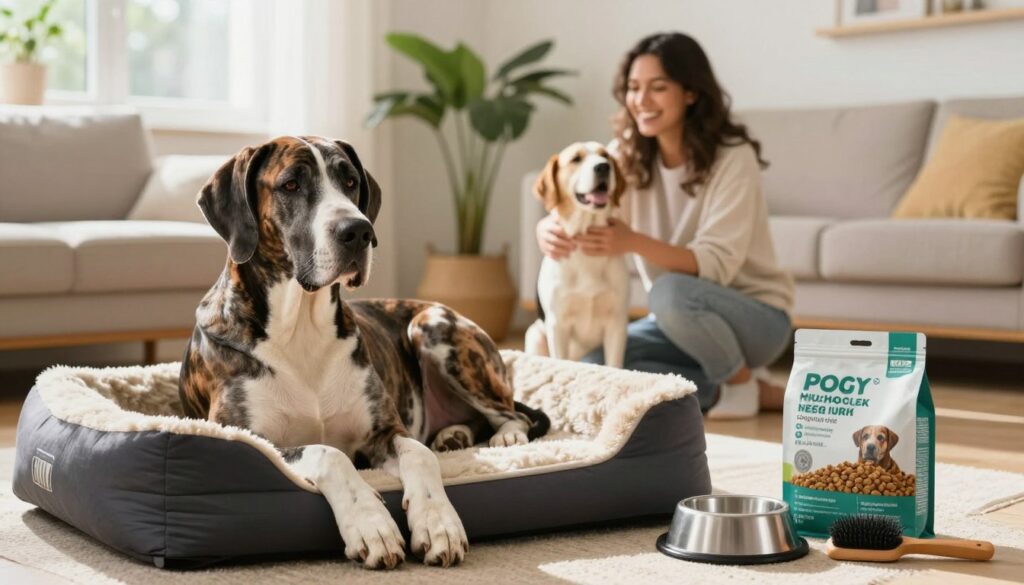
Grooming keeps your dog clean and gives you time for a physical exam. While brushing, feel the body for new lumps, bumps, or tender areas.
Check the ears for redness and the paws for cracks. Look at the gums for healthy color, since Early detection supports faster treatment of skin or orthopedic problems.
Prepare an emergency plan for bloat and other sudden illnesses
Bloat can become fatal within hours, so a clear plan is vital for extending the life of your Great Dane. Know the nearest 24-hour emergency veterinary clinic and save its number.
What to include in your veterinary records and emergency kit
Keep your emergency kit easy to reach for any veterinarian treating your dog. Add medical history, current medications, and proof of vaccination.
“The secret of getting ahead is getting started, and in pet care, that means being prepared for the unexpected before it happens.”
Balance quality of life with aggressive treatment decisions
As your dog ages, you may face difficult medical choices. Weigh the benefits of aggressive treatment against your companion’s daily comfort.
Consider quality of life measures, including your dog’s ability to move, eat, and interact with family. Honest talks with your veterinarian can guide choices for your dog’s long-term happiness.
Building a Personalized Great Dane Longevity Plan
Proactive planning supports extending the life of your Great Dane. It helps you manage the many factors affecting Great Dane lifespan and improve your companion’s quality of life.
Questions to ask your breeder before bringing home a puppy
Start with the breeder. Ask for health records from the parents and grandparents. Request hip and elbow scores, heart clearances, and any family history of bloat.
A reputable breeder will explain their testing methods. Always ask whether they screen for genes linked to common giant-breed conditions. This information shows the health risks your puppy may face.
Questions to ask your veterinarian about individual risk
Once you bring home your puppy, schedule a consultation about a long-term health plan. Ask your veterinarian which screenings your dog needs based on its growth rate and physical build. Also ask about the earliest signs of orthopedic issues or heart changes to watch for at home.
Discuss prophylactic procedures, such as a gastropexy, that may lower bloat risk. Learning these risks early helps you make informed choices for extending the life of your Great Dane.
Creating a yearly care calendar for food, exercise, and testing
Consistency matters for giant breeds. Track your dog’s weight, diet changes, and exercise intensity on a calendar. Schedule annual blood panels and cardiac ultrasounds to catch subtle changes before emergencies develop.
Adapting the plan for puppies, adults, and senior dogs
- Puppies: Focus on controlled growth and avoiding high-impact exercise.
- Adults: Maintain a lean body condition and consistent, moderate activity levels.
- Seniors: Prioritize joint support, mobility aids, and more frequent wellness check-ups.
Budgeting for routine care, insurance, and unexpected treatment
Financial preparation is a critical part of understanding the factors affecting Great Dane lifespan. Giant breeds often need higher medication doses and more costly diagnostic imaging than smaller dogs. Research pet insurance early to help cover chronic conditions or sudden illnesses.
Besides insurance, keep an emergency savings fund for your dog. These resources let you choose necessary medical interventions without hesitation. A well-funded plan brings peace of mind and helps your dog receive excellent care throughout life.
Conclusion
Giving your companion a long, vibrant life takes daily attention to wellness. Genetics strongly affect the average great dane life expectancy, but your daily choices matter most.
You shape your dog’s future with steady nutrition, careful weight management, and safe physical activity. These habits can lower common risks linked to giant breeds. Your dog’s health is a changing journey that requires different care with age.
Many owners ask, how long do great danes live, when they bring a puppy home. No single answer fits every dog, but preventive veterinary care gives your pet the best foundation for a long life.
Partner with your local veterinarian to monitor your dog through every life stage. Adapt your care plan as your pet matures, addressing new needs and possible health changes. Your dedication helps your dog enjoy the best quality of life throughout the years by your side.