Types of Gun Dogs and How to Choose the Right One
There’s nothing like the silent, steady gaze of a loyal dog waiting for the hunt to start. A successful hunt isn’t just about your gear. It’s about the bond you share with your dog.
Many hunters pick a breed based on looks alone. But, knowing the different types of gun dogs is key to success. You might need a dog that’s great at retrieving, pointing, or doing many tasks.
Your choice should fit your lifestyle, training goals, and home. By picking the right type of gun dog for your needs, you’ll have a great time hunting together.
Table of Contents
What a Gun Dog Does in the Field
A well-trained gun dog is a key partner in hunting. They do more than just follow you; they help in every hunt phase. Knowing the skills of types of gun dogs makes hunting more productive and ethical.
How Hunting Dogs Support Different Stages of a Hunt
Before the shot, hunting dogs search for game in dense areas or open fields. They use their smell to find scent trails humans can’t see. This early search is key to saving time and covering more ground.
During the hunt, dogs help move game into shooting range. After the shot, they find downed game quickly. This is a key part of responsible hunting.
The Difference Between Flushing, Pointing, Retrieving, and Tracking
Different working gun dogs have unique behaviors for hunting. A pointing dog shows where a bird is by staying still. A flushing dog pushes game into the air, needing quick action from you.
Retrieving dogs bring downed birds back to you without harm. Tracking dogs follow scent trails to find wounded or hidden game. Knowing these differences helps choose the right dog for your needs.
Why Field Role Matters More Than Breed Appearance
It’s tempting to focus on a dog’s looks, but function is more important. A dog that looks good in a show may not have the stamina and drive for hunting. Always pick a dog for its hunting ability, not just its looks.
How Terrain, Weather, and Game Species Affect Performance
The hunting environment greatly affects types of gun dogs that do well. For example, hunting in wet areas needs a dog with a water-resistant coat and love for swimming. Open fields require a dog that’s fast and can cover long distances.
Weather and dense brush also impact what your dog needs. Whether it’s cold weather or thick cover, your hunting dogs must match your local terrain and game species.
Types of Gun Dogs: The Main Working Groups
Choosing the right dog for hunting means understanding the different working groups. These categories help define types of gun dogs. But remember, a dog’s training and bloodline can make them better than expected. Think of these groups as general tendencies, not strict limits.
Retrievers for Waterfowl and Downed Game
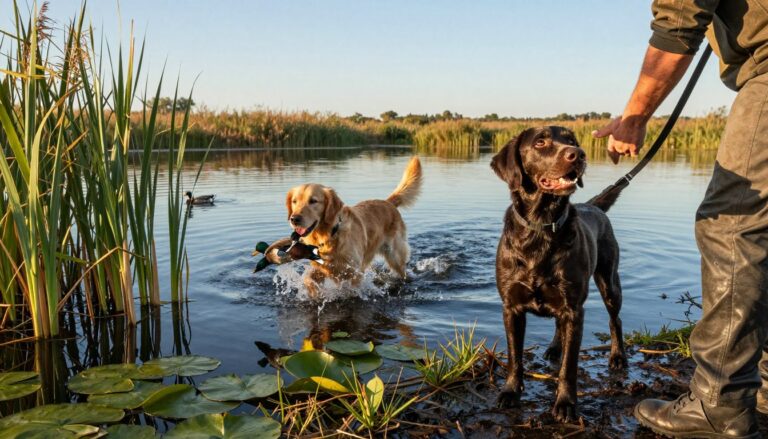
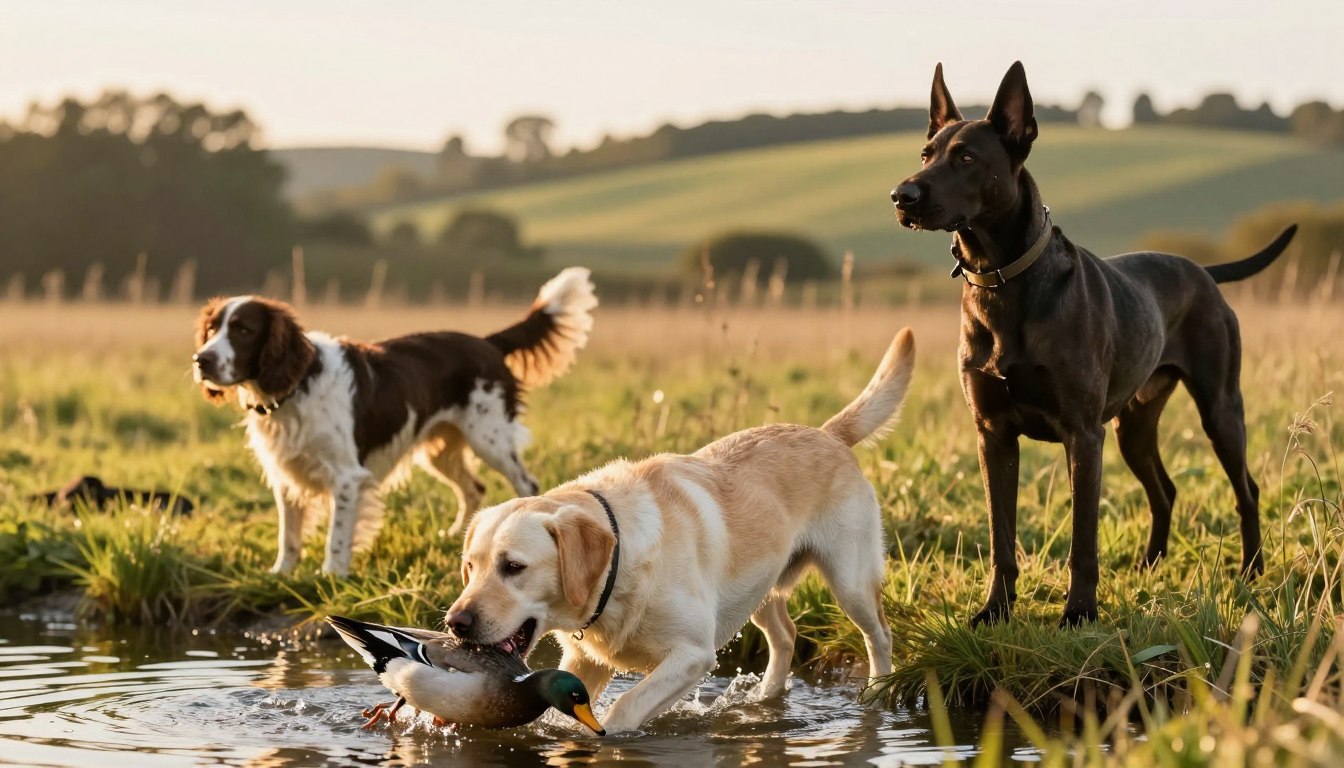
Retrievers are top-notch at finding and bringing back downed game. They’re key for waterfowl hunters. Their calm nature and water-resistant coats let them handle tough conditions.
Pointers for Locating and Holding Upland Birds
Pointers excel at finding and keeping birds in place for upland hunting. They scan the field intensely and freeze when they smell a bird. This gives you time to get into position for a shot.
Setters for Stylish, Long-Range Bird Work
Setters are known for their grace and ability to cover a lot of ground. They work at a distance, ideal for open areas. Their stylish and methodical approach makes them a favorite for hunters who value both skill and elegance.
Spaniels for Close-Range Flushing and Recovery
For hunting in dense areas, spaniels are perfect for flushing birds. They work close, ensuring you’re ready when a bird flies. They’re also great at retrieving game from thick brush or water.
Versatile Gundog Breeds for Multiple Hunting Tasks
For hunters needing a dog for all tasks, versatile gundog breeds are the best. These dogs can point, flush, and retrieve, fitting various environments and game. Choosing these adaptable working gun dogs means having a reliable partner for every hunting season.
Retrievers for Waterfowl, Upland Birds, and Family Life
Retrievers are top picks for hunting dogs because they are so reliable. They love to please, making them great for hunting and family life. Whether you’re hunting in icy marshes or upland fields, the right dog is key to your success.
Labrador Retrievers for Reliable All-Purpose Work
The Labrador Retriever is a top choice among types of gun dogs. They work hard and are smart, handling many tasks. Their steady nature makes them a hit with hunters who value consistency.
Golden Retrievers for Trainability and Gentle Temperament
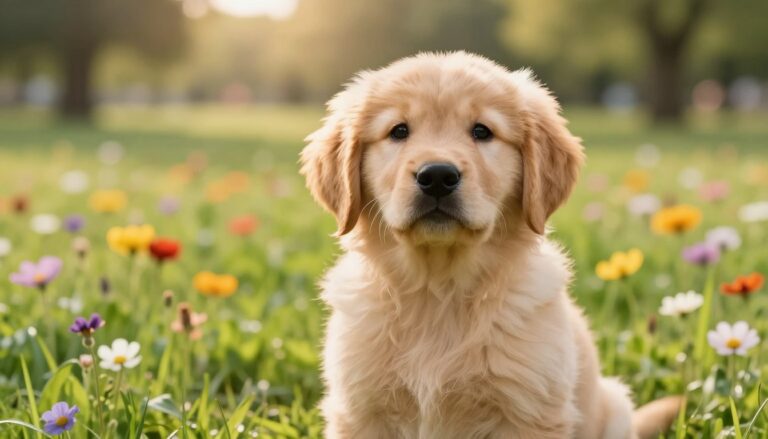
Golden Retrievers are calm and easy to train. They respond well to commands and are gentle, making them great family pets. Their thick coats also keep them warm in cold weather.
Chesapeake Bay Retrievers for Cold Water and Tough Conditions
Chesapeake Bay Retrievers are perfect for harsh environments. They’re tough and have a coat that keeps them warm in cold water. They’re also protective and focused, even in tough terrain.
English Springer Spaniels and Other Retrieving Alternatives
English Springer Spaniels are a smaller option for hunting. They’re good at flushing birds and can also retrieve game. They’re energetic and agile, making them a great choice for hunters who need a smaller dog.
Retrieving Instinct, Mouth Control, and Water Confidence
Success in hunting depends on your dog’s instincts. A soft mouth is important to avoid damaging game. Building water confidence early helps them retrieve quickly and accurately.
“The bond between a hunter and their dog is forged in the quiet moments of the field and tested in the heat of the retrieve.”
Exercise and Home-Life Requirements for Retriever Breeds
Even the best hunting dogs need regular exercise. These high-energy breeds need mental and physical challenges. At home, they love to be part of the family.
| Breed | Field Reliability | Temperament | Best Environment |
|---|---|---|---|
| Labrador | High | Friendly | Waterfowl/Upland |
| Golden | Moderate | Gentle | Upland/Family |
| Chesapeake | Very High | Intense | Cold Water |
| Springer Spaniel | High | Energetic | Mixed Upland |
Pointers for Finding Birds and Covering Ground
If you’re looking for a hunting partner that can cover vast landscapes, pointers are the way to go. These hunting dogs are great at finding game and staying still. This gives you time to get ready for a shot. They freeze in place, showing you where the bird is.
English Pointers for Speed and Open-Country Range
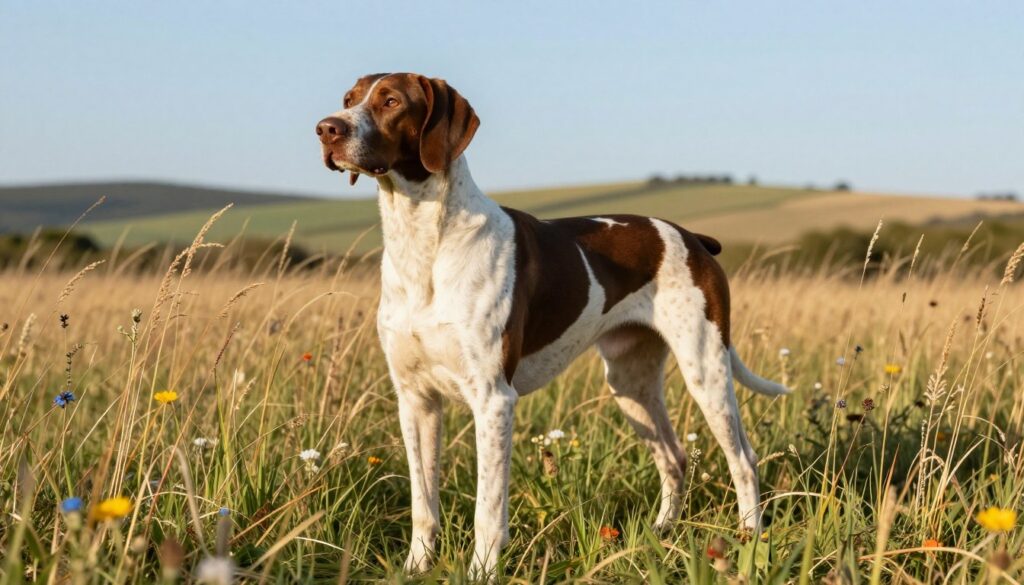
The English Pointer is the fastest and farthest-reaching dog out there. They are built for endurance and can explore huge areas in one go. They’re perfect for hunters who need a dog that can find birds in wide open spaces.
German Shorthaired Pointers for Versatile Field Performance
The German Shorthaired Pointer (GSP) is very versatile. They’re comfortable in water and on land. Their adaptable nature makes them great for hunters who chase different types of game.
German Wirehaired Pointers for Dense Cover and Harsh Weather
German Wirehaired Pointers are great for tough terrain. Their weather-resistant coat keeps them safe from thorns and cold. They’re tough and determined, perfect for harsh environments.
Brittanys for Compact Size and Upland Versatility
Brittanys are small but energetic dogs. They’re eager to please and can work close to the gun. Their size makes them easy to handle, but they still find birds well.
| Breed | Primary Strength | Range | Coat Type |
|---|---|---|---|
| English Pointer | Speed | Very Wide | Short/Smooth |
| GSP | Versatility | Moderate/Wide | Short/Dense |
| GWP | Durability | Moderate | Wiry/Weather-proof |
| Brittany | Agility | Close/Moderate | Medium/Flat |
How Pointing Style and Range Influence Your Hunting Approach
Your dog should match your hunting style and the terrain. A dog that covers a lot of ground needs you to be good at long shots. If you like hunting up close, choose a breed that stays near you.
Managing High Drive in a Pointer at Home
Pointers have a strong work ethic that doesn’t stop at home. They need lots of exercise every day. Without enough activity, they might get restless or destructive.
Setters for Upland Bird Hunters Who Value Range and Style
For many upland bird hunters, seeing a stylish setter find a hidden covey is the best part. These types of gun dogs are known for their grace, smarts, and instinct to find birds in tough places. Whether in dense brush or open fields, they add a special touch to hunting.
English Setters for Cooperative Bird Work
English setters are loved for their teamwork. They often check in with their handlers, making them great partners. Their pace matches yours, making them a hit among dedicated hunting dogs fans.
Gordon Setters for Endurance and Dark-Cover Hunting
Gordon Setters are top-notch for hunting in dark, thick cover. They have lots of stamina and strength to push through heavy brush. Their careful search ensures no bird is missed in tough spots.
Irish Setters for Athletic Hunters and Open Terrain
Irish setters are perfect for vast, open areas. They’re very athletic and can cover a lot of ground fast. Their looks and endless energy make them great for long hunting days.
Choosing Between Close, Moderate, and Wide-Ranging Setters
Choosing the right range depends on your hunting spot and what you like. A close dog is good for tight spots. A wide-ranging dog is better for big fields.
Grooming, Conditioning, and Recall Considerations
Having these hunting dogs means regular care. Their long coats need brushing to avoid mats. Also, consistent recall training is key to keep them safe and responsive.
Keeping them fit is also crucial. A good exercise plan during the off-season keeps them in shape. With proper care and training, you’ll have a great hunting partner for years.
Spaniels for Close-Working Flushing and Recovery
Spaniels are top picks for flushing game. They stay close to you, making sure you’re ready for any sudden bird movements. Their love for working with their handler makes them a hit among hunters.
English Springer Spaniels for Versatile Flushing
The English Springer Spaniel is full of energy and smarts. They’re known for being very versatile in flushing game. They keep up with you, whether you’re in thick brush or open fields.
English Cocker Spaniels for Compact Upland Work
For a smaller dog that can handle dense cover, the English Cocker Spaniel is great. These hunting dogs work hard and can fit into tight spots. Their size doesn’t stop them from finding hidden birds.
American Water Spaniels for Waterfowl and Mixed Hunting
The American Water Spaniel is perfect for marsh and field hunting. They have a water-resistant coat for cold weather. They’re good at retrieving waterfowl and flushing upland game too.
Boykin Spaniels for Warm-Weather and Smaller-Boat Hunting
Known as the “Little Brown Dog,” the Boykin Spaniel is great for warm weather. They’re small, perfect for canoes or small boats. They’re eager to please and adapt well to different places.
How Flushing Distance Changes Your Shooting Opportunities
Keeping your dog within 20 to 30 yards is key. It means every bird you flush is within shooting range. This cuts down on missed shots and keeps you focused.
Coat Care, Energy Levels, and Household Compatibility
These spaniels are great athletes and loving family pets. They need regular grooming to avoid matting. They’re high-energy but calm and affectionate after exercise.
| Breed | Primary Strength | Water Ability | Size |
|---|---|---|---|
| English Springer | Versatile Flushing | Moderate | Medium |
| English Cocker | Dense Cover | Low | Small |
| American Water | Waterfowl/Mixed | High | Medium |
| Boykin Spaniel | Small Boat/Warm | High | Small/Medium |
Versatile and Specialized Working Gun Dogs
The world of gundog breeds offers unique options for hunters. Some hunters want a dog for one task, while others need a versatile partner. These working gun dogs can point, flush, and retrieve well.
Wirehaired Pointing Griffons for Multi-Season Hunting
The Wirehaired Pointing Griffon is known as the “supreme gundog.” They excel in both upland fields and wetlands. Their rugged coat protects them from thorns and cold water.
Spinone Italiano Dogs for Steady, Methodical Field Work
The Spinone Italiano works at a steady pace. They have methodical search patterns and can hold point on stubborn birds. They’re great for hunters who prefer a calm, focused partner.
Munsterlanders and Other Versatile European Gundog Breeds
European breeds like the Small Munsterlander are smart and compact. They have a strong natural retrieving instinct. They’re perfect for hunting diverse landscapes.
American Water Spaniels for Hunters Who Need a Dual-Purpose Dog
The American Water Spaniel is great for waterfowl and upland game. They’re tough, energetic, and have a water-resistant coat. They’re small but can retrieve large geese.
When a Versatile Breed Is Better Than a Single-Purpose Specialist
Choosing a versatile dog is wise for hunting various game. While specialists might be faster, versatile dogs offer unmatched convenience. They can switch from duck hunting to pheasant hunting easily.
How Coat Type and Climate Shape Your Choice
Consider the climate when choosing a gun dog. A dense coat is better for cold and thick brush. Matching your dog’s traits to your environment keeps them comfortable and effective.
Match Your Gun Dog to Your Hunting Style
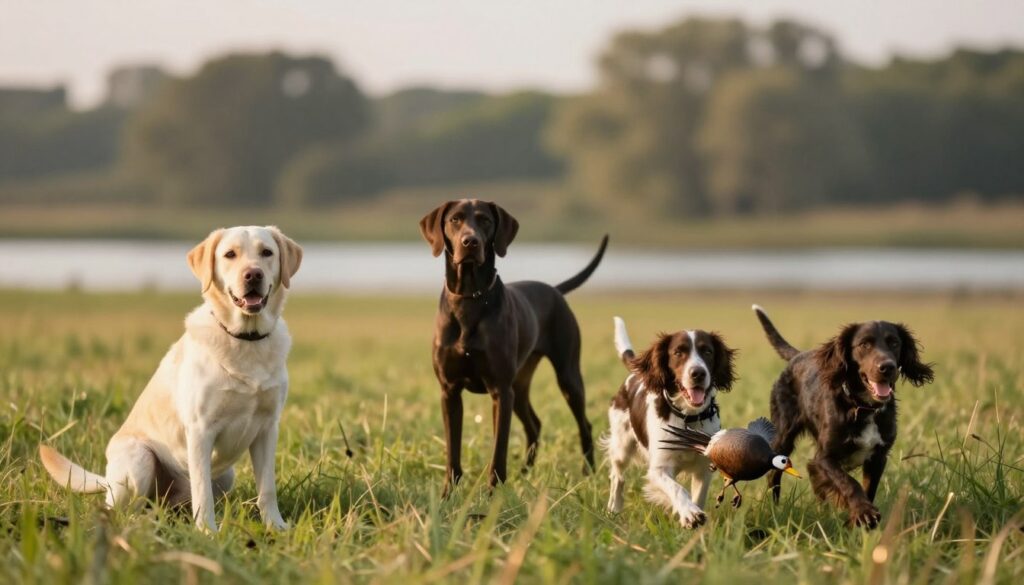
Your success in hunting depends on the right dog for your hunting style. Choosing the right dog is a big decision that affects your hunting experience. Knowing the different types of gun dogs helps you find a great hunting partner.
Selecting a Breed for Waterfowl Hunting
For duck or goose hunting, you need a dog that can handle cold water. Retrievers are perfect because they love water and can find birds easily. They’re great at finding birds and bringing them back, even in deep water.
Selecting a Breed for Quail, Pheasant, and Grouse Hunting
For hunting quail, pheasant, or grouse, you need a dog that can search a lot of ground. Pointers and setters are made for this. They can find birds in open fields or thick brush and stay still so you can shoot.
Selecting a Breed for Rabbit and Upland Small-Game Hunting
For rabbits or small game, a dog that works close is best. Spaniels are great at finding game in tight spots. They’re small and energetic, perfect for tight spaces.
Choosing a Dog for Guided Hunts, Public Land, or Private Property
The place you hunt affects how far your dog should go. On private land, you can train a dog to go far. But on public land, a dog that stays closer is better to avoid disturbing others.
| Hunting Environment | Recommended Breed Type | Key Advantage |
|---|---|---|
| Waterfowl | Retrievers | Cold water tolerance |
| Open Upland | Pointers/Setters | High-speed coverage |
| Dense Brush | Spaniels | Close-range flushing |
Balancing Hunting Range With Your Shooting Skill
Make sure your dog’s range matches your shooting skill. If you’re new to shooting, a dog that stays close gives you more time to aim.
“A dog that works within your effective range is worth two that run beyond your sight,”
experienced trainers often say.
Considering Season Length, Travel, and Frequency in the Field
Think about how often you hunt and how far you travel. If you hunt rarely, a specialized dog might be hard to keep up with. Pick a breed that fits your lifestyle so your hunting dogs stay happy and healthy all year.
Evaluate Temperament, Training Needs, and Daily Exercise
Understanding your dog’s mind is key to a great partnership. When picking types of gun dogs, you’re choosing more than a breed. You’re picking a set of traits that will shape your life and training.
Drive, Biddability, Independence, and Nerve
Every dog has a unique mix of instincts. Drive is the desire to hunt and find game. Biddability shows how much they want to work with you. High-drive dogs need consistent guidance to stay focused.
Independence is common in working gun dogs, especially those that cover long distances. But, a dog too independent might ignore your commands. Their nerve, or ability to handle pressure and new places, is also crucial.
Early Socialization and Exposure to Gunfire
Socialization is key for a confident hunting partner. Introduce your puppy to different people, places, and sounds slowly. This builds their mental strength for the field.
Introducing gunfire carefully is vital to avoid making your dog gun-shy. Start with low sounds while they’re doing something fun. This helps them associate the noise with positive experiences.
Core Obedience Before Advanced Hunting Training
Don’t jump into complex drills before mastering basic obedience. A dog that can’t sit, stay, or heel will struggle with advanced commands. These basics are the foundation for all future learning.
Consistent practice builds a strong bond between you and your dog. When they learn that obedience leads to rewards, they’re more eager to learn. This is true for all hunting dogs, no matter the breed or role.
Building Reliable Recall, Steadiness, and Delivery to Hand
Reliable recall is the most important safety command. Your dog must come back to you right away, even when distracted. Steadiness, or calmness until released, is also crucial for safety and success.
Delivery to hand means your game is retrieved safely. This requires patience and lots of practice. By focusing on these three areas, you create a reliable partner that respects your authority and works well.
Recognizing the Difference Between Healthy Energy and Unmanageable Drive
Healthy energy means your dog is ready to work but can relax when the day ends. Unmanageable drive looks like constant pacing, destructive behavior, or trouble focusing. If your dog can’t calm down, they might need more mental stimulation.
When Professional Gundog Training Is Worth the Investment
At times, hiring a professional trainer is the best choice. If you’re stuck on a behavior or your dog is developing bad habits, a pro can help. They have the skills to fix issues before they become permanent, helping your dog reach its full potential.
| Training Trait | Low Intensity | High Intensity |
|---|---|---|
| Drive | Casual companion | Serious field worker |
| Biddability | Independent thinker | Highly responsive |
| Nerve | Sensitive/Cautious | Bold/Confident |
| Energy Level | Moderate/Calm | High/Relentless |
Choose a Healthy Gun Dog From the Right Source
Getting a new hunting dog is a big decision. You need to check the dog’s background carefully. Whether you want a gundog breed or a mixed-breed, the dog’s history is key. A good breeder or rescue helps your dog live a long, healthy life.
Questions to Ask Breeders About Parents and Field Performance
When you talk to a breeder, ask lots of questions. You want to know if the parents are working gun dogs with good hunting skills. Ask for proof of titles or hear from other hunters who have bought puppies from them.
- Does the breeder hunt with their own dogs regularly?
- Are the parents temperament-tested for high-pressure environments?
- Can you see the mother interacting with the litter?
Health Screening for Hips, Elbows, Eyes, and Breed-Specific Risks
Choosing a healthy hunting dog is crucial. Good breeders do genetic tests and check for joint problems. Always ask for OFA clearances for hips and elbows.
“A dog’s physical health is the engine that drives its performance in the field; never compromise on genetic transparency.”
Comparing Working Lines With Show-Focused Lines
It’s important to know the difference between field-bred and show-bred dogs. Field-bred dogs have high drive and stamina for hunting. Show-bred dogs focus on looks and may not hunt as well.
| Feature | Working Lines | Show Lines |
|---|---|---|
| Primary Focus | Field Performance | Physical Conformation |
| Energy Level | Very High | Moderate |
| Training Needs | Advanced/Consistent | Standard/Basic |
Adoption and Rescue Options for Experienced Hunting Homes
If you’re ready for a dog with an unknown past, consider breed-specific rescues. These dogs often end up in shelters due to changes in their owner’s life. Adopting can be a rewarding way to give a talented dog a second chance.
Reviewing Veterinary Records, Vaccinations, and Contracts
Before you decide, check all the dog’s medical records. Make sure the dog is up-to-date on shots and has a clean bill of health from a vet. A good contract should cover health guarantees and what the breeder expects from you.
Planning the Costs of Food, Training, Veterinary Care, and Equipment
Having a dog is a big financial commitment. You’ll need to budget for good food, training, vet visits, and special gear. This includes tracking collars, vests, and travel crates to keep your dog safe and comfy on every hunt.
Conclusion
Finding the right dog is all about knowing what you need and what you can offer. You must think about the special qualities of each breed. This includes how they match up with your hunting area and the game you hunt.
Every type of gun dog has its own strengths. But, your success comes from picking a breed that fits your hunting style and training level. It’s not just about what’s popular.
Think about what your home needs and the challenges of your hunting grounds. Whether you pick a lively pointer or a calm retriever, the key is early training and regular exercise. This is what makes a great hunting team.
Do your homework on the best working lines and check for health issues like hip and eye problems. Also, consider the long-term costs and the puppy’s personality. Putting in this effort will help your hunting dogs serve you well for many years.