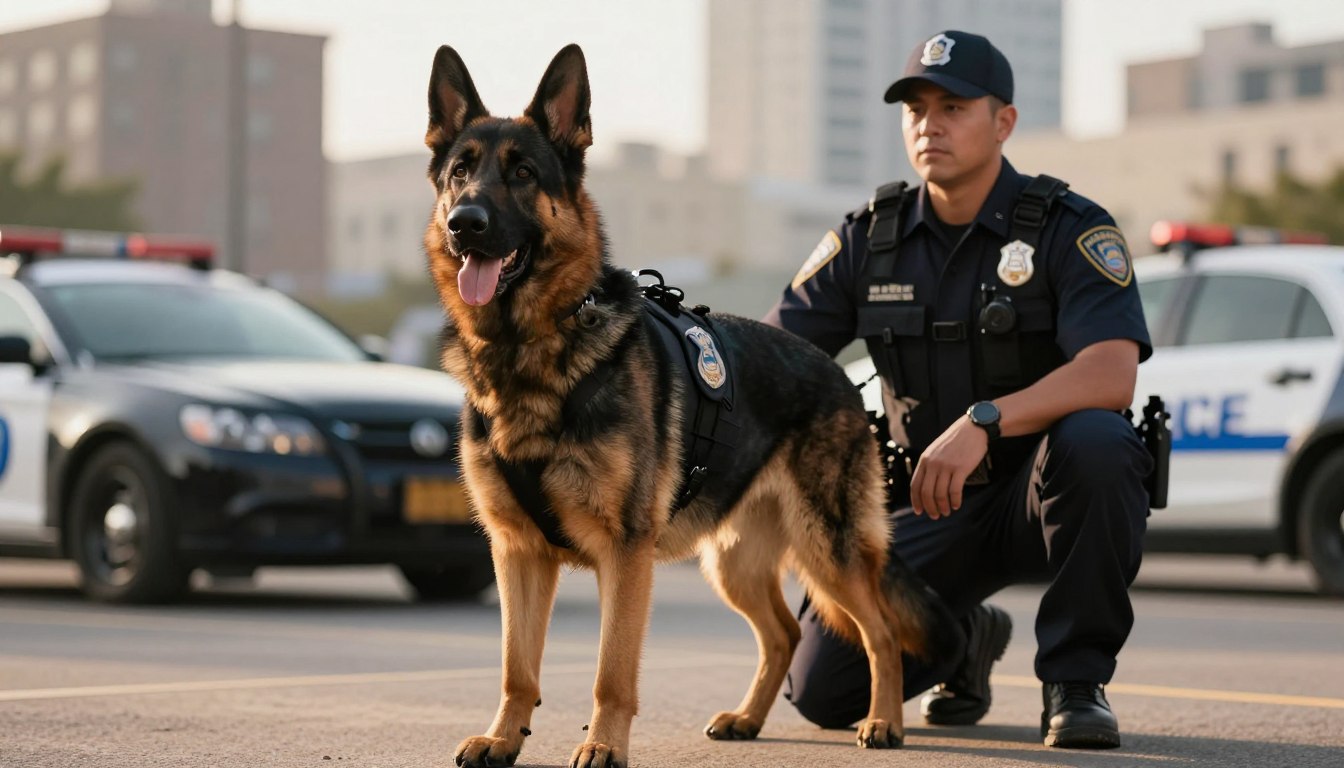
Police Dog Breeds: Meet the K9 Heroes Behind Law Enforcement
Have you ever watched a K9 unit work and felt a deep sense of gratitude for their silent service? These animals are more than just partners; they are dedicated protectors. They stand on the front lines of public safety across the United States. Every day, they face high-stakes environments with unwavering courage to keep our communities secure.
Selecting the right police dog requires a focus on specific traits like intelligence, agility, and a strong work ethic. Experts carefully evaluate various police dog breeds to ensure each animal possesses the temperament needed for complex tasks. This rigorous selection process ensures that only the most capable candidates join the ranks of these elite K9 heroes.
As you explore this guide, you will discover the unique characteristics that define these remarkable animals. We will examine the intense training standards that transform them into highly skilled assets for modern law enforcement. Understanding their journey helps us appreciate the vital bond between these brave creatures and their human handlers.
Table of Contents
The Vital Role of the Modern Police Dog
Did you know a police dog is more than a tracking tool? They are highly trained partners that add a unique security layer. This is something technology can’t match. They blend special instincts with tactical training, making them key to public safety today.
Understanding the K9 Unit in American Law Enforcement
The k9 unit is a special part of American policing. They help in tough situations where humans need extra help. For example, the Glendale Police Department’s dogs are trusted partners who keep the community safe every day.
These units are set up to handle the unpredictable field work. They help agencies tackle threats faster and more accurately. The dogs also act as a strong warning against crime in risky areas.
The Bond Between the Canine Officer and Their Handler
The success of a canine officer and their handler comes from a strong bond. This bond is built on respect and lots of training. Together, they work as one unit, reading each other’s cues in tense situations.
This unbreakable bond lets the team face dangers with confidence. The handler knows the dog’s signals, and the dog follows the handler’s lead. This partnership is the most effective strategy for keeping people safe in complex operations. It shows the importance of the human-animal connection in police work today.
Top Police Dog Breeds Used in Law Enforcement
Choosing the right breed is key for a successful K9 program. Law enforcement looks for specific traits in their dogs. Each working dog has unique skills that match the department’s needs and the police dog handler.
German Shepherd: The Iconic Standard
The German Shepherd is the most famous police dog. They are known for their unwavering loyalty and smarts. They can be protective when needed but also calm and obedient.
Belgian Malinois: The High-Energy Specialist
The Belgian Malinois is known for its high energy. They are smaller and faster than German Shepherds, perfect for tactical missions. They need a handler who can keep up with their energy.
Dutch Shepherd: The Versatile Working Dog
The Dutch Shepherd is very adaptable. They are known for their endurance and problem-solving skills. They are used for many tasks, from finding narcotics to catching suspects. Their tough nature makes them great in tough environments.
| Breed | Primary Strength | Temperament | Best Use Case |
|---|---|---|---|
| German Shepherd | Versatility | Stable and Loyal | Patrol and Tracking |
| Belgian Malinois | Speed and Drive | Intense and Focused | Tactical Operations |
| Dutch Shepherd | Endurance | Alert and Intelligent | Multi-purpose K9 |
Choosing a police dog breed depends on the mission. Each police dog is tested for drive, courage, and performance under pressure. The right breed for the task ensures safety for everyone.
Physical and Temperamental Traits of Elite K9s
Elite K9s stand out because of their physical strength and mental toughness. When picking a working dog, agencies look for certain signs. These signs show the dog can handle stressful situations well.
Drive and Motivation in Working Breeds
The key trait in a police k9 is drive. This means the dog wants to do tasks, often because of a strong desire to chase or play. A motivated dog will keep working for rewards like toys or praise.
- Prey Drive: Essential for tracking and apprehension tasks.
- Hunt Drive: Crucial for scent detection and locating hidden items.
- Persistence: The ability to stay focused on a task despite environmental distractions.
Physical Stamina and Agility Requirements
Law enforcement work is tough and needs a working dog in top shape. These dogs must run fast, jump over things, and keep going. Without great stamina, they could get tired and put everyone at risk.
Agility is also key for success. A good police dog breeds candidate must be able to move well. This lets them get through tight spots or climb up during missions.
Intelligence and Trainability Standards
Intelligence in a police k9 is more than just learning tricks. It’s about solving problems and being aware of what’s happening. Trainers look for dogs that can quickly understand and change with new situations. This means the dog can learn complex tasks, like finding drugs or catching suspects, well.
| Trait | Importance | Evaluation Method |
|---|---|---|
| Drive | High | Play/Tug assessment |
| Stamina | High | Endurance testing |
| Intelligence | Critical | Problem-solving drills |
By focusing on these traits, agencies make sure only the best police dog breeds join the force. This careful selection is what makes a dog’s career in public safety successful.
The Rigorous Journey of Police Dog Training
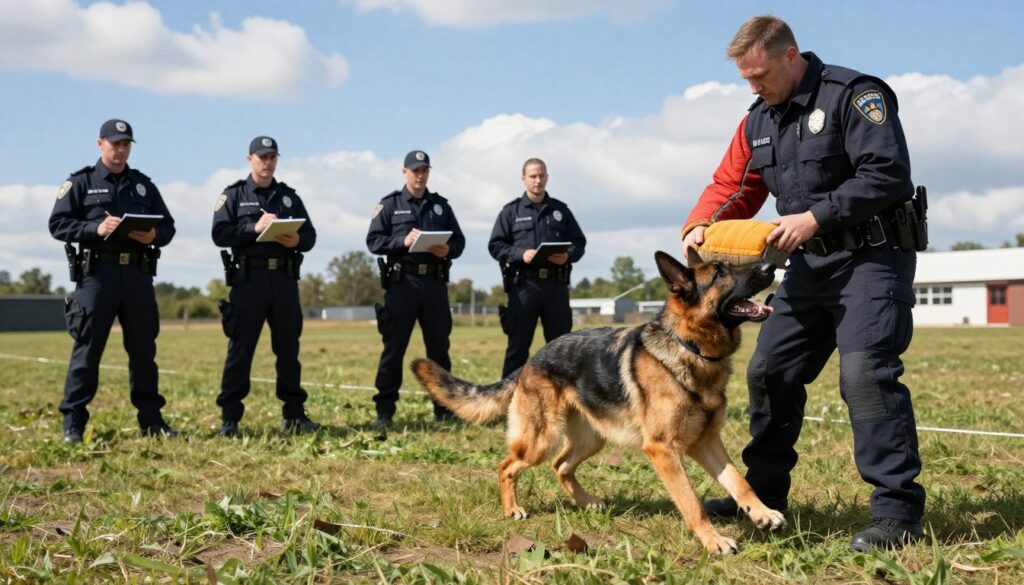
The journey to become a k9 unit is long and built on trust. It turns a high-drive puppy into a reliable partner. This process requires total commitment from both the dog and the handler.
Foundational Obedience and Socialization
First, the dog learns basic obedience. This phase builds a strong bond between the dog and the police dog handler. The dog learns to follow commands, even with distractions.
Socialization is also key in these early stages. The dog is exposed to different environments, sounds, and crowds. This helps them stay calm in stressful situations.
Specialized Skills Training for Patrol and Detection
After mastering the basics, the dog learns specific skills. This includes detecting narcotics or explosives. They learn to focus on certain smells, ignoring other distractions.
Patrol training teaches the dog to handle real-world threats. They practice searching buildings and apprehending suspects. Each drill is designed to sharpen their skills and keep them in control.
Continuous Maintenance Training for K9 Units
Even after certification, a k9 unit needs ongoing training. This keeps their skills sharp and ready for emergencies.
The police dog handler is crucial in these sessions. They help identify areas for improvement. Regular practice ensures the dog’s responses are quick and accurate. Dedication to this routine makes a team elite.
Detection Capabilities and Scent Work
A police k9 has an amazing sense of smell. They can sniff out illegal substances like a pro. Their noses are way bigger than ours, letting them pick up on scents we can’t.
This skill is key for law enforcement in the U.S. It makes them a vital part of keeping communities safe.
Narcotics Detection and Interdiction
These dogs are trained to find specific smells of illegal drugs. Through police dog training, they learn to ignore distractions. When they find what they’re looking for, they give a clear signal to their handler.
Explosives and Hazardous Material Identification
When it comes to dangerous materials, safety is everything. K9 units can find explosive smells, even in busy places like airports. Their quick detection helps prevent big problems.
“The precision of a trained canine in detecting hazardous materials is unmatched by any mechanical device currently available to law enforcement.”
Tracking and Search and Rescue Operations
These dogs are also great at tracking people. They can follow a scent for hours, no matter where they are. Thanks to police dog training, they stay focused, even with strong winds or city sounds.
| Detection Category | Primary Objective | Environment | Success Rate |
|---|---|---|---|
| Narcotics | Interdiction | Vehicles/Buildings | High |
| Explosives | Safety/Prevention | Public Spaces | Very High |
| Tracking | Search/Rescue | Wilderness/Urban | Moderate |
Apprehension and Tactical Support
It’s amazing how a trained police dog can change a dangerous situation. In risky places, these dogs offer invaluable tactical support. They are key for law enforcement in the U.S. thanks to police dog training.
The Role of K9s in High-Risk Situations
K9 units are often the first in when suspects hide. Their keen senses find people humans can’t. This cuts down the time officers are at risk.
Using a K9 keeps officers safe. The dog is a tactical buffer, giving the handler info on the suspect. This is thanks to police dog training.
De-escalation Through Canine Presence
Seeing a police dog can scare suspects into giving up. This is a big part of de-escalation today.
K9 units prevent the need for force. They make tense situations calmer. Police dog training keeps the dog in control, ready to act when needed.
Safety Protocols for Tactical Deployments
Handlers follow strict rules for safety. These rules protect everyone involved. Every move is planned to avoid risk.
Handler and K9 communicate constantly. This bond lets the dog respond fast to commands. Meticulous safety standards make K9 programs safe and effective.
Essential Police Dog Equipment and Gear
Modern law enforcement uses advanced police dog equipment for every mission. This gear protects the dog and boosts their skills in the field. High-quality materials keep K9 partners safe during dangerous situations.
Protective Vests and Tactical Harnesses
The ballistic vest is key. It offers maximum protection against sharp objects and bullets. It doesn’t slow the dog down. Many vests have spots for extra gear.
Tactical harnesses are great for control and utility. They help handlers move their dogs safely. These harnesses are made of durable, lightweight fabrics for tough conditions.
Communication and Tracking Technology
Keeping in touch is crucial for K9 teams. Police dog equipment now has GPS tracking collars. Handlers can track their dog’s location in real-time. This is vital for search and rescue in dense areas.
Some teams use remote communication systems. These let handlers give commands or hear from the dog. This seamless connectivity keeps the team together, even when out of sight.
Handler Gear for Field Operations
Handlers need specific items for their dogs. They carry trauma kits for dogs and high-intensity LED lights. These items are crucial for safety in dark places.
The table below shows the main uses of K9 gear:
| Gear Category | Primary Function | Key Benefit |
|---|---|---|
| Ballistic Vest | Physical Protection | Reduces injury risk |
| Tactical Harness | Mobility and Control | Improves agility |
| GPS Tracker | Location Monitoring | Prevents separation |
| Trauma Kit | Emergency Medical | Rapid field care |
The Daily Life of a K9 Team
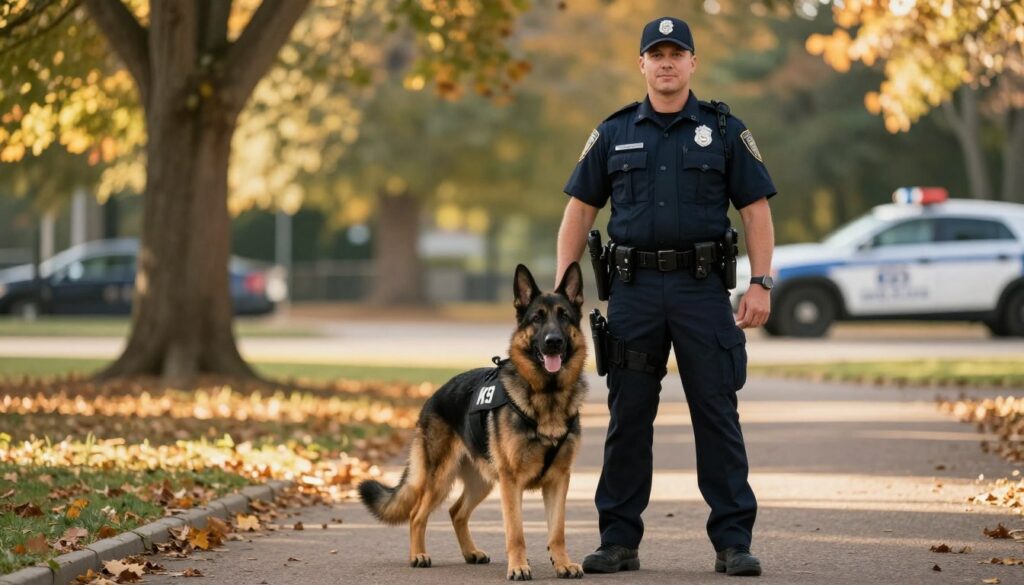
Every canine officer lives a life of discipline, care, and constant companionship. Their work doesn’t stop when the patrol ends. The bond between a handler and their dog is a 24/7 commitment. Watching the Hero Dogs documentary gives a unique look at their dedication.
Living Arrangements and Home Life
Handlers often take their k9 unit home, where they become part of the family. This home life is key for building trust for dangerous missions. Living together helps the pair develop a special communication that’s hard to find in kennels.
Physical Conditioning and Veterinary Care
A working dog must stay in top shape for police work. Handlers keep them fit with agility, running, and strength training. Regular vet visits are crucial to catch any injuries early.
The Mental Health of Working Dogs
Keeping a working dog‘s mind healthy is as important as their body. They face stressful situations that need time to unwind and play. A loving home helps them stay sharp and ready for the next task.
| Category | Focus Area | Frequency |
|---|---|---|
| Physical Health | Agility and Stamina | Daily |
| Veterinary Care | Preventative Exams | Monthly |
| Mental Wellness | Decompression and Play | Daily |
| Tactical Training | Skill Maintenance | Weekly |
The life of a k9 unit is tough but rewarding. By focusing on health, training, and a strong bond, they serve their communities well.
Challenges and Ethical Considerations in K9 Work
The use of a police k9 raises tough moral questions. These animals are invaluable in dangerous situations. But, their care must always be a top priority.
Balancing Public Safety and Animal Welfare
Keeping people safe and treating animals right is a big challenge. Humane treatment is key for any K9 unit. Handlers learn to know when their dogs need a break.
Today’s training focuses on positive methods and keeping dogs calm. This way, dogs stay healthy and effective. It’s crucial for the K9 program’s success.
Addressing Public Perception of Police K9s
Building trust with the public is essential. Being open about how police k9 work helps. This builds stronger bonds with the community.
Some people might not understand the role of these dogs. Agencies work to teach the public about their skills. This helps change how people see them.
Retirement and Life After Service
When a canine officer retires, it’s a big change. They deserve a good life after serving. Many departments have special programs for this.
Planning for retirement means keeping an eye on the dog’s health. Good care and a nice home are important. It’s the department’s last big responsibility.
The Evolution of Law Enforcement K9 Programs
The journey of police dogs from informal beginnings to today’s tactical assets is fascinating. This change shows how agencies now focus more on safety and efficiency.
The law enforcement K9 has evolved from sporadic efforts to professional programs. These units are now key to public safety in the U.S.
Historical Context of Canine Units in the United States
In the early days, using dogs in policing was informal and lacked training standards. Officers often used their own pets for patrol duties.
As time went on, the value of these animals in tracking and maintaining order became clear. This led to the creation of formal K9 units with specialized training.
“The history of the working dog in law enforcement is a testament to the enduring partnership between human and canine, evolving from simple companionship to complex tactical cooperation.”
Technological Advancements in K9 Deployment
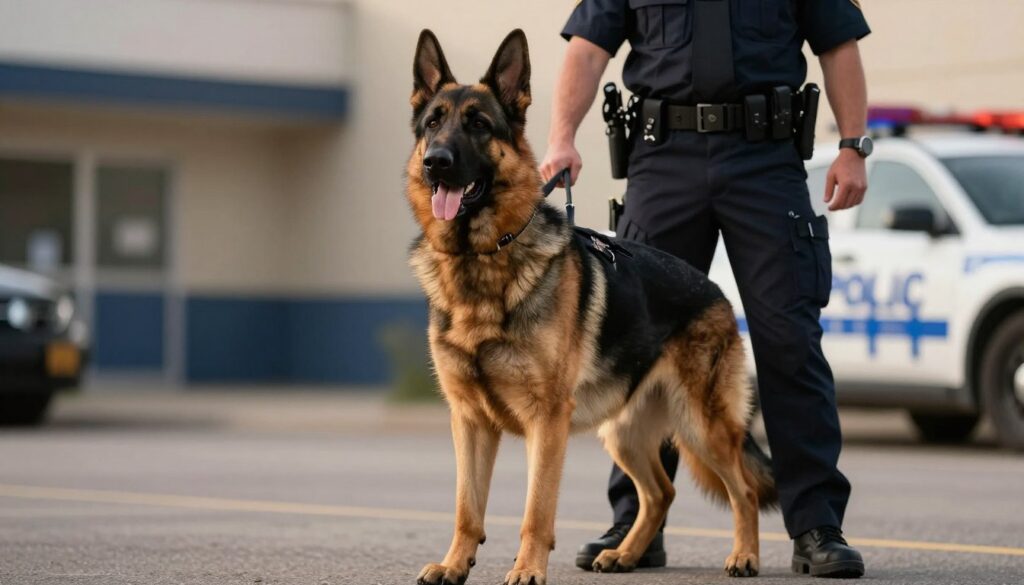
Modern police dog equipment has changed how handlers and dogs work in dangerous situations. Today’s gear is made to improve safety and performance.
New gear includes lightweight, protective vests and camera systems. These tools help make better decisions during emergencies. They ensure law enforcement K9 safety while they work.
Also, advanced tracking technology and police dog equipment have boosted search and rescue success. By using these innovations, departments keep improving their tactics and staying ready.
Conclusion
These amazing animals are the best example of teamwork between humans and dogs. Each law enforcement k9 is a key player in keeping our neighborhoods safe. They make sure we feel secure.
These teams excel in tough environments. Their success comes from the strong bond between the handler and their dog. This trust is the key to their missions.
Good police dog equipment is crucial for their safety. Modern tools help them do their jobs better and safer. It’s important to understand the hard work behind this.
Let’s take a moment to thank these K9 units. Their hard work every day makes a big difference in our lives. Supporting these programs helps keep our communities safe for all.