Non Shedding Dogs: Best Breeds for Allergy Sufferers
Imagine coming home to a loyal friend who welcomes you with joy, and you can breathe easily. For many, owning a pet seems impossible because of allergies. But, some hypoallergenic dogs can make a big difference.
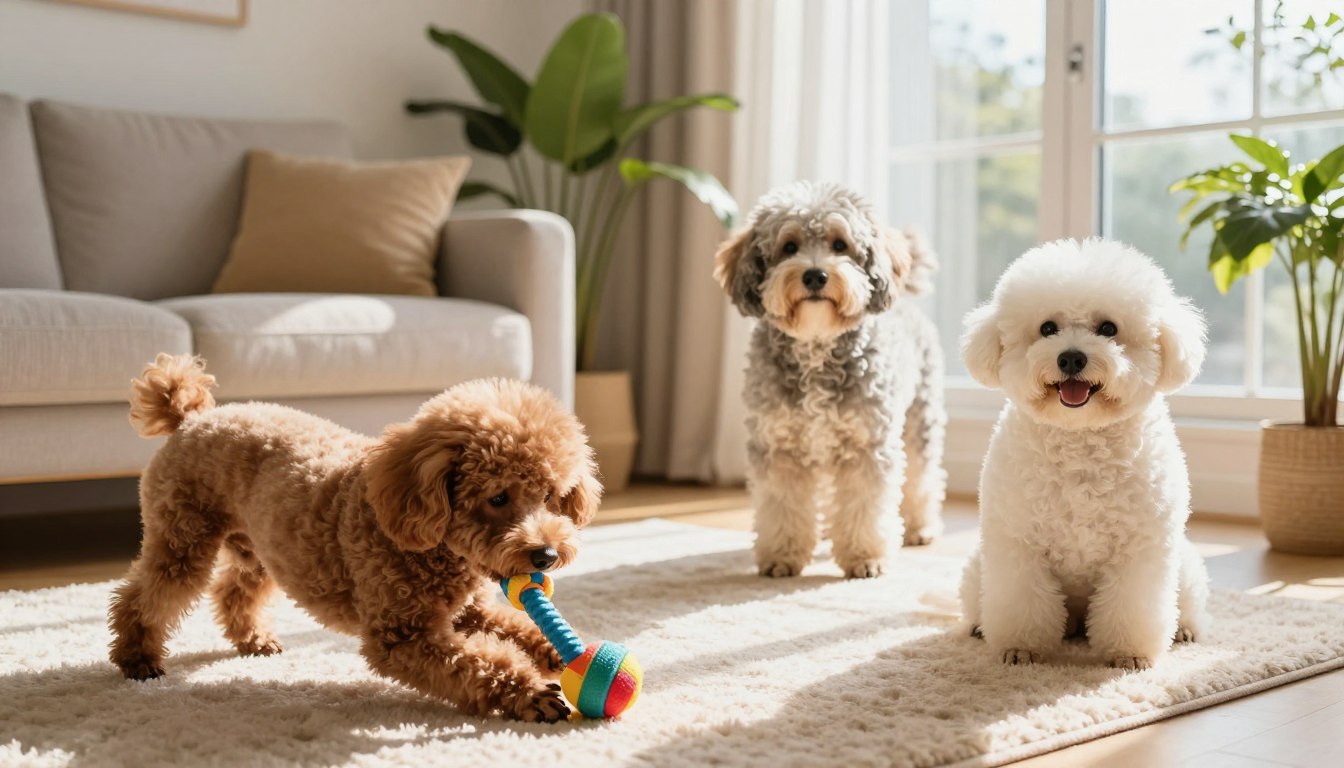
Looking for the right pet means more than just looks. You should consider best non shedding dog breeds like Poodles, Bichon Frises, or Portuguese Water Dogs. These dogs shed less, making them great for allergy sufferers.
Remember, dander, grooming, and personality are just as important as the coat. Choosing the right non shedding dog breeds for allergies is a personal journey. By knowing what you need, you can find a pet that makes your life better.
Table of Contents
What Non-Shedding Dogs Really Mean for Allergy Sufferers
If you’re looking for a dog that won’t make your allergies worse, don’t just look at the label. Many people think certain breeds are safe, but it’s not that simple. Living with pets and allergies is more complicated than that.
Why No Dog Is Completely Hypoallergenic
It’s a common mistake to think some dogs are 100% safe for everyone. But, the truth is, no dog is completely free of allergens. All dogs have proteins that can cause allergic reactions in some people.
How Dander, Saliva, and Urine Trigger Allergies
Allergy symptoms often come from proteins in a dog’s dander, saliva, and urine, not just fur. These tiny particles can float in the air or settle on surfaces. Even if a dog doesn’t shed, it still makes these proteins, which can still cause a reaction if you’re very sensitive.
While low shedding dogs might mean less hair around your home, they’re not a sure fix for everyone. How you react to a dog can vary a lot. You might not react to one dog but have a big reaction to another, even if they’re the same breed.
How Non-Shedding Coats Can Reduce Allergens in Your Home
Choosing non shedding dogs can help keep your home cleaner. These dogs don’t shed as much, so there’s less hair and dander around. This makes it easier to keep your furniture, carpets, and clothes clean.
What to Expect Before Bringing Home a Hypoallergenic Dog
Before getting a hypoallergenic dog, know what to expect. Spend time with the dog to see how you react. Regular grooming, cleaning, and good air flow are key to managing your exposure.
By taking these steps, you can figure out if non shedding dog breeds for allergies are right for you. Remember, it’s not just about the breed. How you manage your environment is also crucial.
How to Choose the Best Non-Shedding Dog for Your Home
Finding the right dog among the best non shedding dog breeds needs careful thought. It’s not just about the coat. Your happiness also depends on how well the dog fits into your daily life.
Match the Breed’s Energy Level to Your Lifestyle
Every dog has its own personality and needs. When looking at hypoallergenic dogs, think about your lifestyle. Do you like long hikes or quiet nights at home?
An energetic dog needs lots of exercise to stay happy. A low-energy dog might find it hard to keep up with an active owner.
Consider Grooming Needs and Coat Maintenance
Many low shedding dogs have curly or wiry coats that keep dander in. But these coats need regular brushing and clipping to avoid mats.
Be ready to spend time or money on grooming. Without it, even easy-to-maintain coats can become a health problem for your dog.
Evaluate Size, Temperament, and Trainability
When looking at non shedding dog breeds for allergies, remember size and temperament matter. A big, energetic dog might not fit in a small apartment, even if it has a low-shedding coat.
Think about how much time you can give to training. Some breeds are quick to learn, while others need more patience.
Spend Time With Individual Dogs Before Adoption
Breed labels are a good start, but they don’t tell everything. It’s crucial to meet a dog before deciding to adopt.
Testing Your Allergy Response Around the Specific Dog
Try to spend at least thirty minutes with the dog in a room. This is the best way to see how your allergies react. Since dander levels can vary, this test is very reliable.
Discussing Health and Temperament With a Breeder or Rescue
Ask the breeder or rescue about the dog’s history and behavior. Good communication helps you understand the dog’s needs before bringing it home.
Best Non-Shedding Small Dogs
Looking for a pet with allergies? You might want to consider non shedding small dogs. While no dog is completely allergen-free, some breeds have less dander. This makes them great for those who don’t want to clean up fur all the time.
Poodle
Coat, Temperament, and Exercise Needs
The Poodle is smart and comes in toy and miniature sizes. Their curly coats are low-shedding but need regular grooming to avoid mats. These dogs are energetic and love puzzles or walks.
Why Poodles Can Suit Allergy-Sensitive Households
Poodles are great for those with allergies because they shed very little. Their hair grows continuously, which means less dander in your home. Brushing them regularly keeps their skin healthy and reduces allergens.
Bichon Frise
Friendly Personality and Family Compatibility
The Bichon Frise is cheerful and playful, fitting well in many homes. They are known for being gentle with kids, making them perfect for families. Their loving nature makes them great friends.
Grooming Requirements for Its Curly Coat
Their white, curly coat is soft but needs a lot of care. You’ll need to brush them often and take them to the groomer. This keeps their coat clean and easy to manage.
Miniature Schnauzer
Alert Nature, Trainability, and Activity Level
Miniature Schnauzers are lively and alert. They are easy to train and love to join in family activities. Their energy level is just right for active owners.
How Its Wiry Coat Affects Shedding
They have a wiry double coat that sheds very little. While they don’t leave fur everywhere, their coat needs regular grooming. This keeps their skin healthy and reduces dander.
Maltese
Companion-Dog Traits and Apartment Living
The Maltese is a classic companion dog. They are small, calm, and perfect for apartments. They are among the best non shedding dog breeds for those who want a lap dog.
Managing Long Hair and Skin-Related Dander
Their long hair is beautiful but needs daily brushing to prevent tangles. Since they have hair, not fur, they produce less dander. Keeping their skin clean is key to avoiding irritation and keeping your home allergen-free.
Yorkshire Terrier
Small-Dog Energy and Social Needs
Yorkshire Terriers are bold and full of personality. They love being the center of attention and need lots of interaction. Despite their small size, they have lots of energy and enjoy playing.
Coat Care for Allergy-Conscious Owners
The Yorkie’s coat is like human hair, which is good for allergy sufferers. You must keep their hair trimmed or brushed to prevent debris. Proper coat care keeps your pet comfortable and your home clean.
| Breed | Energy Level | Grooming Needs | Best For |
|---|---|---|---|
| Poodle | High | High | Active Owners |
| Bichon Frise | Moderate | High | Families |
| Miniature Schnauzer | Moderate | Medium | Apartments |
| Maltese | Low | High | Lap Companions |
| Yorkshire Terrier | Moderate | Medium | Social Households |
Top Non-Shedding Medium Dogs
Looking for the perfect dog often leads families to medium-sized, non-shedding breeds. These dogs offer a sturdy middle ground for those who want an active companion without the constant cleanup of loose fur. Because these breeds are often highly intelligent, they thrive when provided with structured exercise and consistent social interaction.

Portuguese Water Dog
Active Temperament and Training Potential
The Portuguese Water Dog is a spirited breed known for its high intelligence and eagerness to work. They respond exceptionally well to positive reinforcement training. Their natural curiosity makes them quick learners in various canine sports.
Why It Works Well for Outdoorsy Families
If your household enjoys hiking or swimming, this breed is a fantastic partner. They possess high stamina and a love for water-based activities. Their athletic build allows them to keep up with even the most adventurous families.
Lagotto Romagnolo
Affectionate Personality and Mental Stimulation Needs
The Lagotto Romagnolo is a charming, non shedding dogs breed that forms deep bonds with its owners. These dogs require significant mental stimulation to stay happy and well-behaved. Puzzle toys and scent games are excellent ways to keep their sharp minds engaged.
Maintaining Its Dense, Curly Coat
Their thick, curly hair is designed to protect them, but it can easily trap debris. You must commit to regular brushing to prevent painful tangles. Professional grooming is often necessary to keep their coat at a manageable length.
Soft Coated Wheaten Terrier
Playful Family Temperament and Exercise Requirements
As one of the most popular non shedding dog breeds for families, the Wheaten Terrier is famous for its “Wheaten Greetin’.” They are incredibly affectionate and love being part of every household activity. Daily walks and play sessions are essential to burn off their youthful energy.
Preventing Mats and Reducing Coat Buildup
The soft, silky coat of this terrier is prone to matting if neglected. You should brush your dog several times a week to remove loose hair and prevent knots. Keeping their coat trimmed helps reduce the amount of dirt they bring inside from the yard.
Spanish Water Dog
Working-Dog Traits and Socialization Needs
This breed is a natural worker that thrives when given a job to do. Early socialization is vital to ensure they remain confident and friendly in new environments. They are loyal to their family but can be reserved with strangers.
What Its Corded or Curly Coat Requires
The coat of a Spanish Water Dog is unique and often forms cords if left to grow naturally. You must be diligent about inspecting their skin for trapped moisture or debris. Proper grooming techniques are essential to maintain the health of their distinct coat.
Standard Schnauzer
Protective Personality and Household Fit
The Standard Schnauzer is a bold and reliable guardian for your home. They are highly devoted to their family members and possess a strong sense of loyalty. Their medium size makes them a great fit for active households that want a watchful companion.
Grooming and Training Considerations
Their wiry coat requires regular hand-stripping or professional clipping to stay in top condition. Because they are smart and sometimes independent, consistent training is necessary from a young age. This ensures they remain well-mannered and responsive to your commands.
| Breed | Energy Level | Grooming Needs | Best For |
|---|---|---|---|
| Portuguese Water Dog | High | High | Active Families |
| Lagotto Romagnolo | Moderate | High | Mental Challenges |
| Soft Coated Wheaten | Moderate | High | Families |
| Spanish Water Dog | High | Very High | Working Roles |
| Standard Schnauzer | Moderate | Moderate | Protection |
When choosing among the best non shedding dog breeds, always consider your daily schedule and activity level. Each of these medium-sized companions brings unique traits that can enrich your life if their specific needs are met.
Top Non-Shedding Large Dogs
Large breeds that don’t shed are great for those who love big dogs but have allergies. Remember, no dog is completely allergen-free. Even the best non shedding dog breeds for families can still cause allergic reactions.
Standard Poodle
Intelligence, Exercise, and Family Life
The Standard Poodle is known for its exceptional intelligence and athleticism. They need daily exercise and mental stimulation to stay happy. They’re great for active families who love outdoor activities.
Coat Maintenance for a Large Hypoallergenic Dog
Their curly coat needs regular brushing and grooming every four to six weeks. Without this, their coat can become uncomfortable.
Giant Schnauzer
Guarding Instincts, Training, and Daily Activity
The Giant Schnauzer is a loyal breed that guards well. They need a firm owner who can train them and provide exercise. They’re best for owners who can dedicate time to training.
Why This Breed May Not Suit Every Allergy Sufferer
Though they’re hypoallergenic dogs, their size and energy can collect allergens. If you have severe allergies, their dander might still be a problem. Always spend time with the breed before deciding.
“The concept of a hypoallergenic dog is often misunderstood; it is not about the absence of allergens, but rather the management of dander and coat maintenance.”
Irish Water Spaniel
Energetic Personality and Water-Loving Behavior
These dogs are playful and spirited. They love water and are intelligent. They bond closely with their families and need an active lifestyle.
Managing Its Curly Coat and Grooming Schedule
The Irish Water Spaniel has a unique, curly coat. Brush them often to remove debris and prevent tangles. Professional grooming is key to their coat’s health.
Airedale Terrier
Independent Temperament and Exercise Needs
The Airedale Terrier is confident and independent. They are active and need daily exercise. Their intelligence makes them quick learners, but they can be stubborn.
Professional Grooming and Coat Stripping Requirements
Maintaining an Airedale’s coat requires hand-stripping. This keeps their coat healthy. If you’re not comfortable with grooming, this breed may require a lot of time.
Barbet
Gentle Family Traits and Socialization
The Barbet is charming and friendly. They’re great with children and other pets. Early socialization is crucial for their confidence.
Care Needs for Its Thick, Curly Coat
Their curly coat protects them in cold water but needs care. Brush them regularly to prevent mats. Trimming their coat helps manage dander.
| Breed | Energy Level | Grooming Needs | Best For |
|---|---|---|---|
| Standard Poodle | High | High | Active Families |
| Giant Schnauzer | Very High | Moderate | Experienced Owners |
| Irish Water Spaniel | High | High | Water Enthusiasts |
| Airedale Terrier | High | Very High | Active Individuals |
| Barbet | Moderate | High | Families |
Choosing a non shedding dog means looking at your lifestyle and needs. Their coats are manageable, but their size and needs are big. With consistent grooming and training, you can have a wonderful life with a large, low-shedding dog.
Non-Shedding Dog Breeds for Families
Many families find that non shedding dog breeds for families are perfect. They offer companionship and cleanliness for busy lives. It’s important to find a breed that fits your household’s unique rhythm.
Breeds That Tend to Be Patient With Children
Poodle, Bichon Frise, and Soft Coated Wheaten Terrier
These breeds are known for being gentle and playful. The Poodle is smart and adaptable. The Bichon Frise is cheerful and affectionate. The Soft Coated Wheaten Terrier is joyful and energetic, loved by kids.
Why Individual Temperament Matters More Than Breed Labels
While breed traits are helpful, every dog is unique. Meeting the dog is key to ensure they fit your family. Predictable routines and early socialization matter more than breed standards.
“A dog’s temperament is the foundation of a successful relationship with children, far outweighing the importance of physical appearance or breed classification.”
Breeds for Active Families
Portuguese Water Dogs and Standard Poodles
For families who love outdoor adventures, non shedding medium dogs like the Portuguese Water Dog are great. They have the stamina for long hikes and play. They love to join in on your family’s activities.
Providing Exercise, Training, and Enrichment
Active breeds need mental and physical stimulation. Spend time on daily training and play to prevent boredom. A happy dog is a better family member.
Breeds for Apartments and Smaller Homes
Maltese, Yorkshire Terriers, and Miniature Schnauzers
In urban areas, non shedding small dogs are practical. They fit well in small spaces if they get enough attention. They are small, easy to move, and need less space to play.
Managing Barking, Exercise, and Indoor Stimulation
Small breeds can be loud, so early training is crucial. Use indoor toys and puzzle games to keep their minds active. Short walks are enough to keep them healthy and happy.
Important Safety Considerations for Children and Dogs
Supervising Interactions and Teaching Respectful Handling
Even the most patient non shedding dogs need supervision with kids. Teach children to handle the dog gently. A quiet space for the dog to rest is key for a peaceful home.
| Breed Type | Best For | Activity Level | Space Needs |
|---|---|---|---|
| Poodle | Active Families | High | Moderate |
| Bichon Frise | Young Children | Moderate | Low |
| Miniature Schnauzer | Apartment Living | Moderate | Low |
| Portuguese Water Dog | Outdoor Enthusiasts | High | High |
Grooming and Home Practices That Help Reduce Allergens
Improving your indoor air quality is easier with the right grooming and cleaning habits for non shedding dogs. These breeds may not produce as many allergens, but keeping your home clean is still crucial for those with allergies.
Establish a Consistent Professional Grooming Routine
Bathing, Brushing, Trimming, and Coat Inspection
Regular grooming is key for managing hypoallergenic dogs. Brush your pet often to remove loose hair and dander before it spreads in your home.
Professional grooming every six to eight weeks keeps the coat healthy. Make sure the groomer checks for any hidden skin issues during these visits.
Why Overbathing Can Irritate Your Dog’s Skin
Bathing your pet too often might seem like a good idea to reduce allergens. But overbathing can be bad. It strips natural oils from the skin, leading to dryness and flaking.
Dry skin can make dander production worse, which can worsen your allergy symptoms. Follow your vet’s advice to keep your dog’s skin moisturized.
Keep Dander Under Control Throughout Your Home
Using HEPA Air Purifiers and Vacuum Cleaners
Getting a high-quality vacuum with a HEPA filter is crucial for low shedding dogs. These filters catch tiny particles that regular vacuums might release back into the air.
Also, using HEPA air purifiers in main living areas helps get rid of airborne allergens. This simple step makes your home more comfortable for everyone.
Washing Bedding, Toys, and Removable Covers
Dander builds up fast on soft things like dog beds and plush toys. Wash these items in hot water at least once a week to get rid of allergens.
Washing removable covers on your furniture regularly is also important. This is especially true for those with non shedding dog breeds for allergies to keep their home clean.
Create Allergy-Reducing Boundaries
Keeping the Dog Out of Your Bedroom
Setting clear boundaries is a great way to manage allergies. Keeping your pet out of the bedroom keeps your sleeping area free of dander.
Washing Your Hands After Petting or Grooming
Always wash your hands well after touching your dog. This simple habit stops saliva and dander from getting on your face or eyes.
Monitor Your Dog’s Skin and Ear Health
Recognizing Dry Skin, Allergies, and Excessive Scratching
Watch your dog closely for any signs of health issues. Excessive scratching, redness, or a bad smell from the ears can mean a problem.
When to Consult a Veterinarian or Allergist
If your dog’s skin keeps getting irritated or your allergies are hard to handle, get help. A vet can check your dog’s skin, and an allergist can help you find ways to feel better.
| Task | Frequency | Benefit |
|---|---|---|
| Brushing | 3-4 times weekly | Removes loose dander |
| Vacuuming | Twice weekly | Clears floor allergens |
| Laundering Bedding | Weekly | Reduces allergen buildup |
| Professional Grooming | Every 6-8 weeks | Maintains coat health |
Comparing the Best Non-Shedding Dogs for Your Needs
Choosing the best non shedding dog breeds means finding the right fit for your home. It’s not just about finding non shedding dog breeds for allergies. Remember, every dog needs training and care.

Best Choices for First-Time Dog Owners
For new pet owners, look for breeds that are eager to please and have the right energy. The Bichon Frise and Miniature Poodle are great. They are easy to train and social.
Best Choices for Families With Children
When looking for non shedding dog breeds for families, temperament is key. The Soft Coated Wheaten Terrier and Portuguese Water Dog are good. They are playful but gentle with kids.
Best Choices for Apartments and Urban Living
For small spaces, non shedding small dogs like the Maltese or Yorkshire Terrier are perfect. They do well indoors with walks and mental games.
Best Choices for Active Outdoor Households
For those who love outdoor activities, non shedding medium dogs like the Lagotto Romagnolo or Standard Schnauzer are great. They need a job and lots of space to explore.
Best Choices When Grooming Time Is Limited
All low shedding dogs need some grooming. But some breeds are easier to manage. A short clip on breeds like the Miniature Schnauzer can save time.
“The bond between a human and a dog is a sacred trust that begins the moment you choose a companion who fits your life.”
Questions to Ask Before You Choose a Breed
Before making a decision, think about your home. Ask yourself these questions to find the right breed.
How Much Exercise and Grooming Can You Provide?
Be honest about your daily routine. If you can’t do daily grooming or walks, pick a breed that fits your schedule.
What Size, Temperament, and Training Level Suit Your Household?
Consider your home’s size and your family’s energy. A big, energetic non shedding large dog might be too much for a small home. A shy dog might not do well in a busy place.
How Will You Manage Allergens After Adoption?
Even hypoallergenic breeds need a clean home. Plan for air filters, vacuuming, and grooming visits.
| Breed Size | Best For | Grooming Needs |
|---|---|---|
| Small | Apartments | High |
| Medium | Active Families | Moderate |
| Large | Active Households | High |
Conclusion
Choosing a pet is about matching your lifestyle with your health needs. Non shedding dogs can help with less hair around the house. But, remember, no pet makes your home completely allergy-free.
Think about the dog’s energy, personality, and grooming needs before deciding. This helps you make a choice that fits your life.
Looking into specific breeds for allergies can help narrow your search. Spend time with dogs to see how their dander affects you. This is the best way to know if you’re comfortable around them.
Talk to your doctor about a health plan that supports your goals. Also, discuss the dogs’ backgrounds and needs with breeders or shelters. This advice, along with keeping your home clean, is key to a happy pet and home.
Many families succeed with hypoallergenic dogs that match their daily lives. Finding the right pet takes patience and planning. Take your time to find a pet that brings happiness and keeps your home tidy.